

We invite you to explore the majestic Ngorongoro Crater, a true marvel of Tanzania’s natural heritage. This ancient wilderness is a testament to the country’s rich geological history and diverse wildlife.
As we delve into the wonders of the crater, we discover its unique features and the importance of preserving this incredible ecosystem. With its lush landscapes and abundant wildlife, Ngorongoro Crater is a destination that promises an unforgettable experience for travelers seeking a deep connection with nature.
Key Takeaways
- Discover the rich geological history of Ngorongoro Crater
- Explore the diverse wildlife within the crater
- Understand the importance of preserving this ancient ecosystem
- Experience the unique features of crater tourism
- Connect with nature in Tanzania’s majestic wilderness
The Geological Marvel of Ngorongoro Crater
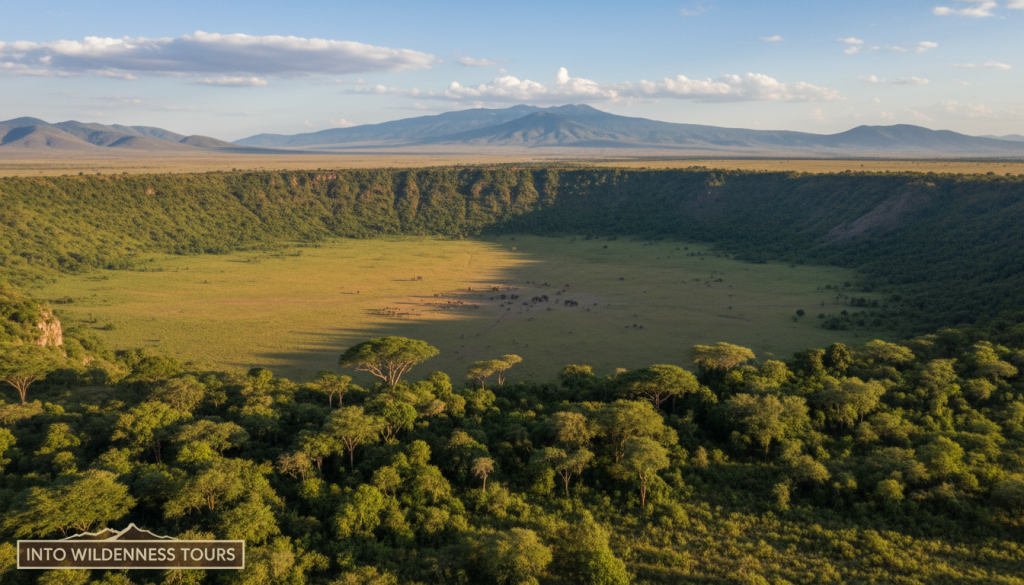
The Ngorongoro Crater stands as a testament to the Earth’s geological history, a vast caldera formed by ancient volcanic forces. This natural wonder, one of the largest intact calderas in the world, continues to fascinate scientists and travelers alike with its sheer scale and complexity.
Formation of the Caldera: A Volcanic Collapse
The crater’s formation is attributed to a massive volcanic eruption that occurred approximately 2.5 million years ago, followed by the collapse of the volcano’s cone. This cataclysmic event created the caldera, which is now about 610 meters deep and 260 square kilometers in area.
The Ancient Eruption Timeline
Research suggests that the eruption that formed Ngorongoro was so powerful that it blanketed much of East Africa in ash. The timeline of this eruption is still a subject of scientific study, providing insights into the Earth’s volcanic past.
Comparison to Other Calderas Worldwide
Ngorongoro Crater is often compared to other calderas around the world, such as those in Hawaii and Italy, due to its similar formation process. However, its unique combination of size, depth, and ecological diversity sets it apart.
Dimensions and Physical Characteristics
The crater’s dimensions are awe-inspiring, with a rim that rises to over 2,200 meters above sea level. The crater floor, with its unique ecosystem, is home to a diverse range of flora and fauna.
The Crater Floor Ecosystem
The crater floor supports a rich ecosystem, including grasslands, swamps, and forests, which in turn support a wide variety of wildlife. This self-sustaining environment is a key aspect of the crater’s ecological significance.
Altitude and Climate Influences
The altitude of the crater rim and floor influences the local climate, creating a unique microclimate that supports the diverse ecosystems within the crater.
The Historical Significance of Ngorongoro
As we explore Ngorongoro Crater, we uncover layers of history that span millions of years, connecting us to our ancient past. This vast caldera is not only a natural wonder but also a repository of historical significance, holding secrets of human evolution and prehistoric settlements.
Ancient Human Connections to the Crater
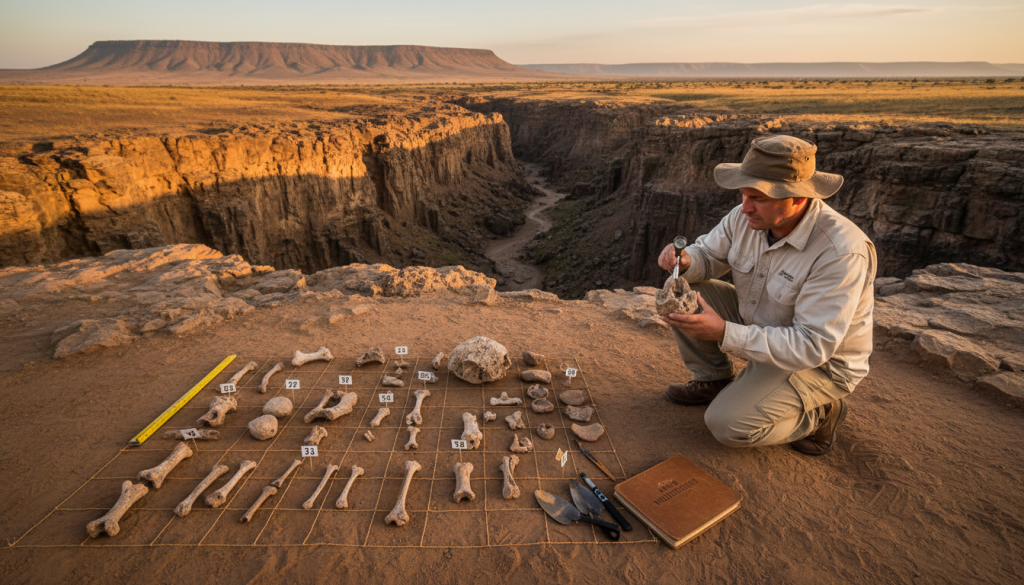
The region surrounding Ngorongoro Crater has been a cradle of human evolution, with Olduvai Gorge being a pivotal site in understanding our ancestral lineage. This gorge, located near the crater, has yielded crucial evidence of early human habitation.
Olduvai Gorge and Human Evolution
Olduvai Gorge is renowned for its role in human evolution, providing fossil records that have significantly advanced our understanding of early hominids. The discoveries here have painted a vivid picture of human development over millions of years.
Prehistoric Settlements in the Region
Archaeological evidence suggests that prehistoric settlements thrived in and around Ngorongoro Crater. These ancient communities left behind artifacts that offer insights into their daily lives and cultural practices.
Archaeological Discoveries in the Region
The Ngorongoro region has been a treasure trove for archaeologists, with numerous fossil findings that have shed light on human history. The Leakey family’s contributions to paleoanthropology have been particularly significant.
Famous Fossil Findings
The area is celebrated for its fossil discoveries, including those of early hominids that have helped scientists trace the lineage of modern humans. These findings have been instrumental in understanding human evolution.
The Leakeys’ Contributions to Paleoanthropology
The Leakey family, renowned paleoanthropologists, has made groundbreaking discoveries in the region. Their work has significantly advanced our understanding of human origins and the processes of evolution.
Ngorongoro Crater’s historical significance is a testament to the rich tapestry of human history and evolution. As we continue to explore and understand this site, we gain deeper insights into our shared past and the processes that have shaped humanity.
Ngorongoro Crater Tanzania: A UNESCO World Heritage Site
Ngorongoro Crater’s designation as a UNESCO World Heritage Site is a testament to its unparalleled natural and cultural significance. This recognition underscores the crater’s importance as a conservation area, a haven for biodiversity, and a site of profound cultural heritage.
Conservation Status and Recognition
The Ngorongoro Crater was designated a UNESCO World Heritage Site in 1979, acknowledging its unique ecological and cultural values. This status is not merely honorary; it comes with the responsibility to protect the site for future generations.
Criteria for UNESCO Designation
The crater met several criteria for UNESCO designation, including its natural beauty, ecological significance, and cultural importance. It is one of the few places on Earth where such a diverse array of flora and fauna coexist in a relatively small area.
Protection Measures in Place
To maintain its World Heritage status, various protection measures are in place, including conservation programs and regulations on human activity within the crater. These measures aim to balance the needs of local communities, wildlife, and tourists.
The Crater’s Global Importance
 The Ngorongoro Crater is not just a Tanzanian treasure; it holds global significance due to its rich biodiversity and cultural heritage.
Biodiversity Significance
The crater is home to an astonishing variety of wildlife, including some of the last remaining black rhinos in Tanzania. Its unique ecosystem supports a dense population of predators and prey, making it a vital area for conservation efforts.
Cultural Heritage Value
Beyond its natural beauty, the Ngorongoro Crater is also a site of significant cultural heritage, with evidence of human habitation dating back millions of years. The crater’s archaeological sites provide invaluable insights into human evolution and early cultures.
In conclusion, Ngorongoro Crater’s status as a UNESCO World Heritage Site is a reflection of its multifaceted importance. It is our responsibility, as guardians of this land, to ensure its preservation for generations to come.
The Unique Ecosystem of the Crater Floor
Nested within the ancient walls of Ngorongoro Crater lies a world of ecological wonder. The crater floor, a vast expanse of grasslands, forests, and wetlands, supports a complex web of life that is both fascinating and fragile.
Microclimate Within the Caldera
The crater’s unique microclimate is characterized by distinct temperature and rainfall patterns, which in turn influence the distribution of vegetation across the crater floor.
Temperature and Rainfall Patterns
The temperature within the crater varies significantly between day and night, while rainfall is often localized, creating pockets of lush vegetation amidst drier areas.
Effects on Vegetation Distribution
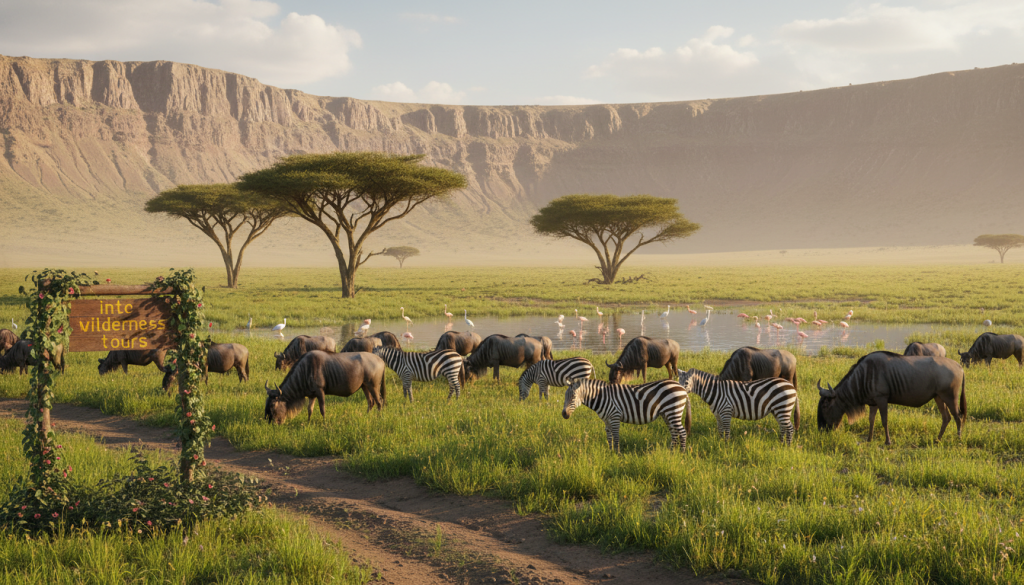
The varied climate conditions support a diverse range of vegetation, from the lush forests surrounding Lake Magadi to the expansive grasslands that cover much of the crater floor.
Interdependent Natural Systems
The ecosystem of the crater floor is characterized by interdependent natural systems, where each component plays a vital role in the overall balance of the environment.
Lake Magadi and Its Ecological Role
Lake Magadi, a saline lake, is a critical component of the crater’s ecosystem, supporting a variety of bird life and serving as a focal point for wildlife.
Grasslands, Forests, and Wetlands Interplay
The interplay between grasslands, forests, and wetlands creates a rich and dynamic ecosystem, where each habitat supports a unique community of plants and animals.
| Ecosystem Component | Ecological Role |
|---|---|
| Lake Magadi | Supports bird life and wildlife |
| Grasslands | Provides grazing for herbivores |
| Forests | Offers shelter and habitat for diverse species |
| Wetlands | Maintains water quality and supports aquatic life |
Understanding the intricate balance of the crater floor ecosystem is essential for appreciating the natural beauty of Ngorongoro and the importance of conservation efforts.
Wildlife Abundance in Ngorongoro
The crater’s enclosed environment creates a perfect haven for an abundance of wildlife to flourish. This unique ecosystem supports a wide range of species, making Ngorongoro Crater a true marvel of nature.
The Big Five
Ngorongoro Crater is home to the Big Five: lions, elephants, rhinos, leopards, and buffalo. These iconic animals roam freely within the crater, creating an unforgettable safari experience.
The Crater’s Famous Lion Prides
The crater is renowned for its lion prides, which are among the densest in Africa. These majestic creatures are a highlight of any visit to Ngorongoro.
Black Rhino Conservation Success
Conservation efforts have led to a significant increase in the black rhino population within the crater. This success story is a testament to the effectiveness of conservation initiatives in Ngorongoro.
| Species | Population | Conservation Status |
|---|---|---|
| Lions | Approximately 500 | Vulnerable |
| Black Rhinos | Around 25 | Critically Endangered |
| Elephants | About 3,000 | Vulnerable |
Rare and Endangered Species
Ngorongoro Crater is also a sanctuary for rare and endangered species. Ongoing monitoring and protection efforts are crucial to the survival of these species.
Monitoring and Protection Efforts
Conservation teams work tirelessly to monitor and protect the crater’s wildlife. These efforts include anti-poaching initiatives and habitat preservation.
Breeding Programs and Population Management
Breeding programs are in place to help manage and increase the populations of endangered species within the crater. These programs are vital to the long-term survival of these animals.

Bird Life in the Crater
The crater is a haven for bird life, with numerous species calling it home. From migratory birds to resident species, Ngorongoro is a birdwatcher’s paradise.
Migratory Species and Seasonal Variations
The crater’s bird life varies with the seasons, with migratory species adding to the richness of the ecosystem during certain times of the year.
Flamingos of Lake Magadi
Lake Magadi is famous for its flamingo populations. These iconic birds are a highlight of any visit to the crater, with their vibrant pink feathers adding a splash of color to the landscape.
The Maasai People and Their Relationship with Ngorongoro
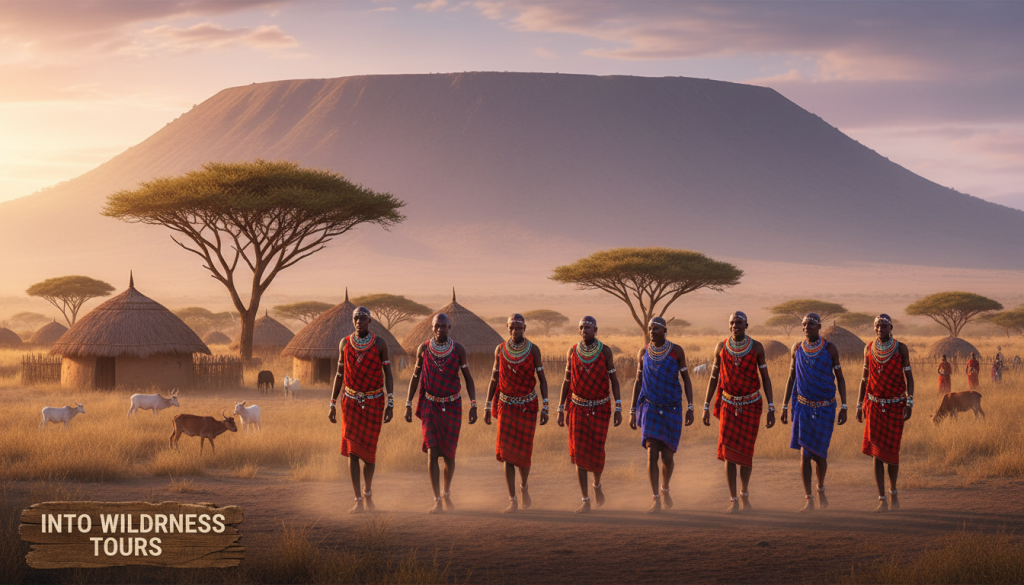
The Maasai people have long considered Ngorongoro Crater a sacred place, deeply intertwining their cultural heritage with the land’s ancient rhythms. For generations, they have lived in harmony with the crater’s unique ecosystem, their traditional practices reflecting a profound respect for the natural world.
Cultural Heritage and Traditional Practices
The Maasai’s pastoral lifestyle is centered around cattle herding, with the crater’s lush grasslands providing vital grazing land for their livestock. Their traditional knowledge of the landscape is remarkable, passed down through generations.
Pastoral Lifestyle and Cattle Herding
The Maasai’s cattle are not just a source of food and income but are deeply intertwined with their cultural identity. Cattle herding is a way of life, with the animals being treated with great care and respect.
Traditional Knowledge of the Landscape
The Maasai possess a deep understanding of the crater’s ecosystem, knowing the best grazing spots, water sources, and medicinal plants. This traditional knowledge is crucial for their survival and is passed down through generations.
Modern Challenges and Conservation Partnerships
Despite their traditional way of life, the Maasai face modern challenges, including land use conflicts and the need for conservation partnerships. Collaborative initiatives are being implemented to balance human and wildlife needs.
Land Use Conflicts and Resolutions
Land use conflicts arise when conservation efforts clash with traditional grazing practices. Resolutions involve dialogue and cooperation between the Maasai community and conservation organizations.
Community-Based Conservation Initiatives
Community-based conservation initiatives empower the Maasai to manage their land and resources sustainably. These initiatives promote coexistence with wildlife and preserve the crater’s unique ecosystem.
Seasonal Changes in Ngorongoro Crater
As we explore the wonders of Ngorongoro Crater, we find that its landscape undergoes a remarkable transformation with the changing seasons. This dynamic ecosystem is shaped by the interplay of wet and dry seasons, each bringing unique characteristics to the crater’s environment.
Wet Season Transformations (November-May)
During the wet season, the crater is revitalized, and the landscape is transformed.
Landscape Changes and Vegetation Growth
The rains bring forth lush vegetation, painting the crater floor with vibrant hues. The grasses grow tall and green, providing a feast for the crater’s herbivores.
Wildlife Behavior During Rains
As the landscape flourishes, wildlife disperses across the crater, taking advantage of the abundant food and water. The wet season is a time of renewal and rebirth, with many animals giving birth to their young during this period.
Dry Season Wildlife Concentrations (June-October)
As the dry season sets in, the crater’s wildlife congregates around the remaining water sources.
Water Source Gatherings
The dry landscape concentrates animals around waterholes, creating dramatic scenes of wildlife interaction.
Predator-Prey Dynamics in Dry Months
The dry season intensifies predator-prey interactions as animals compete for limited resources. This dynamic creates a thrilling spectacle for observers, showcasing the intricate balance of the ecosystem.
| Season | Characteristics | Wildlife Behavior |
|---|---|---|
| Wet Season (Nov-May) | Lush vegetation, abundant water | Dispersal, births |
| Dry Season (Jun-Oct) | Dry landscape, scarce water | Concentration around water sources, intensified predator-prey dynamics |
Planning Your Visit to Ngorongoro Crater
As we plan our journey to Ngorongoro Crater, understanding the best times to visit becomes crucial. The crater’s unique ecosystem and climate mean that the experience can vary significantly depending on when we choose to go.
Best Times to Visit
The Ngorongoro Crater is accessible year-round, but the best time to visit depends on our preferences and what we want to see. The weather plays a significant role in determining the quality of our visit.
Weather Considerations for American Travelers
For travelers from the United States, it’s essential to consider Tanzania’s climate, which is generally warm but varies between wet and dry seasons. The dry season, from June to October, is often considered the best time for wildlife viewing as animals congregate around water sources.
Peak vs. Off-Peak Tourism Seasons
Peak season, during the dry months, means more tourists, but it also offers the best opportunities for spotting the Big Five. Off-peak seasons can provide a more solitary experience and potentially lower costs, but some facilities might be closed or operate on reduced hours.
Entry Requirements and Permits
Before we can enter the Ngorongoro Crater, we need to ensure we have the necessary permits and comply with entry requirements.
Visa Information for US Citizens
US citizens require a visa to enter Tanzania. The process can be completed upon arrival or in advance through the Tanzanian embassy or consulate.
Conservation Area Fees Structure
Conservation fees are a critical component of maintaining the crater’s ecosystem. These fees cover various aspects of conservation and are structured based on the type of vehicle and the duration of the visit.
| Vehicle Type | Fee per Day |
|---|---|
| Private Vehicle | $100 |
| Tourist Vehicle | $200 |
Conservation Fees and Where They Go
Conservation fees are vital for supporting local projects and wildlife protection funding. They help in maintaining the habitat and ensuring the well-being of the wildlife within the crater.
Supporting Local Projects
A portion of the conservation fees goes towards supporting local communities and projects that benefit the Maasai people and other local groups.
Wildlife Protection Funding
Another significant portion is dedicated to funding conservation efforts, including anti-poaching initiatives and habitat restoration.
Safari Options in Ngorongoro
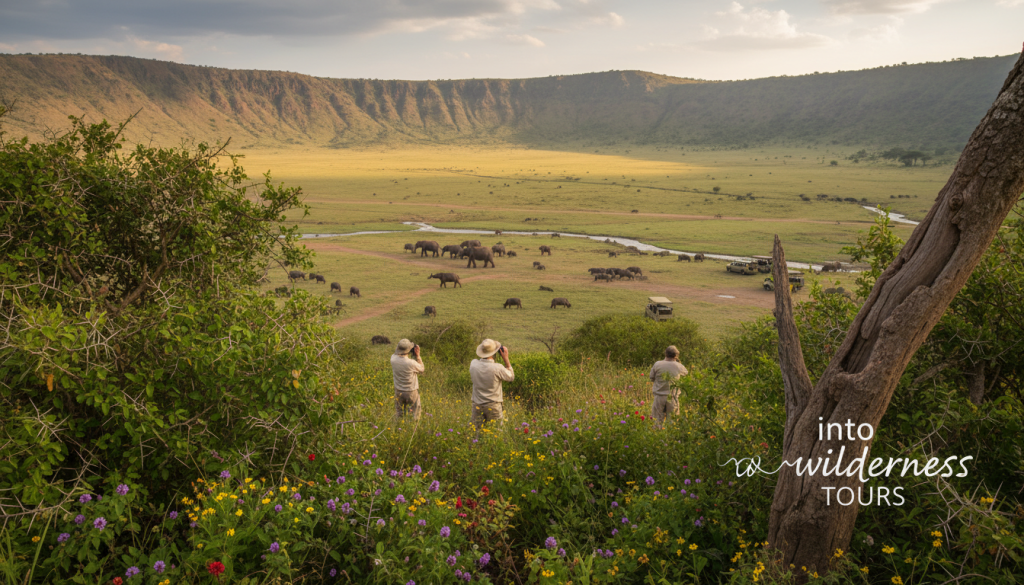
As we venture into the Ngorongoro Crater, the array of safari options available to us is as diverse as the landscape itself. The crater, a marvel of geological history, offers a range of experiences tailored to different interests and adventure levels.
Game Drive Experiences
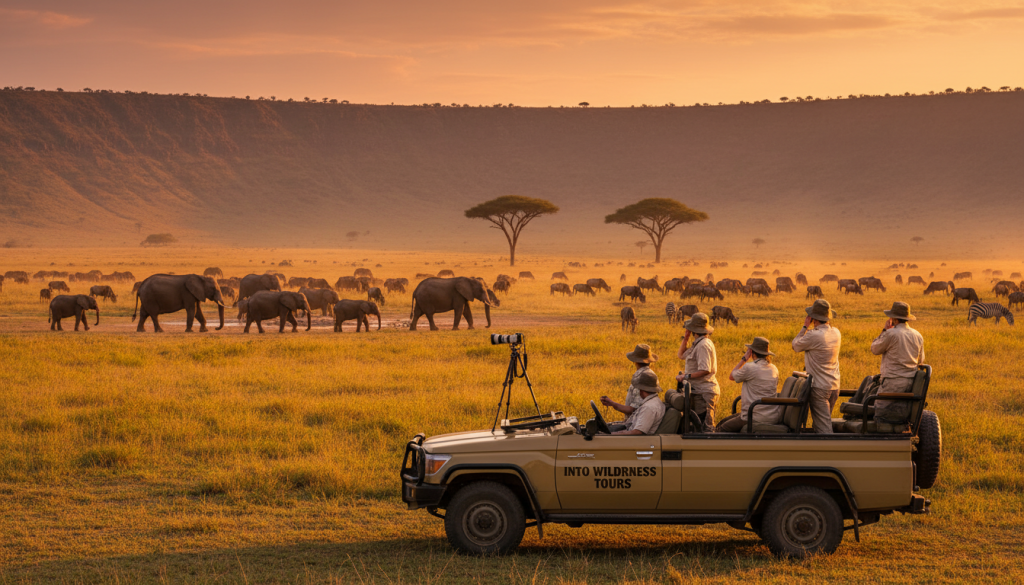
Game drives within the crater are a thrilling way to explore the rich biodiversity. We can choose between full-day and half-day crater tours, each offering a unique perspective on the crater’s ecosystem.
Full-Day vs. Half-Day Crater Tours
Full-day tours allow for a comprehensive exploration, giving us time to witness the crater’s majestic landscapes and wildlife at leisure. Half-day tours, while more condensed, still offer an exhilarating experience, focusing on the highlights of the crater.
Special Interest Safaris (Photography, Birding)
For those with a special interest, photography safaris and birding tours provide a deeper dive into specific aspects of the crater’s natural beauty. These tours are led by experts who share their knowledge, enhancing our understanding and appreciation of the environment.
Guided Tours vs. Self-Drive Options
Visitors to the crater can opt for guided tours, which offer the benefit of local guides and trackers who provide insights into the wildlife and ecosystem. Alternatively, self-drive options are available for those who prefer to explore at their own pace.
Benefits of Local Guides and Trackers
Local guides bring invaluable knowledge to the safari experience, spotting wildlife and sharing stories about the land and its history. Their expertise enriches our journey, making it more memorable.
Self-Drive Regulations and Requirements
For those choosing to self-drive, it’s essential to be aware of the regulations and requirements. This includes understanding the rules of the crater and being prepared for the terrain.
| Safari Option | Description | Duration |
|---|---|---|
| Game Drive | Explore the crater’s wildlife and landscapes | Half-day/Full-day |
| Photography Safari | Focus on capturing the crater’s beauty | Full-day |
| Birding Tour | Discover the crater’s avian diversity | Half-day |
Accommodation Choices Around the Crater
As we explore the wonders of Ngorongoro Crater, choosing the right accommodation becomes essential for a truly immersive experience. The crater’s rim and surrounding areas offer a diverse range of options to suit various tastes and budgets.
Luxury Lodges on the Crater Rim
For those seeking the ultimate in comfort and luxury, the crater rim is home to some of Tanzania’s most prestigious lodges. These iconic properties offer breathtaking views of the crater and its surroundings.
Iconic Properties and Their Views
Lodges such as the Ngorongoro Crater Lodge and the Serena Ngorongoro Crater Lodge provide not only luxurious accommodations but also stunning vistas of the crater floor. Imagine waking up to the sight of the sun rising over the crater’s rim, casting a golden glow over the landscape.
All-Inclusive Safari Packages
Many of these luxury lodges offer all-inclusive safari packages that include guided tours, meals, and other activities. This ensures a hassle-free experience, allowing guests to fully immerse themselves in the natural beauty of Ngorongoro.
Mid-Range and Budget Options
Not everyone needs luxury to enjoy Ngorongoro. There are numerous mid-range and budget-friendly accommodations available, both on the crater rim and in nearby towns like Karatu.
Lodges in Nearby Karatu
Karatu offers a range of lodges and guesthouses that provide comfortable accommodations at more affordable prices. These options are ideal for travelers on a budget or those who prefer to stay in a more local setting.
Value Accommodations for Families
Families will find that there are accommodations designed with their needs in mind. Many lodges offer family-friendly rooms and activities, making them perfect for a family safari adventure.
Camping Experiences in Ngorongoro
For the more adventurous, Ngorongoro offers camping experiences that bring visitors closer to nature. There are public campgrounds with facilities, as well as options for special camping permits.
Public Campgrounds and Facilities
Public campgrounds within and around the conservation area provide basic facilities for campers. These sites are equipped with essentials such as toilets and sometimes even hot showers.
Special Camping Permits and Regulations
For those who wish to camp in more remote or specific areas, special permits are required. It’s essential to familiarize oneself with the regulations and obtain the necessary permits to ensure a safe and enjoyable camping experience.
With such a wide range of accommodation choices, visitors to Ngorongoro Crater can select the option that best suits their preferences and budget, ensuring a memorable and enjoyable stay.
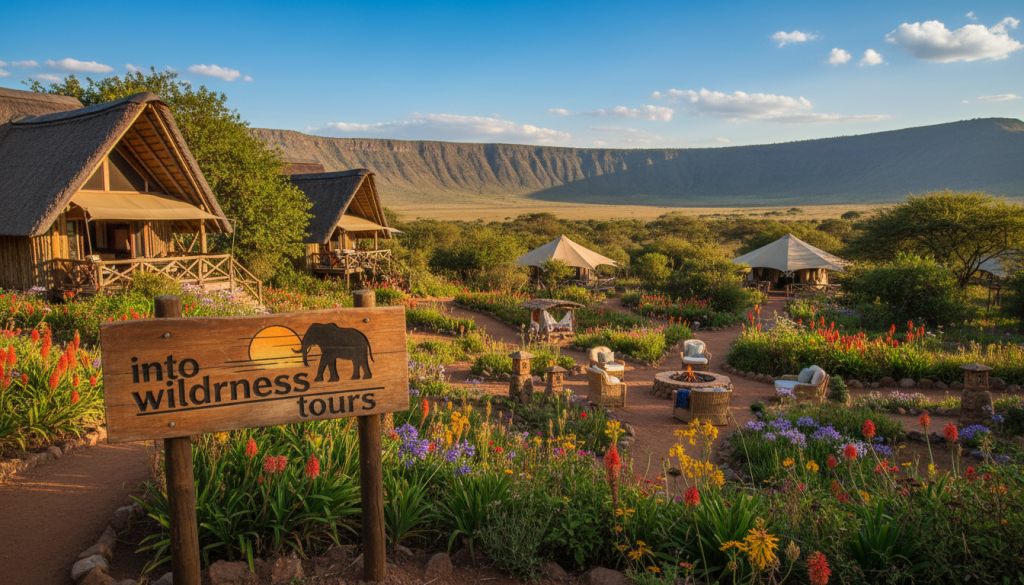
Photography in Ngorongoro: Tips and Prime Locations
As we explore Ngorongoro Crater, we’re reminded of the power of photography to preserve the natural beauty of our world. The crater’s diverse landscapes and abundant wildlife make it an ideal location for both amateur and professional photographers.
Capturing Wildlife in the Crater
To capture the essence of Ngorongoro’s wildlife, consider the following:
- Equipment: A telephoto lens (at least 200mm) is essential for wildlife photography.
- Timing: Early morning and late afternoon offer the best light.
Equipment Recommendations for Safari Photography
A good camera body, telephoto lenses, and a sturdy tripod are must-haves.
Ethical Wildlife Photography Practices
Respect your subjects: keep a safe distance and avoid baiting or harassing animals.
Landscape Photography Opportunities
Ngorongoro’s landscapes are equally captivating. For dramatic shots, consider:
| Time of Day | Best For |
|---|---|
| Sunrise | Soft, warm light |
| Sunset | Dramatic colors and shadows |
The crater rim offers stunning views of the sunrise and sunset.
Capturing the Crater’s Dramatic Scale
Use a wide-angle lens to capture the vastness of the crater.
Conservation Challenges Facing Ngorongoro
Ngorongoro Crater, a UNESCO World Heritage Site, faces numerous conservation challenges that threaten its delicate ecosystem. As we explore these issues, it becomes clear that addressing them is crucial for preserving this natural wonder for future generations.
Human-Wildlife Conflict
The crater’s unique ecosystem is put to the test by the ongoing struggle between human activities and wildlife needs. Livestock grazing issues are a significant concern, as the Maasai people’s traditional herding practices sometimes conflict with the crater’s conservation goals.
Livestock Grazing Issues
The presence of large livestock herds can lead to overgrazing, potentially degrading the land and affecting the crater’s microclimate.
Buffer Zone Management
Effective management of the buffer zone around the crater is crucial in mitigating human-wildlife conflict, requiring a balance between conservation and community needs.
Tourism Impact on the Ecosystem
While tourism is a vital part of Ngorongoro’s conservation efforts, it also poses significant challenges. Vehicle congestion during peak seasons can disrupt the natural habitat, causing stress to the wildlife and potentially altering their behavior.
Vehicle Congestion During Peak Seasons
The influx of visitors during peak seasons can lead to traffic congestion within the crater, potentially disturbing the wildlife and degrading the environment.
Habitat Disruption Concerns
The increased human presence can lead to habitat disruption, as wildlife may alter their natural behaviors to avoid human contact.
Climate Change Effects
Climate change poses a significant threat to Ngorongoro’s ecosystem, with changing rainfall patterns affecting the crater’s delicate balance.
Changing Rainfall Patterns
Altered precipitation patterns can impact vegetation growth, water availability, and ultimately, the wildlife that depends on these resources.
Adaptation Strategies for Wildlife
Understanding and supporting adaptation strategies for wildlife is crucial in helping Ngorongoro’s ecosystem resilience in the face of climate change.
Combining Ngorongoro with Other Tanzania Destinations
For those seeking a rich safari experience, Ngorongoro Crater is often just the beginning of an unforgettable journey through Tanzania. The crater is a central part of the Northern Safari Circuit, a collection of iconic destinations that showcase the country’s diverse wildlife and landscapes.
The Northern Safari Circuit
The Northern Safari Circuit is a well-trodden path for safari-goers, offering a mix of adventure and breathtaking natural beauty. This circuit typically includes several national parks and conservation areas.
Typical Itineraries and Durations
Safari itineraries can vary greatly, but most visitors spend between 3 to 7 days exploring the Northern Safari Circuit. This allows for a leisurely pace and the opportunity to experience the unique characteristics of each destination.
Transportation Between Parks
Traveling between parks is typically done by vehicle, with guided tours offering the most convenient option. The roads can be rugged, so a 4×4 vehicle is essential for navigating the terrain.
Serengeti National Park Connections
No visit to the Northern Safari Circuit is complete without a trip to Serengeti National Park, renowned for its vast plains and the Great Migration.
Wildlife Migration Patterns
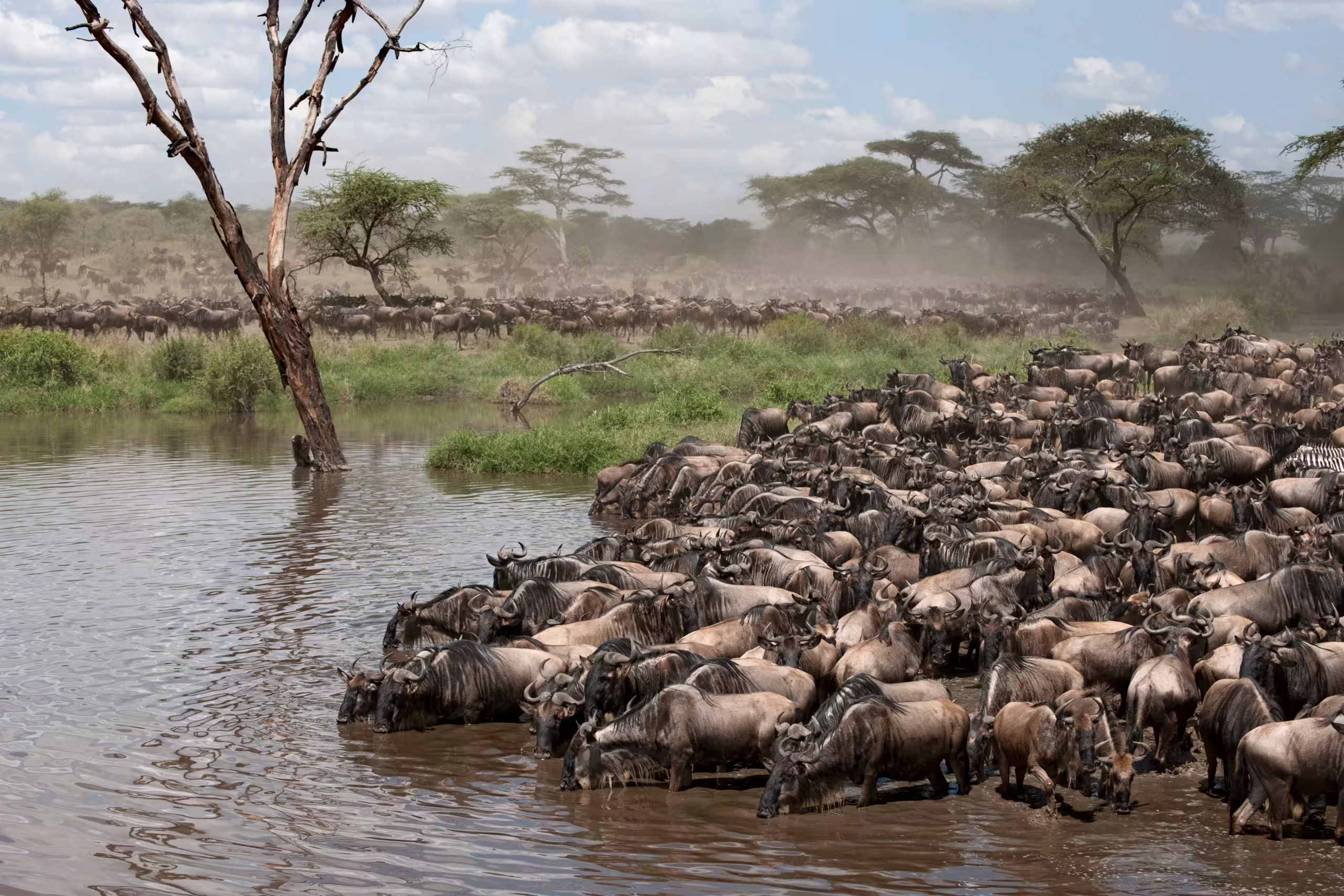
The Serengeti is famous for its annual migration, where millions of wildebeest, zebras, and gazelles make their way across the plains in search of greener pastures.
Complementary Experiences
Visiting the Serengeti offers more than just witnessing the migration. Visitors can enjoy game drives, hot air balloon safaris, and guided walking tours, providing a well-rounded safari experience.
Lake Manyara and Tarangire Extensions
Beyond the Serengeti, extending your safari to include Lake Manyara and Tarangire National Parks can provide a more diverse experience.
Unique Wildlife Viewing Opportunities
Lake Manyara is known for its tree-climbing lions and diverse birdlife, while Tarangire is famous for its large elephant herds and baobab trees.
Logistical Planning Tips
When planning your safari, consider the distances between destinations and the time of year. The dry season often makes wildlife viewing easier, but the wet season brings its own rewards, such as lush landscapes and fewer tourists.
Practical Tips for American Travelers
As American travelers prepare for their Tanzanian adventure to Ngorongoro Crater, several practical considerations must be taken into account. Ensuring a smooth and enjoyable journey requires attention to health and safety, communication and connectivity, and currency and payment options.
Health and Safety Considerations
Before traveling, it’s essential to consult with a healthcare professional about recommended vaccinations and medications. Yellow fever vaccination is often required for travel to Tanzania.
Recommended Vaccinations and Medications
- Hepatitis A and B
- Typhoid
- Malaria prophylaxis
Additionally, travel insurance that covers medical evacuations is highly recommended.
Travel Insurance Requirements
Ensure your policy includes coverage for adventure activities such as safaris.
Communication and Connectivity
While in Tanzania, staying connected is relatively straightforward. Major touristic areas like Ngorongoro have decent mobile network coverage.
Mobile Networks and Wi-Fi Availability
Check with your provider about international roaming. Many lodges and camps also offer Wi-Fi.
Emergency Contact Information
- Register with the U.S. Department of State’s Smart Traveler Enrollment Program (STEP)
- Keep important phone numbers handy
Currency and Payment Options
The local currency is the Tanzanian Shilling, though US dollars are widely accepted.
Using US Dollars in Tanzania
It’s advisable to bring new, crisp US dollar bills for better exchange rates.
Credit Card Acceptance and ATM Access
Major credit cards are accepted at many lodges and tourist facilities. ATMs are available in larger towns.
Unique Experiences in and Around Ngorongoro
Beyond the breathtaking landscapes, Ngorongoro Crater offers a tapestry of unique experiences that weave together nature, culture, and adventure. As we explore this ancient wilderness, we uncover a multitude of ways to engage with the land, its people, and its wildlife.
Cultural Visits to Maasai Villages
One of the most enriching experiences is visiting the Maasai villages, where we can witness firsthand the traditional practices and cultural heritage of this iconic tribe. These visits offer more than just a glimpse into Maasai life; they provide an opportunity for authentic interactions that foster mutual understanding and respect.
Authentic Interactions vs. Tourist Presentations
Unlike staged tourist presentations, authentic cultural visits allow us to engage meaningfully with the Maasai community. We learn about their customs, participate in traditional dances, and gain insight into their unique worldview.
Supporting Ethical Cultural Tourism
By participating in cultural visits, we support ethical tourism practices that benefit the local community directly. This not only enriches our travel experience but also contributes to the preservation of Maasai culture.
Walking Safaris on the Crater Rim
For those seeking adventure, walking safaris on the crater rim offer a chance to explore the natural beauty of Ngorongoro on foot. These guided hikes provide a unique perspective on the landscape and its inhabitants.
Guided Hiking Options
With experienced guides leading the way, we navigate the terrain, discovering hidden corners and gaining a deeper appreciation for the ecosystem. These walks are not just about the destination; they’re about the journey and the encounters along the way.
Flora and Small Wildlife Encounters
As we walk, we encounter a variety of flora and small wildlife that are often overlooked during traditional game drives. This intimate experience with nature fosters a deeper connection to the land and its rhythms.
Olduvai Gorge Museum Visit
A visit to the Olduvai Gorge Museum is a journey through human history, with exhibits that trace the evolution of our species. The museum offers a fascinating glimpse into the archaeological significance of the region.
Understanding Human Evolution Exhibits
The exhibits at Olduvai Gorge provide a comprehensive look at human evolution, with artifacts and fossils that tell the story of our ancestors. This is a truly enlightening experience that sheds light on our shared history.
Guided Tours of Excavation Sites
Guided tours of the excavation sites offer a unique opportunity to see ongoing archaeological work and gain insights into the discoveries that have shaped our understanding of human history.
| Experience | Description | Highlights |
|---|---|---|
| Cultural Visits | Engage with Maasai communities | Traditional dances, cultural insights |
| Walking Safaris | Explore crater rim on foot | Flora, small wildlife, guided hikes |
| Olduvai Gorge Museum | Discover human evolution | Exhibits, guided tours, fossils |
Conclusion: The Timeless Wonder of Ngorongoro
As we stand at the edge of Ngorongoro Crater, we are met with a timeless wonder that has captivated the hearts of many. The crater’s vast expanse, a testament to Tanzania’s rich natural heritage, is a haven for diverse wildlife and a sanctuary for the conservation of precious species.
Ngorongoro Crater is more than just a geological marvel; it is a vibrant ecosystem that thrives with life. The crater floor, a microclimate of its own, supports a wide range of flora and fauna, making it a unique destination for travelers seeking an authentic African experience.
As we reflect on our journey through this incredible landscape, we are reminded of the importance of conservation efforts in preserving this natural treasure for future generations. By supporting responsible tourism practices, we can ensure that Ngorongoro Crater continues to inspire wonder and awe in all who visit.
In the heart of Tanzania, Ngorongoro Crater stands as a symbol of the natural world’s beauty and fragility. As we cherish this timeless wonder, we are called to protect and preserve it, embracing our role as guardians of this precious land.
FAQ
What is the best time to visit Ngorongoro Crater?
The best time to visit Ngorongoro Crater is during the dry season, from June to October, when wildlife is more concentrated around water sources, making it easier to spot.
What are the entry requirements for Ngorongoro Crater?
Visitors require a valid passport, visa (for US citizens, a single-entry tourist visa is required), and a conservation area fee, which supports conservation efforts and community development projects.
Can I drive my own vehicle in Ngorongoro Crater?
Yes, self-drive options are available, but visitors must adhere to specific regulations, including having a 4WD vehicle and a guide or tracker is recommended for a more enjoyable experience.
What types of accommodations are available near Ngorongoro Crater?
Visitors can choose from luxury lodges on the crater rim, mid-range and budget options in nearby Karatu, and camping experiences, including public campgrounds and special permits for a more immersive experience.
How can I support conservation efforts in Ngorongoro Crater?
By paying the conservation area fee, supporting local tour operators who follow responsible tourism practices, and participating in community-based conservation initiatives, visitors can contribute to the protection of Ngorongoro’s ecosystem.
What are the health and safety considerations for visiting Ngorongoro Crater?
Visitors should take recommended vaccinations, bring necessary medications, and have travel insurance that covers medical evacuations; it’s also essential to stay informed about local health concerns and follow guidelines from local authorities.
Can I combine Ngorongoro Crater with other Tanzania destinations?
Yes, Ngorongoro Crater is often visited as part of the Northern Safari Circuit, which includes Serengeti National Park, Lake Manyara, and Tarangire National Park, offering a diverse and enriching safari experience.
What unique experiences are available in and around Ngorongoro Crater?
Visitors can enjoy cultural visits to Maasai villages, walking safaris on the crater rim, and a visit to the Olduvai Gorge Museum, which provide a deeper understanding of the region’s natural and cultural heritage.
How does Ngorongoro Crater support local communities?
The conservation area fee and tourism activities support local communities through community development projects, employment opportunities, and procurement of local goods and services.
What are the photography tips for capturing wildlife in Ngorongoro Crater?
Visitors should use equipment suitable for safari photography, such as telephoto lenses and camera bodies with good low-light performance, and follow ethical wildlife photography practices to minimize disturbance to the animals.