

We invite you to embark on a journey through the heart of Northern Tanzania, a land of breathtaking beauty and profound cultural heritage. As guardians of this enchanting region, we are passionate about sharing its hidden gems and timeless wonders.
The vast savannas, majestic mountains, and serene lakes of Northern Tanzania create a tapestry of unforgettable safari experiences. Here, the rhythm of traditional life blends seamlessly with the modern world, offering a truly immersive experience.
Our curated journey will guide you through the region’s most treasured destinations, revealing the essence of Tanzania tourism at its finest. Join us as we explore the uncharted and discover the transformative power of this incredible land.
Key Takeaways
- Discover the natural beauty and cultural richness of Northern Tanzania
- Experience the best of Tanzania tourism through curated safari experiences
- Explore the region’s hidden gems and popular attractions
- Immerse yourself in traditional life and modern world contrasts
- Join a journey of transformation through the heart of Northern Tanzania
The Enchanting Landscape of Northern Tanzania
Northern Tanzania is a realm of breathtaking diversity, where the earth’s ancient rhythms have sculpted a landscape of profound beauty. As we explore this enchanting region, we discover a world where geography and ecology intertwine to create a tapestry of wonder.
Geographical Wonders That Define the Region
The geography of Northern Tanzania is characterized by dramatic contrasts, shaped by the forces of volcanic activity and tectonic movement. The region’s diverse landscapes range from the towering volcanic highlands to the expansive savanna plains.
From Volcanic Highlands to Savanna Plains
The volcanic highlands, with their fertile soils and misty climates, provide a striking contrast to the arid yet majestic savanna plains below. This diversity of landscapes supports a wide range of ecosystems, each with its unique characteristics and inhabitants.
The Great Rift Valley’s Influence
The Great Rift Valley, a geological marvel, has played a pivotal role in shaping Northern Tanzania’s geography. Its influence has created a variety of habitats, from alkaline lakes to lush wetlands, supporting an incredible array of wildlife.
The Ecological Diversity at a Glance
Northern Tanzania is renowned for its ecological diversity, with a multitude of ecosystems coexisting within a relatively compact area. This diversity is a testament to the region’s complex geography and climatic conditions.
Five Distinct Ecosystems in One Region
Within Northern Tanzania, one can find five distinct ecosystems:
- Volcanic mountains
- Savanna grasslands
- Alkaline lakes
- Dense forests
- Semi-arid deserts
Each ecosystem supports a unique community of plants and animals, adapted to the specific conditions of their environment.
Endemic Species and Their Habitats
The region is home to numerous endemic species, found nowhere else on Earth. These species have evolved in isolation, within the unique habitats provided by Northern Tanzania’s diverse ecosystems. Conservation efforts are crucial to protect these species and their habitats.
Understanding the Complete Map of Northern Tanzania
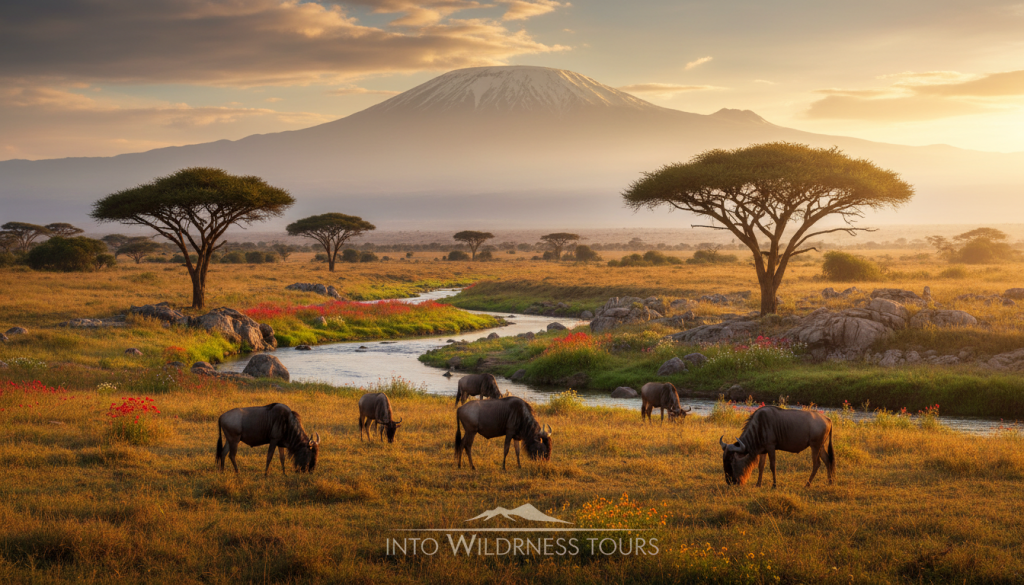
The map of Northern Tanzania is more than just a geographical guide; it’s a key to unlocking the soul of this enchanting region. As we explore this map, we discover a landscape rich in diversity, from the snow-capped peaks of Mount Kilimanjaro to the alkaline lakes and savannas teeming with wildlife.
Major Regions and Their Unique Characteristics
Northern Tanzania is a mosaic of distinct regions, each with its own unique charm and attractions. The area is dominated by the Northern Safari Circuit, a renowned route that guides travelers through some of Africa’s most spectacular wildlife reserves.
The Northern Safari Circuit
The Northern Safari Circuit includes iconic destinations like the Serengeti National Park, Ngorongoro Crater, and Tarangire National Park. This circuit is a haven for wildlife enthusiasts, offering unparalleled opportunities to witness the Great Migration and an array of wildlife.
Lesser-Known Gems Worth Exploring
Beyond the famous safari circuit, there are hidden gems like Lake Natron and Olduvai Gorge, which offer a glimpse into the region’s geological and archaeological significance. These sites provide a deeper understanding of Tanzania’s natural and cultural heritage.
How to Navigate Between Key Destinations
Navigating Northern Tanzania requires an understanding of the available transportation options and the distances between key destinations. Travelers can choose from a range of options, including domestic flights, safari vehicles, and public transport.
Transportation Options and Travel Times
Domestic flights offer a quick way to cover large distances, while safari vehicles provide a more immersive experience, allowing travelers to enjoy the scenery and wildlife en route. Public transport is another option for those looking for a more local experience.
Optimal Routes for Different Interests
Depending on one’s interests, there are various optimal routes. For wildlife enthusiasts, the focus might be on the national parks and reserves, while those interested in cultural experiences might prioritize routes that pass through local communities and historical sites.
The Serengeti: Where Earth Breathes Life
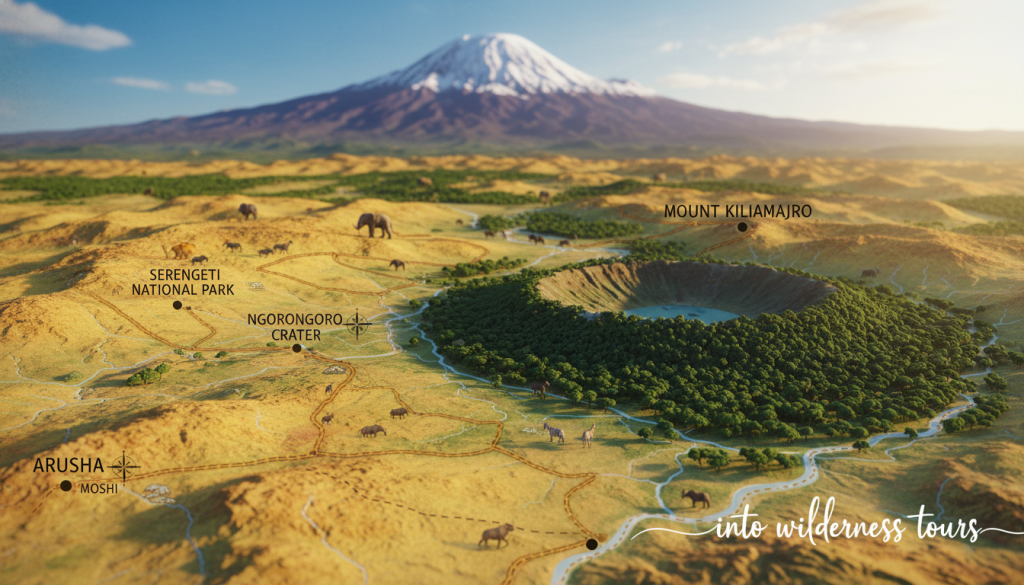
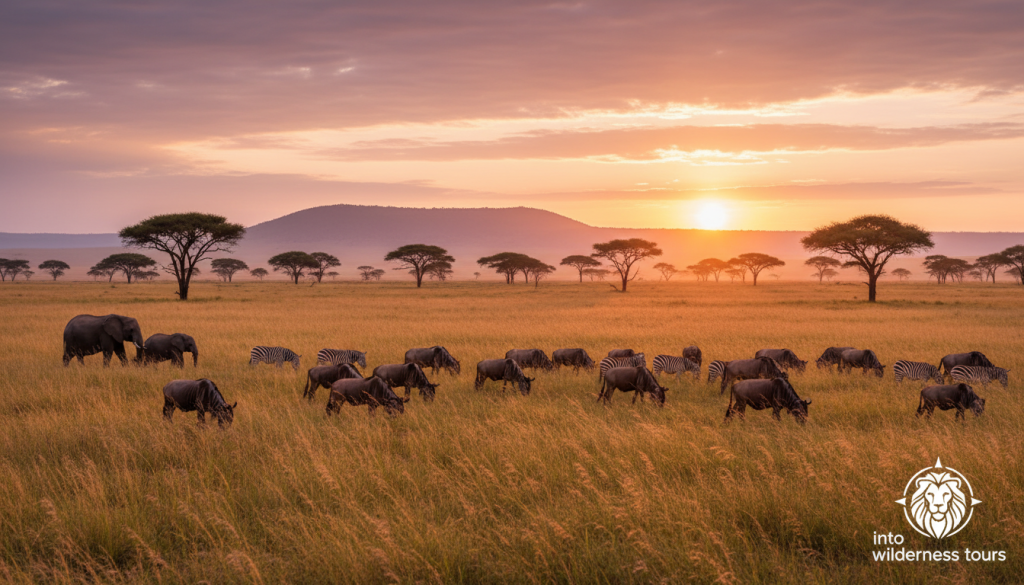
In the heart of Tanzania lies the Serengeti, a land where the very earth seems to breathe life into the surroundings. This iconic national park is renowned for its vast expanses of grasslands, dotted with acacia trees and rocky outcrops known as kopjes. The Serengeti is more than just a geographical location; it’s an ecosystem that pulsates with life, a place where the natural world unfolds in all its glory.
The Great Migration: Nature’s Greatest Spectacle
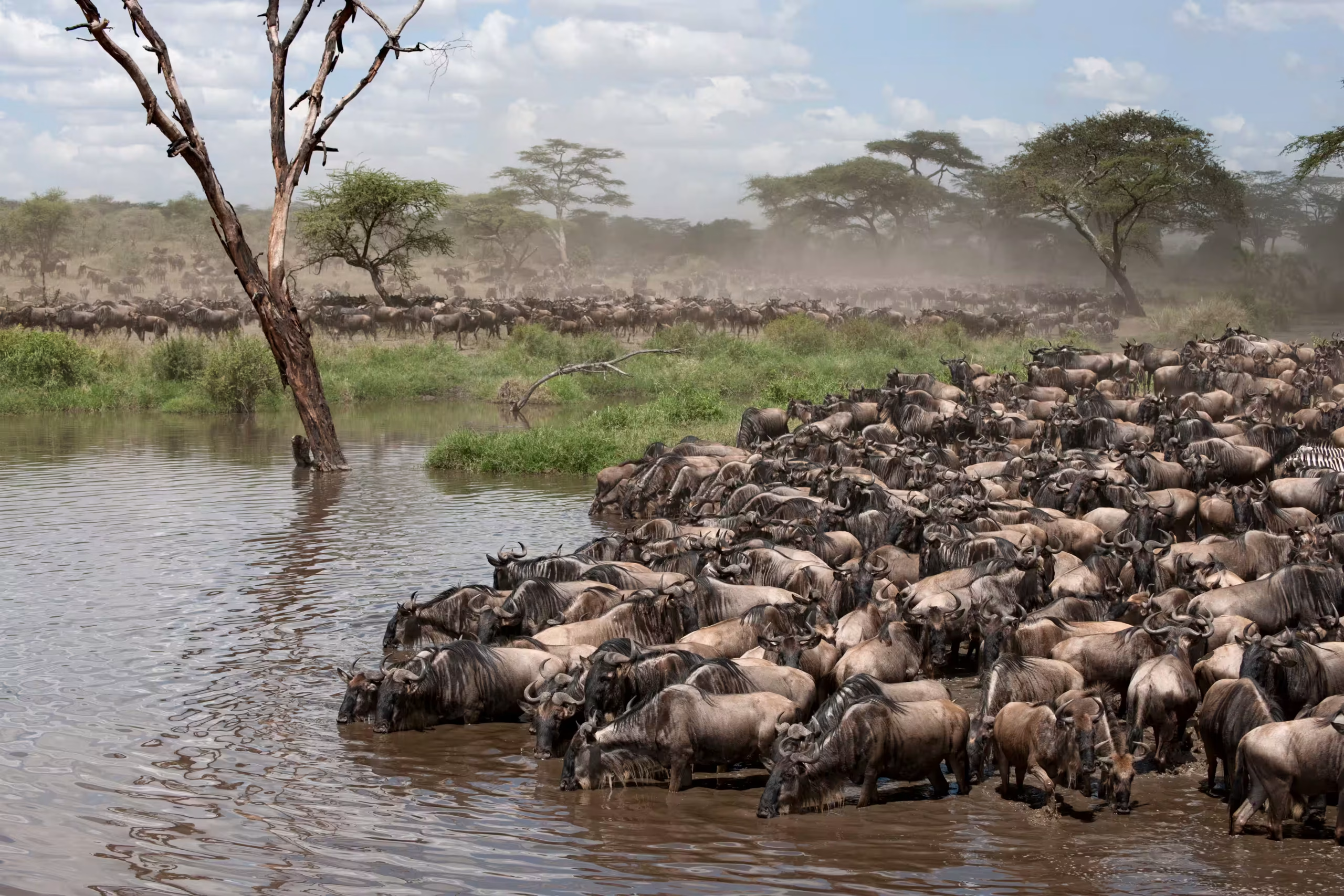
The Serengeti is perhaps most famous for the Great Migration, a phenomenon that draws visitors from around the world. This annual event sees over a million wildebeest, accompanied by zebras and gazelles, migrate in search of greener pastures.
Monthly Movement Patterns
The migration follows a predictable pattern, with the herds moving between the Serengeti and the Maasai Mara in Kenya. Key months to witness this spectacle include:
- January: Calving season in the southern Serengeti
- March-April: Migration begins northwards
- July-August: River crossings in the northern Serengeti
Witnessing River Crossings
One of the most dramatic aspects of the Great Migration is the river crossings, where brave animals face off against lurking crocodiles. These moments are both heart-stopping and awe-inspiring, a true testament to nature’s raw power.
Beyond the Migration: Year-Round Wonders
While the Great Migration is a highlight, the Serengeti offers much more throughout the year. The park is home to an incredible array of wildlife, including the big cats that roam its plains.
The Big Cats of Serengeti
The Serengeti is a haven for lions, leopards, and cheetahs. These majestic predators are a thrill to observe, with lions lazing in the shade and cheetahs sprinting across the grasslands.
Hidden Corners and Secret Valleys
Beyond the well-known areas, the Serengeti holds many secrets. Hidden valleys and secluded kopjes provide sanctuary for a variety of wildlife, offering visitors a chance to explore and discover the park’s more intimate moments.
The Serengeti National Park is a true marvel of the natural world, a place where the cycles of life are on full display. Whether witnessing the Great Migration or observing the big cats in their natural habitat, a visit to the Serengeti is an unforgettable experience.
Ngorongoro Crater: Eden in a Caldera
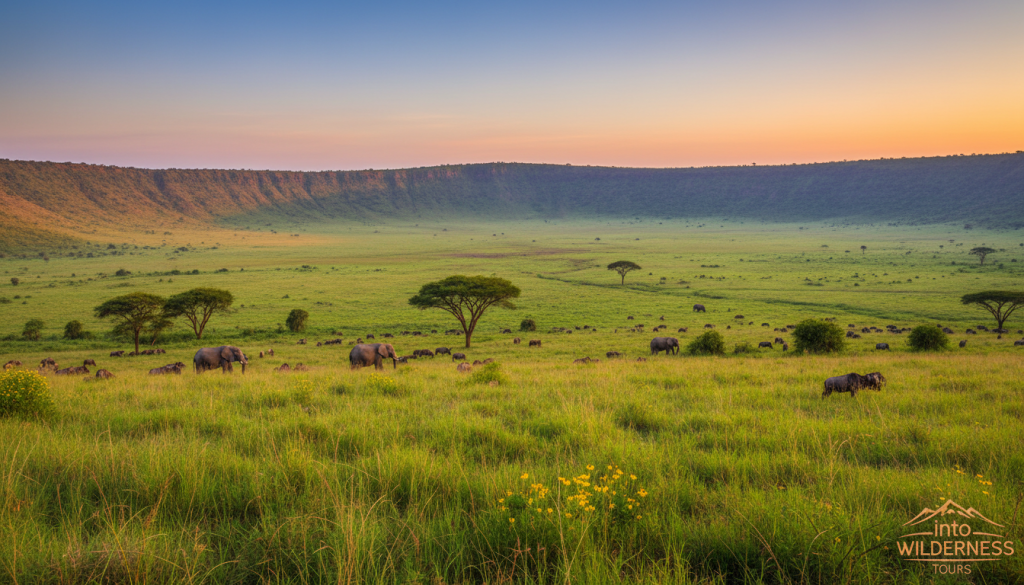
Nested in the heart of Tanzania, the Ngorongoro Crater stands as a testament to nature’s unparalleled beauty and resilience. This Ngorongoro Crater, a marvel of geological history, is one of the world’s largest intact calderas, offering a sanctuary for diverse wildlife.
The Unique Ecosystem of the Crater Floor
The crater floor is a self-sustaining ecosystem, teeming with life. The diverse habitats support a wide range of wildlife, making it a paradise for nature lovers and conservationists alike.
The Big Five in a Day
Visitors to the Ngorongoro Crater can witness the majesty of the Big Five: lion, leopard, rhinoceros, elephant, and Cape buffalo. The crater’s enclosed environment makes spotting these magnificent creatures a thrilling experience.
Rare Species Sightings
Apart from the Big Five, the crater is home to other rare species, including the endangered black rhinoceros. The unique environment of the crater floor provides a haven for these species to thrive.
Conservation Efforts and Their Impact
The conservation efforts in the Ngorongoro Crater are multifaceted, aiming to protect its rich biodiversity while supporting the local community. These efforts are crucial in maintaining the delicate balance between tourism and preservation.
Balancing Tourism and Preservation
Managing tourism in the crater involves careful planning to ensure that the natural environment is preserved for future generations. This includes regulating visitor numbers and promoting eco-friendly practices.
The Maasai’s Role in Conservation
The Maasai community plays a vital role in the conservation of the Ngorongoro Crater. Their traditional knowledge and practices contribute significantly to the conservation efforts, highlighting the importance of community involvement in protecting this natural wonder.
Tarangire National Park: The Elephant Haven
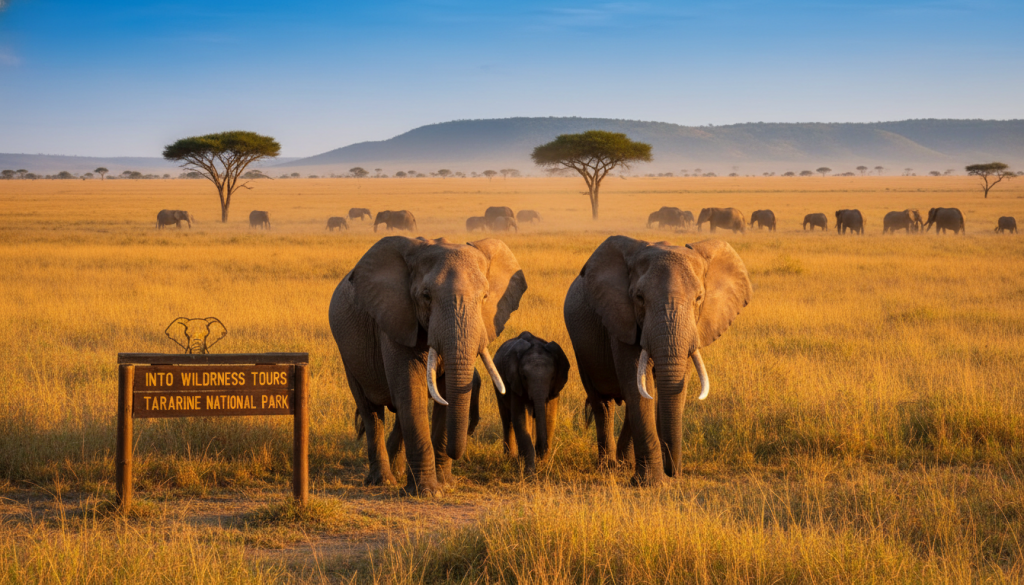
Tarangire National Park, affectionately known as “The Elephant Haven,” is a realm where the majestic giants roam freely, their presence a testament to the park’s untamed beauty. As we explore this enchanting landscape, we’re greeted by the sight of elephants in their natural habitat, a true marvel of the African wilderness.
Ancient Baobabs and Seasonal Rivers
The park’s landscape is characterized by its ancient baobabs, trees that have stood the test of time, their massive trunks a testament to the enduring spirit of Tarangire. These trees, alongside the seasonal rivers, form the lifeblood of the park, providing sustenance for the diverse wildlife that calls Tarangire home.
The Baobab’s Ecological Importance
Baobabs are more than just iconic landmarks; they’re crucial to the ecosystem, offering shelter, food, and water to countless species. Their ability to store large quantities of water helps sustain the park’s inhabitants during the dry seasons.
Dry Season Wildlife Concentrations
During the dry season, Tarangire becomes a wildlife hotspot, as animals congregate around the remaining water sources. This concentration of wildlife offers a unique opportunity for observers to witness the intricate dynamics of the savannah ecosystem.
Optimal Times for Wildlife Viewing
The dry season, from June to October, is considered the optimal time for wildlife viewing in Tarangire. The dry conditions make it easier to spot animals as they gather around water sources.
Predator-Prey Dynamics
The park is a stage for the eternal dance between predators and prey, a spectacle that underscores the raw beauty of nature. Observing these dynamics offers insights into the delicate balance of the ecosystem.
Bird-Watching Opportunities
Tarangire is also a bird-watcher’s paradise, with over 500 species recorded. The park’s diverse habitats, from woodlands to grasslands, support a wide range of avian life, making it a compelling destination for ornithologists and casual bird enthusiasts alike.
Lake Manyara: Flamingos and Tree-Climbing Lions
As we explore Lake Manyara, we’re drawn into a world where the ordinary rules of nature don’t apply. This enchanting lake, with its alkaline waters and lush surroundings, is a microcosm of Tanzania’s diverse wildlife.
The Alkaline Lake Ecosystem
Lake Manyara’s ecosystem is characterized by its alkaline waters, which support a unique array of flora and fauna. The lake’s chemistry is influenced by seasonal fluctuations, affecting the water level and quality.
Seasonal Fluctuations and Their Effects
During the dry season, the lake’s water level drops, concentrating the alkaline salts and affecting the local wildlife. Conversely, the wet season brings an influx of fresh water, diluting the alkalinity and creating a more hospitable environment for various species.
The Pink Spectacle of Flamingo Flocks
One of the most breathtaking sights at Lake Manyara is the gathering of flamingos. These birds thrive in the lake’s alkaline conditions, feeding on the abundant algae and small invertebrates. The sight of thousands of flamingos turning the lake’s shores pink is truly unforgettable.
Unique Wildlife Adaptations
Lake Manyara is renowned for its remarkable wildlife adaptations. The lake and its surroundings are home to a variety of species that have evolved unique survival strategies.
The Mystery of Tree-Climbing Lions
One of the most fascinating phenomena at Lake Manyara is the presence of tree-climbing lions. These majestic creatures have been observed resting in the branches of acacia trees, a behavior not commonly seen in other lion populations.
Forest Primates and Their Behaviors
The forests around Lake Manyara are inhabited by various primate species, each with their own social structures and behaviors. Observing these primates offers insights into their complex lives and adaptations to their environment.
Mount Kilimanjaro: Conquering Africa’s Roof
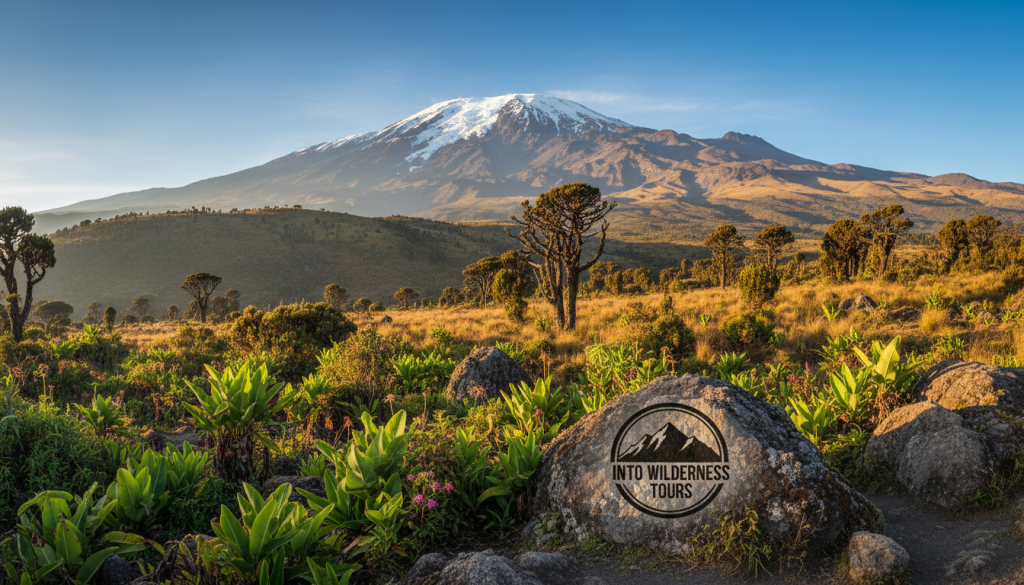
As we stand at the foot of Mount Kilimanjaro, Africa’s majestic roof, we are drawn into a world of breathtaking beauty and transformative adventure. This dormant volcano, towering over the Tanzanian landscape, is a challenge that beckons adventurers from around the world.
The Five Ecological Zones of Kilimanjaro
Kilimanjaro’s ascent is a journey through five distinct ecological zones, each with its unique flora and fauna. The climb begins in the lush rainforest, gradually giving way to moorland, alpine desert, and finally, the arctic summit.
From Rainforest to Arctic Summit
The rainforest zone is a dense, green world teeming with life. As we climb higher, the landscape shifts dramatically, transitioning through the moorland’s heath and Erica trees, into the sparse, rocky alpine desert, and finally, to the frozen, lunar-like landscape of the arctic summit.
Flora and Fauna Adaptations to Altitude
As we ascend, the flora and fauna adapt to the changing altitude, showcasing nature’s incredible resilience. From the giant lobelias of the moorland to the hardy, cold-resistant plants of the alpine zone, each species has evolved unique strategies to survive in Kilimanjaro’s diverse environments.
Preparing for the Climb of a Lifetime
Climbing Kilimanjaro is a significant undertaking that requires careful preparation. Choosing the right route and preparing physically and mentally are crucial steps to ensure a successful and enjoyable journey.
Routes to the Summit
Several routes lead to Kilimanjaro’s summit, each with its own characteristics and challenges. The choice of route depends on the climber’s experience, physical condition, and preferred scenery.
Physical and Mental Preparation
Physical conditioning is essential for tackling Kilimanjaro’s high altitude and demanding terrain. Mental preparation is equally important, as climbers must be prepared for the psychological challenges of high-altitude climbing.
Arusha: Gateway to Northern Tanzania’s Treasures
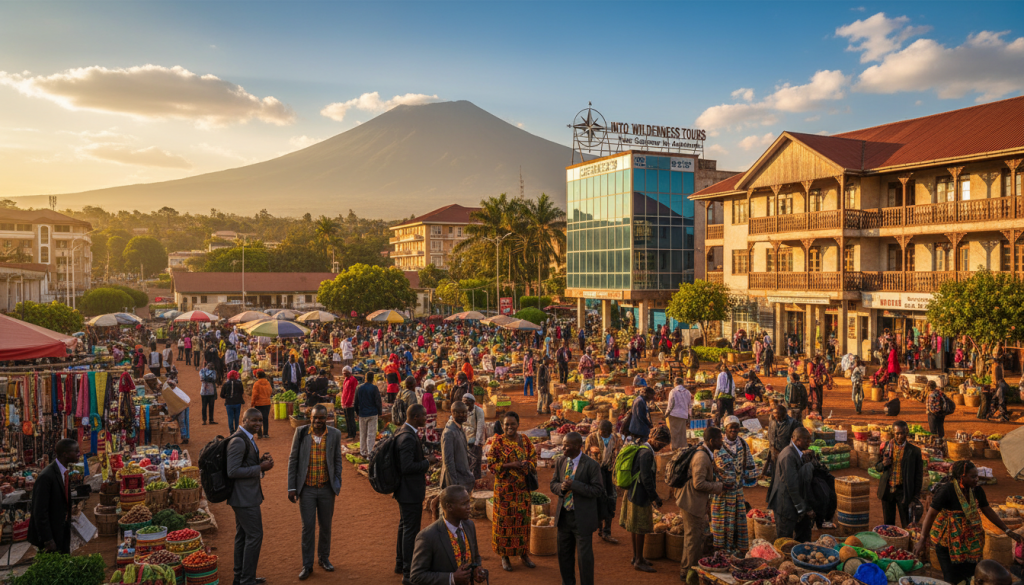
Our exploration of Northern Tanzania begins in Arusha, a city that masterfully blends tradition with modernity. As we step into this vibrant city, we’re greeted by the warm Tanzanian hospitality and a rich cultural tapestry that reflects the region’s diverse heritage.
Cultural Highlights of the City
Arusha is more than just a gateway; it’s a destination that offers a deep dive into the local culture. The city’s cultural landscape is dotted with attractions that showcase the region’s history and traditions.
Markets and Culinary Experiences
The city’s markets, such as the Arusha Declaration Monument and the local food markets, offer a sensory experience. Here, we can sample local delicacies like ugali and nyama choma, and shop for handmade crafts. As we explore these markets, we’re immersed in the sights, sounds, and flavors of Tanzanian culture.
Museums and Historical Sites
For those interested in history, Arusha has several museums and historical sites. The National Natural History Museum and the Arusha Cultural Heritage Centre provide insights into the region’s natural and cultural history. As we walk through these institutions, we’re reminded of the importance of preserving our cultural heritage.
Planning Your Northern Circuit from Arusha
Arusha serves as the perfect base for planning our Northern Circuit itinerary. From here, we can easily access some of Tanzania’s most renowned national parks and conservation areas.
Accommodation Options
Arusha offers a range of accommodation options, from luxury lodges to budget-friendly guesthouses. Whether we’re looking for comfort or simplicity, we can find a place that suits our needs. Some popular choices include lodges that offer stunning views of the surrounding landscape.
Finding Reputable Tour Operators
To make the most of our Northern Circuit journey, it’s essential to find reputable tour operators. Arusha is home to many experienced tour companies that offer guided safaris and cultural tours. By choosing a reliable operator, we can ensure a safe and enriching experience.
As we conclude our exploration of Arusha, we’re reminded that this city is not just a gateway, but a vibrant destination in its own right. With its rich cultural heritage and convenient location, Arusha is the perfect starting point for our Northern Tanzania adventure.
The Maasai People: Guardians of Ancient Traditions
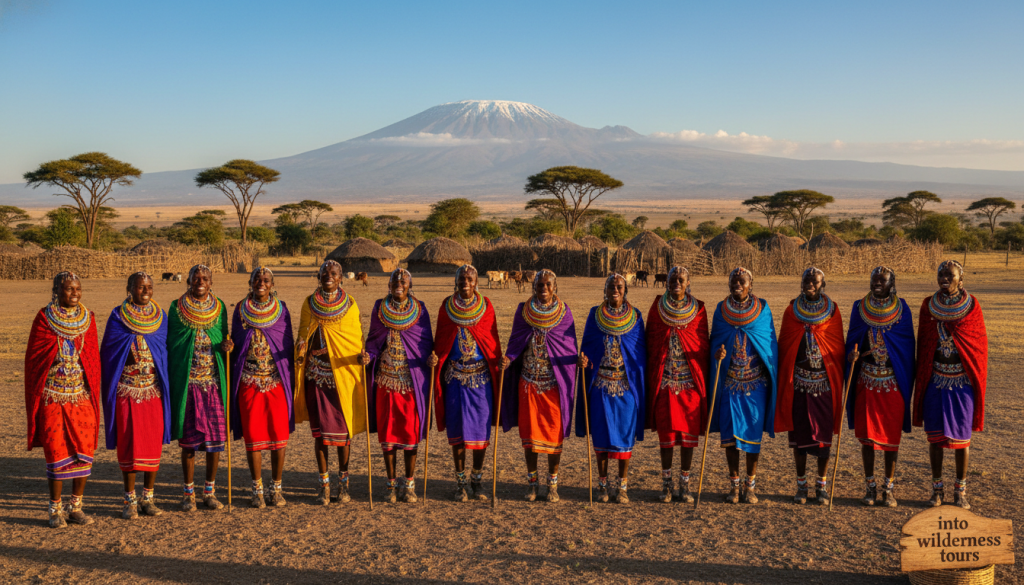
The Maasai, with their vibrant culture and deep connection to the land, stand as guardians of ancient traditions in the heart of Tanzania. Their rich heritage is a testament to their resilience and commitment to preserving their way of life amidst the changing landscapes of modern Tanzania.
Cultural Immersion Experiences
Visitors to Northern Tanzania have the unique opportunity to engage in cultural immersion experiences with the Maasai people. These experiences not only enrich the traveler’s understanding of Maasai culture but also contribute to the local economy.
Village Visits and Their Impact
Village visits allow travelers to witness firsthand the daily life and traditions of the Maasai. By participating in community activities, visitors can foster meaningful connections and support local initiatives.
Learning Traditional Skills and Knowledge
The Maasai are known for their exceptional skills in traditional crafts, medicine, and storytelling. Learning from the Maasai elders provides a rare insight into their ancestral knowledge and practices.
Responsible Cultural Tourism
As cultural tourism grows, so does the importance of practicing responsible tourism. It’s crucial to support authentic cultural preservation and ensure that interactions with the Maasai community are conducted ethically.
Supporting Authentic Cultural Preservation
By engaging with reputable tour operators who prioritize community-based tourism, travelers can help preserve Maasai cultural heritage. This support enables the continuation of traditional practices and promotes cultural exchange.
Ethical Photography and Interaction
When interacting with the Maasai, it’s essential to practice ethical photography and respect personal boundaries. Asking permission before taking photos and engaging in respectful dialogue fosters a positive and enriching experience for both visitors and the local community.
| Cultural Immersion Activity | Description | Impact |
|---|---|---|
| Village Visits | Participate in daily Maasai life and traditions | Supports local economy and fosters connections |
| Traditional Skills Learning | Learn from Maasai elders about crafts, medicine, and storytelling | Preserves ancestral knowledge and promotes cultural exchange |
“The Maasai culture is a vibrant tapestry woven with threads of tradition, resilience, and community. By embracing cultural immersion, we not only enrich our own lives but also contribute to the preservation of this precious heritage.”
Olduvai Gorge: Cradle of Humankind
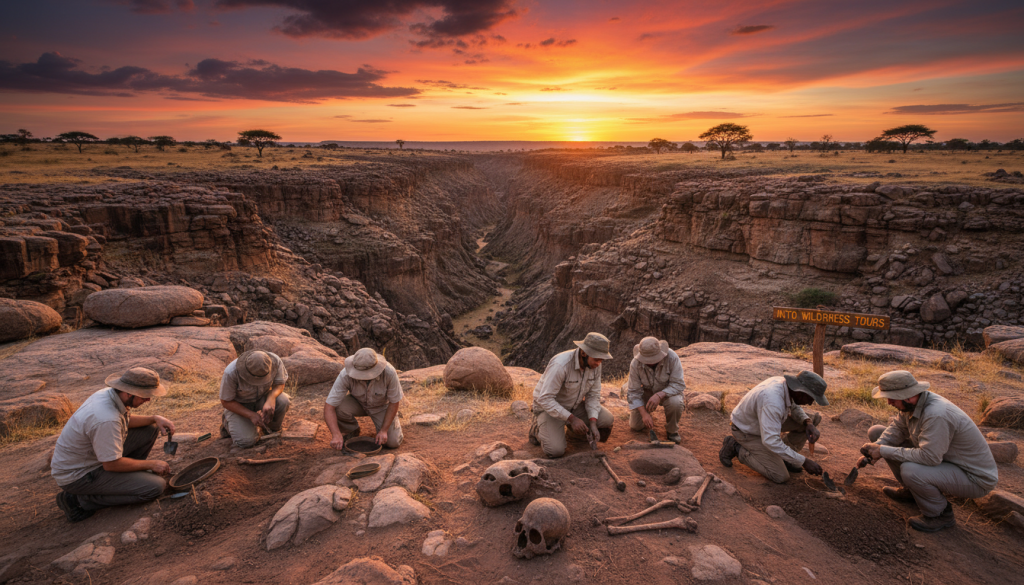
In the vast expanse of Northern Tanzania, there’s a place where the story of humanity’s origins unfolds: Olduvai Gorge. This remarkable site has captivated archaeologists and visitors alike with its profound significance in understanding human history.
Archaeological Significance and Discoveries
Olduvai Gorge is renowned for its rich archaeological findings, which have significantly contributed to our understanding of human evolution. The site has yielded numerous fossil discoveries that have reshaped our knowledge of early human development.
The Leakeys’ Legacy
The Leakey family, particularly Louis and Mary Leakey, played a pivotal role in uncovering the secrets of Olduvai Gorge. Their meticulous excavations and groundbreaking discoveries have left an indelible mark on the field of archaeology.
Recent Findings and Their Implications
Recent excavations at Olduvai Gorge have continued to unveil new insights into human origins. These findings have not only expanded our understanding of early human life but also provided valuable context to the evolution of our species.
Connecting with Our Distant Past
Visiting Olduvai Gorge offers a unique opportunity to connect with our ancient ancestors. The site provides a tangible link to our past, allowing us to walk in the footsteps of early humans.
The Museum Experience
The Olduvai Gorge Museum is a treasure trove of archaeological knowledge, housing many of the significant finds from the site. Visitors can explore exhibits that bring the history of human evolution to life.
Walking Where Our Ancestors Walked
For those who venture to Olduvai Gorge, there’s an unparalleled experience of standing where our ancestors once stood. This connection to the land and our heritage is a profound and moving experience.
As we explore Olduvai Gorge, we are reminded of the importance of preserving our cultural and archaeological heritage. This site stands as a testament to the rich history of our planet and the story of humanity’s origins.
Lake Natron: The Crimson Waters and Flamingo Sanctuary
In the heart of Northern Tanzania lies Lake Natron, a body of water so surreal it seems to belong to another world. This saline lake, known for its deep crimson waters, is not just a visual marvel but also a critical habitat for various wildlife, most notably the lesser flamingos.
The Geological Marvel of Soda Lakes
Lake Natron is a prime example of a soda lake, a type of lake that is characterized by its high pH level due to the presence of sodium carbonate and other minerals. This unique chemical composition supports a specific type of algae that thrives in such conditions.
Chemical Composition and Its Effects
The water’s high pH level, often above 10, is due to the sodium carbonate and bicarbonate inflow from the surrounding mineral-rich hills. This environment fosters the growth of Spirulina, a type of algae that gives the lake its distinctive color.
The Otherworldly Landscape
The landscape around Lake Natron is as breathtaking as it is alien. The lake’s surface, often covered with a layer of salt, creates a surreal white expanse that contrasts sharply with the deep red waters. This unique scenery is a photographer’s dream and a testament to the natural wonders of Tanzania.
| Characteristics | Description | Impact |
|---|---|---|
| pH Level | Highly alkaline, often above 10 | Supports specific algae growth |
| Chemical Composition | Rich in sodium carbonate and bicarbonate | Unique ecosystem |
| Water Color | Deep crimson due to algae | Aesthetic and ecological significance |
Ol Doinyo Lengai: The Mountain of God
Rising majestically near Lake Natron is Ol Doinyo Lengai, known as the Mountain of God. This active volcano is sacred to the local Maasai people and offers a challenging yet rewarding hiking experience.
Hiking the Active Volcano
Hiking Ol Doinyo Lengai is an adventure like no other. The climb is challenging, but the sunrise from the summit is a breathtaking reward. The volcano’s unique geology, with its natrocarbonatite lava, adds to the allure of this natural wonder.
Cultural Significance to Local Tribes
To the Maasai, Ol Doinyo Lengai is more than a mountain; it’s a spiritual center. The volcano is considered the dwelling place of their god, Ngai. Visiting the mountain offers a glimpse into the rich cultural heritage of the region.
Sustainable Safari Experiences in Northern Tanzania
As we venture into the heart of Northern Tanzania, we discover that sustainable safari experiences are not just a choice, but a necessity. The region’s breathtaking landscapes and diverse wildlife are a treasure that we must preserve for future generations. Our approach to safaris is deeply rooted in the principles of sustainability, ensuring that our adventures not only thrill but also contribute to the conservation of this incredible ecosystem.
Eco-Friendly Lodges and Camps
Our eco-friendly lodges and camps are designed to minimize their footprint on the environment while maximizing the comfort and authenticity of your stay. We have carefully selected accommodations that not only blend into the natural surroundings but also implement sustainable practices.
Solar-Powered Accommodations
Many of our chosen lodges are powered by solar energy, reducing their reliance on fossil fuels and lowering their carbon emissions. This not only helps in preserving the natural beauty of the area but also provides a unique, serene experience under the African sun.
Water Conservation Initiatives
Water conservation is a critical aspect of our sustainability efforts. Our lodges employ various water-saving technologies and practices, such as rainwater harvesting and greywater recycling, to minimize their water footprint.
Conservation-Focused Tour Operators
We partner with tour operators who share our commitment to conservation and sustainability. These operators not only provide exceptional safari experiences but also contribute to the protection of Northern Tanzania’s wildlife and habitats.
Community Benefit Programs
Our tour operators engage in community benefit programs that support local economies and promote cultural exchange. By participating in these programs, we help ensure that the benefits of tourism are shared equitably among local communities.
Wildlife Protection Contributions
A portion of the proceeds from our safaris goes towards wildlife protection efforts, including anti-poaching initiatives and habitat conservation projects. This support is crucial in safeguarding the region’s biodiversity and ensuring the long-term survival of its iconic species.
By choosing sustainable safari experiences in Northern Tanzania, we are not only creating unforgettable memories but also contributing to the preservation of an incredible natural heritage. Let’s continue to explore this magnificent region with reverence and responsibility.
Seasonal Guide to Northern Tanzania
In Northern Tanzania, the seasons weave a tapestry of experiences that captivate and transform. As we explore this enchanting land, we discover that each season brings its own unique charm and adventure.
Dry Season Adventures
The dry season, spanning from June to October, is a time of great wildlife concentration around the remaining water sources. This period offers wildlife concentration benefits as animals gather in specific areas, making them easier to spot.
Wildlife Concentration Benefits
During the dry season, the sparse vegetation and dry terrain make it easier to track and observe wildlife. The concentration of animals around waterholes creates a spectacular display of nature’s drama, with predators and prey interacting in a delicate dance.
Photography Opportunities
The dry season also presents unparalleled photography opportunities. The clear skies and dry landscapes provide a crisp backdrop for capturing stunning images of the wildlife and scenery. With the animals congregating around water sources, photographers can snap remarkable shots of their subjects in their natural habitat.
Green Season Treasures
In contrast, the green season, which runs from November to May, brings a fresh vibrancy to the landscape. The rains transform the terrain into lush landscapes, teeming with new life.
Lush Landscapes and Newborn Wildlife
The green season is characterized by the arrival of newborn wildlife, as the rains trigger a surge in births across the region. The landscape is rejuvenated, with grasses and wildflowers sprouting, creating a picturesque setting that is perfect for nature walks and birdwatching.
Fewer Crowds and Better Rates
Moreover, the green season offers the advantage of fewer crowds and often better rates at lodges and tour operators. Visitors can enjoy a more serene and intimate experience with nature, without the crowds that are common during the peak dry season.
As we navigate the seasonal rhythms of Northern Tanzania, we find that each period offers its own distinct rewards. Whether we prefer the dry season’s wildlife spectacles or the green season’s lush beauty, there’s always something extraordinary to experience in this captivating region.
Transformative Journeys: Beyond the Tourist Trail
As we venture beyond the beaten path in Northern Tanzania, we discover transformative journeys that redefine the essence of travel. Here, the landscape is not just a backdrop but a catalyst for personal growth, cultural immersion, and a deeper connection with nature.
Community-Based Tourism Initiatives
At the heart of these transformative journeys are community-based tourism initiatives that bring travelers closer to the authentic heart of Northern Tanzania. By engaging directly with local communities, we foster a mutual understanding and respect that enriches both our lives and theirs.
Homestays and Cultural Exchanges
Homestays offer a unique opportunity to live with local families, sharing meals and stories, and gaining insight into traditional ways of life. “The warmth of Tanzanian hospitality is like nowhere else,” says a traveler who participated in a homestay program. “It was a truly immersive experience that left a lasting impact on my heart.”
Artisan Workshops and Skills Learning
Artisan workshops provide a hands-on experience where travelers can learn traditional crafts and skills, from weaving to woodcarving. This not only supports local artisans but also preserves cultural heritage. As we learn these skills, we gain a deeper appreciation for the craftsmanship and the stories behind each piece.
Personal Growth Through Cultural Exchange
Cultural exchange is a two-way street, offering opportunities for personal growth as we learn from and share with the communities we visit. It’s a journey that challenges our perspectives and broadens our understanding of the world.
Shifting Perspectives Through Travel
Travel has the power to shift our perspectives, challenging our assumptions and fostering empathy. As we engage with different cultures, we’re reminded of the common humanity that binds us all. This shift in perspective can be profoundly transformative, influencing how we live our lives long after our journey ends.
Stories of Transformation from Previous Travelers
Many travelers have experienced profound transformations through their journeys in Northern Tanzania. For instance, one traveler shared, “The experience was life-changing. It wasn’t just about seeing new places; it was about connecting with people and understanding their stories.”
Conclusion: The Enduring Spirit of Northern Tanzania
As we conclude our journey through Northern Tanzania, we are left with a profound sense of wonder and awe at the region’s enduring spirit. The land, with its breathtaking landscapes and diverse wildlife, is a testament to the power of nature and the importance of conservation efforts.
From the Serengeti’s endless plains to the majestic slopes of Mount Kilimanjaro, Northern Tanzania is a realm of transformation, where the boundaries between wilderness and humanity blur. We have explored the region’s unique ecosystems and discovered the rich cultural heritage of the Maasai people, all part of the fabric that makes Northern Tanzania so unique.
As we reflect on our journey, we are reminded that the beauty and magic of Northern Tanzania are fragile and require our care. It is our responsibility to support conservation efforts and promote responsible tourism practices that preserve the region’s natural beauty and cultural heritage for future generations.
The enduring spirit of Northern Tanzania will stay with us, a reminder of the transformative power of nature and the importance of our role as guardians of the earth.
FAQ
What is the best time to visit Northern Tanzania?
The best time to visit Northern Tanzania is during the dry season, from June to October, when wildlife is concentrated around water sources, making it easier to spot. However, the green season, from November to May, offers lush landscapes and newborn wildlife, with fewer crowds and better rates.
What are the must-visit destinations in Northern Tanzania?
Must-visit destinations in Northern Tanzania include the Serengeti National Park, Ngorongoro Crater, Tarangire National Park, Lake Manyara, and Mount Kilimanjaro, each offering unique landscapes and wildlife experiences.
How do I get to Northern Tanzania?
The most convenient way to get to Northern Tanzania is by flying into Kilimanjaro International Airport or Arusha Airport, from where you can take domestic flights or charter a private vehicle to your destination.
What are the best ways to experience the Maasai culture?
To experience the Maasai culture, consider visiting a Maasai village, participating in a cultural immersion program, or attending a traditional ceremony, which can provide a deeper understanding of their customs and way of life.
What are the options for accommodation in Northern Tanzania?
Accommodation options in Northern Tanzania range from luxury lodges and tented camps to budget-friendly hotels and guesthouses, with many eco-friendly and sustainable options available, such as solar-powered lodges.
How can I contribute to conservation efforts in Northern Tanzania?
To contribute to conservation efforts, consider choosing tour operators that support local conservation initiatives, reducing your carbon footprint, and respecting wildlife and their habitats, as well as supporting community-based tourism initiatives.
What are the safety considerations for travelers in Northern Tanzania?
Safety considerations include taking necessary precautions against malaria and other diseases, being aware of your surroundings, and following guidance from your tour operator or local guides, as well as respecting local customs and traditions.
Can I climb Mount Kilimanjaro on my own?
While it is possible to climb Mount Kilimanjaro on your own, it is recommended to hire a certified guide or join a guided tour to ensure safety and success, as the climb can be challenging and unpredictable.
What are the benefits of community-based tourism initiatives?
Community-based tourism initiatives provide benefits to local communities, including economic opportunities, cultural exchange, and conservation of traditional practices, while also offering travelers a more authentic and immersive experience.
How can I ensure that my visit is sustainable and responsible?
To ensure a sustainable and responsible visit, choose eco-friendly accommodations, support local conservation initiatives, respect wildlife and their habitats, and engage with local communities in a respectful and culturally sensitive manner.