
As we embark on a journey to unveil the wonders of Tanzania tourism, we are met with a tapestry of natural beauty, rich culture, and unforgettable experiences.
Tanzania, a gem in the heart of Africa, beckons travelers to explore its diverse landscapes, from the snow-capped peaks of Mount Kilimanjaro to the serene beaches of Zanzibar. We invite you to delve into the myriad African safaris and experiences that Tanzania has to offer, each promising a unique and enriching adventure.
Key Takeaways
- Discover Tanzania’s diverse landscapes and rich cultural heritage.
- Explore the snow-capped peaks of Mount Kilimanjaro.
- Relax on the serene beaches of Zanzibar.
- Embark on unforgettable African safaris.
- Experience the warmth of Tanzanian hospitality.
The Enchanting Land of Tanzania: An Overview
As we step into Tanzania, we’re immediately enveloped in a world of breathtaking landscapes and vibrant cultures. This enchanting land is a treasure trove of natural wonders and cultural riches, waiting to be explored.
Geographical Diversity and Natural Wonders
Tanzania’s geographical diversity is a marvel, with vast savannas, towering mountains, and pristine beaches that showcase the country’s natural wonders. The Serengeti National Park, with its endless plains, is home to the Great Migration, one of the most spectacular wildlife events on the planet. As we explore these natural wonders, we’re struck by the sheer scale and beauty of Tanzania’s landscapes.
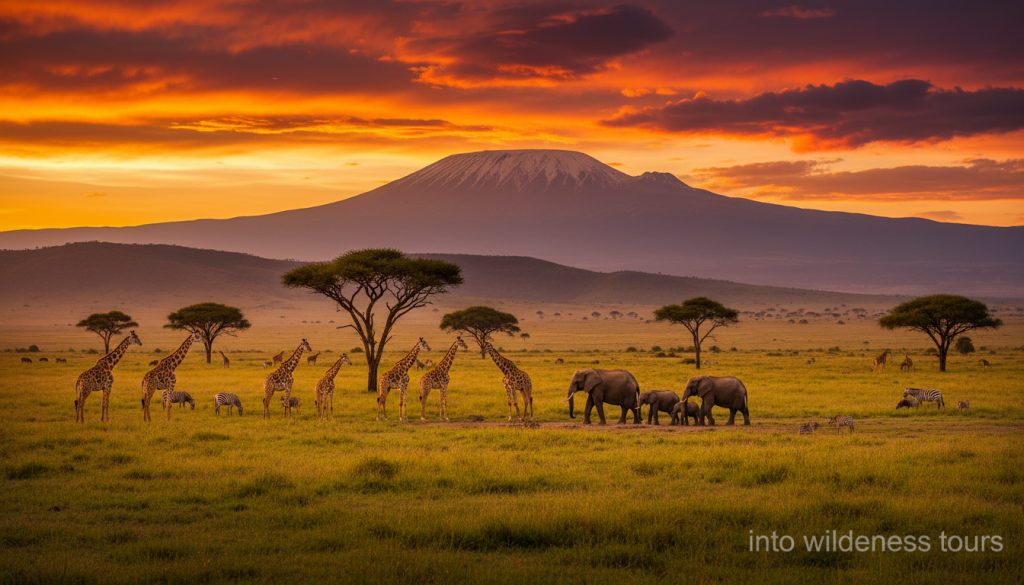
- Vast savannas teeming with wildlife
- Towering mountains, including Mount Kilimanjaro
- Pristine beaches along the Indian Ocean
Cultural Richness and Historical Significance
Beyond its natural beauty, Tanzania is also a land of cultural richness and historical significance. With a heritage that spans centuries, the country is home to numerous tribes, each with their unique traditions and customs. As we delve into Tanzania’s cultural landscape, we’re struck by the warmth and hospitality of its people, who welcome us into their communities with open arms.
“Tanzania is a country where the modern world meets ancient wilderness, creating a truly unique cultural and natural experience.”
Some of the cultural highlights include the Maasai villages, where we can learn about traditional lifestyles, and the historic town of Stone Town in Zanzibar, a UNESCO World Heritage Site.
Serengeti National Park: Witness the Great Migration
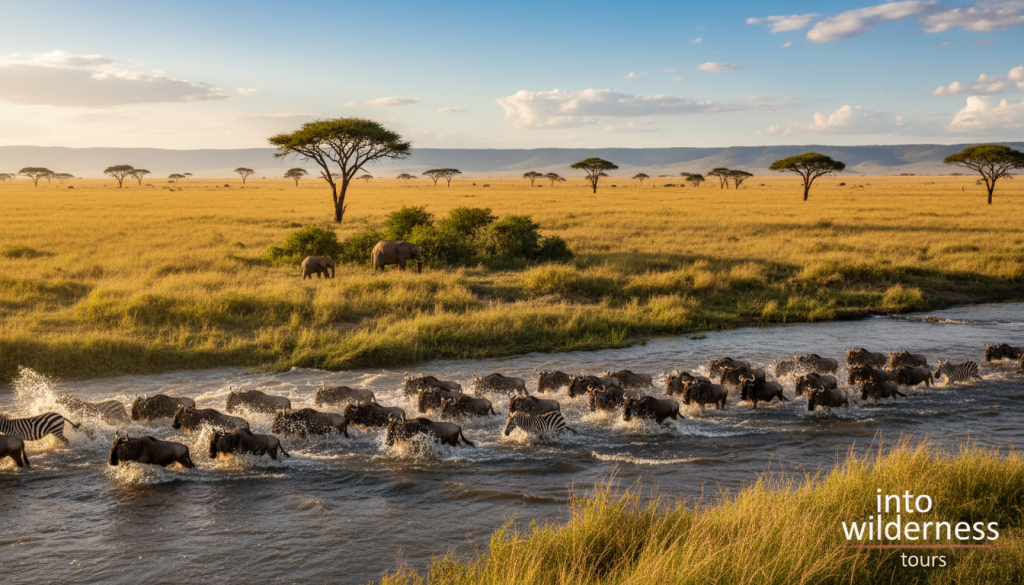
As we step into the Serengeti, we’re immediately struck by the endless plains teeming with life. This iconic national park is one of Tanzania’s most treasured places to visit, renowned for the Great Migration, a spectacle that draws visitors from around the world.
The Endless Plains and Their Ecosystem
The Serengeti’s vast expanses of savanna are more than just a beautiful landscape; they’re a delicate ecosystem where predators and prey coexist in a intricate dance. The grasslands support a diverse array of wildlife, from the majestic elephants to the tiny insects that pollinate the plants.
Wildlife Viewing Opportunities
The Serengeti offers unparalleled wildlife viewing opportunities, with the chance to see the Big Five (lion, leopard, rhinoceros, elephant, and Cape buffalo) in their natural habitat. The park is also home to a vast array of other animals, including:
Big Cats and Predators
Lions laze in the shade, their manes a testament to their strength, while leopards prowl silently through the trees, their eyes ever vigilant. Cheetahs, the fastest land animal on Earth, sprint across the plains, chasing down unsuspecting prey.
Herbivores and Bird Species
The Serengeti is a haven for herbivores, with wildebeests, zebras, and antelopes migrating across the landscape in search of greener pastures. The skies are filled with birds of prey, including eagles, vultures, and storks, while the grasslands are home to a variety of bird species, from ostriches to lilac-breasted rollers.
Best Time to Visit the Serengeti
The best time to visit the Serengeti depends on what you want to see. For the Great Migration, plan your visit between July and August, when the wildebeests make their way across the Mara River. For better weather, consider visiting during the dry season, from June to October.
Mount Kilimanjaro: Conquering Africa’s Highest Peak
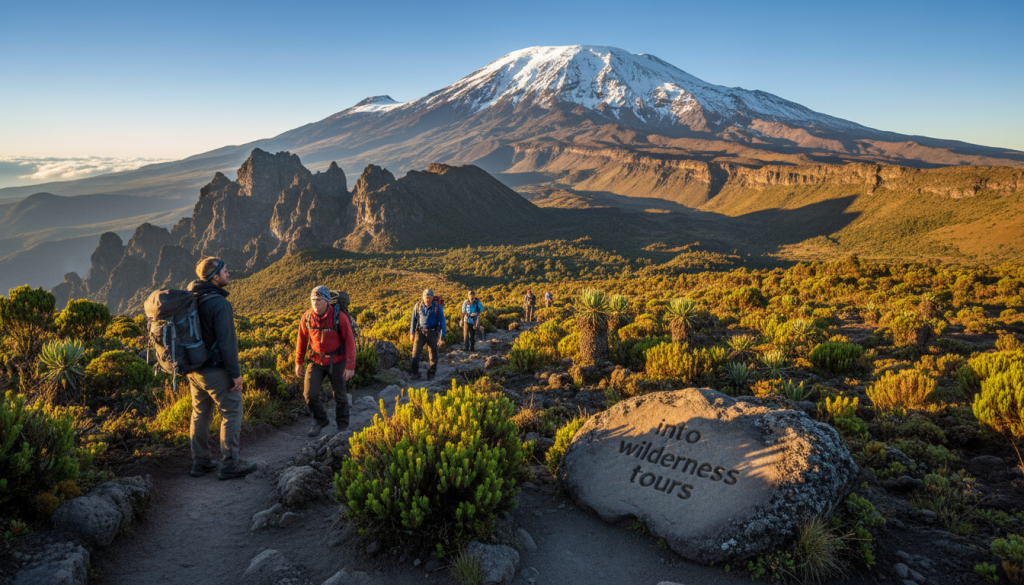
The snow-capped peak of Kilimanjaro rises above the Tanzanian plains, inviting us to embark on a journey to conquer Africa’s highest summit. As we prepare to ascend this majestic mountain, we’re presented with a choice of climbing routes, each offering a unique blend of challenge and scenic beauty.
Climbing Routes and Difficulty Levels
Kilimanjaro offers several climbing routes, catering to different levels of experience and physical conditioning. The choice of route can significantly impact the trekking experience.
Marangu and Machame Routes
The Marangu route, often referred to as the ‘Coca-Cola route,’ is one of the most popular paths to the summit. It’s considered relatively easy, with hut accommodations along the way. In contrast, the Machame route is more challenging but offers breathtaking views of the surrounding landscape.
Less Traveled Paths
For those seeking a more secluded experience, routes like Lemosho and Rongai offer a less crowded alternative. These paths provide a more immersive experience in Kilimanjaro’s diverse ecosystems.
| Climbing Route | Difficulty Level | Duration |
|---|---|---|
| Marangu | Moderate | 5-6 days |
| Machame | Challenging | 6-7 days |
| Lemosho | Challenging | 7-8 days |
| Rongai | Moderate | 6-7 days |
Preparation Tips for Kilimanjaro Trekkers
Preparation is key to a successful Kilimanjaro trek. Acclimatization is crucial to avoid altitude sickness. Trekkers should also focus on physical conditioning and pack appropriate gear, including waterproof clothing and sturdy hiking boots.
The Unique Five Ecological Zones
As we ascend Kilimanjaro, we traverse through five distinct ecological zones, each with its unique flora and fauna. From the lush rainforest at the base to the alpine desert near the summit, the transformation in landscape is dramatic and breathtaking.
Ngorongoro Crater: Nature’s Perfect Wildlife Sanctuary
As we explore Tanzania, the Ngorongoro Crater emerges as a crown jewel, a wildlife sanctuary of unparalleled beauty and ecological significance. This natural wonder is a testament to the country’s rich biodiversity and a highlight of any Tanzanian adventure.

The World’s Largest Intact Volcanic Caldera
The Ngorongoro Crater is renowned for being the world’s largest intact volcanic caldera, a massive natural amphitheater that has been preserved over time. This unique geological formation spans approximately 260 square kilometers, creating a self-sustaining ecosystem that is home to a diverse array of flora and fauna.
The Big Five and Other Wildlife Encounters
Visitors to the Ngorongoro Crater are treated to unforgettable wildlife encounters, including the Big Five: lions, leopards, elephants, buffalo, and rhinoceros. The crater’s diverse habitats support a wide range of wildlife, making it a prime location for safari enthusiasts and nature lovers alike.
Conservation Efforts and Maasai Coexistence
The Ngorongoro Conservation Area is a model for successful conservation efforts, balancing the needs of wildlife with the presence of the Maasai people. This harmonious coexistence is a testament to the potential for human and wildlife harmony, with both benefiting from the preservation of this unique ecosystem.
Zanzibar Archipelago: Tropical Paradise with Rich History
The enchanting Zanzibar Archipelago, with its labyrinthine Stone Town and idyllic beaches, offers a journey through time and a deep dive into Tanzanian heritage. As we explore this tropical paradise, we uncover the layers of its rich history, vibrant culture, and breathtaking natural beauty.
Stone Town: A UNESCO World Heritage Site
Stone Town, the historic heart of Zanzibar, is a maze of narrow alleys and bustling markets, where the scent of exotic spices fills the air. This UNESCO World Heritage Site is a testament to the island’s storied past, with its intricate architecture reflecting a blend of African, Arab, and European influences. As we wander through its winding streets, we discover hidden gems: ancient mosques, grand churches, and ornate houses that whisper tales of a bygone era.
Pristine Beaches and Water Activities
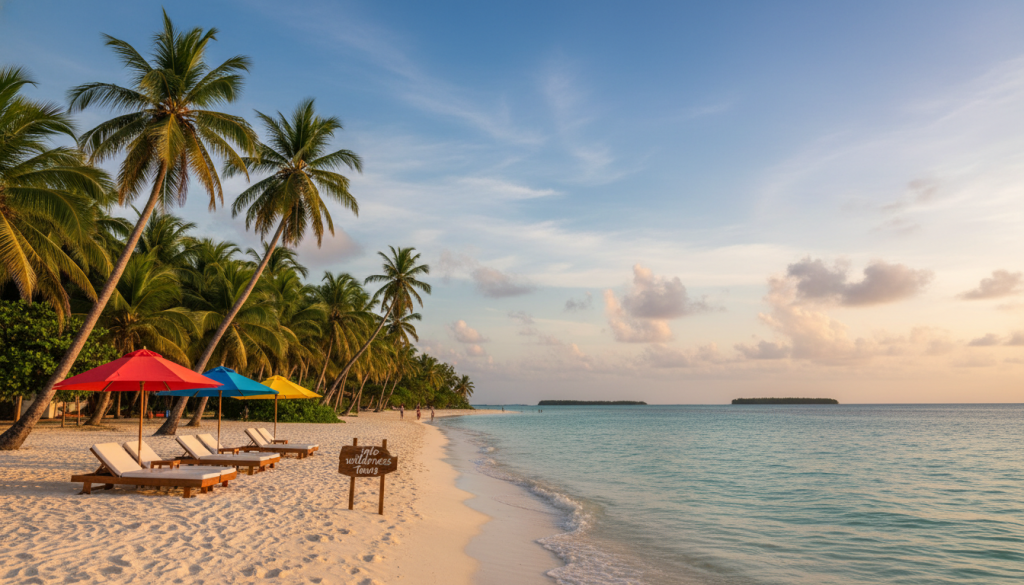
Zanzibar’s pristine beaches are a haven for those seeking relaxation and adventure. The crystal-clear waters and coral reefs provide a perfect setting for snorkeling and diving, revealing a vibrant underwater world teeming with marine life.
Northern Beaches
The northern beaches, such as Nungwi and Kendwa, are known for their lively atmosphere and stunning sunsets. Here, we can enjoy water sports, beach parties, and local cuisine.
Eastern and Southern Shores
In contrast, the eastern and southern shores offer a more secluded and serene experience. These areas are ideal for those looking to unwind in a tranquil setting, with opportunities for eco-tourism and exploring local fishing villages.
Spice Tours and Cultural Experiences
One of the most enriching experiences in Zanzibar is a spice tour, which reveals the secrets of the island’s spice plantations. We learn about the cultivation of cloves, nutmeg, and cinnamon, and their significance in Zanzibar’s history and economy. This journey into the heart of Zanzibar’s agricultural heritage offers a deeper understanding of the island’s culture and traditions.
As we conclude our exploration of the Zanzibar Archipelago, it’s clear that this destination is a treasure trove of experiences, from its historical landmarks and cultural richness to its natural beauty and vibrant atmosphere.
Tarangire National Park: Land of the Elephants and Baobabs
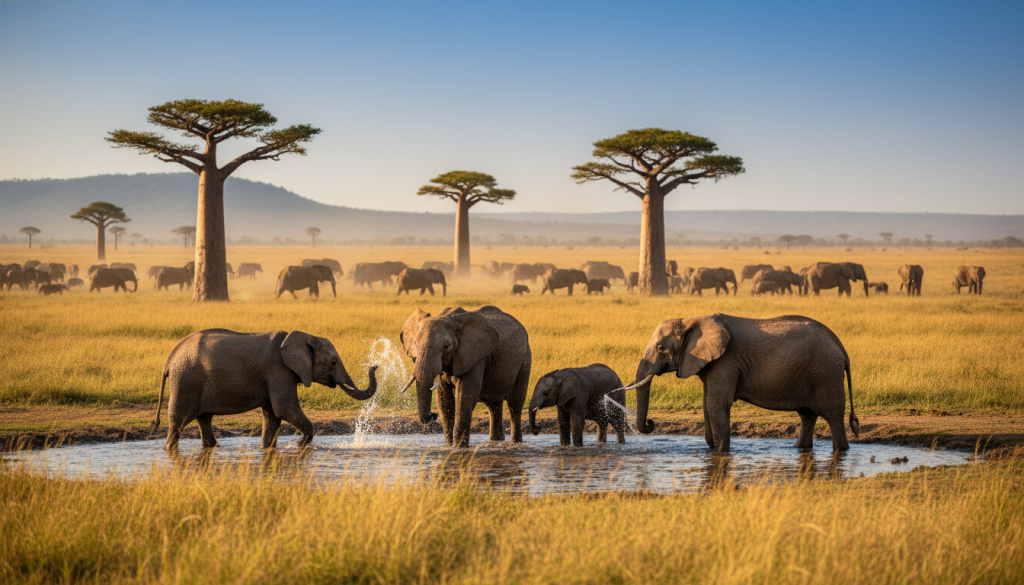
As we venture into Tarangire National Park, we are met with the sight of towering baobabs and the gentle giants that call this park home. This enchanting landscape, characterized by its vast open plains and majestic trees, is a haven for wildlife enthusiasts and nature lovers alike.
Impressive Elephant Herds and Unique Landscapes
Tarangire is renowned for its impressive elephant herds, some of the largest in Africa. The park’s unique landscapes, dominated by ancient baobab trees, provide a striking backdrop to the wildlife that thrives here. As we explore Tarangire, the sight of these majestic creatures roaming freely is a truly unforgettable experience.
Bird Watching and Seasonal Attractions
Beyond its elephant populations, Tarangire National Park is also a paradise for bird watchers. The park is home to a diverse array of bird species, making it a must-visit destination for ornithologists. Seasonal attractions, including the migration of wildebeests and zebras, add to the park’s allure, creating a dynamic and ever-changing safari experience.
| Attraction | Best Time to Visit | Highlights |
|---|---|---|
| Elephant Herds | Year-round | Large elephant populations, baobab landscapes |
| Bird Watching | November to April | Diverse bird species, migratory birds |
| Seasonal Migration | January to March | Wildebeest and zebra migration, predator sightings |
Lake Manyara National Park: Tree-Climbing Lions and Flamingos
In the heart of Tanzania lies Lake Manyara, a park that seamlessly blends forest, savannah, and lake ecosystems. This unique combination creates a haven for a wide range of wildlife, making it a standout destination among places to visit in Tanzania.
The Alkaline Lake and Its Flamingo Population
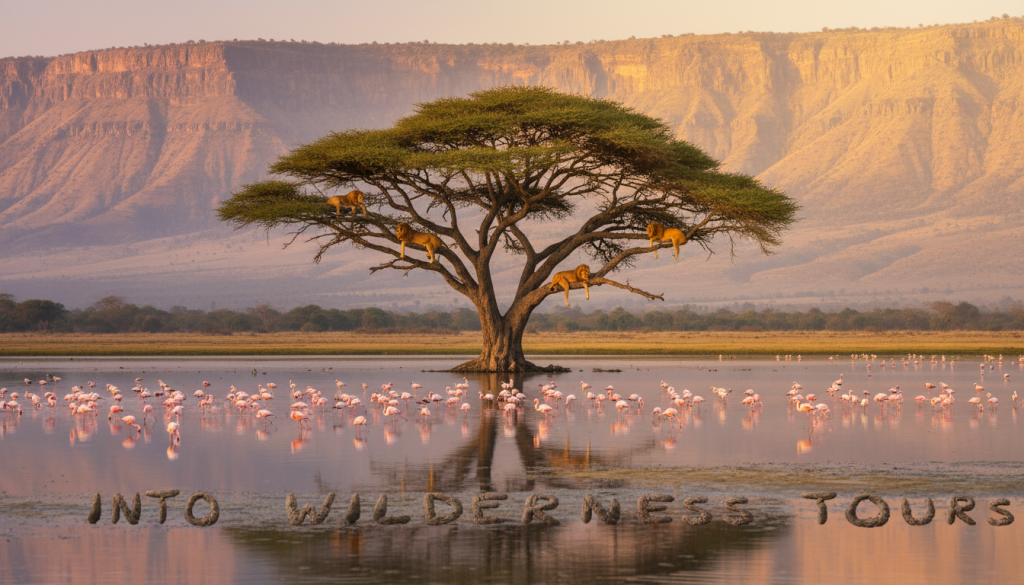
Lake Manyara’s alkaline lake is a magnet for thousands of flamingos, creating a breathtaking spectacle against the backdrop of the Rift Valley’s dramatic scenery. The lake’s unique chemistry supports a rich aquatic life, which in turn attracts these iconic birds. As we observe the flamingos, we’re struck by their vibrant pink feathers, a testament to the lake’s rich nutrient cycle.
Diverse Habitats from Forest to Savannah
The park’s diverse habitats, ranging from lush groundwater forests to open savannas, support a wide variety of wildlife. Tree-climbing lions are a highlight, offering a unique safari experience as they laze in the branches of acacia trees. The park is also home to large herds of elephants, giraffes, and buffaloes, making it a thrilling destination for wildlife enthusiasts.
As we explore Lake Manyara National Park, we’re reminded of the importance of preserving such natural treasures. The park’s rich biodiversity and stunning landscapes make it a true gem in Tanzania’s conservation efforts.
Selous Game Reserve: Africa’s Largest Protected Area
In the depths of Tanzania lies the Selous Game Reserve, a majestic realm where the rhythms of nature are allowed to flourish unimpeded. As we explore this vast, untouched wilderness, we are enveloped by the sights and sounds of an Africa that remains largely unchanged.
Boat Safaris on the Rufiji River
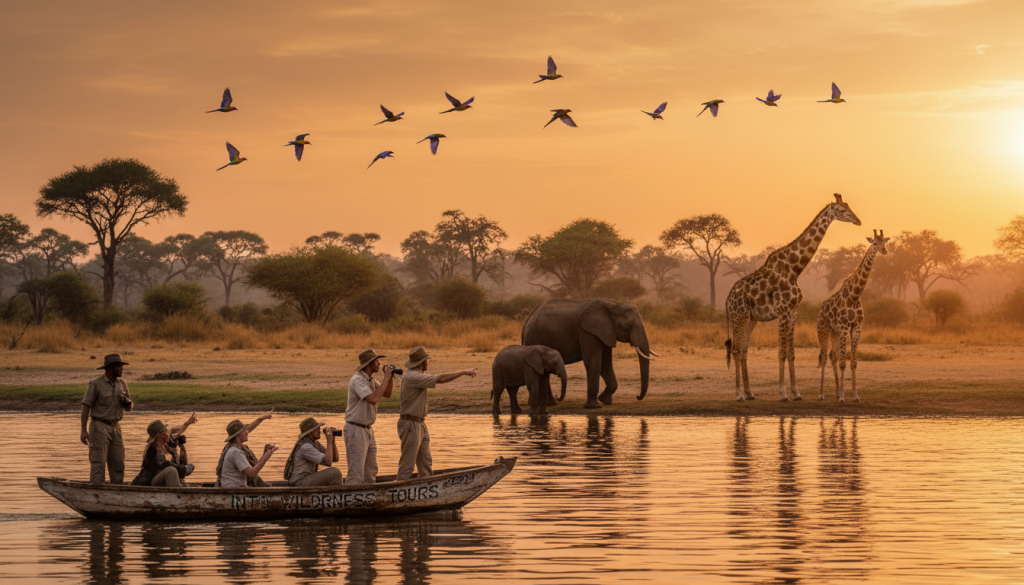
A journey through the Selous is not complete without a boat safari along the Rufiji River. As we glide across the calm waters, we witness an array of wildlife that calls the river home, from hippos and crocodiles to a diverse variety of bird species. The riverbanks offer a serene backdrop, with lush vegetation and towering trees providing shade and shelter for the creatures that inhabit this ecosystem.
Walking Safaris and Authentic Wilderness Experience
For a more immersive experience, walking safaris guided by experienced rangers allow us to step into the heart of the Selous. As we walk, the rangers share their knowledge of the bush, pointing out the subtle signs of wildlife and explaining the intricate balance of this ecosystem. This authentic wilderness experience connects us deeply with nature, fostering a sense of awe and respect for the land and its inhabitants.
| Safari Type | Experience | Highlights |
|---|---|---|
| Boat Safaris | Gliding along the Rufiji River | Hippos, crocodiles, diverse bird species |
| Walking Safaris | Guided walks through the wilderness | Insights into ecosystem, wildlife tracking |
Places to Visit in Tanzania Off the Beaten Path
As we explore beyond the popular tourist spots, Tanzania reveals its true essence: a land of uncharted territories, untouched wilderness, and hidden gems waiting to be discovered. For those willing to venture off the beaten path, Tanzania offers a unique and unspoiled experience that is both exhilarating and transformative.
Ruaha National Park: Wild and Remote Gem
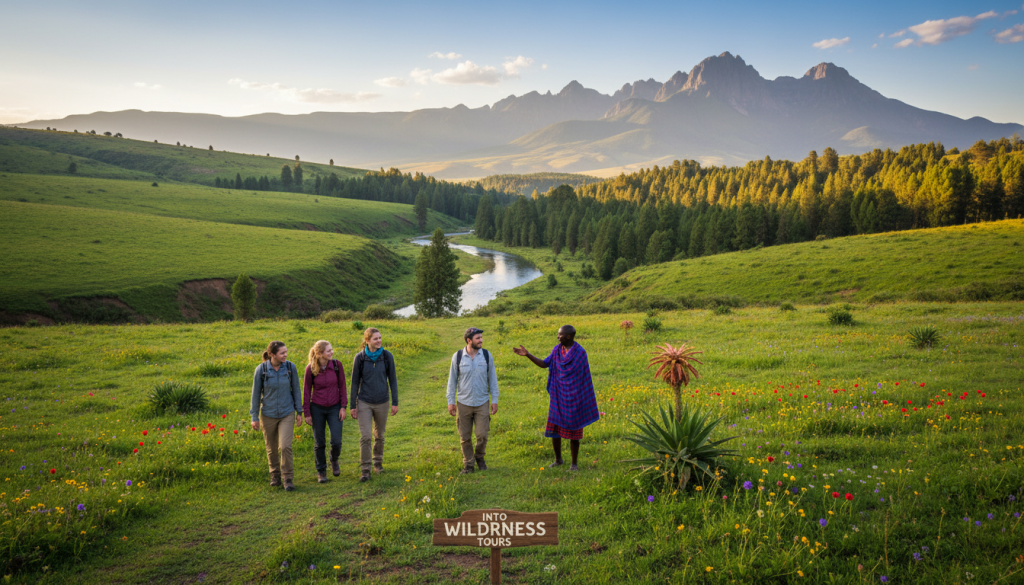
Ruaha National Park is a testament to Tanzania’s vast and untouched wilderness. With its diverse array of wildlife and landscapes, this remote gem is a haven for those seeking an authentic African experience. As we explore the park’s endless plains and rugged terrain, we are rewarded with unforgettable encounters with elephants, lions, and leopards.
Gombe Stream National Park: Jane Goodall’s Legacy
Gombe Stream National Park is renowned for its chimpanzee populations, made famous by the groundbreaking research of Jane Goodall. As we trek through the park’s lush forests, we have the opportunity to observe these fascinating creatures in their natural habitat, gaining a deeper understanding of their behavior and social structures.
Katavi National Park: Untouched Wilderness
Katavi National Park is a true wilderness experience, with vast expanses of savanna and forest that are home to a wide range of wildlife. As we explore the park’s remote landscapes, we are struck by the sheer beauty and untouched nature of this African paradise. With its abundant wildlife and unspoiled environments, Katavi is a destination that will leave even the most seasoned traveler in awe.
Mafia Island: Marine Paradise for Divers and Nature Lovers
As we explore the unspoiled beauty of Mafia Island, we discover a world where the rhythms of traditional island life harmonize with the wonders of the marine world. This enchanting island, located off the coast of Tanzania, is a haven for divers and nature enthusiasts seeking an authentic experience.
Mafia Island Marine Park and Whale Shark Encounters
The Mafia Island Marine Park is a protected area renowned for its exceptional marine biodiversity. Here, we can encounter majestic whale sharks on guided tours, witnessing the incredible spectacle of these gentle giants gliding through the crystal-clear waters. The park’s diverse ecosystem supports a wide array of marine life, making it a paradise for snorkelers and divers.
Traditional Island Life and Eco-Tourism
Beyond its underwater wonders, Mafia Island offers a glimpse into traditional island life, where local communities welcome visitors with warm hospitality. The island is also a hub for eco-tourism, with initiatives aimed at preserving the marine environment and supporting local livelihoods. By engaging with these initiatives, we contribute to the conservation of this marine paradise and the well-being of its inhabitants.
As we immerse ourselves in the tranquility of Mafia Island, we are reminded of the importance of preserving such untouched havens for future generations. Mafia Island stands as a testament to the beauty and richness of Tanzania’s natural heritage, inviting us to cherish and protect it.
Pemba Island: The Green Island of Spices and Serenity
As we explore Pemba Island, we uncover a world of pristine beauty and rich cultural heritage. This enchanting island, often referred to as the ‘Green Island,’ is a haven for those seeking tranquility and natural wonders.
Pristine Coral Reefs and Diving Spots
Pemba Island is renowned for its exceptional diving opportunities, with coral reefs that are teeming with marine life. The island’s diving spots offer crystal-clear waters and an incredible array of biodiversity, making it a paradise for divers. As we dive into the depths, we’re surrounded by a kaleidoscope of fish and vibrant coral formations, creating an unforgettable experience.
Spice Plantations and Cultural Heritage
Beyond its underwater beauty, Pemba Island is also famous for its spice plantations, which have been cultivated for centuries. As we wander through the plantations, we’re immersed in the island’s rich cultural heritage, with its unique blend of African, Arab, and European influences. The aroma of freshly harvested spices fills the air, transporting us to a world of historical significance and cultural depth.
“Pemba Island is a treasure trove of natural wonders and historical significance, offering a serene escape from the modern world,” as noted by travelers who have experienced its beauty.
Mahale Mountains National Park: Chimpanzee Tracking Adventures
For those seeking an adventure off the beaten path, Mahale Mountains National Park presents a unique opportunity to observe habituated chimpanzees in their natural habitat. As we trek through the lush forests and rugged mountains, the sounds of the wild surround us, building anticipation for an unforgettable encounter.
Mahale Mountains National Park is renowned for its chimpanzee habituation program, allowing visitors to witness these intelligent creatures up close. The park’s conservation efforts are geared towards protecting the chimpanzees and their habitat, ensuring a sustainable future for this incredible species.
Chimpanzee Habituation and Conservation
The chimpanzee habituation process in Mahale is a meticulous and long-term effort, allowing these primates to become comfortable with human presence. This not only enhances the visitor experience but also supports conservation by promoting the value of preserving these magnificent creatures and their habitat.
- Long-term habituation process
- Community-based conservation efforts
- Research and monitoring programs
Lake Tanganyika’s Crystal Waters and Biodiversity
Lake Tanganyika, bordering Mahale Mountains National Park, is one of Africa’s Great Lakes, known for its crystal-clear waters and rich biodiversity. The lake’s shoreline offers breathtaking views and opportunities for swimming, snorkeling, and simply soaking in the serene atmosphere.
Key attractions include:
- Crystal-clear waters perfect for swimming and snorkeling
- Diverse aquatic life, including cichlids and other species
- Scenic shoreline perfect for relaxation
Historical and Archaeological Sites in Tanzania
Tanzania’s historical and archaeological sites offer a fascinating glimpse into the country’s rich cultural heritage. As we journey through these sites, we are transported back in time, gaining insights into the history and culture of Tanzania and the people who have shaped its identity.
Olduvai Gorge: Cradle of Mankind
Olduvai Gorge is one of the most significant archaeological sites in Tanzania, known as the “Cradle of Mankind” due to its importance in the discovery of early human fossils. The gorge has yielded a treasure trove of fossils and artifacts, providing a unique window into human evolution. Key discoveries include:
- Early human fossils dating back millions of years
- Stone tools and other artifacts that reveal the lives of our ancient ancestors
Kilwa Kisiwani and Bagamoyo: Swahili Coast Heritage
Kilwa Kisiwani and Bagamoyo are significant historical sites that reflect the Swahili Coast heritage and the influence of Arab and European traders. Kilwa Kisiwani, a UNESCO World Heritage Site, boasts impressive ruins of a medieval trading city, while Bagamoyo’s history is marked by its role in the slave trade and its blend of African, Arab, and European cultures. The architecture, art, and traditions of these sites continue to captivate visitors, offering a glimpse into Tanzania’s rich cultural tapestry.
Cultural Experiences: Connecting with Tanzania’s Indigenous Peoples
As we journey through Tanzania, we discover the rich tapestry of its indigenous cultures, each with stories that echo through the ages. The country’s diverse peoples offer a unique window into traditional lifestyles, customs, and ways of life that have been preserved for generations.
Maasai Villages and Traditional Lifestyles
Visiting Maasai villages provides an opportunity to experience the traditional lifestyles of this iconic tribe. We are welcomed into their communities, where we learn about their customs, such as their renowned adumu dance, and witness their exceptional craftsmanship in beadwork and woodcarvings.
Hadzabe and Datoga Tribes: Living Heritage
The Hadzabe and Datoga tribes are living examples of Tanzania’s rich cultural heritage. The Hadzabe, one of the last remaining hunter-gatherer tribes, share their ancient knowledge of the forest and its resources. The Datoga, known for their expertise in metalwork, offer insights into their pastoralist way of life.
Engaging with these indigenous peoples allows us to gain a deeper understanding of their cultures and the importance of preserving this cultural diversity. These cultural experiences are a highlight of any visit to Tanzania, offering memories that last a lifetime.
Practical Guide to Planning Your Tanzania Adventure
Tanzania’s rich cultural heritage and breathtaking natural beauty make it a destination that requires careful planning to fully appreciate. As we prepare for our journey, several practical considerations come to the forefront.
Best Time to Visit Different Regions
The best time to visit Tanzania varies by region. The Serengeti’s Great Migration, for instance, typically occurs between July and August, while the Zanzibar beaches are pleasant year-round. Understanding these regional variations is key to a successful trip.
Transportation and Accommodation Options
Navigating Tanzania involves choosing the right transportation, from domestic flights to road transfers. For accommodation, options range from luxury lodges to budget-friendly campsites, each offering a unique experience.
Health and Safety Tips for Travelers
Ensuring our health and safety is paramount. This includes taking necessary vaccinations and malaria prophylaxis. Being informed and prepared makes all the difference in enjoying our Tanzanian adventure.
Conclusion: The Timeless Appeal of Tanzania’s Natural and Cultural Treasures
As we conclude our journey through Tanzania, we are left with a deep appreciation for the country’s natural and cultural treasures. The experiences we have had, the people we have met, and the landscapes we have seen all contribute to a profound connection with this enchanting land.
Tanzania’s natural treasures, from the Serengeti’s endless plains to the majestic Mount Kilimanjaro, offer a wealth of exciting experiences for travelers. The country’s cultural treasures, including its historical sites and indigenous communities, provide a unique glimpse into its rich heritage.
As we reflect on our time in Tanzania, we are reminded of the importance of preserving its natural beauty and cultural heritage for future generations. By doing so, we ensure that the wonders of Tanzania continue to inspire and captivate travelers for years to come, making it a timeless destination for those seeking adventure and transformation.
Whether you are drawn to the wildlife viewing opportunities in Tanzania’s national parks or the cultural experiences that allow you to connect with its indigenous peoples, there is no doubt that this incredible country has something to offer every kind of traveler.


