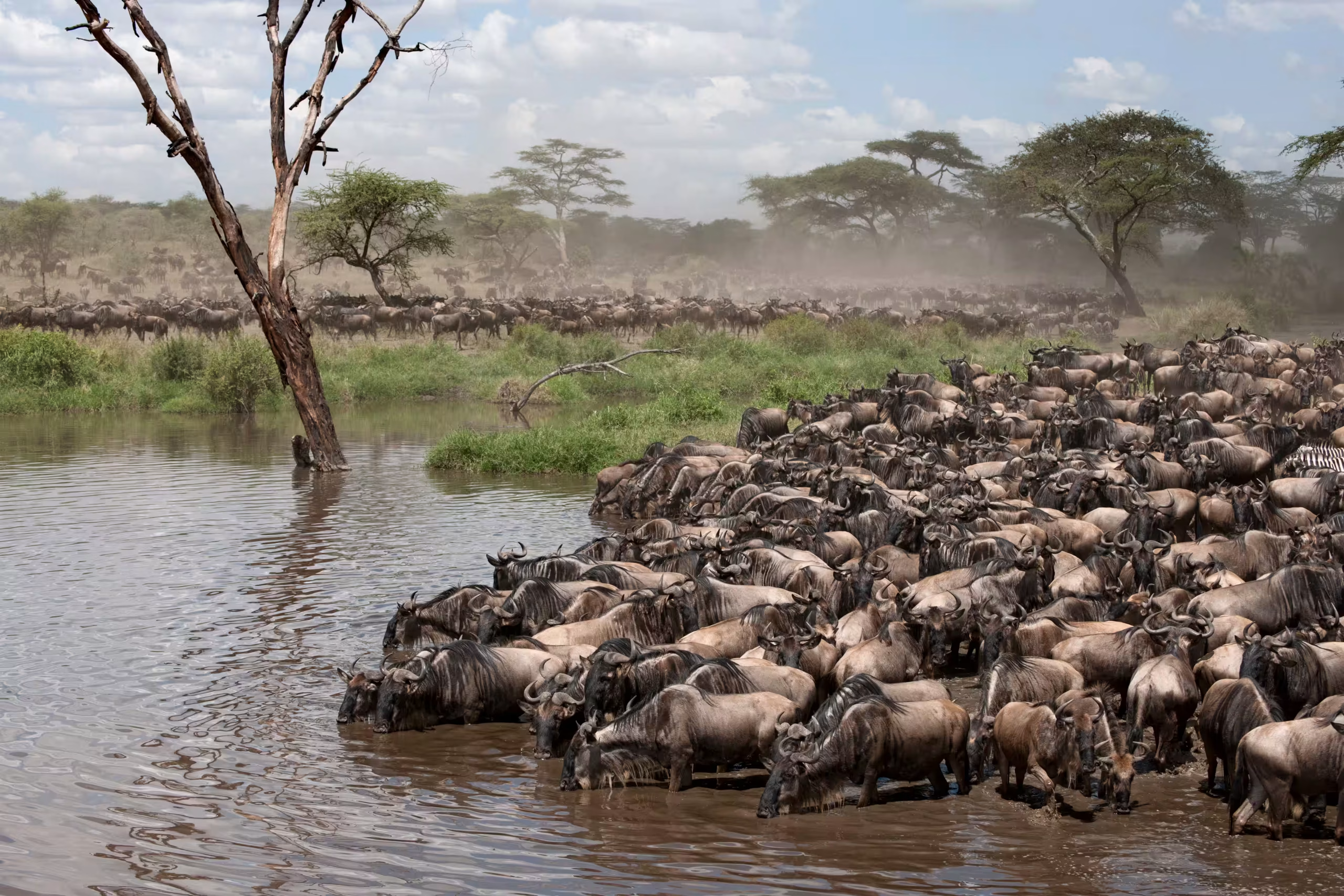
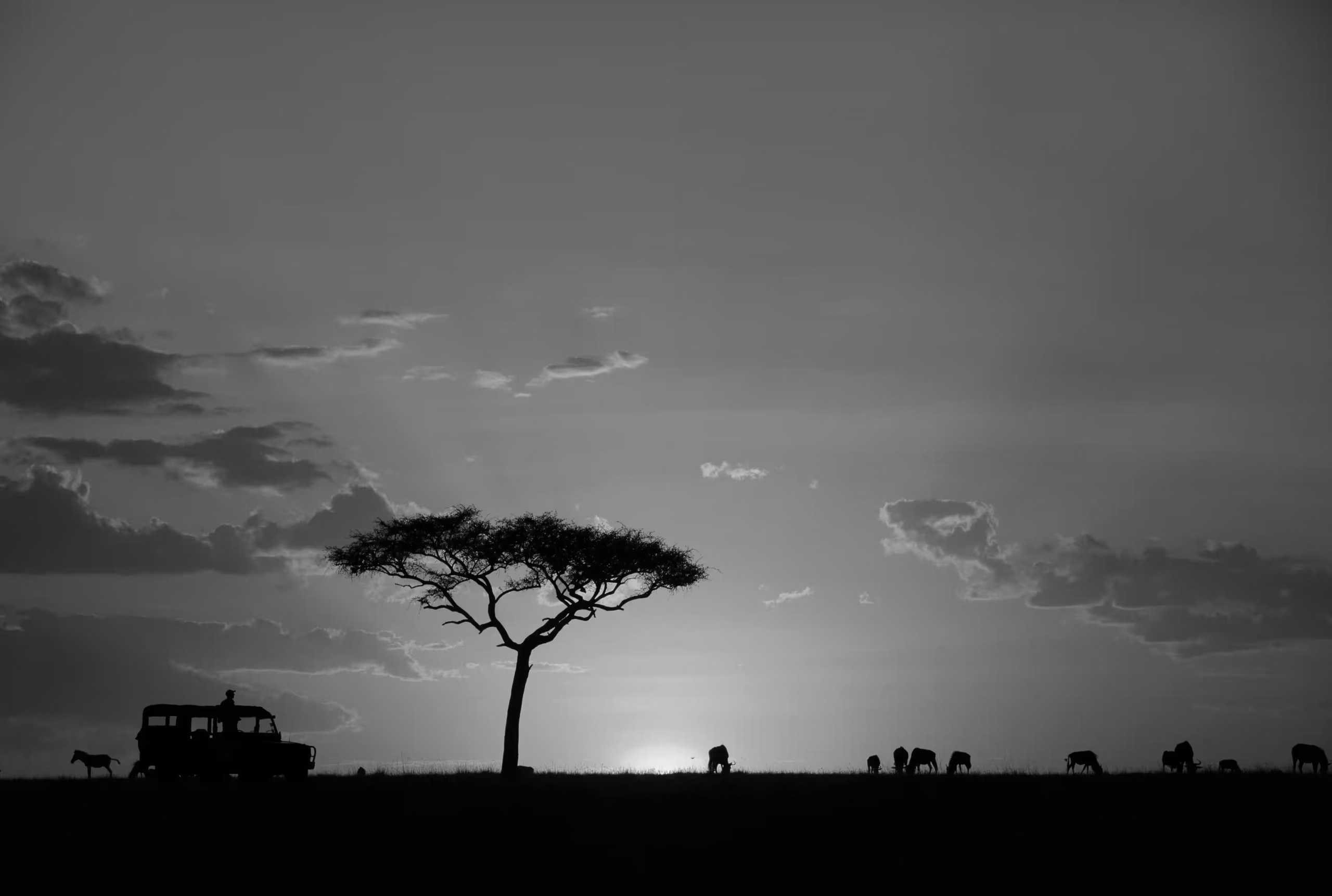


We stand in awe of the Ngorongoro Crater, a breathtaking natural wonder in Tanzania that has captivated the hearts of many. This majestic wildlife sanctuary is a testament to the country’s rich biodiversity and natural beauty.
As we explore this incredible destination, we are met with a landscape teeming with life: the vibrant savannah stretches as far as the eye can see, dotted with acacia trees and inhabited by an abundance of wildlife. The crater’s unique features make it a haven for animals, and a haven for us to experience the raw beauty of nature.
Our journey to this Tanzanian treasure is a journey of discovery, where we connect with the land, its creatures, and the local culture. We are reminded of the importance of preserving this natural wonder for future generations.
Key Takeaways
- Ngorongoro Crater is a natural wonder and wildlife sanctuary in Tanzania.
- The crater is known for its rich biodiversity and unique features.
- It is a popular destination for those seeking a transformative experience.
- The area is home to an abundance of wildlife and vibrant landscapes.
- Preserving the crater’s natural beauty is crucial for future generations.
The Geological Marvel of East Africa
The Ngorongoro Crater is not just a natural wonder; it’s a window into the Earth’s past, revealing the geological processes that have shaped our planet. This immense volcanic caldera, the largest intact in the world, stands as a testament to the dynamic forces that have sculpted East Africa’s landscape over millions of years.
Formation of the World’s Largest Intact Caldera
The Ngorongoro Crater was formed around 2.5 million years ago when a massive volcano collapsed in on itself, creating a caldera. This event was so significant that it altered the local ecosystem and geography, creating a unique habitat that supports a wide variety of flora and fauna. The crater’s walls rise over 600 meters above the crater floor, creating a dramatic landscape that is both breathtaking and scientifically fascinating.
Unique Geographical Features
The Ngorongoro Crater is characterized by its diverse geographical features, including the crater floor ecosystem and the highlands and rim landscapes.
The Crater Floor Ecosystem
The crater floor, with its mix of grasslands, swamps, and saline lakes, supports a rich ecosystem. This diverse environment is home to a large population of wildlife, including the Big Five: lions, elephants, buffalo, leopards, and rhinoceros. The presence of a shallow lake and various water sources adds to the biodiversity, making it a haven for both wildlife and researchers alike.
Highlands and Rim Landscapes
The highlands and rim landscapes surrounding the crater offer a stark contrast to the floor below. These areas are characterized by forests, heathlands, and montane vegetation, creating a mosaic of habitats that support a wide range of species. The rim, with its cooler climate and misty conditions, is particularly unique, hosting flora that is not found on the crater floor.
| Geographical Feature | Description | Notable Characteristics |
|---|---|---|
| Crater Floor | Mix of grasslands, swamps, and saline lakes | Supports diverse wildlife, including the Big Five |
| Highlands and Rim | Forests, heathlands, and montane vegetation | Unique flora, cooler climate, misty conditions |

As we explore the Ngorongoro Crater, we are reminded of the Earth’s incredible geological history and the natural wonders that continue to inspire awe and wonder. The crater’s unique features make it a crucial site for scientific research and conservation efforts, ensuring that this marvel of East Africa is preserved for future generations.
A Brief History of Ngorongoro Crater
As we step into the Ngorongoro Crater, we’re walking into a story that spans millions of years, from volcanic eruptions to human evolution. This natural wonder is not just a testament to geological forces but also a cradle of history, holding secrets of the past within its ancient walls.
Volcanic Origins and Evolution
The Ngorongoro Crater’s formation is a story of volcanic fury and subsequent collapse. Emerging around 2.5 million years ago, this volcano was once among the tallest on Earth. Its eventual collapse formed the largest intact caldera in the world, a geological marvel that continues to captivate scientists and visitors alike.

Archaeological Significance
The crater is not only a marvel of geological history but also a site of immense archaeological significance. It has provided invaluable insights into human evolution and early human presence.
Early Human Presence
Evidence suggests that early humans inhabited the Ngorongoro Crater area, making it a crucial site for understanding human evolution. The crater’s unique environment supported a diverse range of flora and fauna, creating a conducive habitat for early humans.
Historical Discoveries
Significant archaeological finds within the crater include fossil remains and artifacts that have shed light on human history. These discoveries have positioned Ngorongoro as a key location in the study of human origins and evolution.
“The Ngorongoro Crater is a window into the past, offering a glimpse of human history and the evolution of our species.”
UNESCO World Heritage Status
The Ngorongoro Crater’s designation as a UNESCO World Heritage site underscores its immense cultural and natural significance. This recognition is a testament to the crater’s unique biodiversity, geological features, and the rich cultural heritage it embodies.
Conservation Significance
The conservation significance of Ngorongoro Crater cannot be overstated. As a haven for diverse wildlife and a unique geological formation, it requires careful management to preserve its natural state. The crater’s ecosystem supports a wide range of flora and fauna, some of which are found nowhere else on Earth.
Global Recognition and Protection Efforts
Ngorongoro Crater’s global recognition as a UNESCO World Heritage site has led to increased protection efforts. The Tanzanian government, in collaboration with international organizations, works tirelessly to safeguard the crater’s integrity. These efforts include anti-poaching initiatives, habitat restoration, and community engagement to ensure the long-term conservation of the area.
Management Strategies
Effective management strategies are crucial for maintaining the delicate balance of the crater’s ecosystem. These include regulating tourism, managing water resources, and implementing sustainable land-use practices. A comprehensive management plan is in place to address the challenges posed by human activity and climate change.
| Conservation Efforts | Description | Impact |
|---|---|---|
| Anti-poaching initiatives | Protection of endangered species through law enforcement and community engagement | Reduced poaching incidents |
| Habitat restoration | Restoration of degraded habitats to support biodiversity | Improved ecosystem health |
| Sustainable tourism practices | Regulation of tourism to minimize environmental impact | Preservation of natural resources |

The Spectacular Wildlife of Ngorongoro Crater
As we explore the Ngorongoro Crater, we’re met with a kaleidoscope of wildlife. The crater’s unique ecosystem supports an astonishing variety of animals, making it a true marvel of nature. This natural wonder is a safari enthusiast’s paradise, with the Big Five and many other species calling it home.

The Big Five Safari Experience
The Ngorongoro Crater offers an unparalleled Big Five safari experience. Visitors can witness the majesty of lions lazing in the shade, their manes a testament to their regal status.
Lions and Predators
The crater is home to a significant population of lions, with prides often spotted roaming the grasslands. Other predators, such as leopards and hyenas, also thrive in this environment, making it a thrilling experience for those on safari.
Elephants and Rhinos
Elephants and rhinos are also present in the crater, with both black and white rhinos making appearances. Our guides are knowledgeable about these magnificent creatures, providing insights into their behavior and habitat.
Rare and Endangered Species
The Ngorongoro Crater is a sanctuary for rare and endangered species. Conservation efforts are in place to protect these animals, and visitors can learn about the importance of preserving this delicate ecosystem. At Into Wilderness Tours, we are committed to responsible tourism practices that support conservation.
Bird Life in the Crater
The crater is a haven for bird life, with over 500 species recorded. From the majestic eagles to the vibrant flamingos, the crater’s skies are filled with a diverse array of birds.
Flamingos and Water Birds
The crater’s lakes and wetlands are home to large colonies of flamingos, their pink feathers a striking sight against the green landscape. Other water birds, such as storks and herons, can also be spotted.
Raptors and Highland Species
The crater’s varied habitats support a range of raptors and highland species. Visitors can spot eagles soaring overhead, as well as other birds of prey, such as hawks and kestrels.
The Great Migration and Ngorongoro
The Great Migration, a spectacle of monumental proportions, brings an influx of wildlife to Ngorongoro Crater. This natural wonder is a crucial stopover for the migrating herds, providing them with lush grazing lands and a haven from predators.
Seasonal Wildlife Movements
The Great Migration is characterized by the seasonal movement of wildebeest, zebras, and gazelles in search of greener pastures. Ngorongoro Crater’s unique geography, with its fertile floor and abundant water sources, makes it an attractive destination for these migrating animals.
Witnessing Nature’s Greatest Show
Visitors to Ngorongoro Crater during the Great Migration are treated to a spectacle unlike any other. The crater’s rim offers breathtaking views of the vast herds grazing below, creating a dramatic display of nature’s splendor.
Best Viewing Locations
For the best viewing experience, visitors should head to the crater’s rim, particularly during the early morning and late afternoon when the light is golden. The Lerai Viewpoint and the Ngorongoro Crater rim lodges offer excellent vantage points.
Timing Your Visit
The timing of your visit is crucial to witnessing the Great Migration. The migration patterns vary by season, with the peak months typically being from December to July. Planning your visit during these months will ensure a front-row seat to this natural phenomenon.
| Month | Migration Patterns | Wildlife Viewing |
|---|---|---|
| December | Herds start moving into the crater | Excellent wildebeest and zebra sightings |
| January | Calving season begins | Newborn animals, predator sightings |
| July | Herds start to leave the crater | Dense concentrations of wildlife |

Flora and Ecosystems Within the Crater
The crater’s interior is a botanical paradise, with diverse flora and ecosystems that support its rich wildlife. This natural wonder is home to a wide variety of plant species, each adapted to the crater’s unique habitats.
Diverse Plant Life
The Ngorongoro Crater boasts an impressive array of flora, from grasses and wetlands to forests and shrubs. This diversity supports a complex web of life, providing sustenance and shelter for the crater’s inhabitants.
Unique Ecological Zones
The crater’s varied landscapes create distinct ecological zones, each with its own characteristics. These zones include:
Grasslands and Wetlands
The crater’s grasslands and wetlands are crucial for its wildlife, offering grazing lands and water sources. These areas are particularly important during the dry season when water is scarce.
Forest Habitats
Forested areas within the crater provide shelter and food for various species. These forests are typically found along the crater’s walls and in areas with more rainfall.

As noted by conservationists, “The Ngorongoro Crater’s unique ecosystems are a testament to the natural world’s incredible diversity and resilience.” This diversity is not just a product of the crater’s geography but also a result of the delicate balance between its flora and fauna.
| Ecological Zone | Characteristics | Importance |
|---|---|---|
| Grasslands | Open areas with grasses and occasional acacia trees | Grazing lands for herbivores |
| Wetlands | Areas with standing water and aquatic plants | Water sources for wildlife |
| Forests | Dense areas with trees and undergrowth | Shelter and food for various species |
The Maasai People and Their Cultural Heritage
Amidst the breathtaking landscapes of Ngorongoro, the Maasai community thrives, preserving their traditional lifestyle. The Maasai people have lived in harmony with the wildlife of Ngorongoro Crater for centuries, developing a rich cultural heritage that is deeply intertwined with the natural environment.
Traditional Lifestyle and Customs
The Maasai are known for their vibrant culture, characterized by traditional customs and practices that have been passed down through generations. Their adumu, or jumping dance, is a celebrated spectacle that showcases their strength and agility. Visitors can witness this and other cultural practices firsthand, gaining insight into the Maasai way of life.
Coexistence with Wildlife
The Maasai have traditionally coexisted with the wildlife of Ngorongoro, adopting practices that minimize conflict and promote harmony. Their deep understanding of the land and its creatures allows them to live alongside the diverse fauna of the crater, from lions to elephants.
Cultural Experiences for Visitors
Visitors to Ngorongoro have the opportunity to engage in meaningful cultural experiences with the Maasai community. These include:
Village Visits
Tourists can visit Maasai villages, where they are welcomed with traditional ceremonies and can learn about Maasai customs and daily life.
Cultural Performances
The Maasai offer cultural performances, including their iconic jumping dance, providing a glimpse into their rich cultural heritage.
| Cultural Experience | Description |
|---|---|
| Village Visits | Interact with Maasai community members, learn about their customs, and participate in traditional ceremonies. |
| Cultural Performances | Witness the Maasai jumping dance and other cultural performances that showcase their vibrant heritage. |

As we explore the cultural heritage of the Maasai people, we are reminded of the importance of preserving traditional lifestyles in the face of modernization. The Maasai continue to thrive in Ngorongoro, their culture a testament to the resilience and beauty of indigenous communities.
Planning Your Visit to Ngorongoro Crater
Our adventure to the Ngorongoro Crater begins with understanding the optimal visit times and essential guidelines. As we prepare to explore this Tanzanian treasure, we must consider the factors that will make our journey both memorable and responsible.
Best Times to Visit
The Ngorongoro Crater is a year-round destination, but the best times to visit depend on our preferences and what we hope to experience.
Seasonal Considerations
The dry season, from June to October, is ideal for wildlife viewing as animals congregate around water sources. The wet season, from November to May, brings lush landscapes and is perfect for photography, with the added bonus of fewer tourists.
Weather Patterns
Tanzania’s climate varies, but the crater’s high altitude means cooler temperatures, especially in the mornings and evenings. We should be prepared for early morning game drives and potential rain showers during the wet season.
Entry Requirements and Fees
Before we embark on our adventure, we need to understand the entry requirements and associated fees. The Ngorongoro Crater is part of the Ngorongoro Conservation Area, and visitors must pay an entrance fee, which varies for residents and non-residents.
Conservation Rules and Regulations
To preserve the crater’s delicate ecosystem, we must adhere to specific conservation rules and regulations.
Vehicle Restrictions
Only 4WD vehicles are allowed within the crater to minimize environmental impact and ensure safety. Visitors must be accompanied by a certified guide.
Visitor Conduct Guidelines
We are expected to stay within designated areas, keep a safe distance from wildlife, and avoid littering or disturbing the natural habitat. By following these guidelines, we contribute to the conservation efforts and ensure a safe experience for all.

By carefully planning our visit and adhering to the guidelines, we can have a meaningful and enjoyable experience at the Ngorongoro Crater, while also supporting conservation efforts.
Safari Experiences in Ngorongoro Crater
As we venture into the Ngorongoro Crater, the world’s largest intact caldera, we’re met with safari experiences that are nothing short of extraordinary. The crater’s unique landscape and abundant wildlife make it a paradise for safari enthusiasts.
Game Drive Options
The Ngorongoro Crater offers various game drive options to suit different preferences. Whether you’re looking for a leisurely morning drive or an adrenaline-packed full-day adventure, there’s something for everyone.
Full-Day Safaris
Full-day safaris in the Ngorongoro Crater provide an immersive experience, allowing you to witness the crater’s diverse wildlife in their natural habitat. With a packed lunch and plenty of time to explore, you’ll have the opportunity to see the Big Five and more.
Half-Day Excursions
For those with limited time or preferring a more relaxed pace, half-day excursions offer a condensed yet thrilling safari experience. You’ll still get to see a wide range of wildlife and enjoy the crater’s breathtaking scenery.
Guided Tours vs. Self-Drive
Visitors to the Ngorongoro Crater can choose between guided tours and self-drive options. Guided tours offer expert knowledge and insights into the crater’s ecosystem, while self-drive safaris provide flexibility and independence.
Photography Opportunities
The Ngorongoro Crater is a photographer’s dream destination, with its stunning landscapes and abundant wildlife. From the crater’s rim to the valley floor, there are countless opportunities to capture breathtaking images.
Best Vantage Points
Some of the best vantage points for photography include the crater rim, where you can capture panoramic views, and the valley floor, where you can get up close to wildlife.
Lighting and Timing Tips
The golden hours of dawn and dusk are ideal for capturing stunning photographs. Early morning and late afternoon light enhances the colors and textures of the landscape and wildlife.

| Safari Experience | Duration | Highlights |
|---|---|---|
| Full-Day Safari | 8 hours | Big Five, crater views, picnic lunch |
| Half-Day Excursion | 4 hours | Wildlife viewing, scenic drives |
| Guided Tour | Varies | Expert guides, in-depth knowledge |
As we explore the Ngorongoro Crater, we’re reminded of the importance of preserving this natural wonder for future generations. By choosing responsible safari experiences, we can help protect the crater’s delicate ecosystem.
Accommodation Options Around Ngorongoro
The Ngorongoro Crater area is not just a haven for wildlife; it also offers a range of accommodations for visitors. As we explore the various options, we find that there’s something to suit every traveler’s needs and budget.
Luxury Lodges on the Crater Rim
For those seeking a luxurious experience, the crater rim is home to some exceptional lodges. These signature properties offer stunning views and top-notch amenities.
Signature Properties
Lodges like the Ngorongoro Crater Lodge and the Sopa Lodge offer elegant rooms and suites, fine dining, and guided tours.
Exclusive Experiences
Many of these luxury lodges provide exclusive experiences such as private game drives and cultural interactions with the local Maasai community.
Mid-Range Accommodations
For travelers looking for a balance between comfort and affordability, mid-range accommodations are available. These options offer a more laid-back atmosphere while still providing access to the crater’s attractions.
Budget-Friendly Choices
For the more budget-conscious traveler, there are several affordable options, including:
- Simple lodges
- Guesthouses
- Camping sites
Camping Options
Camping is a popular choice for those who want to immerse themselves in nature. Sites like the Ngorongoro Crater Campsite offer basic amenities and an authentic wilderness experience.
Whether you’re looking for luxury, comfort, or adventure, the Ngorongoro Crater area has a range of accommodation options to suit your needs.
Beyond the Crater: Exploring the Ngorongoro Conservation Area
Beyond the crater’s edge lies a rich tapestry of geological formations, cultural sites, and wildlife habitats that make up the Ngorongoro Conservation Area. This diverse landscape offers visitors a unique opportunity to experience the natural and cultural wonders of Tanzania in a single destination.
Olduvai Gorge
One of the most significant archaeological sites in the world, Olduvai Gorge is a testament to human evolution. The gorge has yielded numerous important discoveries, including fossil remains of early humans and evidence of their tools and way of life.
Archaeological Significance
Olduvai Gorge has been instrumental in shaping our understanding of human history. The site has provided a wealth of information about early human behavior, diet, and technology, making it a crucial location for paleoanthropologists and archaeologists.
Empakaai and Olmoti Craters
The Ngorongoro Conservation Area is home to several other craters, including Empakaai and Olmoti. These natural wonders offer breathtaking views and unique wildlife viewing opportunities. Empakaai Crater, with its deep alkaline lake, is particularly striking.
Lake Natron
Lake Natron, known for its striking red waters, is another highlight of the conservation area. This saline lake is a critical habitat for various wildlife, including the lesser flamingo.
Flamingo Populations
The lake supports one of the largest populations of lesser flamingos in Africa. These iconic birds rely on the lake’s unique chemistry for their survival.
Geological Features
Lake Natron’s landscape is characterized by its rugged terrain and unique geological formations. The lake’s waters are also known for their ability to turn animals into statues, a process that has fascinated scientists and visitors alike.
As we explore the Ngorongoro Conservation Area, we are reminded of the importance of preserving these natural and cultural treasures for future generations. The area’s diverse landscapes and rich history make it a truly unique destination for travelers.
Combining Ngorongoro with Other Tanzanian Destinations
Tanzania’s diverse landscapes offer a wealth of opportunities to combine the natural wonder of Ngorongoro Crater with other unforgettable destinations. The northern circuit of Tanzania is particularly rich in safari experiences, offering a diverse array of wildlife, landscapes, and cultural encounters.
Serengeti National Park
A visit to Ngorongoro Crater is often paired with a safari in the Serengeti National Park, renowned for its annual wildebeest migration. The Serengeti’s vast plains offer a unique setting for witnessing nature’s greatest spectacle, with the opportunity to see the Big Five in their natural habitat.
Lake Manyara
Lake Manyara, with its lush forests and alkaline waters, provides a striking contrast to the open plains of the Serengeti and the crater landscape of Ngorongoro. The lake is famous for its tree-climbing lions and diverse birdlife, making it a valuable addition to any Tanzanian itinerary.
Tarangire National Park
Tarangire National Park is another key destination in the northern circuit, known for its large elephant population and ancient baobab trees. The park’s diverse habitats support a wide range of wildlife, including the Big Five, and offer a more secluded safari experience.
Mount Kilimanjaro
For those interested in combining adventure with their safari experience, Mount Kilimanjaro offers the opportunity to climb Africa’s highest peak. While not directly adjacent to Ngorongoro, the two destinations can be combined in a longer itinerary, offering a mix of wildlife, landscapes, and adventure.
Northern Circuit Itineraries
When planning a Tanzanian adventure that includes Ngorongoro Crater, considering the northern circuit itineraries can help create a comprehensive and varied travel plan. These itineraries typically combine Ngorongoro with the Serengeti, Lake Manyara, and Tarangire, offering a rich tapestry of experiences that showcase the best of Tanzania’s natural beauty and wildlife.
Conservation Challenges and Efforts
Amidst the breathtaking beauty of Ngorongoro Crater lies a complex web of conservation challenges that demand our attention and resolve. As guardians of this natural wonder, we must address the pressing issues threatening its delicate ecosystem.
Human-Wildlife Conflict
The Ngorongoro Crater is not immune to the growing problem of human-wildlife conflict. As human settlements expand, they encroach upon wildlife habitats, leading to increased competition for resources. This conflict can have devastating consequences for both humans and animals, making it a critical conservation challenge.
Climate Change Impacts
Climate change poses a significant threat to the Ngorongoro Crater’s ecosystem. Rising temperatures and changing precipitation patterns alter the habitats of native species, disrupting the balance of the environment. We must acknowledge the far-reaching impacts of climate change on this sensitive ecosystem.
Sustainable Tourism Initiatives
In response to these challenges, sustainable tourism initiatives have been implemented to support conservation efforts. By promoting eco-friendly tourism practices, we can reduce the environmental footprint of visitors while generating revenue for local communities.
Community Conservation Programs
Community conservation programs play a vital role in engaging local populations in conservation efforts. These programs educate communities about the importance of preserving the crater’s ecosystem and involve them in decision-making processes.
Research and Monitoring
Ongoing research and monitoring are essential for understanding the dynamics of the Ngorongoro Crater’s ecosystem. By studying the impacts of human activity and climate change, conservationists can develop effective strategies to protect this unique environment.
| Conservation Challenge | Impact | Conservation Effort |
|---|---|---|
| Human-Wildlife Conflict | Increased competition for resources | Community Conservation Programs |
| Climate Change | Habitat disruption and loss | Research and Monitoring |
| Tourism Pressure | Environmental degradation | Sustainable Tourism Initiatives |
Responsible Tourism in Ngorongoro Crater
As we explore the breathtaking Ngorongoro Crater, it’s essential to embrace responsible tourism practices that preserve this natural wonder. Our actions can significantly impact the environment and local communities, making it crucial to adopt sustainable habits during our visit.
Minimizing Environmental Impact
One of the key aspects of responsible tourism is minimizing our environmental footprint. This involves several practices, including effective waste management and reducing our carbon footprint.
Waste Management
Proper disposal of waste is critical in maintaining the pristine condition of the Ngorongoro Crater. Visitors are encouraged to use designated waste disposal facilities and to minimize the use of single-use plastics.
Carbon Footprint Reduction
Choosing eco-friendly transportation options and reducing energy consumption are effective ways to minimize our carbon footprint. Many tour operators now offer carbon offset programs, which can further mitigate the environmental impact of our visit.
Supporting Local Communities
Responsible tourism also involves supporting local communities. By engaging with local guides, purchasing local products, and respecting cultural norms, we can contribute to the economic well-being of the communities surrounding the Ngorongoro Crater.
Ethical Wildlife Viewing
Ethical wildlife viewing is another crucial aspect of responsible tourism. Maintaining a respectful distance from wildlife ensures both our safety and the well-being of the animals.
Respectful Distance Guidelines
Visitors are advised to keep a safe distance from wildlife, typically at least 10 meters, and to avoid feeding or touching the animals. Using binoculars and telephoto lenses can enhance our viewing experience without disturbing the wildlife.
| Responsible Tourism Practices | Benefits |
|---|---|
| Waste Management | Preserves natural beauty, protects wildlife |
| Carbon Footprint Reduction | Mitigates climate change, improves air quality |
| Supporting Local Communities | Boosts local economy, promotes cultural exchange |
| Ethical Wildlife Viewing | Ensures wildlife safety, enhances viewing experience |
Ngorongoro Crater Compared to Other African Safari Destinations
Among the myriad African safari destinations, Ngorongoro Crater shines brightly with its extraordinary geological and ecological features. This Tanzanian wonder is a must-visit for any safari enthusiast.
Unique Advantages
Ngorongoro Crater offers unparalleled wildlife viewing opportunities due to its unique geography. The crater’s enclosed environment creates a natural sanctuary for a diverse range of wildlife, making it a standout among other African safari destinations.
Wildlife Density Comparison
The crater boasts an exceptionally high wildlife density, with a wide variety of species coexisting in a relatively small area. This concentration of wildlife is rare in other African safari destinations, making Ngorongoro a unique experience.
Visitor Experience Differences
The visitor experience in Ngorongoro Crater is distinct from other safaris. The crater’s self-contained ecosystem provides a comprehensive safari experience, with opportunities to see the Big Five and other wildlife in a single day.
Accessibility Factors
While Ngorongoro Crater is relatively accessible, with well-maintained roads and tour infrastructure, other destinations may require more planning and effort to reach.
Value Considerations
Visitors to Ngorongoro Crater often find that the value lies not just in the cost but in the overall experience, including the rich cultural and natural heritage.
Conclusion: The Enduring Magic of Ngorongoro Crater
As we reflect on the wonders of Ngorongoro Crater, its enduring magic becomes clear. This natural wonder is more than just a wildlife sanctuary; it’s a testament to the Earth’s incredible beauty and diversity.
The crater’s unique landscape, rich history, and incredible biodiversity make it a truly special place. As a wildlife sanctuary, Ngorongoro Crater provides a safe haven for countless species, many of which are found nowhere else on Earth.
Visiting Ngorongoro Crater is a transformative experience that connects us with the natural world and inspires a deeper appreciation for conservation. As we strive to protect this incredible resource, we are reminded of the importance of preserving our planet’s most precious treasures.
The Ngorongoro Crater stands as a beacon of hope for the future of our planet, a reminder of the beauty and wonder that can be found in the unspoiled wilderness. Its enduring magic will continue to captivate and inspire generations to come.
FAQ
What is the best time to visit Ngorongoro Crater?
The best time to visit Ngorongoro Crater is during the dry season, from June to October, when wildlife is more concentrated around water sources, making it easier to spot.
How do I get to Ngorongoro Crater?
The most common way to get to Ngorongoro Crater is by flying into Kilimanjaro International Airport and then taking a charter flight or driving to the crater, which is approximately a 3-4 hour drive.
What are the entry requirements for Ngorongoro Crater?
Visitors are required to pay an entrance fee, and some tour operators may require additional fees for guided tours; it’s also recommended to have a valid passport and any required visas.
Can I drive my own vehicle in Ngorongoro Crater?
While it’s possible to drive your own vehicle, we recommend hiring a local guide or joining a guided tour to ensure a safe and enjoyable experience, as the terrain can be challenging.
What kind of accommodations are available near Ngorongoro Crater?
There are various accommodation options, ranging from luxury lodges on the crater rim to budget-friendly camping options, offering something for every traveler’s needs.
What is the significance of Ngorongoro Crater’s UNESCO World Heritage status?
Ngorongoro Crater’s UNESCO World Heritage status recognizes its natural and cultural significance, highlighting the need for conservation efforts to protect this unique ecosystem.
How can I support conservation efforts in Ngorongoro Crater?
Visitors can support conservation efforts by choosing responsible tour operators, respecting local regulations, and supporting community conservation programs.
What are some of the unique wildlife species found in Ngorongoro Crater?
Ngorongoro Crater is home to a diverse range of wildlife, including the Big Five (lion, leopard, rhinoceros, elephant, and Cape buffalo), as well as rare and endangered species like the black rhinoceros.
Can I visit the Maasai communities near Ngorongoro Crater?
Yes, visitors can experience Maasai culture by visiting local villages and participating in cultural performances, which helps support the local community.
What are the best photography tips for capturing wildlife in Ngorongoro Crater?
To capture stunning wildlife photos, consider the best vantage points, lighting, and timing, and be sure to respect the animals’ space and follow local guidelines.
How does Ngorongoro Crater compare to other African safari destinations?
Ngorongoro Crater offers a unique safari experience due to its high concentration of wildlife, stunning natural beauty, and rich cultural heritage, making it a standout among other African safari destinations.