
We invite you to join us on a journey to the majestic Mount Kilimanjaro, where the spirit of adventure meets the soul of Africa. Our Kilimanjaro trips are more than just a climb; they’re an immersive experience into the heart of Tanzania’s natural beauty and cultural richness.
As we guide you through the ancient landscapes and modern-day adventures, you’ll discover the transformative power of this iconic mountain. With a deep reverence for the land and its people, we craft journeys that reveal the essence of Tanzania.
Key Takeaways
- Experience the transformative power of Mount Kilimanjaro
- Immerse yourself in Tanzania’s natural beauty and cultural richness
- Join guided journeys that reveal the essence of Africa
- Embark on adventures that combine ancient landscapes with modern-day excitement
- Discover the soul of Tanzania through our carefully crafted Kilimanjaro trips
The Majestic Mount Kilimanjaro: Africa’s Highest Peak
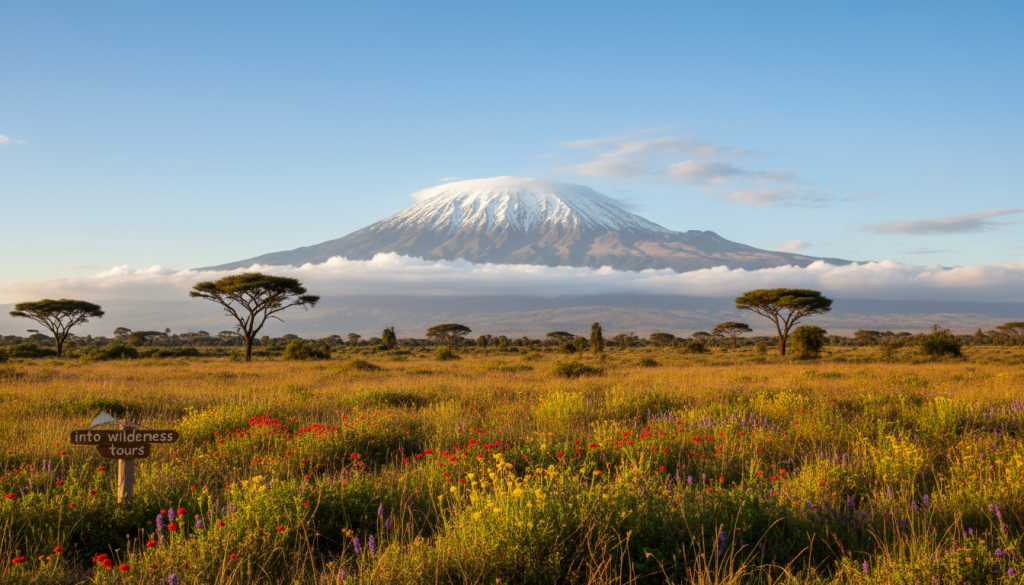
Standing tall as Africa’s highest peak, Mount Kilimanjaro is a marvel that captivates adventurers and nature lovers alike. We are drawn to its majestic presence, a symbol of Tanzania’s natural heritage.
Geographical Location and Significance
Located in the heart of Tanzania, Mount Kilimanjaro is a geographical wonder that stands at 19,341 feet above sea level. Its geographical significance extends beyond its height, as it is a dormant volcano with a rich geological history.
The Volcanic Origins of Kilimanjaro
The formation of Kilimanjaro is attributed to volcanic activity that began around 750,000 years ago. This process shaped the mountain’s unique landscape and volcanic origins, which are still visible today.
Kilimanjaro’s Three Volcanic Cones
Kilimanjaro is composed of three distinct volcanic cones: Kibo, Mawenzi, and Shira. Each cone has its unique characteristics, contributing to the mountain’s diverse ecosystems.
The Sacred Mountain in Tanzanian Culture
In Tanzanian culture, Kilimanjaro is revered as a sacred mountain, embodying the nation’s spiritual identity. We honor this reverence by respecting local traditions and supporting responsible tourism practices.
Our journey to the summit is not just about conquering a mountain; it’s about connecting with the natural world and the cultural heritage that surrounds it.
Planning Your Kilimanjaro Trips: Best Times to Visit
The majestic Mount Kilimanjaro, Africa’s highest peak, beckons adventurers to plan their visit carefully, taking into account the best times to climb. As we prepare for this significant undertaking, understanding the seasonal nuances of the mountain is crucial for a successful and enjoyable experience.
Seasonal Climbing Conditions
Kilimanjaro’s climate varies significantly with the seasons, impacting the climbing conditions. We must consider these factors to ensure a safe and fulfilling journey.
Dry Seasons: January-March and June-October
The dry seasons offer the most favorable conditions for climbing Kilimanjaro. During January to March and June to October, the weather is generally clear and dry, making the trails less slippery and reducing the risk of altitude sickness.
Wet Seasons: Considerations and Challenges
Conversely, the wet seasons present unique challenges. The rains can make the trails slippery and increase the risk of landslides. However, the wet seasons also bring a serene beauty to the mountain, with lush vegetation and fewer crowds.
Peak vs. Off-Peak Considerations
Understanding the distinction between peak and off-peak seasons is vital for planning. We need to weigh the pros and cons of each period to make an informed decision.
Crowd Levels Throughout the Year
During peak seasons, the mountain is more crowded, which can impact the overall experience. In contrast, off-peak seasons offer a more solitary experience, but climbers must be prepared for more challenging conditions.
Pricing Variations by Season
Pricing for Kilimanjaro trips also varies by season. Peak seasons typically see higher prices due to demand, while off-peak seasons may offer more competitive pricing.
To help illustrate the seasonal variations, we’ve compiled a table summarizing the key factors to consider:
| Season | Weather Conditions | Crowd Levels | Pricing |
|---|---|---|---|
| Dry (Jan-Mar, Jun-Oct) | Clear, Dry | High | Higher |
| Wet (Apr-May, Nov-Dec) | Rainy, Slippery Trails | Low | Lower |
Exploring the Popular Routes for Kilimanjaro Adventures
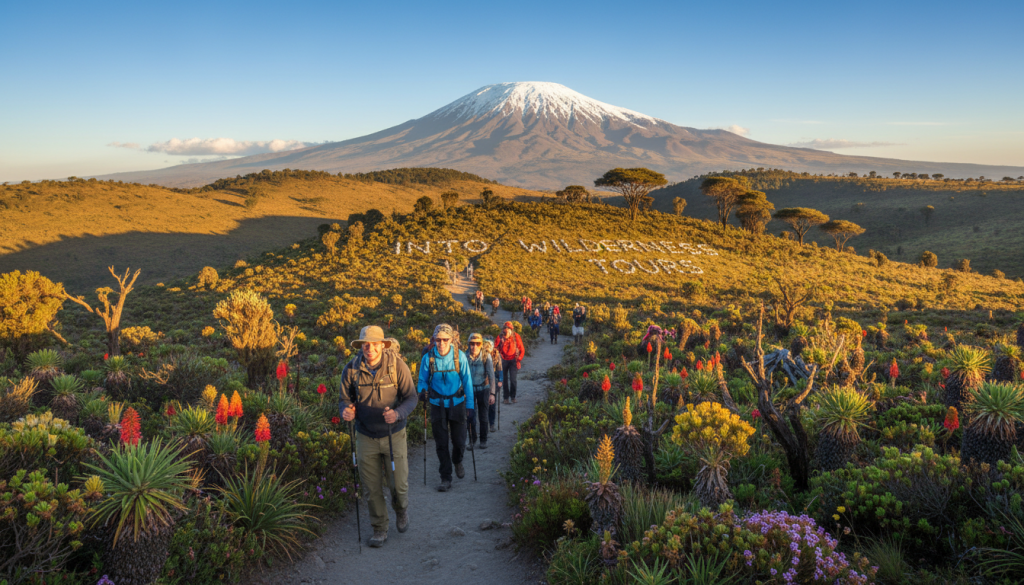
For those drawn to the allure of Kilimanjaro, several routes unfold, each a distinct adventure filled with natural splendor. As we explore these paths, we discover that the journey to Africa’s highest peak is as much about the journey as it is about the destination.
The routes to the summit of Kilimanjaro are as diverse as the landscapes they traverse, offering a range of experiences for climbers. From the more straightforward paths to the more challenging climbs, each route has its unique characteristics and attractions.
Marangu Route: The “Coca-Cola” Route
The Marangu Route, affectionately known as the “Coca-Cola” Route, is one of the most popular paths to the summit. It’s considered one of the easier routes, making it accessible to climbers with varying levels of experience. The route is characterized by its straightforward ascent and descent paths, with climbers staying in hut accommodations along the way.
Key Features:
- Relatively easy ascent
- Hut accommodations
- Direct ascent and descent route
Machame Route: The “Whiskey” Route
The Machame Route, or “Whiskey” Route, is another favorite among Kilimanjaro adventurers. Known for its more rugged terrain and stunning vistas, this route offers a challenging yet rewarding climb. Climbers on this route stay in camps, experiencing a more immersive wilderness adventure.
Key Features:
- Scenic views of the mountain
- Camp accommodations
- Higher success rate due to acclimatization
Lemosho Route: The Scenic Choice
The Lemosho Route is renowned for its scenic beauty, offering climbers a tranquil and picturesque journey to the summit. This route is considered one of the most beautiful paths, with a high success rate due to its gradual ascent profile, allowing for excellent acclimatization.
Key Features:
- Scenic and remote
- High success rate
- Varied landscapes
Northern Circuit: The Newest and Longest Route
The Northern Circuit is the newest and longest route to the summit of Kilimanjaro, offering an unparalleled adventure experience. This route circumnavigates the mountain, providing climbers with a comprehensive Kilimanjaro experience, including diverse landscapes and exceptional scenery.
Key Features:
- Longest route, offering maximum acclimatization
- Circumnavigates the mountain, offering diverse views
- Less crowded than other routes
In conclusion, each of the popular routes to Kilimanjaro’s summit offers a unique adventure, catering to different preferences and climbing abilities. Whether you’re drawn to the ease of the Marangu Route, the ruggedness of the Machame Route, the scenic beauty of the Lemosho Route, or the comprehensive experience of the Northern Circuit, Kilimanjaro awaits with an adventure tailored to your spirit.
Physical and Mental Preparation for Your Climb
As we prepare to embark on the majestic journey to the summit of Kilimanjaro, it’s essential to focus on both physical and mental preparation. The climb is a significant undertaking that requires a holistic approach to ensure success and enjoyment.
Training Regimen for Altitude Hiking
A well-structured training regimen is crucial for tackling the demands of altitude hiking. This includes:
Cardiovascular and Strength Training
Engaging in regular cardiovascular exercises such as running, cycling, or swimming, alongside strength training to build muscular endurance, is vital. We recommend at least 3-4 months of consistent training prior to the climb.
Practice Hikes and Altitude Adaptation
In addition to regular training, undertaking practice hikes can significantly enhance your readiness. If possible, training at high altitudes can help your body adapt to the lower oxygen levels you’ll encounter on Kilimanjaro.
| Training Activity | Frequency | Duration |
|---|---|---|
| Cardiovascular Exercise | 3-4 times a week | 30-60 minutes |
| Strength Training | 2-3 times a week | 45-60 minutes |
| Practice Hikes | 1-2 times a month | Several hours |
Mental Strategies for Summit Success
Mental preparation is just as critical as physical training. Developing the right mindset can make a significant difference in your Kilimanjaro experience.
Developing Mental Resilience
Building mental resilience involves cultivating a positive mindset, setting realistic goals, and practicing mindfulness. We encourage climbers to engage in meditation and visualization techniques to enhance their mental toughness.
Visualization and Goal Setting Techniques
Visualizing your success and setting achievable milestones are powerful tools for maintaining motivation. By focusing on the journey and celebrating small victories, climbers can maintain a positive outlook throughout their adventure.
Essential Gear and Packing List for Kilimanjaro
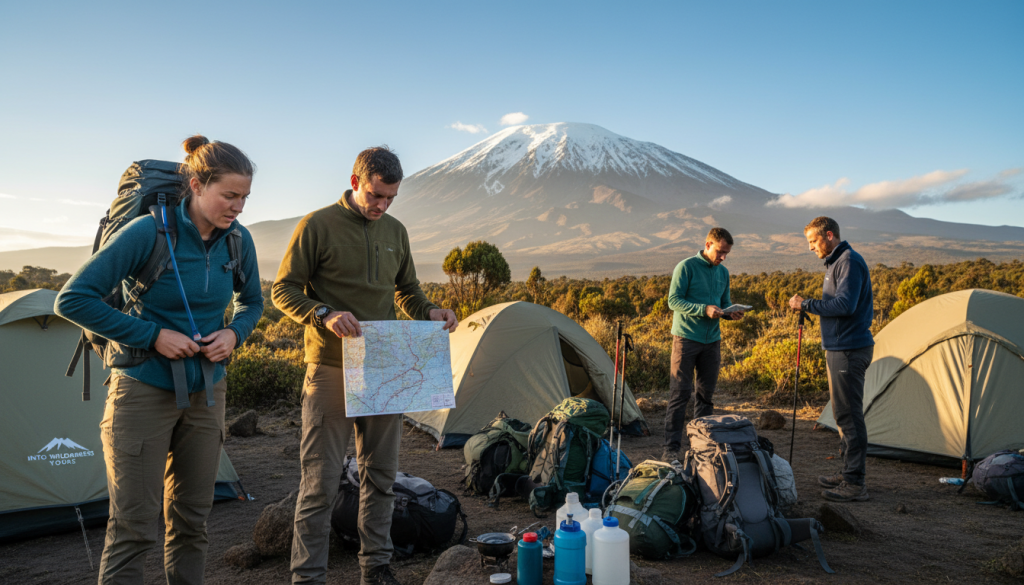
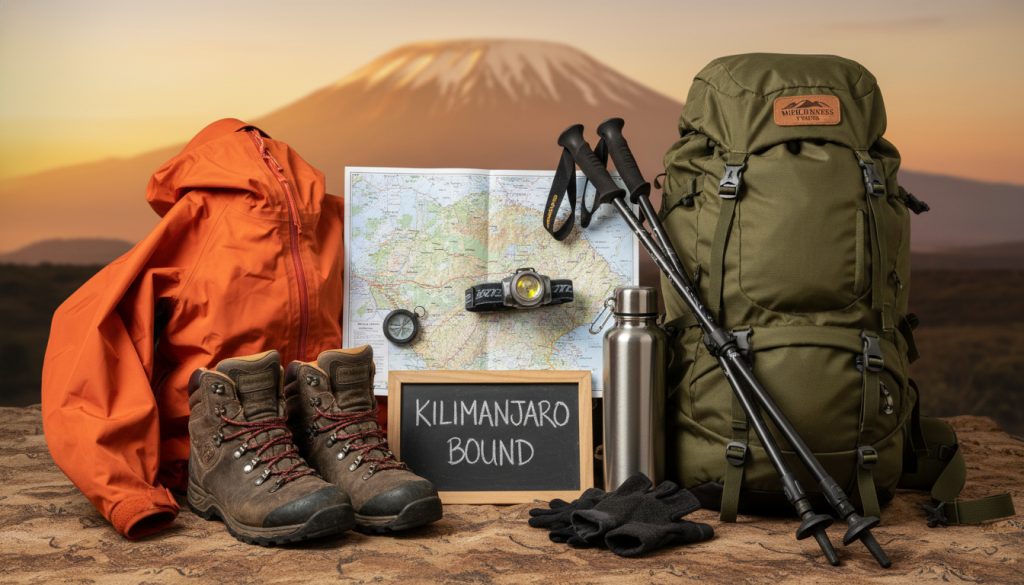
As we prepare for the majestic Kilimanjaro climb, the right gear becomes our trusted companion on this Tanzanian adventure. The mountain’s diverse climate zones, from tropical to arctic, demand a thoughtful approach to packing.
Clothing Layers and Weather Protection
The key to comfort on Kilimanjaro lies in layering clothing appropriately. This allows climbers to adjust to the varying temperatures encountered during the ascent.
Base, Mid, and Outer Layer Recommendations
Starting with base layers that wick moisture away from the skin, we move to mid-layers that provide insulation, and finally to outer layers that protect against wind and rain. Each layer plays a crucial role in maintaining body temperature and comfort.
Headwear and Handwear Essentials
Headwear and handwear are critical in extreme cold. A warm hat and gloves are essential for the higher altitudes, where temperatures can drop significantly.
Technical Equipment Necessities
Beyond clothing, the right technical equipment is vital for a successful climb. This includes gear that provides support, protection, and comfort during the ascent.
Hiking Poles and Footwear
Hiking poles can provide stability on uneven terrain, while sturdy footwear is essential for the long days of hiking. Both are crucial for preventing injuries and ensuring a steady pace.
Sleeping Gear and Backpacks
A good sleeping bag rated for cold temperatures and a comfortable backpack to carry all gear are indispensable. These items ensure rest and mobility throughout the expedition.
Personal Items and Medications
Personal items and medications should not be overlooked. A well-stocked first-aid kit and any personal medications are vital for health and safety on the mountain.
Understanding Mt Kilimanjaro Hike Cost Breakdown
Understanding the cost breakdown of a Mt. Kilimanjaro hike is crucial for a stress-free adventure. As we guide you through the financial aspects of your journey, you’ll gain a clearer picture of what to expect and how to prepare.
Park Fees and Permits
The cost of park fees and permits constitutes a significant portion of your overall expenditure. These fees vary depending on the route you choose and the duration of your hike. For instance, the cost for a Marangu Route hike differs from that of the Lemosho Route. It’s essential to factor these costs into your budget early on.
- Conservation fees
- Camping fees
- Permits for guides and porters
Guide and Porter Services
Hiring guide and porter services is not just a matter of convenience; it’s a necessity for a safe and successful climb. The cost of these services varies based on the number of days you hike and the route’s difficulty. Guides and porters are local experts who not only assist you in reaching the summit but also enrich your experience with their knowledge of the terrain and culture.
Consider the following when budgeting for guides and porters:
- Guide fees
- Porter fees
- Gratuities for exceptional service
Equipment Rental Options
Equipment rental is another significant expense to consider. While some tour operators may include equipment rental in their packages, others may not. It’s crucial to understand what’s included and what’s not. Essential equipment includes:
- Hiking gear (poles, boots, etc.)
- Camping equipment (tents, sleeping bags, etc.)
- Clothing for varying weather conditions
Additional Expenses to Consider
Beyond the primary costs, there are additional expenses that can add up. Being aware of these can help you budget more effectively.
Tips and Gratuities Guidelines
Tipping your guides and porters is a way to show appreciation for their hard work and dedication. The amount you tip can depend on the quality of service and the total cost of your hike.
Travel Insurance Requirements
Having travel insurance that covers emergency evacuations and medical expenses is highly recommended. This can be a significant additional cost but is invaluable for peace of mind.
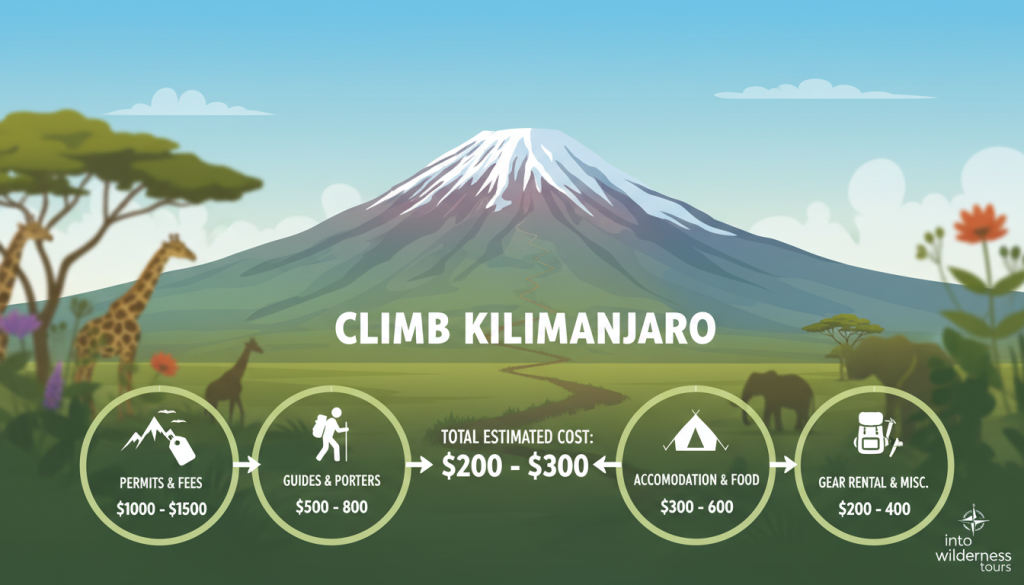
By understanding these components of the Mt. Kilimanjaro hike cost, you can better prepare for your adventure, ensuring that you’re financially ready for the challenge ahead.
Day-by-Day Experience on Kilimanjaro Expeditions
On the slopes of Kilimanjaro, we find ourselves on a path of self-discovery, surrounded by the serene beauty of Africa’s highest peak. As we ascend, the journey unfolds into a series of memorable experiences, from the camaraderie of camp life to the challenge of the summit night.
Daily Routines on the Mountain
Each day on Kilimanjaro brings its own rhythm and challenges. Our days begin early, with a hearty breakfast that fuels us for the hike ahead.
Camp Life and Meal Experiences
After a day’s hike, we settle into our camps, where a warm meal and comfortable rest await. The camp life is a crucial part of the Kilimanjaro experience, offering a chance to rest and rejuvenate.
Hiking Schedules and Rest Periods
The hiking schedule is carefully planned to ensure acclimatization and minimize fatigue. Regular rest periods allow us to enjoy the scenery and take in the majestic views.
The Summit Night Experience
The summit night is a defining moment of the Kilimanjaro expedition. It’s a challenging ascent under the stars, with the promise of witnessing a breathtaking sunrise from Uhuru Peak.
Preparation for the Final Ascent
Preparation is key to the final ascent. We ensure that climbers are well-rested and equipped for the challenge, with a detailed briefing on what to expect.
Reaching Uhuru Peak: What to Expect
Reaching Uhuru Peak is a moment of immense pride and joy. The panoramic views from the top are a reward for the hard work and determination.
| Day | Camp | Altitude | Hike Duration |
|---|---|---|---|
| 1 | Moshi | 1,500 ft | – |
| 2 | Machame Camp | 9,900 ft | 6 hours |
| 3 | Shira Camp | 12,500 ft | 5 hours |
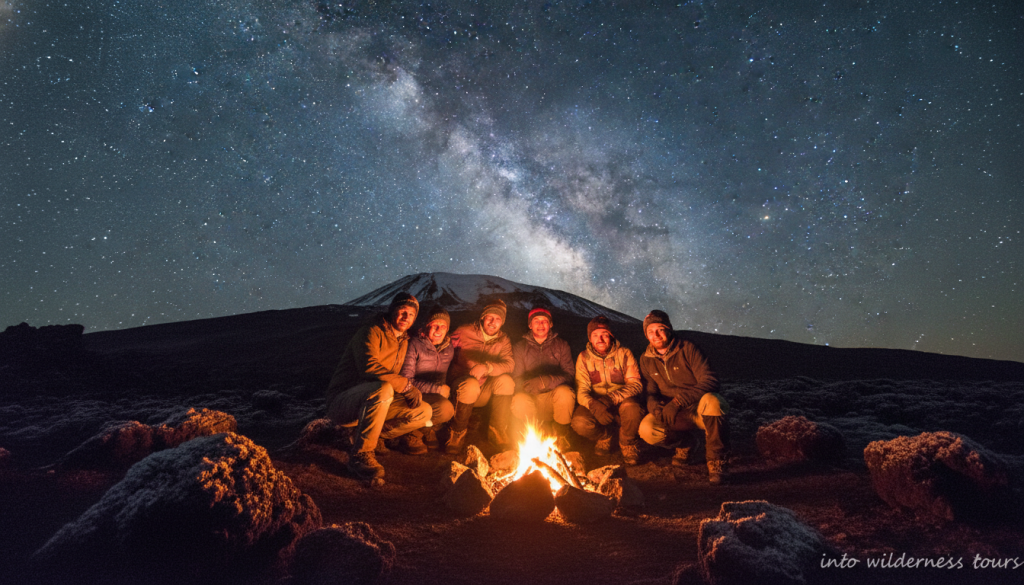
As we conclude our journey on Kilimanjaro, we carry with us memories of the daily routines, the camaraderie, and the triumph of reaching Uhuru Peak. The experience is a testament to the human spirit and the beauty of nature.
Health and Safety on Africa’s Highest Mountain
As we ascend the majestic slopes of Kilimanjaro, health and safety become paramount concerns that demand our utmost attention. The high altitude and unpredictable weather conditions pose significant risks, making it crucial for climbers to be well-prepared.
Altitude Sickness: Prevention and Treatment
Altitude sickness, or Acute Mountain Sickness (AMS), is a common challenge faced by climbers. It occurs when the body cannot adapt quickly enough to the higher elevation, resulting in a lack of oxygen.
Recognizing AMS Symptoms
Symptoms of AMS can range from mild headaches and nausea to more severe conditions like confusion and shortness of breath. Early recognition is key to effective treatment.
Medication and Acclimatization Protocols
Prevention is better than cure. Climbers can take medication like acetazolamide to help their bodies acclimatize. Gradual ascent and adequate hydration are also crucial in preventing AMS.
Emergency Procedures and Evacuation Plans
Despite best efforts, emergencies can still occur. Having a well-planned evacuation strategy is vital. This includes having access to emergency medical supplies and a reliable means of communication.
Our experienced guides are trained in handling emergencies and have contingency plans in place, including evacuation procedures via helicopter if necessary.
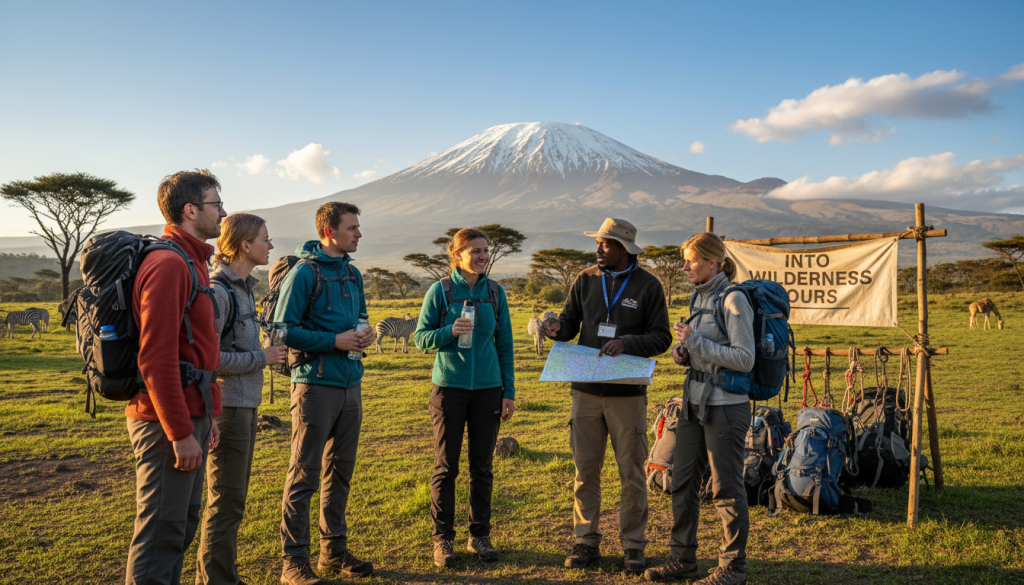
In conclusion, while health and safety risks are inherent in climbing Kilimanjaro, being informed and prepared can significantly mitigate these risks. By understanding altitude sickness and having robust emergency procedures in place, climbers can focus on the journey, enjoying the breathtaking landscapes and the personal challenge that this iconic mountain presents.
Cultural Experiences with Local Guides and Porters
As we embark on the journey to climb Kilimanjaro, we’re not just ascending a mountain, we’re immersing ourselves in the rich cultural tapestry of the Chagga people. Our local guides and porters are more than just experts on the mountain trails; they are custodians of the region’s heritage and traditions.
The Chagga People and Mountain Traditions
The Chagga people have lived in harmony with Kilimanjaro for centuries, developing a deep understanding of the mountain’s rhythms and a rich cultural identity. Their traditions, from agricultural practices to spiritual beliefs, are intricately linked to the mountain’s slopes and ecosystems.
Ethical Engagement and Cultural Exchange
Engaging with local guides and porters offers a unique opportunity for cultural exchange. By learning about their way of life and sharing in their stories, we foster a meaningful connection that goes beyond the climb.
Learning Basic Swahili Phrases
Learning a few basic Swahili phrases can significantly enhance our interactions with local guides and porters. Simple expressions like “Jambo” (hello) and “Asante” (thank you) show respect and appreciation for their culture and assistance.
Supporting Local Communities Through Your Climb
By choosing to climb with local guides and porters, we directly support the communities that call Kilimanjaro home. This ethical approach to adventure tourism ensures that the economic benefits of our climb stay within the local economy, promoting sustainable development.
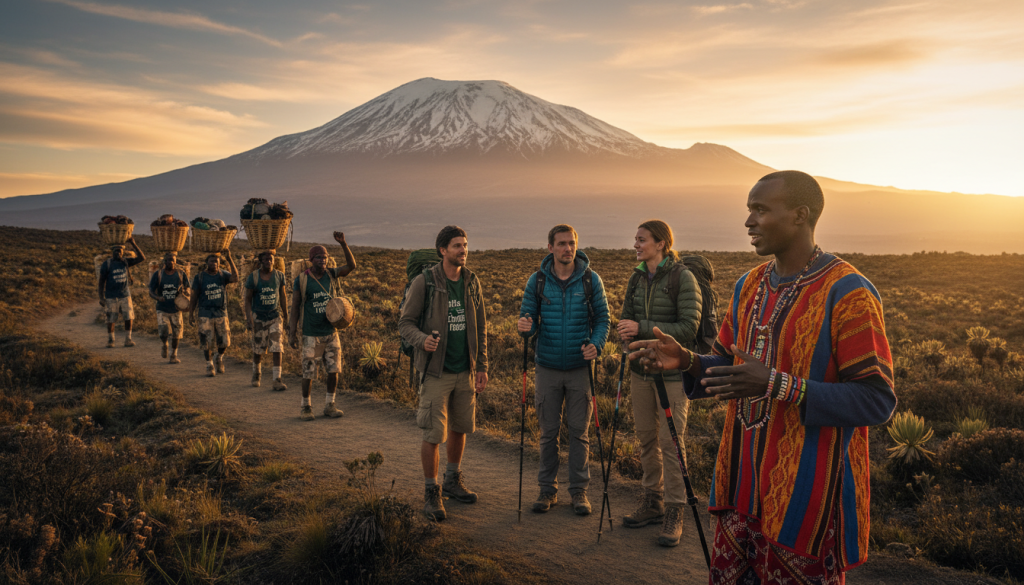
Our climb up Kilimanjaro becomes a journey of cultural discovery, where every step is accompanied by the stories, traditions, and warmth of the local community.
The Ecological Zones of Kilimanjaro
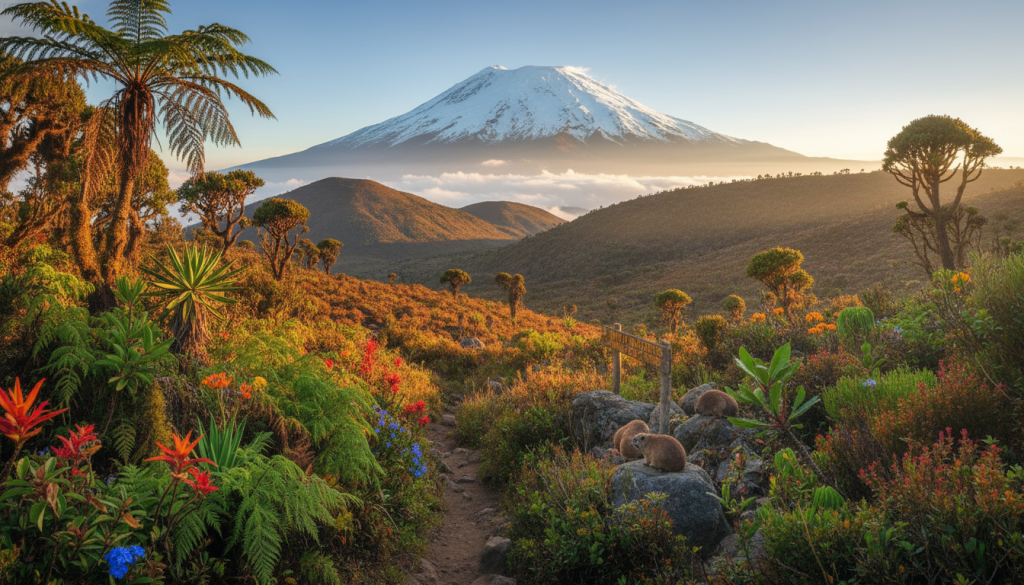
As we climb Kilimanjaro, we’re treated to a kaleidoscope of ecosystems, each one more breathtaking than the last. This majestic mountain is home to a diverse range of ecological zones, a true marvel of nature that captivates and inspires all who venture here.
Rainforest to Arctic: Changing Landscapes
The journey up Kilimanjaro takes us through a series of distinct ecological zones, each with its unique characteristics and beauty. We begin in the Cultivation Zone, where the lower slopes are terraced with fields and villages, giving way to the lush Forest Zone, teeming with life and vegetation.
Cultivation Zone
The cultivation zone is where local communities farm the rich volcanic soil, growing crops that sustain both them and the ecosystem.
Forest Zone
The forest zone is a haven for biodiversity, with towering trees and a variety of flora and fauna.
Heath and Moorland Zone
As we ascend higher, we enter the Heath and Moorland Zone, characterized by giant heather and moorland grasses, a stark yet beautiful landscape.
Alpine Desert and Arctic Summit
Further up, the Alpine Desert zone awaits, a surreal landscape of rocky outcrops and sparse vegetation, finally giving way to the Arctic Summit, a frozen world of snow and ice.
Flora and Fauna Encounters
Throughout these ecological zones, we’re treated to a rich variety of flora and fauna. The forest zone is home to a myriad of bird species, monkeys, and other wildlife, while the higher zones host unique, adapted flora such as the giant senecio and lobelia plants.
| Ecological Zone | Characteristics | Flora and Fauna |
|---|---|---|
| Cultivation Zone | Terraced fields, villages | Crops, local vegetation |
| Forest Zone | Lush, dense forest | Monkeys, bird species, diverse wildlife |
| Heath and Moorland Zone | Giant heather, moorland grasses | Unique, adapted flora |
| Alpine Desert | Rocky outcrops, sparse vegetation | Hardy, adapted plants |
| Arctic Summit | Snow, ice | Limited, hardy flora |
Selecting the Right Tour Operator for Your Kilimanjaro Adventure
Choosing a tour operator for your Kilimanjaro climb is more than just picking a guide; it’s about partnering with a guardian of your mountain experience. As you prepare to embark on this transformative journey, it’s essential to select an operator that not only ensures your safety but also enriches your experience through responsible and sustainable practices.
Evaluating Operator Credentials and Ethics
When evaluating tour operators, their credentials and ethics play a pivotal role. Safety records and membership with organizations like the Kilimanjaro Porters Assistance Project (KPAP) are critical indicators of an operator’s commitment to responsible tourism.
Safety Records and KPAP Membership
A reputable tour operator should have a strong safety record, demonstrating their ability to manage risks and respond to emergencies. Membership with KPAP indicates a commitment to the welfare of porters, ensuring they are treated fairly and with respect.
Environmental Practices and Sustainability
Environmental stewardship is another crucial aspect. Operators who adopt sustainable practices, minimize waste, and respect the natural environment contribute to the preservation of Kilimanjaro’s ecosystem. Look for operators who prioritize eco-friendly accommodations, waste management, and conservation efforts.
Questions to Ask Before Booking
Before making your decision, it’s vital to ask the right questions. Inquire about their guide-to-climber ratio, emergency response plans, and sustainable practices. Understanding their policies on porter welfare, equipment quality, and environmental conservation can provide valuable insights into their operational ethics.
As you finalize your choice, consider the operator’s transparency, client testimonials, and their willingness to address your concerns. By doing so, you’ll be better equipped to select a tour operator that not only meets your expectations but also contributes to the preservation of Kilimanjaro’s majestic environment.
The Transformative Journey: Personal Growth on Kilimanjaro
The Kilimanjaro expedition is a transformative odyssey that challenges climbers physically and mentally, leading to unexpected personal breakthroughs. As climbers ascend through diverse ecological zones, they are not just changing landscapes; they are also navigating their inner worlds.
Overcoming Physical and Mental Challenges
Climbing Kilimanjaro demands both physical stamina and mental resilience. The journey pushes climbers to their limits, testing their endurance against the mountain’s rugged terrain and unpredictable weather. Success on the mountain requires a harmonious blend of physical preparation and mental toughness, as climbers must adapt to the demands of high-altitude hiking.
Life Lessons from the Mountain
The experience on Kilimanjaro imparts valuable life lessons that extend far beyond the mountain itself. Climbers learn the importance of:
Patience and Perseverance
The climb teaches climbers the value of patience and perseverance. As they navigate challenging terrain and weather conditions, they develop a deeper understanding of their own capabilities and limitations.
Appreciation for Nature and Simplicity
The stark beauty of Kilimanjaro’s landscapes and the simplicity of life on the mountain foster a profound appreciation for nature and the essentials of life. Climbers often return home with a renewed sense of simplicity and a deeper connection to the natural world.
| Life Lessons | Description | Impact |
|---|---|---|
| Patience | Learning to pace oneself on the mountain | Enhanced self-awareness |
| Perseverance | Overcoming obstacles on the climb | Increased resilience |
| Appreciation for Nature | Experiencing the beauty of Kilimanjaro | Renewed connection to nature |
Extending Your Tanzanian Adventure Beyond Kilimanjaro
As you conquer the mighty Kilimanjaro, the vast expanse of Tanzania beckons, inviting you to explore beyond the mountain’s majestic peak. Your journey can unfold into a rich tapestry of experiences, weaving together the thrill of adventure with the serenity of untouched landscapes.
Safari Combinations in Nearby National Parks
Tanzania’s national parks offer a diverse array of wildlife and ecosystems, providing the perfect complement to your Kilimanjaro climb. We recommend exploring the renowned Serengeti and Ngorongoro Crater, or venturing into the lesser-known but equally captivating Tarangire and Lake Manyara.
Serengeti and Ngorongoro Crater Options
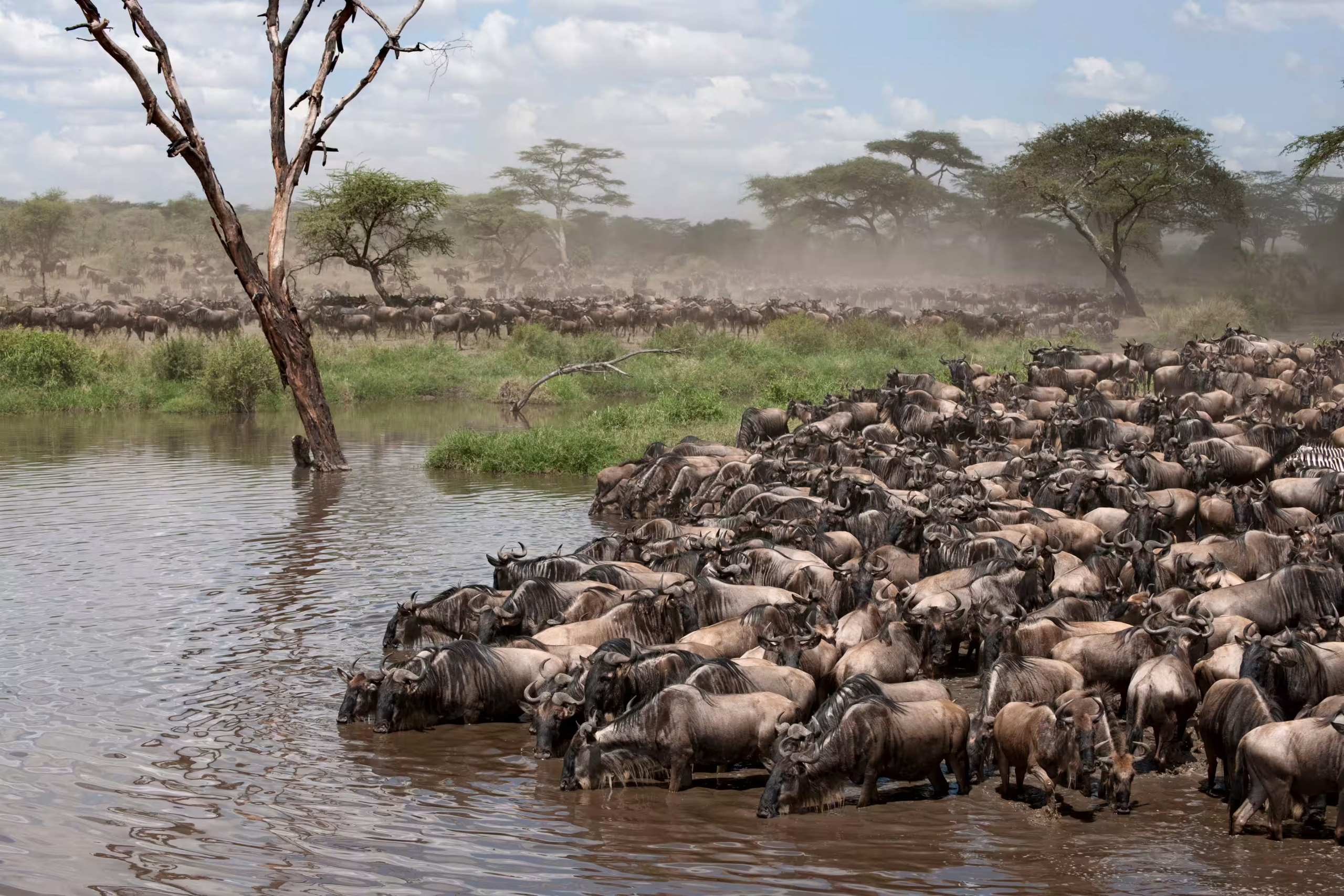
The Serengeti’s endless plains and the Ngorongoro Crater’s unique wildlife haven offer unforgettable safari experiences. Witness the Great Migration, or explore the crater’s dense forests and grasslands.
Tarangire and Lake Manyara Experiences
Tarangire’s majestic baobab trees and Lake Manyara’s tree-climbing lions provide a more intimate connection with nature. These parks offer a serene contrast to the bustling Serengeti.
| Park | Main Attractions | Best Time to Visit |
|---|---|---|
| Serengeti | Great Migration, diverse wildlife | June to October |
| Ngorongoro Crater | Wildlife haven, crater landscapes | Year-round |
| Tarangire | Baobab trees, large elephants | June to October |
| Lake Manyara | Tree-climbing lions, diverse birdlife | Year-round |
Zanzibar Beach Retreats After Your Climb
After conquering Kilimanjaro, unwind on the pristine beaches of Zanzibar. Let the crystal-clear waters and white sandy beaches soothe your spirit, marking the perfect conclusion to your Tanzanian adventure.
Conclusion: The Life-Changing Impact of Conquering Kilimanjaro
As we stand at the roof of Africa, the windswept summit of Kilimanjaro whispers tales of transformation. Conquering Kilimanjaro is more than achieving a summit; it’s about embracing a journey that reshapes your perspective, forges unbreakable memories, and leaves an indelible mark on your soul. The life-changing impact of this adventure is profound, as the rugged landscapes and majestic vistas of Kilimanjaro trips etch themselves into your being.
We recall the arduous paths, the camaraderie forged around campfires, and the serene beauty of the Tanzanian wilderness. The experience is a testament to human resilience and the allure of the unknown. As you descend from the mountain, the world is reborn – vibrant, fresh, and full of possibility. The memories of your Kilimanjaro adventure will linger, a poignant reminder of the beauty and strength that lies within and around us.
In conquering Kilimanjaro, we discover not just the summit, but ourselves. The journey is a powerful catalyst for personal growth, inspiring a deeper appreciation for nature, our own capabilities, and the rich cultural heritage of Tanzania.
FAQ
What is the best time to climb Mount Kilimanjaro?
The best times to climb Mount Kilimanjaro are during the dry seasons, from January to March and June to October, when the weather is more favorable and the trails are less slippery.
How much does a Kilimanjaro hike cost?
The cost of a Kilimanjaro hike varies widely depending on the route taken, the services of guides and porters, and equipment rental options. The total mt kilimanjaro hike cost can range significantly, so it’s essential to consider all expenses, including park fees, permits, and additional services.
What are the different routes to the summit of Kilimanjaro?
There are several routes to the summit of Kilimanjaro, including the Marangu Route, Machame Route, Lemosho Route, and Northern Circuit. Each route has its unique characteristics, challenges, and scenic views.
How do I prepare physically and mentally for the climb?
Preparing for the climb involves a tailored training regimen that includes cardiovascular and strength training. Mental strategies such as developing resilience and using visualization techniques are also crucial for summit success.
What gear and equipment are essential for the Kilimanjaro climb?
Essential gear includes appropriate clothing layers for varying weather conditions, technical equipment such as hiking poles and sturdy footwear, and personal items and medications.
How do I choose the right tour operator for my Kilimanjaro adventure?
When choosing a tour operator, consider their credentials and ethics, safety records, environmental practices, and sustainability. It’s also essential to ask the right questions before booking to ensure they align with your values and expectations.
What health and safety considerations should I be aware of?
Climbers should be aware of altitude sickness, its prevention, and treatment. Understanding emergency procedures and evacuation plans is also crucial for a safe climb.
Can I combine my Kilimanjaro climb with other Tanzanian adventures?
Yes, you can combine your Kilimanjaro climb with safaris in nearby national parks, such as the Serengeti and Ngorongoro Crater, or relax on Zanzibar’s beaches after your climb.