As we embark on this journey to the enchanting archipelago of Zanzibar, Tanzania, we invite you to experience a safari that transcends the ordinary, leaving you in awe of the natural beauty and cultural richness that surrounds you.
We, as local hosts and guardians, will share with you the soul of this captivating destination, revealing the essence of a land where ancient traditions meet the untamed wilderness.
Our journey together will be a symphony of sensory experiences, from the aromatic spices that fill the air to the serene beaches that cradle the turquoise waters of the Indian Ocean.
Key Takeaways
- Experience a transformative safari in the enchanting archipelago of Zanzibar, Tanzania.
- Discover the natural beauty and cultural richness of this captivating destination.
- Enjoy a journey guided by local hosts and guardians who share the soul of Tanzania.
- Immerse yourself in sensory experiences, from aromatic spices to serene beaches.
- Explore the untamed wilderness where ancient traditions meet modern luxury.
The Mystical Allure of Zanzibar, Tanzania
As we step into the enchanting world of Zanzibar, Tanzania, the mystique of this archipelago begins to unfold. We are drawn into a realm where the air is sweet with the scent of spices, and the sound of the Indian Ocean waves gently lapping against the shore creates a soothing melody.
Geographic Wonders of the Archipelago
The geographic wonders of Zanzibar are a testament to the incredible diversity of this ecosystem. The archipelago is composed of several islands, with Unguja being the largest. The crystal-clear waters surrounding the islands are home to an array of marine life, including dolphins, sea turtles, and colorful fish.
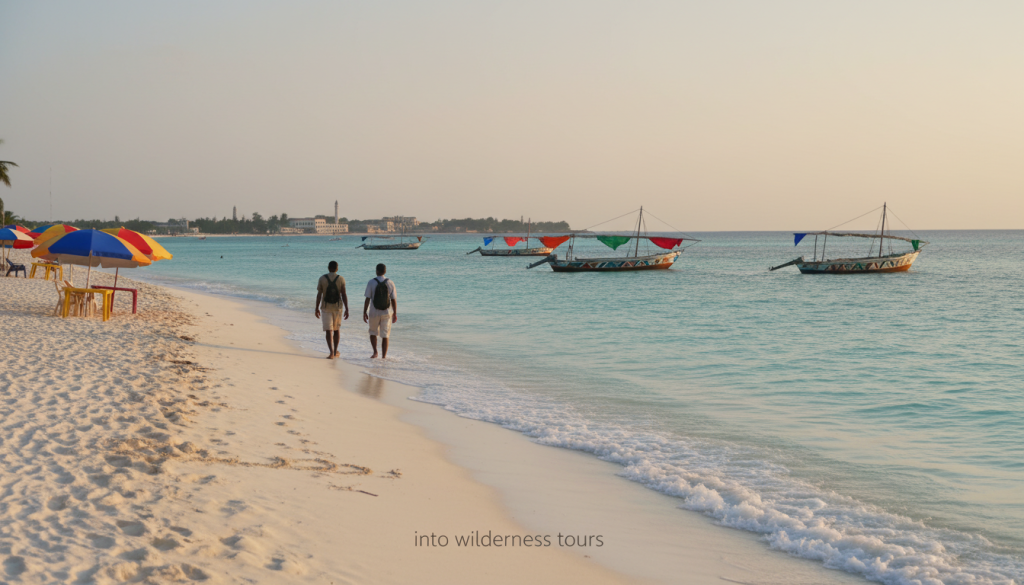
The coral reefs, a haven for snorkelers and scuba divers, are a vital part of the ecosystem, providing a habitat for countless species. The islands’ beaches, with their powdery white sand, are perfect for relaxation and sunbathing.
| Island | Main Attractions | Best Time to Visit |
|---|---|---|
| Unguja | Stone Town, Prison Island, Spice Plantations | June to October |
| Pemba | Marine Conservation, Chwaka Bay | April to May |
| Mnemba | Snorkeling, Scuba Diving, Marine Life | September to November |
Cultural Tapestry and Historical Significance
Zanzibar’s cultural tapestry is woven from the threads of various influences, including Arab, Portuguese, and African cultures. The historical significance of the archipelago is evident in its architecture, cuisine, and traditions.
Stone Town, a UNESCO World Heritage Site, is a labyrinth of narrow alleys and bustling markets, filled with the aroma of exotic spices and the sound of lively music. The cultural heritage of Zanzibar is a rich and complex blend of different traditions.
Planning Your Transformative Journey
As we embark on our transformative journey to Zanzibar, Tanzania, careful planning is essential to ensure a truly unforgettable experience. The island’s unique blend of cultures, stunning natural beauty, and rich history demands a thoughtful approach to fully appreciate its wonders.
Optimal Seasons for Safari Experiences
The best time to visit Zanzibar, Tanzania, is during the dry seasons, from June to October and December to March. These periods offer ideal conditions for safari experiences, with comfortable temperatures and minimal rainfall, making it perfect for exploring the island’s outdoors.
Essential Packing for Island Adventures
Packing for Zanzibar, Tanzania, requires a mix of practicality and preparedness. Essentials include lightweight, breathable clothing, sun protection, and comfortable walking shoes. Don’t forget to bring a reusable water bottle and a power adapter for your devices.
Health Considerations and Travel Requirements
Before traveling to Zanzibar, Tanzania, it’s crucial to consult your healthcare provider about necessary vaccinations and medications. Ensure you have a valid passport and any required visas. Consider purchasing travel insurance that covers medical emergencies and trip cancellations.
| Travel Requirement | Description | Recommendation |
|---|---|---|
| Passport | Valid for at least six months beyond your intended stay | Check expiration date before traveling |
| Vaccinations | Consult healthcare provider for necessary vaccinations | Schedule consultation at least 4 weeks prior to travel |
| Travel Insurance | Covers medical emergencies and trip cancellations | Purchase policy before finalizing travel plans |

Stone Town: The Cultural Heart of Zanzibar
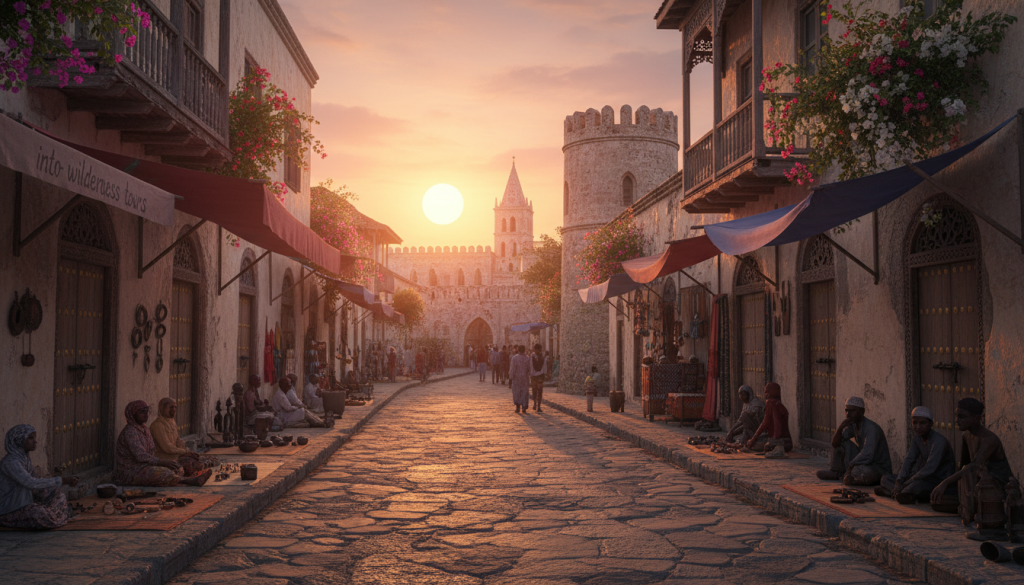
As we step into Stone Town, the vibrant heartbeat of Zanzibar envelops us, revealing a rich tapestry of culture and history. This ancient city, with its winding alleys and bustling markets, is a testament to the island’s diverse heritage.
Architectural Marvels of the UNESCO Site
Stone Town’s architecture is a fascinating blend of Swahili, Arab, and European styles, reflecting the island’s strategic position in the Indian Ocean. The city’s historic buildings, with their intricate wooden carvings and ornate balconies, are a testament to the craftsmanship of local artisans.
- The iconic House of Wonders, with its grand facade and impressive collection of artifacts.
- The Old Fort, a 17th-century structure that now serves as a cultural center and venue for local events.
- The ornate mosques and churches, showcasing the city’s rich spiritual heritage.
Navigating the Labyrinthine Streets and Markets
As we navigate the narrow streets of Stone Town, we’re surrounded by the sights, sounds, and aromas of local life. The bustling markets offer a wide range of handicrafts, spices, and local delicacies, providing a glimpse into the daily lives of the city’s residents.
- Explore the Darajani Market, a hub of activity where locals gather to buy and sell goods.
- Wander through the narrow alleys, discovering hidden courtyards and secret gardens.
- Visit the local artisans, witnessing firsthand the creation of traditional crafts.
Wildlife Encounters in Jozani Forest
As we venture into the heart of Zanzibar, Tanzania, the Jozani Forest beckons with its promise of unforgettable wildlife encounters. This lush sanctuary is home to a diverse array of flora and fauna, creating a complex ecosystem that is both fascinating and fragile.

Our journey through Jozani Forest is a journey into the very heart of Zanzibar’s natural beauty. The forest’s dense canopy and winding trails invite us to explore, to discover the hidden wonders that lie within.
The Endangered Red Colobus Monkeys
One of the most significant highlights of a visit to Jozani Forest is the opportunity to encounter the endangered Red Colobus monkeys. These charismatic creatures are endemic to Zanzibar, and their presence in the forest is a testament to the conservation efforts that are underway to protect them.
“The Red Colobus monkeys of Jozani Forest are not just a species; they are a symbol of the island’s rich biodiversity and our commitment to preserving it.”
As we observe these monkeys in their natural habitat, we gain a deeper appreciation for the delicate balance of the ecosystem and the importance of conservation efforts.
Flora and Fauna of the Island’s Ecosystem
The Jozani Forest is a vibrant tapestry of flora and fauna, with a diverse range of plant and animal species coexisting in harmony. From the towering trees that form the forest canopy to the intricate network of undergrowth, every element plays a vital role in the ecosystem.
As we explore the forest, we encounter a variety of wildlife, including the Red Colobus monkeys, bushbabies, and a wide range of bird species. The forest’s unique ecosystem supports a rich variety of flora, with plants that are both beautiful and resilient.
“In the heart of Jozani Forest, we find a world of wonder, a testament to the beauty and complexity of nature.”
Underwater Safari: Exploring Coral Gardens
As we dive into the crystal-clear waters of Zanzibar, Tanzania, we’re immediately enveloped in an underwater world teeming with life. The coral gardens here are renowned for their vibrant colors and diverse marine life, making for an unforgettable safari experience beneath the waves.

Mnemba Atoll and Marine Sanctuaries
The Mnemba Atoll is a highlight of Zanzibar’s underwater safari, boasting some of the most pristine coral reefs in the region. As a protected marine sanctuary, it provides a safe haven for a myriad of marine species. “The atoll’s coral is not just a sight to behold; it’s a thriving ecosystem that supports an incredible array of life,” notes a local marine biologist. We have the privilege of exploring this underwater wonderland, witnessing firsthand the beauty and health of the coral and its inhabitants.
Swimming with Dolphins and Sea Turtles
One of the most exhilarating experiences of our underwater safari in Zanzibar is swimming alongside dolphins and sea turtles. These gentle creatures roam freely in the waters around Mnemba Atoll, offering us a chance to interact with them in their natural habitat. As we swim, we’re reminded of the importance of preserving this delicate ecosystem. “Conservation is not just about protecting the environment; it’s about preserving our connection to the natural world.” With responsible tourism practices, we can ensure that these incredible encounters continue for generations to come.
Our underwater safari in Zanzibar, Tanzania, is more than just an adventure; it’s a journey into the heart of the ocean’s wonders. By exploring the coral gardens, marine sanctuaries, and interacting with marine life, we’re not only creating unforgettable memories but also contributing to the conservation of this precious ecosystem.
The Spice Islands: Aromatic Treasures of Zanzibar, Tanzania
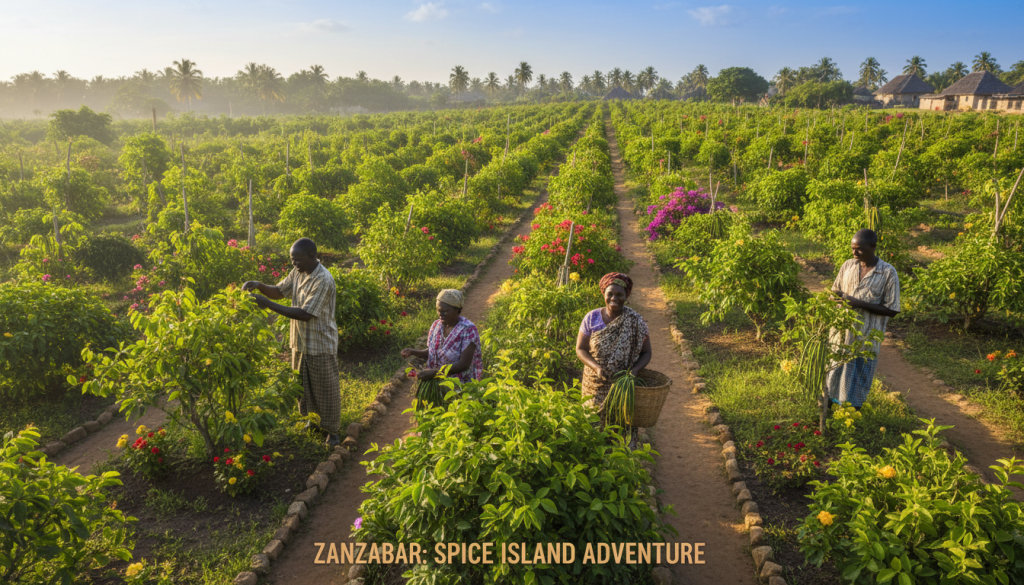
The scent of cloves, cinnamon, and cardamom wafts through the air, transporting us to a time when Zanzibar was the epicenter of the global spice trade. This aromatic legacy is a defining characteristic of the island, shaping its history, culture, and economy.
Historical Spice Trade and Colonial Influence
Zanzibar’s strategic location in the Indian Ocean made it an ideal hub for the spice trade, attracting traders from across the globe. The island’s fertile soil and favorable climate allowed for the cultivation of a variety of spices, including cloves, nutmeg, and cinnamon. This lucrative trade drew colonial powers, leaving a lasting legacy on the island’s architecture, culture, and cuisine.
The influence of colonialism is still evident in the island’s cultural practices and traditions. The spice trade brought not only economic prosperity but also a diverse array of cultural influences, shaping the unique identity of Zanzibar.
Guided Tours Through Fragrant Plantations
Visitors to Zanzibar can immerse themselves in the island’s aromatic heritage through guided tours of its fragrant plantations. These tours offer a unique opportunity to explore the cultivation and harvesting of various spices, gaining insight into the traditional practices that have been passed down through generations.
- Explore the lush plantations where cloves, cinnamon, and other spices are grown.
- Learn about the traditional methods of spice cultivation and harvesting.
- Discover the diverse uses of spices in local cuisine and traditional medicine.
By participating in these guided tours, visitors can develop a deeper appreciation for Zanzibar’s spice legacy and its ongoing impact on the island’s culture and economy.
Pristine Beaches Along the Coastline
The coastline of Zanzibar unfolds like a canvas of untouched beauty, with beaches that invite tranquility and relaxation. As we explore these shores, we discover the unique charm of each beach, from the bustling activity of some to the serene solitude of others.
Northern Beaches: Nungwi and Kendwa
Nungwi, located at the northern tip of Zanzibar, is renowned for its stunning sunsets and vibrant marine life. The beach is perfect for snorkeling and diving, with clear waters that offer a glimpse into the underwater world. Kendwa, just a short distance away, is known for its laid-back atmosphere and the famous Kendwa Rocks, a unique rock formation that’s perfect for watching the sunset.
Both Nungwi and Kendwa offer a range of accommodations, from luxury resorts to more budget-friendly options, ensuring that every visitor can find a place to suit their needs.
| Beach | Main Attractions | Best For |
|---|---|---|
| Nungwi | Snorkeling, diving, sunset viewing | |
| Kendwa | Relaxed atmosphere, Kendwa Rocks | Those seeking tranquility, sunset enthusiasts |
Eastern Shores: Paje, Bwejuu, and Jambiani
The eastern shores of Zanzibar are home to some of the island’s most beautiful and diverse beaches. Paje, with its consistent winds, is a haven for kiteboarders, while Bwejuu offers a more secluded and peaceful experience. Jambiani, with its fishing villages and local culture, provides a glimpse into traditional Zanzibari life.
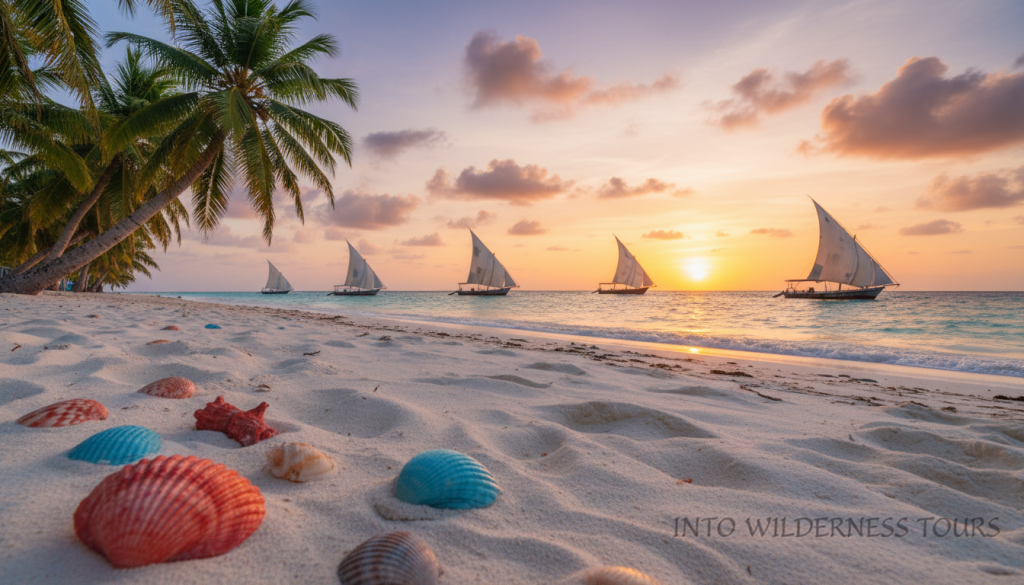
Each of these beaches has its own unique character, from the activities they offer to the local culture and cuisine. Visitors can enjoy a range of experiences, from water sports to simply relaxing on the beach.
As we explore the beaches of Zanzibar, Tanzania, we’re reminded of the island’s natural beauty and the diversity of experiences it offers. Whether you’re looking for adventure, relaxation, or cultural immersion, Zanzibar’s pristine beaches are sure to leave a lasting impression.
Cultural Immersion with Local Communities
The vibrant communities of Zanzibar, Tanzania, invite us to experience their unique way of life through cultural immersion. As we engage with the locals, we discover the rich cultural heritage that defines this enchanting island.
Traditional Fishing Villages and Daily Life
Visiting traditional fishing villages allows us to witness the daily rhythms of Zanzibari life. We observe fishermen unloading their catch, see local artisans at work, and experience the warmth of the community. In these villages, we learn about the traditional fishing methods that have been passed down through generations. The intimate encounters with the local people foster a deeper appreciation for their way of life.

Music, Dance, and Artistic Expressions
Zanzibar’s cultural identity is also expressed through its vibrant music, dance, and art. We have the opportunity to witness traditional dances, such as the Unyago dance, which is performed during initiation ceremonies. Local music, characterized by the use of traditional instruments like the Kayamba, fills the air, creating an infectious energy. The artistic expressions of Zanzibar, including woodcarvings and textile art, reflect the island’s rich cultural diversity.
| Cultural Expression | Description |
|---|---|
| Traditional Dances | Performances like the Unyago dance showcase Zanzibar’s cultural heritage. |
| Local Music | Characterized by traditional instruments, local music is an integral part of Zanzibari culture. |
| Artistic Expressions | Woodcarvings, textile art, and other crafts reflect the island’s rich cultural diversity. |
Culinary Safari: Tasting Zanzibar’s Fusion Cuisine
As we embark on a culinary journey through Zanzibar, the aromatic flavors of Swahili cuisine envelop us. The island’s unique position in the Indian Ocean has made it a melting pot of culinary influences, blending Swahili, Arabic, Indian, and European flavors.
The result is a rich and diverse gastronomy that reflects the island’s history and cultural heritage. From the bustling markets of Stone Town to the serene beaches of the coastline, every meal is an opportunity to experience the local culture.
Swahili Dishes and Arabic Influences
Swahili cuisine, with its Arabic influences, is characterized by the use of fragrant spices, coconut milk, and fresh seafood. Dishes like biryani and pilau are staples, flavored with cardamom, cinnamon, and cloves. The use of chilies and other spices adds a depth of flavor that is both exciting and aromatic.
One of the most iconic Swahili dishes is ugali, a cornmeal staple often served with stews or sauces. The combination of these flavors creates a truly unique culinary experience.
Seafood Feasts and Night Markets
Zanzibar’s coastal location makes it a paradise for seafood lovers. Fresh catches like tuna, octopus, and prawns are often grilled or cooked in rich, spicy sauces. The night markets in Stone Town offer a vibrant atmosphere where visitors can sample a variety of local delicacies.
| Dish | Description | Main Ingredients |
|---|---|---|
| Urojo | A spicy soup made with a variety of ingredients | Potatoes, cassava, bananas, meat or fish |
| Matooke | Steamed or boiled green bananas | Green bananas, vegetables, sometimes meat or fish |
| Nyama Choma | Roasted meat, often served with vegetables | Goat or beef, vegetables |
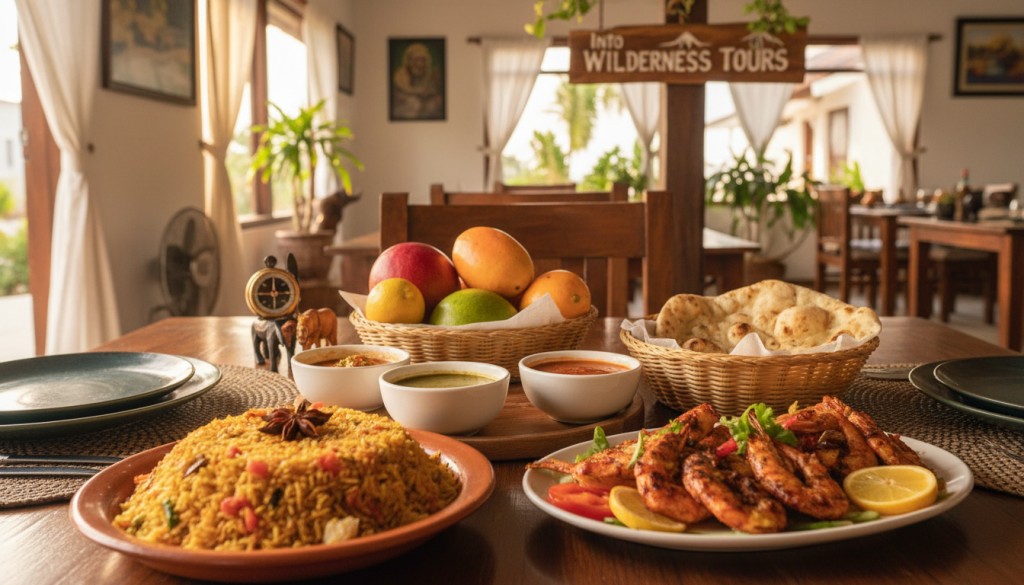
As we savor these culinary delights, we are reminded of Zanzibar’s rich cultural tapestry and the warmth of its people. The island’s cuisine is not just about sustenance; it’s an expression of hospitality and community.
Traditional Dhow Sailing Experiences
The crystal waters of Zanzibar, Tanzania, beckon us to explore its hidden coves and vibrant marine life on a traditional dhow. Sailing on these ancient vessels, we are transported to a world where time stands still, and the rhythm of the sea dictates our pace.
As we glide across the calm waters, the warm breeze carries the scent of frangipani and salt, invigorating our senses. The dhow, with its characteristic triangular sail, glides effortlessly, leaving behind a trail of shimmering water.
Sunset Cruises and Island Hopping
A sunset cruise on a dhow is a truly magical experience. As the day succumbs to the allure of twilight, the sky transforms into a kaleidoscope of colors, casting a golden glow on the waters. We find ourselves surrounded by the serene beauty of the Indian Ocean, with the distant silhouette of Zanzibar‘s islands creating a picturesque backdrop.
Island hopping allows us to discover secluded beaches and snorkel in crystal-clear waters teeming with marine life. Each island we visit is a treasure trove of unspoiled nature, where the rhythm of the waves and the songs of the sea birds create a symphony of tranquility.
Ancient Maritime Traditions and Craftsmanship
The dhow is more than just a sailing vessel; it is a testament to Zanzibar‘s rich maritime heritage. The craftsmanship that goes into building these boats is a tradition passed down through generations, with each dhow telling a story of the island’s history and culture.
“The sea is the road that connects us to our past, our present, and our future.”
As we sail on these traditional dhows, we are not just witnessing the beauty of Zanzibar, Tanzania; we are also experiencing the living legacy of its people.
Eco-Tourism and Conservation Initiatives
In the heart of the Indian Ocean, Zanzibar is pioneering a new era of eco-friendly tourism that harmonizes with its rich biodiversity. As we explore the island’s eco-tourism and conservation initiatives, we are inspired by the efforts to protect the marine environment and promote sustainable tourism practices.
Marine Protection and Coral Restoration
Zanzibar’s marine ecosystem is a vibrant tapestry of coral reefs, sea grass beds, and mangrove forests. To preserve this delicate balance, conservation efforts are focused on marine protection and coral restoration. Initiatives such as the Mnemba Atoll Marine Conservation Area are crucial in safeguarding the island’s coral reefs, which are not only a haven for marine life but also a significant attraction for tourists.
- Coral nurseries are being established to grow resilient coral species.
- Community-led monitoring programs help track the health of marine ecosystems.
- Education and outreach initiatives raise awareness among locals and visitors alike about the importance of marine conservation.
Community-Based Sustainable Tourism
Community-based sustainable tourism is at the heart of Zanzibar’s eco-tourism strategy. By empowering local communities, these initiatives ensure that the benefits of tourism are equitably distributed, promoting sustainable livelihoods and cultural preservation. Visitors can engage with local communities through various programs, such as:
- Homestays that offer a glimpse into traditional Zanzibari life.
- Cultural tours that showcase the island’s rich heritage.
- Eco-friendly lodges and tour operators that adhere to sustainable practices.
As we support these community-based initiatives, we contribute to the conservation of Zanzibar’s precious ecosystem and foster a deeper connection with the island’s people and landscapes.
“The best way to get to know a place is to immerse yourself in its culture and community. In Zanzibar, eco-tourism initiatives are making this possible while protecting the island’s natural beauty for future generations.”
Spiritual Awakening Through Island Rhythms
In the heart of Zanzibar, Tanzania, the symphony of island rhythms orchestrates a journey of spiritual discovery. As we surrender to the gentle cadence of island life, we find ourselves on a path of profound transformation. The serene landscapes, vibrant cultural heritage, and warm hospitality of the locals create a perfect harmony that nurtures our soul.
Mindfulness Practices in Natural Settings
Zanzibar’s pristine beaches, lush forests, and crystal-clear waters offer an ideal setting for mindfulness practices. We can meditate on the tranquil shores, practice yoga under the shade of ancient trees, or simply immerse ourselves in the natural beauty surrounding us. The island’s serene atmosphere helps us cultivate a deeper connection with nature and ourselves.
Some popular mindfulness practices in Zanzibar include:
- Meditation on the beach at sunrise
- Yoga sessions in a forest glade
- Mindful walking along the coastline
Wisdom Gained from Island Culture
The rich cultural heritage of Zanzibar offers valuable insights into a way of life that is deeply connected to nature and community. By engaging with the local culture, we can gain wisdom on simplicity, gratitude, and living in harmony with our environment. The island’s history, traditions, and daily life provide a unique perspective on the world.
| Cultural Practice | Wisdom Gained |
|---|---|
| Traditional fishing methods | Appreciation for nature’s bounty |
| Community celebrations | Importance of community bonding |
| Local craftsmanship | Value of patience and skill |
Conclusion: Carrying the Spirit of Zanzibar Home
As we conclude our journey to Zanzibar, Tanzania, the memories of this enchanting island linger, much like the scent of cloves carried on the gentle breeze. The experiences we’ve shared, from the labyrinthine streets of Stone Town to the pristine beaches along the coastline, have woven a tapestry of wonder and awe.
The spirit of Zanzibar is not just a destination; it’s a state of being. It’s the warmth of the Tanzanian people, the vibrant rhythms that fill the air, and the ancient traditions that whisper stories of the past. As we carry this spirit home, we’re reminded of the wisdom gained from the island’s culture and the transformative power of immersing ourselves in nature’s beauty.
May the essence of Tanzania Zanzibar stay with you, inspiring a deeper connection with the world around you. As you return to your daily life, may the tranquility of the Indian Ocean, the fragrance of Zanzibar’s spice plantations, and the hospitality of its people remain a guiding force, nurturing a sense of wonder and awe.