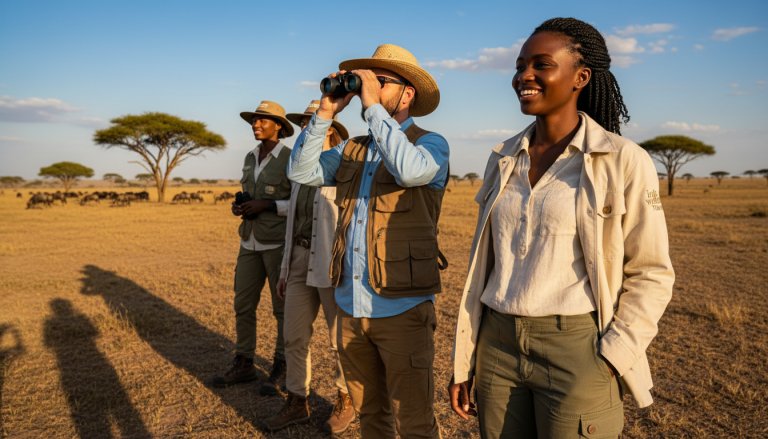
As we embark on this journey to Mt. Kilimanjaro, Africa’s highest peak, we are drawn into a realm of breathtaking beauty and transformation. This legendary mountain stands as a testament to the untamed spirit of Tanzania’s wilderness, beckoning adventurers and nature lovers alike to explore its majestic landscapes.
At Into Wilderness Tours, we invite you to experience the profound connection that comes with immersing yourself in the natural world. Our expert guides will lead you through the diverse ecosystems of Kilimanjaro, sharing the rich cultural heritage and history that make this mountain a truly unique destination.
Key Takeaways
- Experience the majesty of Mt. Kilimanjaro, Africa’s highest peak.
- Explore the diverse ecosystems and rich cultural heritage of Tanzania.
- Embark on a transformative journey with expert guides.
- Discover the untamed spirit of Tanzania’s wilderness.
- Enjoy a personalized adventure with Into Wilderness Tours.
The Majestic Crown of Africa: An Overview
Rising majestically above the Tanzanian plains, Mt. Kilimanjaro stands as a testament to Africa’s untamed beauty. This iconic mountain is not just a geographical wonder but a symbol of adventure and exploration. We are drawn to its majestic presence, a beacon that calls to global adventurers from around the world.

Africa’s Highest Peak: Key Facts and Figures
Kilimanjaro is Africa’s highest peak, standing at 5,895 meters (19,341 feet) above sea level. It is a dormant volcano with three distinct volcanic cones: Kibo, Mawenzi, and Shira. Here are some key Kilimanjaro facts:
- The mountain is approximately 300 kilometers (186 miles) south of the equator.
- It is considered one of the Seven Summits, a list of the highest peaks on each continent.
- The climb to the summit is a non-technical hike, but it requires physical endurance and mental preparation.
The Allure of Kilimanjaro for Global Adventurers
For global adventurers, Kilimanjaro represents a challenge and an opportunity to experience one of the world’s most remarkable natural wonders. The journey to the summit is as much about the personal achievement as it is about witnessing the diverse ecosystems and breathtaking landscapes along the way.
A Free-Standing Mountain Unlike Any Other
Unlike many other high peaks, Kilimanjaro is a free-standing mountain, rising dramatically from the surrounding landscape. This characteristic makes it a unique and awe-inspiring sight, standing tall against the African sky. Its isolation and grandeur have captivated explorers and travelers for centuries, making it a truly unforgettable experience.
Where is Mt. Kilimanjaro? Pinpointing Africa’s Highest Peak
Nestled in the heart of Tanzania, Mt. Kilimanjaro stands as a majestic wonder, beckoning adventurers from around the globe. This iconic mountain is not only a geographical marvel but also a cultural icon, symbolizing the natural beauty of Africa.
Geographic Coordinates and Location in Tanzania
Mt. Kilimanjaro is located in northeastern Tanzania, near the border with Kenya. Its geographic coordinates are approximately 3.07° S latitude and 37.35° E longitude. The mountain is situated within the Kilimanjaro National Park, a UNESCO World Heritage Site.
Surrounding Landscape and Nearby Attractions
The surrounding landscape is characterized by vast plains, rolling hills, and dense forests. Nearby attractions include the Amboseli National Park in Kenya and the Ngorongoro Conservation Area in Tanzania. These areas offer a diverse range of wildlife and ecosystems.

Accessibility from Major Cities and Transportation Hubs
Accessing Mt. Kilimanjaro is relatively straightforward, with several options available.
Flying to Kilimanjaro International Airport
The most convenient way to reach Mt. Kilimanjaro is by flying into Kilimanjaro International Airport (JRO). From there, you can take a shuttle or taxi to your destination.
Overland Routes to the Mountain Base
For those who prefer to travel overland, buses and private vehicles are available from major cities like Dar es Salaam and Arusha. The journey offers scenic views of the Tanzanian countryside.
| Transportation Method | Duration | Cost |
|---|---|---|
| Flying to Kilimanjaro International Airport | 1-2 hours | $200-$500 |
| Overland from Dar es Salaam | 8-10 hours | $50-$100 |
| Overland from Arusha | 2-3 hours | $20-$50 |
In conclusion, Mt. Kilimanjaro is easily accessible by air or land, offering a range of options for travelers. Whether you fly into Kilimanjaro International Airport or take an overland route, the journey is part of the adventure.
The Geological Marvel: How Kilimanjaro Was Formed
Mt. Kilimanjaro’s majestic presence is not just a wonder of nature, but a testament to the geological forces that shaped it over millions of years. As we explore the geological history of this African giant, we uncover a story of volcanic origins, evolution, and the ongoing processes that continue to shape our planet.
Volcanic Origins and Evolution Over Millions of Years
Kilimanjaro is a result of volcanic activity that began around 750,000 years ago. The mountain is a stratovolcano, composed of ash, lava, and other pyroclastic material. Over time, the volcano grew through numerous eruptions, with the most significant activity occurring during the Pleistocene era. The volcanic cones of Kilimanjaro are a key feature of its geological makeup.
The Three Volcanic Cones: Kibo, Mawenzi, and Shira
Kilimanjaro is comprised of three distinct volcanic cones: Kibo, Mawenzi, and Shira. Kibo is the highest peak and the dormant volcano that last erupted around 360,000 years ago. Mawenzi and Shira are considered extinct. The cones are a result of different periods of volcanic activity, with Kibo being the most recent and prominent.
| Volcanic Cone | Status | Elevation (meters) |
|---|---|---|
| Kibo | Dormant | 5,895 |
| Mawenzi | Extinct | 5,149 |
| Shira | Extinct | 4,000 |
Ongoing Geological Activity and Future Predictions
Although Kilimanjaro is considered dormant, there are still signs of geological activity, such as earthquakes and fumaroles. Scientists predict that while another eruption is possible, it is not imminent. The ongoing geological processes continue to shape the mountain, albeit at a much slower pace than during its formative years.
The Retreating Glaciers: Climate Change Impact
The glaciers on Kilimanjaro have been retreating at an alarming rate due to climate change. “The ice on Kilimanjaro is disappearing at an unprecedented rate,” notes a study on the mountain’s glaciers. Since the early 20th century, the glaciers have lost more than 80% of their coverage. This not only affects the local ecosystem but also has broader implications for climate change research.
“Kilimanjaro’s glaciers are a visible indicator of global climate change, and their rapid disappearance underscores the urgent need for environmental action.”
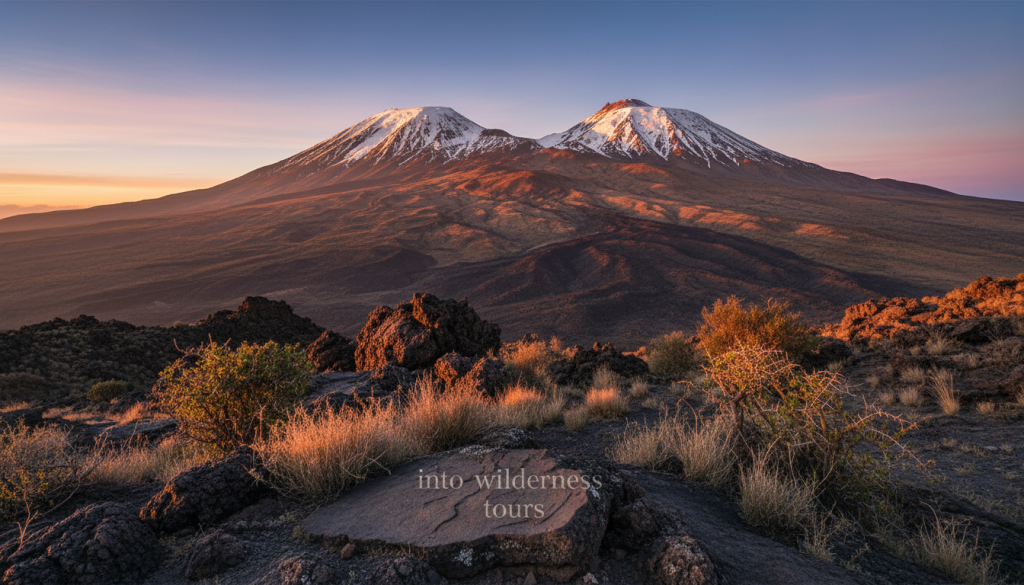
The impact of climate change on Kilimanjaro’s glaciers serves as a stark reminder of the global environmental challenges we face. As we continue to explore and understand the geological marvel that is Kilimanjaro, we are also reminded of our responsibility to protect and preserve our planet’s natural wonders for future generations.
Kilimanjaro Meaning: Cultural Significance and Etymology
As we explore the etymology of “Kilimanjaro,” we uncover layers of cultural significance that transcend mere nomenclature. The name “Kilimanjaro” is derived from the Swahili words “Kilima” meaning “mountain” and “Njaro” meaning “whiteness” or “shining.” Together, they paint a picture of a snow-capped peak, a fitting description for Africa’s highest mountain.
Origin of the Name “Kilimanjaro” and Local Interpretations
The origin of the name “Kilimanjaro” has been a subject of interest among linguists and cultural historians. Local interpretations often link the name to the mountain’s majestic appearance, with its snow-capped summit glistening in the sunlight. As Ernest Hemingway so eloquently put it in his famous short story, “The Snows of Kilimanjaro,” the mountain is a symbol of grandeur and mystery.
“The marvelous thing is that it’s painless,” he said. “That’s how you know when it starts.”
Significance in Local Chagga and Maasai Cultures
In local Chagga and Maasai cultures, Kilimanjaro is revered as a sacred site, imbued with spiritual significance. The mountain is considered a bridge between the earthly and divine realms. The Chagga people, who live on the mountain’s slopes, have a deep-rooted tradition of respecting the mountain as a source of life and fertility.
| Culture | Significance of Kilimanjaro |
|---|---|
| Chagga | Revered as a sacred site and source of fertility |
| Maasai | Considered a spiritual landmark and symbol of community |
Kilimanjaro in Global Literature and Popular Culture
Kilimanjaro has left an indelible mark on global literature and popular culture. From Hemingway’s “The Snows of Kilimanjaro” to numerous other works of literature and media, the mountain’s majesty has inspired countless artists and writers.
Hemingway’s “The Snows of Kilimanjaro” Legacy
Hemingway’s short story not only immortalized Kilimanjaro in literary history but also cemented its status as a cultural icon. The story’s themes of mortality, nature, and human endeavor continue to captivate readers worldwide.

Mount Kilimanjaro Map: Understanding the Mountain’s Topography
As we explore the majesty of Mt. Kilimanjaro, understanding its topography is crucial for any adventurer planning to conquer its heights. The mountain’s complex geography is a fascinating subject, with diverse landscapes that range from lush rainforests to alpine deserts.
Detailed Breakdown of Kilimanjaro’s Five Climate Zones
Kilimanjaro is renowned for its five distinct climate zones, each with unique flora and fauna. These zones are:
- Tropical rainforest
- Moorland
- Alpine desert
- Highland semi-arctic
- Arctic summit
Understanding these zones is essential for climbers to prepare for the varying conditions they’ll encounter on their ascent.
Major Landmarks and Geographical Features
Kilimanjaro is characterized by several major landmarks, including the three volcanic cones: Kibo, Mawenzi, and Shira. The mountain’s geography is also marked by significant features such as the Barranco Wall and the Karanga Valley.
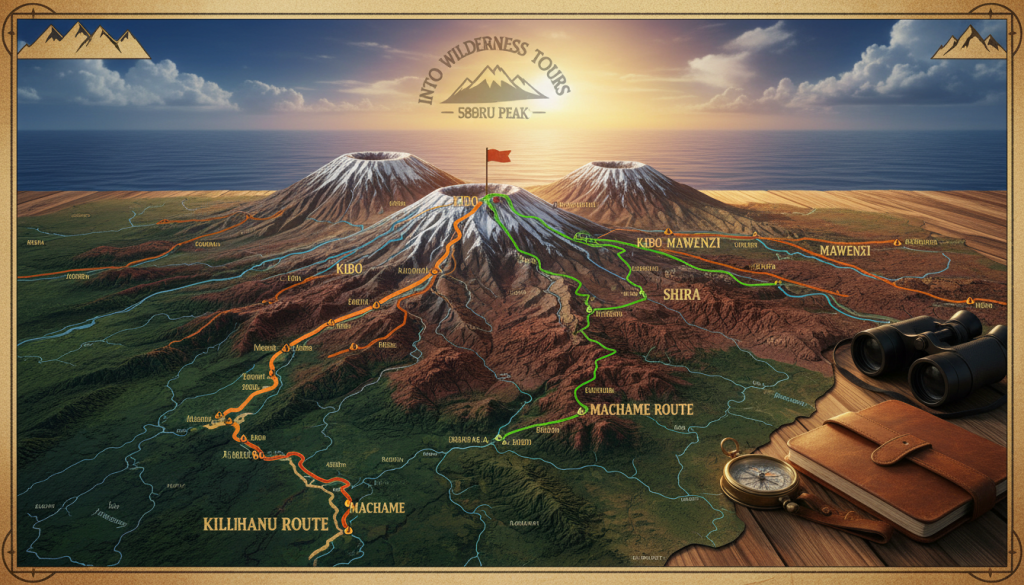
Digital and Physical Maps for Climbers
Climbers have access to both digital and physical maps to aid in their navigation. Digital maps offer real-time GPS tracking, while physical maps provide a tangible resource that doesn’t rely on battery life.
GPS Tracking and Modern Navigation Tools
Modern navigation tools, including GPS devices and smartphone apps, have significantly improved the climbing experience. These tools allow for more precise tracking and can be invaluable in case of emergencies.
| Navigation Tool | Description | Benefits |
|---|---|---|
| GPS Devices | Provide precise location tracking | Reliable, even without cellular signal |
| Smartphone Apps | Offer real-time tracking and additional features | Convenient, as most climbers carry smartphones |
| Physical Maps | Tangible resource for navigation | Does not rely on battery life |
The Seven Official Routes to the Summit
As we embark on the journey to conquer Mt. Kilimanjaro, we are presented with seven distinct paths to the summit, each with its unique charm and challenges. The choice of route can significantly impact the overall experience, depending on factors such as scenic beauty, difficulty level, and accommodation options.
Marangu Route: The “Coca-Cola” Route
The Marangu Route is one of the most popular paths to the summit, known for its relatively gentle slope and the presence of hut accommodations. This route is often considered ideal for beginners and budget travelers.
Hut Accommodations and Amenities
The Marangu Route offers comfortable hut accommodations with basic amenities, making it a more accessible option for those who prefer not to camp.
Ideal for Beginners and Budget Travelers
This route is particularly suited for those new to high-altitude climbing, as it provides a more gradual ascent and affordable accommodation options.
Machame Route: The “Whiskey” Route
The Machame Route is renowned for its scenic beauty and higher success rate due to its better acclimatization profile. Climbers on this route are treated to diverse landscapes, from lush rainforests to alpine deserts.
Scenic Beauty and Acclimatization Profile
The route’s gradual ascent and varied scenery make it an attractive choice for those seeking a more immersive experience.
Lemosho and Shira: The Western Approaches
The Lemosho and Shira routes approach Kilimanjaro from the west, offering breathtaking views and a more remote experience. These routes are known for their high success rates due to their gradual ascent profiles.
Rongai, Northern Circuit, and Umbwe Routes
The Rongai, Northern Circuit, and Umbwe routes provide alternative paths to the summit, each with its unique characteristics. The Rongai Route is known for its less crowded trails, while the Northern Circuit offers a longer, more gradual ascent. The Umbwe Route is considered one of the more challenging options.
Comparing Difficulty, Scenery, and Success Rates
When choosing a route, climbers should consider factors such as difficulty level, scenic beauty, and success rates. A comparison of these factors across the seven routes can help climbers make an informed decision.
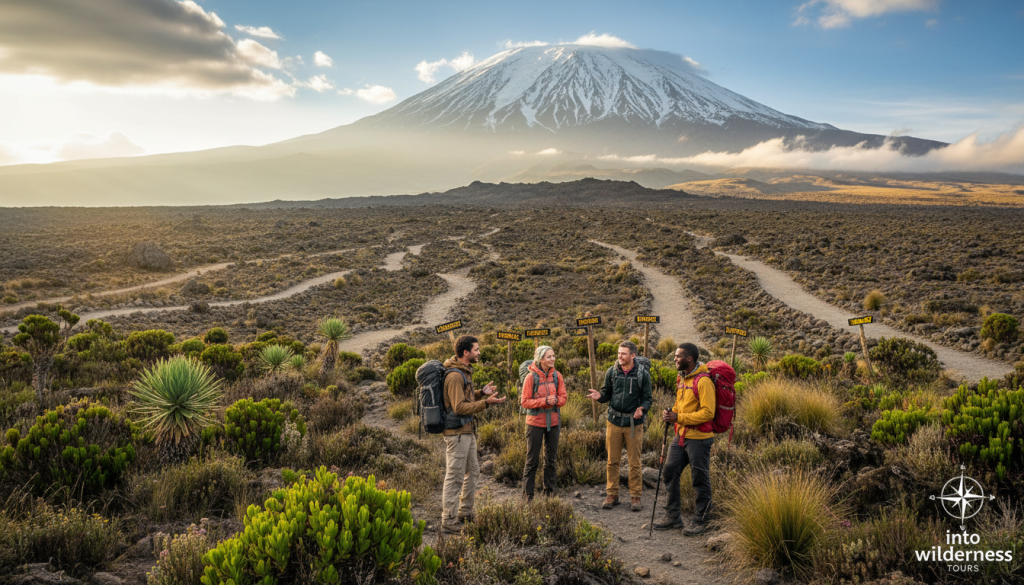
Preparing for Your Kilimanjaro Adventure
The journey to the roof of Africa begins long before we set foot on the mountain, with a rigorous preparation phase that is crucial for a successful ascent. As we prepare to climb Kilimanjaro, we must consider the various elements that contribute to a successful and safe climb.
Physical Training and Fitness Requirements
A good level of physical fitness is essential for tackling Kilimanjaro. We recommend a training regimen that includes:
- Cardiovascular exercises such as running, cycling, or swimming for at least 30 minutes, three times a week.
- Strength training to build muscular endurance, focusing on legs, core, and upper body.
- Flexibility and stretching exercises to improve range of motion and reduce injury risk.
Cardiovascular Conditioning and Strength Training
Cardiovascular conditioning should be tailored to improve cardiovascular health and increase stamina. Strength training should focus on exercises that mimic the actions used during the climb, such as squats, lunges, and leg press.
Mental Preparation and Altitude Acclimatization
Mental preparation is just as crucial as physical training. We must prepare ourselves for the mental challenges of high-altitude climbing, including fatigue, potential altitude sickness, and the psychological strain of a multi-day trek.
Altitude acclimatization is critical to avoid altitude sickness. We recommend:
- Ascending gradually to allow the body to adapt.
- Including rest days in the itinerary.
- Staying hydrated and monitoring our body’s response to altitude.
Recommended Timeline for Training and Planning
A well-planned timeline is essential for adequate preparation. We suggest starting preparations at least six months in advance.
Six-Month Preparation Schedule
A sample six-month preparation schedule could include:
| Month | Training Focus | Activities |
|---|---|---|
| 1-2 | Building Base Fitness | Cardio, strength training |
| 3-4 | Increasing Intensity | Hiking, longer cardio sessions |
| 5-6 | Taper and Rest | Reduce intensity, focus on recovery |

By following this structured approach to preparation, we can ensure a successful and enjoyable climb up Kilimanjaro.
Essential Gear and Equipment for Climbing Kilimanjaro
The journey to the summit of Africa’s highest peak demands not just physical endurance, but also the right equipment to navigate the challenging terrain. As we prepare for this adventure, understanding the essential gear is crucial for a successful and safe climb.
Clothing Layers and Weather Protection Systems
Kilimanjaro’s climate varies dramatically from base to summit, requiring a layered clothing approach. We need to pack breathable base layers for warmer conditions, insulating mid-layers for cold temperatures, and waterproof outer layers to protect against rain and wind. This layering system allows for flexibility as we ascend through different climate zones.
The Critical Importance of Quality Footwear
Among the most critical pieces of equipment are our hiking boots. Sturdy, waterproof boots with good tread and ankle support are essential for traversing Kilimanjaro’s rugged terrain. Investing in high-quality boots can prevent injuries and ensure a more comfortable climb.
Technical Equipment and Hiking Essentials
Beyond clothing, several technical pieces of equipment are vital. These include trekking poles for stability, headlamps for early morning ascents, and crampons for icy conditions on the summit night. Additionally, a water filtration system or water purification tablets ensure access to safe drinking water throughout the climb.
Personal Items and Medical Supplies
Personal items such as first aid kits, personal hygiene items, and altitude sickness medication are crucial. We should also pack sunscreen, insect repellent, and lip balm with SPF to protect against the elements.
What to Rent vs. What to Buy
While some items like crampons and trekking poles can be rented, others such as hiking boots and personal clothing layers are best purchased to ensure a proper fit and hygiene. We should consider renting for bulky or specialized items, but invest in personal gear that directly impacts comfort and safety.

Health and Safety on Kilimanjaro
As we ascend Mt. Kilimanjaro, the thin air poses significant health risks that climbers must be aware of. The high altitude and unpredictable weather conditions demand careful planning and preparation to ensure a safe and successful climb.
Understanding and Preventing Altitude Sickness
Altitude sickness, also known as Acute Mountain Sickness (AMS), is a major concern for climbers. It occurs when the body cannot adapt quickly enough to the lower oxygen levels at high altitudes.
Symptoms, Prevention, and Treatment
Symptoms of AMS include headaches, nausea, fatigue, and dizziness. Prevention is key, and this can be achieved through gradual ascent, staying hydrated, and being aware of early symptoms. Treatment involves descending to a lower altitude, resting, and in severe cases, using supplemental oxygen or medication.
| Symptom | Prevention Measure | Treatment |
|---|---|---|
| Headaches | Gradual ascent | Rest, hydration |
| Nausea | Stay hydrated | Anti-nausea medication |
| Fatigue | Avoid overexertion | Rest, proper nutrition |
Common Health Challenges and Mitigation Strategies
Besides AMS, climbers may face other health challenges such as dehydration, sunburn, and gastrointestinal issues. Mitigation strategies include drinking plenty of water, using sunscreen, and eating light, nutritious meals.

Emergency Procedures and Evacuation Protocols
In case of severe AMS or other serious health issues, emergency evacuation protocols are in place. Climbers should be aware of these procedures and know how to access emergency services.
Required Vaccinations and Medical Preparations
Before climbing Kilimanjaro, it’s essential to consult with a healthcare provider about required vaccinations and medications. This may include vaccinations for yellow fever and hepatitis A, as well as medications for malaria prophylaxis.
By understanding these health and safety considerations, climbers can better prepare for the challenges of Kilimanjaro and enjoy a safer, more successful climb.
The Summit Experience: Conquering Uhuru Peak
As the sun dips below the horizon, we begin our midnight ascent up Mt. Kilimanjaro’s slopes, driven by the promise of dawn at the summit.
Summit Night: What to Expect on the Final Ascent
The final ascent to Uhuru Peak is a test of endurance and willpower. As we climb through the night, the darkness is illuminated only by our headlamps, casting an otherworldly glow on the rugged terrain. The cold is biting, and the air is thin, but our determination propels us forward.
We move as a community, supporting each other through the challenging stretches, our footsteps synchronized in the darkness.
Reaching Uhuru Peak: Africa’s Highest Point
At last, we reach the summit, Uhuru Peak, the highest point in Africa. The sunrise here is a breathtaking spectacle, painting the sky in hues of gold and crimson. For a moment, the world seems to stand still as we absorb the majesty of our surroundings.
We have reached the rooftop of Africa, and the sense of achievement is overwhelming.
Descent Procedures and Recovery
The descent from the summit is as challenging as the ascent, requiring careful footing and controlled movements. We make our way down to the last camp, exhausted but exhilarated by the experience.
Recovery begins immediately, with rest and nourishment being key to recuperation.
Celebrating Your Achievement
Celebrating our achievement is a moment of joy and reflection. We have pushed our limits and achieved something extraordinary.
The sense of camaraderie and shared experience makes this moment even more special, a memory to cherish long after our journey ends.
Best Time to Climb: Seasonal Considerations
As we plan our ascent of Mt. Kilimanjaro, understanding the best time to climb is crucial for a successful and enjoyable experience. The timing of our climb significantly impacts the conditions we will face on the mountain.
Dry Seasons: January-March and June-October
The dry seasons, spanning from January to March and June to October, are considered the best times to climb Kilimanjaro. During these periods, the weather is generally more stable, with clear skies and minimal precipitation, making the trails less slippery and reducing the risk of landslides.
Rainy Seasons and Their Challenges
The rainy seasons, which occur in April-May and November-December, present several challenges for climbers. The wet conditions make the trails slippery, and the increased risk of landslides can be a significant concern. Additionally, the cloud cover can obscure the breathtaking views that Kilimanjaro is known for.
Crowd Levels and Booking Considerations
The dry seasons are peak times for climbing Kilimanjaro, which means the trails can be more crowded. It’s essential to book your climb well in advance to secure your spot. Conversely, the rainy seasons offer a more solitary experience, but climbers must be prepared for the challenges associated with wet conditions.
Full Moon Climbs and Special Timing
For those looking for a unique experience, climbing during the full moon can be particularly memorable. The full moon provides additional light during the summit night ascent, making the experience even more magical. However, these climbs can be popular, so early booking is still necessary.
| Season | Weather Conditions | Crowd Levels |
|---|---|---|
| Dry (Jan-Mar, Jun-Oct) | Stable, clear skies, minimal precipitation | High |
| Rainy (Apr-May, Nov-Dec) | Wet, cloudy, risk of landslides | Low |
Kilimanjaro’s Unique Ecosystems and Wildlife
As we ascend Mt. Kilimanjaro, we’re not just climbing a mountain – we’re traversing a kaleidoscope of ecosystems. This majestic peak is renowned for its diverse climate zones, each supporting a wide range of flora and fauna.
Five Distinct Climate Zones from Base to Summit
The climb up Kilimanjaro takes us through five distinct climate zones, each with its unique characteristics. Starting from the cultivated lower slopes, we move through rainforest, moorland, alpine desert, and finally, to the arctic conditions near the summit.
Cultivated Land to Arctic Conditions
The journey begins in the cultivated areas around the base, where coffee, bananas, and other crops thrive. As we ascend, the rainforest zone envelops us with its lush canopy and diverse wildlife. Further up, the moorland zone presents a surreal landscape of giant heather and lobelia. The alpine desert zone is harsh and barren, with limited vegetation. Finally, near the summit, the environment becomes arctic, with extreme cold and limited life.
Endemic Flora and Fauna Encounters
Kilimanjaro is home to a variety of endemic species that are found nowhere else on Earth. The different climate zones support a range of wildlife, from the blue monkeys and black-and-white colobus in the rainforest to the hardy plants like giant lobelia in the higher zones. The mountain’s unique ecosystems provide a haven for these species, making every climb a potential wildlife encounter.
Conservation Efforts and Environmental Challenges
Despite its natural beauty, Kilimanjaro faces several environmental challenges, including deforestation, climate change, and the impact of tourism. Conservation efforts are underway to protect the mountain’s ecosystems, including reforestation programs and sustainable tourism practices. By supporting these initiatives, climbers can help preserve Kilimanjaro’s unique environments for future generations.
Kilimanjaro’s ecosystems are a true natural wonder, offering more than just a climb – they provide an ecological journey through some of Africa’s most unique and fragile environments.
Beyond the Mountain: Combining Kilimanjaro With Other Tanzania Adventures
As we stand at the summit of Kilimanjaro, the vast expanse of Tanzania’s wilderness beckons us to explore beyond the mountain. The thrill of conquering Africa’s highest peak is just the beginning of an unforgettable Tanzanian adventure.
Safari Extensions in Serengeti and Ngorongoro
Extending your stay in Tanzania to include a safari in the Serengeti and Ngorongoro Conservation Area offers a chance to witness the Great Migration, one of the world’s most spectacular wildlife events. The Serengeti’s endless plains and Ngorongoro’s crater teem with an abundance of wildlife, including the Big Five: lion, leopard, rhinoceros, elephant, and Cape buffalo.
Zanzibar Beach Recovery After Your Climb
After the challenge of climbing Kilimanjaro, unwind on the pristine beaches of Zanzibar. This tropical paradise offers crystal-clear waters, white sandy beaches, and a rich history. “Zanzibar is a place where the rhythm of the waves and the warmth of the locals will soothe your weary muscles and rejuvenate your spirit.” Enjoy water sports, local cuisine, or simply relax in a beachside hammock.
Cultural Tourism and Community Visits
Tanzania’s rich cultural heritage is another facet of your adventure. Visit local communities to experience the traditional ways of life of the Chagga, Maasai, and other tribes. Engage in cultural tourism by participating in local crafts, learning traditional dances, or visiting a local school. These interactions not only enrich your travel experience but also contribute to the local economy.
Creating the Ultimate Tanzania Itinerary
Combining Kilimanjaro with other Tanzanian adventures requires careful planning. Consider your interests, fitness level, and the time of year you plan to visit. A well-crafted itinerary can include a mix of adventure, cultural immersion, and relaxation, ensuring a truly transformative journey.
“Tanzania is a country that will capture your heart, challenge your spirit, and leave you with memories that will last a lifetime.”
By weaving together these diverse experiences, you can create a Tanzanian adventure that is as unique as you are.
Conclusion: The Transformative Journey to Africa’s Rooftop
As we stand at the edge of Kilimanjaro’s majestic slopes, we are reminded that this is more than just a mountain to climb – it’s a transformative journey that beckons the soul. The Kilimanjaro climb is an odyssey that weaves together the threads of adventure, self-discovery, and a deep connection with the natural world.
Throughout our exploration of this African giant, we’ve traversed not just the mountain’s five distinct climate zones, but also the rich cultural landscapes that surround it. From the bustling streets of Moshi to the serene beauty of the mountain’s wilderness, every step on this journey reveals a new facet of Tanzania’s soul.
As we reflect on the transformative journey that Kilimanjaro offers, we are drawn to the mountain’s unique ability to challenge and inspire. The experience of standing on Uhuru Peak, Africa’s highest point, is a testament to human resilience and the power of nature to awaken our deepest potential.
Whether you’re drawn to the thrill of the climb or the serenity of the surrounding landscapes, Kilimanjaro stands as a beacon for those seeking a truly transformative experience. As we bid farewell to this majestic mountain, we carry with us the memories of a journey that has touched our hearts and broadened our horizons.