

As we step into the untamed beauty of Tanzania, we invite you to join us on a journey that awakens the senses and ignites the spirit. Our poetic walking safari takes us through the wilderness, where the rhythm of nature and the thrill of adventure await.
With every step, we’ll immerse ourselves in the sights, sounds, and scents of this incredible landscape, creating an unforgettable experience that will leave you in awe.
Key Takeaways
- Experience the untamed beauty of Tanzania’s wilderness
- Join a poetic walking safari that awakens the senses
- Immerse yourself in the sights, sounds, and scents of nature
- Embark on an adventure that ignites the spirit
- Create unforgettable memories in the heart of Africa
The Soul of Tanzania: Experiencing Africa on Foot
The soul of Tanzania is best experienced on foot, where the land, wildlife, and our spirits entwine. As we embark on this journey, we find ourselves immersed in the natural world, our senses heightened as we breathe in the scents and sounds of the savanna.
The Primal Connection: Why Walking Changes Everything
Walking through Tanzania’s wilderness fosters a primal connection, allowing us to tap into our innate relationship with nature. This connection transforms our experience, making it more intimate and meaningful.
Sensory Awakening: What You Miss from a Vehicle
When we’re confined to a vehicle, we miss out on the subtle nuances of the natural world. Walking allows us to awaken our senses, taking in the intricate details of our surroundings.
The Symphony of Sounds
The African savanna is alive with sounds: the chirping of crickets, the calls of birds, and the rustling of leaves. This symphony creates a rich tapestry of noise that envelops us, drawing us deeper into the wilderness.
Scents of the Savanna
The scents of the savanna are equally captivating, with the earthy aroma of damp soil, the sweet fragrance of acacia trees, and the musky smell of wildlife. These scents evoke a primal response, connecting us to the land and its inhabitants.
| Sensory Experience | From a Vehicle | On Foot |
|---|---|---|
| Sounds | Muffled | Clear and nuanced |
| Scents | Limited | Rich and varied |
| Visuals | Distant | Intimate and detailed |

As we walk through Tanzania, we’re not just observers; we’re participants in the natural world. Our footsteps become part of the landscape, and we’re reminded of our place within the ecosystem.
Walking Safaris: Tanzania’s Most Intimate Wildlife Experience
Tanzania’s walking safaris offer a profound connection with nature, revealing the unseen and unheard aspects of the African savannah. As we walk, the landscape unfolds before us, rich with textures, sounds, and scents that often go unnoticed from a vehicle.

Historical Context: Tanzania’s Walking Safari Tradition
Tanzania’s walking safari tradition is deeply rooted in its history, drawing from the experiences of early explorers and hunters who traversed the land on foot. This legacy has evolved into a sophisticated and intimate way of experiencing the wilderness, guided by knowledgeable locals who have walked these lands for generations.
The Profound Difference Between Game Drives and Foot Explorations
The distinction between observing wildlife from a vehicle and experiencing it on foot is profound. Walking allows us to engage with our surroundings on a primal level, fostering a deeper connection with the land and its inhabitants.
Pace and Perspective
Walking changes our pace and perspective. We slow down, becoming more attuned to the subtleties of nature. The proximity to wildlife and the landscape offers a more nuanced understanding of the ecosystem, revealing the intricate web of life that sustains it.
Connection and Contemplation
As we walk, we find moments for contemplation, allowing the natural world to imprint on our senses. This connection is not just about observing wildlife; it’s about becoming a part of the landscape, if only for a moment. It’s an experience that lingers long after our journey ends.
When to Embark: Seasons and Timing for Optimal Experiences
As we step into Tanzania’s vast wilderness, the seasons unfold like chapters in a grand natural narrative. The timing of our walking safari can significantly influence our connection with nature.
Dry Season Adventures (June-October)
The dry season brings a clarity to the landscape, with vegetation sparse and wildlife congregating around water sources. This is an ideal time for spotting animals, as the dry conditions make them more predictable in their movements.
Green Season Discoveries (November-May)
In contrast, the green season offers a lush, vibrant landscape teeming with newborn animals. The rains bring a freshness to the land, and the scenery is at its most picturesque.
Special Natural Events Worth Planning Around
Tanzania’s natural calendar is punctuated by spectacular events that are worth planning your walking safari around.
Migration Moments
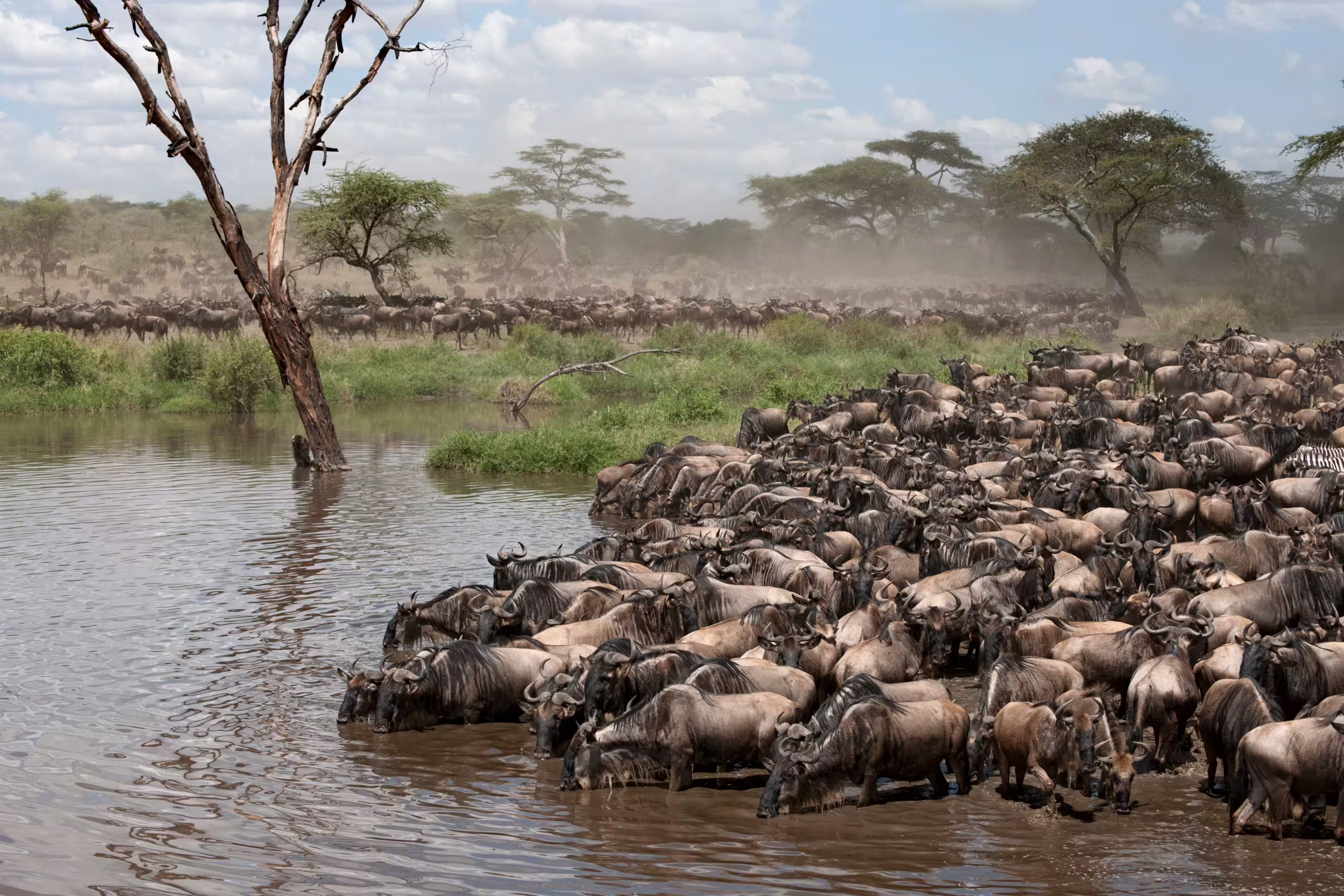
The Great Migration is one of nature’s most awe-inspiring spectacles, with millions of wildebeest, zebras, and gazelles making their way across the Serengeti. Witnessing this event is a once-in-a-lifetime experience.

The green season also brings an explosion of birdlife, with migratory birds joining the resident species. For birding enthusiasts, this is a paradise, with over 1,000 species to be spotted across Tanzania.
Understanding the seasons and timing can enhance your walking safari experience, allowing you to witness the natural wonders of Tanzania in their most dramatic and beautiful forms.
Preparing for Your Journey: Essential Gear and Mindset
Before we step into the wild expanse of Tanzania, we must attune ourselves to the nuances of preparation, ensuring our gear, bodies, and minds are ready for the adventure ahead. The wilderness is not just a destination; it’s an experience that requires harmony between our inner readiness and outer preparedness.
Packing Wisely: What to Bring and What to Leave Behind
The art of packing for a walking safari lies in striking a balance between preparedness and minimalism. We must bring essential gear such as sturdy hiking boots, breathable clothing, and a reliable water filtration system, while leaving behind the non-essentials that weigh us down. The key is to pack with the Tanzanian climate and terrain in mind, knowing that every item we bring will be carried with us on our journey.

Physical Preparation: Fitness Considerations
Physical preparation is crucial for a walking safari, as we’ll be traversing varied terrain under the African sun. Regular cardiovascular exercise and strength training can help build the endurance needed for long walks. It’s also wise to acclimate ourselves to walking with a loaded backpack to simulate the actual conditions we’ll face on our safari.
Mental Readiness: Expectations and Openness
Mental readiness is just as important as physical preparation. Approaching our walking safari with openness and flexibility allows us to embrace the unexpected moments that make such journeys truly unforgettable. By letting go of rigid expectations, we can fully immerse ourselves in the experience, allowing the wilderness to reveal its secrets to us.
Safety in the Wild: Understanding Protocols and Wildlife Behavior
As we embark on our walking safari, safety is our top priority, guided by experienced professionals who understand the intricacies of wildlife behavior. The wilderness, though breathtakingly beautiful, can be unpredictable, making the role of our guides crucial in ensuring our safety and enriching our experience.
The Role of Your Armed Guide
Our guides are not just knowledgeable about the flora and fauna; they are also trained in wilderness first aid and are equipped with the necessary skills to handle any situation that may arise. As experienced professionals, they are adept at reading wildlife behavior, thereby ensuring our safety while we are on the safari. “A good guide is like a good teacher; he makes you see what you’re looking at,” as Mark Twain once said, highlighting the importance of guidance in appreciating the natural world.

Wildlife Etiquette: Respecting Boundaries
Understanding and respecting wildlife boundaries is essential for a safe and enjoyable walking safari. This includes maintaining a safe distance from animals, not making sudden movements, and following the guide’s instructions at all times. By doing so, we not only ensure our safety but also contribute to the well-being of the animals we have come to observe.
Emergency Procedures and Communication
In the unlikely event of an emergency, our guides are trained to respond effectively. They carry communication devices that enable them to stay in touch with the base camp and other teams, ensuring a swift response to any situation. We also have emergency procedures in place, which are communicated to us at the beginning of our safari, so we are prepared for any eventuality.
By combining the expertise of our guides, our respect for wildlife boundaries, and our preparedness for emergencies, we create a safe and enriching environment for our walking safari. As
“The clearest way into the Universe is through a forest wilderness.”
This quote by
encapsulates our approach to exploring the natural world with reverence and caution.
Northern Circuit Treasures: Walking in Serengeti and Ngorongoro
The Northern Circuit is a realm where the wild heart of Africa beats strongest. As we explore this incredible region on foot, we uncover treasures that lie hidden from the beaten path.
Serengeti’s Walking Zones: Where Vehicles Cannot Go
The Serengeti offers some of the most breathtaking walking experiences, with zones that are inaccessible to vehicles. Here, we can walk among the acacia trees, feeling the earth beneath our feet and the sun on our backs.

Ngorongoro Highlands: Ancient Landscapes on Foot
The Ngorongoro Highlands provide a unique walking experience, with ancient landscapes that tell the story of the earth’s history. As we walk, we are surrounded by the rich biodiversity of this unique region.
Lesser-Known Northern Gems for Walking
Beyond the famous Serengeti and Ngorongoro, the Northern Circuit holds other gems waiting to be discovered on foot.
Tarangire’s Baobab Forests
Tarangire National Park is known for its majestic baobab trees. Walking through these forests is like walking through a cathedral of nature, with the tall trees forming a canopy above.
Lake Manyara’s Groundwater Forests
Lake Manyara’s groundwater forests offer a different walking experience, with lush vegetation and a variety of birdlife. The contrast between the forest and the lake’s shoreline creates a unique ecosystem.
| Location | Main Attraction | Best Time to Visit |
|---|---|---|
| Serengeti | The Great Migration | June to October |
| Ngorongoro | Ancient Landscapes | Year-round |
| Tarangire | Baobab Forests | November to May |
| Lake Manyara | Groundwater Forests | Year-round |
Each of these locations offers a unique walking experience, showcasing the diversity and beauty of Tanzania’s Northern Circuit.
Southern Circuit Wonders: Nyerere and Ruaha on Foot
As we venture into Tanzania’s southern circuit, the untamed beauty of Nyerere National Park and Ruaha beckons, inviting us to explore their vast wilderness on foot. This region, less traveled than the northern circuits, offers a profound sense of discovery and connection with nature.

Nyerere National Park: The Walking Safari Heartland
Nyerere National Park, formerly known as Selous, is a vast and unspoiled wilderness area, perfect for walking safaris. The park’s diverse landscapes, from open grasslands to dense forests, are home to a wide variety of wildlife, including elephants, lions, and leopards.
Ruaha’s Dramatic Landscapes and Diverse Wildlife
Ruaha National Park is known for its dramatic landscapes and rich biodiversity. The park’s rugged terrain, combined with its remote location, makes it an ideal destination for those seeking an authentic wilderness experience. Walking safaris here offer the chance to encounter large populations of elephants, as well as other wildlife such as giraffes and antelopes.
Remote Southern Experiences: True Wilderness
The southern circuit offers a true wilderness experience, far removed from the crowds often found in more popular safari destinations. The remote nature of Nyerere and Ruaha allows for a deep connection with the natural world, providing a unique and unforgettable adventure.
| Park | Key Features | Wildlife Highlights |
|---|---|---|
| Nyerere National Park | Vast wilderness, diverse landscapes | Elephants, lions, leopards |
| Ruaha National Park | Dramatic landscapes, rugged terrain | Elephants, giraffes, antelopes |
Embarking on a walking safari in Nyerere and Ruaha is a journey into the heart of Tanzania’s wilderness, offering a chance to experience the raw beauty and majesty of Africa’s natural landscapes.
Western Wilderness: Katavi and Mahale Mountains
In Tanzania’s western wilderness, we discover a land of untamed beauty, where Katavi and Mahale Mountains await our footsteps. This region, often overlooked by travelers, offers some of the most authentic and thrilling walking safari experiences in Africa.
Katavi’s Untamed Beauty: Walking Among Giants
Katavi National Park is a realm of giants, where massive elephants roam and the landscape stretches as far as the eye can see. As we walk through this untamed beauty, the sounds of the African wilderness envelop us, and the scent of acacia trees fills the air. The experience is both humbling and exhilarating, as we find ourselves among the park’s incredible wildlife.

Mahale Mountains: Chimpanzees and Forest Trails
In the Mahale Mountains, we embark on forest trails, tracking chimpanzees in their natural habitat. The primate tracking protocols ensure a safe and respectful encounter with these fascinating creatures. As we walk, the forest canopy overhead filters the sunlight, casting dappled shadows on the forest floor.
Primate Tracking Protocols
Our guides follow strict protocols to ensure both human and chimpanzee safety during tracking. This includes maintaining a safe distance and being mindful of the chimps’ behavior.
Lake Tanganyika Shore Walks
Along the shores of Lake Tanganyika, we take leisurely walks, enjoying the serene beauty of the lake and the surrounding mountains. The tranquility of this setting provides a perfect contrast to the excitement of chimpanzee tracking.
The Big Five on Foot: Respectful Wildlife Encounters
Walking safaris bring us face to face with the Big Five, an experience that redefines our connection with nature. As we tread softly through Tanzania’s wilderness, we enter a world where respectful wildlife encounters become the essence of our journey.
Our guides are adept at reading the landscape and the behavior of these magnificent creatures, ensuring our safety while maximizing our experience.
Elephant Encounters: Reading Behavior and Ensuring Safety
Encountering elephants on foot is a humbling experience. We watch for signs of agitation, such as raised trunks or flapping ears, and maintain a safe distance to avoid disturbing these gentle giants.
Buffalo, Lion and Leopard: Caution and Wonder
The other members of the Big Five command our respect and inspire awe. Cape buffalo, with their formidable horns, demand caution. Lions, often lazing in the shade, reveal their power as they stir. And the elusive leopard, a master of stealth, rewards our patience with rare glimpses.
| Big Five Member | Key Behavior to Watch | Safety Precaution |
|---|---|---|
| Elephant | Raised trunk, flapping ears | Maintain safe distance |
| Cape Buffalo | Agitated movement, lowered horns | Keep a safe distance, avoid surprise |
| Lion | Staring, crouched position | Observe from a safe distance, no approach |
| Leopard | Stalking posture, direct stare | Remain calm, keep distance |
| Rhino | Charging posture, snorting | Back away slowly, seek guide’s direction |
Rhino Conservation Areas: Special Walking Permissions
Walking in rhino conservation areas is a privilege, requiring special permissions and guides trained in rhino behavior. These areas offer a unique chance to see these endangered creatures up close, supporting conservation efforts.

As we walk among the Big Five, we’re reminded of the importance of conservation and the role that responsible tourism plays in protecting these incredible animals and their habitats.
Beyond the Big Five: Tanzania’s Incredible Biodiversity
Tanzania’s natural heritage is a tapestry of life, woven from threads of incredible diversity that go far beyond the familiar giants of the savannah. This rich biodiversity is what makes Tanzania’s ecosystems so resilient and fascinating.
The Small Five: Fascinating Miniature Counterparts
While the Big Five often steal the spotlight, there’s a charming “Small Five” that deserves our attention. These miniature counterparts to the larger animals include the elephant shrew, ant lion, buffalo weaver, leopard tortoise, and rhinoceros beetle. Each of these creatures has unique adaptations that help them thrive in Tanzania’s diverse environments.
Bird Watching Paradise: Over 1,000 Species
Tanzania is a birdwatcher’s paradise, with over 1,000 species recorded across the country. From the majestic African fish eagle to the colorful lilac-breasted roller, the variety of birdlife is staggering. Our walking safaris offer the perfect opportunity to spot these feathered wonders up close.
Flora and Fauna Connections: The Web of Life
The intricate relationships between plants and animals form the foundation of Tanzania’s ecosystems. Let’s explore some of these connections.
Medicinal Plants and Traditional Knowledge
Tanzania is home to a wealth of medicinal plants, many of which have been used for centuries by local communities. Our guides are knowledgeable about these plants and their uses, sharing insights into traditional healing practices.
Tracking and Identification Skills
Learning to track and identify plants and animals is a crucial skill on our walking safaris. This knowledge enhances our appreciation of the natural world and deepens our connection to the land.
| Category | Examples | Significance |
|---|---|---|
| Medicinal Plants | Acacia trees, Commiphora | Used in traditional medicine |
| Birds | African fish eagle, Lilac-breasted roller | Indicators of ecosystem health |
| Small Five | Elephant shrew, Ant lion | Fascinating miniature wildlife |
As we explore Tanzania’s incredible biodiversity, we gain a deeper appreciation for the complex web of life that surrounds us. This understanding fosters a sense of wonder and respect for the natural world, inspiring us to protect and preserve it for future generations.
Cultural Dimensions: Walking with the Maasai and Other Communities
Our journey on foot through Tanzania becomes a bridge between worlds, connecting us with the Maasai and other local communities. As we walk, we’re immersed in the rich tapestry of Tanzanian culture, gaining insights into traditional ways of life that have remained largely unchanged for centuries.
Indigenous Knowledge: Learning from Local Guides
Local guides, often from the Maasai or other indigenous communities, share their profound understanding of the land, passed down through generations. This indigenous knowledge reveals the intricate relationships between flora, fauna, and people, offering a holistic perspective on conservation.
Community Conservation Areas: Supporting Local Initiatives
Many walking safaris take place within community conservation areas, where local communities manage and protect the land. By participating in these safaris, we directly support local initiatives and contribute to the preservation of Tanzania’s natural heritage.
Cultural Protocols and Respectful Engagement
Understanding and respecting cultural protocols is crucial when interacting with local communities. Our guides ensure that we engage respectfully, fostering meaningful connections and avoiding unintended offense.
Sharing Traditional Ecological Knowledge
Through our interactions with local communities, we gain insights into traditional ecological knowledge. This knowledge, honed over centuries, offers valuable lessons in living in harmony with nature.
| Community | Conservation Efforts | Cultural Practices |
|---|---|---|
| Maasai | Wildlife conservation through community-managed areas | Traditional jumping dance, beadwork |
| Other local communities | Forest protection, sustainable agriculture | Traditional medicine, storytelling |
By walking with local communities, we not only witness their conservation efforts but also contribute to their economic well-being, creating a sustainable model for tourism that benefits both the environment and the people.
Accommodation Options: From Luxury to Authentic
As we venture into Tanzania’s wilderness, our accommodations become an integral part of the adventure, offering a range of experiences from luxury to authentic. The diverse landscapes and ecosystems of Tanzania demand equally diverse lodging options, each providing a unique perspective on the natural world.
Fly Camping: Sleeping Under the Stars
For those seeking a truly immersive experience, fly camping offers the chance to sleep under the stars, surrounded by the sounds of the African night. This minimalist approach to camping allows us to be fully present in the wilderness, with only the essentials to keep us connected to the land.
Mobile Walking Safaris: Multi-Day Adventures
Mobile walking safaris take us on multi-day adventures through Tanzania’s most pristine landscapes. These journeys are carefully planned to ensure that we experience the best of what each region has to offer, with expert guides leading the way and comfortable, portable accommodations.
Luxury Lodges with Walking Programs
For those who prefer a more luxurious experience, luxury lodges with walking programs offer the perfect blend of comfort and adventure. These lodges provide a serene retreat after a day of exploring, with amenities that cater to our every need, while still allowing us to connect with the natural beauty that surrounds us.
Whether we choose the simplicity of fly camping, the adventure of mobile walking safaris, or the comfort of luxury lodges, our accommodations in Tanzania enhance our connection with the land and its inhabitants, creating a truly unforgettable experience.
Capturing the Experience: Photography on Foot
As we step into Tanzania’s wilderness on foot, our cameras become extensions of our senses, capturing the essence of this unforgettable journey. With each step, we uncover new opportunities to frame the beauty of nature, from the intricate details of a leaf to the majestic sweep of the savannah.
Equipment Considerations for Walking Photographers
When preparing for a walking safari, it’s essential to pack the right photography equipment. We recommend bringing a versatile zoom lens (such as 70-200mm) for capturing wildlife from a safe distance, a wide-angle lens for landscapes, and a sturdy tripod for low-light conditions. Don’t forget spare batteries and memory cards, as the excitement of the safari might lead to rapid battery drain and filled storage.
Unique Perspectives: The Walking Advantage
Walking safaris offer a unique photographic advantage. By being on foot, we can get closer to our subjects, capturing intimate moments that vehicles might miss. The slow pace allows us to observe and photograph details like bird behaviors, insect life, and the textures of the natural environment.
Ethical Photography Practices
As we capture the beauty of Tanzania’s wildlife and landscapes, we must do so ethically. This means respecting our subjects’ space, not baiting or harassing animals for a shot, and being mindful of our surroundings to avoid disturbing the natural balance. Our guides at Into Wilderness Tours are committed to sustainable and responsible tourism practices, ensuring that our photography enhances rather than detracts from the experience.
| Photography Tip | Description |
|---|---|
| Use a telephoto lens | Captures wildlife without disturbing them |
| Pay attention to lighting | Golden hours offer the best natural light |
| Be patient | Waiting for the perfect shot often results in the most rewarding photographs |
Conservation Through Walking: The Sustainable Safari Choice
Tanzania’s walking safaris embody a harmonious blend of adventure and conservation, allowing us to tread lightly on the earth. As we explore the wilderness on foot, we become part of a larger narrative that prioritizes the preservation of natural habitats and the well-being of its inhabitants.
Low Impact Tourism: Walking’s Environmental Benefits
Walking safaris represent a form of low-impact tourism, minimizing our ecological footprint as we journey through the landscape. By moving on foot, we reduce our reliance on mechanized transport, thereby decreasing emissions and preserving the natural soundscape that is so integral to the safari experience.
This approach to tourism also fosters a deeper connection with the environment, encouraging a sense of stewardship among participants. As we walk, we become more attuned to the subtleties of nature, from the songs of birds to the rustling of leaves, enhancing our appreciation for the intricate web of life.
Supporting Anti-Poaching Through Walking Safaris
By participating in walking safaris, we directly support anti-poaching efforts and conservation initiatives. Many tour operators contribute a portion of their revenue to local conservation projects, helping to protect endangered species and preserve their habitats. This model of tourism creates a sustainable cycle where the act of exploration contributes to the preservation of the very landscapes we come to admire.
Citizen Science Opportunities on Foot
Walking safaris also offer opportunities for citizen science, allowing participants to contribute to ongoing research and monitoring projects. By engaging with local guides and conservationists, we can gain insights into the complex ecosystems we traverse, from tracking animal movements to understanding the impact of environmental changes.
As we walk, we become integral to the conservation narrative, contributing our observations and experiences to a broader understanding of Tanzania’s natural heritage. This collaborative approach to exploration not only enriches our journey but also supports the long-term protection of these precious landscapes.
Planning Your Tanzania Walking Safari: Practical Considerations
As we prepare to embark on our Tanzania walking safari, it’s essential to consider the practical aspects that will make our journey seamless and enjoyable. With careful planning, we can ensure that our adventure is both memorable and stress-free.
Selecting the Right Operator and Guide
Choosing the right operator and guide is crucial for a successful walking safari. We should look for operators with extensive experience and knowledgeable guides who can provide insights into Tanzania’s wildlife and ecosystems. Experienced guides are not only skilled in navigation and safety but also passionate about sharing their knowledge of the natural world.
When selecting an operator, we should consider their commitment to sustainable tourism and conservation. Operators who support local communities and conservation efforts contribute to the long-term protection of Tanzania’s wilderness areas.
Budgeting and Value Considerations
Budgeting for a walking safari involves more than just the initial cost. We need to consider the value we receive for our investment, including the quality of guides, accommodations, and the overall experience. A well-organized safari may cost more upfront but can provide a more satisfying and stress-free journey.
| Budget Category | Cost Range | Inclusions |
|---|---|---|
| Luxury | $500-$1,000 per day | High-end accommodations, private guides, gourmet meals |
| Mid-range | $300-$500 per day | Comfortable lodgings, shared guides, standard meals |
| Budget-friendly | $150-$300 per day | Basic accommodations, group guides, simple meals |
Combining Walking with Other Safari Experiences
Tanzania offers a variety of safari experiences beyond walking. We can combine our walking safari with game drives or boat safaris to maximize our wildlife encounters. Combining different safari experiences can provide a more comprehensive understanding of Tanzania’s ecosystems.
Sample Itineraries
Sample itineraries can help us plan our walking safari. For example, a 7-day itinerary might include walking safaris in the Serengeti, followed by a game drive in the Ngorongoro Conservation Area. Custom itineraries can be tailored to our interests and fitness levels.
Logistics and Transportation
Understanding the logistics and transportation options is vital for a smooth journey. Many operators provide transportation from major airports to the safari starting point. We should also consider the terrain and potential challenges during our walking safari.
Conclusion: The Transformative Power of Tanzania on Foot
As we conclude our journey through Tanzania on foot, we reflect on the transformative power of this incredible experience. By immersing ourselves in the natural world, we’ve gained a deeper understanding of the land and its inhabitants. Our walking safari has been a journey of discovery, challenging our perceptions and inspiring a sense of wonder.
Tanzania’s wilderness, with its vast plains and majestic wildlife, has a way of awakening our senses and reconnecting us to the world around us. Through our walking safaris, we’ve not only witnessed the beauty of Africa but have also become a part of it, if only for a moment.
This transformative experience is not just about the destination; it’s about the journey itself. As we walk through Tanzania’s landscapes, we’re reminded of the importance of conservation and the need to protect this incredible heritage for future generations. Our walking safari in Tanzania is more than just a safari – it’s a journey of transformation, a chance to reconnect with nature and ourselves.
FAQ
What is the best time to go on a walking safari in Tanzania?
The best time for a walking safari in Tanzania depends on your preferences. The dry season (June-October) offers excellent game viewing, while the green season (November-May) brings lush landscapes and fewer tourists. Special natural events like the great migration and birding bonanzas are also worth planning around.
What should I pack for a walking safari in Tanzania?
Packing wisely is essential for a comfortable and enjoyable walking safari. Bring sturdy hiking boots, comfortable clothing, a hat, sunscreen, insect repellent, and a water bottle. Don’t forget your camera and binoculars to capture the incredible scenery and wildlife.
Are walking safaris safe?
Safety is paramount on our walking safaris. Our experienced guides are armed and trained to ensure your well-being. We’ll follow strict safety protocols and respect wildlife boundaries to minimize risks.
What is the physical condition required for a walking safari?
A moderate level of physical fitness is required for walking safaris. We’ll be walking for several hours a day, sometimes in challenging terrain. Prior physical preparation will help you fully enjoy the experience.
Can I combine walking safaris with other safari experiences?
Yes, we can combine walking safaris with other safari experiences, such as game drives or boat safaris, to create a diverse and exciting itinerary. Discuss your preferences with our experts to craft the perfect journey.
How do walking safaris support conservation efforts?
Walking safaris promote low-impact tourism, supporting conservation efforts by minimizing our footprint on the environment. We’ll also be supporting anti-poaching initiatives and participating in citizen science projects.
What are the accommodation options for walking safaris?
We offer a range of accommodation options, from luxury lodges to authentic fly camping experiences, and mobile walking safaris. Choose the one that suits your preferences and enjoy a unique perspective on the natural world.
Can I participate in cultural activities during the walking safari?
Yes, we’ll have the opportunity to engage with local communities, learning from their indigenous knowledge and supporting conservation initiatives. We’ll follow cultural protocols and respect local customs to ensure a meaningful and enriching experience.
How do I choose the right operator and guide for my walking safari?
Choosing the right operator and guide is crucial for a successful walking safari. Look for experienced guides with in-depth knowledge of the area, and operators who prioritize responsible tourism and conservation.
What are the benefits of citizen science opportunities on foot?
Citizen science opportunities on foot allow us to contribute to the understanding of the natural world, supporting conservation efforts and promoting a deeper connection with the environment.