
As we embark on this journey to explore the wonders of Kilimanjaro safari, we invite you to immerse yourself in the majestic beauty of Tanzania’s most iconic destination. With a deep passion for the land and its rhythms, we will guide you through the seasons, highlighting the unique experiences that await you.
The allure of Kilimanjaro lies in its ever-changing landscapes and the wildlife that calls it home. As we share the secrets of Tanzania tourism, we reveal the best time to visit this natural wonder, ensuring your safari is nothing short of magical.
Key Takeaways
- Discover the optimal seasons for a Kilimanjaro safari.
- Experience the unique wildlife and landscapes of Tanzania.
- Learn how to make the most of your Tanzania tourism adventure.
- Understand the importance of responsible tourism.
- Plan your visit to coincide with the best weather conditions.
The Majestic World of Kilimanjaro Safaris
As we step into Kilimanjaro’s shadow, we’re immediately enveloped by the rich tapestry of wildlife that thrives in this unique ecosystem. The majestic mountain stands tall, a sentinel overseeing a vibrant landscape teeming with life.
Wildlife Diversity in Kilimanjaro’s Shadow
The region surrounding Kilimanjaro is home to an astonishing variety of wildlife, including elephants, giraffes, and numerous bird species. This diversity is supported by the mountain’s unique ecosystem, which creates a range of habitats from savannas to alpine deserts.
| Wildlife | Habitat | Seasonal Presence |
|---|---|---|
| Elephants | Savannas and forests | Year-round |
| Giraffes | Open plains | Year-round |
| Migratory Birds | Various habitats | Seasonal |
The Unique Ecosystem of Africa’s Highest Peak
Kilimanjaro’s ecosystem is as fragile as it is fascinating, with a delicate balance that supports an incredible array of flora and fauna. The mountain’s varied climate zones, from tropical to arctic, create a multitude of habitats that are home to a wide range of species.
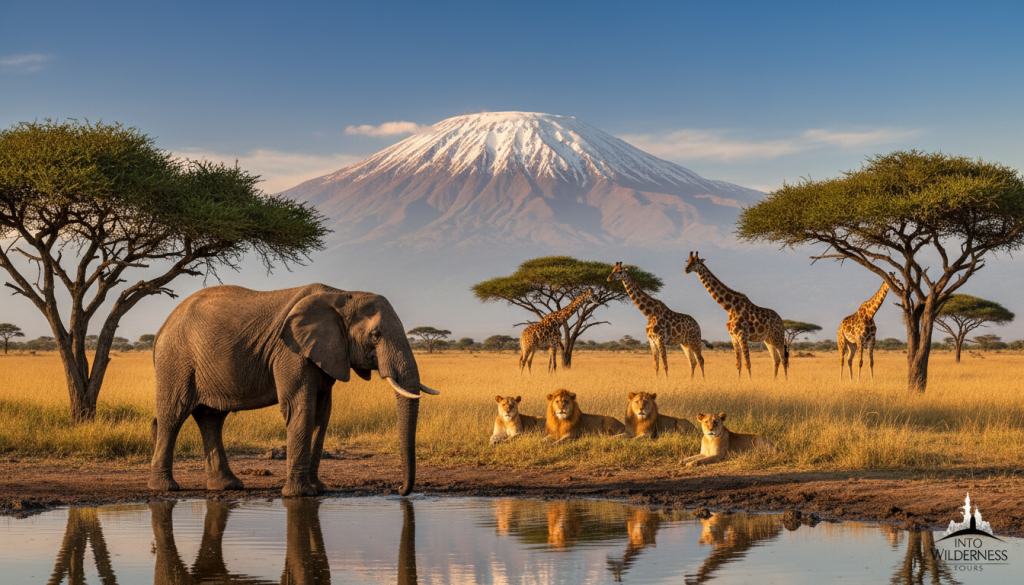
The unique conditions around Kilimanjaro make it a premier destination for wildlife enthusiasts and safari-goers. The combination of Tanzania’s national parks and the mountain’s diverse ecosystems offers an unparalleled safari experience.
Understanding Kilimanjaro’s Climate Patterns
As we explore Kilimanjaro’s climate patterns, we uncover the intricate relationships between altitude, weather, and wildlife. Kilimanjaro’s climate is not just a backdrop for the safari experience; it’s a dynamic force that shapes the very essence of the journey.
Wet and Dry Seasons Explained
Kilimanjaro experiences two main seasons: wet and dry. The dry seasons, which typically occur from June to October and January to February, are characterized by clear skies and minimal rainfall, making them ideal for wildlife viewing. In contrast, the wet seasons bring much-needed rain to the region, resulting in lush landscapes and an explosion of new life.
The wet seasons, which run from March to May and November to December, are marked by significant rainfall, particularly in the afternoons. While this might deter some travelers, the wet seasons offer unique opportunities for birdwatching and witnessing the newborn wildlife.

How Altitude Affects Weather and Wildlife
Altitude plays a crucial role in shaping Kilimanjaro’s climate. As you ascend the mountain, the temperature drops, and the atmosphere changes, creating distinct ecosystems at different elevations. The lower slopes are generally warm and dry, while the higher elevations are cooler and more humid.
This variation in climate with altitude supports a wide range of wildlife, from the savannah-dwelling animals on the lower slopes to the unique, adapted species found in the higher, alpine zones.
| Altitude Range | Climate Characteristics | Wildlife Examples |
|---|---|---|
| Lower Slopes (800-1,800 meters) | Warm, dry, savannah-like conditions | Lions, giraffes, zebras |
| Mid-Elevations (1,800-2,800 meters) | Temperate, with increasing rainfall | Leopards, bushbucks, various bird species |
| High Elevations (2,800-5,895 meters) | Cool, humid, alpine conditions | Unique, adapted species such as the Kilimanjaro mole rat |
The Best Time to Do Kilimanjaro Safaris
To witness the splendor of Kilimanjaro’s wildlife, understanding the best times for safari is essential. The majestic landscapes and diverse fauna of this region offer a unique experience, but the timing of your visit can significantly impact what you see and enjoy.
We will guide you through the prime viewing seasons and alternative peak periods, helping you plan an unforgettable Kilimanjaro safari.
Prime Viewing Season: June to October
The period from June to October is considered the prime viewing season for Kilimanjaro safaris. During these months, the weather is generally dry, making it easier to spot wildlife as they congregate around water sources. The dry conditions also result in less dense vegetation, providing clearer visibility for breathtaking safari experiences.

| Month | Weather Conditions | Wildlife Viewing |
|---|---|---|
| June | Dry, mild temperatures | Excellent spotting of large mammals |
| July | Dry, warm | High concentration of wildlife around water sources |
| August | Dry, warm | Great visibility, ideal for photography |
| September | Transition to short rains | Less crowded, lush landscapes |
| October | Short rains, greenery | Newborn animals, vibrant scenery |
Alternative Peak Period: December to February
For those who prefer slightly different conditions, the period from December to February offers an alternative peak safari experience. While it’s not as dry as the June to October season, the landscape is lush and green following the short rains, and the temperatures are warm. This period is ideal for spotting newborn animals and enjoying the vibrant scenery.
During these months, the safari experience is characterized by the presence of migratory birds and the overall greenery of the landscape, making it a unique and rewarding time to visit Kilimanjaro.
Dry Season Safari Experience
The dry season unveils a different side of Kilimanjaro, where the concentration of wildlife creates unforgettable safari moments. As we venture into this majestic landscape, we’re treated to a spectacle of nature’s raw beauty and drama.
Wildlife Concentration Around Water Sources
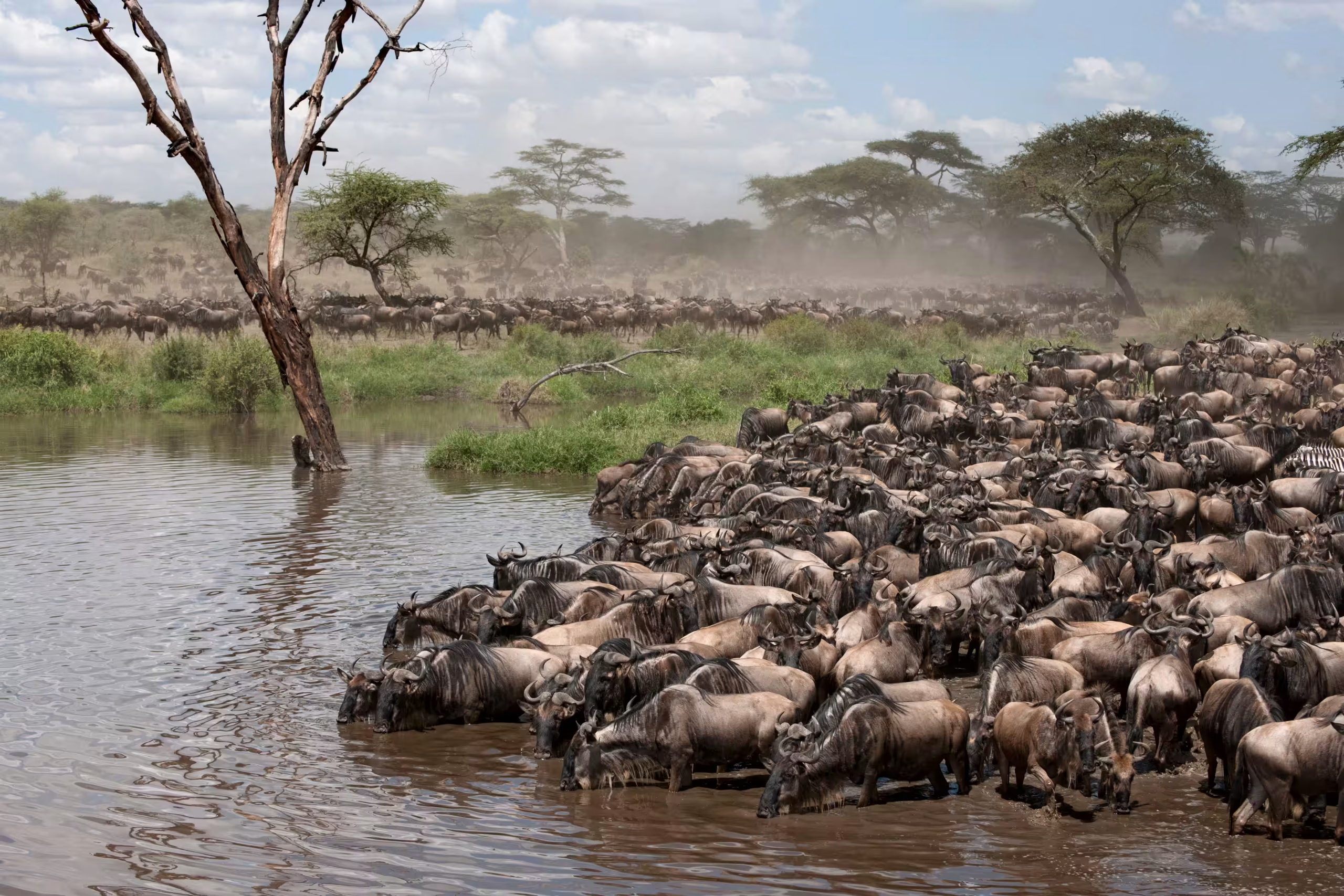
During the dry season, the scarcity of water brings wildlife together around the remaining water sources, creating a dynamic ecosystem. This concentration leads to fascinating interactions among animals.
Predator-Prey Interactions
The dry season’s water sources become a stage for predator-prey interactions, as predators and prey gather in close proximity. This natural drama unfolds with intense moments that leave a lasting impression on safari-goers.
Photography Opportunities
The congregation of wildlife around water sources offers unparalleled photography opportunities. With clear skies and dry landscapes, photographers can capture stunning images of animals in their natural habitat.
Vegetation and Visibility Advantages
The dry season also brings advantages in terms of vegetation and visibility. The sparse vegetation allows for clearer views of the wildlife, making it easier to spot animals.

| Dry Season Advantages | Wildlife Viewing | Photography |
|---|---|---|
| Concentration around water sources | Easy spotting of animals | Clear views and good lighting |
| Sparse vegetation | Predator-prey interactions | Capturing natural behavior |
| Clear skies | Variety of wildlife | Stunning landscape backdrops |
Wet Season Safari Opportunities
In the wet season, the very essence of Kilimanjaro’s ecosystem is revealed in all its glory. The landscape transforms into a lush, vibrant tapestry, teeming with life.
Lush Landscapes and Dramatic Skies
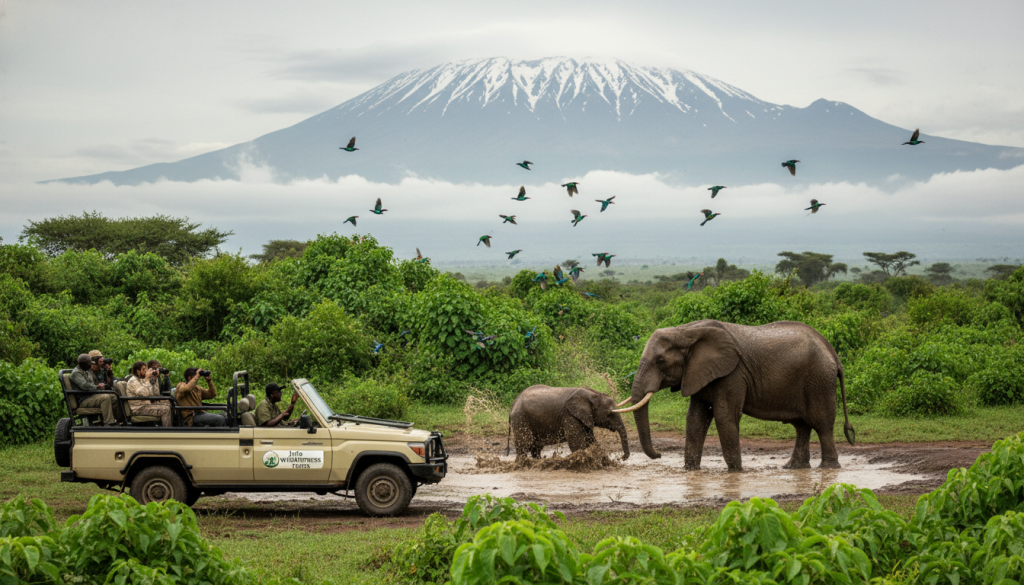
The wet season brings forth dramatic skies and lush landscapes, creating a backdrop for unforgettable safari experiences. The rolling hills and verdant plains are dotted with acacia trees, their branches stretching towards the heavens like nature’s own cathedral.
Bird Watching and Newborn Wildlife
The wet season is a paradise for bird watchers and those eager to witness the miracle of newborn wildlife. The arrival of migratory birds adds a kaleidoscope of colors to the landscape.
Migratory Birds of Kilimanjaro Region
The Kilimanjaro region plays host to a variety of migratory birds, including the lilac-breasted roller and the African pygmy falcon. These birds bring with them a symphony of sounds and a burst of color.
Calving Season Highlights
The calving season, which coincides with the wet season, is a time of great celebration in the animal kingdom. Witnessing the birth of new life is a truly magical experience.
| Season | Wildlife Highlights | Bird Watching |
|---|---|---|
| Wet Season | Newborn animals, lush landscapes | Migratory birds, diverse species |
| Dry Season | Concentrated wildlife around water sources | Resident birds, raptors |
As we immerse ourselves in the wet season safari, we’re reminded of the ever-changing yet eternal beauty of Kilimanjaro’s ecosystem. It’s a time of renewal, a time of rebirth, and a time to reconnect with nature’s rhythms.
Month-by-Month Safari Guide
As we embark on a month-by-month journey through the Kilimanjaro safari calendar, we uncover the unique experiences each period offers. This guide helps you navigate the best times to visit, ensuring a memorable adventure.
January-February: Short Dry Season
January and February mark a short dry season, offering excellent wildlife viewing as animals congregate around water sources. The clear skies and comfortable temperatures make it an ideal time for safari planning. The dry savannas provide a stark beauty, contrasting with the lush greenery of the surrounding landscapes.
March-May: Long Rainy Season
The long rainy season transforms the landscape into a lush, vibrant ecosystem. While some roads may become impassable, the renewed vegetation and fewer tourists can make for a serene safari experience. It’s a great time for birdwatching, with many migratory species present.
June-October: Prime Safari Season
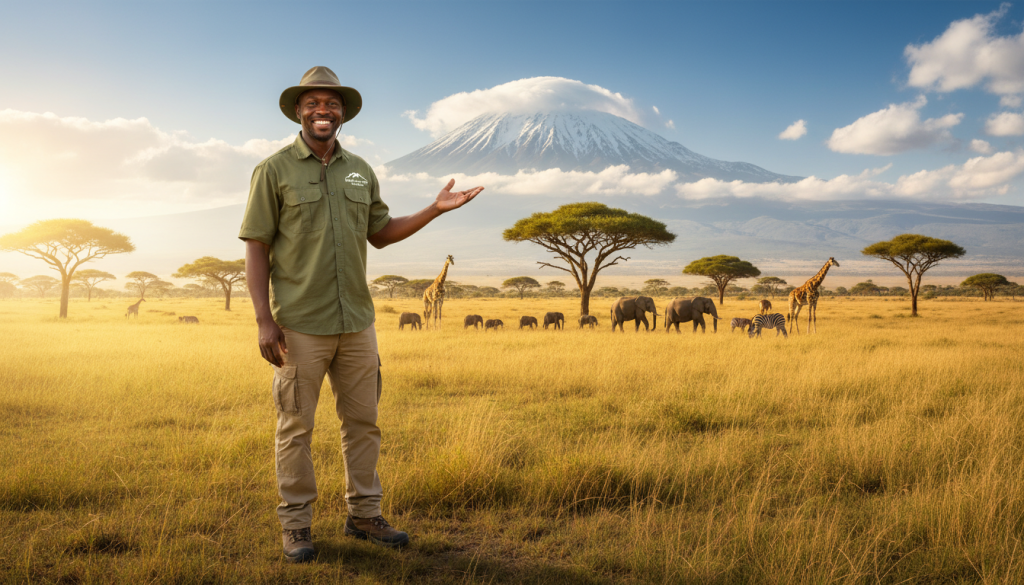
The dry season returns, bringing with it the prime safari conditions. Wildlife is easier to spot as they gather around the remaining water sources. The comfortable temperatures and clear skies make it an ideal time for safari adventures, with abundant sunshine and dramatic landscapes.
| Month | Safari Conditions | Highlights |
|---|---|---|
| June | Dry season begins | Wildlife concentration |
| July | Cool mornings, warm days | Excellent game viewing |
| August | Very dry | Water sources attract wildlife |
November-December: Short Rainy Season
The short rainy season brings a surge of new life to the savannas. The landscapes are lush, and the skies are dramatic. While some areas may be inaccessible, the unique photography opportunities and fewer tourists can make for a rewarding safari experience.
“The beauty of Kilimanjaro’s changing seasons is a reminder of nature’s cyclical rhythm, offering a new story to tell with each visit.”
Wildlife Viewing Calendar
The wildlife around Kilimanjaro follows a predictable pattern of migration, influenced by the changing seasons. This natural phenomenon is crucial for planning a successful safari, as it determines the best times and places to witness the incredible diversity of wildlife.
Seasonal Animal Migrations
As the seasons change, so do the habitats and migration patterns of Kilimanjaro’s wildlife. During the dry season, animals congregate around water sources, making them easier to spot. In contrast, the wet season brings lush landscapes and dispersed water sources, scattering the wildlife across the landscape.
Key migration patterns to watch:
- Dry season: Animals gather around remaining water sources.
- Wet season: Wildlife disperses with the availability of water and lush vegetation.
Best Months for Specific Animals
Certain months offer prime opportunities to witness specific animals in their natural habitats. Understanding these patterns can significantly enhance your safari experience.
Big Cats and Predators
The dry season, from June to October, is ideal for spotting big cats like lions and leopards, as they are drawn to the same water sources as their prey. December to February can also be good, as the short dry season concentrates wildlife around waterholes.
Elephants and Large Mammals
Elephants can be seen throughout the year, but the wet season, from March to May, brings them to areas with lush vegetation. Large mammals like giraffes and buffaloes are also more frequently seen during this time, as they take advantage of the abundant greenery.
Combining Kilimanjaro Climbing with Safari
Tanzania’s majestic landscapes invite us to combine two extraordinary experiences: climbing Kilimanjaro and embarking on a safari adventure. This fusion of thrill and exploration allows travelers to witness the diverse beauty of Africa’s highest peak and the rich wildlife of the savannah.
Ideal Timing for Both Activities
The ideal time for combining Kilimanjaro climbing with a safari is during the dry season, from June to October. This period offers clear skies for climbing and optimal wildlife viewing as animals congregate around water sources. The dry conditions also make the trek to Kilimanjaro’s summit more manageable.
Recovery and Transition Planning
After conquering Kilimanjaro, a well-planned recovery and transition are crucial. We recommend a gradual descent and acclimatization before embarking on a safari. This transition allows the body to recover from the climb while preparing for the safari’s relaxed pace. Choosing safari destinations near Kilimanjaro, such as Amboseli or Arusha National Parks, can also ease the transition.

Safari Parks and Reserves Around Kilimanjaro
The shadow of Kilimanjaro casts over numerous safari parks and reserves, creating a diverse and vibrant ecosystem. This region is a treasure trove for wildlife enthusiasts, offering a range of experiences across different parks and reserves.
Amboseli National Park (Kenya)
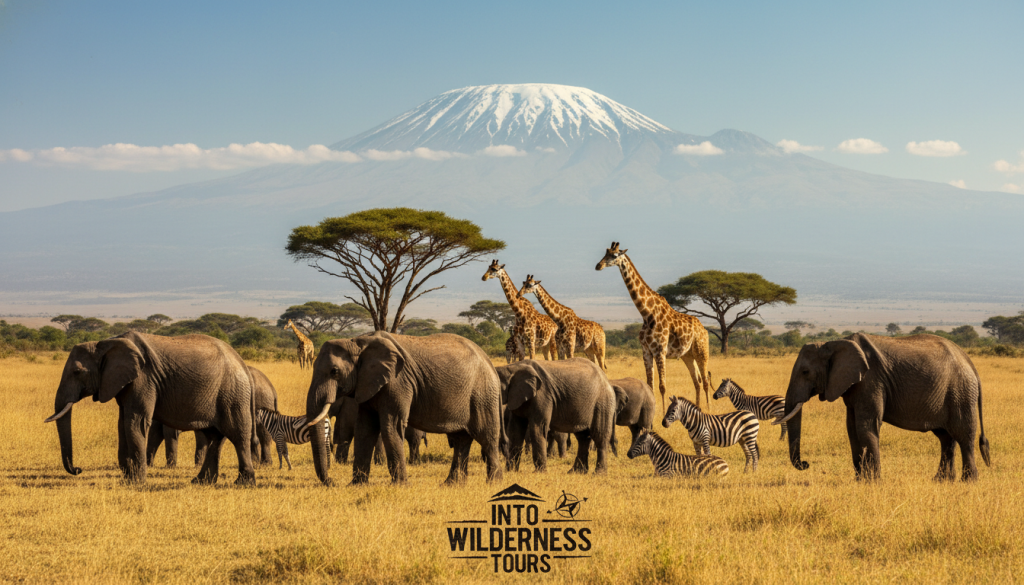
Amboseli National Park in Kenya is renowned for its stunning views of Kilimanjaro and abundant wildlife. The park is particularly famous for its large elephant population and offers breathtaking landscapes that range from open plains to marshes and acacia woodlands. Visitors can enjoy guided safaris and witness the majestic beauty of Africa’s wildlife in their natural habitat.
Arusha and Tarangire National Parks (Tanzania)
In Tanzania, Arusha National Park offers a mix of forest, alpine desert, and grasslands, providing a diverse backdrop for safari adventures. Tarangire National Park, known for its high concentration of elephants and baobab trees, is a must-visit during the dry season when wildlife congregates around water sources. Both parks offer unique safari experiences, from game drives to walking safaris.
Ngorongoro Conservation Area
The Ngorongoro Conservation Area is a UNESCO World Heritage Site and home to the Ngorongoro Crater, the world’s largest intact caldera. This conservation area is a haven for wildlife, including the Big Five (lion, leopard, rhinoceros, elephant, and Cape buffalo). The crater’s unique ecosystem supports a rich variety of flora and fauna, making it a prime location for safari adventures and wildlife viewing.
Each of these safari parks and reserves around Kilimanjaro offers a unique experience, from the majestic landscapes to the diverse wildlife. Whether you’re on a guided tour or exploring on your own, the region promises unforgettable adventures and a deep connection with nature.
Crowd Considerations Throughout the Year
The majestic beauty of Kilimanjaro Safaris attracts visitors from around the world, creating a need to understand crowd patterns. As we explore the best times to visit, it’s essential to consider how crowd dynamics impact our safari experience.
Peak Tourist Seasons and Their Impact
Peak tourist seasons, typically from June to October, bring a surge in visitors to Kilimanjaro Safaris. During this time, popular areas can become crowded, and the tranquility of the wilderness may be disrupted. The dry season, which coincides with these peak months, makes wildlife viewing more concentrated around water sources, attracting larger groups. However, this period also offers the best weather conditions, making it ideal for those who prioritize comfort and clear skies.
Finding Solitude on Safari
For those seeking solitude on safari, the shoulder season presents an attractive alternative. Visiting during the shoulder months, such as May or November, can provide a more serene experience, as the crowds have dissipated, and the landscape is lush and vibrant. Additionally, some safari operators offer exclusive or private safaris during these periods, further enhancing the sense of solitude.
| Month | Crowd Level | Wildlife Viewing |
|---|---|---|
| June | High | Excellent |
| May | Moderate | Good |
| November | Moderate | Good |
By understanding crowd considerations throughout the year, we can better plan our Kilimanjaro Safaris to achieve the perfect balance between experiencing the majesty of Tanzania’s wildlife and enjoying a peaceful, serene environment.
Budget Planning for Different Seasons
As we embark on planning our Kilimanjaro safari, the question of budget becomes paramount. The cost of a safari can vary significantly depending on the season, making it essential to understand the budget implications of different times of the year.
When considering a Kilimanjaro safari, budget planning is crucial. The costs associated with safaris during different seasons can be quite different, impacting your overall expenditure.
High Season vs. Low Season Costs
The high season, typically from June to October, comes with higher costs due to increased demand. During this period, accommodation rates and tour prices tend to be at their peak. In contrast, the low season, often characterized by the wet months, offers lower prices but may also come with some challenges such as reduced accessibility to certain areas.
- High season advantages: optimal wildlife viewing, comfortable weather conditions
- Low season advantages: lower costs, fewer tourists, lush landscapes
Value Seasons for Budget Travelers
For budget travelers, the shoulder season (the periods between peak and off-peak seasons) can offer the best value. During these times, the costs are relatively lower than the peak season, and the experience can be more authentic due to fewer tourists.
- Accommodation options: choosing between luxury lodges and budget-friendly campsites
- Tour operators: comparing prices and services offered by different operators
- Seasonal activities: planning activities according to the season, such as bird watching during migration seasons
By carefully evaluating these factors, travelers can plan a cost-effective Kilimanjaro safari that meets their budget and preferences.
Weather Considerations for Safari Comfort
Weather considerations play a vital role in ensuring a comfortable and enjoyable Kilimanjaro safari experience. The climate around Africa’s highest peak is as diverse as its wildlife, ranging from the sweltering heat of the savannah to the chilly temperatures of the mountainous regions.
Temperature Variations by Season
The temperature during a Kilimanjaro safari varies significantly across different seasons. During the dry season, from June to October, the days are generally warm and sunny, while the nights can be quite cool, especially in the higher altitudes. In contrast, the wet season brings milder temperatures during the day but can be quite chilly in the mornings and evenings.
| Season | Daytime Temperature | Nighttime Temperature |
|---|---|---|
| Dry Season (June-Oct) | 25-30°C (77-86°F) | 10-15°C (50-59°F) |
| Wet Season (Nov-May) | 20-25°C (68-77°F) | 5-10°C (41-50°F) |
Preparing for Rain and Sun Exposure
Preparing for the elements is crucial for a comfortable safari. During the wet season, it’s essential to pack waterproof gear and clothing to keep you dry. In contrast, the dry season requires protection from the sun, including sunscreen, hats, and sunglasses. Regardless of the season, layers are key to adjusting to the varying temperatures.
By understanding and preparing for these weather considerations, we can ensure a more comfortable and enjoyable safari experience, allowing us to fully immerse ourselves in the natural beauty of Kilimanjaro’s surroundings.
Family-Friendly Safari Timing
A family-friendly safari is all about timing: selecting the best season to create lifelong memories. We understand that planning a safari with family requires careful consideration of the timing and activities to ensure everyone has an enjoyable experience.
School Holiday Considerations
When planning a family-friendly safari, it’s essential to consider school holidays to accommodate your children’s schedule. The long holidays during June to August and December to January are ideal times for a safari, as they coincide with the dry season in many African countries, offering excellent wildlife viewing opportunities.
Age-Appropriate Experiences by Season
Different seasons offer unique experiences suitable for various ages. For instance, the dry season (June to October) is perfect for age-appropriate experiences as it allows for easy spotting of wildlife gathered around water sources, making it thrilling for both kids and adults. In contrast, the wet season (November to May) brings lush landscapes and newborn animals, providing a different kind of adventure that’s equally captivating for families.
By carefully planning your safari timing around school holidays and choosing age-appropriate experiences, you can create a memorable and enjoyable adventure for your entire family.
Photography Opportunities by Season
As we embark on a Kilimanjaro safari, the ever-changing seasons offer a kaleidoscope of photography opportunities. The interplay of light, landscape, and wildlife creates a dynamic canvas that beckons photographers to capture its beauty.
The lighting conditions vary significantly across seasons, influencing the quality and character of photographs. Understanding these changes is crucial for capturing the essence of the Kilimanjaro landscape.
Lighting and Landscape Considerations
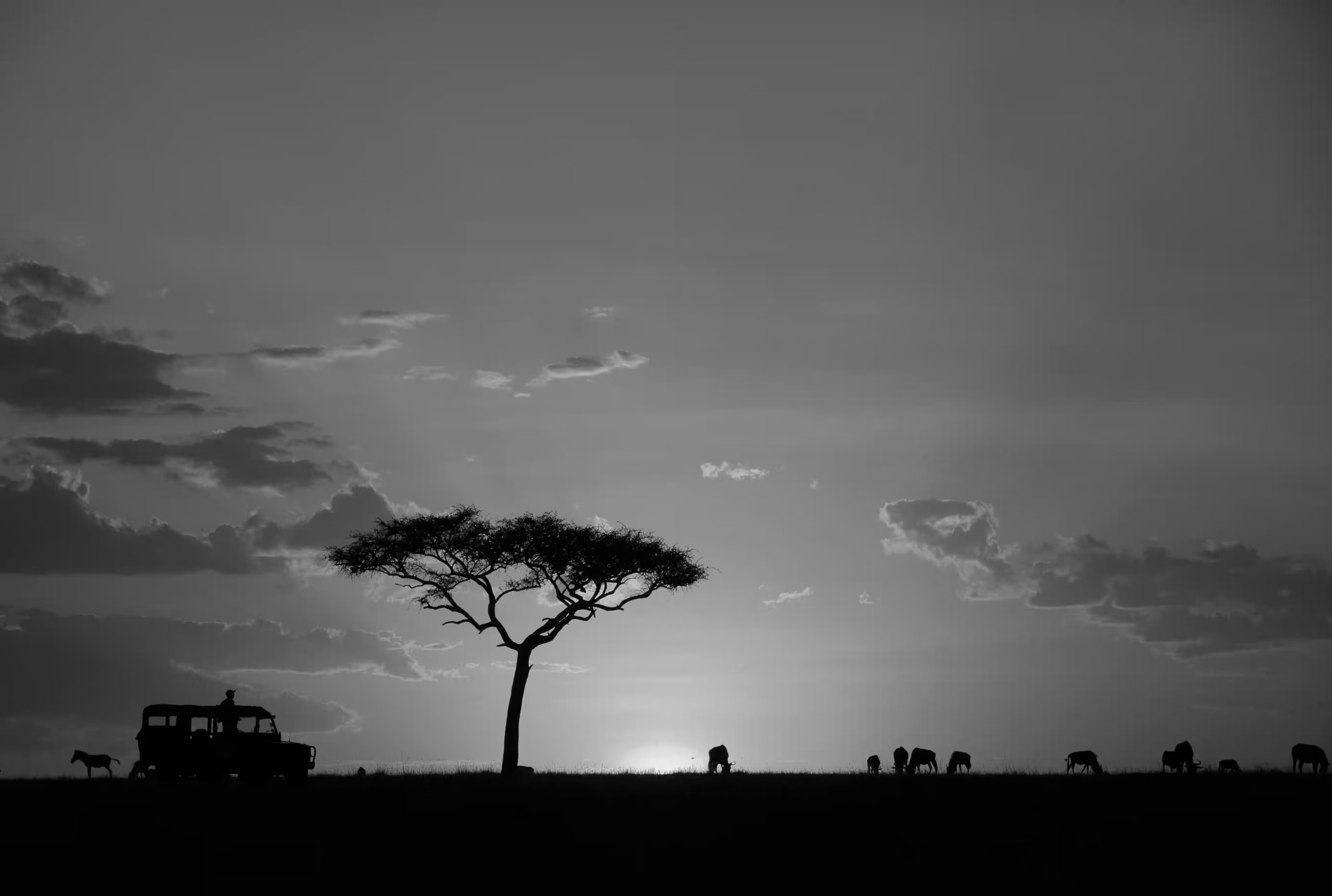
The dry season brings clear skies and sharp light, ideal for capturing the dramatic silhouettes of acacia trees against the vibrant blue sky. In contrast, the wet season transforms the landscape into a lush, emerald world, with soft, diffused light perfect for highlighting the textures of foliage and the misty veils that often shroud the mountains.
- Golden hour: Soft, warm light ideal for capturing landscapes and wildlife.
- Overcast skies: Diffused light reduces harsh shadows, perfect for close-up photography.
- Dramatic clouds: Add depth and mood to landscape photographs.
Wildlife Photography Tips by Season
Each season presents unique opportunities for wildlife photography. During the dry season, animals congregate around water sources, making them easier to spot and photograph. In the wet season, the abundance of water disperses the wildlife, but the newborn animals provide fresh subjects for photography.
- Be prepared for changing weather conditions.
- Use a telephoto lens to capture wildlife without disturbing them.
- Anticipate animal behaviors, such as migrations and mating rituals.
Special Safari Experiences Throughout the Year
As we explore the Kilimanjaro region, we find that the true essence of safari lies in its special experiences, from cultural celebrations to seasonal explorations. Our journey is enriched by the vibrant cultural heritage and the unique activities that each season brings.
Cultural Festivals and Events
The Kilimanjaro region is alive with cultural festivals and events that offer a glimpse into the rich heritage of the local communities. We can participate in the Mwali (traditional dance) performances or visit local markets where artisans showcase their crafts. One of the highlights is the annual Marangu Cultural Festival, which celebrates the history and traditions of the Chagga people. This event is a feast for the senses, with traditional music, dance, and local cuisine.
Unique Seasonal Safari Activities
Each season brings its unique safari activities, making every visit to Kilimanjaro distinct. During the dry season, we can enjoy guided walking safaris, exploring the flora and fauna up close. In the wet season, the landscape transforms into a lush paradise, ideal for bird watching and capturing dramatic landscapes through photography. We can also time our visit to coincide with the great migration or the calving season, offering unforgettable wildlife experiences.
| Season | Activity | Highlights |
|---|---|---|
| Dry Season | Guided Walking Safaris | Explore flora and fauna up close |
| Wet Season | Bird Watching | Lush landscapes, dramatic skies |
| Migration Season | Wildlife Viewing | Witness the great migration |
Conclusion: Choosing Your Perfect Kilimanjaro Safari Season
As we conclude our journey through the best times to visit Kilimanjaro for safaris, we invite you to envision your ideal African adventure. Whether drawn to the dry season’s concentrated wildlife or the wet season’s vibrant landscapes, your Kilimanjaro safari promises to be a transformative experience.
When planning your Kilimanjaro safari, consider the unique experiences each season offers. The dry season brings animals together around water sources, while the wet season paints the landscape with lush colors and dramatic skies. Your choosing safari season depends on what you value most: wildlife viewing, landscape photography, or perhaps the tranquility of the off-season.
At the heart of your adventure is Tanzania tourism, a journey that not only showcases the natural beauty of Kilimanjaro but also the rich cultural heritage of the region. As you plan your safari, remember that responsible safari planning is key to preserving this delicate ecosystem for generations to come.
We are confident that with this guide, you will embark on a journey that resonates deeply with your sense of adventure and wonder. Let the majestic world of Kilimanjaro safaris leave an indelible mark on your heart.
FAQ
What is the best time to visit Kilimanjaro for a safari?
The best time to visit Kilimanjaro for a safari is during the dry season, from June to October, when wildlife is concentrated around water sources, making it easier to spot.
What are the advantages of visiting Kilimanjaro during the dry season?
The dry season offers several advantages, including wildlife concentration around water sources, reduced vegetation for better visibility, and more comfortable temperatures for safari exploration.
Can I combine Kilimanjaro climbing with a safari?
Yes, it is possible to combine Kilimanjaro climbing with a safari. The ideal timing for both activities is crucial, and we recommend planning carefully to ensure a smooth and enjoyable journey.
What are the best national parks and reserves to visit around Kilimanjaro?
Some of the best national parks and reserves to visit around Kilimanjaro include Amboseli National Park in Kenya, Arusha and Tarangire National Parks in Tanzania, and the Ngorongoro Conservation Area.
How do I plan a budget-friendly safari?
To plan a budget-friendly safari, consider visiting during the low season, when costs are lower, and look for value seasons that offer a good balance between cost and experience.
What are the weather considerations for safari comfort?
Temperature variations by season and preparation for rain and sun exposure are crucial for safari comfort. Understanding these factors will help you pack accordingly and ensure a comfortable experience.
Are there family-friendly safari options available?
Yes, there are family-friendly safari options available. Consider school holiday seasons and age-appropriate experiences by season to plan a safari that is enjoyable for all family members.
What are the best photography opportunities on a Kilimanjaro safari?
The best photography opportunities on a Kilimanjaro safari vary by season. Understanding lighting and landscape considerations, as well as wildlife photography tips, will help you capture stunning images.
Are there any special safari experiences throughout the year?
Yes, there are several special safari experiences throughout the year, including cultural festivals and unique seasonal activities. These events offer a glimpse into the rich cultural heritage of the region.
How can I avoid crowds on my safari?
To avoid crowds on your safari, consider visiting during the shoulder season, when the crowds are smaller, and plan your safari excursions during the early morning or late afternoon when wildlife is more active.
What is the significance of the wet season for safari experiences?
The wet season brings its own set of unique opportunities, including lush landscapes, dramatic skies, and the chance to witness newborn wildlife, making it a great time for bird watching and photography.