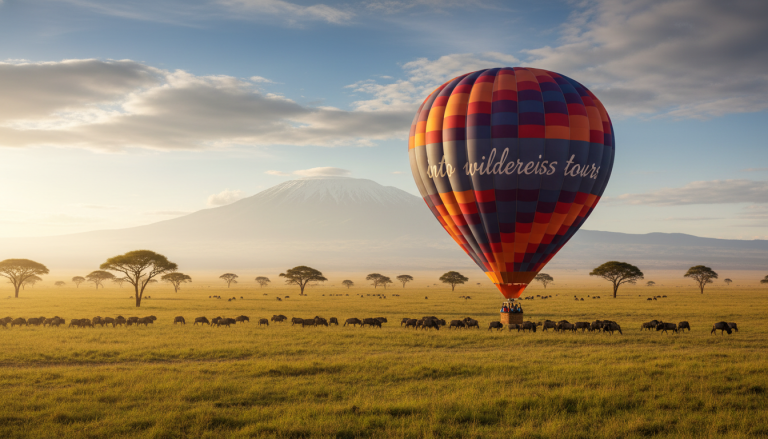
We invite you to embark on a journey through Tanzania’s largest protected area, where the essence of Africa’s wilderness comes alive.
As we explore this magnificent park, we discover the rich tapestry of its ecosystems and the diversity of its wildlife.
The landscapes unfold with a poetic rhythm, revealing the transformative power of nature.
With a deep reverence for the land and its inhabitants, we guide you through the heart of Tanzania, sharing wisdom and knowledge that make this safari truly unforgettable.
Key Takeaways
- Experience the vast wilderness of Tanzania’s largest protected area
- Discover diverse ecosystems and wildlife
- Transformative landscapes that inspire wonder
- Guided by local hosts with deep reverence for the land
- Unforgettable safari experience with a focus on conservation
The Evolution of Tanzania’s Largest Protected Area
Nyerere National Park represents a significant milestone in Tanzania’s conservation journey, evolving from the renowned Selous Game Reserve. This transformation is not just a change in name, but a testament to the country’s commitment to preserving its natural heritage.
From Selous Game Reserve to National Park Status
The journey from Selous Game Reserve to Nyerere National Park is a story of progressive conservation. Once one of Africa’s largest and most pristine wildlife reserves, the area has been elevated to national park status, reflecting its importance on both a national and international scale. This change brings with it a heightened level of protection and conservation efforts, ensuring the long-term preservation of the park’s diverse ecosystems.
| Year | Event | Significance |
|---|---|---|
| 2019 | Renaming to Nyerere National Park | Honoring Julius Nyerere’s conservation legacy |
| 2010 | Enhanced conservation efforts | Increased protection for wildlife and habitats |
Julius Nyerere’s Conservation Vision
Julius Nyerere, Tanzania’s first president, was instrumental in the country’s conservation efforts. His vision for preserving Tanzania’s natural beauty and wildlife has had a lasting impact. By renaming the Selous Game Reserve to Nyerere National Park, the nation continues to honor his legacy, ensuring that his conservation ideals remain at the forefront of Tanzania’s environmental policies.
“Conservation is a state of mind… a way of life that requires commitment and dedication.” This philosophy, embodied by Nyerere, continues to guide Tanzania’s approach to managing its national parks, including Nyerere National Park.

The Magnificent Landscape of Nyerere National Park
Nyerere National Park unfolds as a canvas of breathtaking beauty, where diverse ecosystems converge in a spectacular display of nature’s artistry. This Tanzanian treasure is characterized by its vast and varied landscapes, ranging from the dense, emerald forests to the open, golden grasslands, and the majestic Rufiji River that weaves through it all.
Diverse Ecosystems and Habitats
The park is a mosaic of different habitats, each supporting a unique community of flora and fauna. Key ecosystems include:
- Dense forests that provide shelter and sustenance for a variety of wildlife
- Open grasslands where herds of antelope and buffalo roam freely
- Wetlands and floodplains that are crucial for aquatic life and migratory birds
- Rocky outcrops and hills that offer vantage points for predators and panoramic views
This diversity of ecosystems creates a complex web of life, where each species plays a vital role in the balance of the environment.

The Life-Giving Rufiji River System
At the heart of Nyerere National Park is the Rufiji River, a lifeline that nourishes the land and its inhabitants. The river and its delta create a dynamic landscape of waterways, islands, and floodplains, supporting an incredible array of wildlife. The Rufiji River is not just a source of water; it’s a catalyst for life, fostering a rich biodiversity that is unparalleled in many parts of the world.
The Rufiji River’s influence on the park’s ecosystem is profound, making it a critical component of the park’s ecological integrity. As we explore the park, the Rufiji River stands as a testament to the beauty and power of nature, shaping the very essence of Nyerere National Park.
Extraordinary Wildlife Encounters in Nyerere National Park
As we venture into Nyerere National Park, we’re immediately immersed in a world teeming with life. The air vibrates with the calls of unseen birds, while the savannah stretches out before us like an endless canvas of gold and green.
The park’s vast and varied landscapes support an incredible array of wildlife, making it a destination that promises something extraordinary for every visitor. From the majesty of the Big Five to the subtle beauty of lesser-known species, Nyerere National Park is a true wildlife enthusiast’s paradise.
The Big Five Safari Experience
Nyerere National Park offers one of Africa’s most authentic Big Five safari experiences. Here, we can witness the majestic lion in all its regal glory, or catch a glimpse of the elusive leopard as it pads silently through the underbrush. The park is also home to elephant herds, their ancient matriarchs leading the way with wisdom and grace. The critically endangered black rhinoceros finds a safe haven here, protected by the park’s conservation efforts. And then there’s the Cape buffalo, its powerful presence a testament to the wild beauty of Africa.

Rare and Endemic Species
Beyond the Big Five, Nyerere National Park is a sanctuary for numerous rare and endemic species. The park’s diverse habitats support creatures like the puku, a medium-sized antelope with a distinctive coat, and the elegant kudu, with its impressive spiral horns. For those with a keen eye, the park offers the chance to spot more elusive residents, such as the African wild dog, one of the continent’s most endangered predators.
The Park’s Remarkable Bird Life
Nyerere National Park is a birdwatcher’s dream, with over 400 species recorded within its boundaries. From the majestic African fish eagle to the iridescent lilac-breasted roller, the park’s skies are alive with color and movement. The Rufiji River and its delta provide crucial habitats for waterbirds, including African darters and Goliath herons, making it a must-visit destination for ornithologists and nature enthusiasts alike.
Optimal Seasons for Visiting Nyerere National Park
As we plan our Tanzanian adventure, understanding the best time to visit Nyerere National Park becomes crucial for an unforgettable safari experience. The park’s diverse ecosystems offer unique opportunities throughout the year, but the dry and green seasons each bring distinct advantages.
Dry Season Safari Advantages (June-October)
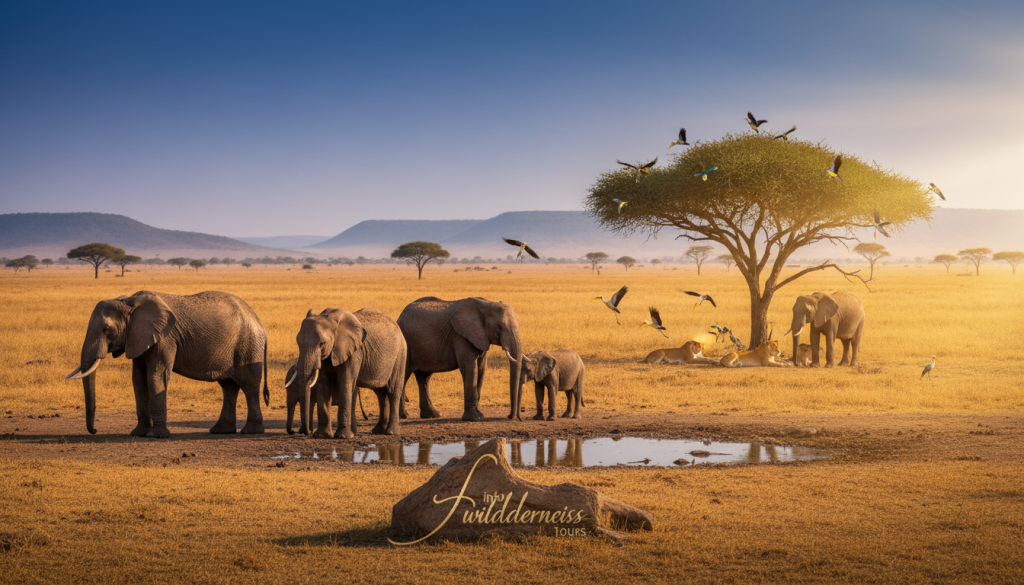
The dry season, spanning from June to October, is considered an ideal time for safari enthusiasts. During this period, wildlife congregates around water sources, making it easier to spot a variety of animals. The dry underbrush and sparse vegetation enhance visibility, allowing for more intimate wildlife encounters. Moreover, the dry season coincides with the migration of certain species, offering a chance to witness these spectacular events.
Green Season Wildlife Viewing (November-May)
The green season, from November to May, brings a lush landscape to Nyerere National Park, with the Rufiji River and its wetlands thriving. This period is characterized by the birth of new animals, offering a unique opportunity to see young wildlife taking their first steps. While the dense vegetation can make spotting animals more challenging, the green season provides a chance to see a different aspect of the park’s ecosystem, with migratory birds and a vibrant plant life.
Understanding these seasonal variations allows us to plan our visit to Nyerere National Park at the optimal time, ensuring a memorable and enriching safari experience.
Transportation Guide: Reaching Nyerere National Park
As you prepare to explore one of Africa’s most pristine wilderness areas, understanding your transportation options to Nyerere National Park is essential. The journey involves multiple steps, from international flights to local transfers, each offering a unique perspective on the Tanzanian landscape.

International Flights from the United States
The first step in your journey is booking an international flight to Tanzania. Major airlines such as Turkish Airlines and Ethiopian Airlines offer connecting flights from the United States to Kilimanjaro International Airport (JRO) or Dar es Salaam International Airport (DAR). From there, you can proceed to Nyerere National Park. We recommend booking flights well in advance to secure the best rates and ensure availability during peak travel seasons.
Domestic Flights and Charter Options
Upon arrival in Tanzania, you’ll need to arrange domestic travel to Nyerere National Park. Domestic flights to nearby airstrips, such as those in Selous or Mtembei, are available through local airlines like Coastal Aviation and Flightlink. Charter flights offer a more personalized experience, allowing you to enjoy the scenic views of Tanzania’s diverse landscapes while traveling to your destination.
Road Access and Transfer Services
For those who prefer a more leisurely journey or are traveling on a budget, road transfers are an option. Many tour operators, including us, offer road transfer services from major cities like Dar es Salaam or Arusha to Nyerere National Park. While this option takes longer, it provides an opportunity to witness the country’s varied landscapes and rural communities firsthand.
Regardless of your chosen mode of transport, we are here to guide you through the process, ensuring a smooth and enjoyable journey to Nyerere National Park.
Where to Stay in Nyerere National Park
As we explore the wilderness of Nyerere, selecting the perfect accommodation is key to a memorable stay. The park offers a diverse range of options, from luxurious safari lodges to budget-friendly campsites, ensuring that every traveler finds their ideal haven.
Luxury Safari Lodges and Camps
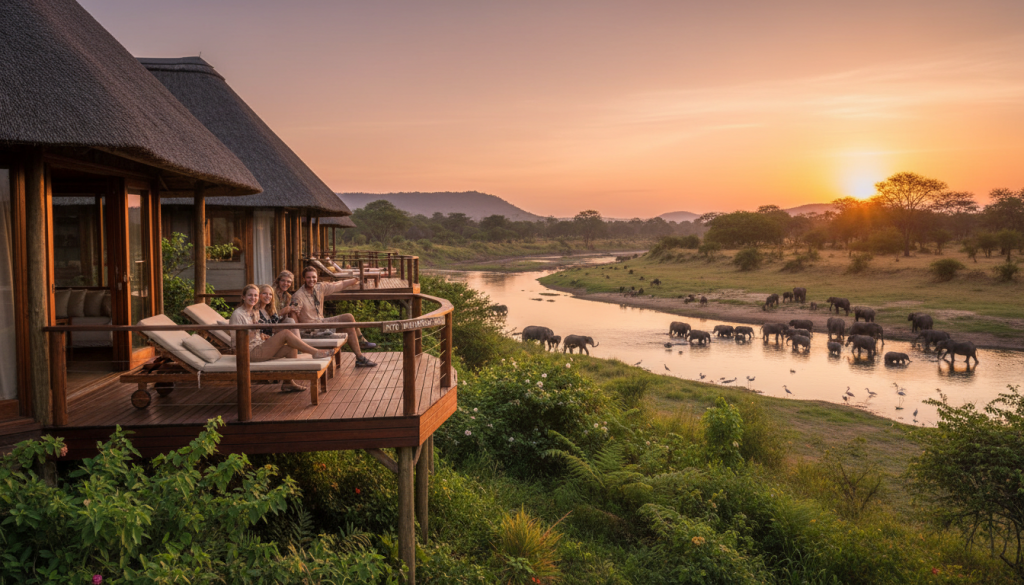
For those seeking the epitome of comfort and luxury, Nyerere’s high-end lodges and camps provide an unparalleled safari experience. These luxury safari lodges offer elegant accommodations, gourmet dining, and exceptional service, allowing guests to relax in style after a day of exploring the wilderness. Many of these lodges are designed to blend seamlessly into the natural surroundings, providing an intimate connection with nature.
Mid-Range Accommodation Options
Travelers looking for a balance between comfort and affordability will find mid-range accommodations in Nyerere to be an excellent choice. These lodges and tented camps offer comfortable rooms, delicious meals, and guided safari activities, all at a more accessible price point. They provide an excellent opportunity to experience the beauty of Nyerere without the premium price tag of luxury lodges.
Budget-Friendly Stays and Camping
For the more adventurous travelers, Nyerere offers budget-friendly stays and camping in Nyerere options. These allow visitors to immerse themselves in the natural beauty of the park while keeping costs low. Basic campsites and simple lodges are available for those who prefer a more rustic experience, providing a genuine connection to the wilderness.
At Into Wilderness Tours, we understand the importance of choosing the right accommodation to enhance your safari experience. By visiting our about us page, you can learn more about how we can help you plan your perfect stay in Nyerere National Park.
Unforgettable Safari Activities in Nyerere National Park
Nyerere National Park offers an array of unforgettable safari activities that immerse you in its natural beauty. As we explore the park’s diverse ecosystems, we engage in experiences that bring us closer to the wilderness and its inhabitants.
Game Drives Through Diverse Habitats
Game drives are a quintessential safari experience in Nyerere National Park. We venture through diverse habitats, from open grasslands to dense forests, in search of the Big Five and other remarkable wildlife. Expert guides lead the way, sharing their knowledge of the park’s ecology and helping us spot even the most elusive creatures.
- Explore the park’s varied landscapes
- Encounter a wide range of wildlife
- Learn from experienced guides
Walking Safaris with Expert Guides
For a more intimate connection with nature, we embark on walking safaris with expert guides. These guided walks allow us to appreciate the smaller details of the African bush, from medicinal plants to the tracks of various animals. It’s an opportunity to slow down and truly immerse ourselves in the sights, sounds, and scents of the wilderness.
Boat Safaris on the Rufiji River
A boat safari along the Rufiji River offers a unique perspective on Nyerere National Park’s wildlife and ecosystems. As we glide across the water, we observe hippos, crocodiles, and a variety of bird species in their natural habitats. The river’s tranquil atmosphere provides a serene backdrop for an unforgettable safari experience.
- Observe riverine wildlife
- Enjoy the serene atmosphere of the Rufiji River
- Capture stunning photographs
These safari activities in Nyerere National Park provide a comprehensive and immersive experience, allowing us to connect with the natural world in meaningful ways.
Conservation Challenges and Triumphs
In the heart of Tanzania, Nyerere National Park faces numerous conservation challenges, yet achieves significant triumphs. As the largest protected area in the country, it is a complex ecosystem that requires careful management and conservation efforts. The park’s vast wilderness, teeming with diverse wildlife and habitats, is both a blessing and a challenge.

Anti-Poaching Initiatives and Wildlife Protection
The park has made significant strides in anti-poaching initiatives, employing advanced technology and community engagement to protect its wildlife. Intelligent surveillance systems and trained ranger teams work tirelessly to monitor and safeguard the park’s inhabitants. These efforts have led to a notable decrease in poaching activities, allowing species such as elephants and rhinos to thrive.
The protection of wildlife is further enhanced by collaborative efforts with international conservation organizations, ensuring that Nyerere National Park remains a safe haven for its diverse fauna.
Community-Based Conservation Programs
Community-based conservation is at the heart of Nyerere National Park’s strategy, recognizing that the local communities are crucial stakeholders in the park’s future. By engaging with and supporting these communities, the park fosters a culture of coexistence with wildlife. Initiatives include education programs, economic empowerment through sustainable tourism, and community-led conservation projects.
These programs not only benefit the local populations but also create a robust support system for conservation efforts, ensuring the long-term protection of the park’s natural resources.
Cultural Immersion Around Nyerere National Park
The cultural landscape around Nyerere National Park is as diverse and vibrant as its natural beauty, with communities that welcome visitors to experience their traditions. As we explore the surroundings of this magnificent park, we have the opportunity to engage with local communities and gain a deeper understanding of Tanzania’s rich cultural heritage.
Indigenous Communities and Their Traditions
The area around Nyerere National Park is inhabited by indigenous communities who have preserved their traditional ways of life. These communities offer a unique glimpse into Tanzania’s cultural diversity, with their customs, rituals, and artisanal practices. Visitors can experience the warm hospitality of the local people and learn about their traditions through interactive cultural experiences.
Cultural Tours and Authentic Experiences
Cultural tours in the region provide an authentic experience, allowing visitors to participate in local ceremonies, learn traditional crafts, and understand the community’s connection with the land. These experiences not only enrich the visitor’s understanding of Tanzanian culture but also contribute to the local economy, supporting sustainable tourism practices.

| Cultural Experience | Location | Highlights |
|---|---|---|
| Traditional Ceremonies | Local Villages | Participation in local rituals, understanding community traditions |
| Artisanal Craft Workshops | Community Centers | Learning traditional crafts, supporting local artisans |
| Cultural Homestays | Family Homes in Villages | Experiencing daily life, local cuisine, and warm hospitality |
Photography Safari: Capturing Nyerere’s Wild Beauty
As we venture into Nyerere National Park, the lens of our camera becomes the lens through which we experience the raw beauty of Tanzania’s wilderness. The park’s vast expanses and diverse ecosystems offer endless opportunities for capturing the essence of African wildlife and landscapes.
Essential Camera Equipment for Safari Photography
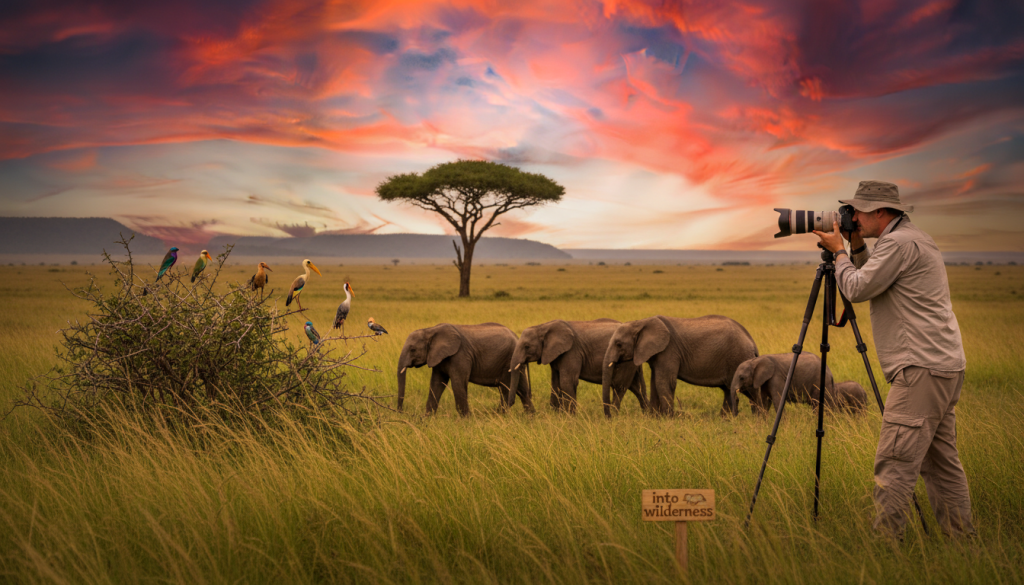
For a successful safari photography experience, it’s crucial to have the right equipment. A telephoto lens is indispensable for capturing wildlife without disturbing them. We recommend bringing a camera body with good low-light performance, a sturdy tripod, and a variety of lenses to adapt to different situations.
Best Locations and Lighting Conditions
Nyerere National Park is replete with photogenic landscapes and subjects. The Rufiji River and its delta offer stunning vistas, especially during the golden hour. Early morning and late afternoon light provide the best conditions for capturing wildlife with warm, soft light.
Ethical Wildlife Photography Practices
As we capture the beauty of Nyerere’s wildlife, it’s vital to do so ethically. We must respect the animals’ space and not disrupt their natural behavior.
“A good photograph is one that is taken from a safe distance, without baiting or stressing the subject.”
By adopting these practices, we ensure that our photography safari is both rewarding and responsible.
Nyerere National Park Compared to Other Tanzanian Destinations
Nyerere National Park stands out among Tanzania’s premier safari destinations, but how does it compare to the Serengeti and Ngorongoro? As we explore the unique attributes of each park, we can craft a Tanzania safari circuit that suits your interests.
Differences from the Serengeti and Ngorongoro
The Serengeti is renowned for its vast plains and the Great Migration, a spectacle that draws visitors from around the world. In contrast, Nyerere National Park offers a more secluded and less crowded experience, with diverse ecosystems that include riverine forests, grasslands, and wetlands.
Ngorongoro Crater, a UNESCO World Heritage Site, is famous for its unique caldera and dense wildlife population. While it provides an intense wildlife viewing experience, Nyerere offers a broader range of habitats and activities, including boat safaris along the Rufiji River.
Key differences include:
- Nyerere’s diverse landscapes vs. Serengeti’s vast plains
- Nyerere’s seclusion vs. Ngorongoro’s crowded crater
- Variety of safari activities in Nyerere
Creating the Perfect Tanzania Safari Circuit
When planning your Tanzania safari, combining Nyerere with other national parks can create a rich and varied experience. Consider including:
- The Serengeti for the Great Migration
- Ngorongoro Crater for its unique wildlife density
- Nyerere for its diverse ecosystems and seclusion
By mixing these destinations, you can enjoy a comprehensive Tanzanian safari experience that includes a range of landscapes, activities, and wildlife encounters. Our expert guides can help you tailor the perfect circuit to your preferences, ensuring an unforgettable journey through Tanzania’s wilderness.
Essential Travel Information for American Visitors
Tanzania’s Nyerere National Park beckons to American explorers, but before they can immerse themselves in its wild beauty, they must navigate the practicalities of travel. As you prepare for your journey, understanding the essentials of travel to Tanzania is crucial for a smooth and enjoyable experience.
Visa Requirements and Entry Procedures
American citizens require a visa to enter Tanzania. The process has been simplified through the introduction of the Tanzania Electronic Visa System, allowing travelers to apply online before their trip. Ensure your passport is valid for at least six months beyond your intended stay, and have a recent passport-sized photograph ready for the application. The visa fee can be paid online, and upon approval, the visa will be sent electronically.
Health Precautions and Medical Recommendations
Before traveling to Tanzania, consult your healthcare provider about recommended vaccinations and medications. Yellow fever vaccination is required if you’re arriving from or passing through a country with a risk of yellow fever transmission. Malaria prophylaxis is also recommended due to the presence of malaria in certain areas of Tanzania. Additionally, ensure you’re up-to-date on all routine vaccinations.
Packing List for Your Nyerere Safari
Packing appropriately for your Nyerere Safari is key to a comfortable and enjoyable experience. Here’s a summary of essentials in a tabular format:
| Item Category | Essential Items |
|---|---|
| Clothing | Lightweight, breathable clothing; neutral colors; long-sleeved shirts and pants for insect protection; warm layers for cooler mornings and evenings |
| Safari Gear | Sturdy walking shoes; wide-brimmed hat; sunglasses; binoculars for wildlife viewing |
| Health and Hygiene | Insect repellent; sunscreen; water purification tablets or filter; personal medications |
| Electronics | Camera with extra batteries and memory cards; portable power bank; universal power adapter for Tanzania (Type D, G, M) |
By carefully preparing for your trip, including understanding visa requirements, taking necessary health precautions, and packing appropriately, you’ll be well on your way to a memorable and enjoyable safari experience in Nyerere National Park.
Responsible Tourism Practices in Tanzania’s Wilderness
The untouched beauty of Nyerere National Park demands that we tread lightly, embracing responsible tourism to preserve its splendor. As we explore this vast protected area, it’s essential to understand the impact of our actions on the environment and local communities.
By adopting responsible tourism practices, we not only contribute to the conservation of Nyerere’s natural resources but also enhance our safari experience. This approach allows us to connect more deeply with the land and its inhabitants, fostering a sense of stewardship for this precious ecosystem.
Minimizing Environmental Impact
Minimizing our environmental footprint is crucial when visiting Nyerere National Park. Simple actions can make a significant difference:
- Reduce plastic use by carrying reusable water bottles and bags.
- Respect wildlife by keeping a safe distance and not littering.
- Stay on designated paths to avoid damaging vegetation.
Our safari lodges and tour operators are increasingly adopting eco-friendly practices, such as using solar power and minimizing water waste. By supporting these initiatives, we contribute to the overall conservation effort.
Supporting Local Communities and Economies
Supporting local communities is a vital aspect of responsible tourism in Nyerere National Park. By engaging with local cultures and purchasing goods from local artisans, we help to distribute tourism benefits more evenly.
| Ways to Support Local Communities | Benefits |
|---|---|
| Purchasing local handicrafts | Supports local artisans and preserves traditional crafts |
| Participating in community-based tourism initiatives | Provides income for local families and promotes cultural exchange |
| Choosing locally-owned accommodations and tour operators | Ensures that tourism revenue stays within the community |
By making informed choices, we can ensure that our visit to Nyerere National Park has a positive impact on both the environment and the local communities, contributing to the long-term sustainability of this incredible destination.
Conclusion: The Transformative Power of Wild Tanzania
As we reflect on Nyerere National Park, we are reminded that this Tanzanian wilderness is more than just a destination – it’s a journey into the heart of Africa’s untamed beauty. Our transformative safari experience here is deeply rooted in the park’s conservation legacy, which not only protects its incredible wildlife but also preserves the cultural heritage of the communities surrounding it.
The memories we create in Nyerere’s vast landscapes, from the majestic game drives to the serene boat safaris along the Rufiji River, stay with us long after we’ve left. These experiences, coupled with the warmth of Tanzanian hospitality, make for a truly unforgettable adventure. As we cherish these moments, we also acknowledge the importance of responsible tourism practices that support the conservation efforts and local economies.
In embracing the wild beauty of Tanzania, we become part of a larger narrative – one that celebrates the preservation of natural wonders for generations to come. Nyerere National Park stands as a testament to the power of conservation and the transformative impact of immersing ourselves in nature’s splendor.