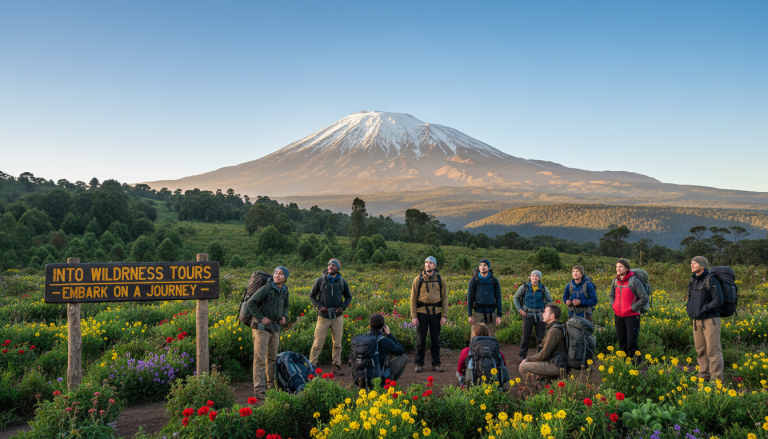
As we stand at the threshold of this majestic journey, the snow-capped peak of Kilimanjaro beckons us to embark on an unforgettable adventure. The highest summit in Africa, Kilimanjaro is a challenge that tests our resolve, pushes our limits, and rewards us with breathtaking vistas.
To conquer this mighty mountain, we must first prepare ourselves through rigorous Kilimanjaro climb training. This is not just a physical challenge, but a mental and emotional journey that requires careful preparation and a deep understanding of the mountain’s rhythms and nuances.
As we begin our journey, we are filled with a sense of wonder and awe at the majesty of Kilimanjaro. With the right training for climbing Kilimanjaro, we can unlock the secrets of this ancient mountain and experience the transformative power of the wilderness.
Key Takeaways
- Proper training is essential for a successful Kilimanjaro climb.
- Physical, mental, and emotional preparation are crucial for the challenge.
- Understanding the mountain’s rhythms and nuances is vital.
- The right training can unlock the secrets of Kilimanjaro.
- The experience offers a transformative power that goes beyond the climb itself.
The Majestic Challenge of Mount Kilimanjaro
As we stand at the foot of Mount Kilimanjaro, Africa’s highest peak, we’re met with a majestic challenge that beckons adventurers from around the world. This dormant volcano, rising majestically above the Tanzanian plains, is not just a mountain – it’s an experience that encompasses diverse ecosystems, breathtaking landscapes, and a journey of personal discovery.
Africa’s Highest Peak: What Makes Kilimanjaro Special
Kilimanjaro’s uniqueness lies in its geographic and climatic diversity. The mountain is home to five distinct ecological zones, each with its own flora and fauna.
Geographic and Climatic Uniqueness
The climb begins in the lush rainforests, gradually transitioning through moorland, alpine desert, and finally, the arctic summit. This diverse range of ecosystems is a result of Kilimanjaro’s unique geography and climate.
The Five Distinct Ecological Zones
| Ecological Zone | Characteristics | Altitude Range |
|---|---|---|
| Rainforest | Lush vegetation, high humidity | 1,800 – 2,800 meters |
| Moorland | Heath and moorland vegetation | 2,800 – 4,000 meters |
| Alpine Desert | Harsh, dry conditions | 4,000 – 5,000 meters |
Why Proper Training Is Essential for Success
Proper training is crucial for a successful Kilimanjaro climb. The correlation between fitness levels and summit success rates is significant.
Summit Success Rates and Fitness Correlation
Climbers who are physically prepared have a higher success rate in reaching the summit. Training for climbing Kilimanjaro enhances not only physical readiness but also mental resilience.
Physical and Mental Benefits of Preparation
Preparation for the climb improves cardiovascular health, strengthens muscles, and boosts mental toughness. As we prepare for this majestic challenge, we build resilience and confidence.

Understanding the Physical Demands of Climbing Kilimanjaro
Kilimanjaro’s towering height and varied terrain present a unique set of physical challenges that climbers must be prepared for. As we embark on this adventure, it’s essential to understand the physical demands that lie ahead.
Altitude Challenges and Their Effects on the Body
One of the most significant physical challenges of climbing Kilimanjaro is the altitude. As climbers ascend, the air pressure decreases, leading to lower oxygen levels.
Oxygen Levels at Different Elevations
At higher elevations, the oxygen levels in the air decrease significantly. For instance, at Kilimanjaro’s summit, Uhuru Peak (5,895 meters), the oxygen level is approximately 40% of that at sea level.
Common Altitude-Related Symptoms
- Headaches
- Fatigue
- Nausea
- Dizziness
Terrain Variations Across Different Routes
Kilimanjaro offers several climbing routes, each with its unique terrain challenges.
Rocky Paths, Scree Fields, and Forest Trails
Climbers will encounter a variety of terrains, from rocky paths and scree fields to forest trails. Each terrain type demands different levels of agility, balance, and endurance.

Duration and Daily Hiking Requirements
The duration of the climb and daily hiking requirements vary depending on the chosen route.
Average Hours of Trekking Per Day
Typically, climbers can expect to hike between 5 to 7 hours per day, though this can vary based on the route and individual pace.
Summit Day Demands
Summit day is particularly demanding, often requiring 12-15 hours of trekking. Climbers must be prepared for the physical strain and potential altitude-related issues.
Assessing Your Current Fitness Level
The journey to Kilimanjaro’s peak begins with a honest evaluation of our physical preparedness. As we stand at the foot of this majestic mountain, we must first measure our strength, endurance, and overall health to ensure a successful climb.
Self-Evaluation Tests for Prospective Climbers
To gauge our readiness, we can perform simple self-evaluation tests. These assessments will help us understand our current fitness level and identify areas that need improvement.
Endurance Benchmarks to Aim For
Endurance is critical for the Kilimanjaro climb. We can test our endurance by:
- Walking briskly for 30 minutes without rest
- Hiking with a loaded backpack (approximately 20 lbs) for 2 hours
- Completing a 3-mile run or jog without excessive strain
Strength Assessment Guidelines
Strength is equally important, particularly in our legs and core. We can assess our strength by:
- Performing squats, lunges, and step-ups to evaluate leg strength
- Completing push-ups and planks to assess core stability
- Lifting weights or carrying heavy objects to gauge overall muscular endurance
When to Consult a Healthcare Professional
Before embarking on any strenuous training program, it’s essential to consult with a healthcare professional, especially if we have pre-existing medical conditions.
Pre-Existing Conditions and Clearance
If we have any health concerns, such as heart conditions, diabetes, or respiratory issues, we must obtain clearance from our doctor. This ensures that we’re healthy enough for the climb and helps prevent potential risks.
| Pre-Existing Condition | Clearance Required | Additional Precautions |
|---|---|---|
| Heart Conditions | Yes | Monitor blood pressure, avoid high-altitude stress |
| Diabetes | Yes | Manage blood sugar levels, adjust insulin dosage as needed |
| Respiratory Issues | Yes | Use inhalers as prescribed, avoid high-pollen areas |
Setting Realistic Goals Based on Your Starting Point
Once we’ve assessed our fitness level and consulted with a healthcare professional, we can set realistic goals for our training.
Beginner vs. Intermediate vs. Advanced Training Plans
Our training plan should be tailored to our current fitness level:
- Beginners: Start with 3-4 months of gentle training, gradually increasing intensity
- Intermediate: Begin with 2-3 months of moderate training, focusing on endurance and strength
- Advanced: Focus on fine-tuning skills and building mental resilience over 1-2 months

Creating a Comprehensive Training for Climbing Kilimanjaro
The path to Kilimanjaro’s summit is paved with preparation, and a 6-month training timeline is our roadmap to success. As we embark on this journey, it’s crucial to understand that a comprehensive training plan is not just about physical conditioning but also about mental preparation and logistical readiness.
6-Month Training Timeline Breakdown
A well-structured training plan is divided into phases, each with its unique focus and intensity. Here’s how we can break down the 6 months:
Months 1-2: Building Base Fitness
During the initial two months, we focus on building a solid foundation of cardiovascular fitness, muscular strength, and endurance. This involves regular aerobic exercises, strength training, and flexibility workouts.
Months 3-4: Increasing Intensity and Specificity
As we progress, the intensity of our workouts increases. We incorporate more specific training like hill sprints, long walks on uneven terrain, and strength training focused on the legs and core.
Months 5-6: Peak Training and Tapering
The final months are crucial. We reach peak training intensity and then gradually taper off to allow our bodies to recover and be at their best for the climb.
Balancing Different Types of Exercise
A balanced training regimen includes cardiovascular exercises, strength training, and flexibility workouts. Here’s a sample weekly training schedule template:
- Monday: Cardiovascular training (e.g., running or cycling)
- Tuesday: Strength training (focusing on legs and core)
- Wednesday: Rest or active recovery (e.g., yoga)
- Thursday: Cardiovascular training
- Friday: Strength training
- Saturday: Long hike or walk on uneven terrain
- Sunday: Rest or active recovery

Tracking Progress and Adjusting Your Plan
It’s essential to monitor our progress and adjust the training plan as needed. Utilizing useful apps and tools can help track workouts, monitor heart rate, and log mileage.
Useful Apps and Tools for Monitoring Improvement
Some recommended tools include fitness trackers like Garmin or Fitbit, and apps like Strava or MyFitnessPal for logging workouts and nutrition.
By following this structured approach and staying committed, we can ensure that we’re not just prepared but truly ready to conquer Kilimanjaro.
Cardiovascular Training Essentials
The path to Kilimanjaro’s summit is paved with cardiovascular endurance. As we prepare for this majestic challenge, it’s crucial to focus on building our heart’s capacity to support the rigorous demands of high-altitude climbing.
Long-Distance Walking and Hiking Workouts
Long-distance walking is a fundamental component of cardiovascular training for Kilimanjaro. It’s not just about the distance; it’s about building resilience and stamina.
Progressive Distance Building Plan
A progressive plan involves gradually increasing your walking distance over time. Start with manageable distances and incrementally add more miles each week.
- Begin with 3 miles and increase by 1 mile each week.
- Incorporate varied terrain to simulate mountain conditions.
Adding Weight to Simulate Backpack Carrying
To simulate the weight of your backpack, incorporate additional weight into your training walks. This can be achieved using a weighted vest or a backpack loaded with the gear you’ll be carrying on Kilimanjaro.
“The journey of a thousand miles begins with a single step.” – Lao Tzu
Running and Jogging Programs
Running and jogging are excellent ways to improve cardiovascular fitness. These activities not only enhance heart health but also increase your overall endurance.
Interval Training for Uphill Sections
Interval training involves alternating between periods of high-intensity running and active recovery. This type of training is particularly effective for simulating the uphill sections you’ll encounter on Kilimanjaro.

Stair Climbing and Incline Training
Stair climbing and incline training are crucial for building the specific strength and endurance needed for Kilimanjaro’s steep ascents.
Urban Training Options for Flat-Area Residents
For those living in flat areas, stair climbing offers an excellent alternative. Many cities have stairwells or outdoor staircases that can be used for training.
Treadmill Incline Workouts
Treadmill incline workouts provide a controlled environment to simulate uphill climbing. Adjust the incline to challenge yourself and monitor your progress.
Strength Training for Mountain Terrain
Strength training is the backbone of any successful Kilimanjaro climb, enabling climbers to overcome the mountain’s challenging terrain. As we prepare to ascend Africa’s highest peak, it’s essential to focus on exercises that enhance our overall strength, particularly in the lower body, core, and upper body.
Lower Body Exercises for Uphill Climbing
The lower body bears the brunt of uphill climbing on Kilimanjaro. To build resilience and power, we incorporate specific exercises into our training regimen.
Squat and Lunge Variations
Squats and lunges are foundational exercises that target the quadriceps, hamstrings, and glutes. Variations such as sumo squats and walking lunges add diversity and challenge to our workouts.
Calf and Ankle Strengthening
Strong calf and ankle muscles are crucial for navigating uneven terrain and preventing injuries. Exercises like calf raises and ankle circles are vital components of our strength training.
Core Strength for Stability and Balance
A strong core is essential for maintaining stability and balance on the mountain’s rugged paths. Core exercises help us stay upright and confident.
Essential Core Exercises for Hikers
Planks, Russian twists, and leg raises are among the core exercises that hikers can incorporate into their training. These exercises improve overall core strength and resilience.
Upper Body Training for Trekking Poles and Backpacks
While the lower body and core are critical, upper body strength is also necessary, especially when using trekking poles and carrying backpacks.
Shoulder and Back Exercises
Exercises like shoulder presses and rows help build the strength needed to manage trekking poles effectively. Additionally, they support the back muscles used in carrying packs.
Grip Strength Development
Grip strength is vital for maintaining a secure hold on trekking poles. Exercises such as grip strengthening with towels or grip trainers can significantly improve overall grip strength.

Endurance Building Strategies
Our journey to Kilimanjaro’s peak is a test of endurance, one that requires careful preparation and dedication. As we embark on this adventure, it’s essential to understand the strategies that will help us build the stamina needed for the climb.
Long Training Sessions vs. Back-to-Back Days
When it comes to building endurance, two effective approaches are long training sessions and back-to-back days. Long training sessions involve dedicating a significant block of time to continuous activity, simulating the prolonged effort required on Kilimanjaro.
Weekend Training Plans for Working Professionals
For those with busy schedules, weekend training plans can be particularly effective. By focusing intense training on weekends, working professionals can still make significant gains in endurance.
Gradually Increasing Duration and Intensity
A key principle in endurance building is the gradual increase in duration and intensity of training. This is where the 10% rule comes into play, advising us not to increase our weekly training load by more than 10%.
The 10% Rule for Safe Progression
Following the 10% rule allows for safe progression, minimizing the risk of overtraining and injury. It’s a guideline that helps us push our limits without overstepping.
Recovery Techniques for Endurance Athletes
Recovery is as crucial as training when it comes to building endurance. Techniques such as active recovery and optimizing sleep play vital roles in allowing our bodies to adapt to the demands we place upon them.
Active Recovery vs. Complete Rest Days
While complete rest days are important, active recovery techniques such as light jogging, cycling, or yoga can aid in the recovery process by promoting blood flow.
Sleep Optimization for Training Recovery
Sleep optimization is critical for recovery, as it’s during sleep that our bodies repair and adapt. Ensuring we get adequate, quality sleep is essential for endurance athletes.

Altitude Preparation Techniques
The journey to Kilimanjaro’s peak demands more than just physical strength; it requires careful altitude acclimatization. As climbers ascend to higher elevations, the air pressure decreases, and oxygen levels drop, challenging the body’s ability to adapt.
Training at Elevation When Possible
One of the most effective ways to prepare for Kilimanjaro’s high altitude is to train at elevation. This allows the body to acclimate to lower oxygen levels, reducing the risk of altitude sickness.
Finding Local High Points for Practice
For those living far from mountainous regions, finding local high points can be a practical alternative. Even smaller elevations can provide some acclimatization benefits.
Altitude Simulation Methods
Not everyone has access to high-altitude training locations. Fortunately, there are simulation methods available, such as hypoxic training masks that mimic high-altitude conditions.
Hypoxic Training Options and Limitations
Hypoxic training can be beneficial, but it’s essential to understand its limitations. While it can improve cardiovascular performance, it may not fully replicate the effects of actual high-altitude exposure.
Breathing Exercises to Improve Oxygen Efficiency
Breathing exercises are another critical component of altitude preparation. Techniques such as diaphragmatic breathing can enhance oxygen efficiency, helping climbers make the most of the available oxygen.
Diaphragmatic Breathing Practice
Diaphragmatic breathing involves engaging the diaphragm to take deeper, more efficient breaths. Regular practice can improve lung capacity and overall respiratory function.
Breath Control During Exercise
Learning to control breathing during exercise is vital. This skill helps maintain a steady rhythm and conserves energy, both of which are crucial during the climb.

By incorporating these altitude preparation techniques into their training regimen, climbers can significantly enhance their chances of a successful summit. Whether through actual elevation training, simulation methods, or breathing exercises, preparation is key to conquering Kilimanjaro’s high altitudes.
Mental Conditioning for the Kilimanjaro Challenge
As we prepare to conquer Mount Kilimanjaro, mental conditioning becomes just as crucial as physical training. The climb is not just about reaching the summit; it’s about the journey and the personal growth that comes with it.
Building Mental Resilience Through Training
Building mental resilience is a process that parallels physical training. It involves pushing through discomfort and learning to manage fear and anxiety. Pushing through discomfort safely is a critical aspect of this process, as it teaches climbers to differentiate between pain that is a normal part of the process and pain that signals a potential problem.
Pushing Through Discomfort Safely
It’s essential to understand that discomfort is a part of the climbing experience. Techniques such as controlled breathing and positive self-talk can help manage this discomfort.
Visualization and Goal-Setting Practices
Visualization is a powerful tool that can help prepare climbers for the challenges they will face. By visualizing the climb and setting achievable goals, climbers can build confidence and mental toughness.
Creating Mental Checkpoints for the Climb
Breaking down the climb into smaller, manageable segments can make the task less daunting. Creating mental checkpoints helps climbers stay focused on the present moment.
Coping Strategies for Difficult Moments on the Mountain
Difficult moments are inevitable during the climb. Strategies such as mantras and positive self-talk can provide the mental boost needed to persevere.
Mantras and Positive Self-Talk
Using positive affirmations can help shift focus away from discomfort and toward the goal.
Team Support and Camaraderie
The support of fellow climbers and guides can be a significant morale booster. Fostering a sense of camaraderie can help make the challenging moments more manageable.

Nutrition Planning for Training and Climbing
The journey to Kilimanjaro’s summit is as much about fueling our bodies correctly as it is about physical training. A well-planned nutrition strategy is crucial for optimizing performance, enhancing recovery, and ensuring overall success during the climb.
Fueling Your Training Sessions Effectively
To maximize the effectiveness of our training sessions, it’s essential to focus on both pre-workout and recovery nutrition. Consuming a balanced meal or snack that includes complex carbohydrates, protein, and healthy fats before training helps provide sustained energy.
Pre-Workout and Recovery Nutrition
A pre-workout meal might include oatmeal with fruit and nuts, while a post-workout snack could be a mix of Greek yogurt, berries, and honey. This combination supports muscle repair and replenishes energy stores.
Caloric Needs During Intense Training Phases
During intense training phases, our caloric needs increase significantly. It’s vital to consume enough calories to support energy expenditure, with a focus on nutrient-dense foods that provide a balance of carbohydrates, proteins, and fats.
Hydration Strategies for High Altitude
Hydration is a critical aspect of both training and climbing at high altitudes. Adequate hydration helps prevent altitude sickness and maintains physical performance.
Electrolyte Balance and Supplementation
Maintaining electrolyte balance is crucial, especially during intense training and at high altitudes where electrolyte loss can be significant. Supplementing with electrolyte-rich drinks or tablets can help maintain this balance.
Dietary Adjustments in the Weeks Before Your Climb
In the weeks leading up to our Kilimanjaro climb, making specific dietary adjustments can significantly impact our performance. A carb-loading approach can help maximize energy stores.
Carb-Loading Approach for Mountain Energy
Carb-loading involves increasing the intake of complex carbohydrates in the days before the climb to maximize glycogen storage in muscles. This can provide a critical energy reserve during the climb.
Foods to Avoid Before and During Your Climb
It’s equally important to identify foods that should be avoided before and during the climb. Foods high in sugar, caffeine, and spicy or fatty foods can cause gastrointestinal discomfort and should be limited or avoided.
As we prepare for the challenge of Kilimanjaro, a thoughtful and well-executed nutrition plan is indispensable. By fueling our bodies effectively, staying hydrated, and making strategic dietary adjustments, we can optimize our performance and enhance our overall climbing experience.
Essential Gear for Training and Summit Day
To tackle the mighty Kilimanjaro, climbers must arm themselves with the right gear, from sturdy boots to versatile layering systems. The journey to the summit is not just about reaching the top; it’s about the preparation, the journey, and the gear that makes it all possible.
Training with the Boots and Pack You’ll Use on Kilimanjaro
Training with the boots and pack you plan to use on Kilimanjaro is crucial for a successful climb. This involves breaking in your hiking boots properly to prevent blisters and discomfort during the climb.
Breaking in Hiking Boots Properly
To break in your boots, start by wearing them on short walks and gradually increase the distance. This helps to mold the boots to your feet, reducing the risk of blisters.
Gradually Increasing Pack Weight
Similarly, it’s essential to gradually increase your pack weight during training. Start with a lightly loaded pack and progressively add weight to build up your strength and endurance.
Layering Systems for Variable Mountain Conditions
Kilimanjaro’s weather can be unpredictable, making a versatile layering system vital. This includes a base layer for moisture-wicking, a mid-layer for insulation, and an outer layer for protection against the elements.
Base, Mid, and Outer Layer Recommendations
- Base Layer: Choose moisture-wicking fabrics like merino wool or synthetic materials.
- Mid Layer: Opt for insulating materials such as fleece or down.
- Outer Layer: Select a waterproof and windproof jacket and pants.
Must-Have Equipment for Comfort and Safety
In addition to the right clothing, there are several pieces of equipment that are crucial for both comfort and safety on Kilimanjaro.
Personal First Aid and Blister Prevention
A personal first aid kit is essential, including items for blister prevention such as moleskin, blister pads, and antiseptic wipes.
Trekking Poles and Their Benefits
Trekking poles can provide stability and reduce strain on your knees, especially on steep descents. They are a valuable addition to your gear, enhancing both safety and comfort.
| Gear | Purpose |
|---|---|
| Hiking Boots | Support and Protection |
| Layering System | Adaptability to Weather Conditions |
| Trekking Poles | Stability and Reduced Strain |
Selecting the Right Kilimanjaro Route for Your Fitness Level
With several paths to the summit, we must carefully consider which Kilimanjaro route aligns with our fitness level. The journey to Uhuru Peak is as much about the path we choose as it is about our preparation.
Comparing Route Difficulty and Success Rates
Different routes up Kilimanjaro offer varying levels of challenge and success rates. The Marangu route, often called the “Coca-Cola route,” is considered one of the easier paths but has a lower success rate due to its quicker ascent. In contrast, the Machame route is more demanding but offers a higher success rate thanks to its better acclimatization profile.
Marangu vs. Machame vs. Lemosho Considerations
When deciding between routes like Marangu, Machame, and Lemosho, we must consider several factors, including terrain difficulty, altitude gain, and the number of days allocated for acclimatization. The Lemosho route, for instance, is longer and thus allows for better acclimatization, increasing our chances of a successful summit.
Duration Options and Acclimatization Profiles
The duration of our climb significantly impacts our acclimatization and, consequently, our success rate. Longer routes provide a more gradual ascent, reducing the risk of altitude sickness.
Benefits of Longer Routes for Acclimatization
Longer routes, such as Lemosho and Rongai, offer better acclimatization profiles. They allow our bodies to adjust to the high altitude more effectively, enhancing our chances of reaching the summit.
Matching Routes to Your Training Achievements
Our choice of route should be a reflection of our training achievements and physical conditioning. It’s crucial to conduct an honest assessment of our preparation level before making a decision.
Honest Assessment of Your Preparation Level
We must evaluate our fitness level realistically, considering our cardiovascular endurance, strength, and previous hiking experience. This self-assessment will guide us in selecting a route that matches our abilities, ensuring a safer and more enjoyable journey.
Final Preparation in the Month Before Your Climb
With just a month to go, our focus shifts to tapering our training, health checks, and perfecting our gear. This critical period is about fine-tuning our preparation to ensure we’re in top condition for the climb.
Tapering Your Training Appropriately
Tapering is a delicate balance between maintaining fitness and allowing our bodies to rest. It’s about reducing volume while keeping intensity high.
Reducing Volume While Maintaining Intensity
We gradually decrease our training volume by 20-30% while maintaining the intensity of our workouts. This ensures we’re not overexerted when we start our climb.
Health Checks and Vaccinations
It’s essential to undergo thorough health checks and ensure all vaccinations are up to date. Consult your doctor about any specific health concerns and required vaccinations for travel to Tanzania.
Required and Recommended Medical Preparations
Ensure you have all the necessary vaccinations, such as yellow fever, and discuss any health concerns with your doctor. “Prevention is better than cure” is particularly relevant here.
Packing Strategies and Final Gear Testing
Now’s the time to test our gear under realistic conditions and perfect our packing strategy. We need to ensure our gear is in good condition and that we’re familiar with its use.
Weight Distribution in Your Pack
Proper weight distribution is crucial for comfort and efficiency. Ensure your heaviest items are close to your back.
Day Pack vs. Porter-Carried Items
Decide what you’ll carry daily and what can be porter-carried. This decision affects your overall load and comfort during the climb.
As we stand at the threshold of this incredible journey, we must be thorough in our preparations. By tapering our training, ensuring our health, and perfecting our gear, we set ourselves up for a successful and enjoyable climb up Kilimanjaro.
Common Training Mistakes and How to Avoid Them
A successful Kilimanjaro climb begins with a thoughtful training strategy that avoids common errors. As we prepare for this majestic challenge, understanding the pitfalls that can derail our progress is crucial.
Overtraining Risks and Warning Signs
Overtraining can lead to fatigue, decreased performance, and increased risk of injury. Recognizing the symptoms of training fatigue is essential to avoid burnout.
Recognizing Symptoms of Training Fatigue
Symptoms include persistent muscle soreness, decreased motivation, and changes in appetite or sleep patterns. Being aware of these signs allows us to adjust our training plan accordingly.
Neglecting Key Aspects of Preparation
A balanced training plan is vital for complete readiness. This includes cardiovascular training, strength building, and mental preparation.
Balanced Training for Complete Readiness
By incorporating a variety of training methods, we can ensure we’re prepared for the demands of Kilimanjaro.
Balancing Training with Recovery
Recovery is as important as training. Injury prevention strategies and knowing when to seek professional help are crucial for a successful climb.
Injury Prevention Strategies
Incorporating rest days and cross-training can help prevent overuse injuries.
When to Seek Professional Help
If you’re experiencing persistent pain or discomfort, it’s essential to consult with a healthcare professional.
Conclusion: From Training Ground to Uhuru Peak
As we stand at the threshold of this incredible journey, the majestic silhouette of Kilimanjaro beckons us to embark on a transformative adventure. The Kilimanjaro climb is more than a physical challenge; it’s a spiritual odyssey that bridges the modern world with the ancient wilderness of Tanzania.
A well-structured training program is the foundation upon which this journey is built. It’s the key to unlocking our potential, allowing us to ascend to the rooftop of Africa – the snow-capped summit of Uhuru Peak. Through dedication and perseverance, we transform our bodies and minds, preparing ourselves for the trials and triumphs that lie ahead.
As we conclude this journey through preparation, we invite you to join us on this unforgettable odyssey. Let the rhythms of Africa guide you, and may the majesty of Kilimanjaro inspire you to reach new heights. With every step, we draw closer to the heart of Tanzania, and to the essence of our own humanity.