
As we embark on this extraordinary adventure to the Roof of Africa, we invite you to join us in exploring the majestic Mount Kilimanjaro, a peak that stands tall as Africa’s highest point.
With its snow-capped summit and diverse ecological zones, Kilimanjaro is more than just a mountain; it’s an adventure that beckons the brave and the curious. We will guide you through the preparation, the climb, and the experiences that make summiting Kilimanjaro a once-in-a-lifetime journey.
Key Takeaways
- Discover the majestic beauty of Mount Kilimanjaro
- Experience the diverse ecological zones of the mountain
- Prepare for a once-in-a-lifetime adventure to the Roof of Africa
- Join a community of travelers and local guides on this extraordinary journey
- Explore the rich cultural heritage surrounding Kilimanjaro
The Majestic Mount Kilimanjaro: Africa’s Highest Peak
Rising majestically above the Tanzanian plains, Mount Kilimanjaro stands as a testament to nature’s grandeur. At 19,341 feet, it is Africa’s highest peak, a dormant volcano that has captivated the imagination of adventurers and travelers alike for centuries.
Geographical Location and Significance
Mount Kilimanjaro is located in the Kilimanjaro National Park, Tanzania. Its geographical significance extends beyond its height; the mountain is home to diverse ecosystems, ranging from the lush rainforest at its base to the alpine desert closer to the summit. This diversity supports a wide range of flora and fauna, making it a unique location for scientific study and exploration.

The Allure of the “Roof of Africa”
The allure of Kilimanjaro lies in its majestic presence and the challenge it poses to those who attempt to reach its summit. Known as the “Roof of Africa,” it is a symbol of adventure and perseverance. Climbers are drawn to its snow-capped peak and the sense of accomplishment that comes with standing at the highest point in Africa.
| Ecosystem | Altitude Range | Characteristics |
|---|---|---|
| Rainforest | 800-2,800 meters | Lush vegetation, diverse wildlife |
| Moorland | 2,800-4,000 meters | Heath and moorland vegetation |
| Alpine Desert | 4,000-5,000 meters | Sparse vegetation, rocky terrain |
Why Summiting Kilimanjaro Attracts Thousands Annually
Kilimanjaro stands as a beacon for adventurers worldwide, drawing thousands to its majestic slopes each year. The mountain’s broad appeal can be attributed to several factors that make it an unforgettable experience.
A Non-Technical Climb Accessible to Many
One of the primary reasons Kilimanjaro attracts so many is that it is a non-technical climb, meaning that climbers do not need specialized climbing skills or equipment. This accessibility opens the door to a wide range of adventurers, from seasoned hikers to those looking to challenge themselves for the first time.
The Unique Five Ecological Zones
Kilimanjaro is renowned for its five distinct ecological zones, each with its unique flora and fauna. Climbers traverse through these zones, experiencing a diverse range of climates and landscapes, from the lush rainforest at the base to the alpine desert and finally, the arctic conditions near the summit.

As climbers ascend, they witness dramatic changes in the environment, a journey that is both physically demanding and visually stunning. “The varied landscapes of Kilimanjaro offer a journey through different worlds, each with its own beauty and challenges,” as many climbers have noted.
Cultural and Historical Significance
Beyond its natural beauty, Kilimanjaro holds deep cultural and historical significance. For the local Chagga people, the mountain is a sacred site, imbued with spiritual meaning and ancestral heritage. Climbers have the opportunity to engage with local guides and porters, learning about the traditions and stories that surround the mountain.
This blend of adventure, natural wonder, and cultural richness makes summiting Kilimanjaro a truly unique experience, attracting thousands who seek not just to conquer a mountain, but to connect with the land and its people on a profound level.
How to Prepare for Kilimanjaro: A Comprehensive Guide
The ascent of Kilimanjaro demands a comprehensive preparation plan, weaving together physical conditioning, medical readiness, and logistical arrangements. As we guide you through these preparations, we share practical tips and insights to help you navigate the challenges of climbing Kilimanjaro.

Timeline for Physical and Mental Preparation
A well-structured timeline is crucial for building the necessary endurance and stamina for the climb. We recommend starting your physical training at least 3-4 months in advance. This period allows for gradual improvement in cardiovascular health, muscular strength, and mental resilience.
Begin with moderate-intensity workouts such as brisk walking, jogging, or cycling, and gradually increase the intensity and duration. Incorporating strength training exercises will also be beneficial, particularly for the legs and core.
Medical Check-ups and Vaccinations
Before embarking on your Kilimanjaro adventure, it’s essential to undergo thorough medical check-ups to ensure you’re fit for high-altitude climbing. Consult with your healthcare provider about any pre-existing conditions and get advice on managing altitude sickness.
Vaccinations are another critical aspect of preparation. Ensure you’re up-to-date with all routine vaccinations and consider additional vaccinations such as Hepatitis A and Typhoid, depending on your travel history and health status.
Travel Insurance and Emergency Planning
Travel insurance that covers emergency evacuations is a must for Kilimanjaro climbers. Look for policies that include coverage for medical emergencies, trip cancellations, and evacuations. It’s also wise to have a contingency plan in place, including access to emergency funds and knowing the contact details of your country’s embassy or consulate in Tanzania.
By meticulously preparing for your Kilimanjaro expedition, you’ll not only enhance your safety and success but also enrich your overall experience. Remember, the journey to the summit is as significant as the achievement itself.
Physical Training Regimen for Kilimanjaro Success
The journey to Kilimanjaro’s summit demands not just mental toughness, but a body conditioned through dedicated physical training. As we prepare to conquer Africa’s highest peak, a well-structured training regimen is crucial for building the necessary endurance and strength.
Cardiovascular and Endurance Training
Cardiovascular exercises such as running, cycling, or swimming are essential for improving heart health and increasing stamina. We recommend at least 30 minutes of moderate-intensity cardio, three to four times a week, to enhance endurance. Incorporating interval training can further boost cardiovascular fitness.
Strength and Hiking-Specific Exercises
Strength training is vital, particularly for the legs, to support the demands of hiking with a heavy pack. Squats, lunges, and leg presses are effective exercises. Additionally, hiking-specific training such as incline walking with a weighted backpack can simulate the climb and prepare muscles for the challenge.

Practice Hikes and Altitude Exposure
Practice hikes at high altitudes are crucial for acclimatizing the body to lower oxygen levels, thereby reducing the risk of altitude sickness. Gradually increasing the intensity and duration of hikes during training will better prepare climbers for the Kilimanjaro ascent.
| Training Component | Recommended Exercises | Frequency |
|---|---|---|
| Cardiovascular Endurance | Running, Cycling, Swimming | 3-4 times a week |
| Strength Training | Squats, Lunges, Leg Press | 2-3 times a week |
| Hiking-Specific Training | Incline Walking, Weighted Backpack | Once a week |
By incorporating these elements into a comprehensive training plan, climbers can significantly enhance their chances of a successful Kilimanjaro summit. Remember, the key to success lies in consistent and gradual preparation.
Essential Gear and Equipment Checklist
As we prepare to embark on the journey to the roof of Africa, it’s crucial to assemble the right gear for a successful Kilimanjaro expedition.
Clothing Layers for Varying Climates
The climate on Kilimanjaro varies significantly from the base to the summit. Layered clothing is essential to manage these varying climates. Start with a base layer of moisture-wicking fabrics, add insulating layers such as fleece or down, and finish with a waterproof and windproof outer layer.
Footwear and Trekking Equipment
Sturdy, waterproof hiking boots are a must for navigating Kilimanjaro’s challenging terrain. Additionally, trekking poles can provide stability and reduce strain on your knees during the ascent and descent.

Sleeping and Personal Care Items
A good quality sleeping bag rated for cold temperatures is vital for comfort during the cold nights at high altitudes. Personal care items such as biodegradable soap, toothbrush, and wet wipes are also essential.
Technology and Documentation
GPS devices and altimeters can be invaluable for navigation and tracking your ascent. Don’t forget your camera to capture the breathtaking views, and ensure you have all necessary documentation, including permits and insurance information.
| Category | Essential Items |
|---|---|
| Clothing | Moisture-wicking base layers, insulating layers, waterproof outer layer |
| Footwear and Trekking | Hiking boots, trekking poles |
| Sleeping and Personal Care | Sleeping bag, biodegradable soap, toothbrush, wet wipes |
| Technology and Documentation | GPS devices, altimeters, camera, permits, insurance information |
Choosing Your Route: The 7 Paths to the Summit
The ascent to Kilimanjaro’s summit is a journey that begins with choosing one of the seven available routes, each offering a unique experience. As we stand at the threshold of this adventure, we are met with a decision that will shape our entire climb: which path will we take to reach the roof of Africa?

Marangu Route: The “Coca-Cola” Path
The Marangu Route, often referred to as the “Coca-Cola” route, is one of the most popular paths to the summit. It’s considered one of the easier routes due to its gradual slope, but this also means it’s one of the more crowded paths. The route offers comfortable accommodations in the form of huts, making it a favorite among those who prefer a more structured climb.
Machame Route: The Scenic “Whiskey” Route
In contrast, the Machame Route, nicknamed the “Whiskey” route, is known for its stunning scenery and higher success rate, despite being more challenging. This route is favored by those who seek a more rugged experience and are willing to push through the difficulties for the sake of breathtaking views.
Lemosho, Rongai, and Northern Circuit Options
Beyond these two popular routes, Kilimanjaro offers several other paths, each with its unique characteristics. The Lemosho Route is known for its scenic beauty and high success rate due to its gradual ascent. The Rongai Route approaches from the north and is less crowded, offering a more remote experience. The Northern Circuit is the longest route, providing ample time for acclimatization and stunning views of the mountain’s lesser-seen aspects.
Comparing Success Rates and Difficulty Levels
When choosing a route, it’s crucial to consider both the success rates and the difficulty levels. While the Marangu Route may be easier in terms of terrain, its success rate is lower due to the quicker ascent. On the other hand, routes like Lemosho and Machame offer a better balance between difficulty and acclimatization, leading to higher success rates. At Into Wilderness Tours, we can guide you in selecting the route that best fits your abilities and preferences, ensuring a safe and fulfilling journey to the summit.
As we ponder the paths to Kilimanjaro’s summit, we are reminded that the journey is just as important as the destination. The choice of route is not just about reaching the top; it’s about the experiences we have along the way, the challenges we overcome, and the beauty we witness.
Best Time to Climb Kilimanjaro: Seasonal Considerations
The majestic Kilimanjaro, Africa’s highest peak, beckons adventurers to consider the best time for their climb. The mountain’s climate is characterized by distinct wet and dry seasons, which significantly impact the climbing conditions.
Dry Seasons: January-March and June-October
The dry seasons, spanning from January to March and June to October, are considered the best times to climb Kilimanjaro. During these periods, the weather is generally more stable, and the risk of rain is lower, making the trails less slippery and more navigable.
Weather Patterns and Temperature Variations
Kilimanjaro’s climate varies dramatically with altitude. As climbers ascend, temperatures drop significantly, and weather conditions can change rapidly. Understanding these patterns is crucial for preparing the right gear and anticipating potential challenges.
Crowd Levels and Booking Considerations
While the dry seasons offer the most favorable climbing conditions, they are also the peak tourist seasons, resulting in larger crowds on the mountain. Climbers should plan ahead and book their tours well in advance to ensure availability.
| Season | Weather Conditions | Crowd Levels |
|---|---|---|
| January-March | Dry, stable | Moderate |
| June-October | Dry, cooler mornings and evenings | High |
| April-May & November-December | Wet, rainy | Low |

Understanding Altitude Sickness and Health Precautions
As we ascend to the majestic heights of Kilimanjaro, understanding altitude sickness becomes crucial for a safe and successful climb. At high elevations, the air pressure is lower, and oxygen levels decrease, which can lead to a condition known as Acute Mountain Sickness (AMS).
Symptoms and Prevention of AMS
The symptoms of AMS can range from mild to severe and include headaches, nausea, fatigue, and dizziness. Prevention is key, and this begins with a gradual ascent, allowing the body to acclimatize to the higher elevations. Climbing “pole pole” (slowly, slowly) is not just a recommendation; it’s a necessity for preventing AMS.
Recognizing the symptoms early is vital. If symptoms persist or worsen, it’s crucial to descend to a lower altitude immediately. Our guides are trained to recognize the signs of AMS and will assist in making decisions regarding your safety.
Medications and Medical Preparations
Certain medications, such as Diamox (acetazolamide), can help alleviate the symptoms of AMS. However, it’s essential to consult with a healthcare professional before taking any medication. Additionally, being in good physical health and having the necessary vaccinations are critical for a safe climb.
| Medication | Purpose | Precautions |
|---|---|---|
| Diamox (acetazolamide) | Relieves AMS symptoms | Consult a doctor; may have side effects |
| Ibuprofen | Pain relief, reduces headache | Use as directed; not for prevention |
The Importance of “Pole Pole” (Slowly, Slowly)
The principle of “pole pole” is fundamental to a successful climb. By ascending gradually, we allow our bodies to adapt to the decreasing oxygen levels, significantly reducing the risk of AMS. This approach may seem slow, but it’s a pace that ensures we can enjoy the journey while maintaining our health and safety.
Understanding and respecting the power of altitude is crucial. By combining gradual ascent with awareness of our bodies and the necessary precautions, we can mitigate the risks associated with climbing Kilimanjaro.
Costs and Logistics: Planning Your Kilimanjaro Expedition
The adventure of a lifetime to Kilimanjaro’s summit comes with significant expenses and logistical considerations that demand careful attention. As you prepare for this monumental journey, understanding the financial and operational aspects is crucial for a successful and enjoyable experience.
Permits and Park Fees
A substantial portion of your Kilimanjaro costs will be attributed to permits and park fees, which are essential for conservation efforts and maintaining the infrastructure within the Kilimanjaro National Park. These fees vary depending on the route you choose and the duration of your climb. For instance, climbing via the popular Marangu route incurs specific fees that are included in the overall cost. It’s essential to factor these expenses into your budget from the outset.

Guide Companies and Selection Criteria
Selecting a reputable guide company is a critical decision that impacts both the success of your climb and your overall experience. A reliable guide company provides experienced guides, logistical support, and enhances your safety on the mountain. When choosing a guide company, consider their reputation, safety record, and the services they offer. Look for companies that are certified and have positive reviews from past clients. Some of the top guide companies have years of experience and a deep understanding of the mountain, its conditions, and the local culture.
Additional Expenses and Budgeting Tips
Beyond permits and guide services, there are additional expenses to consider when planning your Kilimanjaro expedition. These include gear and equipment, travel insurance, vaccinations, and contingency funds for unexpected expenses. It’s wise to budget extra for tips for your guides and porters, who play a crucial role in your journey. Creating a detailed budget that accounts for all potential expenses will help you prepare financially and avoid surprises.
By carefully planning your Kilimanjaro expedition, including understanding the costs and logistics, you can ensure a well-prepared and enjoyable journey to the Roof of Africa.
The Experience of Summiting Kilimanjaro: Day-by-Day Journey
Summiting Kilimanjaro is a multi-day odyssey that transports us through varied ecological zones, each with its unique charm and challenges. As we ascend, the landscape transforms dramatically, presenting breathtaking vistas at every turn.
First Days: Rainforest and Moorland Zones
The initial days of our journey take us through the lush rainforest, where the air is thick with moisture and the canopy overhead filters the sunlight, creating a mystical ambiance. As we climb higher, the landscape shifts to the moorland zone, characterized by heath and moorland vegetation, with giant lobelias and groundsels dotting the terrain.
“The forest is a magic carpet that whisks us away to a world of wonder,” as we often say to our fellow trekkers. The sound of birds chirping and the rustling of leaves underfoot accompany us as we make our way through this enchanting zone.
Middle Trek: Alpine Desert and Highland Barrens
As we continue our ascent, we enter the stark and beautiful alpine desert, where the landscape becomes increasingly surreal. The rocky terrain stretches out before us, with nary a tree in sight, and the air grows thinner. Further up, we find ourselves in the highland barrens, an otherworldly landscape of volcanic rock and sparse vegetation.

Summit Night: The Final Push to Uhuru Peak
Summit night is the most challenging part of our journey, as we make a midnight ascent to reach Uhuru Peak at dawn. The darkness is punctuated by the glow of headlamps, and the cold is biting, but the determination to reach the summit drives us forward. As the first light of dawn breaks, we are rewarded with a breathtaking sunrise over the Tanzanian landscape.
“The stars shone brightly above us as we climbed, their light a reminder of the vastness of the universe and the insignificance of our own struggles.”
Descent and Recovery
The descent is a time for reflection and recovery, as we make our way back through the familiar landscapes, now bathed in a new light. We relive the memories of our journey, savoring the sense of accomplishment that comes with having stood on the roof of Africa.
As we conclude our day-by-day journey to the summit of Kilimanjaro, we carry with us not just the memories of breathtaking landscapes but also a deep sense of personal achievement and a newfound appreciation for the natural world.
The Cultural Experience: Guides, Porters, and Local Traditions
As we embark on the journey to summit Kilimanjaro, the cultural experience that accompanies us is as enriching as the climb itself. The guides and porters who support us on our ascent are not just crucial to our success; they are also the guardians of the local traditions and culture.
The Crucial Role of Your Support Team
Our guides and porters are the backbone of our Kilimanjaro expedition. They bring with them a wealth of knowledge about the mountain, its ecology, and the local culture. Their expertise ensures our safety and success on the mountain.
Chagga Culture and Local Communities
The Chagga people, who inhabit the slopes of Kilimanjaro, have a rich cultural heritage. Their traditions and way of life are deeply intertwined with the mountain. By engaging with our guides and porters, we gain insight into this vibrant culture.
Ethical Considerations and Fair Treatment
It is essential that we treat our guides and porters with the respect and fairness they deserve. This includes fair compensation and appreciation for their hard work. By doing so, we contribute positively to the local communities and support the local economy.
| Aspect | Importance | Impact |
|---|---|---|
| Guides’ Knowledge | High | Ensures safety and success |
| Porters’ Support | High | Carries essential gear |
| Fair Compensation | High | Supports local economy |
Wildlife and Natural Wonders on Kilimanjaro
As we ascend Kilimanjaro, we’re not just climbing a mountain; we’re traversing a kaleidoscope of ecosystems teeming with life. This journey through diverse ecological zones reveals a rich tapestry of natural wonders.
Flora Across the Ecological Zones
Kilimanjaro’s slopes are home to a variety of plant life, ranging from the lush rainforests at lower altitudes to the sparse, hardy vegetation of the alpine desert. As we climb, the landscape transforms, showcasing unique flora adapted to each zone.
- Rainforest zone: Towering trees, ferns, and orchids
- Moorland zone: Heather, giant lobelia, and tussock grasses
- Alpine desert: Hardy succulents and rocky outcrop vegetation
Animals and Birds You Might Encounter
The mountain is inhabited by a range of wildlife, from the tiny, iridescent sunbirds to larger mammals like the eland and the Klipspringer. While some animals are elusive, the diverse habitats support a surprising variety of species.
“The high altitude and varied habitats of Kilimanjaro create a unique sanctuary for a wide range of wildlife.”
Conservation Efforts and Environmental Concerns
Protecting Kilimanjaro’s delicate ecosystems is crucial. Conservation efforts focus on preserving habitats, managing human impact, and addressing climate change. Visitors play a vital role in supporting these initiatives through responsible tourism practices.
By understanding and respecting the natural world around us, we can help preserve Kilimanjaro’s beauty for generations to come.
Mental Challenges and How to Overcome Them
Conquering Kilimanjaro demands not just physical strength, but also mental fortitude to overcome the numerous challenges encountered along the way. As climbers ascend through the various ecological zones, the mental strain of high altitude, coupled with the physical exertion, can be overwhelming.
Psychological Preparation Strategies
Effective psychological preparation is crucial for tackling the mental challenges of Kilimanjaro. Techniques such as mindfulness and positive self-talk can significantly enhance a climber’s mental resilience. By focusing on the present moment and breaking down the climb into smaller, manageable goals, climbers can maintain a positive outlook even in the face of adversity.
Dealing with Discomfort and Fatigue
The climb is not just about reaching the summit; it’s about how one navigates the discomfort and fatigue that come with it. Climbers must learn to pace themselves, adopting a “pole pole” (slowly, slowly) approach to conserve energy and acclimatize to the altitude. Understanding that fatigue is a natural part of the journey can help climbers manage their expectations and push through difficult moments.
Maintaining Motivation During Difficult Moments
Maintaining motivation is perhaps the most significant mental challenge. The key lies in celebrating small victories along the way and reminding oneself of the reasons for undertaking this journey. Visualizing the sense of accomplishment upon reaching the summit can serve as a powerful motivator, helping climbers to persevere through the toughest sections of the climb.
By employing these strategies and maintaining a steadfast resolve, climbers can overcome the mental challenges of Kilimanjaro, ensuring a successful and fulfilling experience.
Capturing Your Achievement: Photography Tips for Kilimanjaro
Photography on Kilimanjaro allows us to freeze time, preserving the beauty and challenge of this incredible adventure. As we climb through diverse ecological zones, our cameras become essential tools for capturing the journey.
Camera Equipment Considerations
When preparing for Kilimanjaro, it’s crucial to pack the right camera equipment. We recommend bringing a DSLR or mirrorless camera with a good battery life, along with spare batteries and memory cards. A telephoto lens can help capture distant peaks, while a wide-angle lens is perfect for expansive landscapes.
Best Shooting Locations and Times
The best times for photography on Kilimanjaro are during the early morning and late afternoon when the light is soft and golden. Key locations include:
- The sunrise from the summit
- The alpine desert landscapes
- The lush rainforest
Preserving Batteries in Cold Conditions
Cold temperatures can quickly drain battery life. To preserve your batteries, keep them close to your body when not in use and consider using hand warmers. It’s also wise to bring portable power banks to keep your devices charged.
By being prepared with the right equipment and knowing the best times to shoot, we can capture the essence of our Kilimanjaro adventure, creating lasting memories of our journey to the Roof of Africa.
Beyond the Summit: Tanzania’s Other Attractions
Having conquered Africa’s highest peak, travelers can now immerse themselves in Tanzania’s rich tapestry of experiences. As we explore the regions beyond Kilimanjaro, you’ll discover a land of diverse beauty and cultural heritage.
Safari Options in Nearby National Parks
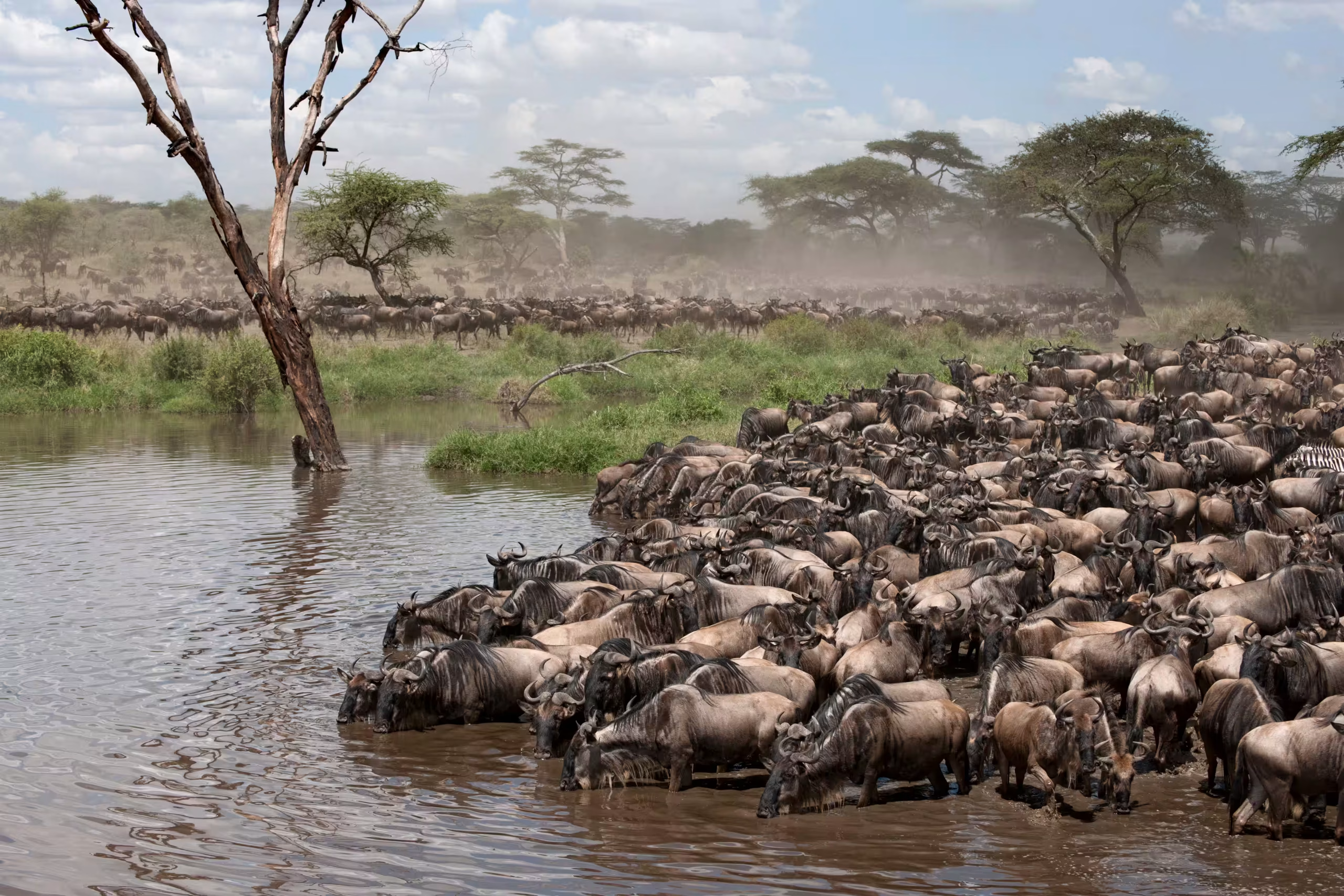
Tanzania is renowned for its incredible wildlife, and the national parks surrounding Kilimanjaro offer some of the best safari experiences in Africa. The Serengeti National Park is famous for its annual wildebeest migration, while the Ngorongoro Conservation Area is home to the majestic black rhinoceros. Visitors can enjoy guided safaris to witness the Big Five – lion, leopard, rhinoceros, elephant, and Cape buffalo – in their natural habitats.
| National Park | Main Attractions | Best Time to Visit |
|---|---|---|
| Serengeti | Wildebeest Migration, Big Five | June to October |
| Ngorongoro | Black Rhinoceros, Diverse Wildlife | Year-round |
| Tarangire | Large Elephant Herds, Baobab Trees | June to October |
Zanzibar and Coastal Relaxation
After the adventure on Kilimanjaro, unwind on the pristine beaches of Zanzibar, an archipelago off the coast of Tanzania. Known for its crystal-clear waters and white sandy beaches, Zanzibar is the perfect destination for relaxation. Explore the historic Stone Town, visit local markets, and enjoy the unique blend of African, Arab, and European cultures.
Creating the Perfect Post-Climb Itinerary
To make the most of your Tanzanian adventure, we recommend combining your Kilimanjaro climb with a safari and a relaxing stay in Zanzibar. Here’s a sample itinerary:
- Climb Kilimanjaro via the Machame Route
- Safari in the Serengeti or Ngorongoro
- Relax in Zanzibar for a few days
This blend of adventure, wildlife, and relaxation creates a well-rounded and unforgettable Tanzanian experience.
Conclusion: The Life-Changing Impact of Conquering Kilimanjaro
As we stand at the foot of this majestic mountain, we are reminded that conquering Kilimanjaro is more than just reaching the summit; it’s a journey that leaves an indelible mark on one’s life. The experience of climbing Africa’s highest peak fosters personal growth, resilience, and a deeper connection with nature.
The life-changing impact of this adventure is profound, transforming not just the individual but also their perspective on life. As we reflect on the transformative power of Kilimanjaro, we are encouraged to embark on this journey not just as a challenge, but as a path to self-discovery and enrichment.
Conquering Kilimanjaro is a testament to human endurance and the unrelenting spirit of adventure. We invite you to take on this journey, to immerse yourself in the natural beauty and cultural richness of Tanzania, and to experience the profound impact that conquering Kilimanjaro can have on your life.
FAQ
What is the best time to climb Kilimanjaro?
The best time to climb Kilimanjaro is during the dry seasons, from January to March and June to October, when the weather is more stable and the risk of rain is lower.
How do I prepare for Kilimanjaro?
Preparing for Kilimanjaro involves physical training, mental preparation, and logistical planning. A well-structured timeline is crucial for building the necessary endurance and stamina.
What are the symptoms of altitude sickness, and how can I prevent it?
Symptoms of altitude sickness include headaches, nausea, and fatigue. To prevent it, ascend gradually, following the “pole pole” (slowly, slowly) principle, and consider taking medications like Diamox.
What gear and equipment do I need for Kilimanjaro?
Essential gear includes layered clothing, sturdy footwear, trekking poles, sleeping bags, and personal care items. Technology such as GPS devices and cameras is also recommended.
How do I choose the right route to the summit?
Kilimanjaro offers seven distinct routes, each with its unique characteristics and challenges. Consider factors like scenic beauty, difficulty level, and success rate when choosing your route.
What are the costs associated with climbing Kilimanjaro?
Costs include permits, park fees, guide companies, gear, travel insurance, and contingency funds. Budgeting tips and advice on selecting a guide company can help you plan your expedition.
What is the cultural experience like on Kilimanjaro?
The cultural experience involves interacting with guides, porters, and local communities. It’s essential to treat the support staff fairly and respect local traditions.
What kind of wildlife and natural wonders can I expect on Kilimanjaro?
Kilimanjaro is home to diverse ecosystems, featuring unique plant species, animals, and birds. Conservation efforts are in place to protect this fragile environment.
How can I overcome the mental challenges of climbing Kilimanjaro?
Psychological preparation strategies, such as mindfulness, positive self-talk, and setting achievable goals, can help you cope with discomfort, fatigue, and mental strain.
What are the photography tips for capturing my Kilimanjaro experience?
Choose the right camera equipment, understand the best times for shooting, and know how to preserve battery life in cold conditions to capture stunning landscapes and memorable moments.