
As we step into Tanzania’s major cities, we are enveloped in a world where modernity and tradition blend in a vibrant tapestry. The urban landscape unfolds like a canvas of contrasts, where ancient rhythms meet contemporary dynamism.
We find ourselves drawn into the heart of these urban gems, where the air is alive with the sounds of a thriving metropolis. The scent of exotic spices wafts through the streets, mingling with the aroma of freshly brewed coffee, as the warmth of the African sun casts a golden glow over the bustling cityscape.
Together, let’s embark on a journey to discover the essence of Tanzania’s urban splendor, where every moment is a testament to the country’s rich cultural heritage and its people’s resilience and creativity.
Key Takeaways
- Discover the unique blend of modern and traditional elements in Tanzania’s major cities.
- Explore the vibrant urban landscape and its cultural significance.
- Experience the warmth and hospitality of the Tanzanian people.
- Uncover the hidden gems and secrets of Tanzania’s urban centers.
- Immerse yourself in the rich cultural heritage and history of the region.
The Urban Landscape of Tanzania
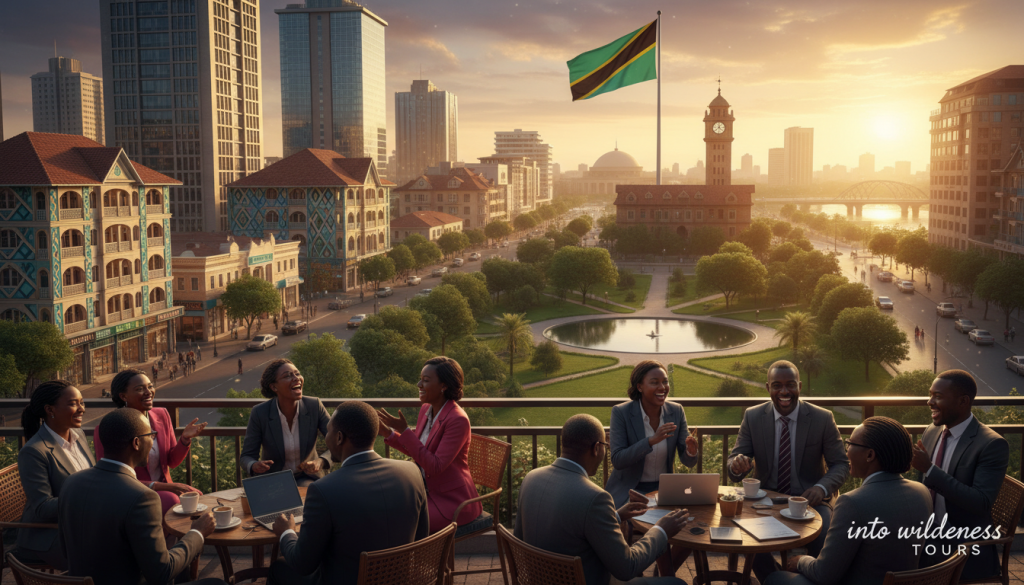
We find in Tanzania’s urban centers a dynamic interplay between historical roots and modern aspirations. As we delve into the urban landscape, we discover cities that are not only hubs of cultural and economic activity but also guardians of historical heritage.
Historical Development of Urban Centers
Tanzania’s urban centers have a rich historical background, with cities like Zanzibar and Dar es Salaam showcasing a blend of indigenous, Arab, and European influences. The historical development of these cities was shaped by trade, colonization, and cultural exchange. For instance, the Stone Town in Zanzibar is a UNESCO World Heritage Site, reflecting the city’s significance in the ancient trade routes. These historical layers continue to influence the identity and architecture of Tanzania’s urban areas.
Modern Urban Growth and Challenges
Today, Tanzania’s cities are experiencing rapid growth, driven by factors such as rural-urban migration and economic opportunities. This modern urban growth brings both opportunities and challenges. On one hand, cities like Dar es Salaam are becoming economic powerhouses, driving innovation and development. On the other hand, they face challenges such as infrastructure strain, environmental concerns, and social inequality. Balancing growth with sustainable development is crucial for the future of Tanzania’s urban landscape.
As Tanzania continues to urbanize, it’s essential to preserve the cultural heritage and historical significance of its cities while addressing the challenges of modern urban growth. This balance will ensure that Tanzania’s urban centers remain vibrant, inclusive, and sustainable.
Dar es Salaam: Tanzania’s Commercial Hub
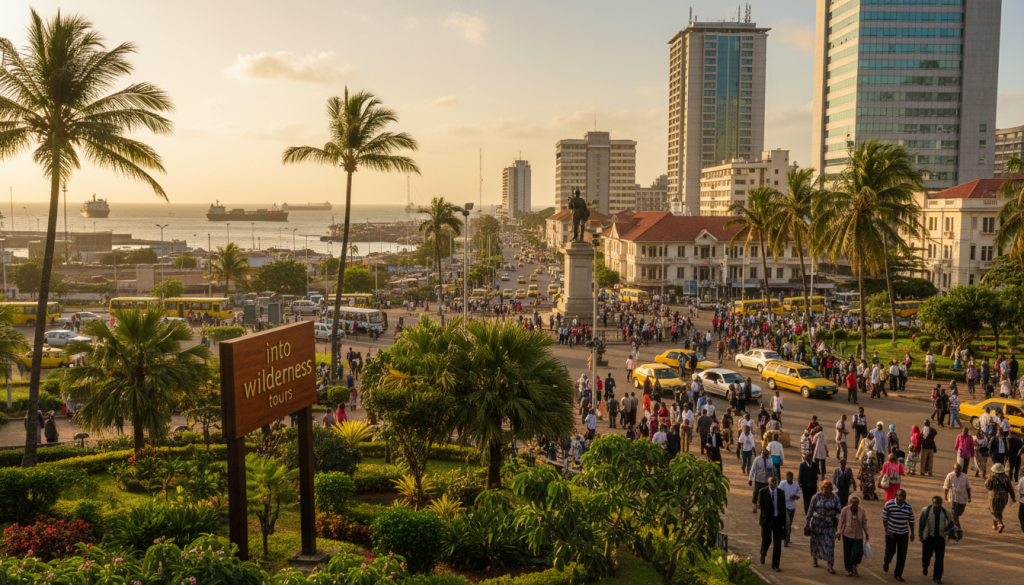
As we step into Dar es Salaam, Tanzania’s vibrant commercial hub, we’re immediately enveloped in a tapestry of cultural richness and economic vitality. This city, with its strategic location on the Indian Ocean, has been the cornerstone of Tanzania’s economic growth and a melting pot of cultures.
Historical Background and Evolution
Dar es Salaam’s history dates back to the 19th century when it was founded by the Sultan of Zanzibar. Initially, it was a small fishing village, but it quickly grew into a major commercial center due to its strategic port. The city’s historical background is a testament to its evolution from a colonial past to a thriving modern city.
Key Attractions and Cultural Sites
Dar es Salaam is not just about business; it’s also a city rich in culture and history. Visitors can explore several key attractions that showcase the city’s heritage.
National Museum and House of Culture
The National Museum and House of Culture is a must-visit, offering insights into Tanzania’s history, from prehistoric times to the present day. It houses a collection of artifacts, including those related to the country’s struggle for independence.
Kariakoo Market and Shopping Districts
Kariakoo Market is a bustling hub of activity where visitors can experience the local culture firsthand. The market offers a wide range of goods, from fresh produce to handicrafts. The surrounding shopping districts are also worth exploring for their unique blend of traditional and modern shopping experiences.
Beaches and Coastal Attractions
No visit to Dar es Salaam would be complete without enjoying its beautiful beaches and coastal attractions. From the serene beaches of Msasani to the vibrant atmosphere of the Slipway, there’s something for everyone. The city’s coastal area offers a mix of relaxation and entertainment, making it a perfect spot for both locals and tourists.
Business and Economic Significance
Dar es Salaam is the economic powerhouse of Tanzania, driving the country’s growth through its port and commercial activities. The city is home to various industries, including manufacturing, finance, and telecommunications, making it a crucial center for business and investment.
The city’s economic significance extends beyond its borders, playing a key role in regional trade and commerce. As Tanzania continues to grow and develop, Dar es Salaam remains at the forefront, a testament to its enduring importance as a commercial hub.
Dodoma: The Political Capital
Dodoma, the heart of Tanzania’s political landscape, beckons with its rich history and cultural heritage. As we explore this significant city, we uncover the layers of its transformation into the country’s political hub.
The Capital Transition Story
In 1974, Tanzania made a bold move by relocating its capital from Dar es Salaam to Dodoma, a decision that was both symbolic and strategic. This transition was not just about changing the seat of government; it was about redefining the nation’s identity and promoting more balanced development across the country.
Government and Administrative Centers
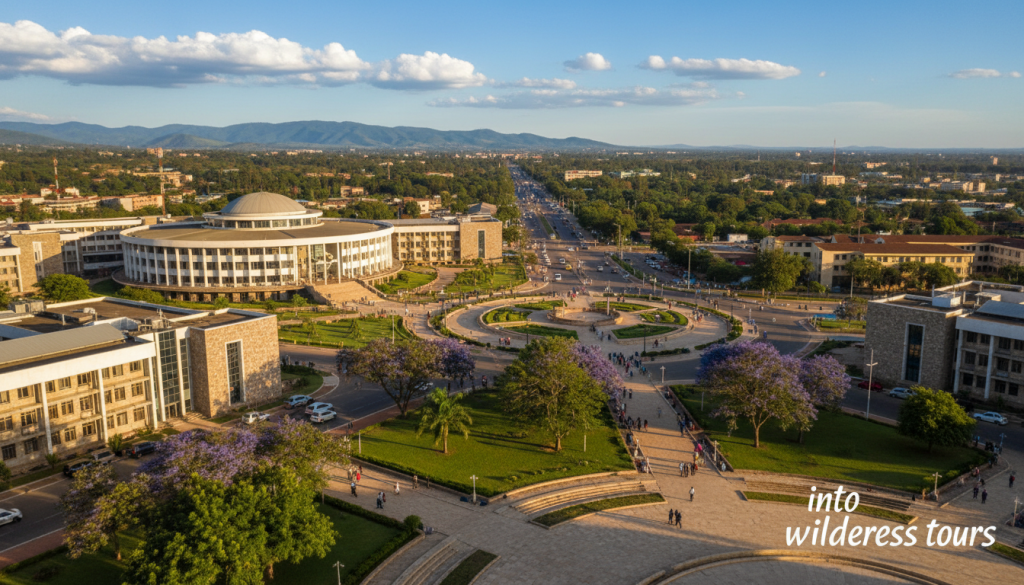
Dodoma is home to several key government and administrative centers, including the Nyerere Square and the Parliament Buildings. These structures are not only functional but also serve as architectural landmarks that reflect the city’s importance.
Local Culture and Attractions
Dodoma’s cultural landscape is as vibrant as it is diverse. The city offers a range of attractions that showcase its heritage and the warmth of its people.
Nyerere Square and Parliament Buildings
At the heart of Dodoma’s governmental precinct is the Nyerere Square, named after the nation’s founding father, Julius Nyerere. The square is surrounded by significant buildings, including the Parliament, which stands as a testament to the country’s democratic processes.
Dodoma Wine Industry
Dodoma is also known for its wine industry, with local vineyards producing a variety of wines. This industry not only contributes to the local economy but also offers visitors a taste of Dodoma’s agricultural prowess.
| Attraction | Description |
|---|---|
| Nyerere Square | A significant governmental and cultural landmark |
| Parliament Buildings | The seat of Tanzania’s legislative body |
| Dodoma Wine | Local wines produced in the region’s vineyards |
Arusha: Gateway to Safari Adventures
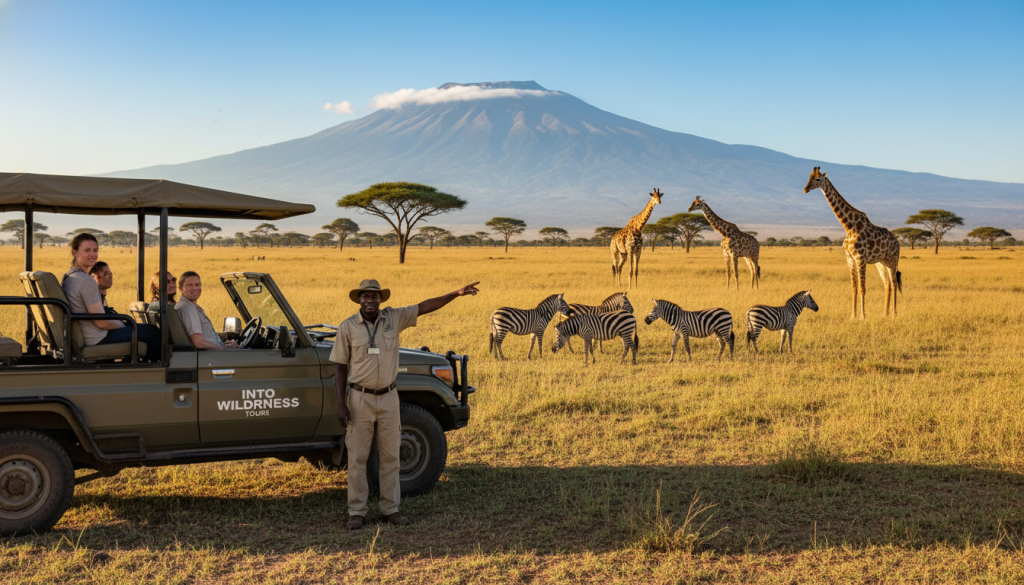
Nestled in the heart of Tanzania, Arusha emerges as a vibrant gateway to the country’s most thrilling safari adventures. We find ourselves drawn to this city, not just for its proximity to incredible natural wonders, but for its own unique cultural and historical significance.
Strategic Location and Tourism Importance
Arusha’s strategic location at the foot of Mount Meru makes it an ideal starting point for explorers. We appreciate how the city’s infrastructure supports tourists, offering a range of services from local guides to safari equipment rentals, facilitating a seamless adventure into the surrounding wilderness.
Cultural Diversity and Heritage
The cultural landscape of Arusha is as diverse as it is rich. We are struck by the blend of influences from various ethnic groups, including the Maasai and Meru people, which is reflected in the city’s vibrant markets and cultural events. This cultural heritage is a significant part of Arusha’s appeal, offering visitors a deeper understanding of Tanzanian traditions.
The Arusha Declaration Monument
A notable landmark is the Arusha Declaration Monument, which commemorates a pivotal moment in Tanzania’s history. We recognize the importance of this site, not just as a historical marker, but as a symbol of the nation’s commitment to unity and development.
Cultural Heritage Centers
Arusha is also home to various cultural heritage centers, where visitors can engage with local artisans, learn traditional crafts, and gain insight into the region’s history. These centers play a crucial role in preserving and promoting Arusha’s cultural identity.
Must-Visit Sites and Experiences
From the bustling streets of Arusha, a multitude of adventures beckon. We recommend visiting the nearby Ngorongoro Conservation Area, a UNESCO World Heritage Site, and embarking on a safari through the Serengeti National Park. For those seeking a more leisurely experience, the city’s own botanical gardens and the tranquil surroundings of the nearby lakes offer a serene escape.
As we explore Arusha, we are reminded of the city’s role as a gateway, not just to Tanzania’s natural wonders, but to the heart of its culture and heritage. Whether through a guided safari or a visit to a local market, Arusha invites us to experience the richness of Tanzanian life.
Mwanza: The Rock City by Lake Victoria
As we explore Mwanza, the Rock City, we’re drawn into a world where the majestic Lake Victoria meets the warmth of Tanzanian hospitality. This city, with its unique geography and rich cultural heritage, offers a captivating experience for visitors.
Unique Geography and Natural Features
Mwanza’s landscape is dominated by the vast expanse of Lake Victoria, Africa’s largest lake. The city’s terrain is characterized by rocky outcrops and gentle hills, creating a picturesque setting that is both serene and majestic. The unique geography of Mwanza contributes to its natural beauty, making it a haven for those seeking tranquility and scenic views.
Economic Activities and Industries
The economy of Mwanza is driven by a mix of industries, including fishing, agriculture, and trade. The city’s strategic location on Lake Victoria makes it an important hub for fishing activities, with the lake’s resources supporting a significant portion of the local economy. Additionally, Mwanza serves as a commercial center, connecting various regions through its bustling markets and trade networks.
Tourist Attractions and Local Life
Mwanza is not just about its natural beauty; it’s also a city that thrives with local life and culture. Visitors can explore various attractions that showcase the city’s heritage and the warmth of its people.
Bismarck Rock and Waterfront
The Bismarck Rock, a prominent landmark, offers breathtaking views of Lake Victoria and the cityscape. The waterfront area is bustling with activity, from fishing boats unloading their catch to locals enjoying the scenic views. It’s a place where one can experience the vibrant pulse of Mwanza.
Saanane Island National Park
Just off the coast of Mwanza lies Saanane Island National Park, a small but vibrant conservation area. The park is home to a variety of wildlife, including impalas, giraffes, and numerous bird species. It’s a perfect spot for a day trip, offering a chance to connect with nature and enjoy the tranquility of the island.
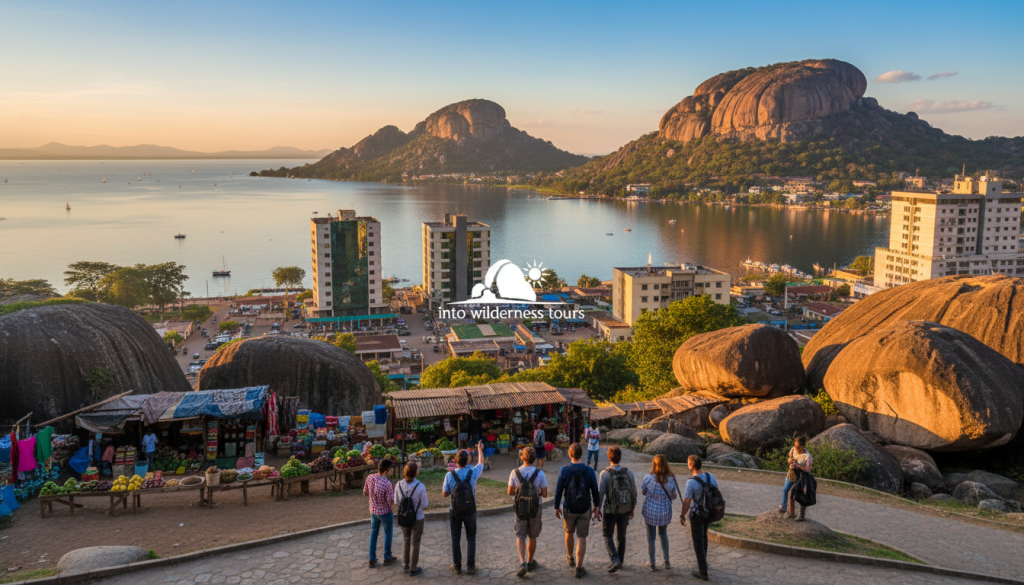
In conclusion, Mwanza, the Rock City, is a gem on the shores of Lake Victoria, offering a blend of natural beauty, cultural richness, and economic vitality. Whether you’re drawn to its scenic landscapes, interested in its economic activities, or eager to experience local life, Mwanza has something to offer every visitor.
Zanzibar City: A Blend of Cultures and History
As we wander through the historic streets of Zanzibar City, we uncover a tapestry of cultures and histories that have shaped this unique urban gem. With its roots tracing back to the 19th century, Zanzibar City has evolved into a vibrant metropolis that seamlessly blends tradition with modernity.
Stone Town: A UNESCO World Heritage Site
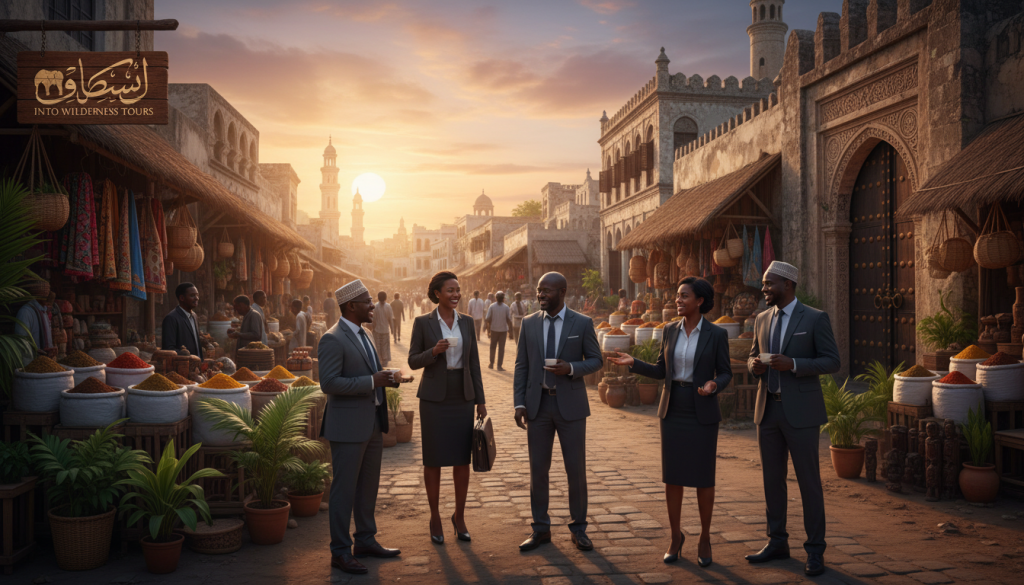
At the heart of Zanzibar City lies Stone Town, a UNESCO World Heritage Site that stands as a testament to the city’s rich cultural heritage. This ancient town is characterized by its unique architecture, a blend of Swahili, Arabic, European, and Indian influences.
Architectural Marvels and Historical Buildings
The narrow alleys of Stone Town are lined with impressive buildings that reflect the city’s historical significance. Notable landmarks include the House of Wonders, a stunning example of Zanzibari architecture, and the Old Fort, a relic of the city’s defensive past.
Narrow Streets and Cultural Immersion
As one navigates the labyrinthine streets of Stone Town, the air is filled with the scent of spices and the sounds of lively markets. This immersive experience offers a glimpse into the daily lives of the local population, showcasing the city’s vibrant cultural tapestry.
Spice Trade Legacy and Cultural Fusion
Zanzibar City’s history as a major hub in the spice trade has left an indelible mark on its culture. The city’s cuisine, a fusion of various flavors and spices, reflects this legacy. Visitors can experience this rich culinary heritage through the local dishes and spices available in the bustling markets.
“The spice trade has not only flavored our cuisine but has also woven together the cultural fabric of Zanzibar City, making it a true melting pot of traditions.”
Contemporary Urban Life and Tourism
Today, Zanzibar City is a thriving urban center that attracts visitors from around the world. The city’s contemporary life is a dynamic blend of traditional practices and modern amenities, offering a unique experience for tourists. From luxury resorts to local guesthouses, visitors can choose from a range of accommodations that cater to different preferences.
As we explore Zanzibar City, we are reminded of the importance of preserving cultural heritage while embracing the opportunities of modern tourism. This balance is what makes Zanzibar City a truly special destination, where history, culture, and contemporary life come together in harmony.
Tanga: The Port City with Colonial Heritage
As we explore Tanga, we uncover the layers of its colonial heritage and its significance as a port city. This city, with its rich history and vibrant culture, offers a unique blend of colonial past and modern life.
Historical Significance and Development
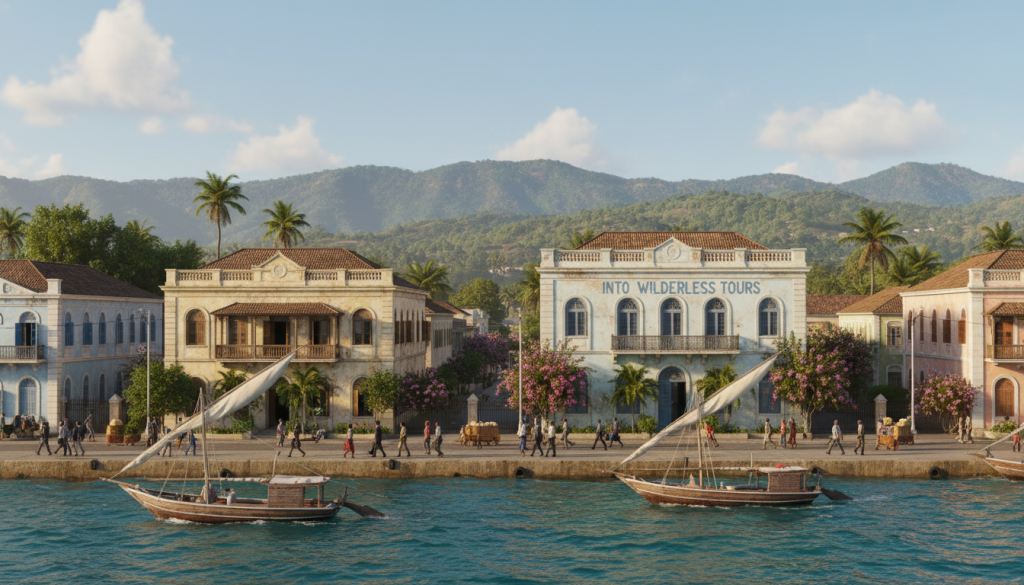
Tanga’s history dates back to the colonial era, when it was a significant trading center. The city’s architecture still reflects its German and British colonial past, with many old buildings and monuments that tell the story of its development over time. The old town’s layout and historic buildings are a testament to its rich cultural heritage.
Economic Activities and Port Operations
Tanga’s port is the lifeblood of the city, facilitating trade and commerce in the region. The port’s operations have a significant impact on the local economy, supporting industries such as agriculture and manufacturing. The city’s economic growth is closely tied to the efficiency and development of its port.
Cultural Sites and Natural Attractions
Tanga is not just about history and commerce; it also boasts natural attractions and cultural sites that are worth visiting. The Amboni Caves, for instance, offer a glimpse into the region’s geological history, while the city’s cultural festivals showcase its vibrant cultural heritage. Visitors can experience the city’s rich history and culture firsthand by exploring these sites.
Mbeya: The Highland City
Nestled in the southwestern highlands of Tanzania, Mbeya is a city of breathtaking natural beauty and rich cultural heritage. As we explore this enchanting city, we are drawn into its unique geographical setting, vibrant economy, and diverse cultural landscape.
Geographical Setting and Climate
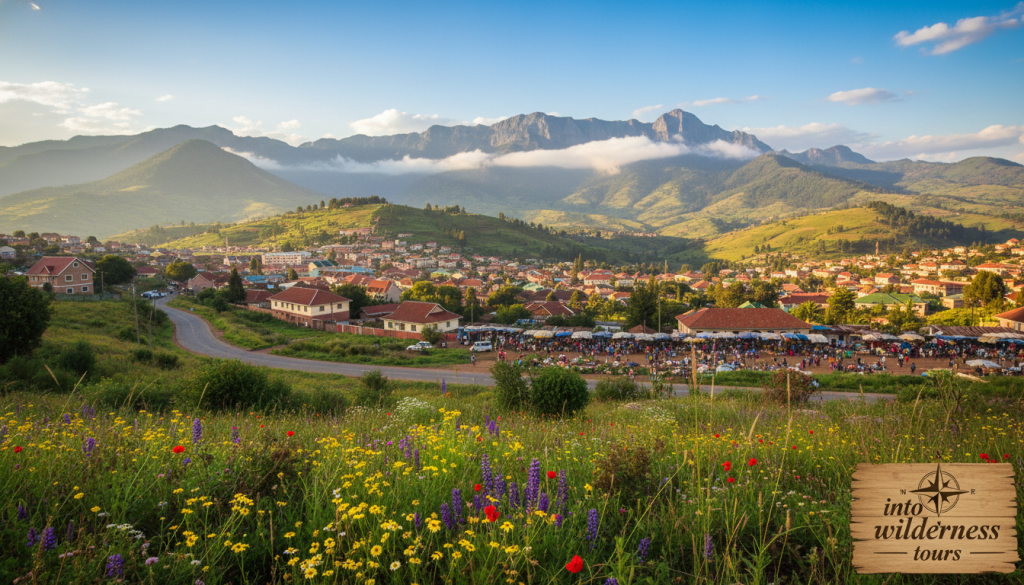
Mbeya is situated in a region of rolling hills and verdant valleys, with the majestic Mount Rungwe looming large on the horizon. The city’s high altitude gives it a mild climate, making it an attractive destination for those seeking respite from the tropical heat. The surrounding landscape is dotted with picturesque villages and fertile farmland, creating a sense of tranquility and natural abundance.
Agricultural Importance and Economy
The agricultural sector is the backbone of Mbeya’s economy, with the city being a major producer of crops such as maize, beans, and coffee. The fertile soil and favorable climate make it an ideal location for farming, and local farmers take great pride in their produce. The city’s agricultural importance extends beyond its borders, contributing significantly to Tanzania’s national food security.
Tourist Destinations and Local Experiences
Visitors to Mbeya can explore a range of attractions, including the stunning Kitulo National Park, known for its vibrant wildflowers, and the picturesque Lake Ngozi, a crater lake with breathtaking views. The local culture is rich and diverse, with numerous opportunities to engage with the community through traditional music, dance, and crafts. Whether you’re interested in nature, culture, or simply relaxing in a beautiful setting, Mbeya has something to offer.
Morogoro: The Educational and Agricultural Center
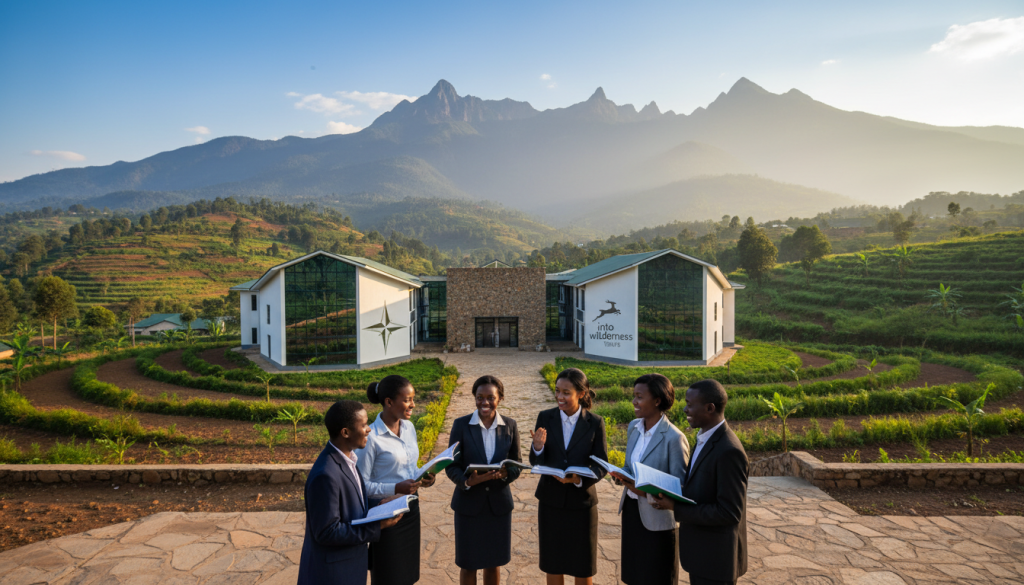
As we explore Morogoro, we discover a city that seamlessly blends academic excellence with agricultural richness. This harmonious blend makes Morogoro a unique gem in Tanzania’s urban landscape.
Academic Institutions and Knowledge Hub
Morogoro is home to the Sokoine University of Agriculture, one of Tanzania’s premier institutions for agricultural education and research. The university is a hub for knowledge and innovation, attracting students from across the region. Its presence has transformed Morogoro into a vibrant academic center, fostering a culture of learning and intellectual curiosity.
Agricultural Significance and Production
The city’s fertile lands and favorable climate make it an agricultural paradise. Morogoro is renowned for its production of crops such as maize, beans, and sisal. The agricultural sector is a significant contributor to the local economy, providing livelihoods for many residents and supporting the national food supply.
Natural Surroundings and Recreation
Surrounded by the Uluguru Mountains, Morogoro offers breathtaking natural scenery and opportunities for outdoor activities. The nearby Uluguru Nature Reserve is a haven for hikers and nature enthusiasts, providing a chance to explore Tanzania’s rich biodiversity and enjoy the tranquil beauty of the mountains.
Tanzania’s Big Cities: Urban Planning and Development
In the heart of Tanzania’s urban centers, a story of transformation unfolds, driven by urban planning and development initiatives. As we delve into the fabric of these cities, we discover a blend of traditional charm and modern aspirations.
Infrastructure and Transportation Networks
Tanzania’s big cities are experiencing rapid growth, with infrastructure development playing a crucial role in shaping their futures. The expansion of transportation networks, including roads, ports, and airports, has enhanced connectivity both within and beyond these urban hubs. For instance, the Dar es Salaam port, one of the busiest in East Africa, has seen significant upgrades, improving trade efficiency and economic prospects.
Future Urban Development Projects
Looking ahead, Tanzania is poised to embark on ambitious urban development projects aimed at creating smarter, more sustainable cities. These initiatives are designed to address the challenges of urbanization while enhancing the quality of life for residents.
Smart City Initiatives
One of the key focus areas is the adoption of smart city technologies, leveraging data and innovation to improve urban services. From intelligent transportation systems to smart energy grids, these initiatives promise to make Tanzania’s cities more efficient and livable.
Sustainable Urban Planning
Sustainability is at the forefront of Tanzania’s urban planning agenda. Efforts to incorporate green spaces, promote eco-friendly practices, and ensure resilient infrastructure are underway, aiming to create cities that are not only vibrant but also environmentally conscious.
| City | Key Development Projects | Expected Outcomes |
|---|---|---|
| Dar es Salaam | Port expansion, smart traffic management | Improved trade efficiency, reduced congestion |
| Dodoma | Green spaces development, sustainable housing | Enhanced livability, environmental sustainability |
| Arusha | Tourism infrastructure development | Increased tourism revenue, job creation |
Cultural Life in Tanzania’s Urban Centers
As we explore Tanzania’s urban gems, we discover a thriving cultural landscape that blends tradition with innovation. The cities of Tanzania are not just administrative and economic hubs; they are also vibrant centers of cultural expression, where the past and present converge in a dynamic dance of art, music, and celebration.
Arts, Music, and Entertainment Scenes
Tanzania’s urban centers are home to a burgeoning arts scene, with numerous galleries, studios, and performance venues. In Dar es Salaam, for instance, the Nyerere Cultural Centre and the National Museum showcase traditional Tanzanian art and culture. The city’s music scene is equally vibrant, with a blend of traditional Taarab and modern Bongo Flava styles that reflect the country’s diverse musical heritage. Live performances are a staple of urban entertainment, with local artists often incorporating traditional instruments into their music.
Festivals and Cultural Celebrations
Tanzanian cities come alive during cultural festivals, which are an integral part of the urban cultural calendar. The Zanzibar International Film Festival, for example, celebrates the rich cultural heritage of the Swahili coast, while the Dar es Salaam International Arts Festival showcases a diverse range of artistic talent. These events not only promote cultural exchange but also foster a sense of community and shared identity among the urban population.
Culinary Experiences and Nightlife
The culinary scene in Tanzania’s urban centers is a reflection of the country’s diverse cultural influences. From traditional Swahili dishes like ugali and nyama choma to international cuisine, there’s a wealth of gastronomic experiences to explore. As the sun sets, the cities transform into vibrant nightlife hubs, with rooftop bars, clubs, and live music venues offering a range of entertainment options. Whether it’s enjoying local cuisine or dancing the night away, Tanzania’s urban centers offer a unique and unforgettable experience.
Urban vs. Rural Tanzania: A Comparative Perspective
In Tanzania, the urban and rural divide is not just geographical; it’s a reflection of diverse socioeconomic realities and cultural identities. As we explore the urban centers and rural landscapes, we uncover the complex dynamics that shape the lives of Tanzanians.
Socioeconomic Differences and Opportunities
The socioeconomic landscape of urban Tanzania is vastly different from its rural counterpart. Cities like Dar es Salaam and Arusha offer a range of opportunities in business, education, and healthcare, attracting people from rural areas. However, this urban migration also brings challenges such as overcrowding and strain on infrastructure.
| Socioeconomic Indicators | Urban | Rural |
|---|---|---|
| Access to Education | Higher | Limited |
| Employment Opportunities | Diverse | Agriculture-based |
| Healthcare Facilities | Advanced | Basic |
Cultural Preservation in Urban Settings
Urban areas in Tanzania are not just economic hubs; they are also melting pots of culture. Despite the challenges of urbanization, Tanzanian cities have managed to preserve their cultural heritage through various means such as festivals, traditional clothing, and local cuisine. For instance, the Zanzibar International Film Festival celebrates the cultural diversity of the region, showcasing films, music, and art.
As we reflect on the urban vs. rural dynamics in Tanzania, it becomes clear that both settings offer unique experiences and challenges. By understanding and appreciating these differences, we can foster a more inclusive and vibrant cultural landscape.
Practical Information for Urban Explorers
As urban explorers, we find that Tanzania’s cities are not just destinations but gateways to understanding the heart of the country. With a blend of historical depth and modern vibrancy, these urban centers offer a rich tapestry of experiences waiting to be discovered.
Accommodation Options and Recommendations
Tanzania’s cities boast a wide range of accommodation options, from luxury hotels to budget-friendly guesthouses. In Dar es Salaam, for instance, The Kilimanjaro Hyatt Regency offers a luxurious stay with modern amenities, while in Zanzibar, Stone Town’s boutique hotels provide a glimpse into the island’s rich history and cultural heritage.
| City | Luxury Option | Budget Option |
|---|---|---|
| Dar es Salaam | The Kilimanjaro Hyatt Regency | Dar es Salaam Backpackers |
| Zanzibar | Zanzibar Serena Inn | Zanzibar Backpackers |
| Arusha | The Arusha Hotel | Arusha Backpackers |
Transportation Within and Between Cities
Navigating Tanzania’s cities is relatively straightforward, with options ranging from dala-dalas (minivans) to taxis and ride-hailing apps. For inter-city travel, bus services like Scandinavian Express and Riverside Shuttle offer comfortable and reliable connections.
- Dala-dalas for local travel
- Taxis and ride-hailing apps for convenience
- Bus services for inter-city travel
Safety Tips and Cultural Etiquette
As with any travel, being mindful of local customs and safety tips can enhance your experience. Dress modestly, especially when visiting religious sites, and be aware of your surroundings in crowded areas. As a local proverb goes, “
Guest is a gift from God
,” respecting local traditions is key to a harmonious visit.
For a smooth and enjoyable journey, consider the following safety tips:
- Keep valuables secure and be cautious of pickpocketing in crowded areas.
- Use reputable transportation services.
- Stay informed about local conditions and follow local advice.
Conclusion: The Vibrant Urban Tapestry of Tanzania
As we weave together the threads of Tanzania’s urban landscape, a rich tapestry emerges, showcasing the country’s vibrant cities and their unique characteristics. From the commercial hub of Dar es Salaam to the political capital of Dodoma, and from the safari gateway of Arusha to the historic Stone Town of Zanzibar City, each city contributes to the nation’s cultural and urban diversity.
We have explored the urban gems that dot Tanzania’s landscape, discovering the blend of modernity and tradition that defines these vibrant cities. The urban tapestry is woven with threads of history, culture, and innovation, creating a unique identity for each city. As we reflect on the big cities of Tanzania, we are reminded of the country’s ability to balance growth with cultural preservation.
Tanzania’s urban centers invite travelers to experience their energy, diversity, and beauty. Whether you are drawn to the bustling streets of Dar es Salaam, the tranquil atmosphere of Zanzibar City, or the adventurous spirit of Arusha, Tanzania’s vibrant cities have something to offer. Come and immerse yourself in the urban tapestry of Tanzania, where tradition meets innovation and culture comes alive.


