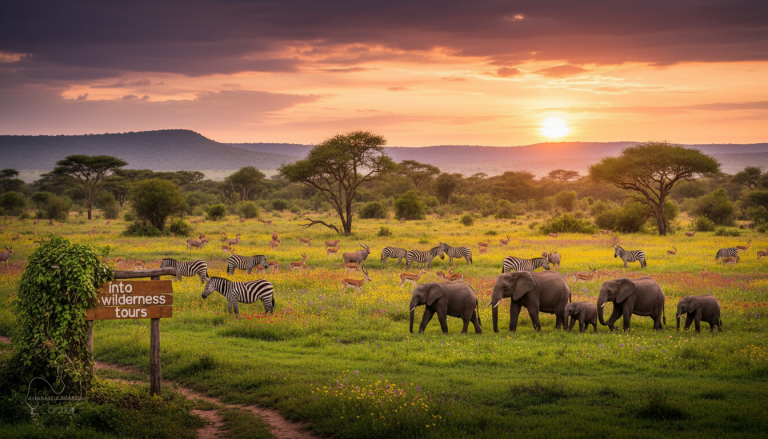
We invite you to join us on a journey to unveil the majesty of our homeland’s incredible wildlife. As local hosts and guardians, we share with you the wonders of this ancient land, from the majestic lions roaming the savannah to the gentle giants, elephants, that call this place home.
Our mission is to create transformative safaris that reveal the soul of our land, preserving its natural beauty and culture through responsible tourism. We believe in bridging the modern world with the wilderness, offering a wildlife safari experience that is both authentic and luxurious.
Key Takeaways
- Experience the majesty of Tanzania’s diverse wildlife.
- Join transformative safaris that reveal the soul of the land.
- Preserve natural beauty and culture through responsible tourism.
- Enjoy authentic and luxurious wildlife safari experiences.
- Bridge the modern world with the ancient wilderness.
The Wild Heart of Africa
Tanzania, known as the wild heart of Africa, pulsates with life, hosting some of the most remarkable biodiversity on the planet. We are drawn into a world where the savannas stretch as far as the eye can see, where forests whisper ancient secrets, and where mountains stand sentinel over the landscape.
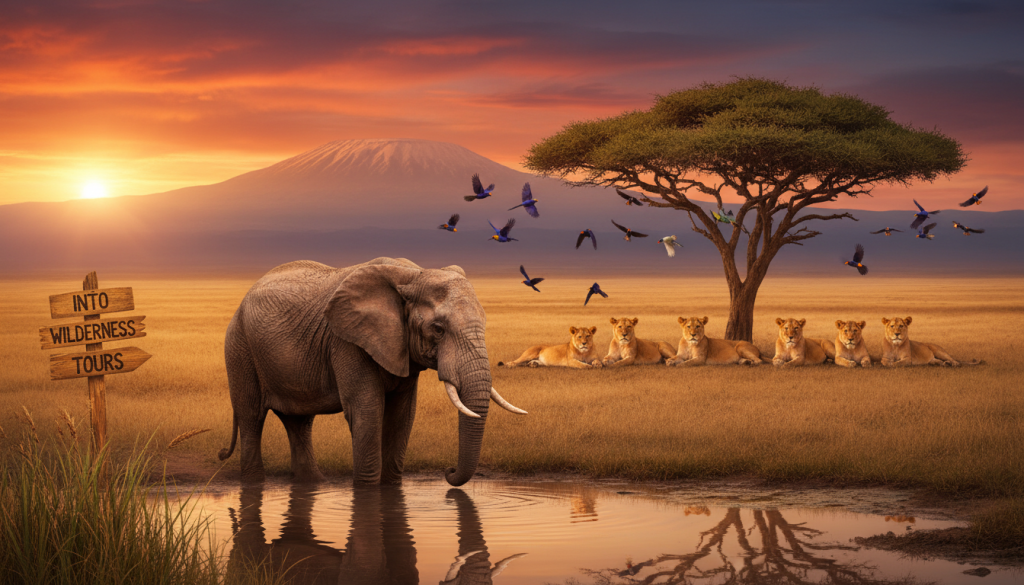
Tanzania’s Ecological Significance
Tanzania’s ecological significance cannot be overstated. It is a land of biodiversity hotspots, where varied ecosystems support an incredible array of wildlife.
Biodiversity Hotspots
From the Serengeti’s endless plains to the Ngorongoro Crater’s unique ecosystem, Tanzania is home to some of Africa’s most iconic wildlife reserves. These areas are not just havens for wildlife; they are also crucial for the health of the planet.
Ecosystem Variety
The country’s ecosystem variety is staggering, ranging from the tropical forests of the Mahale Mountains to the arid landscapes of the Tarangiire National Park. Each ecosystem supports a unique community of plants and animals, adapted to the specific conditions of their environment.
A Brief History of Wildlife Conservation
Tanzania’s history of wildlife conservation is a story of passion and dedication. From the early days of colonial rule to the present, conservation efforts have evolved, shaped by the country’s commitment to protecting its natural heritage.
We have come a long way in our conservation journey, with significant milestones marking our progress. Today, we continue to work tirelessly to ensure that our wildlife and ecosystems are protected for future generations.
Tanzania Wildlife: A Living Testament to Nature’s Diversity
In Tanzania, we find a living testament to the majesty and diversity of the natural world. Our country’s wildlife is a vibrant expression of the beauty and complexity of nature, hosting an array of species that captivate the imagination of all who visit.
The Big Five and Beyond
Tanzania is renowned for being one of the best places to observe the Big Five: lions, elephants, buffalo, leopards, and rhinos. These iconic animals are a major draw for visitors from around the world.
Lions, Elephants, and Buffalo
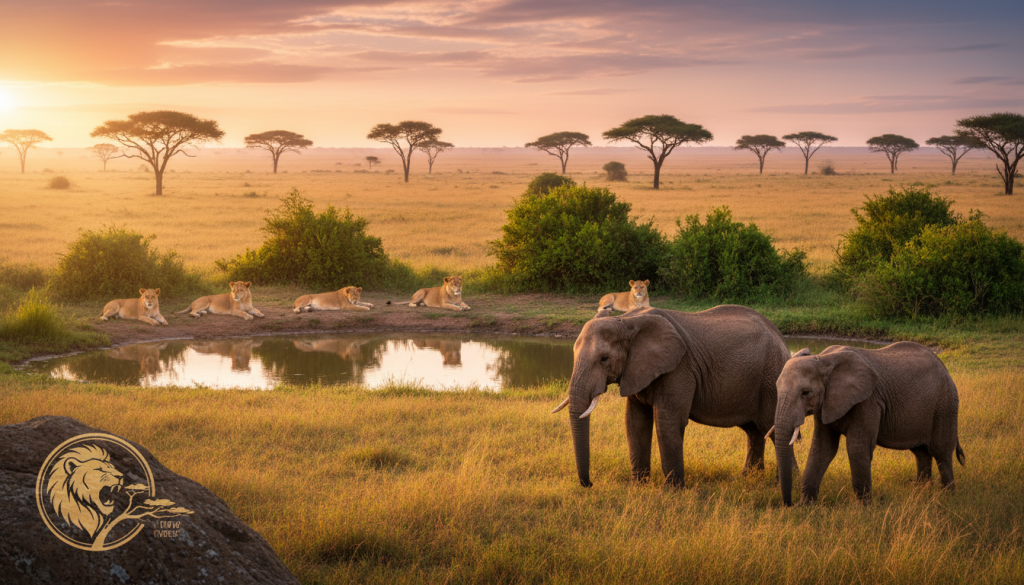
The savannas and grasslands of Tanzania are home to large populations of lions and elephants, while the more dense forests shelter buffalo. These animals are not just symbols of African wildlife; they are integral to the ecosystem.
Leopards and Rhinos
Leopards, with their elusive nature, and rhinos, with their prehistoric appearance, are a thrilling sight for any wildlife enthusiast. Conservation efforts are in place to protect these species, especially the endangered black rhino.
Endemic Species of Tanzania
Beyond the Big Five, Tanzania boasts a rich array of endemic species found nowhere else on Earth. This includes unique birds, mammals, reptiles, and amphibians.
Unique Birds and Mammals
Tanzania is a haven for birdwatchers, with species like the Kibo ostrich and the Usambara eagle-owl. The country’s diverse landscapes also support a variety of endemic mammals.
Rare Reptiles and Amphibians
The forests and wetlands of Tanzania are home to a variety of rare reptiles and amphibians, some of which are found only within the country’s borders.
| Category | Examples | Conservation Status |
|---|---|---|
| Big Five | Lions, Elephants, Buffalo, Leopards, Rhinos | Varies by species |
| Endemic Birds | Kibo ostrich, Usambara eagle-owl | Endangered |
| Endemic Mammals | Various species | Varies by species |
The Serengeti Ecosystem: Witness to the Great Migration
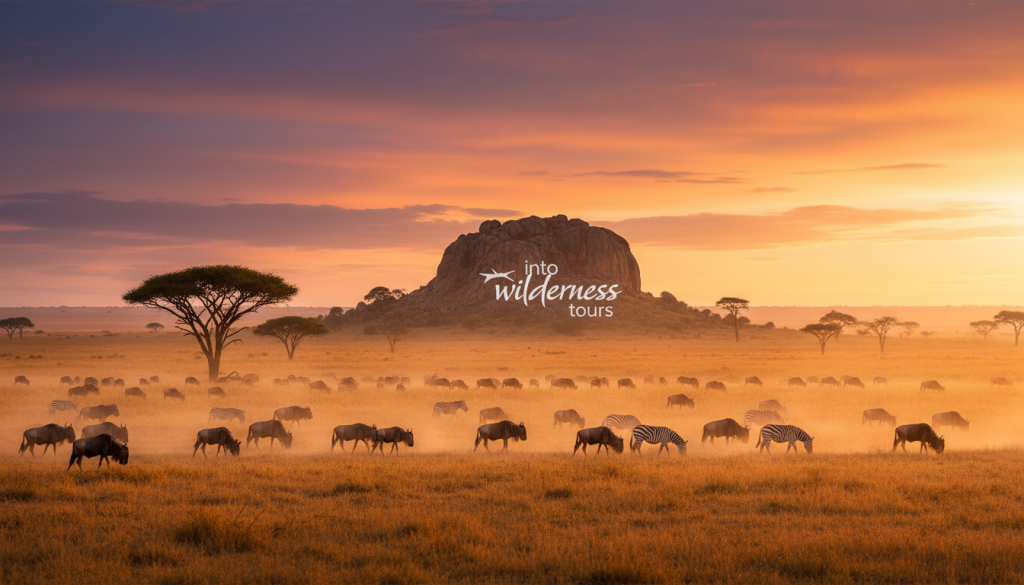
As we step into the Serengeti, we are met with an endless expanse of grasslands, teeming with life and witnessing the eternal cycle of the Great Migration. This phenomenon, one of the most spectacular wildlife events on Earth, is a testament to the Serengeti’s ecological significance and its role as a haven for biodiversity.
Understanding the Migration Cycle
The Great Migration is a complex and highly choreographed event, driven by the search for greener pastures. It’s a cycle that has been repeating for centuries, with millions of wildebeest, zebras, and gazelles making their way across the Serengeti’s plains.
Seasonal Patterns and Routes
The migration follows a seasonal pattern, with the herds moving between Tanzania’s Serengeti and Kenya’s Maasai Mara. The exact route varies from year to year, influenced by rainfall and the availability of food. Understanding these patterns is crucial for appreciating the migration’s complexity.
River Crossings: Nature’s Drama
One of the most dramatic aspects of the Great Migration is the river crossings, where herds must navigate treacherous waters teeming with predators. These moments are a true spectacle, showcasing nature’s raw power and the migrants’ resilience.
Predator-Prey Dynamics on the Plains
The Serengeti’s plains are not just a backdrop for the Great Migration; they’re also a stage for the eternal dance between predators and prey. Lion prides, cheetahs, and hyenas employ various strategies to hunt their prey, creating a delicate balance that is both fascinating and essential to the ecosystem’s health.
Lion Prides and Hunting Strategies
Lions, the kings of the Serengeti, use coordinated attacks to hunt their prey. Their prides are complex social units, with strategies that have been honed over generations. Their presence is a reminder of the wild’s untamed nature.
Cheetahs and Hyenas: Opportunistic Hunters
Cheetahs and hyenas, though different in their hunting styles, are both opportunistic predators. Cheetahs rely on speed, while hyenas use their strength and cunning. Together, they play a crucial role in maintaining the Serengeti’s ecological balance.
The Serengeti ecosystem, with its Great Migration and intricate predator-prey dynamics, is a true marvel of nature. It reminds us of the beauty and complexity of the natural world, and the importance of preserving such wonders for future generations.
Ngorongoro Crater: Nature’s Perfect Wildlife Sanctuary
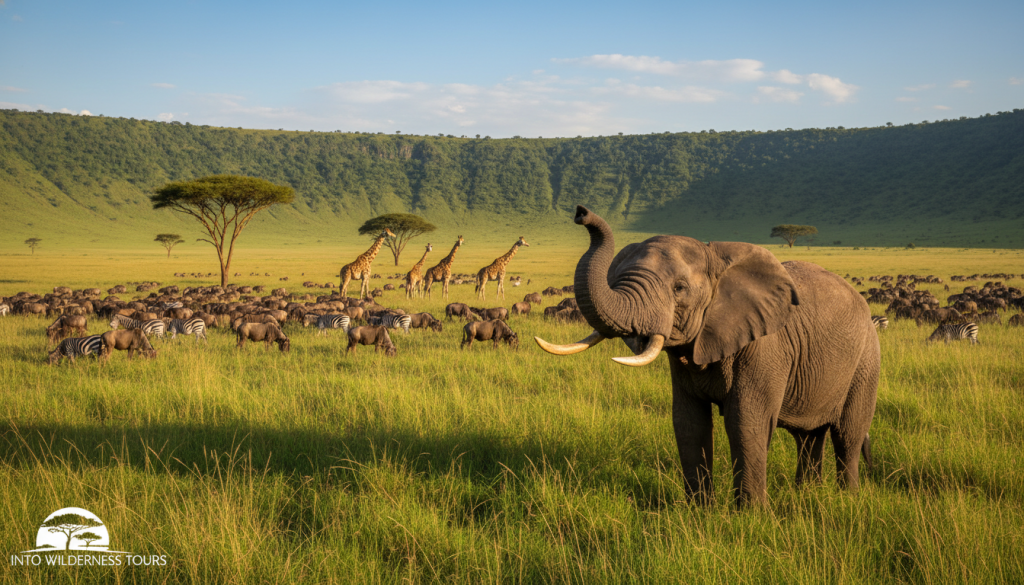
In the heart of Tanzania lies the Ngorongoro Crater, a marvel of nature that has become a perfect sanctuary for wildlife. This vast caldera, the largest intact in the world, is a testament to the region’s rich geological history and a haven for diverse wildlife.
The Unique Ecosystem of the Crater
The Ngorongoro Crater’s ecosystem is shaped by its unique geological formation. The crater’s floor, some 1,900 feet below its rim, creates a microclimate that supports a rich variety of flora and fauna.
Formation and Geological Significance
The crater was formed around 2.5 million years ago when a massive volcano collapsed in on itself. This event created a unique geological feature that has been preserved over time, providing a habitat for a wide range of wildlife.
Concentrated Wildlife Populations
The crater is home to a concentrated population of wildlife, including the Big Five – lion, leopard, rhinoceros, elephant, and Cape buffalo. The crater’s enclosed environment makes it an ideal location for spotting these animals.
Spotting Rare Black Rhinos
The Ngorongoro Crater is particularly renowned for its population of black rhinos, a critically endangered species. Conservation efforts have been successful in protecting these magnificent creatures.
Conservation Success Stories
Conservation initiatives have played a crucial role in the protection of black rhinos within the crater. These efforts have resulted in a stable population, making the Ngorongoro Crater a success story in wildlife conservation.
Viewing Tips and Locations
Visitors to the crater can spot black rhinos in various locations, particularly around the Lerai forest and the grasslands. Guides provide valuable insights into the behavior and habitat of these animals.
| Species | Population | Conservation Status |
|---|---|---|
| Black Rhino | Approximately 25 | Critically Endangered |
| Lion | Approximately 150 | Vulnerable |
| Elephant | Approximately 3,000 | Threatened |
Tarangire and Lake Manyara: Hidden Wildlife Gems
As we venture beyond the well-trodden paths of Tanzania’s wildlife, we discover the unspoiled beauty of Tarangire and Lake Manyara. These lesser-known national parks offer unique and unforgettable experiences for those willing to explore their untouched landscapes.
Tarangire’s Elephant Herds
Tarangire National Park is renowned for its majestic elephant herds, a sight that captivates the hearts of all who visit. The park’s ancient baobab trees stand as sentinels, witnessing the passage of these gentle giants.
Ancient Baobab Trees and Elephants
The baobabs of Tarangire are not just trees; they are historical monuments, their gnarled trunks a testament to the park’s rich biodiversity. Elephants roam freely, their paths weaving between these arboreal giants.
Seasonal Wildlife Concentrations
During the dry season, Tarangire’s water sources become a focal point for a diverse array of wildlife, creating a spectacle of nature’s raw beauty. The concentration of animals around these waterholes is a thrilling experience for visitors.
| Season | Wildlife Concentration | Best Time to Visit |
|---|---|---|
| Dry Season | High concentration around waterholes | June to October |
| Wet Season | Dispersed across the park | November to May |
Lake Manyara’s Tree-Climbing Lions
Lake Manyara National Park is famous for its tree-climbing lions, a rare and fascinating behavior that continues to intrigue wildlife enthusiasts. The park’s diverse ecosystem supports a wide range of flora and fauna.
Theories Behind This Unique Behavior
Several theories attempt to explain why Lake Manyara’s lions climb trees, including the avoidance of biting insects and the strategic advantage of surveying their surroundings from above.
Birdlife Around the Alkaline Lake
The alkaline waters of Lake Manyara attract a variety of birdlife, making it a paradise for birdwatchers. The lake’s unique chemistry supports a rich ecosystem.
- Flamingos
- Pelicans
- Storks
In conclusion, Tarangire and Lake Manyara offer distinct and enriching wildlife experiences, showcasing the diversity and richness of Tanzania’s natural heritage.
The Selous Game Reserve: Africa’s Largest Protected Area
Nestled in the heart of Tanzania, the Selous Game Reserve stands as a testament to Africa’s untamed wilderness. As we venture into this vast expanse, we are met with a landscape that is as unforgiving as it is beautiful, a true reflection of the raw power of nature.
The Selous Game Reserve is not just a protected area; it’s an immersive experience into the wild heart of Africa. Spanning over 55,000 square kilometers, it is the largest protected area on the continent, offering a diverse range of ecosystems that support an incredible array of wildlife.
Boat Safaris on the Rufiji River
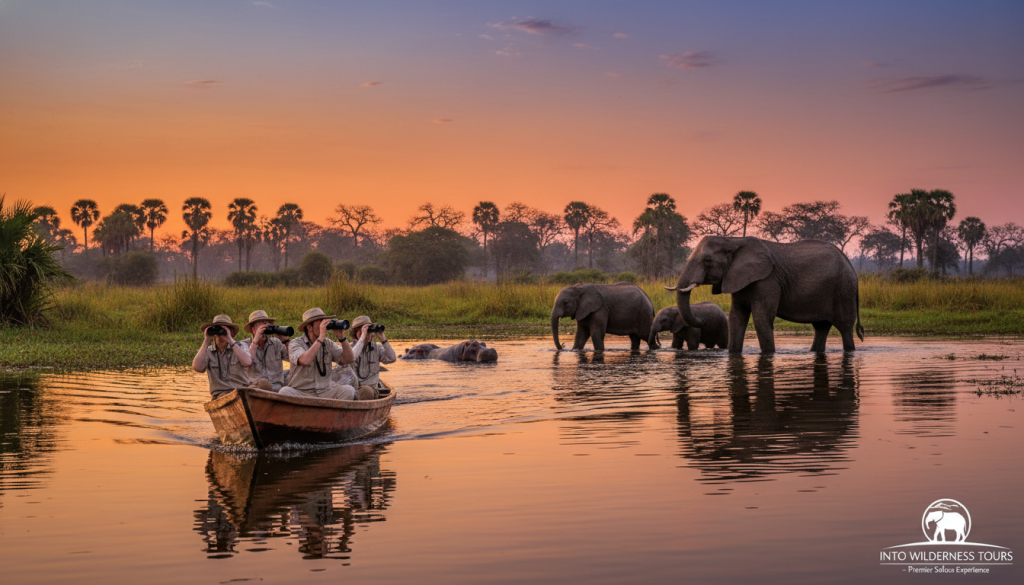
One of the most exhilarating experiences in the Selous Game Reserve is a boat safari along the Rufiji River. As we glide along the river’s tranquil waters, we are surrounded by the sights and sounds of the African wilderness.
Hippo and Crocodile Encounters
Our boat safaris offer up-close encounters with hippos and crocodiles, creatures that embody the wild spirit of Africa. We watch in awe as hippos lounge in the shallows, their massive bodies seemingly at odds with their serene demeanor, while crocodiles bask on the riverbanks, their ancient eyes watching us warily.
Waterbird Diversity
The Rufiji River is also a haven for waterbirds, with species ranging from the majestic African fish eagles to the colorful lilac-breasted rollers. As we sail along, we are treated to a spectacle of avian diversity, with birds of all shapes and sizes flitting between the river’s many channels and islands.
Diverse Wildlife of the Southern Circuit
The Selous Game Reserve is part of the Southern Circuit, a region renowned for its rich biodiversity and untouched landscapes. Here, we find a wide variety of wildlife, from the majestic elephants to the elusive wild dogs.
Wild Dogs and Other Rare Predators
The Selous is one of the few places in Africa where we can witness the majesty of wild dogs in their natural habitat. These endangered predators, with their mottled coats and highly social behavior, offer a glimpse into a world that is both fascinating and fragile.
Walking Safaris and Tracking Experiences
Beyond the boat safaris, the Selous Game Reserve offers the unique opportunity to explore the wilderness on foot. Led by experienced guides, we track animals through the bush, learning about their habits, habitats, and the intricate balance of the ecosystem.
As we conclude our journey through the Selous Game Reserve, we are left with a deep appreciation for this vast and beautiful landscape. It is a place where the boundaries between humans and wildlife blur, where we are reminded of our place within the natural world.
Mahale Mountains and Gombe Stream: Chimpanzee Encounters
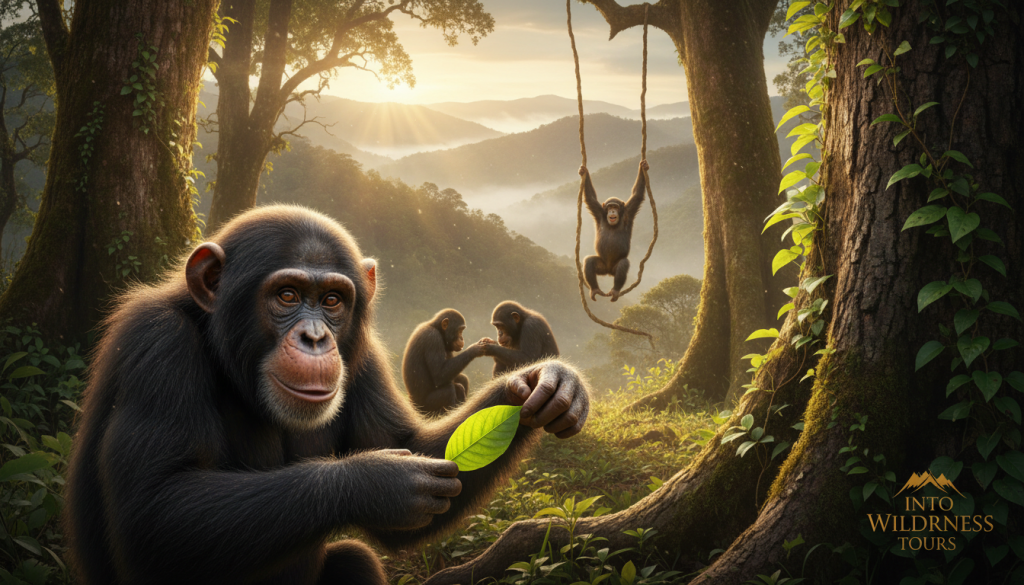
In the heart of Tanzania’s wilderness, Mahale Mountains and Gombe Stream await, promising a journey into the realm of our closest living relatives. These two national parks are renowned for their chimpanzee populations, offering a unique opportunity to observe these intelligent creatures in their natural habitat.
Following in Jane Goodall’s Footsteps
Gombe Stream National Park holds a special place in the history of primate research, thanks to the pioneering work of Dr. Jane Goodall. Her groundbreaking studies have significantly advanced our understanding of chimpanzee behavior.
Research Legacy and Discoveries
Dr. Goodall’s research in Gombe Stream has revealed fascinating insights into chimpanzee social structures and tool use. Her work has left a lasting legacy, continuing to inspire new generations of researchers and conservationists.
Chimpanzee Behavior and Social Structure
Chimpanzees live in complex societies, with intricate hierarchies and social bonds. Observing these behaviors in Mahale and Gombe provides a window into the evolutionary history of our own species.
Ethical Wildlife Viewing Practices
As we visit these remarkable chimpanzee habitats, it’s crucial that we do so with respect and care for the animals and their environments. Ethical wildlife viewing practices are essential to preserving these ecosystems.
Health Protocols for Primate Viewing
To protect both humans and chimpanzees, strict health protocols are observed during visits. This includes maintaining distance, wearing masks, and following guided tours to minimize the risk of disease transmission.
Minimizing Human Impact
By supporting conservation efforts and choosing responsible tour operators, we can help minimize our impact on these sensitive ecosystems. Every effort counts in preserving the natural habitats of Mahale and Gombe.
Tanzania Wildlife Safari: Planning Your Perfect Adventure
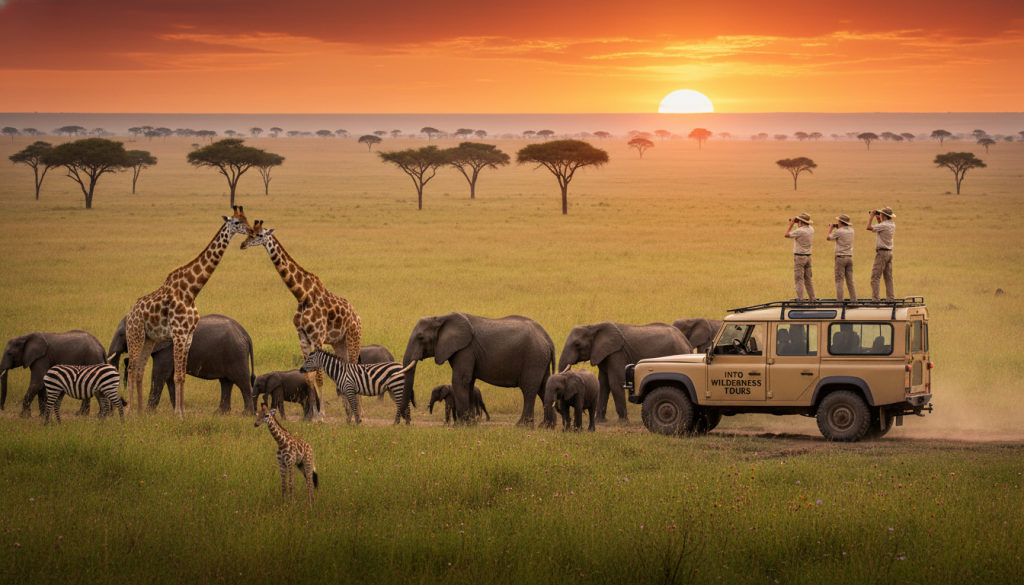
Tanzania’s wildlife safaris offer an unparalleled adventure, immersing travelers in the raw beauty of the African savannah. As we explore the vast expanses of this incredible country, we are met with a kaleidoscope of wildlife, landscapes, and cultures that promise an unforgettable journey.
Types of Safari Experiences
Tanzania is a haven for safari enthusiasts, offering a diverse range of experiences tailored to different interests and preferences. From the thrill of game drives to the serenity of walking safaris, there’s something for every kind of traveler.
Game Drives and Walking Safaris
Game drives are a quintessential safari experience, allowing visitors to traverse the savannah in search of the Big Five and other iconic African species. Walking safaris, on the other hand, offer a more intimate connection with nature, guided by experienced rangers who share their knowledge of the bush.
Hot Air Balloon and Fly-Camping Options
For a truly unique perspective, hot air balloon safaris provide a bird’s-eye view of the landscape, drifting silently above the trees as the sun rises. Fly-camping adventures take travelers to remote areas, setting up camp under the stars for an authentic wilderness experience.
Choosing the Right Tour Operator
Selecting the right tour operator is crucial to ensuring a memorable and responsible safari experience. We look for operators who prioritize sustainability and community engagement, ensuring that our adventures contribute positively to the local environment and economy.
Sustainability Credentials
Sustainability is at the heart of our safari philosophy. We partner with operators who have strong environmental policies, support local conservation efforts, and promote eco-friendly practices throughout their operations.
Local vs. International Operators
While international operators offer a level of comfort and familiarity, local operators bring invaluable knowledge and insight into the region’s ecology and culture. We often choose local operators for their deep understanding of the land and their commitment to community-based tourism.
Luxury vs. Budget Options
Tanzania’s safari landscape caters to a wide range of budgets, from luxury lodges to more rustic camping experiences. The choice between luxury and budget options depends on personal preference and the type of adventure sought.
Tented Camps and Lodges
Luxury tented camps and lodges offer comfort and amenities, blending seamlessly into their natural surroundings. These accommodations provide a high level of service and comfort, making them ideal for those seeking a more relaxed safari experience.
Mobile Camping Experiences
For the more adventurous, mobile camping experiences offer the chance to explore remote areas and enjoy the serenity of the African wilderness. These experiences are perfect for travelers who crave a deeper connection with nature and are willing to forgo some comforts for the sake of adventure.
Best Seasons for Wildlife Viewing in Tanzania
As we explore Tanzania’s wildlife, we find that the country’s varied ecosystems are influenced by two main seasons: dry and green. Understanding these seasons is key to planning an unforgettable safari experience.
Dry Season Safari Advantages
The dry season, spanning from June to October, offers several advantages for wildlife enthusiasts. During this period, water becomes scarce, causing animals to congregate around remaining water sources.
June to October Wildlife Concentrations
As the dry season progresses, the concentration of wildlife around waterholes and rivers makes for excellent viewing opportunities. This is particularly true in areas like the Serengeti and Ngorongoro Crater, where the dry landscape forces animals into closer proximity.
Visibility and Photography Conditions
The dry season also provides ideal photography conditions, with clear skies and sparse vegetation allowing for unobstructed views of the wildlife. The dry grasslands and open plains make it easier to spot animals, creating a thrilling experience for photographers and observers alike.
Green Season Wildlife Opportunities
While the dry season has its advantages, the green season, from November to May, brings its own unique rewards. The lush landscapes and abundant water sources create a vibrant ecosystem teeming with life.
November to May Highlights
During the green season, the parks are less crowded, offering a more intimate and peaceful safari experience. The abundant rainfall results in a lush landscape, providing a picturesque backdrop for wildlife viewing.
Newborn Animals and Migratory Birds
The green season is also a time of renewal, with many animals giving birth to their young. This, combined with the arrival of migratory birds, adds a new dimension to the wildlife experience, making it a great time for nature lovers and bird enthusiasts.
Wildlife Photography in Tanzania: Capturing Magical Moments
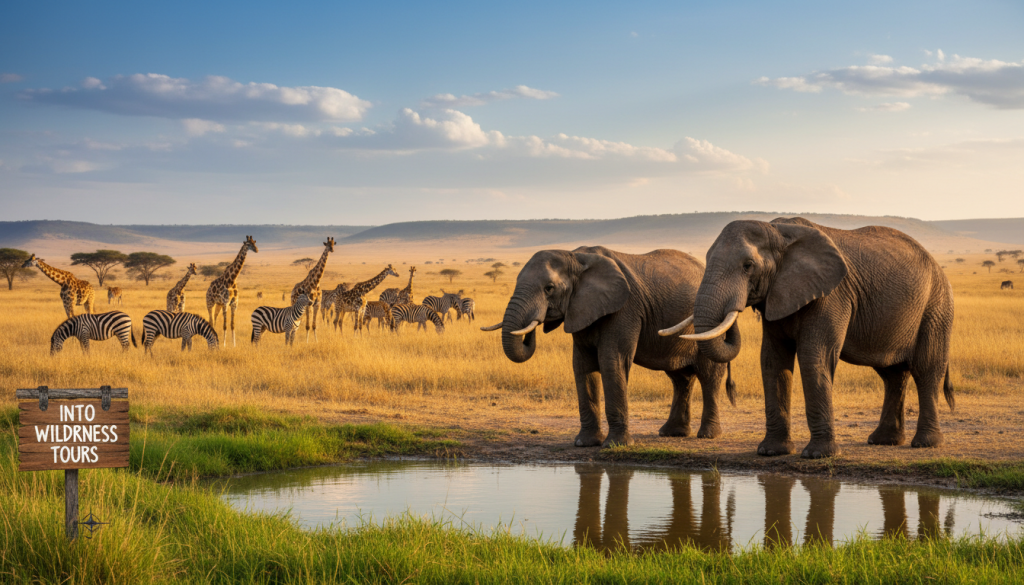
As the golden light of dawn breaks over the savannah, Tanzania’s wildlife comes alive, offering photographers a moment of pure magic. The country’s diverse landscapes and rich biodiversity make it an ideal destination for capturing the essence of Africa’s wildlife.
Essential Equipment and Techniques
To make the most of Tanzania’s photographic opportunities, it’s crucial to have the right equipment and understand basic techniques. A good camera with a telephoto lens is essential for capturing wildlife without disturbing them.
Camera Gear Recommendations
For wildlife photography, a DSLR or mirrorless camera with a lens of at least 200mm is recommended. Image stabilization and fast autofocus are key features to look for in a lens.
Light and Composition Tips
The golden hours of dawn and dusk provide the best light for photography. Understanding composition techniques, such as the rule of thirds, can enhance your photographs. Paying attention to the background is also crucial to avoid distractions.
| Equipment | Features to Look For | Tips for Use |
|---|---|---|
| Camera Body | High resolution, good low-light performance | Use manual mode for more control |
| Telephoto Lens | At least 200mm, image stabilization | Use for capturing distant subjects |
| Tripod | Stability, durability | Essential for low-light conditions |
Ethical Photography Practices
While capturing the beauty of Tanzania’s wildlife, it’s essential to do so ethically. This means respecting the animals’ space and behavior.
Respecting Animal Space and Behavior
Keeping a safe distance from wildlife is crucial. Never approach or feed animals for the sake of a photograph. Understanding animal behavior can help anticipate and capture special moments.
Working with Guides for Better Shots
Local guides can provide invaluable insights into animal behavior and help photographers get the best shots while maintaining ethical standards. Their knowledge can lead to unique photographic opportunities.
Conservation Challenges and Triumphs
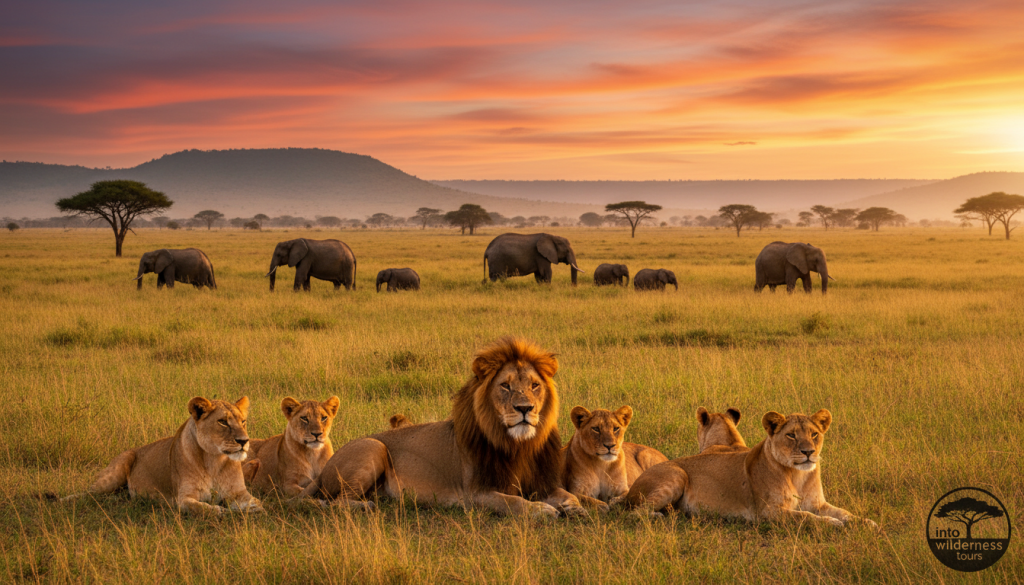
As guardians of this precious land, we confront the complexities of conservation head-on, driven by a deep love for Tanzania’s wild spaces. The path to preserving Tanzania’s natural heritage is fraught with challenges, from the ever-present threat of poaching to the encroaching shadows of habitat loss. Yet, it’s in these moments of adversity that the resilience of both nature and human spirit shines brightest.
Anti-Poaching Initiatives
The fight against poaching is a multifaceted endeavor, requiring both technological advancements and the unwavering dedication of those on the front lines. Anti-poaching initiatives have become more sophisticated, leveraging the latest in surveillance technology to monitor and protect vulnerable species.
Technology in Wildlife Protection
Cutting-edge technology, from drones patrolling the skies to GPS tracking devices embedded in collars, has revolutionized the way we safeguard Tanzania’s wildlife. These innovations enable rangers to respond swiftly to threats, outpacing poachers and securing safe havens for endangered species.
Ranger Programs and Support
Behind every successful anti-poaching initiative are the brave men and women who put their lives on the line daily. Ranger programs provide critical support, equipping these guardians with the training, equipment, and resources needed to protect Tanzania’s precious wildlife effectively.
Community-Based Conservation Projects
Beyond the realm of enforcement, community-based conservation projects have emerged as a powerful force for change. By engaging local communities in the conservation narrative, we foster a shared sense of responsibility and stewardship for the land.
Economic Benefits of Wildlife Tourism
One of the most significant outcomes of community-based conservation is the economic benefit derived from wildlife tourism. As visitors flock to witness Tanzania’s majestic landscapes and diverse wildlife, local communities reap the rewards, creating a tangible incentive for conservation.
Education and Outreach Programs
Integral to the success of these projects are education and outreach programs, designed to enlighten and empower local populations. By understanding the intrinsic value of their natural heritage, communities become allies in the conservation effort, working alongside us to safeguard Tanzania’s future.
Cultural Connections: Tanzania’s People and Wildlife
As we journey through Tanzania’s wild landscapes, we discover that the land is not just inhabited by wildlife, but also by rich cultural heritage. The relationship between Tanzania’s people and its wildlife is deeply intertwined, with many communities living in harmony with nature for centuries.
The Maasai and Wildlife Coexistence
The Maasai people, known for their traditional pastoralism, have coexisted with wildlife for generations. Their unique culture and practices offer a fascinating insight into the human-wildlife dynamic.
Traditional Pastoralism and Predators
The Maasai have traditionally lived alongside predators such as lions and leopards. Their traditional knowledge of the land and its rhythms has allowed them to coexist with these predators, often with remarkable success.
Cultural Safaris and Village Visits
Engaging in cultural safaris and village visits provides a unique opportunity to experience Maasai culture firsthand. Visitors can learn about traditional practices and the challenges faced by these communities in modern times. For more information on our safaris and tours, please visit our about us page.
Traditional Knowledge and Modern Conservation
The traditional knowledge of Tanzania’s indigenous communities is invaluable to modern conservation efforts. From tracking skills to medicinal plant knowledge, these communities possess a deep understanding of the natural world.
Indigenous Tracking Skills
Indigenous tracking skills are essential for understanding wildlife behavior and habitat use. These skills, passed down through generations, are now being used in conjunction with modern conservation techniques to protect Tanzania’s wildlife.
Medicinal Plant Knowledge
Many of Tanzania’s indigenous communities possess a deep understanding of medicinal plants, which are used to treat a range of ailments. This knowledge is not only valuable for human health but also for the conservation of these plant species.
| Cultural Practice | Conservation Benefit |
|---|---|
| Traditional Pastoralism | Maintains open spaces, reducing habitat fragmentation |
| Indigenous Tracking Skills | Enhances wildlife monitoring and conservation efforts |
| Medicinal Plant Knowledge | Promotes the conservation of medicinal plant species |
“The Maasai have a deep respect for the land and its wildlife, which is reflected in their traditional practices and cultural values.”
Conclusion: The Enduring Magic of Tanzania’s Wild Spaces
As we conclude our journey through Tanzania’s wild spaces, we are left with a deep sense of wonder and awe at the enduring magic of this incredible land. From the vast plains of the Serengeti to the unique ecosystem of the Ngorongoro Crater, Tanzania’s wildlife and natural beauty are a treasure trove of experiences waiting to be discovered.
Our commitment to conservation and responsible tourism practices ensures that this magic endures for generations to come. We invite you to be part of this journey, to experience the wonder of Tanzania’s wildlife, and to join us in our mission to protect and preserve this precious heritage through wildlife conservation efforts.
Tanzania’s wild spaces are a testament to the beauty and diversity of the natural world, and it is our responsibility to preserve this legacy. As we move forward, we remain dedicated to the principles of sustainable tourism and environmental stewardship, ensuring that Tanzania’s enduring magic continues to inspire and captivate all who encounter it.