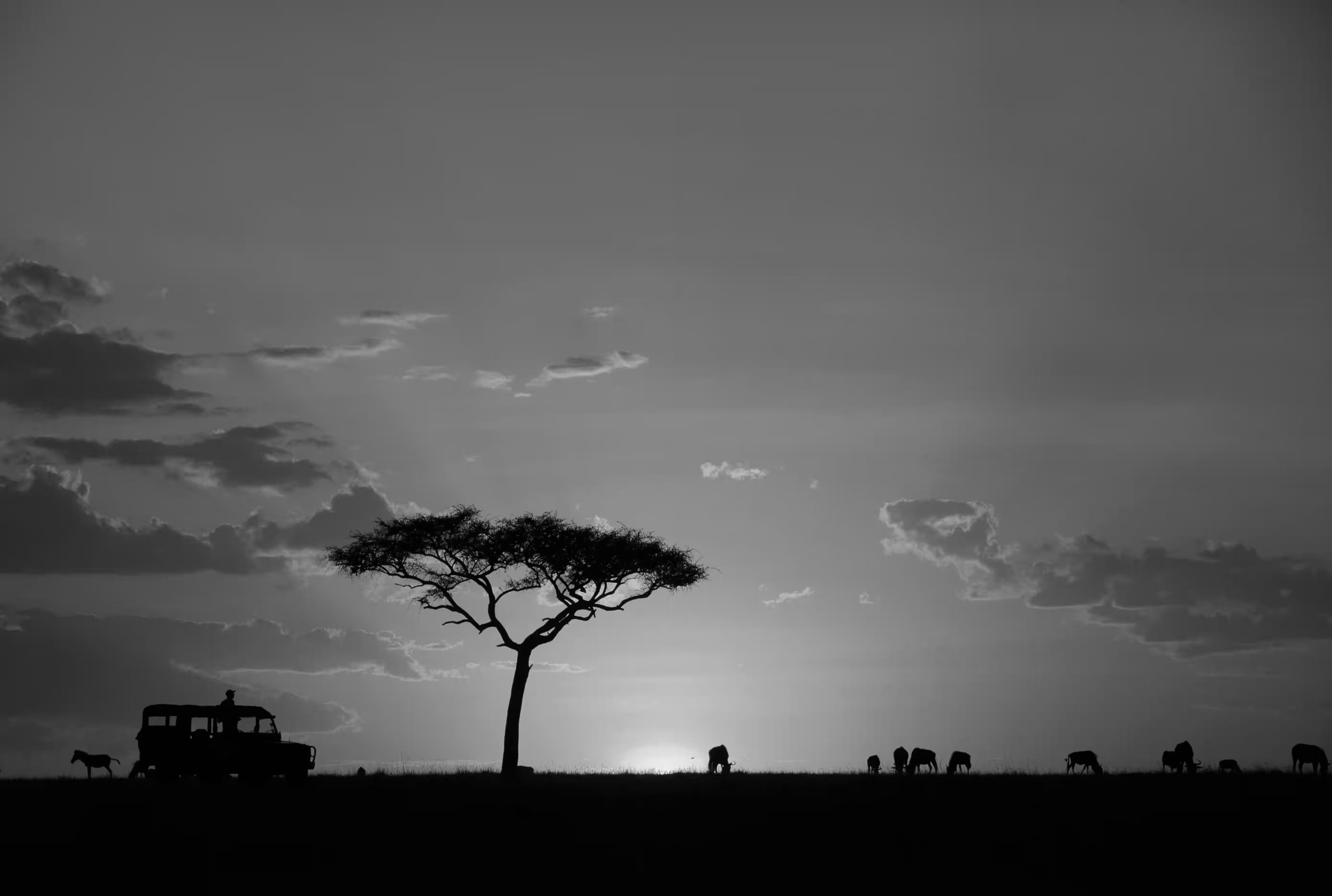

As we step into the vast expanse of the Serengeti, we are enveloped by an ancient wilderness that whispers tales of a timeless land.
We embark on a transformative safari journey, one that bridges the modern world with the untamed beauty of Africa. Here, in this sacred land, we are reminded of the delicate balance between humanity and nature.
Our journey through the Tanzania safari experience is not just about witnessing the majestic wildlife; it’s about immersing ourselves in the rhythm of the wild, where every moment is a testament to the wonders that await us.
Key Takeaways
- Experience the untamed beauty of Africa on a transformative safari journey.
- Immerse yourself in the rich cultural heritage and natural wonders of the Serengeti.
- Discover the delicate balance between humanity and nature in this ancient land.
- Enjoy an experiential luxury that goes beyond material comfort.
- Join a journey that values authenticity, conservation, and cultural depth.
The Untamed Heart of Africa
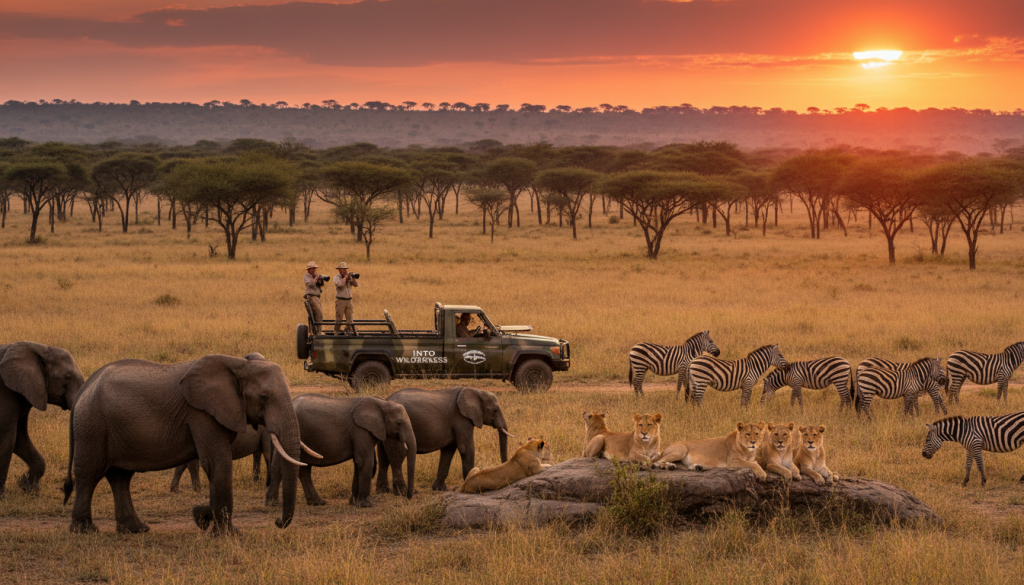
As we journey into the Serengeti, we’re drawn into a world where the rhythms of nature still reign supreme. The vast, open landscapes stretching as far as the eye can see, the acacia trees standing sentinel, and the wildlife roaming freely all combine to create an experience that is both humbling and exhilarating.
The Serengeti’s Global Significance
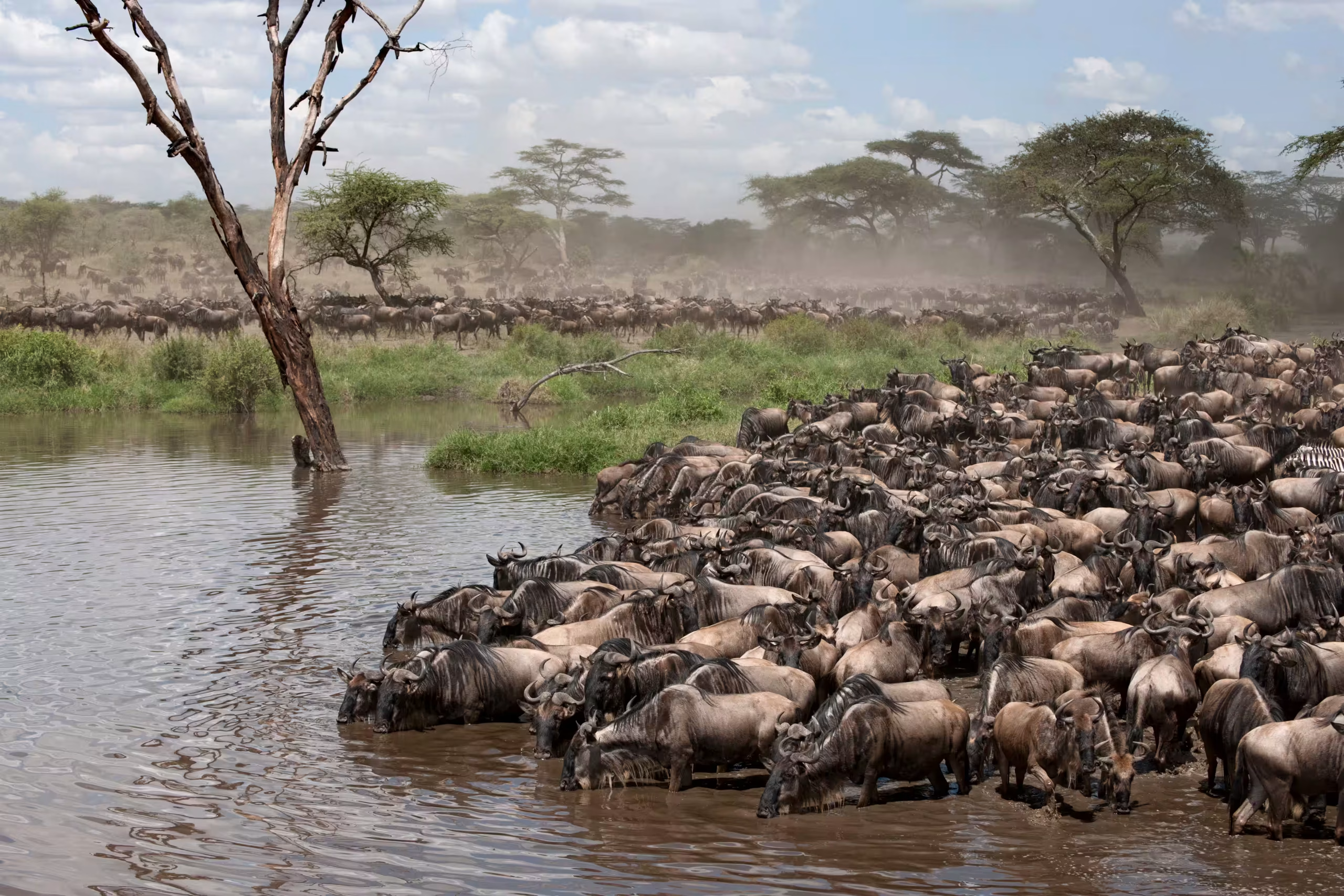
The Serengeti is renowned worldwide for its Great Migration, a spectacle that draws visitors from every corner of the globe. This natural wonder is not just a display of wildlife movement; it’s a testament to the intricate balance of ecosystems and the resilience of nature. As a hub for wildlife viewing, the Serengeti offers experiences that are both thrilling and enlightening, providing insights into the complex dynamics of the animal kingdom.
A Glimpse into Tanzania’s Crown Jewel
For Tanzanians, the Serengeti is a source of national pride, a symbol of the country’s rich natural heritage. It’s a place where the country’s conservation efforts are showcased, and where visitors can experience the best of African safari adventures. Our guides and local experts are dedicated to sharing their knowledge, ensuring that every visit is both enjoyable and informative.
The Transformative Nature of Safari Experiences
A safari in the Serengeti is more than just a holiday; it’s a journey of discovery and transformation. At Into Wilderness Tours, we believe in creating experiences that not only showcase the beauty of the Serengeti but also foster a deeper connection with nature and local communities. Our commitment is to responsible tourism that supports conservation and benefits the people who call this incredible landscape home.
As we explore the Serengeti, we’re reminded of the importance of preserving such natural wonders for future generations. The Serengeti is a true marvel, a place where the beauty and power of nature are on full display, offering an unforgettable African safari experience.
The Majestic Serengeti Park Tanzania: An Overview
As we venture into the heart of Tanzania, we find ourselves in the majestic Serengeti National Park, a realm of untamed beauty and diverse wildlife. The Serengeti ecosystem is a vast and complex network of habitats that support an incredible array of flora and fauna.
Geographic Location and Size
The Serengeti National Park is located in northern Tanzania, covering an area of approximately 14,763 square kilometers (5,700 sq mi). This expansive park is part of the larger Serengeti ecosystem, which includes the Ngorongoro Conservation Area and extends into Kenya’s Maasai Mara National Reserve.
Ecosystem Diversity
The Serengeti’s diverse ecosystem encompasses various habitats, from open grasslands to dense woodlands and riverine forests. The diversity of landscapes supports a wide range of wildlife, making the Serengeti one of Africa’s most renowned wildlife conservation areas.
Savanna Grasslands
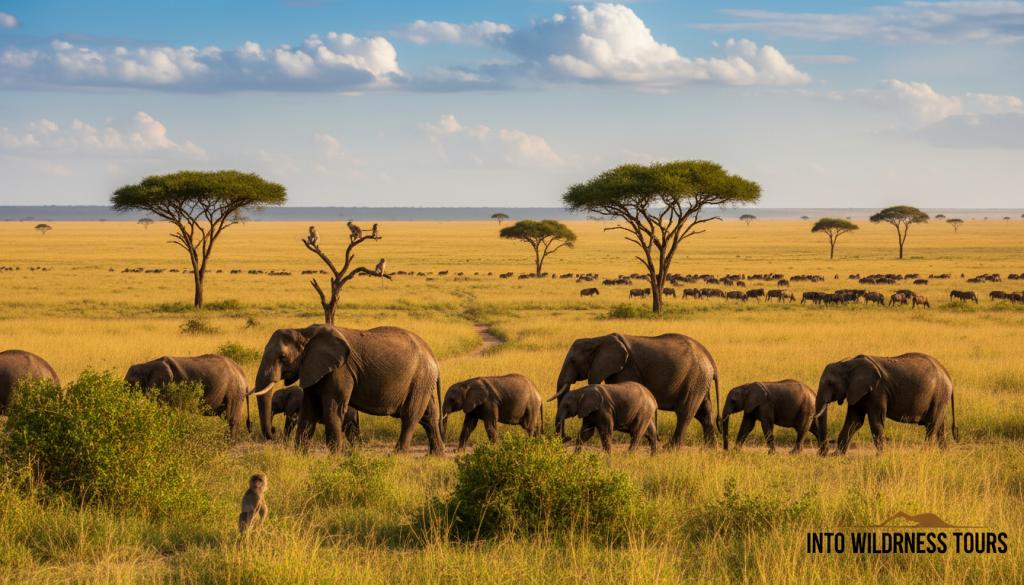
The savanna grasslands are a defining feature of the Serengeti, providing grazing grounds for vast herds of wildebeest, zebras, and gazelles. These open plains are dotted with acacia trees and rocky outcrops, creating a picturesque landscape.
Woodlands and Riverine Forests
In contrast to the open grasslands, the woodlands and riverine forests offer denser habitats, supporting a different array of wildlife. These areas are crucial for providing shelter and food for various species, especially during the dry seasons.
| Ecosystem Feature | Description | Wildlife Supported |
|---|---|---|
| Savanna Grasslands | Open plains with grasses and acacia trees | Wildebeest, zebras, gazelles |
| Woodlands | Dense areas with trees and shrubs | Various bird species, smaller mammals |
| Riverine Forests | Forests along rivers, providing dense cover | Large predators, forest antelopes |
UNESCO World Heritage Status
The Serengeti National Park was designated a UNESCO World Heritage site in 1981, recognizing its natural beauty and biodiversity. This prestigious status highlights the importance of preserving the Serengeti’s delicate ecosystem for future generations.
In conclusion, the Serengeti Park Tanzania is a remarkable natural treasure, boasting a rich diversity of ecosystems and wildlife. Its UNESCO World Heritage status underscores the need for continued conservation efforts to protect this incredible resource.
The Great Migration: Nature’s Most Spectacular Show
As the seasons change, the Serengeti transforms into a vast stage for the Great Migration, a spectacle of nature’s raw power. This cyclical journey, driven by the quest for greener pastures, is a testament to the enduring spirit of the African savannah.
Understanding the Migration Cycle
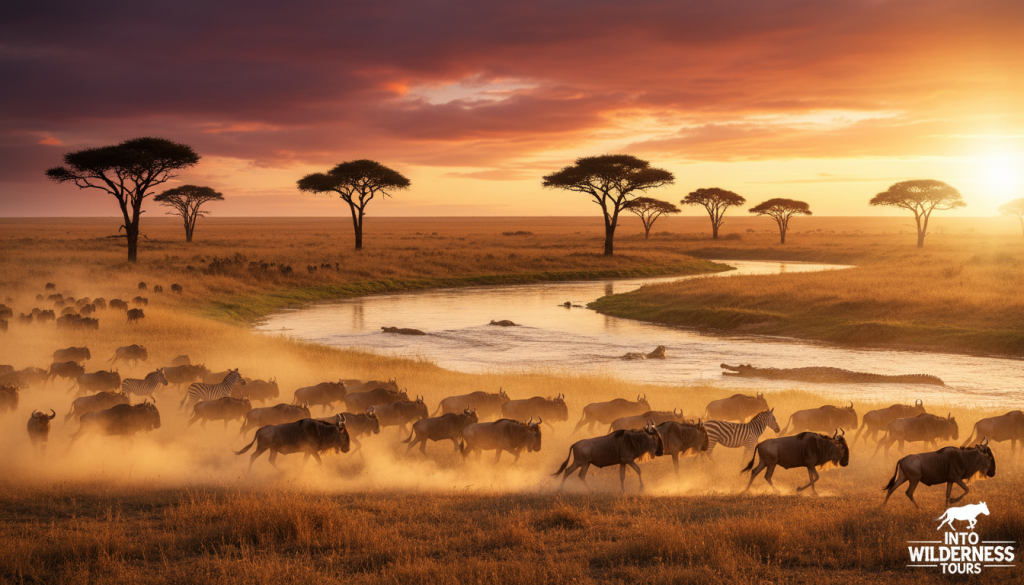
The Great Migration is not just a random movement; it’s a well-orchestrated cycle influenced by rainfall, vegetation, and predation. Over 1.5 million wildebeest, accompanied by zebras and gazelles, embark on a perilous journey in search of sustenance.
“The migration is a survival strategy, honed over millennia, where the herd’s collective instinct guides them to the best grazing lands,” explains a seasoned safari guide. This ancient rhythm is a marvel of nature, with the animals adapting to the changing seasons.
Witnessing River Crossings
One of the most dramatic aspects of the Great Migration is the river crossings. The Mara and Grumeti rivers are notorious for their treacherous waters and lurking predators.
Mara River Drama
The Mara River crossing is a heart-stopping spectacle. Wildebeest and zebras must navigate the strong currents and avoid crocodiles lying in wait. It’s a test of endurance and survival.
Grumeti River Challenges
Similarly, the Grumeti River poses significant challenges. The dense vegetation along its banks hides predators, making it a dangerous crossing point for the migrating herds.
Predator-Prey Dynamics During Migration
The Great Migration is also a time of heightened predator-prey interactions. Lions, leopards, and cheetahs capitalize on the vulnerable moments during river crossings and in the dense vegetation.
This dynamic interplay between predator and prey is a crucial aspect of the ecosystem, maintaining the delicate balance of nature. As we witness these interactions, we’re reminded of the raw beauty and complexity of the natural world.
The Great Migration is more than just a wildlife spectacle; it’s an immersive experience that connects us with the natural world. As we watch the herds move across the Serengeti, we’re reminded of the importance of conservation and the need to preserve these incredible ecosystems for future generations.
Beyond the Migration: Year-Round Wildlife Encounters
In the Serengeti, the adventure never ends: with its vast array of wildlife, every day brings new encounters and discoveries. While the Great Migration is a spectacle like no other, the Serengeti’s true magic lies in its diverse and thriving ecosystem, teeming with life throughout the year.
The Big Five Safari Experience
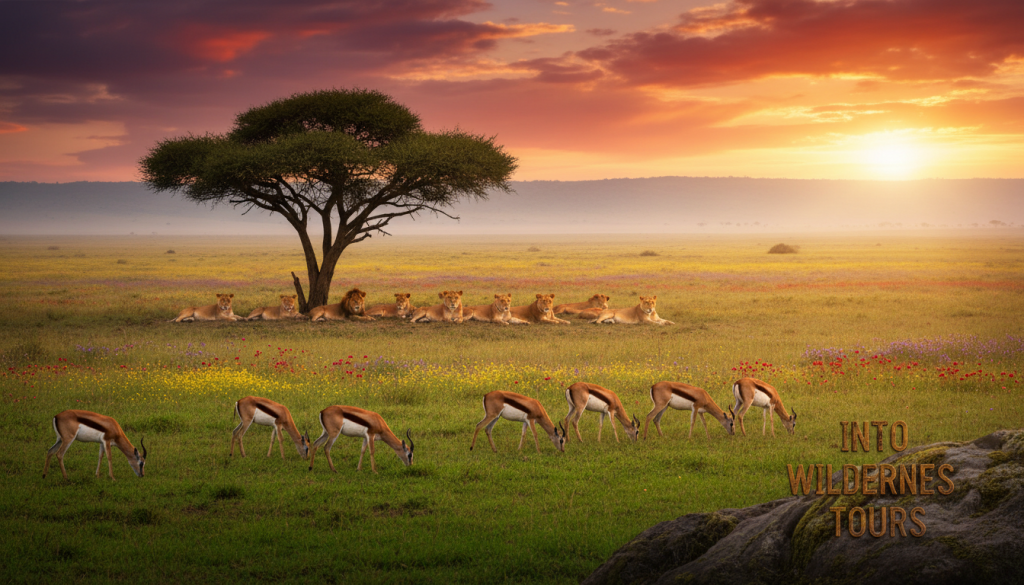
The Serengeti is renowned for its Big Five – lion, leopard, rhinoceros, elephant, and Cape buffalo. These iconic animals are a highlight of any safari, and the Serengeti offers some of the best opportunities to see them in their natural habitat. With a bit of luck and patience, visitors can witness the majesty of these creatures up close.
Birdwatching Paradise
The Serengeti is a birdwatcher’s paradise, with over 500 species recorded. From the majestic Martial Eagle to the vibrant Lilac-breasted Roller, the park is a haven for ornithologists and casual bird enthusiasts alike. The varied habitats, from grasslands to woodlands, support a rich avifauna that changes with the seasons.
Lesser-Known Species of the Serengeti
Beyond the Big Five, the Serengeti is home to a variety of lesser-known species that are equally fascinating. Two such categories are the small cats and unique antelope species.
Serval and Other Small Cats
The Serengeti is home to several species of small cats, including the serval, known for its striking appearance and impressive hunting skills. These elusive cats are a thrill to spot, offering a glimpse into the Serengeti’s more secretive wildlife.
Unique Antelope Species
The Serengeti is also home to various antelope species, each with unique characteristics. The impala, with its impressive leaping ability, and the Grant’s gazelle, known for its striking coat patterns, are just a few examples of the diversity found in the park.
| Species | Description | Best Time to See |
|---|---|---|
| Serval | Medium-sized cat with distinctive black spots and large ears | Dawn and dusk |
| Impala | Medium-sized antelope known for its impressive jumping ability | Throughout the day |
| Grant’s Gazelle | Large gazelle with a striking coat pattern | Early morning |
When to Visit: Seasonal Highlights of the Serengeti
The Serengeti’s splendor unfolds across the seasons, each offering a unique safari experience. As we explore the park’s dynamic landscape, it becomes clear that the timing of your visit can significantly impact your encounter with this African wilderness.
Dry Season (June-October): Peak Wildlife Viewing
During the dry season, the Serengeti transforms into a wildlife enthusiast’s paradise. Water sources become scarce, concentrating animals around the remaining watering holes. This makes wildlife viewing exceptionally rewarding, as the sparse vegetation offers little cover for the animals.
Green Season (November-May): Lush Landscapes and Newborns
The green season brings a renewal of life to the Serengeti. The landscape becomes lush and vibrant, providing a picturesque backdrop for your safari. This period is particularly special for witnessing the birth of new life, as many animals give birth to their young.
Monthly Breakdown of Migration Patterns
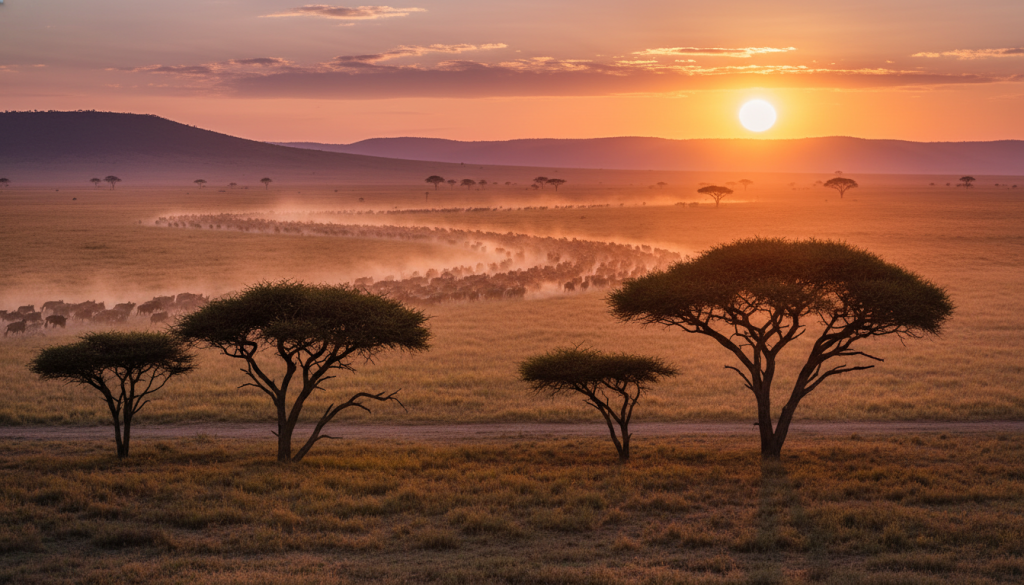
Understanding the Great Migration’s monthly patterns can help plan your visit. Here’s a brief overview:
- January-February: Calving season in the southern Serengeti.
- March-April: Migration begins moving northwards.
- July-August: River crossings in the northern Serengeti.
- September-October: Animals start moving back south.
Safari Options: Choosing Your Adventure Style
As we venture into the Serengeti, the vast expanse of possibilities for safari adventures unfolds before us. The Tanzanian wilderness offers a diverse range of experiences tailored to different tastes and adventure levels, ensuring that every visitor can immerse themselves in the beauty and wonder of this iconic African landscape.
Classic Game Drives
The quintessential safari experience, classic game drives take us through the Serengeti’s vast plains in 4×4 vehicles, expertly guided to maximize wildlife encounters. “The thrill of spotting a pride of lions lazing in the shade or a herd of elephants making their way to a watering hole is an experience like no other,” as we navigate the grasslands and woodlands in search of the Big Five and other fascinating creatures.
Hot Air Balloon Safaris
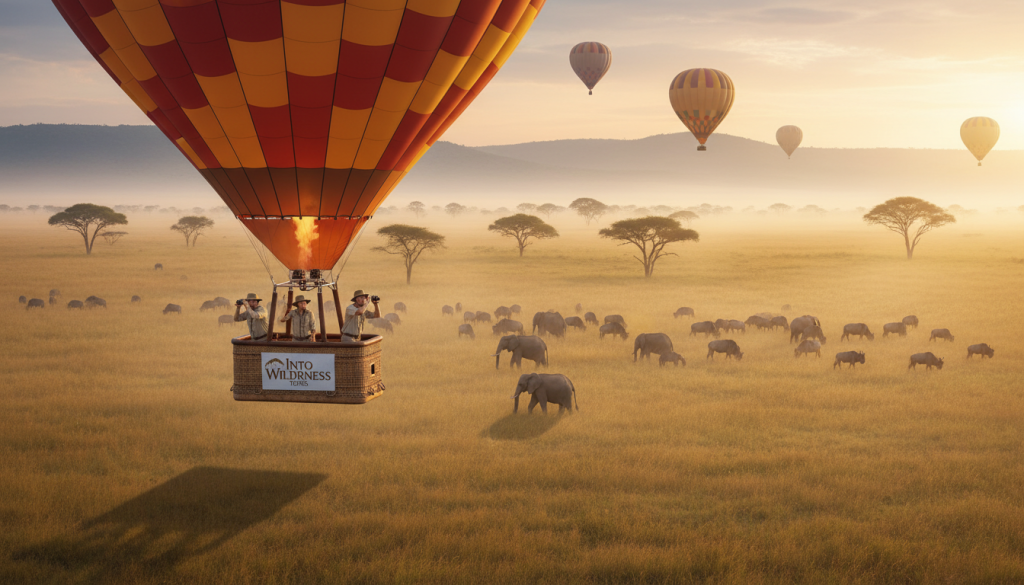
For a bird’s-eye view of the Serengeti, hot air balloon safaris offer a serene and majestic experience. Drifting above the landscape at dawn, we witness the awakening of the savannah, with the golden light of sunrise casting a warm glow over the terrain. It’s a tranquil way to appreciate the vastness and beauty of the Serengeti from a new perspective.
Walking Safaris
For those seeking a more intimate connection with nature, walking safaris provide an opportunity to explore the Serengeti’s lesser-known areas on foot. Accompanied by experienced guides, we learn about the intricate details of the ecosystem, from the smallest insects to the towering trees, fostering a deeper appreciation for the interconnectedness of the natural world.
Specialized Photography Safaris
Catering to photography enthusiasts, specialized safaris focus on capturing the beauty and drama of the Serengeti’s landscapes and wildlife. With expert guidance on composition, lighting, and technique, we hone our skills to take home unforgettable images of our Tanzanian adventure.
Night Drives in Buffer Zones
Venturing into the buffer zones under the cover of night, we embark on a different kind of safari experience. Equipped with spotlights, our guides help us spot nocturnal creatures, revealing a hidden world of activity that contrasts with the daytime drama, offering a unique perspective on the Serengeti’s diverse wildlife.
Each of these safari options offers a distinct way to experience the Serengeti, from the thrill of classic game drives to the serenity of hot air balloon safaris. By choosing the adventure style that resonates with us, we can create unforgettable memories of our journey through this incredible African landscape.
Where to Stay: Accommodation in and Around the Serengeti
The Serengeti’s varied landscapes demand a range of accommodations, each catering to different tastes and preferences. As we explore the options for staying within or near this iconic national park, we find that the choices are as diverse as the wildlife that inhabits it.
Luxury Lodges: Unparalleled Comfort in the Wild
Luxury lodges in the Serengeti offer the perfect blend of comfort and wilderness experience. These lodges are designed to provide guests with a luxurious stay while being close to nature.
Four Seasons Serengeti
The Four Seasons Serengeti is a prime example of luxury accommodation, offering elegant rooms and suites, a spa, and exceptional service. Guests can enjoy guided safaris and relax in style.
Singita Grumeti Reserves
Singita Grumeti Reserves provides an exclusive safari experience with luxurious accommodations and personalized service. The reserve is known for its conservation efforts and exceptional wildlife viewing opportunities.
Tented Camps: Authentic Safari Experience
Tented camps offer an authentic safari experience, allowing guests to connect with nature while still enjoying comforts. These camps are often located in prime wildlife viewing areas.
Mobile Camps: Following the Migration
Mobile camps are a unique option for those who want to follow the Great Migration. These camps move with the herds, providing guests with a front-row seat to this natural spectacle.
Budget Options and Public Campgrounds
For those on a tighter budget, there are public campgrounds and more basic lodges available. These options provide a more rustic experience and are often located near the park’s boundaries.
| Accommodation Type | Key Features | Price Range |
|---|---|---|
| Luxury Lodges | Elegant rooms, spas, guided safaris | $500-$1000 per night |
| Tented Camps | Authentic safari experience, comfortable tents | $200-$500 per night |
| Mobile Camps | Follows the Great Migration, unique experience | $300-$600 per night |
| Budget Options | Basic amenities, public campgrounds | $20-$100 per night |
As we consider where to stay in the Serengeti, it’s clear that there’s an accommodation option for every type of traveler. Whether we choose luxury or simplicity, the Serengeti’s beauty and wildlife are sure to leave a lasting impression.
Navigating the Serengeti: Practical Travel Information
The Serengeti beckons, but before we step into this wilderness, let’s prepare with the right travel information. As we plan our journey to this iconic Tanzanian park, we need to consider several practical aspects to ensure a smooth and enjoyable experience.
Getting to the Serengeti
Reaching the Serengeti involves a combination of international and domestic travel. International flights typically land in Kilimanjaro International Airport (JRO) or Julius Nyerere International Airport (DAR) in Dar es Salaam.
International Flights to Tanzania
Major airlines such as Turkish Airlines, Ethiopian Airlines, and Kenya Airways offer convenient connections to Tanzania from around the world.
Domestic Flights and Road Transfers
From the international airports, we can take domestic flights to Serengeti’s airstrips or nearby airports like Mwanza or Arusha. Alternatively, road transfers are available, offering a scenic route to the park.
Park Fees and Permits
To enter the Serengeti, we need to pay park fees, which include a daily conservation fee, camping fees (if applicable), and guided tour fees. It’s essential to obtain the necessary permits in advance, especially during peak season.
Health and Safety Considerations
Health and safety are paramount when traveling to the Serengeti. We should ensure we’re up-to-date on vaccinations and take malaria prophylaxis. It’s also crucial to follow guidelines from our guides and lodge staff regarding wildlife encounters and outdoor activities.

By understanding these practical aspects, we can focus on the true essence of our journey: experiencing the breathtaking beauty and wildlife of the Serengeti.
Cultural Encounters: The Maasai and Other Local Communities
Beyond the thrill of the safari, the Serengeti offers a profound cultural experience, particularly with the Maasai community. As we journey through this iconic landscape, we have the opportunity to engage with the rich traditions and ways of life of the people who have lived in harmony with the land for centuries.
Traditional Lifestyles in Harmony with Wildlife
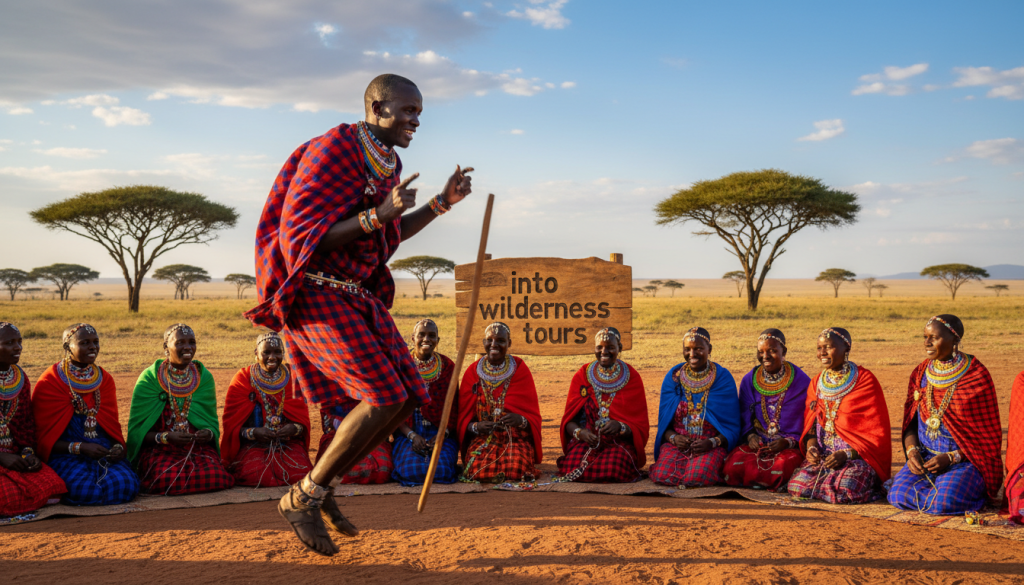
The Maasai people have long been the guardians of the Serengeti, living in a delicate balance with the natural world. Their traditional practices, such as adimu (jumping of the bull), are not just rituals but ways of ensuring their cattle—their lifeblood—thrive alongside the wildlife. This symbiotic relationship is a testament to their deep understanding of the ecosystem.
Cultural Visits and Ethical Tourism
Visiting Maasai communities can be a deeply enriching experience, offering insights into their traditional lifestyles. However, it’s crucial that these interactions are conducted ethically. We support responsible tourism practices that ensure fair compensation and respect for the local culture. By engaging in ethical tourism, we not only enrich our own experience but also contribute to the well-being of the communities we visit.
“The Maasai have a saying: ‘En-kai n’gororo,’ meaning ‘the land is our wealth.’ This philosophy underscores their harmonious coexistence with nature and serves as a powerful reminder of the importance of preserving both cultural heritage and the natural world.”
Supporting Local Communities
By choosing to engage with local communities through responsible tourism, we directly support their economic development. This can include purchasing local handicrafts, participating in community-led tours, and staying in locally owned accommodations. Such actions help to ensure that the benefits of tourism are shared equitably, fostering a more sustainable future for both the people and the wildlife of the Serengeti.
- Engage in community-led cultural tours
- Purchase local handicrafts
- Stay in locally owned accommodations
As we explore the Serengeti, we are not just observers; we are participants in a larger story of conservation and cultural preservation. By embracing this holistic approach to safari travel, we enrich our experience and contribute to the long-term sustainability of this incredible ecosystem.
Conservation Efforts in the Serengeti Ecosystem
As we explore the Serengeti’s majestic landscapes, it’s crucial to acknowledge the conservation efforts that are preserving this natural wonder for future generations. The Serengeti ecosystem, a marvel of nature, faces numerous challenges that necessitate a collaborative and multi-faceted conservation approach.
Current Challenges and Threats
The Serengeti is confronted with several pressing issues, including habitat fragmentation, human-wildlife conflict, and climate change. These challenges are compounded by the increasing human population around the park’s borders, leading to encroachment and resource competition.
- Habitat loss and fragmentation due to agriculture and infrastructure development
- Human-wildlife conflict resulting from encroachment into wildlife corridors
- Climate change impacting migration patterns and resource availability
Conservation Success Stories
Despite these challenges, there have been significant conservation successes in the Serengeti. Anti-poaching efforts have led to a decline in rhino poaching, and community-based conservation initiatives have fostered coexistence between humans and wildlife.
How Visitors Can Contribute
Visitors play a crucial role in Serengeti’s conservation. By adopting sustainable tourism practices, travelers can support conservation efforts. This includes choosing eco-friendly accommodations, respecting wildlife, and supporting local communities.
Sustainable Tourism Practices
- Selecting tour operators committed to conservation and community development
- Minimizing environmental impact through responsible travel habits
- Engaging with and supporting local conservation initiatives
Conservation Organizations to Support
Several organizations are dedicated to preserving the Serengeti ecosystem. Visitors can contribute by supporting these organizations through donations or volunteering.
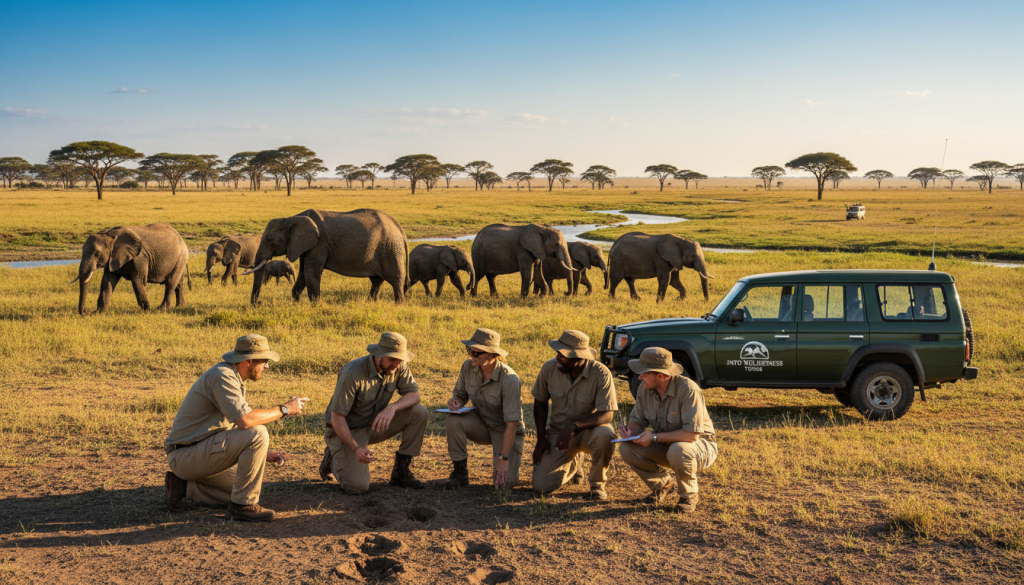
By working together, we can ensure the Serengeti remains a vibrant, thriving ecosystem for generations to come. Our commitment to conservation is a testament to the value we place on this incredible natural heritage.
Capturing the Magic: Photography in the Serengeti
As we step into the Serengeti’s vast expanse, our cameras become extensions of our eyes, capturing the magic that unfolds before us. The art of photography here is not just about technical proficiency, but about being attuned to the rhythms of nature and the stories that the land and its creatures tell.
Essential Equipment and Preparation
To capture the Serengeti’s beauty, one must be well-prepared. Essential equipment includes a DSLR or mirrorless camera, telephoto lenses (at least 200mm), a sturdy tripod, and protective gear for the harsh African sun. Understanding your equipment and being familiar with the light conditions and animal behaviors will significantly enhance your photography experience.
Tips for Wildlife Photography
Wildlife photography in the Serengeti requires patience and a deep respect for the animals. Tips include maintaining a safe distance, being aware of your surroundings, and anticipating animal behavior. Using a hide or blind can provide unique, intimate shots without disturbing the wildlife.
Landscape Photography Opportunities
The Serengeti offers breathtaking landscapes, from the golden light of sunrise to the dramatic skies of sunset. Positioning yourself at vantage points like rocky outcrops or hilltops can yield stunning vistas. Incorporating elements like acacia trees or animal silhouettes can add depth to your landscape shots.
Ethical Wildlife Photography
Ethical wildlife photography is about respecting the subject and the environment. This means not baiting or luring animals for a shot, not disturbing their natural behavior, and being mindful of your impact on the ecosystem. By practicing ethical photography, we contribute to the conservation narrative, promoting the value of preserving wildlife and their habitats.
| Photography Tip | Description | Benefit |
|---|---|---|
| Use a telephoto lens | Captures wildlife without disturbance | Intimate, natural shots |
| Shoot during golden hour | Soft, warm light enhances landscapes | Visually appealing images |
| Be patient and observant | Anticipates animal behavior | Unique, dynamic shots |
“Photography is a way of feeling, of touching, of loving. What you have caught on film is captured forever… It remembers little things, long after you have forgotten everything.”
By embracing these principles and practices, we can capture the essence of the Serengeti, creating images that not only reflect its beauty but also inspire a deeper appreciation and commitment to preserving our natural world.
Beyond the Serengeti: Extending Your Tanzanian Safari
As we venture beyond the Serengeti’s vast plains, Tanzania reveals a tapestry of diverse landscapes and experiences waiting to be discovered. Our journey can take us to the Ngorongoro Crater, a UNESCO World Heritage Site and one of the most spectacular natural wonders in Africa.
Ngorongoro Crater
The Ngorongoro Crater is a haven for wildlife enthusiasts, with its unique ecosystem supporting a dense population of lions, elephants, and black rhinoceros. A visit here offers an unforgettable safari experience, with the added bonus of exploring the crater’s rich history and geological significance.
Tarangire and Lake Manyara
Further exploration can lead us to Tarangire National Park, known for its majestic baobab trees and large elephant herds, and Lake Manyara, where we can witness the tree-climbing lions and the park’s diverse birdlife. These destinations offer a fresh perspective on Tanzanian wildlife and landscapes.
Zanzibar Beach Extension
For those seeking relaxation after their safari, a Zanzibar beach extension provides the perfect opportunity to unwind on the pristine beaches of this Indian Ocean archipelago. With its rich history, vibrant culture, and stunning natural beauty, Zanzibar is an ideal complement to your Tanzanian adventure.
Climbing Mount Kilimanjaro
For the more adventurous, climbing Mount Kilimanjaro, Africa’s highest peak, offers a once-in-a-lifetime challenge. This iconic mountain stands as a testament to Tanzania’s natural grandeur, and reaching its summit is a truly unforgettable experience.
By extending your Tanzanian safari beyond the Serengeti, you open yourself up to a world of diverse experiences and landscapes, each offering a unique perspective on this incredible country.
Planning Your Serengeti Adventure: Practical Tips
Planning a Serengeti safari requires a blend of practicality and passion, ensuring that our adventure is both memorable and responsible. As we prepare for this journey, several key factors come into play to make our experience truly unforgettable.
Budgeting for Your Safari
Budgeting is a crucial aspect of planning your Serengeti adventure. Costs can vary widely depending on the time of year, accommodation choices, and the type of safari experience you opt for. It’s essential to consider not just the initial costs but also any additional expenses such as park fees, guided tours, and conservation contributions.
- Accommodation: Luxury lodges, tented camps, or budget options
- Guided Tours: Game drives, walking safaris, or specialized photography safaris
- Conservation Contributions: Supporting local initiatives and conservation efforts
Booking Strategies and Timing
When to book your safari can significantly impact your experience and costs. Peak season, typically during the dry season, requires earlier booking to secure accommodations and tours. Consider the benefits of off-season travel as well, when prices may be lower and the landscape is lush and green.
Key booking considerations:
- Advance booking for peak season
- Flexibility for off-season travel
- Package deals that include multiple services
Packing Essentials
Packing the right gear is vital for a comfortable and enjoyable safari experience. This includes appropriate clothing, necessary gear, and technology.
Clothing and Gear
Comfortable, versatile clothing and the right gear can make a significant difference. Consider lightweight, neutral-colored clothing, sturdy boots, and layers for cooler mornings and evenings.
- Neutral-colored clothing
- Sturdy boots and comfortable shoes
- Layers for temperature control
Technology and Accessories
In today’s digital age, having the right technology and accessories can enhance your experience. This includes cameras, binoculars, power banks, and portable chargers.
- Camera equipment for wildlife photography
- Binoculars for birdwatching and wildlife viewing
- Power banks and portable chargers for your devices
Responsible Tourism Practices
As we enjoy the beauty and wonder of the Serengeti, it’s crucial to practice responsible tourism. This includes respecting local wildlife, supporting local communities, and minimizing our environmental footprint.
Responsible tourism tips:
- Respect wildlife and their habitats
- Support local businesses and communities
- Minimize waste and reduce your environmental impact
By carefully planning our Serengeti adventure, we not only ensure a memorable experience for ourselves but also contribute to the preservation of this incredible ecosystem for future generations.
Conclusion: The Transformative Power of the Serengeti
As we reflect on the Serengeti Park Tanzania, we are reminded of the transformative power of the African wilderness. Our journey through this incredible ecosystem has revealed the intricate balance of nature, the majesty of wildlife, and the resilience of local communities.
The Serengeti’s vast plains and diverse landscapes offer a truly immersive safari experience, allowing us to connect with the natural world on a profound level. As we witness the Great Migration, we are struck by the raw beauty and energy of this spectacle.
As we conclude our exploration of the Serengeti, we are left with a deep appreciation for the importance of preserving this precious ecosystem. By supporting responsible tourism and conservation efforts, we can play a vital role in protecting the Serengeti’s future.
In the Serengeti, we find not only a transformative safari experience but also a reminder of our responsibility to safeguard the African wilderness for generations to come.
FAQ
What is the best time to visit the Serengeti?
The best time to visit the Serengeti depends on your preferences, but the dry season (June to October) is ideal for wildlife viewing, while the green season (November to May) offers lush landscapes and newborn animals.
How do I get to the Serengeti?
To get to the Serengeti, you can fly into Kilimanjaro International Airport or Julius Nyerere International Airport in Dar es Salaam, and then take a domestic flight or road transfer to the Serengeti.
What are the accommodation options in the Serengeti?
The Serengeti offers a range of accommodations, from luxury lodges like Four Seasons Serengeti and Singita Grumeti Reserves, to tented camps, mobile camps, and budget-friendly options.
What safari options are available in the Serengeti?
You can choose from classic game drives, hot air balloon safaris, walking safaris, specialized photography safaris, and night drives in buffer zones, depending on your adventure style.
How can I contribute to conservation efforts in the Serengeti?
You can contribute to conservation efforts by practicing sustainable tourism, supporting conservation organizations, and respecting local wildlife and communities.
What are the health and safety considerations for visiting the Serengeti?
Visitors should take necessary precautions against malaria, stay hydrated, and follow safety guidelines provided by tour operators and guides to ensure a safe and healthy safari experience.
Can I visit local communities during my Serengeti safari?
Yes, you can visit local communities, such as the Maasai, to learn about their traditional lifestyles and support ethical tourism practices that benefit local communities.
What photography equipment is essential for capturing the Serengeti’s beauty?
Essential photography equipment includes a good camera, telephoto lenses, a tripod, and a camera with good battery life, as well as knowledge of photography techniques and ethics.
How can I extend my Tanzanian safari beyond the Serengeti?
You can extend your safari by visiting other destinations like the Ngorongoro Crater, Tarangire, Lake Manyara, or Zanzibar, or by climbing Mount Kilimanjaro.
What are the budget considerations for planning a Serengeti safari?
Budget considerations include the cost of accommodations, safari activities, park fees, and travel to and from Tanzania, as well as planning and booking strategies to save costs.