
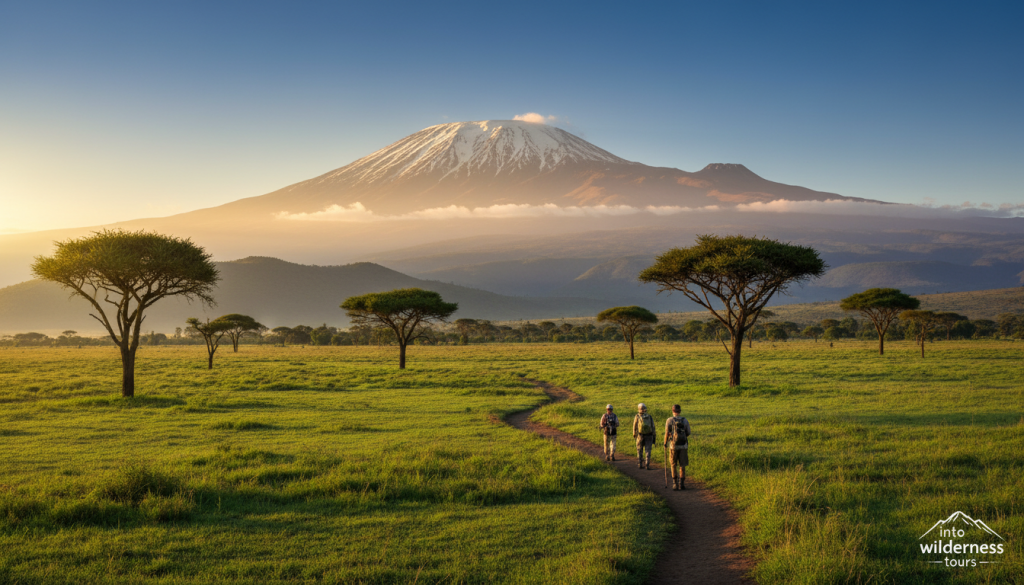
As we embark on this journey to explore the majestic Mount Kilimanjaro National Park, we are filled with a sense of wonder and awe. Kilimanjaro, Africa’s highest peak, stands tall as a testament to nature’s grandeur.
We invite you to join us as we delve into the enchanting wilderness of this incredible destination. The rugged beauty of Kilimanjaro beckons, promising an adventure that will touch your soul and leave you transformed.
Key Takeaways
- Experience the majestic beauty of Africa’s highest peak
- Explore the diverse landscapes within Mount Kilimanjaro National Park
- Embark on a transformative journey through Tanzania’s wilderness
- Discover the rich cultural heritage associated with Kilimanjaro
- Enjoy a unique, intimate experience with nature
The Majestic Crown of Africa
Rising above the Tanzanian plains, Kilimanjaro stands as a testament to Africa’s natural splendor. We are drawn to its majestic presence, a symbol of the continent’s untamed beauty.
Africa’s Highest Peak
At 19,341 feet, Mount Kilimanjaro is Africa’s highest peak, a formidable challenge for climbers and a breathtaking sight for all who visit. As we explore the mountain, we discover its unique geological features and diverse ecosystems.
The climb to the summit is a journey through various climates, from tropical to arctic conditions. This diversity supports a wide range of flora and fauna, making Kilimanjaro a fascinating destination for nature enthusiasts.
| Height | Climbing Duration | Ecosystems |
|---|---|---|
| 19,341 feet | 5-9 days | Tropical, Alpine, Arctic |
A UNESCO World Heritage Site
Kilimanjaro’s significance extends beyond its height; it is a UNESCO World Heritage Site, recognized for its cultural and natural importance. The mountain holds deep spiritual meaning for local communities and is a source of inspiration for all who encounter it.
As we appreciate Kilimanjaro’s grandeur, we are reminded of the importance of preserving this natural wonder for future generations. Conservation efforts are crucial to protecting the mountain’s ecosystems and cultural heritage.
The History and Formation of Kilimanjaro
As we stand before the majestic Mount Kilimanjaro, we are drawn into a story that spans millions of years, from its geological birth to its discovery by European explorers. This narrative is not just about a mountain; it’s about the forces that shaped it and the people who first beheld its grandeur.
Geological Origins
Kilimanjaro’s geological origins date back approximately 750,000 years when volcanic activity began to shape this African giant. The mountain is composed of three volcanic cones: Kibo, Mawenzi, and Shira. The formation process involved extensive volcanic eruptions that eventually ceased, leaving behind a dormant volcano. The subsequent erosion and weathering processes sculpted the mountain into its current form.
| Volcanic Cone | Status | Height (meters) |
|---|---|---|
| Kibo | Dormant | 5,895 |
| Mawenzi | Extinct | 5,149 |
| Shira | Extinct | 4,000 |
The geological history of Kilimanjaro is a testament to the region’s volcanic past and the natural forces that continue to shape our world.
First European Discoveries
The first European to sight Kilimanjaro was Johann Ludwig Krapf, a German missionary and explorer, in 1848. However, it was Johannes Rebmann, another German explorer, who provided the first detailed account of the mountain in 1849. Their discoveries sparked a wave of interest among European explorers and scientists.
“The snow on the top of Kilimanjaro is a most wonderful sight, and the mountain itself is a grand and beautiful object.” – Johannes Rebmann
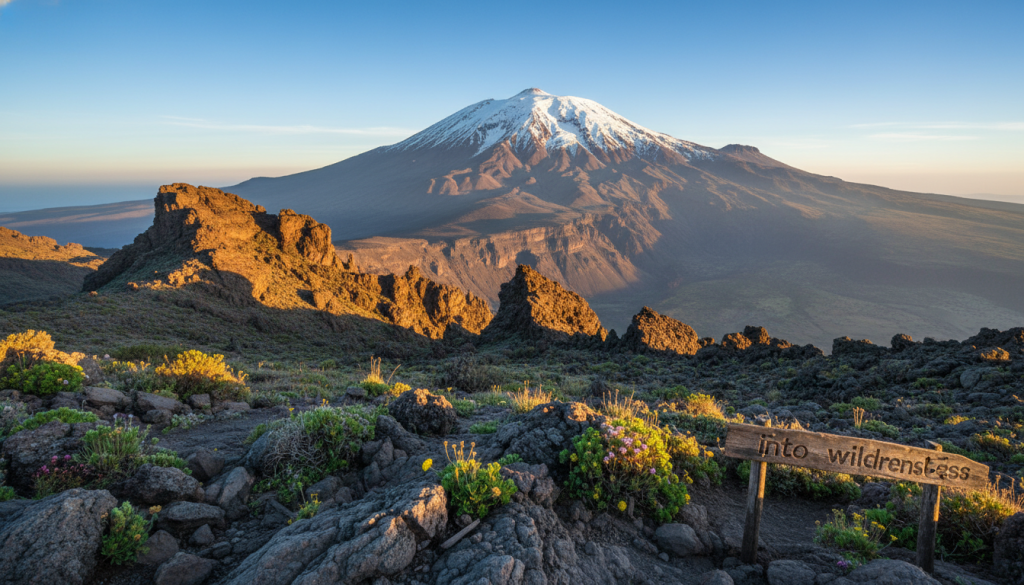
The European discoveries not only unveiled Kilimanjaro to the world but also marked the beginning of a new era in the understanding and appreciation of this natural wonder.
Exploring Mount Kilimanjaro National Park
As we venture into the heart of Tanzania, Mount Kilimanjaro National Park unfolds its majestic presence, a testament to nature’s grandeur. This park is not just a geographical marvel but a haven for diverse ecosystems and a challenge for adventurers worldwide.
Location and Boundaries
Mount Kilimanjaro National Park is situated in the Kilimanjaro Region of Tanzania, near the town of Moshi. The park’s boundaries encompass a vast area around the mountain, protecting its unique biodiversity and geological features. The park covers an area of approximately 1,688 square kilometers, creating a sanctuary for a wide range of flora and fauna.
Park Establishment and Management
Established in 1973, Mount Kilimanjaro National Park is managed by the Tanzania National Parks Authority (TANAPA). The park’s establishment was a crucial step in conserving the region’s natural beauty and ecological balance. TANAPA works tirelessly to protect the park’s resources while promoting sustainable tourism practices.
The Three Volcanic Cones
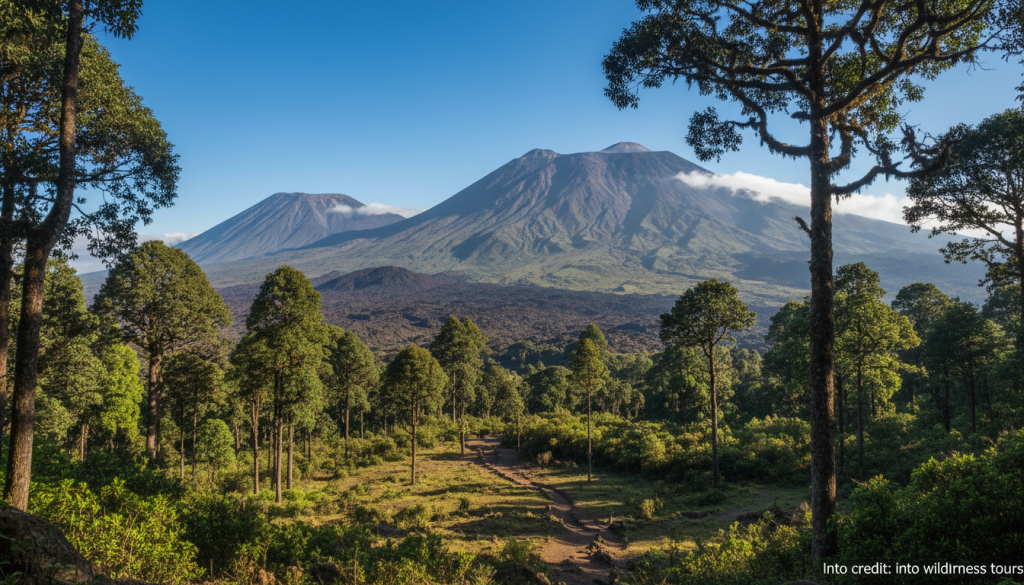
At the heart of Mount Kilimanjaro National Park lie three distinct volcanic cones: Kibo, Mawenzi, and Shira. Each cone has its unique characteristics and contributes to the park’s diverse landscapes.
Kibo
Kibo is the highest of the three cones, with its peak, Uhuru Point, reaching an elevation of 5,895 meters above sea level. It’s the summit that many climbers aspire to reach, offering breathtaking views of the surrounding landscape.
Mawenzi
Mawenzi, the second-highest cone, stands at 5,149 meters. Its rugged terrain and challenging climbing routes make it a favorite among experienced adventurers seeking to explore its majestic peaks.
Shira
Shira, the third cone, is now considered a plateau due to its collapsed structure. It offers a unique landscape of volcanic remnants and is a vital part of the park’s geological history.
Five Distinct Ecological Zones
As we ascend Mount Kilimanjaro, we traverse through five distinct ecological zones, each with its unique characteristics and biodiversity. This diversity is a hallmark of Kilimanjaro’s natural beauty, offering a range of ecosystems that support a wide variety of flora and fauna.
Cultivation Zone
The journey begins in the cultivation zone, where the lower slopes are intensely farmed, with crops such as coffee, bananas, and maize thriving in the fertile soil. This zone is a testament to the agricultural productivity of the region, supporting local communities.
Rainforest Zone
As we climb higher, we enter the rainforest zone, characterized by a dense canopy of trees, including giant ferns and moss-covered branches. The air is cool and damp, with the sounds of birds and insects filling the atmosphere.
Heath and Moorland Zone
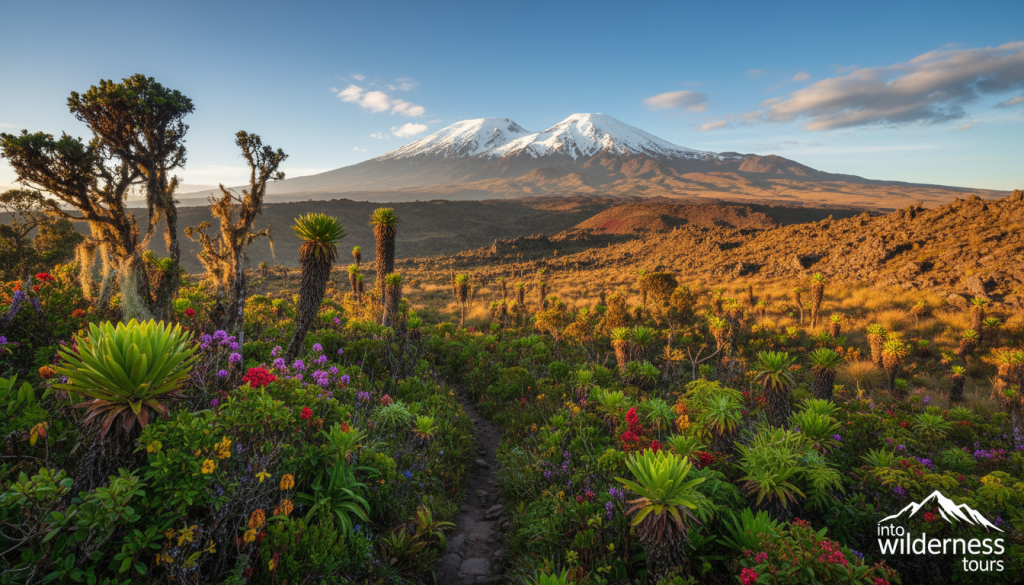
Beyond the rainforest lies the heath and moorland zone, where vegetation becomes more sparse, with giant heathers and lobelias dominating the landscape. The climate here is cooler, with mist and fog often shrouding the terrain.
Alpine Desert Zone
The alpine desert zone is a harsh, barren landscape, with limited vegetation adapted to the extreme conditions. The soil is rocky, and the air is thin, making it a challenging environment for most living organisms.
Arctic Summit Zone
Finally, we reach the arctic summit zone, an otherworldly landscape of rock and ice, where the air is thin, and temperatures are extreme. This is a zone of stark beauty, with the summit, Uhuru Peak, offering breathtaking views.
| Ecological Zone | Characteristics | Flora and Fauna |
|---|---|---|
| Cultivation Zone | Fertile soil, intensive farming | Coffee, bananas, maize |
| Rainforest Zone | Dense canopy, cool and damp | Giant ferns, moss-covered trees, birds, insects |
| Heath and Moorland Zone | Cool, misty, sparse vegetation | Giant heathers, lobelias |
| Alpine Desert Zone | Harsh, barren, extreme conditions | Limited, adapted vegetation |
| Arctic Summit Zone | Rock and ice, thin air, extreme temperatures | Limited, hardy organisms |
Extraordinary Flora of Kilimanjaro
As we ascend the slopes of Mount Kilimanjaro, we discover a world of extraordinary flora that thrives in this unique environment. The mountain’s diverse ecosystems support a wide range of plant life, from the lush rainforests at lower elevations to the sparse, hardy vegetation found in the alpine desert zones.
Endemic Plant Species
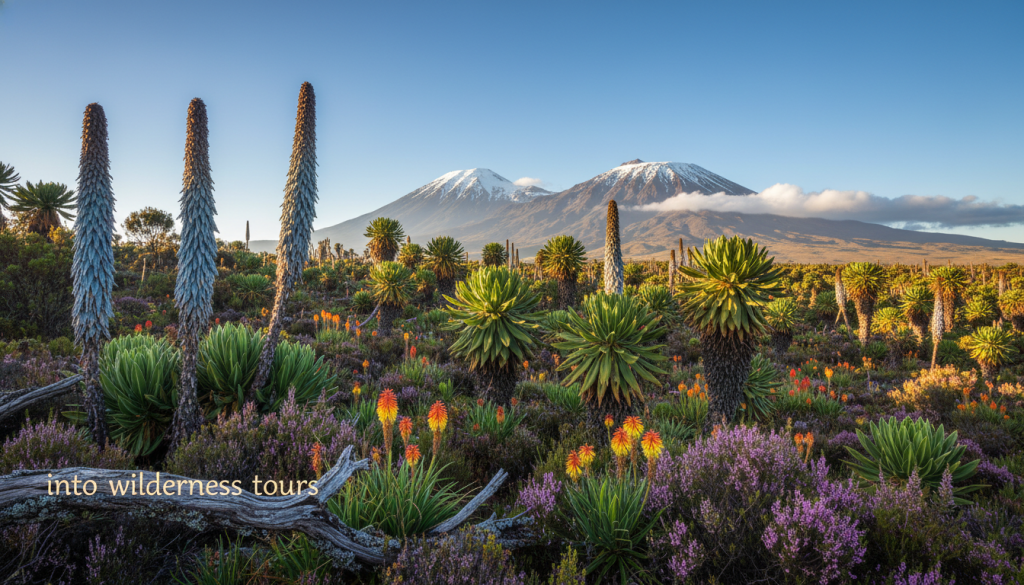
Kilimanjaro is home to numerous endemic plant species that are found nowhere else on Earth. These unique plants have evolved over time to adapt to the mountain’s specific conditions. Some examples include the giant lobelia and senecio, which can be found in the higher elevations. These plants are not only remarkable for their beauty but also play a crucial role in the mountain’s ecosystem.
| Plant Species | Elevation Zone | Characteristics |
|---|---|---|
| Giant Lobelia | Alpine Desert | Large, striking flowers; adapted to high winds and cold |
| Senecio | Heath and Moorland | Distinctive, tall stalks; adapted to cooler temperatures |
| Camphor Tree | Rainforest | Aromatic leaves; provides shade and habitat for wildlife |
Adaptation to Extreme Conditions
The plants of Kilimanjaro have developed remarkable adaptations to survive the extreme conditions found on the mountain. From the intense sunlight and cold temperatures at high elevations to the rich, moist environments of the rainforest, each plant has evolved unique strategies to thrive. For example, some plants have deep roots to access water, while others have thick, waxy leaves to prevent water loss.
These adaptations not only enable the plants to survive but also contribute to the rich biodiversity of Kilimanjaro. As we explore the mountain, we are reminded of the resilience and beauty of nature, and the importance of preserving these unique ecosystems for future generations.
Wildlife Encounters in the Park
Within the boundaries of Mount Kilimanjaro National Park lies a vibrant ecosystem teeming with life. As we explore this natural wonder, we’re treated to encounters with a diverse range of wildlife that inhabits the various ecological zones of the mountain.
Mammals of Kilimanjaro
The park is home to a variety of mammals, including the majestic Colobus monkeys and the elusive leopards. Other mammals such as bbushbabies and duikers can also be spotted, showcasing the rich biodiversity of Kilimanjaro’s ecosystems.
Bird Species Diversity
Birdwatchers will be delighted by the array of bird species found within the park. From the Hartlaub’s starlings to the silvery-cheeked hornbills, Kilimanjaro is a haven for avian diversity. The varying altitudes and habitats support a wide range of birdlife, making it a paradise for ornithologists.
Insects and Smaller Creatures
Beyond the larger wildlife, Kilimanjaro is also home to a myriad of insects and smaller creatures. The giant millipedes and colorful butterflies are just a few examples of the fascinating invertebrates that inhabit the park. These creatures play a crucial role in the ecosystem, contributing to the rich tapestry of life on the mountain.
| Category | Examples | Notable Features |
|---|---|---|
| Mammals | Colobus monkeys, leopards, bushbabies | Diverse, adaptable to various zones |
| Birds | Hartlaub’s starlings, silvery-cheeked hornbills | Rich diversity, varied habitats |
| Insects | Giant millipedes, colorful butterflies | Crucial for ecosystem balance |
For more information about our guided tours and conservation efforts, please visit our about us page.
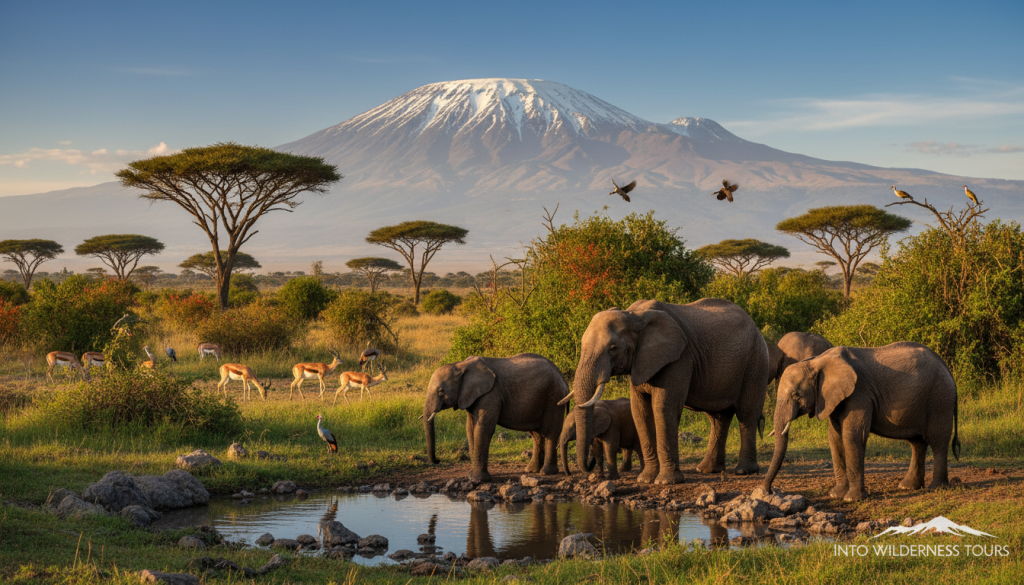
The Breathtaking View from Mount Kilimanjaro
As we stand at the pinnacle of Africa, the breathtaking view from Mount Kilimanjaro unfolds before our eyes like a canvas of unparalleled beauty. The experience is nothing short of magical, a moment that will be etched in our memories forever.
Sunrise at Uhuru Peak
Witnessing the sunrise at Uhuru Peak is a moment of pure enchantment. The sky transforms into a kaleidoscope of colors, a breathtaking spectacle that heralds the arrival of a new day. As the sun rises above the horizon, its rays cast a golden glow on the landscape, illuminating the glaciers and the vast expanse of the African plains below. It’s a moment that fills our hearts with wonder and awe.
“The highest point in Africa is not just a geographical landmark; it’s a spiritual experience that connects us with the very essence of nature.”
Panoramic Vistas of East Africa
The panoramic vistas of East Africa from Kilimanjaro’s summit are nothing short of spectacular. On a clear day, we can see for miles and miles, taking in the breathtaking scenery that stretches out in every direction. The view encompasses the rolling hills, vast savannas, and distant mountains, creating a visual tapestry that is both stunning and humbling.
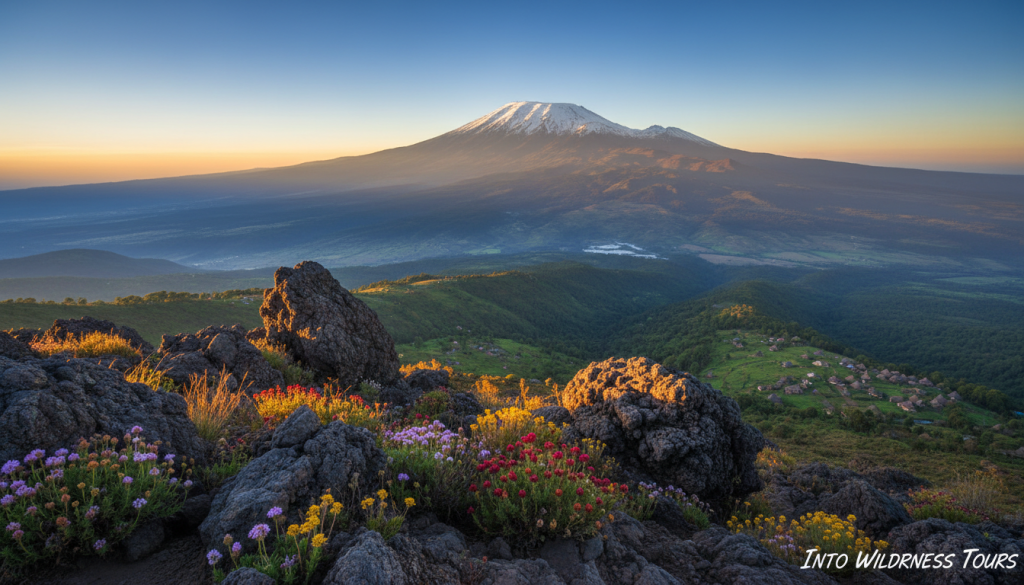
As we gaze out at the breathtaking view from Mount Kilimanjaro, we are reminded of the beauty and majesty of the natural world. It’s an experience that inspires a sense of wonder, awe, and gratitude for the opportunity to witness such a sublime spectacle.
Popular Climbing Routes to the Summit
As we embark on the journey to conquer Mount Kilimanjaro, the choice of climbing route becomes a crucial decision. The mountain offers several paths to the summit, each with its unique characteristics, challenges, and scenic views.
The variety of routes allows climbers to choose one that suits their experience, physical condition, and preferences. Let’s explore the most popular routes:
Marangu Route: The “Coca-Cola” Route
The Marangu Route, often referred to as the “Coca-Cola” Route, is one of the most popular paths to the summit. It’s considered to be one of the easier routes but is less scenic than some of the other options. The route is well-established and has basic hut accommodations.
Machame Route: The “Whiskey” Route
The Machame Route, known as the “Whiskey” Route, is more challenging and considered to have a higher success rate due to its gradual acclimatization. It’s known for its stunning scenery and diverse landscapes.
Lemosho Route: The Scenic Path
The Lemosho Route is a longer and more scenic route that allows for better acclimatization. It approaches the mountain from the west and offers breathtaking views of the surrounding landscape.
Rongai Route: The Northern Approach
The Rongai Route approaches Kilimanjaro from the north and is less crowded than some of the other routes. It offers a more remote and wilderness-like experience.
Northern Circuit: The Newest Route
The Northern Circuit is the newest and longest route, offering a nearly 360-degree view of the mountain. It’s considered to have a high success rate due to its gradual ascent and acclimatization days.
| Route Name | Duration | Difficulty | Scenic Value |
|---|---|---|---|
| Marangu | 5-6 days | Moderate | Low |
| Machame | 6-7 days | Challenging | High |
| Lemosho | 7-8 days | Challenging | Very High |
| Rongai | 6-7 days | Moderate | Medium |
| Northern Circuit | 9 days | Challenging | Very High |
Each route has its unique advantages and challenges. Climbers should consider their physical condition, experience, and the type of experience they’re looking for when choosing a route.
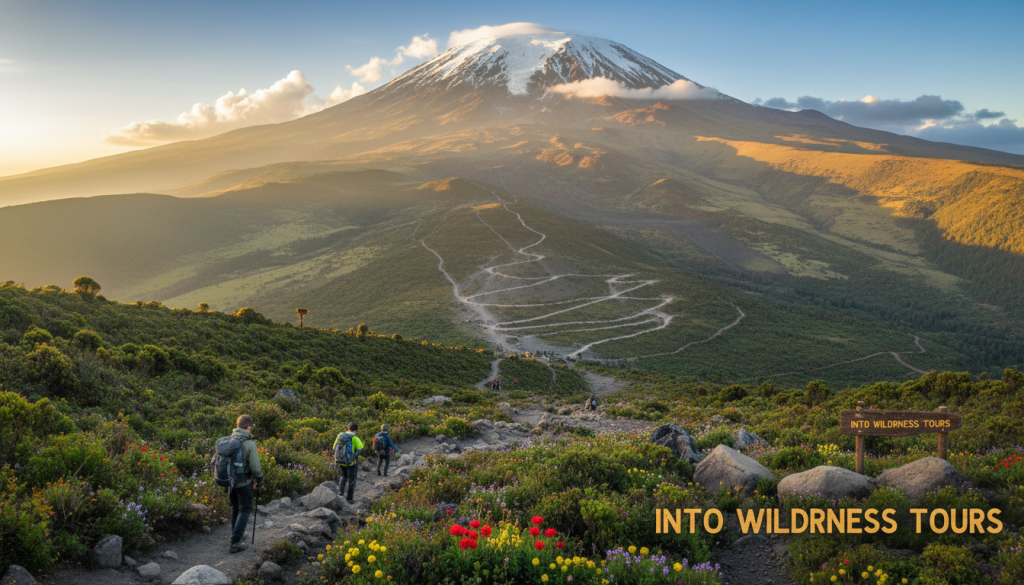
Best Time to Visit Mount Kilimanjaro National Park
As we plan our adventure to Mount Kilimanjaro, understanding the best time to visit is crucial for a successful climb. The mountain’s climate varies significantly with altitude, and choosing the right time can make a substantial difference in our experience.
Dry Seasons and Climbing Windows
The dry seasons, which typically run from January to March and June to October, are considered the best times to visit Mount Kilimanjaro. During these periods, the weather is generally clearer, and the trails are less slippery, making it easier to navigate the terrain. The dry seasons offer a higher success rate for climbers, as the conditions are more favorable.
| Month | Weather Conditions | Climbing Conditions |
|---|---|---|
| January | Dry, clear skies | Ideal climbing conditions |
| February | Dry, warm temperatures | Good visibility |
| March | Transition to wet season | Becoming slippery |
Weather Patterns Throughout the Year
Mount Kilimanjaro’s weather patterns are characterized by distinct wet and dry seasons. The wet seasons, which occur from April to May and November to December, bring significant rainfall, making the trails more challenging. However, the wet seasons also bring a unique beauty to the landscape, with lush vegetation and fewer tourists. Understanding these weather patterns is essential for planning our visit and preparing for the conditions we will face.
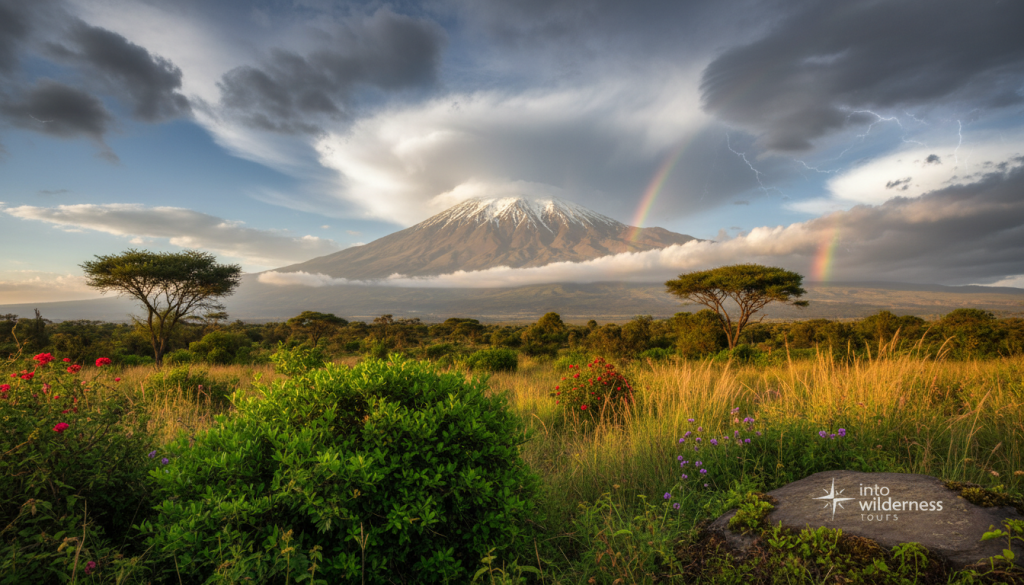
Essential Preparation for Kilimanjaro Trekkers
As we prepare to embark on the adventure of a lifetime to Mount Kilimanjaro, it’s crucial to understand the importance of thorough preparation. The climb is not just a test of endurance but also a journey through diverse ecosystems and climates, making comprehensive preparation vital.
Physical Training Requirements
A good level of physical fitness is essential for tackling Kilimanjaro. Trekkers should engage in cardiovascular exercises such as hiking, running, or cycling for at least three months prior to the climb. Building endurance is key, as the climb involves long days of hiking at high altitudes. It’s also beneficial to incorporate strength training to handle the demands of carrying a backpack.
Gear and Equipment Checklist
Having the right gear is crucial for a successful climb. Here’s a breakdown of essential items:
Clothing Layers
Layering is vital for adapting to changing temperatures. Trekkers should pack moisture-wicking base layers, insulating mid-layers, and waterproof outer layers. Don’t forget warm hats and gloves for colder conditions.
Technical Equipment
While Kilimanjaro doesn’t require technical climbing skills, certain equipment like trekking poles and crampons (depending on the route and season) can be essential. Ensure your gear is in good condition and consider renting if you’re unsure.
Personal Items
Personal items such as sunscreen, water purification tablets, and a first-aid kit are indispensable. It’s also wise to pack personal medications and a portable charger for your electronics.
Altitude Sickness Prevention
Altitude sickness is a significant risk on Kilimanjaro due to its high elevation. To mitigate this, trekkers should ascend gradually, allowing their bodies to acclimate. Staying hydrated and recognizing early symptoms of altitude sickness are also crucial. Consider consulting a doctor about preventative medication if necessary.
Permits, Fees, and Practical Information
The journey to the Roof of Africa begins with the basics: securing the necessary permits and understanding the associated fees. As we prepare to embark on this incredible adventure, it’s essential to grasp the practical aspects that will ensure a smooth and enjoyable experience for all travelers.
Park Entry and Climbing Permits
To climb Kilimanjaro, we must first obtain the required permits, which include park entry and climbing permits. These permits are issued by the Kilimanjaro National Park authorities and are mandatory for all climbers. The cost of these permits varies depending on the route taken and the duration of the climb. It’s crucial that we understand the different types of permits and their associated costs to budget accordingly. We recommend checking with authorized tour operators or the official Kilimanjaro National Park website for the most up-to-date information on permit fees and regulations.
Budgeting for Your Kilimanjaro Adventure
Budgeting for a Kilimanjaro adventure involves more than just permit fees; it includes costs such as guided tours, accommodation, gear, and other expenses. We must consider the cost of hiring experienced guides and porters, as well as the cost of accommodation before and after the climb. Additionally, we should budget for gear rental, clothing, and other essentials to ensure we’re well-prepared for the climb. By understanding these costs upfront, we can better plan our adventure and make the most of our time on Kilimanjaro.
Cultural Significance to Local Communities
The cultural significance of Kilimanjaro to the local communities is a story of reverence, tradition, and a deep connection to the land. For centuries, the mountain has been an integral part of the lives of the people living in its shadow, influencing their customs, beliefs, and way of life.
The Chagga People and Their Traditions
The Chagga people have lived on the slopes of Kilimanjaro for generations, developing a rich cultural heritage closely tied to the mountain. Their traditions include intricate irrigation systems that have allowed them to cultivate the land effectively, creating a lush and productive environment. The Chagga are known for their skilled farming practices, which have been passed down through generations.
Cultural practices among the Chagga include rituals and ceremonies that honor the mountain and ensure its continued benevolence. For example, the Chagga have a deep respect for the natural resources provided by Kilimanjaro, which is reflected in their sustainable farming practices and conservation efforts.
| Tradition | Description | Significance |
|---|---|---|
| Irrigation Systems | Complex networks to distribute water | Allows for productive farming |
| Rituals and Ceremonies | Ceremonies to honor Kilimanjaro | Ensures the mountain’s benevolence |
| Sustainable Farming | Practices that conserve natural resources | Reflects respect for the land |
Myths and Legends of the Mountain
Kilimanjaro is surrounded by a wealth of myths and legends that have been passed down through generations. These stories often revolve around the mountain’s spiritual significance and its role in the lives of the local communities. One legend tells of the mountain as a sacred entity that provides and protects, while another speaks of the ancestral spirits that reside within its peaks.
The spiritual essence of Kilimanjaro is a common theme in these stories, highlighting the deep connection between the people and the land. The myths and legends serve not only as entertainment but also as a way to convey moral lessons and cultural values.
Conservation Challenges and Efforts
The conservation of Mount Kilimanjaro is a complex issue, intertwined with the impacts of climate change, deforestation, and the role of sustainable tourism. As we explore these challenges, we must also acknowledge the efforts being made to protect this precious ecosystem.
Climate Change Impacts
Climate change is one of the most pressing issues affecting Kilimanjaro. Rising temperatures are causing the ice caps on the summit to melt at an alarming rate. This not only affects the local ecosystem but also has broader implications for the global climate. The changing weather patterns are altering the habitats of unique flora and fauna, pushing many species towards extinction.
Deforestation Concerns
Deforestation is another significant challenge facing Kilimanjaro. The demand for timber and agricultural land has led to widespread clearing of the forest. This not only destroys habitats but also disrupts the water cycle, affecting the local communities and wildlife. Efforts to reforest and protect the remaining forests are crucial to maintaining the ecological balance.
Sustainable Tourism Initiatives
In response to these challenges, sustainable tourism initiatives are being implemented to minimize the impact of visitors on the mountain. These include guided treks that follow strict environmental guidelines, waste management programs, and support for local communities. By adopting sustainable practices, we can help preserve Kilimanjaro’s natural beauty for future generations.
As we move forward, it’s essential to continue supporting conservation efforts and promoting sustainable tourism practices. By doing so, we can ensure that Kilimanjaro remains a thriving ecosystem and a symbol of natural wonder for years to come.
Accommodation and Services Around Kilimanjaro
As we journey to the foot of Mount Kilimanjaro, we discover a range of accommodations that cater to every traveler’s needs. The areas surrounding this majestic mountain offer a diverse array of lodging options, ensuring that visitors can find the perfect haven to rest and prepare for their adventure.
Luxury Lodges and Hotels
For those seeking the epitome of luxury, Kilimanjaro’s surroundings boast high-end lodges and hotels that offer unparalleled comfort and service. These establishments provide lavish amenities, fine dining experiences, and stunning views of the mountain, creating a truly indulgent stay.
Mid-Range Options
Travelers looking for a balance between comfort and affordability will find a variety of mid-range accommodations around Kilimanjaro. These options offer cozy rooms, friendly service, and often include guided tours and other services to enhance the Kilimanjaro experience.
Budget-Friendly Alternatives
For the more budget-conscious traveler, there are numerous affordable lodging options available, including guesthouses, hostels, and camping facilities. These choices allow adventurers to save on costs while still enjoying the natural beauty and thrill of exploring Kilimanjaro.
As emphasized by conservationist
“The way we choose to accommodate ourselves in nature reflects our respect for it.”
We believe that selecting the right accommodation is not just about comfort, but also about being mindful of our impact on the environment.
In conclusion, the areas around Kilimanjaro offer something for everyone, ensuring that all visitors can enjoy a comfortable and memorable stay as they explore this incredible natural wonder.
Beyond the Mountain: Nearby Attractions
Beyond the majestic slopes of Kilimanjaro lies a world of wonder, waiting to be discovered. As we explore the surrounding region, we uncover a diverse array of attractions that enrich our Tanzanian adventure.
Arusha National Park
Just a short drive from Kilimanjaro, Arusha National Park offers a unique blend of wildlife and scenic beauty. We can explore the park’s diverse habitats, from the lush forests of the Ngurdoto Crater to the alkaline lakes of Momela. The park is home to a wide range of wildlife, including giraffes, zebras, and flamingos, making it an ideal destination for nature lovers and photographers.
Moshi Town Experiences
Moshi, the gateway to Kilimanjaro, is a charming town that offers a glimpse into local culture and daily life. We can stroll through the bustling markets, sample local cuisine, and visit the Kilimanjaro Coffee Plantation to learn about the coffee-making process. Moshi’s relaxed atmosphere and friendly locals make it an excellent place to unwind and prepare for our Kilimanjaro adventure.
Safari Opportunities
The region around Kilimanjaro is renowned for its safari opportunities, with numerous national parks and game reserves within easy reach. We can embark on a guided safari tour to witness the Great Migration or explore the unique landscapes of the Ngorongoro Conservation Area. Whether we’re spotting the Big Five or simply taking in the breathtaking scenery, a safari in this region is an unforgettable experience.
| Attraction | Location | Main Features |
|---|---|---|
| Arusha National Park | Near Kilimanjaro | Wildlife, scenic beauty, Ngurdoto Crater |
| Moshi Town | Gateway to Kilimanjaro | Local culture, markets, coffee plantations |
| Safari Tours | Various national parks | Wildlife viewing, Great Migration, Ngorongoro Conservation Area |
Conclusion: The Timeless Allure of Kilimanjaro
As we conclude our journey through the enchanting wilderness of Mount Kilimanjaro National Park, we reflect on the timeless appeal of this incredible destination. Kilimanjaro’s allure lies not only in its majestic beauty but also in its ability to inspire and transform those who experience it.
We invite you to immerse yourself in the majesty of Kilimanjaro, to breathe in the crisp mountain air, and to be awed by the breathtaking vistas. As you explore this natural wonder, we hope you will discover the depth of its timeless appeal, a quality that has captivated travelers for generations.
As guardians of this precious land, we are committed to preserving the beauty and essence of Kilimanjaro for future generations. We believe that by sharing our homeland with you, we can create a deeper appreciation for the natural world and inspire a sense of responsibility to protect it.
Kilimanjaro’s timeless allure is a gift to us all, a reminder of the beauty and wonder that awaits us when we venture into the wild. We hope that your journey to Kilimanjaro will be a transformative experience, one that stays with you long after you leave this enchanting place behind.
FAQ
What is the best time to climb Mount Kilimanjaro?
The best time to climb Mount Kilimanjaro is during the dry seasons, from January to March and June to October, when the weather is dry and clear.
How difficult is the climb to the summit of Mount Kilimanjaro?
The climb to the summit of Mount Kilimanjaro is considered challenging due to the high altitude and steep terrain, but can be achieved with proper preparation and physical conditioning.
What is the view from Mount Kilimanjaro like?
The view from Mount Kilimanjaro is breathtaking, with panoramic vistas of East Africa, including the sunrise at Uhuru Peak, and a glimpse into the surrounding landscape.
What are the different ecological zones of Mount Kilimanjaro?
Mount Kilimanjaro has five distinct ecological zones: Cultivation Zone, Rainforest Zone, Heath and Moorland Zone, Alpine Desert Zone, and Arctic Summit Zone, each with unique flora and fauna.
What kind of wildlife can be found in Mount Kilimanjaro National Park?
Mount Kilimanjaro National Park is home to a diverse array of wildlife, including mammals, bird species, and insects, that are adapted to the unique ecosystems of the mountain.
What are the popular climbing routes to the summit of Mount Kilimanjaro?
The popular climbing routes to the summit of Mount Kilimanjaro include the Marangu Route, Machame Route, Lemosho Route, Rongai Route, and Northern Circuit, each with its unique characteristics and challenges.
What kind of preparation is required for climbing Mount Kilimanjaro?
Climbers should undergo physical training, prepare a comprehensive gear and equipment checklist, and take measures to prevent altitude sickness to ensure a safe and successful trek.
What is the cultural significance of Mount Kilimanjaro to local communities?
Mount Kilimanjaro holds deep cultural significance for the local Chagga people, with rich traditions and myths surrounding the mountain, and is considered a sacred site.
What conservation efforts are in place to protect Mount Kilimanjaro?
Conservation efforts, including sustainable tourism initiatives, are underway to protect Mount Kilimanjaro from climate change impacts, deforestation, and other environmental challenges.