We invite you to explore the enchanting world of Zanzibar Stone Town, a place where ancient history and modern wonder blend seamlessly.
As we journey through this UNESCO-protected oasis, we uncover the secrets and stories that make this location so unique. With its rich cultural heritage and breathtaking architecture, Stone Town Tanzania is a destination that promises to captivate and inspire.
At Into Wilderness Tours, we share our homeland with you, offering a glimpse into the heart of Tanzania through transformative safaris and cultural experiences.
Key Takeaways
- Discover the rich cultural heritage of Zanzibar Stone Town
- Explore the breathtaking architecture of this UNESCO-protected oasis
- Experience the heart of Tanzania through our transformative safaris
- Immerse yourself in the local culture with our cultural experiences
- Unveil the secrets and stories of this enchanting destination
The Historical Tapestry of Stone Town
As we wander through the labyrinthine streets of Stone Town, we uncover the layers of its rich historical tapestry. This ancient town, the heart of Zanzibar, has been a crossroads of cultures for centuries, its history intricately woven into the very fabric of its being.
Origins and Early Settlements
The origins of Stone Town date back to the 19th century when it became a significant trading hub. Early settlers were drawn to its strategic location, facilitating trade between the African mainland and the rest of the world. The town’s early history is marked by the influence of local African cultures, intertwined with the arrival of Arab traders who brought with them their language, religion, and customs.
The settlement grew rapidly, becoming a melting pot of cultures. The architecture, even in its early stages, reflected this diversity, with buildings that combined African, Arab, and European styles.

Colonial Influences and Trade History
As European powers, particularly the Portuguese, British, and Germans, exerted their influence over Zanzibar, Stone Town became a focal point of colonial activity. The town’s trade history is marked by the exchange of goods such as spices, ivory, and slaves, which had a profound impact on its development.
The colonial era left an indelible mark on Stone Town, with various powers leaving their architectural and cultural legacies. Today, visitors can see the remnants of this era in the town’s buildings, from the grand Sultan’s Palace to the old fortifications.
| Period | Major Influence | Key Events |
|---|---|---|
| Early 19th Century | Arab Traders | Establishment of trade routes, introduction of Islam |
| Late 19th Century | European Colonizers | Colonization, development of infrastructure |
| 20th Century | Independence Movements | Zanzibar gains independence, union with Tanganyika |
UNESCO World Heritage: The Cultural Significance
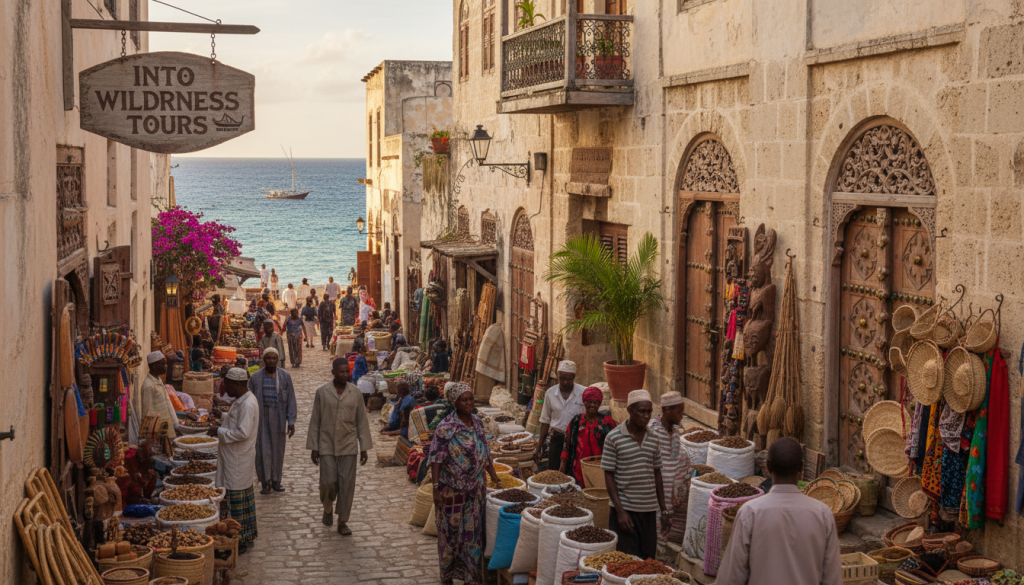
The enchanting alleys of Stone Town conceal a treasure trove of cultural significance, recognized globally by UNESCO. As we explore this historic town, we are reminded of the rich tapestry of influences that have shaped its identity.
Recognition and Preservation Efforts
Zanzibar Stone Town’s designation as a UNESCO World Heritage site in 2000 was a testament to its cultural and architectural uniqueness. This recognition has been instrumental in spurring preservation efforts, ensuring that the town’s historic buildings and cultural practices are maintained for future generations.
Preservation initiatives have focused on restoring historic buildings, promoting traditional crafts, and supporting local communities in their efforts to preserve cultural heritage.
Global Importance of Stone Town’s Heritage
Stone Town’s cultural significance extends beyond its local context, offering insights into the historical trade and cultural exchange networks that have shaped the region. As a cultural crossroads, Stone Town represents a unique blend of African, Arab, European, and Indian influences.
| Heritage Aspect | Description | Significance |
|---|---|---|
| Architectural Style | Blend of Swahili, Arab, European, and Indian influences | Reflects historical trade and cultural exchange |
| Cultural Practices | Traditional crafts, music, and cuisine | Preserves local identity and community cohesion |
| Historical Significance | Role in regional trade and colonial history | Provides insights into the past, shaping the present |
By preserving Stone Town’s heritage, we not only safeguard its history but also contribute to the global cultural richness, making it an invaluable treasure for humanity.
Architectural Marvels of Zanzibar Stone Town
As we wander through the historic streets of Zanzibar Stone Town, we are enveloped by a rich tapestry of architectural styles that reflect the town’s strategic position as a crossroads of cultures. The buildings here are not just structures; they are narratives of the past, telling stories of trade, cultural exchange, and the blending of traditions.
Swahili Design Elements
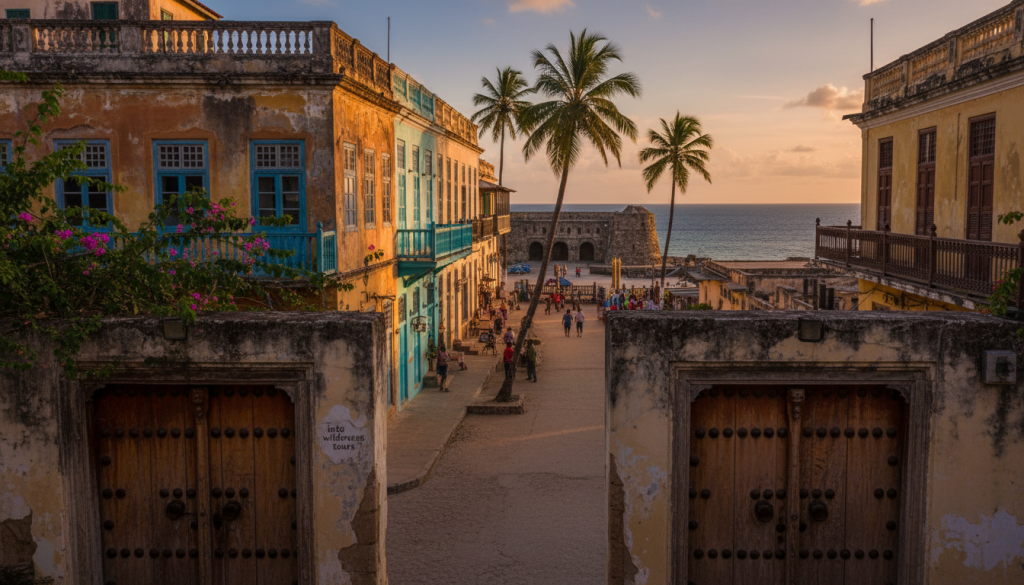
The architecture of Stone Town is deeply rooted in Swahili design elements, characterized by the use of coral stone, intricate wooden balconies, and ornate doors. These features not only provide a glimpse into the town’s rich cultural heritage but also showcase the craftsmanship of local artisans. The use of coral stone, in particular, gives the buildings a unique texture and color that blends harmoniously with the tropical environment.
Arab, Indian, and European Influences
Over the centuries, Stone Town has been influenced by various cultures, including Arab, Indian, and European. These influences are evident in the town’s architecture, with elements such as Arabic calligraphy, Indian latticework, and European neoclassical styles. This blend of influences has resulted in a unique architectural identity that is quintessentially Stone Town. The buildings serve as a testament to the town’s history as a major trading hub, where different cultures converged and exchanged ideas.
The Iconic Carved Doors
One of the most distinctive features of Stone Town’s architecture is its iconic carved doors. These doors are not just functional; they are works of art that reflect the cultural and religious influences of the town. Intricately carved with patterns and motifs, these doors are a symbol of the town’s rich cultural heritage and its history as a crossroads of civilizations. Each door tells a story, making them an integral part of Stone Town’s architectural narrative.
Navigating the Labyrinthine Streets
Navigating Stone Town’s labyrinthine streets is an adventure that unfolds with every step. As we weave through the narrow alleys, the rich history and cultural heritage of this ancient town slowly reveal themselves.
The streets of Stone Town are a tapestry of different cultures, with influences from Africa, Arabia, and Europe. This blend is reflected in the architecture, the local cuisine, and even the languages spoken by the residents.
Major Thoroughfares and Landmarks
The main thoroughfares of Stone Town lead to some of its most significant landmarks. Key areas to explore include:
- The bustling Darajani Market, where locals and visitors alike come to purchase everything from fresh produce to handicrafts.
- The historic House of Wonders, a landmark that showcases the architectural and cultural heritage of Zanzibar.
- The Old Fort, a testament to the town’s defensive history and now a venue for cultural events.
Hidden Corners and Secret Passages
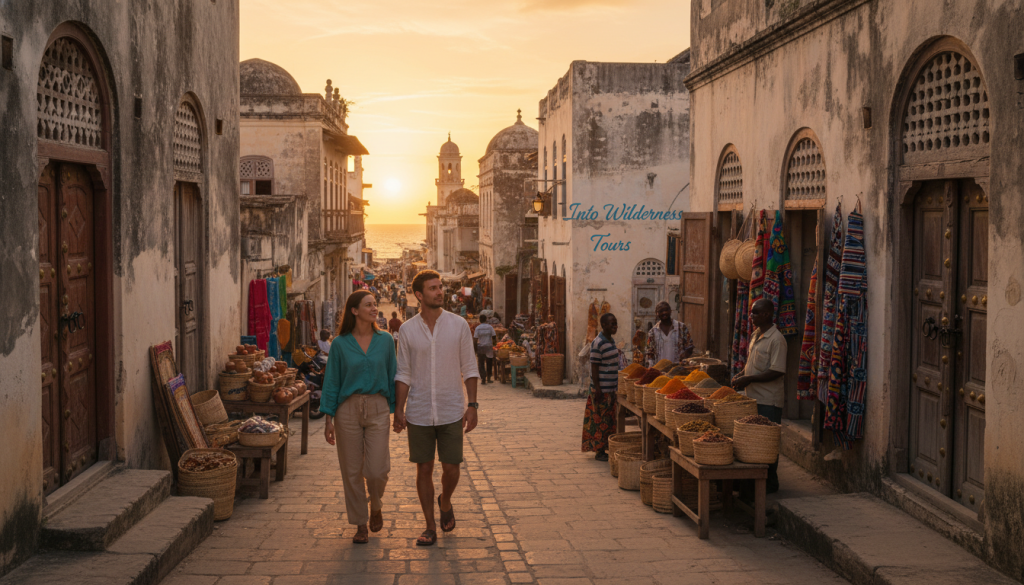
Beyond the main thoroughfares, Stone Town is full of hidden corners and secret passages waiting to be discovered. These include:
- Narrow alleyways lined with intricately carved doors, a hallmark of Swahili architecture.
- Quiet courtyards that offer a glimpse into the daily lives of local residents.
- Small, family-owned shops selling traditional crafts and local delicacies.
As we explore these hidden gems, we gain a deeper understanding of Stone Town’s unique cultural landscape and the people who call it home.
The Palace Museum: A Glimpse into Royal History
Nestled in the heart of Stone Town, the Palace Museum whispers tales of the past, revealing the intricate history of Zanzibar’s ruling elite. This magnificent structure, once the seat of the Sultan’s power, now stands as a testament to the island’s rich cultural heritage.

The Sultan’s Legacy
The Sultan’s legacy is deeply intertwined with the history of Zanzibar, marked by periods of prosperity and cultural exchange. The Palace Museum showcases the sultans’ influence through an array of artifacts, including opulent furnishings and ceremonial items. These relics not only highlight the sultans’ wealth and power but also their role in shaping the island’s identity.
Notable Exhibits and Artifacts
The Palace Museum is home to a diverse collection of exhibits that narrate the story of Zanzibar’s royal past. Notable artifacts include intricately carved doors, ornate furniture, and historical documents. A particularly striking exhibit is the ceremonial throne, adorned with precious stones and metals, symbolizing the sultans’ grandeur. The museum also features a collection of traditional Zanzibari attire, offering insights into the island’s cultural practices.
| Artifact | Description | Significance |
|---|---|---|
| Ceremonial Throne | Ornate throne used by the sultans during official ceremonies | Symbolizes the sultans’ power and grandeur |
| Intricately Carved Doors | Exquisitely crafted doors featuring traditional Zanzibari designs | Reflects the island’s rich cultural heritage and craftsmanship |
| Traditional Zanzibari Attire | Historical clothing worn by the sultans and their courtiers | Provides insights into Zanzibar’s cultural practices and traditions |
The Old Fort: Defensive Heart of Stone Town
The Old Fort stands as a sentinel in Stone Town, guarding secrets of the past and stories of a bygone era. This ancient structure has been a silent witness to the ebbs and flows of history, playing a pivotal role in the defense and development of Zanzibar.
Historical Significance and Construction
The Old Fort was constructed in the 17th century by the Omanis, on the site of a previous Portuguese church. Its robust walls and strategic location made it a crucial defensive stronghold against rival powers and invaders. The fort’s architecture reflects a blend of local and foreign influences, showcasing the cultural exchanges that have shaped Stone Town.
| Feature | Description | Historical Significance |
|---|---|---|
| Robust Walls | Constructed using local coral stone and lime mortar | Provided defense against invaders |
| Strategic Location | Situated near the sea, controlling access to the harbor | Enabled the Omanis to monitor and control maritime trade |
| Cultural Influences | Blend of Omani, Portuguese, and local architectural styles | Reflects the diverse cultural heritage of Stone Town |
Modern Uses and Cultural Events
Today, the Old Fort is more than just a historical relic; it’s a vibrant cultural hub. The fort hosts various cultural events, including music festivals and concerts, which bring the community together and celebrate Zanzibar’s rich heritage. Visitors can explore the fort’s grounds, enjoying the blend of history, culture, and entertainment.

House of Wonders: Tanzania’s Architectural Icon
As we wander through the historic streets of Stone Town, one architectural marvel stands out: the House of Wonders. This iconic building, with its striking blend of Zanzibari and European influences, has become a symbol of Zanzibar’s rich cultural heritage. The House of Wonders is not just a testament to the island’s historical significance but also a reflection of its architectural innovation.
Revolutionary Features and Design
The House of Wonders was groundbreaking in its time, boasting electric lighting and a grand ceremonial staircase. Its design combines traditional Swahili architecture with European elements, creating a unique aesthetic that is quintessentially Zanzibari. The building’s large size and imposing structure were designed to awe, making it a true wonder of its era.

Current Restoration and Future Plans
Today, the House of Wonders is undergoing restoration to preserve its integrity for future generations. The efforts aim to maintain the building’s historical essence while adapting it for modern uses. As a cultural icon, the House of Wonders will continue to inspire wonder and educate visitors about Zanzibar’s rich history and architectural heritage.
Through these restoration efforts, we ensure that the House of Wonders remains a vibrant part of Tanzania’s architectural identity, continuing to captivate and inspire all who visit.
The Spice Legacy of Zanzibar
For centuries, Zanzibar has been synonymous with spices, its history intertwined with the fragrant produce that once drove global trade. The island’s strategic location made it an ideal hub for the spice trade, attracting merchants from across the world.
Historical Spice Trade
The spice trade has been the lifeblood of Zanzibar’s economy for centuries, with cloves, cinnamon, and nutmeg being among the most valuable commodities. The island’s fertile soil and favorable climate made it an ideal place for spice cultivation. As we explore the historical spice trade, we find that it not only shaped the local economy but also influenced the cultural fabric of Zanzibar, with various cultures leaving their mark on the island.
The impact of the spice trade can still be seen in the architecture, cuisine, and traditions of Zanzibar. For instance, the famous Urithi Spice Tours take visitors through plantations where they can experience the sights and scents of spice production firsthand.
| Spice | Primary Use | Cultivation Region |
|---|---|---|
| Cloves | Culinary and medicinal | Zanzibar and Pemba |
| Cinnamon | Culinary and fragrance | Tanzania mainland |
| Nutmeg | Culinary and medicinal | Various tropical regions |
Modern Spice Industry and Tours
Today, the spice industry remains a vital part of Zanzibar’s economy, with many farms offering tours that allow visitors to experience the spice cultivation process. These tours not only provide insight into the production of spices but also offer a glimpse into the traditional farming practices that have been passed down through generations.
Visitors can engage with local farmers, learn about the various uses of spices, and even participate in harvesting activities. The spice tours have become an integral part of the Zanzibari experience, allowing tourists to connect with the local culture and community.

Forodhani Gardens: Seaside Relaxation and Culinary Delights
The allure of Forodhani Gardens lies in its dual charm: a peaceful haven by day and a vibrant culinary hotspot by night. As we stroll through this waterfront park, we are enveloped in a sense of serenity, with the gentle ocean breeze and the sound of waves creating a soothing ambiance.
Daytime Ambiance and Activities
During the day, Forodhani Gardens is a tranquil escape from the bustling streets of Stone Town. Visitors can relax on benches overlooking the sea, take a leisurely walk along the promenade, or simply enjoy the picturesque views of the ocean. The gardens also host local artisans and vendors, adding to the lively yet relaxed atmosphere.
“Forodhani Gardens is a place where time stands still, offering a respite from the hustle and bustle of daily life.”
The Famous Night Food Market
As night falls, Forodhani Gardens transforms into a culinary extravaganza. The night food market comes alive with stalls offering a variety of local delicacies, from seafood to traditional Zanzibari dishes. The aroma of grilled meats and spices fills the air, enticing visitors to indulge in the flavors of the region. It’s a culinary journey that showcases the best of Zanzibar’s cuisine, making Forodhani Gardens a must-visit destination for food enthusiasts.
The night market at Forodhani Gardens is a testament to Zanzibar’s rich culinary heritage, offering a sensory experience that is both memorable and delicious.
Culinary Journey Through Stone Town Tanzania
As we wander through the historic streets of Stone Town, Tanzania, the aromas of exotic spices and local cuisine beckon us to explore the rich culinary heritage of this ancient city. The air is filled with the scent of cardamom, cinnamon, and cloves, transporting us to a world where flavors tell stories of cultural exchange and tradition.
Spice-Infused Local Cuisine
The local cuisine in Stone Town is a masterful blend of spices, reflecting the city’s history as a major spice trading hub. Dishes like ugali na nyama (maize porridge with meat) and biryani are infused with a mix of local spices, creating a unique flavor profile that is both aromatic and tantalizing. The use of spices like turmeric, cumin, and coriander adds depth to the dishes, making every meal a culinary adventure.

Iconic Restaurants and Eateries
Stone Town is home to a variety of iconic restaurants and eateries that offer a range of dining experiences. From traditional Tanzanian cuisine to modern fusion dishes, there’s something for every palate. Restaurants like The Rock and The Spice Kitchen offer stunning views and delicious meals, while local eateries serve up authentic dishes in a cozy, welcoming atmosphere.
Street Food Experiences
No visit to Stone Town would be complete without sampling the local street food. The night market at Forodhani Gardens transforms into a culinary paradise, with vendors offering everything from grilled seafood to mandazi (fried doughnuts). The experience is not just about the food; it’s about immersing yourself in the local culture and enjoying the lively atmosphere.
| Dish | Description | Price Range |
|---|---|---|
| Ugali na Nyama | Maize porridge served with meat stew | $5-$10 |
| Biryani | Mixed rice dish with spices, meat, and vegetables | $8-$15 |
| Mandazi | Fried doughnuts, often served with tea | $2-$5 |
Shopping Treasures: Markets and Boutiques
As we wander through the vibrant streets of Stone Town, the allure of discovering unique treasures beckons us to explore its bustling markets and charming boutiques. Shopping in Stone Town is an adventure that combines the thrill of the hunt with the joy of discovering local craftsmanship.
Darajani Market Experience
The Darajani Market is the pulsating heart of Stone Town’s shopping scene, offering a kaleidoscope of colors, sounds, and aromas. Here, we can immerse ourselves in the local culture, browsing through stalls selling everything from fresh produce to intricately crafted souvenirs. The market is a treasure trove of unique items, including handmade wooden carvings and vibrant textiles, making it an ideal place to find authentic Zanzibari gifts.
Artisan Crafts and Souvenirs
Stone Town is renowned for its skilled artisans, who create beautiful crafts that reflect the island’s rich cultural heritage. From intricately designed silver jewelry to hand-painted pottery, the variety of artisan crafts available is staggering. Visitors can find unique souvenirs that not only serve as reminders of their trip but also support local artisans in preserving traditional crafts.
Ethical Shopping Practices
As we indulge in the shopping delights of Stone Town, it’s essential to adopt ethical shopping practices. This includes buying directly from artisans, avoiding counterfeit products, and being mindful of the environmental impact of our purchases. By doing so, we contribute to the local economy and help preserve the cultural integrity of Zanzibar. A thoughtful approach to shopping ensures that our visit leaves a positive legacy.
| Shopping Tip | Benefit |
|---|---|
| Buy directly from artisans | Supports local economy |
| Avoid counterfeit products | Preserves cultural integrity |
| Be mindful of environmental impact | Promotes sustainable tourism |
Living Heritage: Contemporary Life in Stone Town
As we wander through the labyrinthine streets of Stone Town, we’re enveloped in a living heritage that pulses with every step. The air is thick with the scent of spices, and the sounds of traditional Taarab music drift through the air, creating an atmosphere that is both vibrant and serene.
Local Communities and Traditions
The stone town community is the heartbeat of Zanzibar, where local traditions are preserved and passed down through generations. From the intricate henna designs adorning women’s hands to the rhythmic calls of the muezzin from the minarets, every aspect of daily life is infused with cultural significance. We see this in the way locals gather at the Forodhani Gardens, sharing stories and enjoying traditional cuisine.
Zanzibar traditions are not just maintained but celebrated, with events like the Zanzibar International Film Festival showcasing the island’s rich cultural tapestry.
Cultural Festivals and Celebrations
Cultural festivals are a cornerstone of life in Stone Town, bringing together locals and visitors alike. The Zanzibar Cultural Festival, for instance, is a vibrant celebration of music, dance, and art, featuring performances that range from traditional dances to modern fusion acts. As we participate in these celebrations, we’re reminded of the power of cultural heritage to unite and inspire.
As we experience these festivals, we’re struck by the resilience and warmth of the stone town community, who welcome us into their vibrant cultural landscape.
Practical Travel Guide to Zanzibar Stone Town
Zanzibar Stone Town is a treasure trove of history, culture, and architecture, and with our practical travel guide, we can navigate its wonders with ease. As we prepare for our journey, it’s essential to consider the practical aspects that will make our trip truly unforgettable.
Accommodation Options
Stone Town offers a diverse range of accommodations to suit every traveler’s needs, from luxury hotels to budget-friendly guesthouses. We can choose to stay in a historic mansion turned boutique hotel, such as the Stone Town House, or opt for a more affordable option like the Zanzibar Guest House. When selecting our accommodation, we should consider factors like location, amenities, and reviews from fellow travelers.
| Accommodation Type | Price Range | Amenities |
|---|---|---|
| Luxury Hotels | $200-$500 per night | Fine dining, spa services, pool |
| Budget-Friendly Guesthouses | $20-$50 per night | Basic amenities, local cuisine |
| Boutique Hotels | $100-$300 per night | Unique decor, personalized service |
Getting There and Around
Zanzibar Stone Town is accessible by air or sea. We can fly into Abeid Amani Karume International Airport or take a ferry from Dar es Salaam. Once we arrive, we can navigate the town on foot or by using local transportation like dabbabs (minivans) or taxis. For a more authentic experience, we can even rent a bicycle to explore the winding streets.
Best Times to Visit and Safety Tips
The best time to visit Zanzibar Stone Town is during the dry seasons, from June to October or December to February. We should be mindful of our belongings, especially in crowded areas, and respect local customs by dressing modestly. It’s also a good idea to stay hydrated and protect ourselves from the sun.
By being informed and prepared, we can have a safe and enjoyable journey to this enchanting destination.
Day Trips and Excursions from Stone Town
The allure of Zanzibar extends far beyond Stone Town, with captivating day trips and excursions that showcase the island’s natural beauty and rich heritage. As we venture out, we discover a world of adventure and relaxation, from pristine beaches to historic sites.
Prison Island and Giant Tortoises
One of the most popular day trips from Stone Town is to Prison Island, also known as Changuu Island. Here, we can interact with giant tortoises and enjoy the island’s beautiful beaches. The island’s history as a former quarantine station adds a layer of intrigue to our visit.
Beaches and Marine Experiences
Zanzibar is renowned for its stunning beaches and crystal-clear waters. Day trips to Nungwi Beach or Kendwa Beach offer opportunities for snorkeling, diving, or simply relaxing in a picturesque setting. We can also explore the island’s marine life through glass-bottom boat tours or snorkeling excursions.
Cultural and Historical Sites
Beyond the beaches, we can explore Zanzibar’s rich cultural heritage through visits to historical sites such as the Kuza Cave or the Slavery Museum. These excursions provide a deeper understanding of the island’s history and its significance in the region.
Whether we’re interested in nature, culture, or simply relaxing, Zanzibar’s day trips and excursions offer something for everyone, making our visit to Stone Town even more unforgettable.
Conclusion: The Timeless Allure of Zanzibar Stone Town
As we conclude our journey through Zanzibar Stone Town, we’re left with the indelible impression of a place where history, culture, and natural beauty converge. The timeless allure of this enchanting destination captivates the heart and imagination, beckoning travelers to experience its magic firsthand.
From the labyrinthine streets to the majestic architecture, every aspect of Stone Town is a testament to its rich heritage. We invite you to wander through the bustling markets, savor the local cuisine, and immerse yourself in the vibrant cultural scene that makes Zanzibar Stone Town so unforgettable.
As guardians of this precious heritage, we remain committed to preserving the essence of Zanzibar Stone Town. We hope that our guide has inspired you to discover the secrets and stories that make this destination so captivating, and we look forward to welcoming you to this enchanting corner of Tanzania.