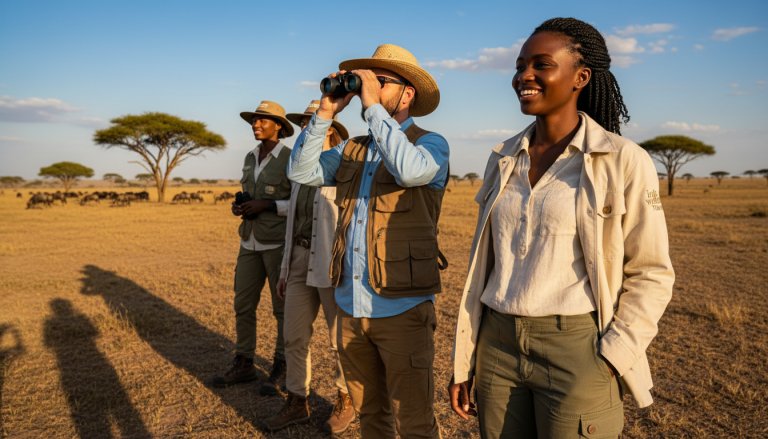
We invite you to embark on a journey with us to uncover the untamed beauty and rich cultural heritage of one of Africa’s most breathtaking destinations. Tanzania’s premier safari park is a testament to the continent’s natural splendor, offering diverse landscapes that range from the majestic savannas to the serene woodlands.
As we guide you through the wonders of this incredible Tanzania Park, you’ll discover why it’s considered the best safari park in Tanzania. With its abundant wildlife and untouched wilderness, this park is a haven for travelers seeking an authentic safari experience.
Key Takeaways
- Experience the untamed beauty of Tanzania’s premier safari destination.
- Discover diverse landscapes and abundant wildlife.
- Enjoy an authentic safari experience in an untouched wilderness.
- Immerse yourself in the rich cultural heritage of the region.
- Explore the natural splendor that makes this park a standout.
The Natural Splendor of Tanzania’s National Parks
From the Serengeti’s endless plains to the Ngorongoro Crater’s lush depths, Tanzania’s national parks showcase the country’s incredible biodiversity. These protected areas are not just havens for wildlife; they are also crucial for maintaining the delicate balance of ecosystems.
Geographical Distribution Across the Country
Tanzania’s national parks are spread across various regions, each with its unique geographical characteristics. The parks are divided into different circuits, catering to diverse interests and preferences.
Northern Circuit Parks
The Northern Circuit is home to some of Tanzania’s most famous parks, including the Serengeti and Lake Manyara. These parks are renowned for their abundant wildlife and the Great Migration, a spectacle that draws visitors from around the world.
Southern and Western Wilderness Areas
In contrast, the Southern and Western Wilderness Areas offer a more secluded and untouched experience. Parks like the Selous and Katavi provide diverse landscapes, ranging from forests to grasslands, and are home to a wide variety of flora and fauna.
Unique Ecosystems and Biodiversity Hotspots
Tanzania’s national parks are biodiversity hotspots, with ecosystems that support a rich variety of life. From the majestic elephants to the tiny insects, each park is a treasure trove of natural wonders.
- Diverse Landscapes: From mountains to lakes, Tanzania’s parks offer a range of landscapes that are home to diverse ecosystems.
- Rich Wildlife: The parks are inhabited by a wide range of wildlife, including the Big Five and numerous bird species.
- Conservation Efforts: Protected areas play a crucial role in conservation efforts, safeguarding habitats and species.

Tanzania Park: A Crown Jewel of African Safari Destinations
Tanzania Park stands as a testament to the natural world’s splendor, a crown jewel that shines brightly among Africa’s most revered safari destinations. As we explore this magnificent park, we discover the essence of Africa’s wilderness, teeming with life and rich in biodiversity.
What Makes Tanzania Park Stand Out
Tanzania Park’s uniqueness lies in its diverse landscapes, from vast savannas to dense forests and towering volcanic peaks. This varied terrain supports an incredible array of wildlife, making it a haven for nature lovers and safari enthusiasts. The park’s commitment to conservation is evident in its UNESCO World Heritage designation, recognizing its cultural and natural significance.
Recognition and International Conservation Status
The park’s conservation status is further bolstered by its involvement in global conservation partnerships. These collaborations ensure the protection of Tanzania Park’s natural resources for future generations.
UNESCO World Heritage Designations
The UNESCO World Heritage designation is a testament to Tanzania Park’s outstanding universal value, acknowledging its role as a crucial habitat for numerous endangered species.
Global Conservation Partnerships
Tanzania Park engages in various global conservation initiatives, working closely with international organizations to safeguard its biodiversity. Some key partnerships include:
| Organization | Focus Area | Impact |
|---|---|---|
| World Wildlife Fund | Anti-poaching efforts | Significant reduction in wildlife poaching |
| IUCN | Habitat conservation | Protection of critical ecosystems |
| African Wildlife Foundation | Community engagement | Enhanced local support for conservation |
These partnerships underscore Tanzania Park’s commitment to preserving its natural heritage, solidifying its position as the best safari park in Tanzania.
The Big Five and Beyond: Wildlife Encounters
In the heart of Tanzania Park, we find the Big Five, a highlight of any African safari. These iconic creatures – lion, leopard, rhinoceros, elephant, and Cape buffalo – roam freely, offering unforgettable wildlife encounters. As we explore the park, we’re not just tracking animals; we’re immersing ourselves in the rich tapestry of Tanzania’s natural heritage.
Tracking the Iconic Big Five
The Big Five are more than just a list of animals; they represent the essence of Africa’s wilderness. Our guides are experts in tracking these majestic creatures, providing insights into their behavior and habitats.
Lion Prides and Their Territories
Lion prides are a marvel to observe, with their complex social structures and territorial markings. We learn about the dynamics within a pride and the challenges they face in maintaining their territory.
Elephant Herds and Migration Patterns
Elephant herds migrate across the park, following ancient routes that have been etched into their memory over generations. Witnessing these gentle giants up close is a humbling experience, offering a glimpse into their intricate social bonds and migratory patterns.
| Big Five | Habitat | Interesting Fact |
|---|---|---|
| Lion | Savannas and grasslands | A lion’s roar can be heard up to 5 miles away |
| Leopard | Forests and rocky terrains | Leopards are nocturnal and have excellent night vision |
| Rhinoceros | Grasslands and savannas | Rhinoceros have poor eyesight but excellent hearing and smell |
| Elephant | Various, from savannas to forests | Elephants have a highly developed sense of empathy |
| Cape Buffalo | Savannas and grasslands | Cape buffalo are known for their unpredictable behavior |
Rare and Endemic Species Spotting Guide
Beyond the Big Five, Tanzania Park is home to a variety of rare and endemic species. Our guides are knowledgeable about the habitats and behaviors of these unique creatures, enhancing our spotting experience.
Primates and Small Mammals of Tanzania
The park’s diverse landscapes support a wide range of primates and small mammals. From the agile galagos to the elusive dik-dik, each species offers a fascinating glimpse into the park’s biodiversity.

As we explore Tanzania Park, we’re not just observing wildlife; we’re experiencing the essence of Africa. Each encounter leaves us in awe of the natural world’s beauty and complexity.
Bird Watching Paradise: Avian Diversity
As we explore Tanzania Park, we’re immediately struck by the rich tapestry of birdlife that surrounds us. The park’s diverse landscapes, from open savannas to dense forests and wetlands, create a perfect haven for a wide variety of bird species.
Endemic Bird Species of Tanzania Park
Tanzania Park is home to several endemic bird species that are found nowhere else on Earth. These unique birds have adapted to the park’s diverse habitats, offering bird enthusiasts a chance to spot rare and fascinating species.
Migratory Birds and Seasonal Variations
The park’s location makes it a critical stopover for many migratory bird species. Throughout the year, the skies above Tanzania Park are filled with birds traveling between their breeding and wintering grounds, creating a dynamic and ever-changing avian landscape.

Essential Equipment for Bird Enthusiasts
To make the most of your bird watching experience in Tanzania Park, it’s essential to have the right equipment. Binoculars, field guides, and spotting scopes are just a few of the tools that will enhance your ability to observe and appreciate the park’s incredible avian diversity.
With its rich birdlife and diverse habitats, Tanzania Park offers an unforgettable experience for bird enthusiasts. Whether you’re tracking endemic species or witnessing the spectacle of migratory birds, the park is sure to leave a lasting impression.
The Great Migration: Nature’s Most Spectacular Show
In the vast expanse of Tanzania Park, the Great Migration is a testament to the enduring cycle of life, where survival and renewal play out on a grand stage. This natural spectacle, involving millions of wildebeest, zebras, and gazelles, is a breathtaking display of wildlife movement that has captivated explorers for generations.
Understanding Migration Patterns and Timing
The Great Migration is governed by the search for greener pastures and water, driven by seasonal rainfall patterns. Typically, the herds move clockwise, with the wildebeest calving season occurring between January and March in the southern Serengeti. As the dry season sets in, they begin their journey northwards towards the Maasai Mara.
Best Viewing Locations Throughout the Year
The best viewing locations vary throughout the year, depending on the migration pattern. Key spots include the Ndutu region during the calving season and the Mara River for dramatic river crossings.
River Crossing Hotspots
River crossings are among the most thrilling aspects of the Great Migration. The Mara River is particularly notable, as it poses a significant challenge to the migrating herds, with crocs and other predators waiting to strike.
Calving Season Experiences
The calving season, typically occurring in the southern Serengeti, is a time of renewal and vulnerability. Witnessing the birth of wildebeest calves is a poignant experience, highlighting the cycle of life in the wild.
Predator-Prey Dynamics During Migration
The Great Migration is also a time of heightened predator-prey interactions. Predators such as lions, leopards, and crocodiles capitalize on the vulnerable moments during river crossings and the calving season, making it a fascinating time for wildlife viewing.

Safari Experiences and Activities in Tanzania Park
As we venture into Tanzania Park, the vast savannah unfolds before us, offering a canvas of unforgettable safari experiences. The park is a treasure trove of adventures, catering to diverse interests and preferences, ensuring that every visit is nothing short of extraordinary.
Classic Game Drives and Vehicle Safaris
One of the most iconic ways to experience Tanzania Park is through classic game drives. These excursions, led by expert guides, take us deep into the heart of the park, offering up-close encounters with the Big Five and other incredible wildlife. The thrill of navigating through the savannah in specially adapted vehicles heightens the experience, bringing us closer to the action.

Walking Safaris with Expert Guides
For a more intimate connection with nature, walking safaris provide an unparalleled opportunity to explore the park’s flora and fauna on foot. Accompanied by knowledgeable guides, we gain insights into the intricate ecosystems and learn to identify the subtle signs of wildlife presence, enriching our understanding and appreciation of this remarkable environment.
Hot Air Balloon Adventures Over the Savanna
Rising above the savannah at dawn, hot air balloon rides offer a breathtaking perspective on Tanzania Park. As the sun breaks the horizon, the landscape is bathed in a golden light, revealing the vast expanse of the wilderness below. This serene and majestic experience is a unique way to witness the park’s grandeur.
Night Drives and Nocturnal Wildlife Viewing
As dusk falls, Tanzania Park transforms, revealing a different facet of its wildlife. Night drives, conducted with specialized vehicles and lighting, allow us to observe the nocturnal creatures that come alive under the cover of darkness. This thrilling experience offers a glimpse into the secret lives of the park’s inhabitants, adding another layer to our safari adventure.
Each of these safari experiences in Tanzania Park is designed to deepen our connection with the natural world, fostering a profound appreciation for the beauty and complexity of this African wilderness. Whether we’re observing the majesty of lions, the grace of giraffes, or the intricate details of the savannah’s ecosystem, every moment is a testament to the wonders that await us in this incredible park.
Accommodation Options: From Luxury to Wilderness
From opulent luxury lodges to rustic tented camps, Tanzania Park’s accommodation options are as varied as they are inviting. Whether you’re looking for the lap of luxury or an authentic wilderness experience, the park has something to offer.
Luxury Lodges and Their Unique Offerings
Luxury lodges in Tanzania Park offer unparalleled comfort and service, with amenities that rival those of high-end hotels. These lodges provide a serene retreat after a day of exploring the park’s wonders, with many offering private decks and stunning views.

Tented Camps for Authentic Safari Experiences
For those seeking a more authentic safari experience, tented camps offer a chance to connect with nature without sacrificing comfort. These camps provide a unique blend of adventure and tranquility, with many located in prime wildlife viewing areas.
Budget-Friendly Stays Without Compromising Experience
Budget-conscious travelers need not compromise on experience. Tanzania Park offers a range of budget-friendly accommodations, including:
- Public campgrounds for a more rustic experience
- Community-based accommodations that support local communities
Public Campgrounds
Public campgrounds provide a basic yet authentic camping experience, allowing visitors to immerse themselves in the natural beauty of Tanzania Park.
Community-Based Accommodations
Community-based accommodations offer a unique opportunity to engage with local cultures while supporting community development projects.
In conclusion, Tanzania Park’s diverse accommodation options ensure that every visitor can find a haven that suits their needs, from luxury to wilderness. Whether you’re planning a high-end safari or a budget-friendly adventure, the park’s accommodations are designed to enhance your experience.
Best Times to Visit Tanzania Park
The rhythm of the seasons in Tanzania Park dictates the ebb and flow of wildlife activity, guiding us toward the best times to visit. As we plan our safari adventure, understanding the advantages of different seasons can significantly enhance our experience.
Dry Season Advantages
The dry season, spanning from June to October, brings numerous benefits for visitors. Wildlife viewing becomes easier as animals congregate around water sources, making it an ideal time for spotting the Big Five. The dry underbrush also improves visibility, allowing for clearer photographs and more intimate wildlife encounters.
Green Season Benefits
In contrast, the green season, from November to May, offers its own set of advantages. The lush landscapes provide a picturesque backdrop for our safari, and the presence of newborn animals adds a touching dimension to our wildlife experiences. The greenery also makes the park look rejuvenated, offering a fresh perspective on familiar landscapes.
Month-by-Month Wildlife Viewing Guide
To maximize our safari experience, a month-by-month breakdown can be helpful:
- January: Witness the calving season in the southern Serengeti.
- June: Enjoy the start of the dry season with optimal wildlife viewing.
- August: Experience the Great Migration at its peak.
- November: Observe the return of the green season with lush landscapes.
This guide helps us plan our visit according to our interests, whether it’s witnessing the Great Migration or enjoying the tranquility of the green season.

By considering these seasonal variations, we can tailor our visit to Tanzania Park to suit our preferences, ensuring a memorable and enriching experience.
Cultural Immersion: Communities Around Tanzania Park
Surrounding Tanzania Park are vibrant communities that embody the spirit of Africa, offering visitors a chance to engage deeply with local cultures. These communities have preserved their traditional ways of life for generations, providing a unique opportunity for cultural immersion.

Maasai Cultural Experiences
The Maasai people are one of the most iconic indigenous communities around Tanzania Park. Visitors can engage in Maasai cultural experiences, learning about their traditional practices, such as adumu (the jumping dance) and the significance of their colorful beadwork. By participating in these activities, travelers gain a deeper understanding of the Maasai’s rich cultural heritage.
Other Indigenous Communities and Their Traditions
Beyond the Maasai, other indigenous communities surround Tanzania Park, each with their unique traditions and customs. The Hadza people, for instance, are one of the last remaining hunter-gatherer tribes in Africa. Interacting with these communities provides a fascinating glimpse into their ways of life and the challenges they face in the modern world.
Responsible Cultural Tourism Practices
Engaging in cultural tourism around Tanzania Park requires a commitment to responsible tourism practices. Visitors should respect local customs, support community-led initiatives, and be mindful of their impact on the communities they visit. By doing so, travelers can contribute to the preservation of these cultures while enriching their own understanding of the world.
Photography in Tanzania Park: Capturing the Perfect Shot
Capturing the essence of Tanzania Park through photography requires patience, skill, and an understanding of its unique environment. As we venture into this incredible ecosystem, our cameras become tools not just for capturing images, but for telling the story of a land teeming with life and beauty.
Landscape Photography Tips and Prime Locations
Tanzania Park’s diverse landscapes offer endless opportunities for photographers. From the serene lakes to the dramatic savannas, each location provides a unique backdrop for capturing the beauty of Africa. Prime locations include the Ngorongoro Crater and the Serengeti Plains, where the golden light of dawn and dusk paints the landscape with warm hues.

Wildlife Photography Techniques
Wildlife photography in Tanzania Park demands a combination of technical skill and knowledge of animal behavior. Understanding the habits of your subjects, from the Big Five to the smaller, often overlooked creatures, is crucial. Techniques such as using a telephoto lens and being patient for the perfect shot are essential.
Equipment Recommendations
- A telephoto lens (at least 200mm) for capturing wildlife without disturbance.
- A camera with good low-light performance for early morning and late evening shots.
- A tripod for stabilizing your camera, especially in low light.
Ethical Photography Practices
It’s crucial to practice ethical photography by not disturbing the wildlife or their habitats. Keeping a safe distance and avoiding baiting or luring animals for a shot are key principles.
Night Sky and Astrophotography Opportunities
| Month | Best Viewing Time | Notable Celestial Events |
|---|---|---|
| June | 10 PM – 2 AM | Milky Way visible |
| July | 11 PM – 3 AM | Perseid Meteor Shower |
Tanzania Park’s minimal light pollution makes it an ideal location for astrophotography. The clear skies offer a canvas of stars, with the Milky Way visible during certain months.
Conservation Challenges and Triumphs in Tanzania Park
In the heart of Tanzania lies a park that embodies both the challenges and triumphs of modern conservation. Tanzania Park is a sanctuary where the natural world thrives, thanks to the dedication of conservationists and local communities.
Anti-Poaching Initiatives and Success Stories
One of the most significant conservation efforts in Tanzania Park is the anti-poaching initiative. Through collaboration with local communities and international organizations, the park has seen a significant reduction in poaching activities. Success stories include the recovery of endangered species and the rehabilitation of poaching victims.
Human-Wildlife Conflict Management
As human settlements expand, they encroach upon wildlife habitats, leading to human-wildlife conflict. Tanzania Park has implemented innovative strategies to manage this conflict, including community-based conservation programs that educate locals on the importance of preserving wildlife habitats.
Climate Change Impacts and Adaptation Strategies
Climate change poses a significant threat to Tanzania Park’s ecosystems. Rising temperatures and changing rainfall patterns affect wildlife habitats and migration patterns. The park is adopting adaptation strategies such as habitat restoration and wildlife monitoring to mitigate these impacts.
How Visitors Can Contribute to Conservation
Visitors play a crucial role in conservation efforts. By supporting eco-friendly tour operators and respecting park rules, visitors can contribute to the preservation of Tanzania Park. Additionally, participating in conservation activities such as tree planting and wildlife monitoring can make a tangible difference.
Through these conservation efforts, Tanzania Park continues to thrive, offering a haven for wildlife and a model for conservation success. As we move forward, it’s clear that the partnership between conservationists, local communities, and visitors is crucial in protecting this incredible resource for future generations.
- Support local conservation initiatives
- Respect park rules and wildlife habitats
- Participate in eco-friendly activities
Planning Your Tanzania Park Safari Adventure
As you prepare for your Tanzania Park safari, we walk you through the essential steps to make your adventure as seamless and enjoyable as possible. Planning a safari to Tanzania Park requires attention to several key factors, including visa requirements, transportation options, and what to pack.
Visa Requirements and Entry Procedures
Before embarking on your journey, it’s crucial to understand the visa requirements for entry into Tanzania. Most nationalities require a visa, which can be obtained upon arrival or in advance through the Tanzanian embassy or consulate in your home country. Ensure your passport is valid for at least six months beyond your intended stay, and have proof of onward travel.
Transportation Options to and Within Tanzania
Getting to and around Tanzania involves several transportation options. We guide you through the most convenient choices for your safari adventure.
International Flights and Local Connections
Major airlines connect to Kilimanjaro International Airport (JRO) or Dar es Salaam International Airport (DAR), from where you can take domestic flights or other forms of transport to reach your destination.
Road Transfers and Internal Flights
For those preferring a more leisurely journey or traveling in groups, road transfers are available, offering scenic views along the way. Internal flights provide a quick and efficient way to cover large distances within Tanzania.
Safari Packing Essentials and Recommendations
Packing wisely is crucial for a comfortable and enjoyable safari. Essentials include lightweight, neutral-colored clothing, a good quality camera, sunscreen, insect repellent, and a reusable water bottle. Don’t forget a comprehensive first-aid kit and any personal medications.
| Packing Essentials | Recommended Items |
|---|---|
| Clothing | Lightweight, neutral-colored clothing, hat, gloves |
| Electronics | Camera, binoculars, portable charger |
| Health and Hygiene | Sunscreen, insect repellent, first-aid kit |
By carefully planning your Tanzania Park safari, you’ll be well-prepared for an adventure of a lifetime, immersed in the natural beauty and rich wildlife of Tanzania.
Health and Safety on Safari
Ensuring a safe and enjoyable safari experience in Tanzania Park requires careful consideration of health and safety measures. As we venture into the wilderness, we must be prepared for the challenges that come with exploring Africa’s natural beauty.
Required and Recommended Vaccinations
Before traveling to Tanzania Park, it’s essential to consult with a healthcare professional about required and recommended vaccinations. These may include vaccinations for yellow fever, hepatitis A, and typhoid, among others.
Malaria Prevention and Treatment
Malaria is a risk in certain areas of Tanzania. We recommend taking prophylactic measures and being aware of the symptoms to ensure prompt treatment if necessary.
Wildlife Safety Protocols and Guidelines
When on safari, following wildlife safety protocols is crucial. This includes maintaining a safe distance from animals, not feeding them, and staying within designated areas.
Emergency Services and Medical Facilities
In case of an emergency, it’s reassuring to know that medical facilities and emergency services are available in and around Tanzania Park. We advise travelers to familiarize themselves with the locations and services provided.
Comparing Tanzania’s Parks: Finding the Best Safari Park in Tanzania
As we explore Tanzania’s renowned national parks, we uncover the distinct characteristics that make each one a must-visit destination. Tanzania is home to a diverse array of national parks, each offering a unique safari experience. The country’s rich biodiversity and varied landscapes make it a paradise for wildlife enthusiasts and nature lovers alike.
Serengeti vs. Tarangire vs. Ngorongoro
When it comes to choosing the best safari park in Tanzania, three parks often top the list: Serengeti, Tarangire, and Ngorongoro. Each of these parks has its own unique attractions and experiences.
- Serengeti National Park is famous for its vast plains and the Great Migration, a spectacle that draws visitors from around the world.
- Tarangire National Park is known for its large elephant population and the iconic baobab trees that dot the landscape.
- Ngorongoro Conservation Area is home to the Ngorongoro Crater, the largest intact caldera in the world, teeming with wildlife.
As one conservationist noted,
“The Serengeti is not just a park, it’s a vast ecosystem that supports an incredible array of wildlife.”
| Park | Main Attraction | Best Time to Visit |
|---|---|---|
| Serengeti | Great Migration | June to October |
| Tarangire | Elephant Population | June to October |
| Ngorongoro | Ngorongoro Crater | Year-round |
Lesser-Known Parks Worth Exploring
Beyond the famous parks, Tanzania has several lesser-known gems that are worth visiting. These include:
- Katavi National Park, known for its remote wilderness and large populations of hippos and crocodiles.
- Mahale Mountains National Park, famous for its chimpanzee populations and scenic landscapes.
- Rukwa Valley, a hidden gem with diverse wildlife and bird species.
Multi-Park Itineraries and Combinations
To experience the full breadth of Tanzania’s safari offerings, consider a multi-park itinerary. Combining parks like Serengeti, Tarangire, and Ngorongoro can provide a comprehensive safari experience, showcasing the country’s diverse ecosystems and wildlife.
For example, a typical itinerary might include:
- A few days in Serengeti to witness the Great Migration.
- A visit to Tarangire to see the majestic elephants.
- A stay in Ngorongoro to explore the crater and its unique wildlife.
By combining these experiences, travelers can gain a deeper understanding of Tanzania’s natural beauty and rich biodiversity.
Conclusion: The Timeless Appeal of Tanzania’s Wilderness
As we conclude our journey through Tanzania Park, the essence of this incredible destination lingers, much like the vast savannas and majestic landscapes that define it. The Tanzania Park experience is a testament to the country’s wilderness appeal, offering a blend of wildlife, culture, and natural beauty that is hard to find elsewhere.
Whether you’re drawn to the Serengeti’s endless plains, the Ngorongoro Crater’s unique ecosystem, or the tranquil beauty of Zanzibar’s coast, Tanzania beckons with its diverse landscapes and experiences. As the best safari park in Tanzania, it promises an unforgettable adventure, from witnessing the Great Migration to immersing in the local cultures.
We invite you to explore the wonders of Tanzania Park, to experience the raw beauty of its wilderness, and to be a part of the conservation efforts that protect this incredible heritage. Let the timeless appeal of Tanzania’s wilderness captivate you, and may your journey be as enriching as the landscapes you traverse.