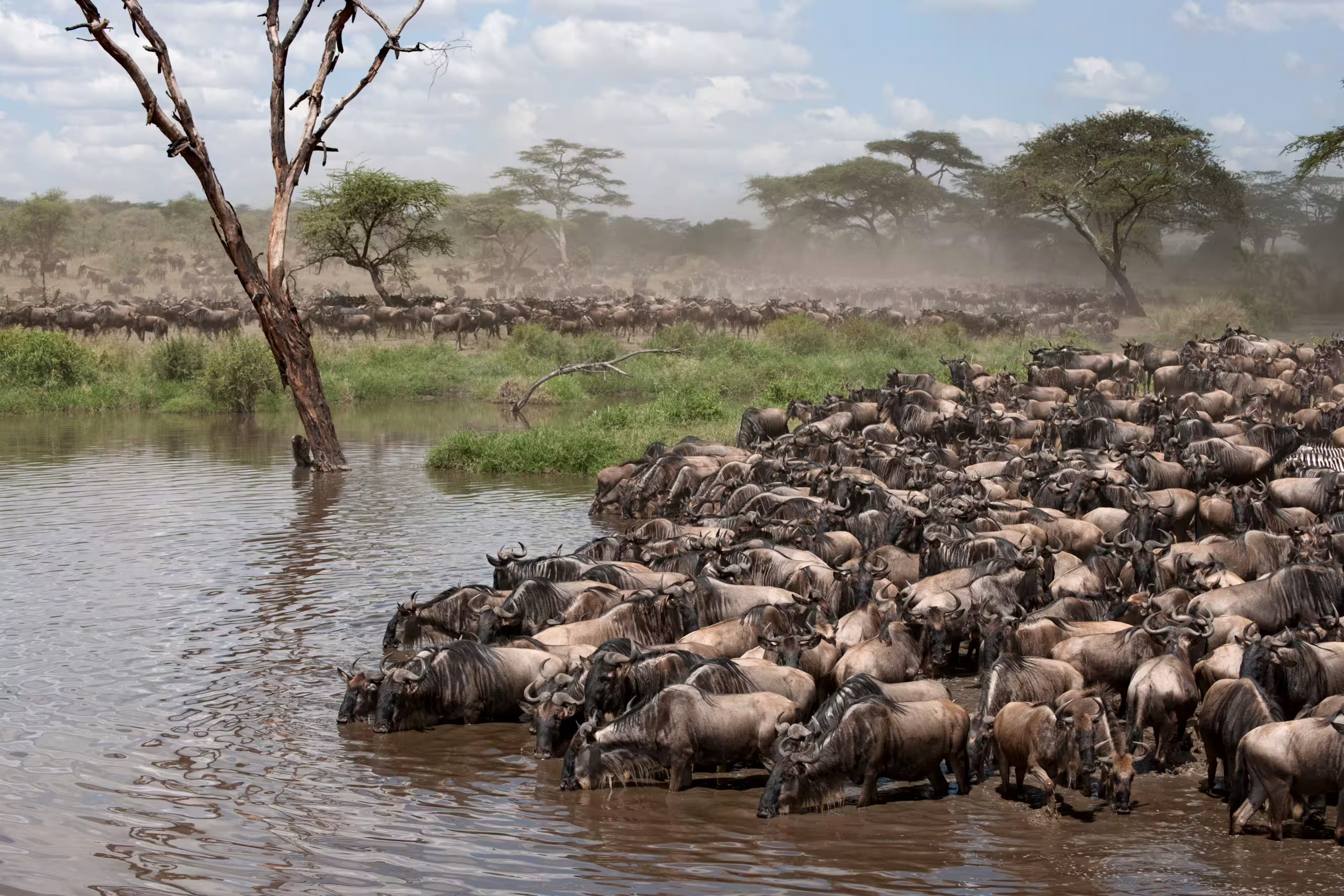
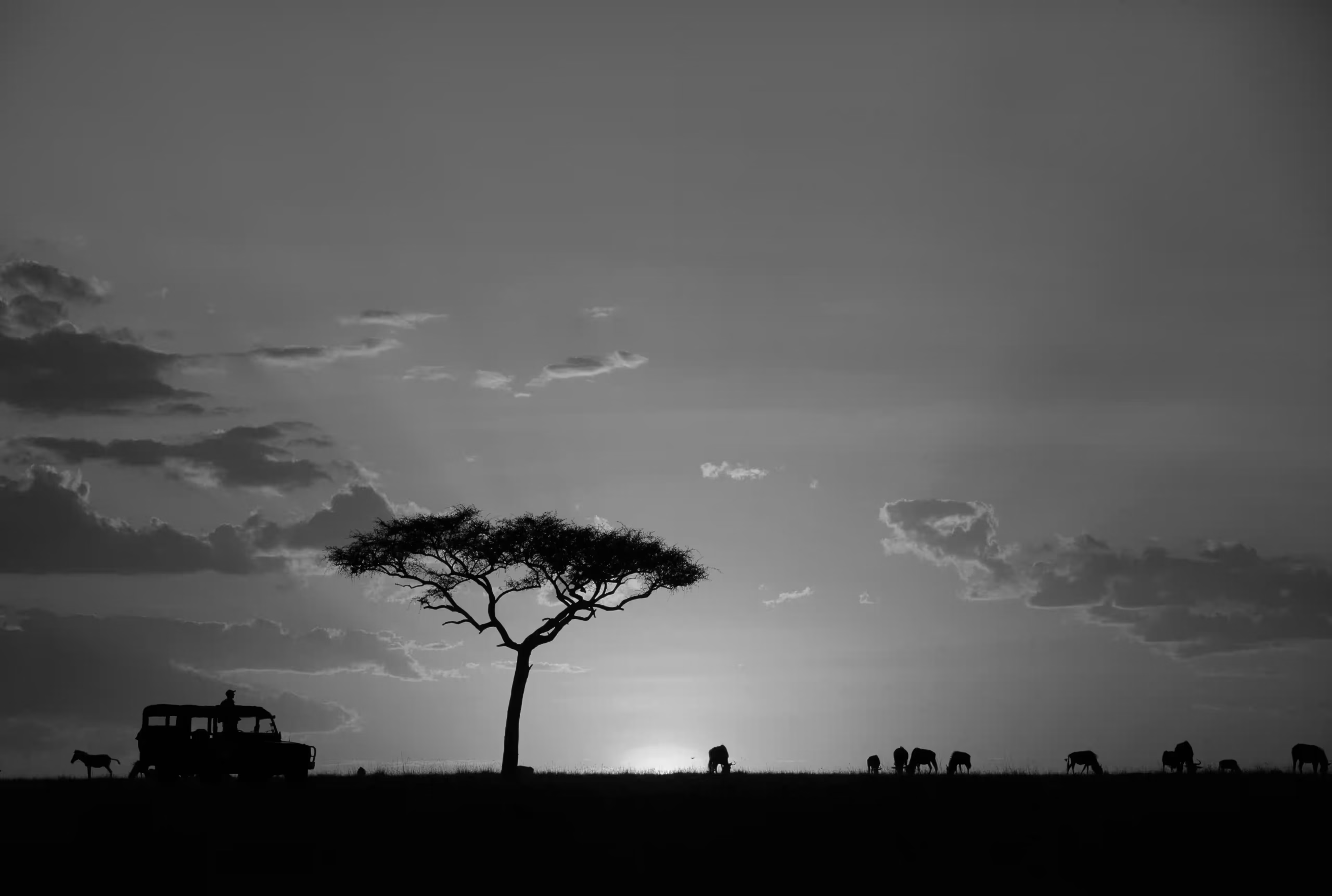


We invite you to experience the untamed beauty of Tanzania’s largest wildlife sanctuary, where the essence of African safaris comes alive. As we journey through Ruaha National Park, the vast landscapes and diverse wildlife will captivate your senses, inspiring a deep connection with nature.
The park’s rugged terrain, dotted with acacia trees and granite outcrops, provides a dramatic backdrop for an unforgettable adventure. As we explore this wilderness, we are reminded of the importance of preserving our natural heritage for future generations.
Key Takeaways
- Experience the untamed beauty of Tanzania’s largest wildlife sanctuary
- Encounter diverse wildlife in a dramatic landscape
- Embark on a transformative safari adventure
- Explore the rugged terrain and granite outcrops of Ruaha
- Connect with nature and preserve our natural heritage
The Wild Heart of Tanzania
As we venture into Ruaha National Park, we uncover the essence of Tanzania’s wild soul. This vast and varied landscape is a testament to the country’s rich natural heritage, offering an immersive experience into the heart of Africa.
Tanzania’s Best-Kept Secret
Ruaha National Park remains one of Tanzania’s best-kept secrets, offering an unspoiled and authentic safari experience. Unlike more frequented destinations, Ruaha’s remote location and limited infrastructure have preserved its natural beauty and wildlife populations, making it an ideal destination for those seeking solitude and a genuine connection with nature.
The park’s diverse landscapes, from rugged hills to open plains, support a wide range of wildlife, including large populations of elephants, lions, and leopards. This diversity, combined with the park’s untouched beauty, makes Ruaha a truly unique safari destination.
A Brief History of the Park
Ruaha National Park has a rich history dating back to its establishment in 1964. Originally a game reserve, it was upgraded to national park status to protect its diverse wildlife and ecosystems. The park’s name, “Ruaha,” is derived from the Swahili word “rivers,” reflecting the importance of the Great Ruaha River, which runs through the park and supports its diverse wildlife.
Over the years, conservation efforts have focused on protecting the park’s natural resources and promoting sustainable tourism practices. Today, Ruaha National Park is a prime example of successful conservation, offering visitors an unforgettable experience amidst Tanzania’s stunning wilderness.
Ruaha National Park: An Overview
The majesty of Ruaha National Park lies in its expansive wilderness, where the Great Ruaha River plays a pivotal role in shaping the park’s ecosystem. As we explore this Tanzanian treasure, we discover a landscape of striking contrasts and diverse geography.
Size and Geography
Ruaha National Park spans an impressive 20,226 square kilometers, making it one of Tanzania’s largest national parks. The park’s diverse geography includes rugged hills, open plains, and riverine forests, creating a complex mosaic of habitats that support a wide range of wildlife. The varied landscapes offer visitors a unique safari experience, with opportunities to explore different ecosystems within a single day.
The Great Ruaha River Ecosystem
At the heart of Ruaha National Park is the Great Ruaha River, a lifeline that sustains the park’s ecosystem during the dry seasons. The river’s presence creates a fertile corridor, attracting a diverse array of wildlife and supporting a rich biodiversity. The riverine forests and wetlands along the Great Ruaha River are particularly noteworthy, providing a haven for numerous species of birds, fish, and other aquatic life.
Climate and Seasons
Ruaha National Park experiences a semi-arid climate, characterized by distinct wet and dry seasons. The dry season, which typically runs from June to October, is marked by clear skies and comfortable temperatures, making it an ideal time for wildlife viewing. In contrast, the wet season brings life-giving rains, transforming the park into a lush and vibrant landscape. 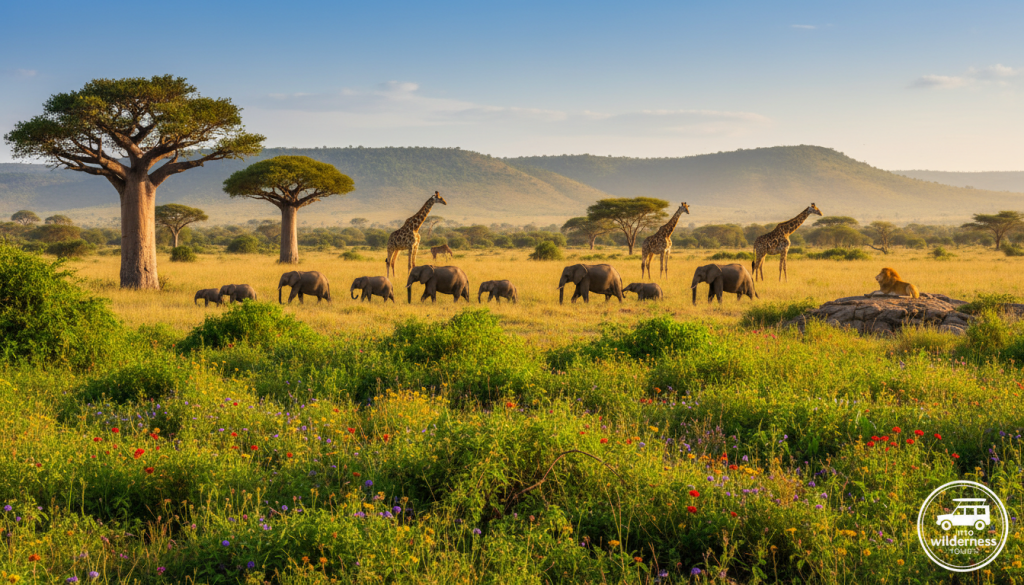
| Season | Characteristics | Best for |
|---|---|---|
| Dry Season (June to October) | Clear skies, comfortable temperatures, concentrated wildlife around water sources | Wildlife viewing, photography |
| Wet Season (November to May) | Lush landscapes, newborn animals, migratory bird species | Scenic beauty, birdwatching, witnessing the park’s renewal |
The Extraordinary Wildlife of Ruaha
With its rich tapestry of habitats, Ruaha National Park supports an incredible array of wildlife, from majestic predators to gentle giants. This diversity is a hallmark of Ruaha’s status as one of East Africa’s most important wildlife conservation areas.
Predator Capital of East Africa
Ruaha has earned the title “Predator Capital of East Africa” due to its high concentration of large predators. The park’s open plains and woodland areas provide ideal habitats for these magnificent creatures.
Lion Prides and Hunting Behaviors
Lions in Ruaha form strong prides, often led by experienced lionesses. Their hunting behaviors are a testament to their adaptability and skill, using coordinated attacks to bring down prey.
Leopard and Cheetah Sightings
Leopards and cheetahs also thrive in Ruaha, with the park’s dense woodlands and open grasslands providing perfect conditions for these elusive cats. Sightings are common, especially during early morning and late afternoon game drives.
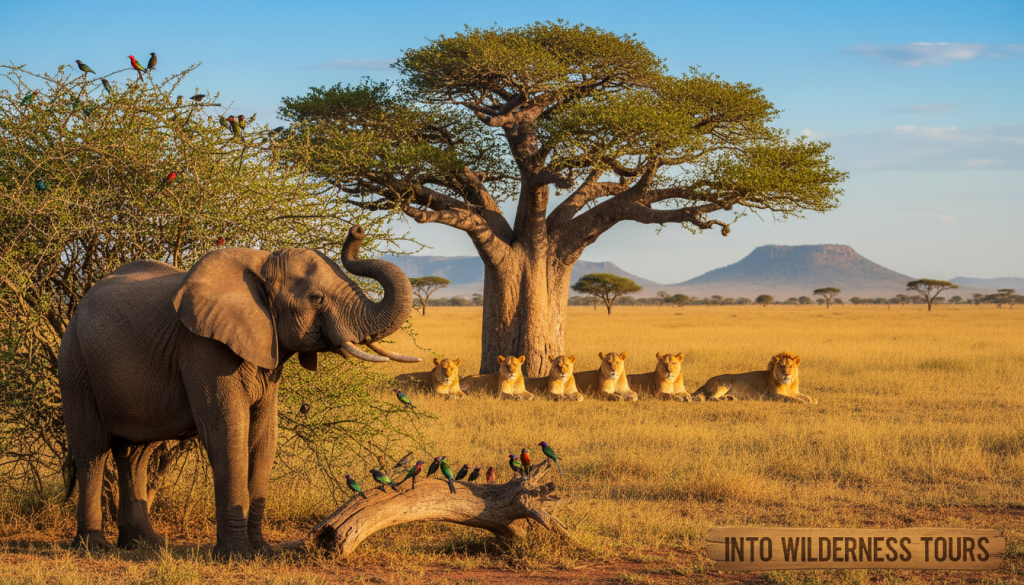
Elephant Herds and Baobab Trees
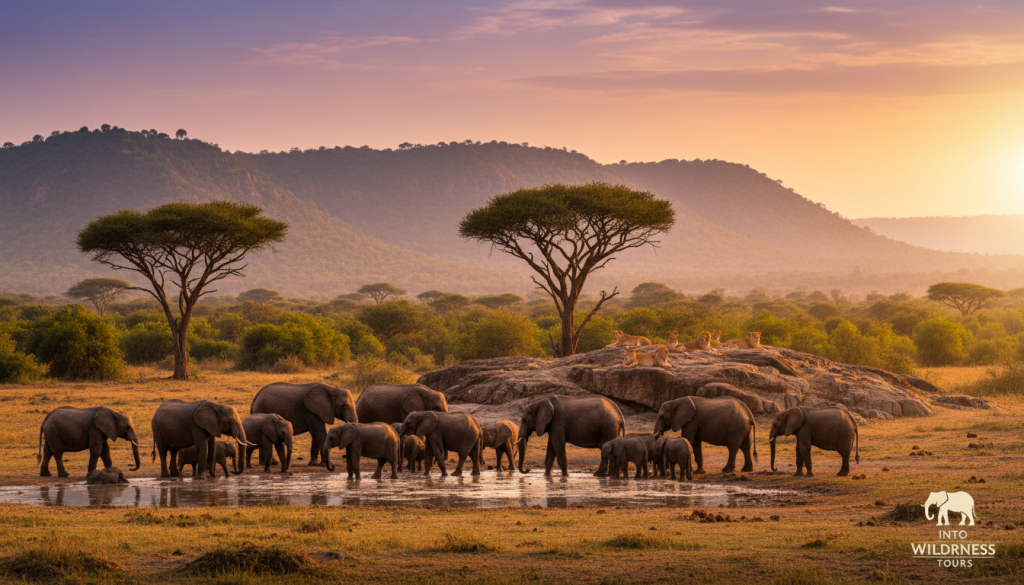
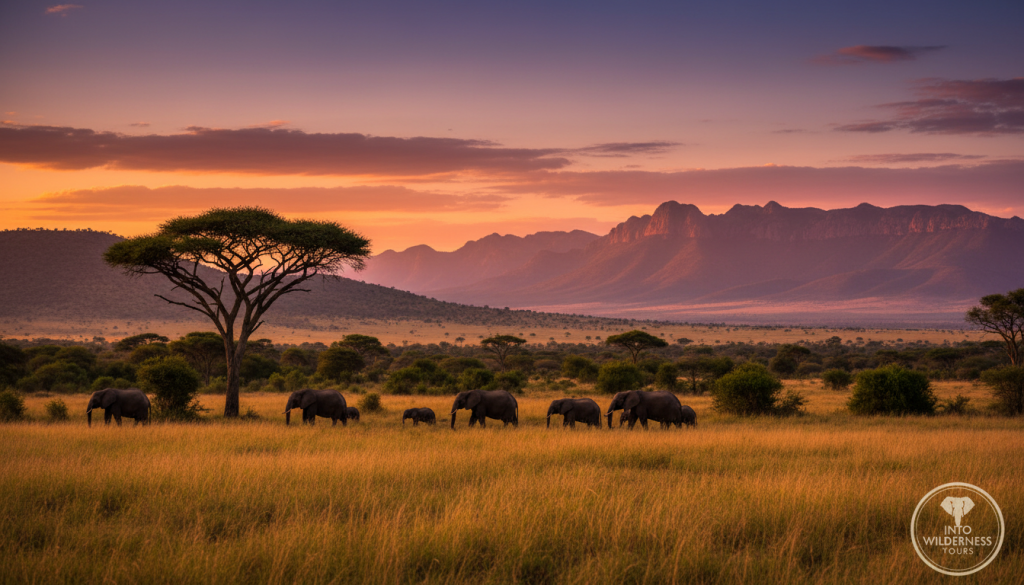
The iconic baobab trees of Ruaha are often accompanied by large elephant herds. These gentle giants roam the park, leaving a trail of evidence of their presence on the baobabs and other vegetation.
Rare and Endemic Species
Ruaha is home to several rare and endemic species, including the endangered African wild dog. The park’s diverse habitats support a wide range of unique wildlife, making it a fascinating destination for naturalists and conservationists.
Birdwatching Paradise
With over 570 bird species calling it home, Ruaha National Park is a true haven for bird enthusiasts. The park’s diverse landscapes, from the Great Ruaha River to the rugged hills and open plains, create a perfect environment for a wide variety of avian life.
Over 570 Bird Species
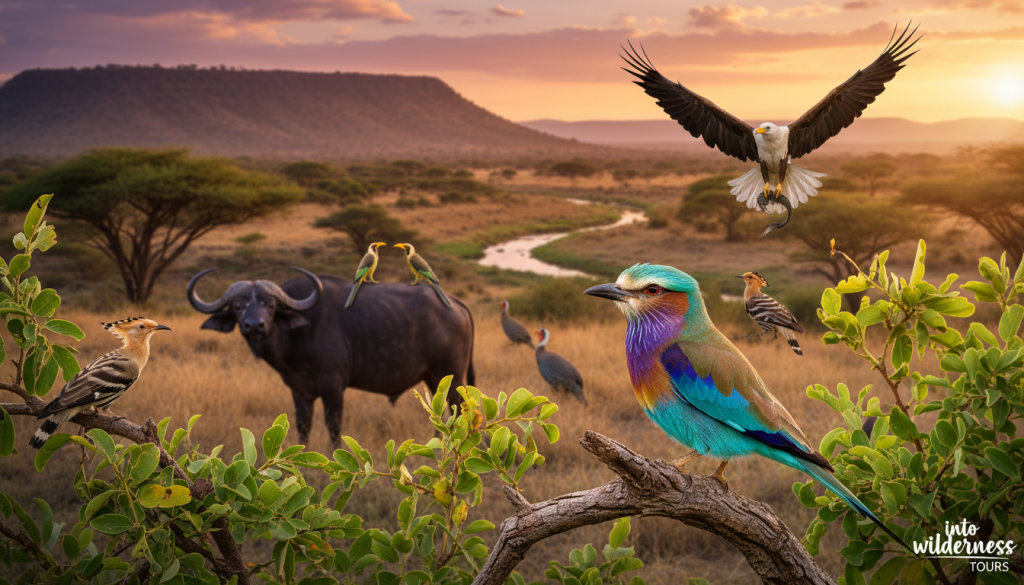
The diversity of birdlife in Ruaha is astounding, with species ranging from the majestic African Fish Eagle to the vibrant Lilac-breasted Roller. Ruaha’s bird species include both common residents and rare visitors, making every visit a unique experience.
Migratory Patterns and Seasonal Visitors
The park is also a critical stopover for many migratory bird species. As the seasons change, Ruaha welcomes a variety of visitors, from the Pale-chinned Blue Flycatcher to the European Bee-eater, enriching the park’s avian tapestry. Understanding these migratory patterns enhances the birdwatching experience, allowing visitors to anticipate and appreciate the seasonal changes in Ruaha’s birdlife.
When to Visit Ruaha
The allure of Ruaha’s wilderness beckons us to explore its seasonal rhythms, where the dry and green seasons each have their own charm. Understanding these seasons is key to planning a visit that aligns with your safari aspirations.
Dry Season Safari Experience
From June to October, Ruaha transforms into a dry season safari paradise. The sparse vegetation and concentration of wildlife around water sources make this period ideal for spotting predators and prey alike. As the dry season progresses, the park’s landscapes become increasingly dramatic, with the golden grasslands stretching as far as the eye can see.
Green Season Wonders
The green season, spanning from November to May, brings a renewed vitality to Ruaha. The park is reborn with lush vegetation, and the arrival of newborn animals adds a fresh layer of excitement to game drives. While some areas may become less accessible due to the rains, the green season offers a unique perspective on Ruaha’s ecosystem, with migratory birds and a landscape that’s both vibrant and alive.
Whether you’re drawn to the stark beauty of the dry season or the lush vibrancy of the green season, Ruaha National Park promises an unforgettable adventure. By choosing the right time to visit, you can tailor your safari to your preferences, ensuring a truly transformative experience.
Safari Experiences in Ruaha
The essence of Ruaha lies in its safari experiences, where the wild heart of Tanzania beats strong and free. As we explore this vast and diverse landscape, we are treated to a multitude of adventures that bring us closer to nature.
Game Drives Through Diverse Landscapes
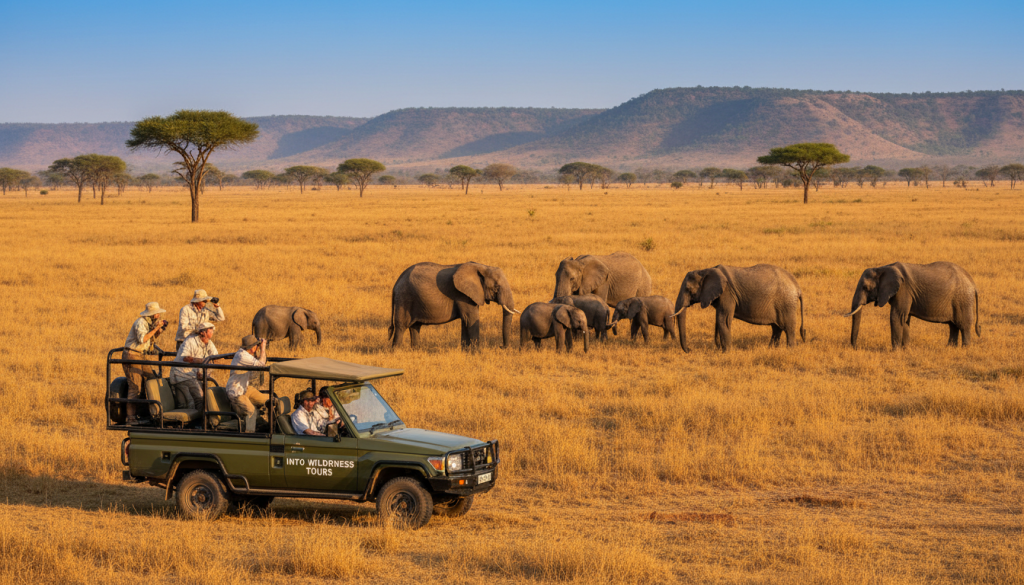
Game drives in Ruaha offer an exhilarating journey through a variety of landscapes, from the open plains to the dense woodlands and the majestic Great Ruaha River. As we navigate through these diverse terrains, the chances of spotting a wide range of wildlife are plentiful. The park is renowned for its large populations of elephants, lions, and leopards, making every game drive a thrilling experience.
Walking Safaris with Expert Guides
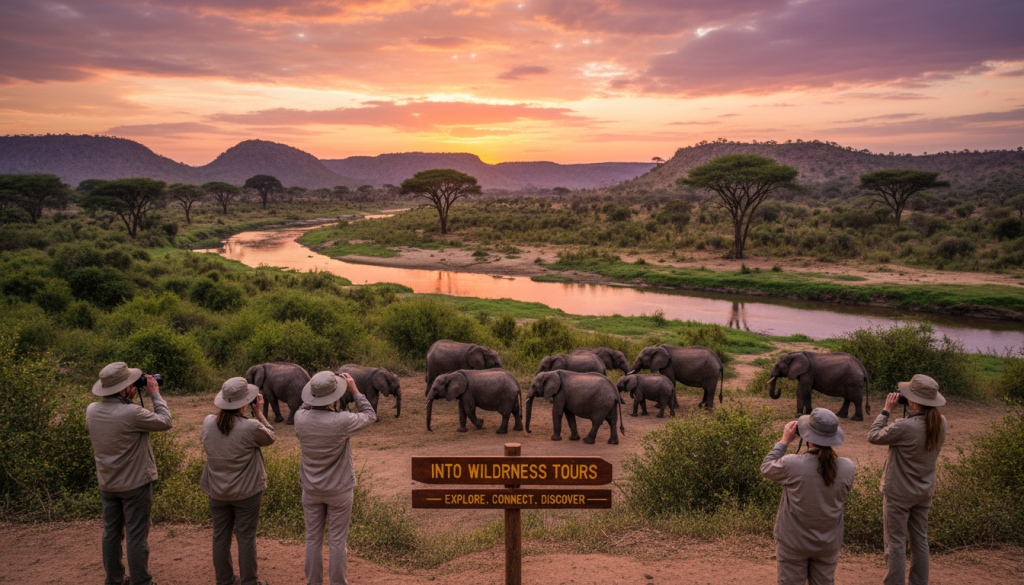
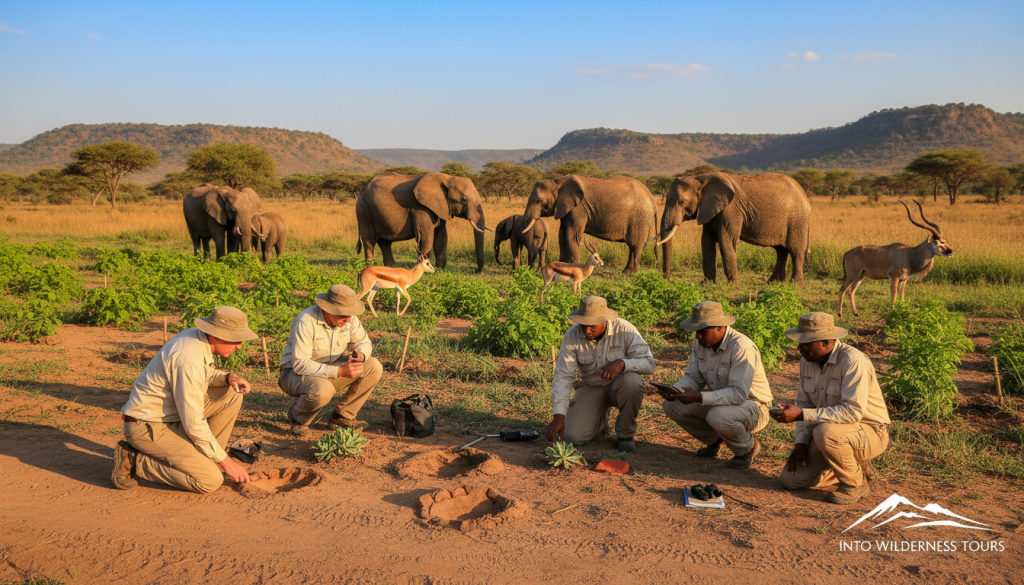
For a more intimate experience with nature, walking safaris in Ruaha provide an opportunity to explore the wilderness on foot, guided by experts who share their knowledge of the flora and fauna. These safaris allow us to appreciate the smaller details of the ecosystem, from the medicinal properties of plants to the tracks left by various animals. It’s a journey that connects us deeply with the natural world.
“Walking in the wilderness is like being part of a story that unfolds with every step, every discovery.”
Night Drives and Nocturnal Wildlife
Night drives in Ruaha reveal a whole new dimension of wildlife, as the park transforms under the cover of darkness. With spotlights illuminating the night, we catch glimpses of nocturnal creatures that are rarely seen during the day. From the haunting calls of nightjars to the stealthy movements of genets, night drives offer a unique perspective on the park’s ecosystem.
| Safari Experience | Highlights |
|---|---|
| Game Drives | Diverse landscapes, large wildlife populations |
| Walking Safaris | Intimate nature experience, expert guides |
| Night Drives | Nocturnal wildlife, unique ecosystem perspective |
Where to Stay in Ruaha
As we explore the vast wilderness of Ruaha National Park, finding the perfect place to rest becomes essential. The park and its surroundings offer a diverse range of accommodations to suit various preferences and budgets.
Luxury Lodges and Their Offerings
For those seeking comfort and luxury, Ruaha is home to several high-end lodges. These establishments offer elegant rooms, fine dining, and exceptional service. Many luxury lodges are situated in prime locations, providing stunning views of the surrounding landscape and easy access to wildlife viewing areas.
Authentic Tented Camps
Tented camps offer an immersive safari experience while maintaining comfort and safety. These camps often feature spacious tents with en-suite bathrooms, communal dining areas, and guided activities. They provide a closer connection to nature without sacrificing the amenities needed for a comfortable stay.
Budget-Friendly Accommodations
For travelers on a tighter budget, Ruaha has several affordable accommodation options. These include basic lodges, guesthouses, and campsites that offer simple yet comfortable living. While more basic, these options still provide an authentic experience of the Tanzanian wilderness.
| Accommodation Type | Key Features | Price Range |
|---|---|---|
| Luxury Lodges | Elegant rooms, fine dining, guided tours | $$$ |
| Tented Camps | Spacious tents, en-suite bathrooms, communal dining | $$ |
| Budget-Friendly | Basic rooms, shared facilities, self-catering options | $ |
Cultural Immersion Around Ruaha
Beyond the savannas and woodlands of Ruaha lies a vibrant cultural world, waiting to be explored and appreciated. As we engage with the local communities, we gain a deeper understanding of the traditions and customs that have been preserved for generations.
Local Communities and Traditions
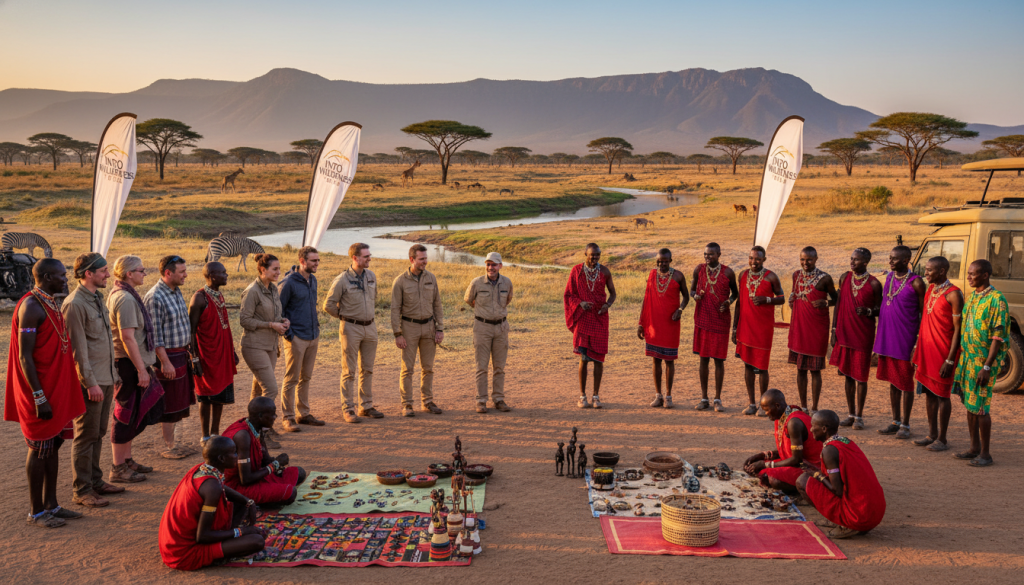
The local communities around Ruaha are predominantly comprised of the Hehe and Bena tribes, known for their rich cultural heritage. Their traditional practices, such as crafts and farming methods, offer a glimpse into a way of life that has remained relatively unchanged. We have the opportunity to learn about their customs and traditions firsthand, fostering a meaningful cultural exchange.
Cultural Tours and Authentic Experiences
Participating in cultural tours around Ruaha provides an authentic experience, allowing us to engage with local artisans, farmers, and community leaders. These tours offer a unique insight into the daily lives of the people, showcasing their music, dance, and art. By supporting these communities through responsible tourism, we contribute to the preservation of their cultural identity and traditions.
| Cultural Activity | Description | Community |
|---|---|---|
| Traditional Dance | Experience the vibrant dances of the local tribes | Hehe |
| Local Crafts | Learn about traditional crafts and artisans | Bena |
| Community Farming | Participate in traditional farming practices | Mixed |
Conservation Challenges and Triumphs
As we venture into the heart of Ruaha National Park, we uncover the intricate dance between conservation efforts and the challenges they face. Conservation in Ruaha is a complex and ongoing process, requiring dedication, innovation, and community involvement.
Anti-Poaching Initiatives
Ruaha National Park has been at the forefront of anti-poaching efforts, employing advanced technologies and collaborative strategies to protect its wildlife. Intensive monitoring and rapid response teams have been instrumental in curbing poaching activities, ensuring the safety of elephants, lions, and other endangered species.
Human-Wildlife Conflict Management
As human settlements expand around the park, managing human-wildlife conflict becomes increasingly crucial. Community outreach programs and the establishment of wildlife corridors have helped mitigate conflicts, promoting coexistence between humans and wildlife. These efforts not only protect the wildlife but also safeguard local communities’ livelihoods.
Community Conservation Programs
Community conservation lies at the heart of Ruaha’s conservation strategy. By engaging local communities in conservation efforts, the park authorities foster a sense of ownership and responsibility.
“Conservation is not just about protecting wildlife; it’s about protecting our future together.”
This approach has led to the development of sustainable tourism practices and community-led conservation initiatives, ensuring a brighter future for Ruaha’s diverse ecosystem.
Capturing Ruaha: Photography Tips
In Ruaha, the art of photography meets the untamed spirit of Africa, where every moment is a frame waiting to be captured. As we explore this magnificent park, our cameras become tools to preserve the memories of its breathtaking landscapes and incredible wildlife.
Prime Photography Locations
Ruaha National Park offers a diverse range of photography opportunities. Key locations include the Great Ruaha River, where dramatic lighting and abundant wildlife create perfect shots. The park’s varied landscapes, from open plains to rocky outcrops, provide a rich backdrop for capturing the essence of Ruaha.
Equipment and Techniques for Wildlife Shots
For wildlife photography, a telephoto lens is essential. Techniques such as panning and using a fast shutter speed can help capture the dynamic movements of Ruaha’s animals. Understanding animal behavior also enhances the quality of wildlife shots.
| Equipment | Technique | Best Practice |
|---|---|---|
| Telephoto Lens | Panning | Follow the subject’s movement |
| Fast Shutter Speed | Freeze Motion | Use for fast-moving animals |
| Camera with Good Autofocus | Continuous Shooting | Ideal for capturing wildlife behavior |
Practical Travel Information
With its remote location, traveling to Ruaha National Park demands some preparation, but the rewards are well worth the effort. As we plan our Tanzanian adventure, we need to consider several key aspects to ensure a smooth and enjoyable journey.
Getting to Ruaha National Park
Ruaha National Park is accessible by both air and road, offering flexibility for travelers.
Flight Options
For those preferring to fly, charter flights from major Tanzanian cities like Dar es Salaam or Arusha to Mtera or Iringa airports are available, followed by a scenic drive to the park.
Road Journeys
Alternatively, road transfers from nearby cities like Iringa provide a more leisurely pace and scenic views of the Tanzanian countryside.
Park Fees and Permits
Understanding park fees and permits is crucial for planning. Daily park fees vary depending on residency status, with non-residents paying higher rates than residents. Booking in advance is recommended, especially during peak season.
Health and Safety Considerations
Travelers should consult their healthcare provider about recommended vaccinations and medications for travel to Tanzania. Malaria prophylaxis is also advisable. Staying hydrated and protecting against the sun are essential in Ruaha’s climate.
Planning Your Ruaha Safari Itinerary
Crafting the perfect Ruaha safari requires a thoughtful approach to ensure a transformative journey. As we plan your adventure, we consider the diverse experiences that Ruaha National Park has to offer.
Ideal Duration for Different Experiences
The ideal duration for a Ruaha safari varies based on your interests and the experiences you seek. For a game drive enthusiast, 3-4 days is a good starting point, allowing you to explore the park’s diverse landscapes and witness its incredible wildlife. If you’re interested in birdwatching or photography, consider extending your stay to 5-7 days to fully appreciate the park’s avian diversity and capture stunning images.
- 3-4 days: Ideal for game drives and initial exploration
- 5-7 days: Suitable for birdwatching, photography, and deeper exploration
Essential Packing List
As you prepare for your Ruaha safari, it’s essential to pack wisely. Here’s a list of must-haves:
- Comfortable, neutral-colored clothing for game drives
- Sturdy walking shoes or boots for walking safaris
- Binoculars for wildlife and birdwatching
- Camera equipment, including telephoto lenses and extra batteries
- Reusable water bottle to stay hydrated
- Sunscreen, hat, and sunglasses for sun protection
For more information on planning your Ruaha safari and to book your adventure, visit Into Wilderness Tours.
Combining Ruaha with Other Destinations
Tanzania’s diverse ecosystems beckon travelers to venture beyond Ruaha, crafting a journey that is as varied as it is unforgettable. As we weave together different destinations, the tapestry of our Tanzanian adventure becomes richer, revealing the country’s multifaceted beauty.
Southern Tanzania Circuit
The Southern Tanzania Circuit offers a compelling narrative of wilderness and culture. By combining Ruaha with the Selous Game Reserve and the majestic mountains of Kitulo National Park, travelers can experience the full spectrum of Tanzania’s natural heritage. This circuit is not just about witnessing incredible wildlife; it’s also about immersing oneself in the unique landscapes that define southern Tanzania.
Extended Tanzania Safari Routes
For those seeking an extended Tanzanian safari, incorporating Ruaha into a broader itinerary that includes the Serengeti, Ngorongoro Crater, and Tarangire National Park can be truly transformative. This route allows travelers to witness the Great Migration, explore the depths of a volcanic crater, and marvel at the baobab-studded landscapes of Tarangire, all while enjoying the distinct character of Ruaha.
| Destination | Key Attractions | Best Time to Visit |
|---|---|---|
| Ruaha National Park | Large elephant populations, diverse wildlife | Dry season (May to October) |
| Selous Game Reserve | Boat safaris, diverse birdlife | Dry season (June to November) |
| Serengeti National Park | The Great Migration, abundant predators | During the Great Migration (December to July) |
Responsible Tourism in Ruaha
The beauty of Ruaha National Park is not just a sight to behold but also a responsibility to protect. As we journey through this Tanzanian wilderness, we are not just observers but also guardians of the land, ensuring that our presence leaves a positive impact.
Minimizing Your Environmental Footprint
To preserve Ruaha’s pristine environment, we must minimize our ecological footprint. This involves choosing eco-friendly accommodations, reducing waste, and respecting wildlife habitats. Simple actions like carrying reusable water bottles and avoiding single-use plastics can significantly reduce our impact.
Our lodges and camps are increasingly adopting sustainable practices, from solar power to locally sourced materials. By supporting these establishments, we contribute to the conservation of Ruaha’s natural beauty.
| Eco-Friendly Practices | Impact |
|---|---|
| Using renewable energy sources | Reduces carbon footprint |
| Locally sourced materials for construction | Supports local economy |
| Reducing and recycling waste | Minimizes environmental pollution |
Supporting Local Communities and Economies
Responsible tourism in Ruaha also means supporting the local communities that surround the park. By engaging with local guides, purchasing local handicrafts, and participating in community-based tourism initiatives, we directly contribute to the economic well-being of these communities.
This not only fosters a positive relationship between the park’s visitors and the local population but also ensures that the benefits of tourism are shared equitably. It’s a step towards creating a sustainable tourism model that benefits both the environment and the people.
Transformative Experiences: Visitor Stories
In the depths of Ruaha, a profound connection with nature awaits, one that can alter the course of one’s life. Visitors from around the world have shared stories of how their experiences in this Tanzanian wilderness have left lasting impacts.
Life-Changing Wildlife Encounters
Encounters with Ruaha’s majestic wildlife often prove to be life-changing. From witnessing a pride of lions lazing in the shade to observing a herd of elephants making their way to a distant watering hole, these moments stay with visitors long after they’ve left the park. Such encounters not only provide thrilling experiences but also foster a deeper appreciation for conservation.
Spiritual and Personal Growth in the Wilderness
Beyond the excitement of wildlife viewing, Ruaha offers a canvas for spiritual and personal growth. The park’s vast, untouched landscapes invite introspection and self-discovery. As visitors immerse themselves in the natural beauty surrounding them, they often find a sense of peace and renewal. This transformative experience is a hallmark of a visit to Ruaha, leaving visitors with a newfound perspective on life and their place within the natural world.
Conclusion
As we conclude our journey through Ruaha National Park, we are left with the indelible mark of a transformative safari experience. The vast expanse of this Tanzanian wilderness, with its untamed beauty and rich biodiversity, beckons us to return to the natural world. Ruaha National Park stands as a testament to the power of conservation and the importance of preserving our planet’s precious ecosystems.
Our time in Ruaha is a poignant reminder of the beauty that awaits those who venture into the heart of Tanzania. The park’s diverse landscapes, from the Great Ruaha River to the rugged terrain, offer a truly immersive experience. As we reflect on the memories forged in this incredible setting, we are inspired to continue exploring and protecting this remarkable destination.
For those drawn to the allure of Ruaha National Park, we invite you to embark on your own transformative safari. Discover the magic that awaits in this Tanzanian treasure, and join us in supporting responsible tourism practices that contribute to the preservation of this incredible ecosystem and the broader goals of Tanzania tourism.
FAQ
What is the best time to visit Ruaha National Park?
The best time to visit Ruaha National Park is during the dry season, from June to October, when wildlife viewing is optimal due to the concentration of animals around water sources.
How do I get to Ruaha National Park?
To get to Ruaha National Park, you can fly into Iringa or Mbeya airports and then take a charter flight or drive to the park, or take a guided tour that includes transportation from major Tanzanian cities like Dar es Salaam or Arusha.
What kind of accommodations are available in Ruaha?
Ruaha National Park offers a range of accommodations, from luxury lodges to authentic tented camps and budget-friendly options, catering to different preferences and budgets.
What wildlife can I expect to see in Ruaha?
Ruaha National Park is renowned for its diverse and abundant wildlife, including large populations of lions, leopards, elephants, and cheetahs, as well as over 570 bird species and a variety of antelope and other ungulates.
Are walking safaris available in Ruaha?
Yes, walking safaris are available in Ruaha National Park, guided by experienced rangers and guides who provide insights into the park’s flora, fauna, and ecosystems.
What conservation efforts are in place in Ruaha?
Ruaha National Park is involved in various conservation efforts, including anti-poaching initiatives, human-wildlife conflict management, and community conservation programs aimed at protecting its wildlife and ecosystems.
Can I combine Ruaha with other Tanzanian destinations?
Yes, Ruaha can be combined with other destinations in Tanzania, such as the Serengeti, Ngorongoro, and Tarangire, to create a diverse and enriching safari experience.
What are the park fees for Ruaha National Park?
Park fees for Ruaha National Park vary depending on your nationality and the type of visit (day trip, overnight stay, etc.), and can be found on the official Tanzania National Parks website or through a tour operator.
How can I support local communities during my visit to Ruaha?
You can support local communities by participating in cultural tours, purchasing local handicrafts, and choosing tour operators that work closely with and benefit local economies.
What should I pack for a safari in Ruaha?
For a safari in Ruaha, pack lightweight, neutral-colored clothing, a hat, sunscreen, binoculars, a camera, and personal items, as well as any specific gear recommended by your tour operator or guide.
Are there any health and safety considerations for visiting Ruaha?
Visitors to Ruaha should take standard precautions against malaria and other diseases, stay hydrated, and follow guide instructions during game drives and walking safaris to ensure a safe and enjoyable experience.