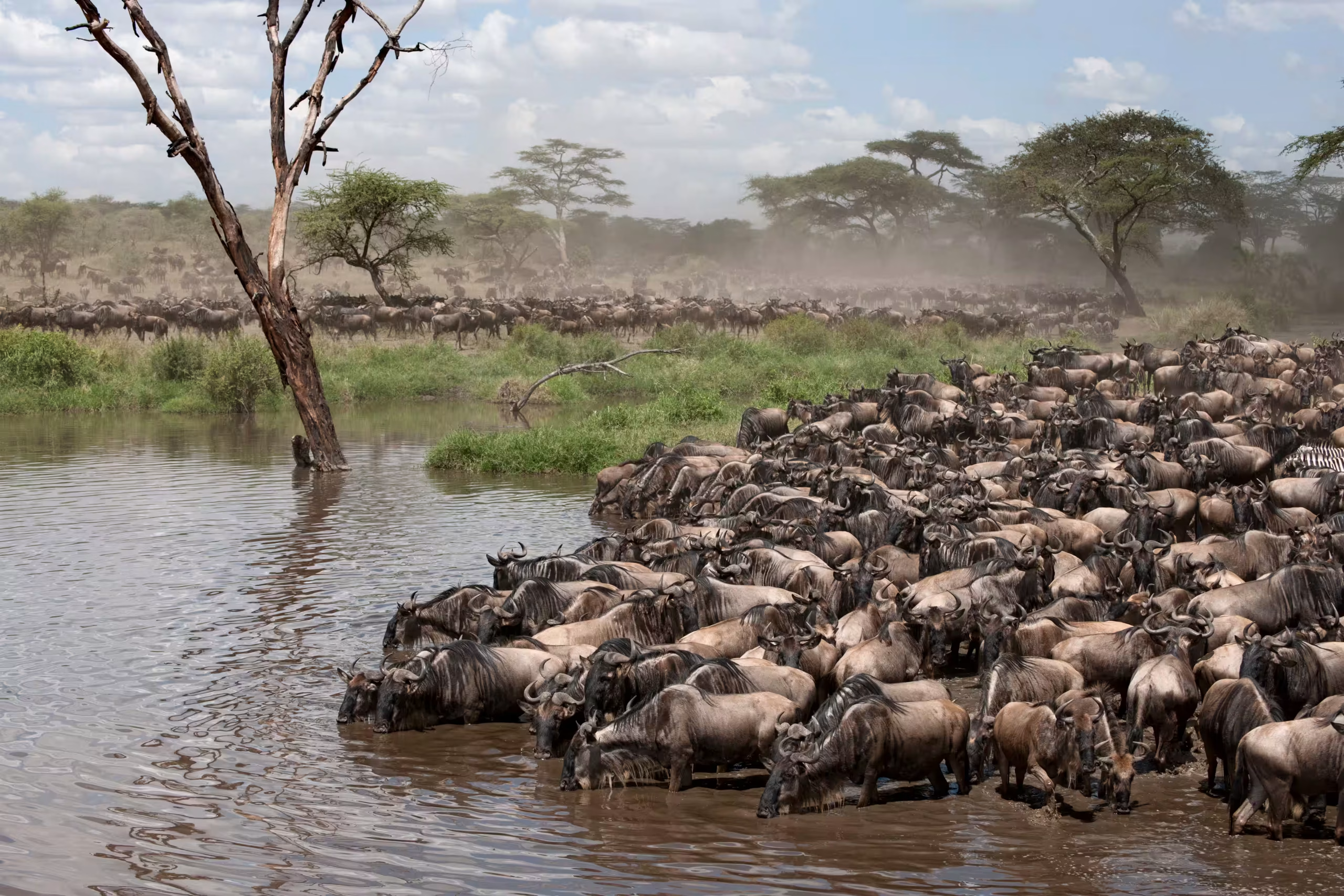



We invite you to join us on a journey to uncover the captivating essence of Zanzibar, an enchanting island that has long been a treasure trove of history, culture, and natural beauty in the heart of the Indian Ocean.
As we delve into the soul of this island, we discover the elements that make it a must-visit destination for thoughtful travelers seeking meaningful transformation. With its rich tapestry of experiences, Zanzibar promises to reveal its beauty to those who approach it with an open heart and mind.
Key Takeaways
- Discover the historical significance of Zanzibar
- Explore the cultural depth of the island
- Experience the natural beauty of the Indian Ocean
- Understand the elements that make Zanzibar enchanting
- Learn about the transformative experiences offered by the island
The Pearl of the Indian Ocean: Zanzibar’s Geographic Identity
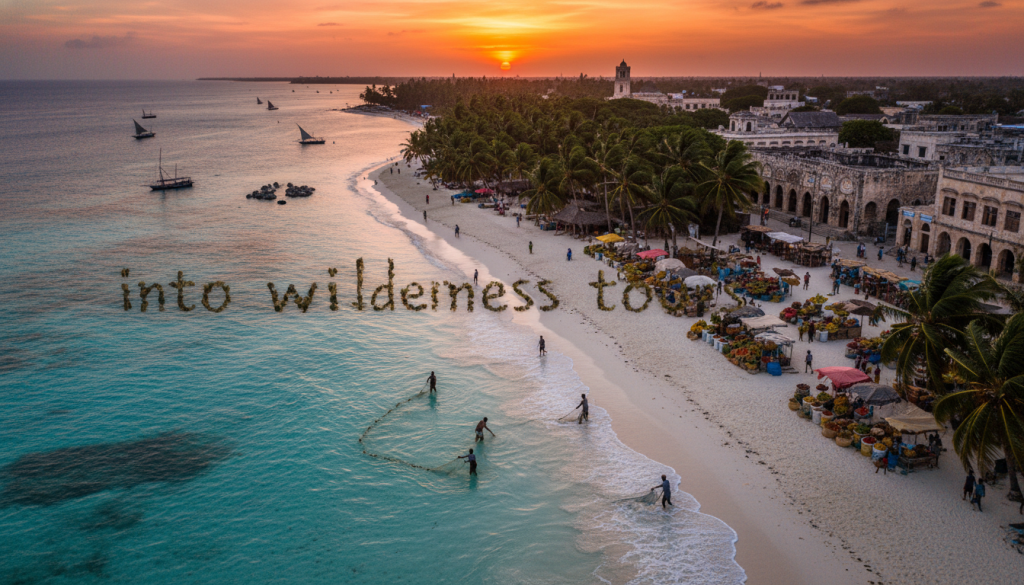
Nestled in the heart of the Indian Ocean, the Zanzibar Archipelago is a treasure trove of natural beauty and cultural richness. As we explore this enchanting region, we discover the intricate web of islands that form the archipelago, each contributing its unique charm and biodiversity.
Location and Composition of the Zanzibar Archipelago
The Zanzibar Archipelago is located off the coast of Tanzania, in the warm waters of the Indian Ocean. It is composed of several islands, with Unguja and Pemba being the largest and most significant. The archipelago’s strategic location has made it a crucial hub for trade and cultural exchange throughout history.
The Twin Islands: Unguja and Pemba
Unguja, commonly referred to as Zanzibar Island, is the largest island in the archipelago and is home to the famous Stone Town, a UNESCO World Heritage Site. Pemba, on the other hand, is known for its lush forests and is often referred to as the “green island.” Together, these twin islands form the heart of the Zanzibar Archipelago, each offering unique experiences for visitors.
Surrounding Smaller Islands and Islets
Surrounding Unguja and Pemba are numerous smaller islands and islets, each with its own distinct character. These include Mnemba Island, known for its pristine coral reefs, and Chumbe Island, a protected area renowned for its marine biodiversity. These smaller islands are a testament to the archipelago’s rich natural heritage and offer opportunities for snorkeling, diving, and relaxation.
A Rich Tapestry of History: Zanzibar Through the Ages
Zanzibar’s past is a layered narrative, where the influences of Persian traders, European colonizers, and African traditions have blended into a unique cultural identity. As we delve into the island’s history, we uncover the complex events and eras that have shaped Zanzibar into the enchanting destination it is today.
Ancient Trading Hub and Persian Influences
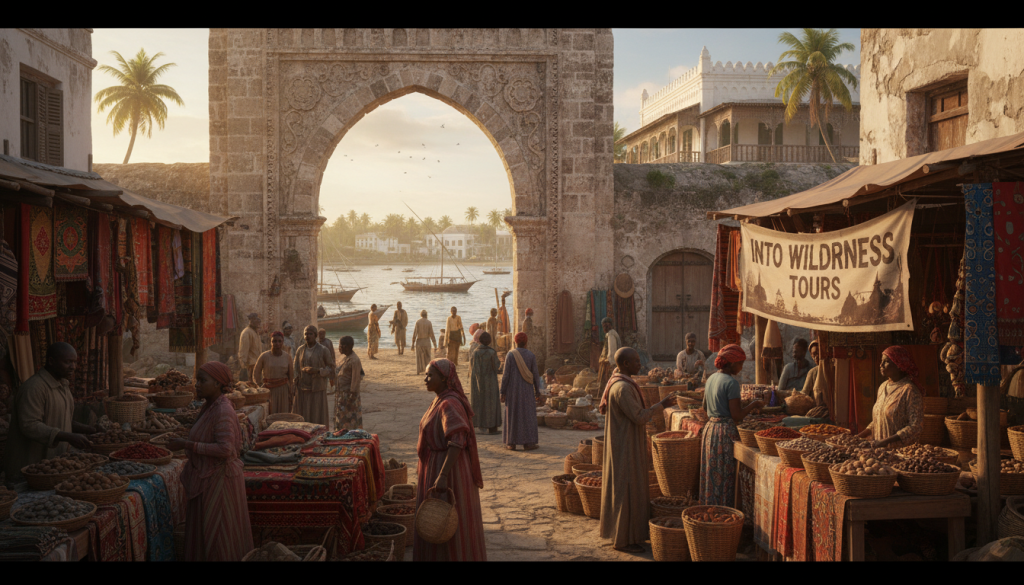
In ancient times, Zanzibar was a thriving trading hub, with Persian influences leaving an indelible mark on the island’s culture and architecture. The legacy of this period can still be seen in the island’s ornate doorways and intricately carved wooden structures, reminiscent of the rich cultural exchange that once flourished here.
The Dark Legacy of the Slave Trade
Unfortunately, Zanzibar’s history is also marred by the dark legacy of the slave trade. The island’s strategic location made it a significant hub for the transatlantic slave trade, leaving deep scars that still resonate today. We must acknowledge this painful history to understand the complexities of Zanzibar’s cultural identity.
Colonial Period and Sultanate Rule
The colonial period and the rule of the sultans have also left their mark on Zanzibar. The island was a protectorate of various European powers, with the sultans maintaining a degree of autonomy. This complex period in Zanzibar’s history has contributed to its unique cultural heritage, blending African, Arab, and European influences.
Revolution and Path to Modern Zanzibar
The revolution that took place in the 1960s marked a significant turning point in Zanzibar’s history, paving the way for the modern island we know today. This period of transformation has shaped the island’s identity, as Zanzibar navigated its path towards independence and self-determination.
The Spice Islands: Zanzibar’s Aromatic Heritage
As we step into the verdant heart of Zanzibar, the fragrance of spices envelops us, telling tales of a rich past. The island’s history is intricately woven with the cultivation of spices, a legacy that continues to this day. Zanzibar’s spice plantations are a testament to its status as one of the world’s premier producers of aromatic treasures.
The Legendary Spice Plantations
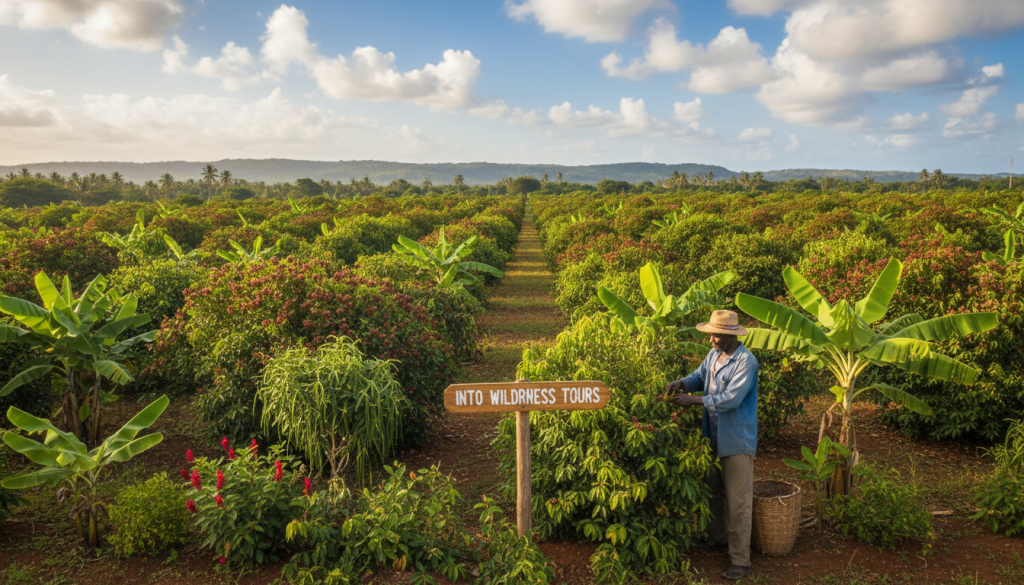
The lush landscapes of Zanzibar are home to numerous spice plantations, where crops like cloves, nutmeg, and cinnamon are grown. These plantations not only contribute significantly to the local economy but also offer a glimpse into the island’s historical role as a major spice trading hub. Visitors can explore these plantations, witnessing firsthand the cultivation processes that have been passed down through generations.
Cloves: The Crown Jewel of Zanzibar’s Economy
Cloves have long been the crown jewel of Zanzibar’s economy, with the island being one of the world’s largest producers. The clove industry has played a pivotal role in shaping the island’s history and continues to be a significant export commodity. The fragrance of cloves is unmistakable, and their presence is felt throughout the island, from the plantations to the local cuisine.
Spice Tours: Experiencing the Aromatic Treasures
One of the best ways to experience Zanzibar’s aromatic heritage is through a spice tour. These tours offer visitors the opportunity to explore the spice plantations, learn about the cultivation and processing of various spices, and even participate in cooking local dishes using these aromatic ingredients. It’s an immersive experience that connects travelers with the island’s rich history and culture.
Stone Town: A UNESCO World Heritage Marvel
As we step into Stone Town, we’re immediately enveloped in a world where ancient history and vibrant culture blend seamlessly. This historic heart of Zanzibar is a marvel that has earned the recognition of being a UNESCO World Heritage site, and it’s easy to see why.
Architectural Wonders and Cultural Significance
Stone Town’s architecture is a testament to the cultural melting pot that Zanzibar has been throughout history. The buildings reflect a mix of Persian, Indian, and Arab influences, creating a unique and fascinating cultural landscape.
Persian, Indian, and Arab Influences
The intricate carvings and ornate details on the buildings showcase the skilled craftsmanship of artisans from various cultures. These influences have blended together to create a distinct Zanzibari style that is both beautiful and historically significant.
The Famous Zanzibari Doors
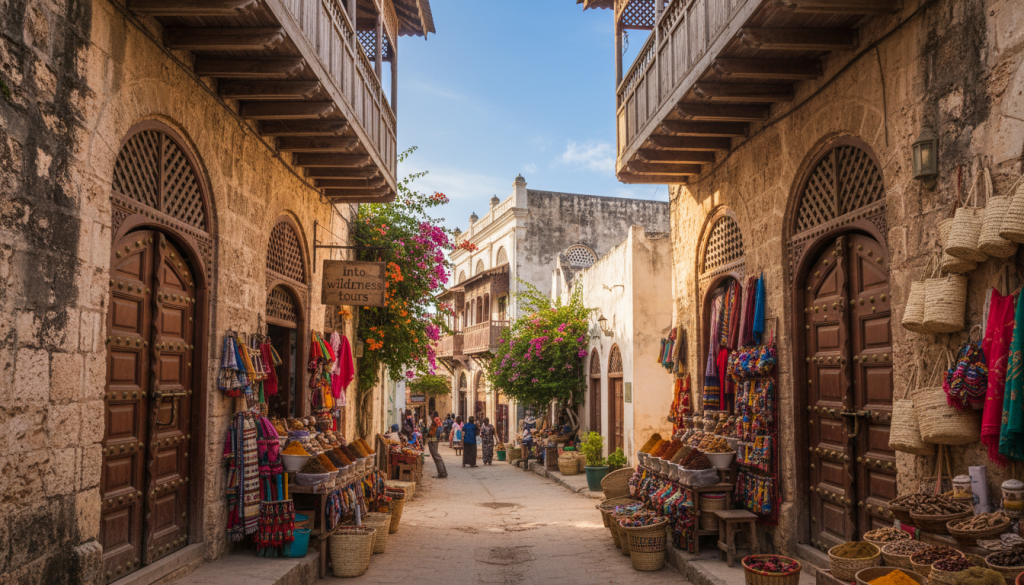
One of the most iconic features of Stone Town’s architecture is its doors. These intricately carved wooden doors are not just functional; they’re works of art that tell stories of the island’s rich history and cultural heritage.
Navigating the Labyrinthine Streets
As we navigate the narrow, winding streets of Stone Town, we’re treated to a sensory experience like no other. The air is filled with the scent of spices, the sound of merchants calling out their wares, and the sight of vibrant colors and intricate patterns.
Historical Buildings and Their Stories
Stone Town is home to numerous historical buildings, each with its own story to tell. From the Old Fort to the House of Wonders, these landmarks are a testament to the island’s rich history and cultural significance.
The Old Fort and House of Wonders
The Old Fort, a 17th-century fortress, now serves as a cultural center and a venue for various events. The House of Wonders, with its striking architecture, houses a museum that showcases Zanzibar’s history and culture.
Palace Museum and Tippu Tip’s House
The Palace Museum, once the residence of the Sultan, now houses a collection of artifacts and exhibits that tell the story of Zanzibar’s royal past. Tippu Tip’s House, named after the famous slave trader, is another significant landmark that offers insights into the island’s complex history.
| Landmark | Historical Significance | Cultural Impact |
|---|---|---|
| The Old Fort | 17th-century fortress | Cultural center and event venue |
| House of Wonders | Museum showcasing Zanzibar’s history | Iconic architecture |
| Palace Museum | Former Sultan’s residence | Collection of artifacts and exhibits |
| Tippu Tip’s House | Named after the famous slave trader | Insights into Zanzibar’s complex history |
Fascinating Facts About Zanzibar That Will Surprise You
As we delve into the fascinating world of Zanzibar, we uncover surprising facts that reveal the island’s unique character. Zanzibar, with its rich history and cultural heritage, is a treasure trove of intriguing stories and unexpected events.
Birthplace of Freddie Mercury
One of the most surprising facts about Zanzibar is that it is the birthplace of the legendary Freddie Mercury, the iconic lead vocalist of Queen. Born Farrokh Bulsara on September 5, 1946, in Stone Town, Zanzibar, Mercury’s early life was influenced by the island’s diverse cultural landscape. His story is a testament to the island’s connection to the global music scene.
The Anglo-Zanzibar War: The Shortest War in History
Zanzibar is also known for being the site of the Anglo-Zanzibar War, which is recorded as the shortest war in history. Lasting only 38 minutes, this conflict between Zanzibar and the United Kingdom on August 27, 1896, was sparked by a dispute over who should be the ruler of Zanzibar. The war’s brevity was due to the overwhelming superiority of the British naval forces.

Zanzibar’s Connection to the Arabian Nights Tales
The enchanting island of Zanzibar has been associated with the tales of The Arabian Nights, thanks to its historical significance as a major trading hub in the Indian Ocean. The island’s exotic allure and rich cultural heritage have captivated travelers and storytellers for centuries, making it a place of legend and fantasy.
The Island’s Unique Calendar and Timekeeping
Zanzibar follows a unique calendar and timekeeping system, influenced by its historical ties to the Sultanate of Oman and its Islamic heritage. The island’s time is set to GMT +3, but what’s fascinating is how the traditional Swahili culture intertwines with modern timekeeping, reflecting the island’s adaptability and resilience.
These fascinating facts about Zanzibar not only highlight its rich history and cultural diversity but also underscore its significance as a place of global interest and intrigue.
Zanzibar’s Pristine Beaches: Paradise Found
As we explore Zanzibar’s pristine beaches, we discover a world where time stands still and nature’s beauty reigns supreme. The island’s coastline is dotted with an array of beaches, each with its unique charm and character.
The Northern Beaches: Nungwi and Kendwa
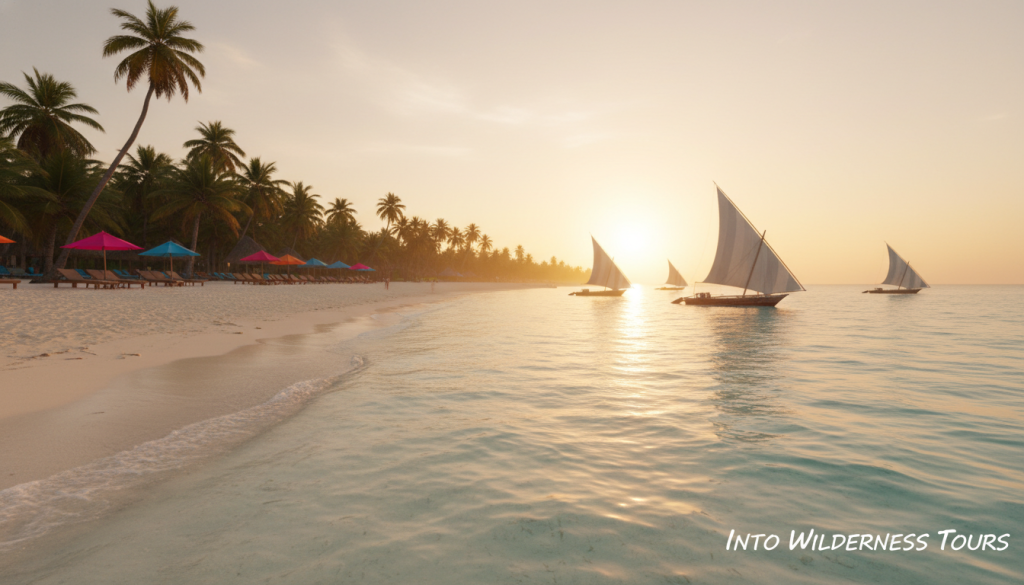
The northern beaches of Nungwi and Kendwa are renowned for their vibrant atmosphere and stunning sunsets. Nungwi, with its bustling village and lively nightlife, offers a dynamic beach experience, while Kendwa’s more laid-back ambiance makes it perfect for those seeking relaxation.
Eastern Coast: Paje, Jambiani, and Kizimkazi
The eastern coast is home to Paje, Jambiani, and Kizimkazi, beaches that showcase the island’s diverse coastal beauty. Paje is famous for its kite-surfing opportunities, while Jambiani offers a more serene experience with its picturesque villages and tranquil waters. Kizimkazi, known for its dolphin-watching tours, is a haven for nature lovers.
Hidden Gems and Secret Shores
Beyond the popular spots, Zanzibar’s coastline is peppered with hidden gems and secret shores waiting to be discovered. These secluded beaches offer a chance to experience the island’s unspoiled beauty in peace.
Mnemba Atoll and Private Beach Experiences
Mnemba Atoll is a private island paradise that offers an exclusive beach experience. With its crystal-clear waters and pristine coral reefs, it’s a perfect spot for snorkeling and diving.
Sunset Spots and Romantic Getaways
Zanzibar’s beaches are also renowned for their breathtaking sunsets, making them ideal for romantic getaways. Whether it’s a candlelit dinner on the beach or a leisurely stroll along the shore, the island’s sunsets are truly unforgettable.
| Beach | Location | Main Attraction |
|---|---|---|
| Nungwi | Northern tip of Zanzibar | Vibrant nightlife and stunning sunsets |
| Kendwa | Northern Zanzibar | Relaxed atmosphere and full moon parties |
| Paje | Eastern coast | Kite-surfing and water sports |
| Jambiani | Eastern coast | Serene villages and tranquil waters |
| Kizimkazi | Southern tip of Zanzibar | Dolphin-watching tours |
The Underwater World: Marine Life and Coral Reefs
Beneath the turquoise waves of Zanzibar lies a vibrant underwater world, teeming with life and color. As we explore this aquatic realm, we’re struck by the incredible diversity of marine life and the health of the coral reefs that support it.
Diving and Snorkeling Opportunities
Zanzibar offers some of the most spectacular diving and snorkeling experiences in the Indian Ocean. The clear waters provide visibility of up to 40 meters, allowing us to witness the rich marine biodiversity up close. From shallow reefs perfect for beginners to more challenging deep dives, there’s something for every level of experience.
Mnemba Atoll Marine Conservation Area
A highlight of Zanzibar’s underwater world is the Mnemba Atoll Marine Conservation Area. This protected zone is renowned for its pristine coral reef, which is home to a vast array of tropical fish, sea turtles, and even dolphins. The conservation efforts here have resulted in a thriving ecosystem that’s a joy to explore.
| Marine Life | Frequency of Sightings |
|---|---|
| Turtles | Common |
| Dolphins | Frequent |
| Whale Sharks | Seasonal |
Seasonal Marine Visitors: Whale Sharks and Dolphins
The waters around Zanzibar are visited by an array of seasonal marine creatures. Whale sharks, the largest fish in the world, can be spotted between October and March, while dolphins are a common sight throughout the year. These encounters offer unforgettable experiences for those exploring Zanzibar’s underwater world.
“The ocean stirs the heart, makes the imagination spin tales of treasure and danger, and inspires the soul to yearn for the unknown.”
As we explore Zanzibar’s underwater world, we’re not just witnessing natural beauty; we’re also reminded of the importance of conservation efforts to protect these delicate ecosystems for future generations.
Cultural Mosaic: The People of Zanzibar
The people of Zanzibar embody a rich cultural mosaic, reflecting the island’s history as a crossroads of different cultures. This unique blend is evident in the daily lives of the island’s inhabitants, where tradition and modernity coexist in harmony.
Swahili Culture and Traditions
Swahili culture is the backbone of Zanzibari identity, characterized by a strong sense of community and hospitality. The traditions of the Swahili people are deeply rooted in their history as traders and navigators, influencing their cuisine, clothing, and social interactions. Ubuntu, a philosophy that emphasizes the importance of community, is a core aspect of Swahili culture.
Religious Diversity and Harmony
Zanzibar is a melting pot of different religious beliefs, with Islam being the predominant faith. The island’s religious diversity is a testament to its history as a trading hub, where people from various backgrounds came together.
Islam’s Influence on Daily Life
Islam plays a significant role in shaping the daily lives of Zanzibaris, influencing their customs, dress code, and social etiquette. The call to prayer from the minarets echoes through the streets, creating a sense of spiritual harmony.
Festivals and Celebrations
The island celebrates various festivals, including the Eid al-Fitr, which marks the end of Ramadan. These celebrations are characterized by vibrant colors, traditional music, and feasting, showcasing the island’s rich cultural heritage.
Traditional Music, Dance, and Arts
Traditional music and dance are integral to Zanzibari culture, with Taarab music being a standout genre. This soulful music is characterized by its poetic lyrics and melodies that reflect the island’s history and emotions.
Taarab Music and Its Cultural Significance
Taarab music is not just a form of entertainment; it’s a way of storytelling and preserving history. The genre has been influenced by various cultures, including Arabic, African, and European, making it a unique reflection of Zanzibar’s cultural diversity.
Handicrafts and Artistic Expressions
Zanzibari artisans are known for their intricate handicrafts, including woodcarvings, textiles, and metalwork. These artistic expressions are not only beautiful but also tell stories of the island’s history and mythology.
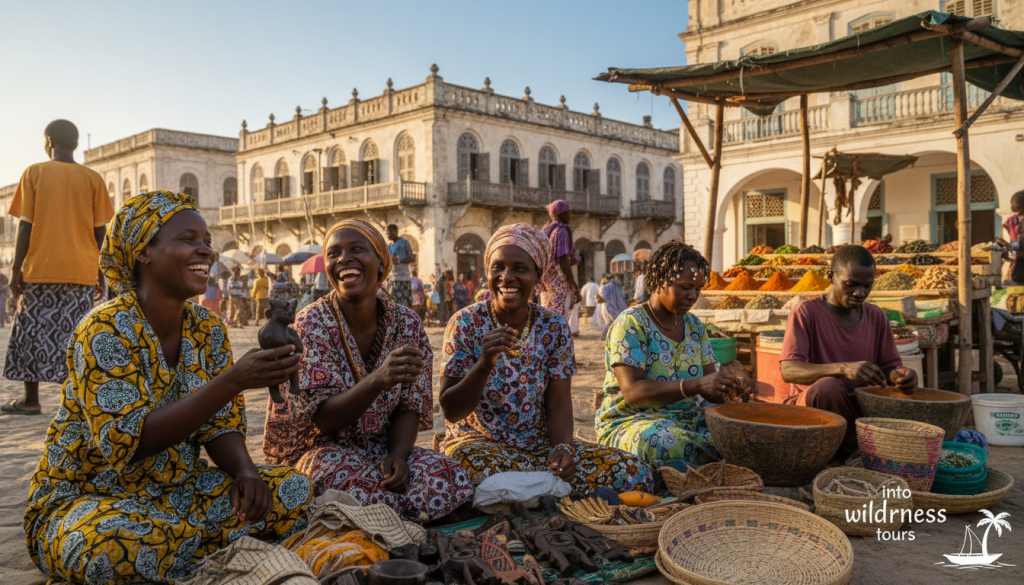
As we explore the cultural mosaic of Zanzibar, we are reminded of the island’s rich heritage and the resilience of its people. The blend of traditions, religious diversity, and artistic expressions makes Zanzibar a truly unique cultural gem.
Culinary Delights: Zanzibar’s Flavorful Cuisine
Zanzibar’s flavorful cuisine is a sensory experience, a symphony of spices, seafood, and traditional dishes that echo the island’s rich cultural tapestry. As we explore the culinary delights of this enchanting island, we discover a world where flavors blend seamlessly, reflecting Zanzibar’s history as a crossroads of trade and cultural exchange.
Seafood Specialties and Local Dishes
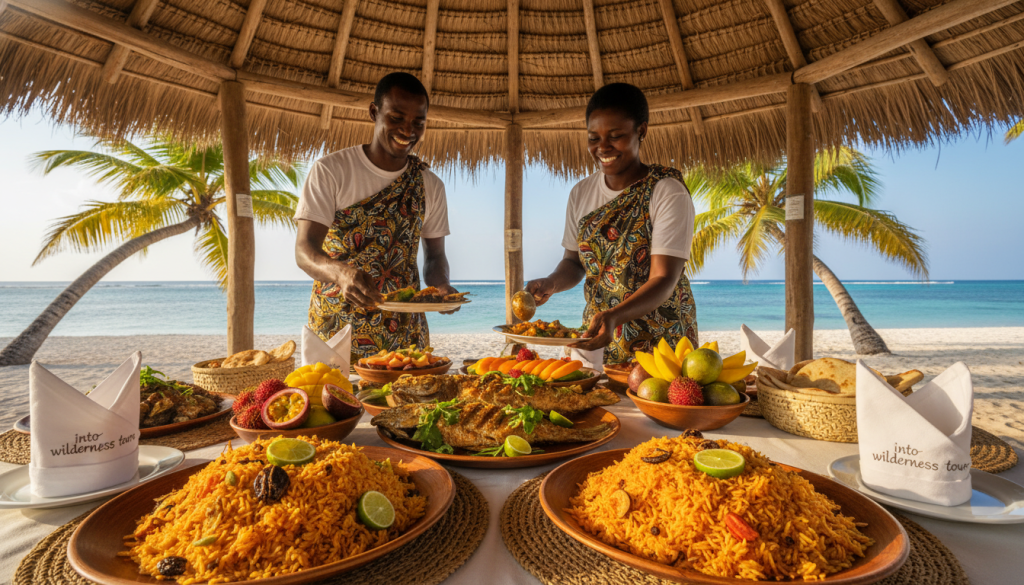
The ocean surrounding Zanzibar provides an abundance of fresh seafood, which is often the star of local dishes. Urojo, a hearty soup made with a variety of ingredients including fish, meat, or vegetables, is a staple. Another favorite is Samaki wa Kupaka, fish cooked in a rich coconut sauce infused with spices. These dishes showcase the island’s culinary creativity and its reliance on fresh, local ingredients.
The Influence of Spices in Zanzibari Cooking
Spices play a crucial role in Zanzibari cuisine, adding depth and complexity to its dishes. The island’s history as a major spice producer has influenced its cooking, with cloves, cardamom, and cinnamon being staples. Zanzibari biryani, for example, is a flavorful rice dish cooked with a mix of spices, meat or fish, and sometimes even eggs. The use of spices not only enhances the flavor but also reflects the island’s cultural heritage.
Forodhani Gardens: Street Food Paradise
Forodhani Gardens, a popular night market in Stone Town, is a must-visit for any food enthusiast. The gardens come alive at night with stalls selling a variety of street food, from grilled seafood to mandazi (fried doughnuts). It’s a culinary adventure that offers a taste of Zanzibar’s street food culture, blending traditional flavors with a modern twist.
| Dish | Description | Main Ingredients |
|---|---|---|
| Urojo | A hearty soup | Fish, meat, or vegetables |
| Samaki wa Kupaka | Fish in coconut sauce | Fish, coconut, spices |
| Zanzibari Biryani | Flavorful rice dish | Rice, spices, meat or fish |
Traditional Beverages and Sweets
No meal is complete without a traditional beverage or sweet treat. Shubiri, a sweet coconut drink, and kachumbari, a refreshing salad made with tomatoes, onions, and cilantro, are popular accompaniments. For dessert, Zanzibari dates and mkate wa kumimina (a type of rice cake) are delightful options, showcasing the island’s sweet side.
Wildlife Encounters: Zanzibar’s Natural Treasures
As we venture into the heart of Zanzibar, we’re met with a tapestry of wildlife that is as fascinating as it is unique. The island is home to a diverse array of flora and fauna, making it a haven for nature enthusiasts and wildlife lovers alike.
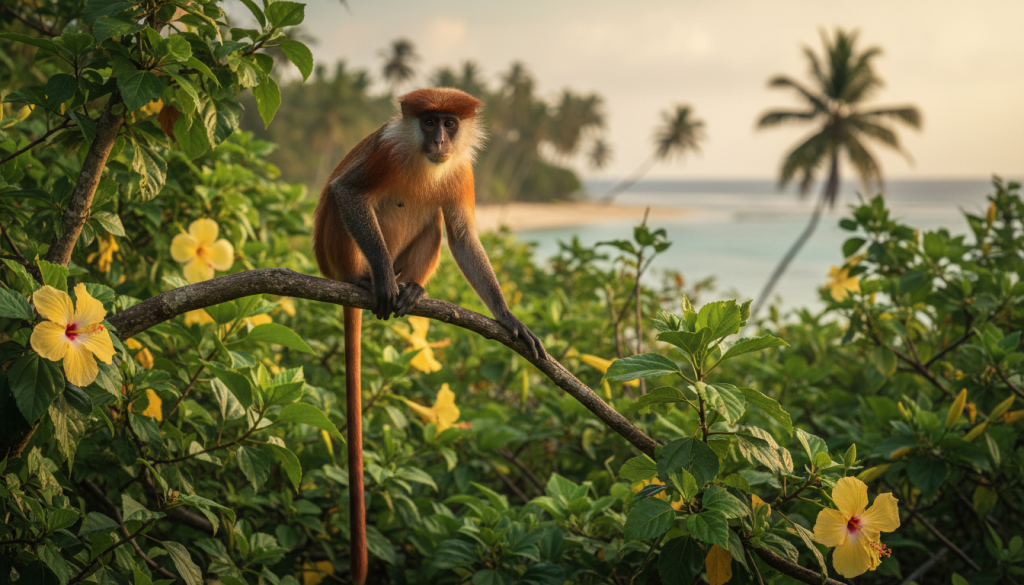
The Endemic Zanzibar Red Colobus Monkey
The Zanzibar Red Colobus is one of the island’s most prized inhabitants. Found primarily in the Jozani Forest, this endangered species is a sight to behold. With their distinctive reddish-brown coats and expressive faces, these monkeys are a highlight for any visitor to the island.
Jozani Forest: Biodiversity Hotspot
The Jozani Forest is not only home to the Zanzibar Red Colobus but is also a biodiversity hotspot, hosting a wide range of plant and animal species. This lush forest is a critical component of Zanzibar’s ecosystem, providing a habitat for numerous endemic species.
Other Unique Flora and Fauna
Zanzibar’s diverse ecosystems support a wide variety of wildlife beyond the Red Colobus. From the colorful butterfly species to the rich bird watching opportunities, there’s no shortage of natural wonders to discover.
Butterfly Species and Bird Watching
The island is a paradise for bird watchers, with numerous species to spot. Additionally, the diverse butterfly species add a vibrant splash of color to the island’s landscapes.
Marine Life and Coastal Ecosystems
Zanzibar’s marine life is equally impressive, with coral reefs and coastal ecosystems supporting a vast array of marine species. Snorkeling and diving offer a glimpse into this underwater world, revealing the island’s rich biodiversity.
Island Time: Understanding Zanzibar’s Climate and Seasons
As we step into the enchanting world of Zanzibar, understanding its climate and seasons becomes essential for a truly immersive experience. The island’s tropical climate is characterized by warm temperatures and high humidity throughout the year, making it a popular destination for travelers seeking sun-kissed beaches and vibrant marine life.
Best Times to Visit for Different Activities
Zanzibar’s climate influences the best times to visit for various activities. For diving and snorkeling, the dry season from June to October offers the best visibility and calm seas. Beach lovers may prefer the warmer months from November to March, while those interested in cultural events might plan their visit around the Zanzibar International Film Festival in July or the Eid celebrations.
| Activity | Best Time to Visit | Weather Conditions |
|---|---|---|
| Diving and Snorkeling | June to October | Clear waters, calm seas |
| Beach Relaxation | November to March | Warm temperatures, occasional rain |
| Cultural Events | July, Eid celebrations | Varies, generally warm |
Monsoon Patterns and Weather Phenomena
Zanzibar’s climate is significantly influenced by the monsoon patterns. The Kaskazi monsoon from November to March brings warmer temperatures and occasional rain, while the Kurehi monsoon from May to September brings cooler temperatures and drier conditions. Understanding these patterns helps visitors prepare for their trip and make the most of their time on the island.
Climate Change Impacts on the Island
Like many tropical destinations, Zanzibar is vulnerable to the impacts of climate change. Rising sea levels and increased frequency of extreme weather events pose significant challenges to the island’s ecosystems and infrastructure. As travelers, we can contribute to sustainable tourism practices by supporting local conservation efforts and choosing eco-friendly accommodations, thereby helping to preserve the beauty and charm of Zanzibar for future generations.
Modern Zanzibar: Economy and Development
As we explore the modern economy of Zanzibar, it becomes clear that the island is embracing change while honoring its historical roots. The development of Zanzibar’s economy is a multifaceted process, involving various sectors and stakeholders.
Tourism’s Influence
Tourism has become a significant contributor to Zanzibar’s economy, bringing in revenue and creating jobs. However, this growth also poses challenges, such as the need to manage tourist infrastructure and mitigate the environmental impact of increased visitor numbers.
Traditional Sectors
Fishing and agriculture remain vital components of Zanzibar’s economy, with many locals relying on these industries for their livelihood. The island is famous for its spice plantations, and efforts are being made to modernize these traditional sectors while preserving their cultural significance.
Path to Sustainable Growth
As Zanzibar moves forward, it faces the challenge of balancing economic growth with sustainable practices. This involves investing in eco-friendly tourism, supporting local businesses, and protecting the island’s natural resources.
| Economic Sector | Contribution | Challenges |
|---|---|---|
| Tourism | Revenue, Job Creation | Infrastructure, Environmental Impact |
| Fishing & Agriculture | Livelihood for Locals, Cultural Significance | Modernization, Sustainability |
Practical Information for Travelers to Zanzibar
As we continue our journey through the enchanting island of Zanzibar, it’s essential to equip ourselves with practical information to make the most of our trip. Planning ahead can make a significant difference in our travel experience, ensuring that we enjoy the rich history, breathtaking landscapes, and vibrant culture that Zanzibar has to offer.
Visa Requirements and Entry Procedures
Before embarking on our adventure, understanding the visa requirements and entry procedures is crucial. Most nationalities can obtain a visa on arrival, but it’s always wise to check the latest regulations. Ensuring our passport is valid for at least six months beyond our intended stay, we can then proceed to explore the island with peace of mind.
Transportation Around the Island
Navigating Zanzibar is relatively straightforward, thanks to its various transportation options. From the colorful dala-dalas (local minibuses) to private taxis, travelers can choose based on their budget and preference.
Local Dala-Dalas and Taxis
Dala-dalas are not only an affordable way to get around but also offer a glimpse into local life. For a more personalized experience, taxis are readily available, though it’s advisable to agree on the fare before starting your journey.
Boat Services Between Islands
For those looking to explore beyond Zanzibar, boat services to neighboring islands like Pemba offer a chance to discover hidden gems. Whether you’re looking for a day trip or a longer excursion, these services provide a convenient way to experience the broader Zanzibar Archipelago.
Accommodation Options for Every Budget
From luxurious resorts to cozy guesthouses, Zanzibar offers a wide range of accommodations to suit every traveler’s needs. Whether you’re looking to indulge in luxury or keep costs low, there’s something for everyone. Booking in advance is recommended, especially during peak travel seasons.
Health and Safety Tips for Visitors
While Zanzibar is generally a safe destination, taking certain precautions can enhance our travel experience. Staying hydrated, protecting ourselves from the sun, and being mindful of local customs are just a few ways to ensure a safe and enjoyable trip. “The key to a successful journey is not just in the places we visit, but in how we engage with the local culture and respect the environment,” as many travel experts would say.
By being informed and prepared, we can fully immerse ourselves in the beauty and charm of Zanzibar, creating memories that will last a lifetime.
Conclusion: The Timeless Allure of Zanzibar
As we conclude our journey through the captivating facts about Zanzibar, it’s clear that this enchanting island holds a timeless charm that beckons travelers from around the world. With its rich history, vibrant culture, and breathtaking natural beauty, Zanzibar is a destination that promises to leave a lasting impression on all who visit.
We invite you to experience the magic of Zanzibar for yourself, to immerse yourself in its unique charm, and to be a part of preserving its heritage for generations to come. The Zanzibar allure is not just a product of its stunning beaches, spice plantations, or historic Stone Town, but a blend of its warm hospitality, diverse culture, and the serene atmosphere that pervades the island.
As guardians of this precious heritage, we are committed to responsible tourism practices that help preserve the natural beauty and cultural depth of Zanzibar. By choosing to visit Zanzibar, you become part of a community that values authenticity, conservation, and experiential luxury, ensuring that this timeless charm continues to inspire future generations.
FAQ
What is the best time to visit Zanzibar?
The best time to visit Zanzibar is during the dry seasons, from June to October or from December to March, when the weather is pleasant and ideal for various activities such as diving, snorkeling, or simply enjoying the beaches.
What are the must-visit attractions in Zanzibar?
Zanzibar is home to numerous attractions, including Stone Town, a UNESCO World Heritage site, the Jozani Forest, home to the endemic Zanzibar Red Colobus monkey, and the pristine beaches of Nungwi and Kendwa.
What is the significance of spice plantations in Zanzibar?
Zanzibar’s spice plantations, particularly those for cloves, have been the backbone of the island’s economy for centuries, and visitors can experience the aromatic treasures through spice tours.
How do I get around Zanzibar?
Transportation around Zanzibar includes local dala-dalas, taxis, and boat services between islands, offering a range of options for travelers to explore the island.
What are the health and safety tips for visiting Zanzibar?
Visitors to Zanzibar should take precautions against malaria, stay hydrated, and be mindful of their surroundings, especially in crowded areas, to ensure a safe and enjoyable trip.
What is the cultural significance of Taarab music in Zanzibar?
Taarab music is a soulful genre that reflects Zanzibar’s cultural heritage, with its unique blend of influences from various cultures, and is an integral part of the island’s artistic expressions.
Can I visit the Mnemba Atoll Marine Conservation Area?
Yes, the Mnemba Atoll Marine Conservation Area is a popular destination for diving and snorkeling, offering a glimpse into Zanzibar’s rich marine biodiversity.
What are the traditional dishes and cuisine in Zanzibar?
Zanzibar’s cuisine is characterized by seafood specialties, local dishes infused with aromatic spices, and traditional beverages and sweets, reflecting the island’s cultural diversity.
How does tourism impact the local economy of Zanzibar?
Tourism has a significant impact on Zanzibar’s local economy, providing opportunities for economic growth, but also posing challenges for sustainable development and the preservation of the island’s natural beauty and cultural heritage.
What are the visa requirements for visiting Zanzibar?
Visitors to Zanzibar should check the visa requirements for Tanzania, as Zanzibar is a semi-autonomous region within the United Republic of Tanzania, and comply with the entry procedures.