
As we embark on this journey to explore the majestic Mt. Kilimanjaro, we are filled with a sense of wonder and reverence for the mountain’s grandeur. We will guide you through the various seasons and conditions to help you plan your transformative trek.
Mt. Kilimanjaro, Africa’s highest peak, beckons adventurers from around the world. To climb Mt. Kilimanjaro successfully, it’s crucial to choose the optimal time for your ascent, balancing comfortable weather with fewer crowds.
Understanding the best time to climb Mt Kilimanjaro involves considering factors like temperature, precipitation, and trail conditions, ensuring a safe and memorable experience.
Key Takeaways
- Understanding the seasons on Mt. Kilimanjaro is crucial for planning.
- The dry season offers the most favorable climbing conditions.
- Weather conditions significantly impact the difficulty of the climb.
- Preparation is key to a successful ascent.
- Choosing the right time can enhance your overall experience.
Understanding Mt. Kilimanjaro’s Climate Zones
As we ascend Mt. Kilimanjaro, we’re not just climbing a mountain – we’re traversing a kaleidoscope of climates. The mountain’s unique geography creates a variety of ecosystems, each with its distinct weather patterns and conditions.
The Five Distinct Ecosystems
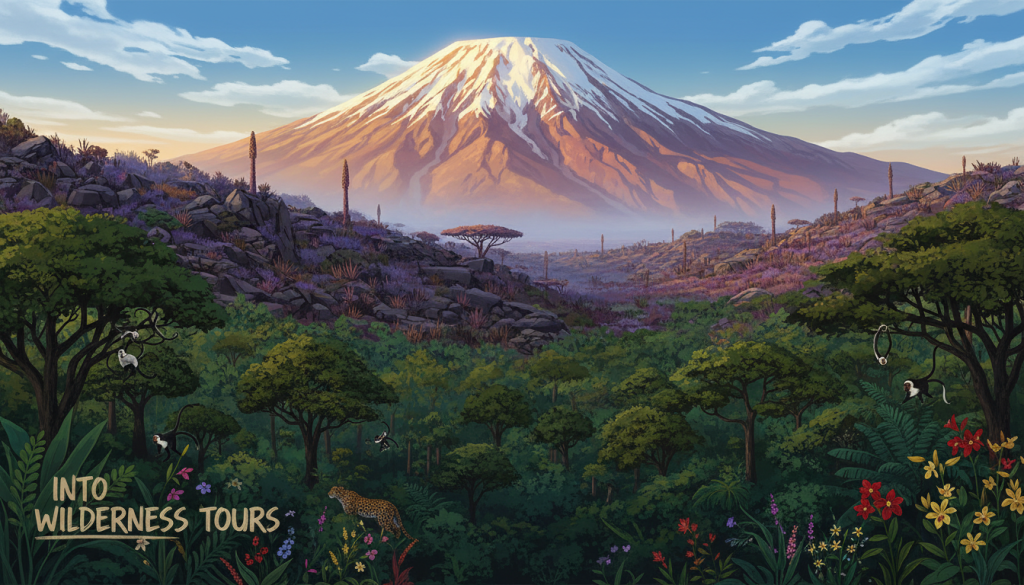
Mt. Kilimanjaro is home to five distinct ecosystems: rainforest, moorland, alpine desert, highland, and arctic. Each ecosystem is characterized by unique vegetation, temperature ranges, and weather conditions. The journey begins in the lush rainforest, where the air is thick with moisture and the canopy overhead filters the sunlight.
How Altitude Affects Weather Conditions
As altitude increases, the air pressure decreases, and the temperature drops. This change is dramatic on Mt. Kilimanjaro, where climbers experience a range of weather conditions, from the warmth of the rainforest to the freezing temperatures at the summit. The altitude also affects precipitation patterns, with some areas receiving significantly more rainfall than others.
Year-Round Temperature Variations
Temperature variations on Mt. Kilimanjaro are significant, both daily and seasonally. Climbers can expect:
- Warm temperatures in the lower slopes, with average highs ranging from 70°F to 80°F (21°C to 27°C)
- Cooler temperatures at higher elevations, with nighttime lows potentially dropping below freezing
- Significant temperature fluctuations between day and night, especially at higher altitudes
Understanding these climate zones and temperature variations is crucial for preparing for a successful climb. By knowing what to expect, climbers can pack appropriately and plan their ascent to maximize their chances of reaching the summit.
The Best Time of Year to Climb Mt Kilimanjaro
To experience the majesty of Mt. Kilimanjaro, we must first identify the best season for our ascent. The timing of our climb significantly impacts our journey, influencing factors such as weather conditions, crowd levels, and overall cost.
Dry Season vs. Rainy Season
The dry season, typically from June to October, offers the most favorable conditions for climbing Mt. Kilimanjaro. Clear skies and dry trails make for a more enjoyable and safer ascent. In contrast, the rainy seasons (April to May and November to December) bring challenging conditions, with wet trails and reduced visibility. However, these periods also have their advantages, such as fewer crowds and potentially lower costs.

Peak vs. Off-Peak Climbing Periods
The peak climbing season, which coincides with the dry season, attracts the largest number of climbers. This period offers the best weather but also means larger crowds and higher prices. Off-peak periods, while more challenging due to weather conditions, provide a more solitary experience and potentially lower costs. Climbers must weigh these factors based on their personal preferences and priorities.
Balancing Weather, Crowds, and Cost
Finding the optimal time to climb Mt. Kilimanjaro involves balancing the desire for good weather, smaller crowds, and reasonable costs. The shoulder season (January to March) often provides a good compromise, with relatively dry conditions and fewer climbers than the peak season. Ultimately, climbers must consider their individual needs and make an informed decision based on these factors.
By carefully evaluating these elements, we can determine the best time for our Kilimanjaro adventure, ensuring a memorable and successful experience.
January to March: The First Dry Season
As we step into the new year, Mt. Kilimanjaro beckons with its first dry season, offering a serene backdrop for our climbing adventure. The mountain’s slopes, usually teeming with climbers during the peak season, now present a tranquil atmosphere, ideal for those seeking a more secluded and intimate experience with nature.
Weather Conditions and Temperatures
During January to March, the weather on Mt. Kilimanjaro is generally dry and mild, with clear skies prevailing for most of the days. Temperatures vary significantly with altitude, ranging from warm conditions at the base to freezing temperatures at the summit. Climbers can expect daytime temperatures to be pleasant, while nights can be quite chilly, especially at higher elevations.

Crowd Levels and Booking Considerations
The first dry season sees a moderate number of climbers, significantly fewer than during the peak season from June to October. This reduction in crowd levels can enhance the overall climbing experience, making it more enjoyable and less congested on the trails. However, it’s still advisable to book in advance to ensure availability of accommodations and guides.
Unique Advantages of Early Year Climbs
Climbing Mt. Kilimanjaro during the January to March period offers several unique advantages. The dry conditions make the trails more accessible, and the relatively fewer climbers allow for a more personalized experience. Additionally, the scenery is particularly vibrant following the short rainy season, with lush vegetation and clearer skies.
| Month | Average High Temp (°C) | Average Low Temp (°C) | Crowd Level |
|---|---|---|---|
| January | 20 | 8 | Moderate |
| February | 21 | 9 | Moderate |
| March | 22 | 10 | Moderate |
April to May: The Long Rainy Season
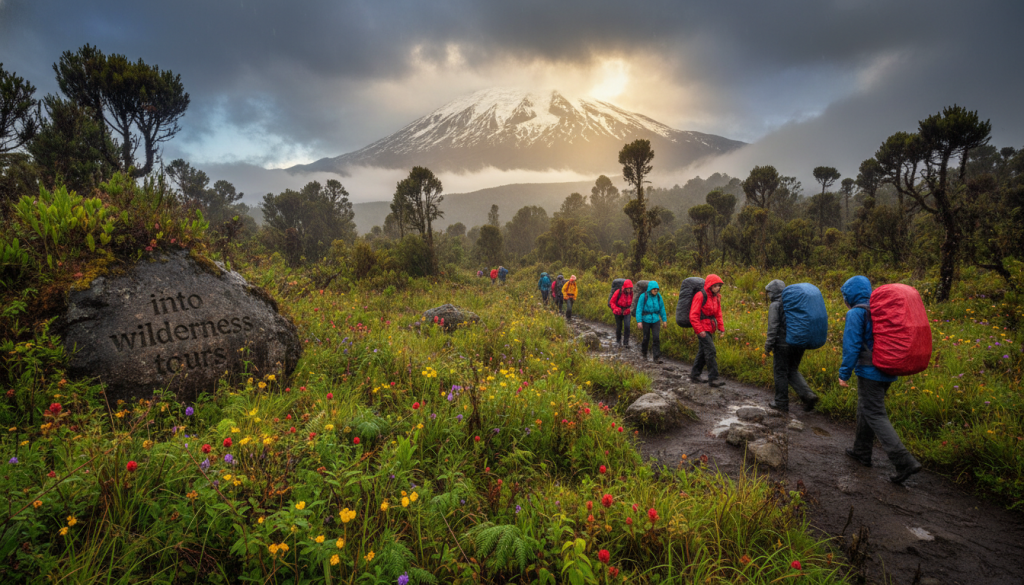
As we venture into the heart of spring, April and May bring the long rainy season to Mt. Kilimanjaro, transforming the mountain into a lush, verdant landscape. This period is characterized by significant rainfall, which impacts climbing conditions and requires careful consideration from potential climbers.
Precipitation Patterns and Challenges
The long rainy season brings substantial precipitation to Mt. Kilimanjaro, with April typically being one of the wettest months. The increased rainfall leads to muddy trails, reduced visibility, and potentially hazardous climbing conditions. Climbers must be prepared for these challenges, including the risk of landslides and flooded campsites.
When to Avoid Climbing Altogether
While it’s possible to climb Mt. Kilimanjaro during the long rainy season, there are times when it’s advisable to avoid the mountain altogether. Periods of intense rainfall can make the trails impassable, and the risk of accidents increases significantly. Climbers should monitor weather forecasts closely and be prepared to postpone their climb if conditions become too hazardous.
Potential Benefits of Rainy Season Climbs
Despite the challenges, climbing Mt. Kilimanjaro during the rainy season has its advantages. The crowds are significantly smaller, and the lush vegetation creates a beautiful and unique landscape. Additionally, some climbers may find the lower costs and more serene atmosphere appealing. However, it’s crucial to weigh these benefits against the potential risks and challenges.
| Month | Average Rainfall | Climbing Conditions |
|---|---|---|
| April | High | Challenging |
| May | High | Challenging |
June to October: The Prime Climbing Season
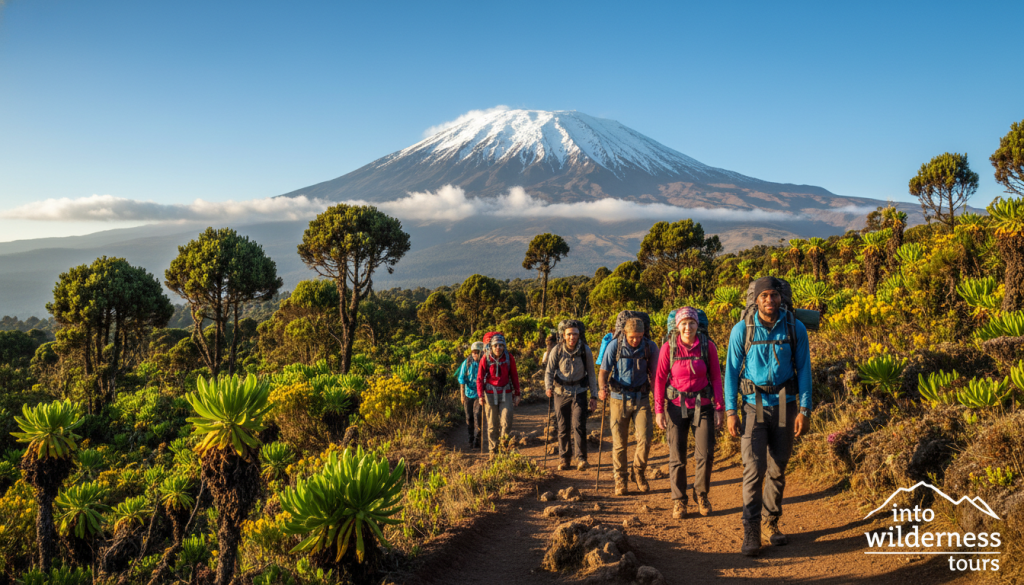
Mt. Kilimanjaro’s prime climbing season, spanning from June to October, offers adventurers a unique blend of optimal weather and breathtaking vistas. During this period, the mountain is at its most accessible, with clear skies and comfortable temperatures making the climb more enjoyable.
Optimal Weather Conditions
The weather during June to October is characterized by dry conditions, with minimal rainfall and plenty of sunshine. Daytime temperatures at the base are warm, while nighttime temperatures at higher altitudes can be quite cold, requiring climbers to pack layers for their ascent.
We experience average temperatures ranging from 64°F to 75°F (18°C to 24°C) at the base, while at the summit, temperatures can drop to -20°C (-4°F) or lower. The dry conditions make the trails less slippery and reduce the risk of landslides, making it safer for climbers.
Crowd Management Strategies
With the optimal weather, the prime climbing season attracts a significant number of climbers. To manage the crowds, we recommend climbers consider the following strategies:
- Choose less popular routes like Lemosho or Rongai, which offer a more serene experience.
- Plan your climb to start early in the morning to avoid the crowds that come later in the day.
- Book with a reputable tour operator who can help manage the group size and pace.
Booking and Cost Considerations
Booking in advance is crucial during the prime climbing season due to high demand. We advise climbers to book their tour at least 6 to 12 months in advance to secure their spot and get the best rates.
The cost of climbing during this period is generally higher due to the demand. However, the experience is often considered worth the extra cost. Here’s a comparison of costs for different routes during the prime season:
| Route | Duration | Cost per Person |
|---|---|---|
| Marangu Route | 5-6 days | $1,500 – $2,000 |
| Machame Route | 6-7 days | $1,800 – $2,500 |
| Lemosho Route | 7-8 days | $2,000 – $3,000 |
| Rongai Route | 6-7 days | $1,800 – $2,500 |
By understanding the optimal weather conditions, employing crowd management strategies, and planning ahead for booking and costs, climbers can have a successful and enjoyable experience on Mt. Kilimanjaro during the prime climbing season.
November to December: The Short Rainy Season
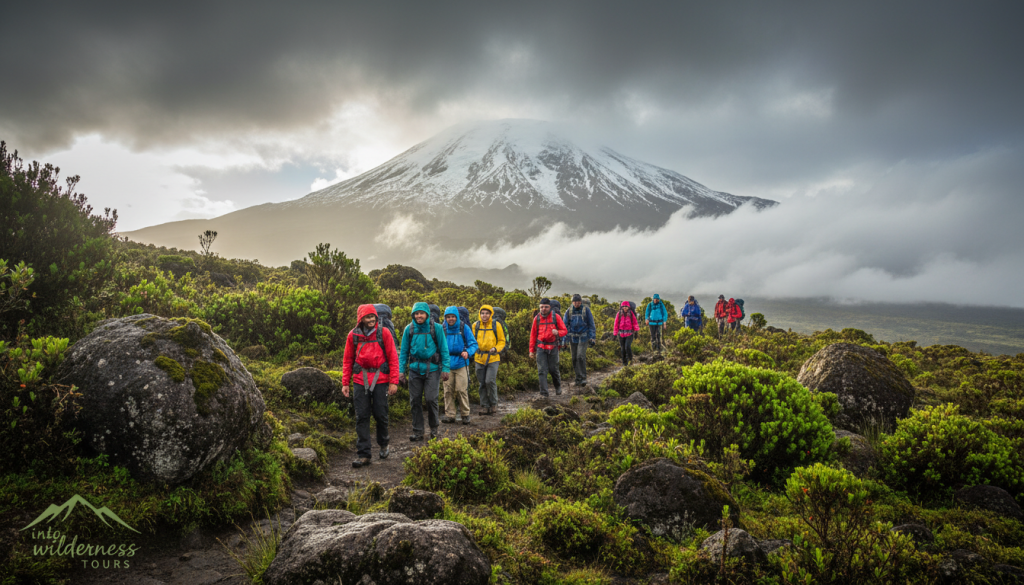
As the calendar flips to November, Mt. Kilimanjaro enters its short rainy season, bringing a unique set of challenges and opportunities for climbers. This period, characterized by increased precipitation and misty conditions, transforms the mountain into a lush, vibrant landscape.
Weather Patterns and Climbing Viability
The short rainy season brings significant rainfall to Mt. Kilimanjaro, with November being one of the wettest months. The rain, however, is not continuous, and climbers can still experience clear skies and favorable climbing conditions between showers. The viability of climbing during this season depends on the climber’s experience and adaptability to wet conditions.
Holiday Season Considerations
Climbing Mt. Kilimanjaro during the holiday season, particularly in December, can be a unique experience. Many climbers find the festive atmosphere and the opportunity to celebrate milestones on the mountain to be a significant draw. However, it’s essential to book well in advance, as this period attracts a considerable number of climbers looking for a special adventure.
End-of-Year Climbing Benefits
Climbing Mt. Kilimanjaro at the end of the year offers several benefits, including the chance to reflect on the past year while standing at the summit, looking forward to the new one. The relatively fewer crowds compared to the peak dry season, coupled with the lush scenery, make for a compelling combination. Additionally, climbers can take advantage of the holiday season’s festive atmosphere, making the experience even more memorable.
“Climbing Kilimanjaro during the short rainy season requires flexibility and a sense of adventure, but it rewards with unparalleled beauty and a unique experience.”
The short rainy season, with its challenges and rewards, offers a distinct way to experience Mt. Kilimanjaro. For those considering climbing during this time, it’s crucial to weigh the pros and cons, prepare accordingly, and embrace the adventure that comes with it.
How Different Routes Are Affected by Seasons
As we explore the majestic slopes of Mt. Kilimanjaro, it’s crucial to understand how different climbing routes are influenced by the changing seasons. The mountain’s diverse ecosystems and varying altitudes mean that weather conditions can differ significantly from one route to another.
Marangu Route Seasonal Considerations
The Marangu Route, often referred to as the “Coca-Cola Route,” is one of the most popular paths to the summit. During the dry season, this route is generally more crowded, but the clear skies offer breathtaking views. In contrast, the rainy season can make the route’s terrain more challenging due to mud and slippery paths.
Machame Route Weather Patterns
The Machame Route is known for its stunning scenery and diverse landscapes. This route experiences a range of weather conditions, from the humid rainforest at the lower altitudes to the cold, windy conditions near the summit. Climbers should be prepared for varying temperatures and potential rain showers during the wet season.
Lemosho and Northern Circuit Seasonal Advantages
The Lemosho and Northern Circuit routes offer a more gradual ascent and are less crowded than some of the other routes. These routes benefit from the scenic beauty of the Shira Plateau and the remote landscapes of the northern side of the mountain. The dry season is ideal for these routes, as it allows for better acclimatization and clearer views.
Rongai Route as a Rainy Season Alternative
The Rongai Route, which approaches the mountain from the north, is considered a good alternative during the rainy season. This route is generally drier than others, as it lies on the rain shadow side of the mountain. Climbers can enjoy a more serene experience with fewer crowds, but they should still be prepared for potential rain and colder temperatures.

In conclusion, each route up Mt. Kilimanjaro has its unique seasonal characteristics. By understanding these factors, climbers can make informed decisions about the best time and route for their Kilimanjaro adventure.
Full Moon Climbs: Timing Your Summit Night
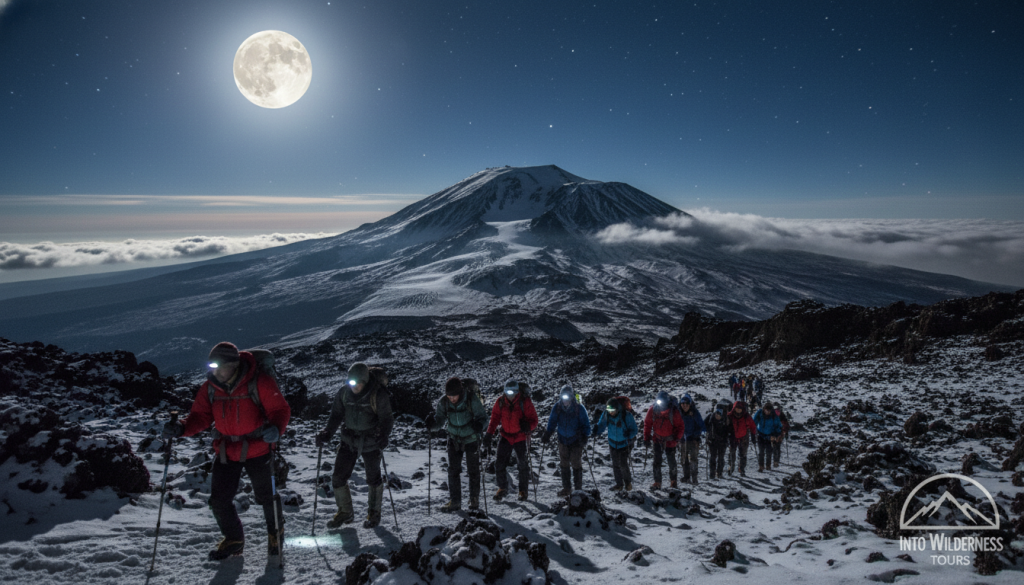
As we ascend Mt. Kilimanjaro, the allure of a full moon climb beckons, promising an unforgettable summit experience. The full moon, a symbol of wonder and mystique, illuminates the path to the roof of Africa, making the challenging ascent a surreal journey.
Benefits of Summiting During a Full Moon
Summiting during a full moon offers several advantages. The bright moonlight illuminates the trail, reducing the risk of accidents and making the ascent less arduous. Moreover, the breathtaking views of the surrounding landscape and the star-studded sky create an unforgettable experience.
“Climbing Kilimanjaro during a full moon is a once-in-a-lifetime experience. The moon’s gentle glow casts an ethereal light on the mountain, making the climb both magical and memorable.”
Popular Full Moon Dates Throughout the Year
To plan your full moon climb, it’s essential to know the dates. Here’s a table highlighting the full moon dates for the upcoming year:
| Month | Full Moon Date |
|---|---|
| January | January 28 |
| February | February 27 |
| March | March 28 |
Booking Considerations for Full Moon Climbs
Full moon climbs are highly sought after, and as such, early booking is crucial. Climbers should plan and book their tours at least 6-12 months in advance to secure their spot. Additionally, climbers should be prepared for potentially higher costs due to the popularity of these climbs.
By understanding the benefits and planning accordingly, climbers can ensure a successful and memorable full moon climb up Mt. Kilimanjaro.
Seasonal Packing Lists for Kilimanjaro
Climbing Mt. Kilimanjaro requires meticulous planning, particularly when it comes to packing the appropriate gear for the time of year you plan to climb. The mountain’s diverse climate zones, ranging from tropical to arctic, demand a thoughtful approach to your packing list to ensure you’re prepared for the conditions you’ll face.

Essential Gear for All Seasons
Regardless of the season, there are certain items that are essential for any Kilimanjaro climb. These include sturdy hiking boots, layers for temperature control, a waterproof jacket, and a reliable backpack. Additionally, climbers should always pack a first aid kit, sunscreen, and a headlamp or flashlight.
Dry Season Specific Equipment
During the dry season, the primary concern is protecting yourself from the sun and dry air. Lightweight, breathable clothing and a high SPF sunscreen are crucial. While the dry season generally offers clearer skies, it’s still important to be prepared for cooler temperatures at higher altitudes.
Rainy Season Additional Requirements
The rainy season demands additional gear to keep you dry and comfortable. Waterproof pants and gaiters are essential to protect against wet conditions. It’s also wise to bring a drying agent for your boots and extra socks to manage moisture. While the rain can make the climb more challenging, the lush scenery can be a beautiful reward.
By carefully considering the season and packing accordingly, climbers can enhance their safety and enjoyment of the Kilimanjaro experience. Whether you’re climbing during the dry or rainy season, being well-prepared is key to a successful ascent.
Climate Change and Its Impact on Climbing Seasons
Climate change is rewriting the rules for climbers on Mt. Kilimanjaro, altering weather patterns and challenging our traditional understanding of the mountain’s ecosystems. As we venture into the higher altitudes, the effects of a warming planet become increasingly evident.
Shifting Weather Patterns on Kilimanjaro
The once-stable weather patterns on Kilimanjaro are now more unpredictable than ever. Climbers are experiencing more frequent and intense weather events, from sudden snowstorms to unexpected heatwaves. This shift is not just about temperature; it’s also about the changing precipitation patterns that affect the mountain’s ecosystems.
The Retreating Glaciers
The glaciers on Kilimanjaro are a significant concern. Since the early 20th century, they’ve lost about 85% of their ice cover. This rapid melting not only affects the aesthetic appeal of the mountain but also has profound implications for the local ecosystem and water supply.
Future Predictions for Climbing Conditions
As climate change continues to impact Kilimanjaro, climbers can expect more variable conditions. The table below summarizes some of the predicted changes and their potential impacts on climbing:
| Condition | Predicted Change | Impact on Climbing |
|---|---|---|
| Temperature | Increased average temperature | Altered acclimatization patterns |
| Precipitation | More variable rainfall and snowfall | Increased risk of weather-related hazards |
| Glaciers | Continued retreat | Changes in trail conditions and scenic views |
As we move forward, understanding and adapting to these changes will be crucial for climbers and conservationists alike. The future of climbing Kilimanjaro depends on our ability to respect and respond to the challenges posed by climate change.
Cost Variations Throughout the Year
Planning a Mt. Kilimanjaro climb requires more than just physical preparation; it also involves navigating a complex landscape of costs that shift with the seasons. As you prepare for this significant adventure, understanding these cost variations is crucial for making informed decisions about when to climb.
Peak vs. Off-Peak Pricing
The cost of climbing Mt. Kilimanjaro is significantly influenced by whether you’re traveling during peak or off-peak seasons. Peak season, typically from June to October, sees higher prices due to optimal weather conditions and increased demand. During this period, the cost can range from $1,500 to over $2,500 per person, depending on the route and operator.
In contrast, the off-peak seasons, which include the rainy periods from April to May and November to December, often come with lower prices. Operators may offer discounts to attract climbers during these less favorable times, with costs potentially dropping by 10% to 20%.
Seasonal Discounts and Promotions
While the peak season commands a premium, there are opportunities to find deals during the shoulder season or through special promotions. Some tour operators offer discounts for early bookings, last-minute deals, or package inclusions that can add value to your climb.
For instance, booking your climb well in advance can secure a spot at a lower rate, while last-minute deals might offer savings for unsold places. Additionally, some operators include extras like additional nights at camp or special services to enhance the climbing experience.
Value for Money Analysis
When evaluating the cost of climbing Mt. Kilimanjaro, it’s essential to consider the value for money. While the off-peak season may offer lower costs, factors such as weather conditions and potential itinerary changes due to rain must be weighed against the savings.
| Season | Average Cost | Weather Conditions | Crowd Levels |
|---|---|---|---|
| Peak (June-Oct) | $1,500-$2,500 | Favorable | High |
| Off-Peak (April-May, Nov-Dec) | $1,200-$2,000 | Rainy/Unpredictable | Low |
| Shoulder (Jan-Mar) | $1,300-$2,200 | Generally Dry | Moderate |
Ultimately, the best time to climb Mt. Kilimanjaro depends on your priorities: are you looking for the best weather and don’t mind the crowds, or are you on a tighter budget and willing to take on less favorable conditions? By understanding the cost variations and what they entail, you can make a more informed decision that aligns with your preferences and budget.
Expert Recommendations from Experienced Guides
The wisdom of our seasoned guides is a treasure trove for those seeking to conquer Mt. Kilimanjaro at the optimal time. With their extensive experience and deep understanding of the mountain’s rhythms, they offer invaluable insights that can elevate your climbing experience from mere adventure to profound journey.
Professional Insights on Timing Your Climb
Our guides’ years of experience have taught them that timing is everything when it comes to climbing Mt. Kilimanjaro. They recommend considering factors such as weather patterns, crowd levels, and personal physical conditioning to determine the best time for your climb.
Key considerations include:
- Weather stability and predictability
- Crowd levels and potential for solitude
- Personal health and physical preparedness
Secret Windows of Opportunity
Beyond the peak and off-peak seasons, our guides have identified secret windows of opportunity that offer a balance between favorable weather and manageable crowd levels. These periods, often overlooked by many climbers, can provide a truly exceptional climbing experience.
For instance, the period just before the long rainy season can be particularly advantageous, offering mild temperatures and fewer crowds.
Personalized Recommendations Based on Climber Profiles
Understanding that every climber is unique, our guides offer personalized recommendations tailored to individual profiles. Whether you’re a seasoned adventurer or a first-time climber, they assess your skills, experience, and goals to suggest the most suitable climbing time.
| Climber Profile | Recommended Climbing Time |
|---|---|
| Beginner | Dry season for optimal conditions |
| Experienced | Shoulder season for fewer crowds |
By combining expert recommendations with personalized guidance, we ensure that your Mt. Kilimanjaro experience is nothing short of extraordinary.
Conclusion
As we conclude our exploration of climbing Mt. Kilimanjaro, we reflect on the journey that lies ahead for those who dare to take on this majestic mountain. The best time to climb is not just about favorable weather; it’s about immersing oneself in the ever-changing landscapes and ecosystems that make this adventure so unique.
Whether you’re drawn to the dry season’s clear skies or the rainy season’s lush vegetation, every moment on Kilimanjaro is a testament to nature’s splendor. We invite you to join us on this transformative journey, to experience the thrill of standing atop Africa’s highest peak, and to be a part of a community that cherishes the beauty and wonder of this incredible mountain.
As you plan your Kilimanjaro adventure, remember that the true essence of this experience lies not just in reaching the summit, but in the journey itself – a journey that challenges, inspires, and forever changes you. Let us guide you through the intricacies of climbing Mt. Kilimanjaro, ensuring that your experience is nothing short of extraordinary.
FAQ
When is the best time to climb Mt. Kilimanjaro?
The best time to climb Mt. Kilimanjaro is during the dry seasons, from January to March and June to October, when the weather is dry and clear, offering the best conditions for a successful summit.
What are the climate zones of Mt. Kilimanjaro?
Mt. Kilimanjaro has five distinct climate zones: rainforest, moorland, alpine desert, arctic, and the summit zone, each with unique weather conditions and temperature variations.
How does altitude affect the weather on Mt. Kilimanjaro?
As you ascend Mt. Kilimanjaro, the altitude significantly affects the weather, with temperatures decreasing and precipitation patterns changing, resulting in a range of climate zones.
What is the difference between the dry and rainy seasons on Mt. Kilimanjaro?
The dry seasons offer clear skies, dry trails, and comfortable temperatures, while the rainy seasons bring heavy precipitation, muddy trails, and reduced visibility, making the dry seasons more favorable for climbing.
What are the advantages of climbing during the off-peak season?
Climbing during the off-peak season can offer lower costs, fewer crowds, and a more serene experience, but may also involve challenging weather conditions and reduced visibility.
How do I pack for a climb up Mt. Kilimanjaro?
Packing for Mt. Kilimanjaro requires careful consideration of the season, with essential gear including waterproof clothing, insulated layers, and sturdy hiking boots, as well as additional equipment for specific seasons.
What are the benefits of summiting during a full moon?
Summiting during a full moon offers a breathtaking experience, with the moon’s illumination providing a unique perspective on the landscape and a memorable night-time ascent.
How does climate change affect Mt. Kilimanjaro’s climbing conditions?
Climate change is altering Mt. Kilimanjaro’s weather patterns, with rising temperatures, changing precipitation patterns, and retreating glaciers, potentially impacting climbing conditions and the overall experience.
What are the cost variations throughout the year for climbing Mt. Kilimanjaro?
The cost of climbing Mt. Kilimanjaro varies throughout the year, with peak season prices higher than off-peak season prices, and seasonal discounts and promotions available.
What route should I take to climb Mt. Kilimanjaro?
The choice of route depends on your preferences, experience, and the time of year, with options including the Marangu, Machame, Lemosho, Northern Circuit, and Rongai routes, each with its unique characteristics and challenges.