
As we embark on a journey to conquer Africa’s highest peak, we are filled with a mix of excitement and reverence. The majestic mountain stands tall, beckoning adventurers to ascend to new heights.
Our Kilimanjaro climbing experiences are designed to provide a transformative journey, blending natural beauty with cultural immersion. We guide you through the preparation, the climb, and the unforgettable moments on the roof of Africa, making for an unforgettable Tanzania safari adventure.
Key Takeaways
- Experience the thrill of climbing Africa’s highest peak
- Immerse yourself in the natural beauty and culture of Tanzania
- Enjoy a transformative journey with expert guides
- Explore the unique landscapes and ecosystems of Kilimanjaro
- Create unforgettable memories on the roof of Africa
The Majestic Mount Kilimanjaro: Africa’s Highest Peak
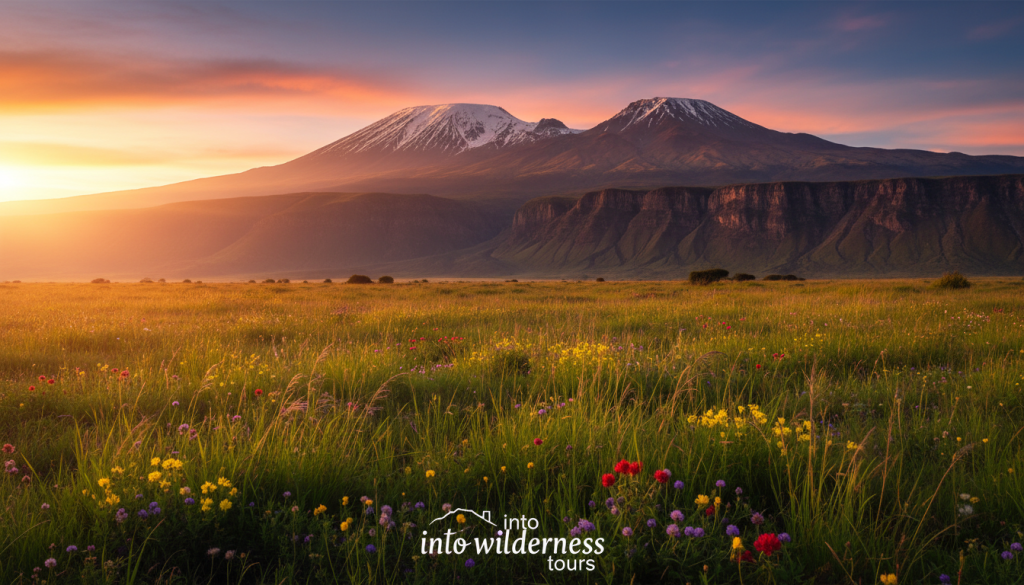
Rising majestically from the Tanzanian plains, Mount Kilimanjaro stands as a testament to nature’s grandeur. As we explore this natural wonder, we delve into its geographical significance and the unique features that make it a coveted destination for adventurers.
Geographical Location and Significance
Located in the heart of Tanzania, Mount Kilimanjaro is not only the highest peak in Africa but also a prominent geographical landmark. Its Kilimanjaro geography is characterized by diverse ecosystems that range from tropical rainforests to alpine deserts, making it a fascinating subject for study and exploration. As the African highest peak, it stands at 5,895 meters above sea level, attracting climbers and trekkers from around the world.
Our journey to Kilimanjaro is guided by a deep respect for the land and its people. We invite you to learn more about our mission and values on our about us page.
The Three Volcanic Cones: Kibo, Mawenzi, and Shira
Kilimanjaro is composed of three distinct volcanic cones: Kibo, Mawenzi, and Shira. Kibo, the highest of the three, is considered dormant, with potential for future eruptions. Mawenzi and Shira, on the other hand, are considered extinct. The unique formation of these cones contributes to the mountain’s breathtaking landscapes and diverse wildlife. The trek to the summit, Uhuru Peak on Kibo, is a challenging adventure that promises unparalleled views and a deep sense of accomplishment.
Why Mount Kilimanjaro Attracts Thousands of Adventurers Annually
Mount Kilimanjaro stands as a beacon for adventurers worldwide, drawing thousands to its slopes each year. We are among the many who have been captivated by its majesty, and we’re here to share the essence of its appeal.
Accessibility for Non-Technical Climbers
One of the primary reasons Kilimanjaro is so popular is its accessibility to non-technical climbers. Unlike other high-altitude mountains, Kilimanjaro does not require extensive climbing experience, making it an ideal destination for those with a good level of physical fitness. The climb is challenging yet achievable, with several routes offering varying levels of difficulty to suit different adventurers.
Unique Ecological Zones and Biodiversity
As we ascend Kilimanjaro, we’re treated to a journey through diverse ecological zones, from lush rainforests to alpine deserts. This variety supports a rich biodiversity, with numerous flora and fauna species to discover. The experience is truly immersive, with each zone offering a unique landscape and ecosystem to explore.
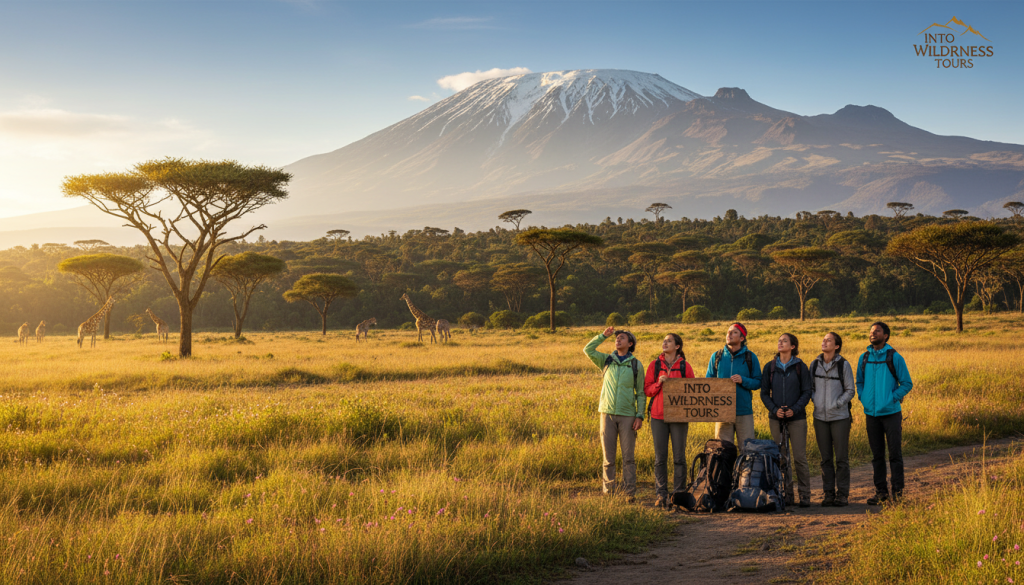
The combination of accessibility and diverse ecosystems makes Kilimanjaro an irresistible destination for adventurers. Whether you’re a seasoned trekker or looking for a new challenge, Kilimanjaro offers an unforgettable experience.
Best Time to Embark on Kilimanjaro Treks
As we prepare to ascend Kilimanjaro, understanding the best time to embark on this journey is crucial. The mountain’s weather patterns play a significant role in determining the success and safety of our trek.
Dry Seasons: January-March and June-October
The dry seasons, spanning from January to March and June to October, are considered the best times to trek Kilimanjaro. During these periods, the weather is generally dry and clear, offering breathtaking views of the surrounding landscape. Clear skies and minimal precipitation make for ideal trekking conditions, allowing us to focus on the challenge ahead.
As stated by experienced trekkers,
“The dry season is the best time to climb Kilimanjaro if you want to avoid the rain and enjoy the views.”
Weather Patterns and Temperature Variations by Altitude
Kilimanjaro’s weather is notoriously unpredictable, with significant temperature variations as we ascend. At lower altitudes, temperatures are relatively mild, but as we climb higher, the air grows cooler, and the risk of altitude sickness increases. It’s essential to be prepared for these changes, dressing in layers to adapt to the shifting conditions. The temperature can drop dramatically at night, making proper gear and preparation vital.
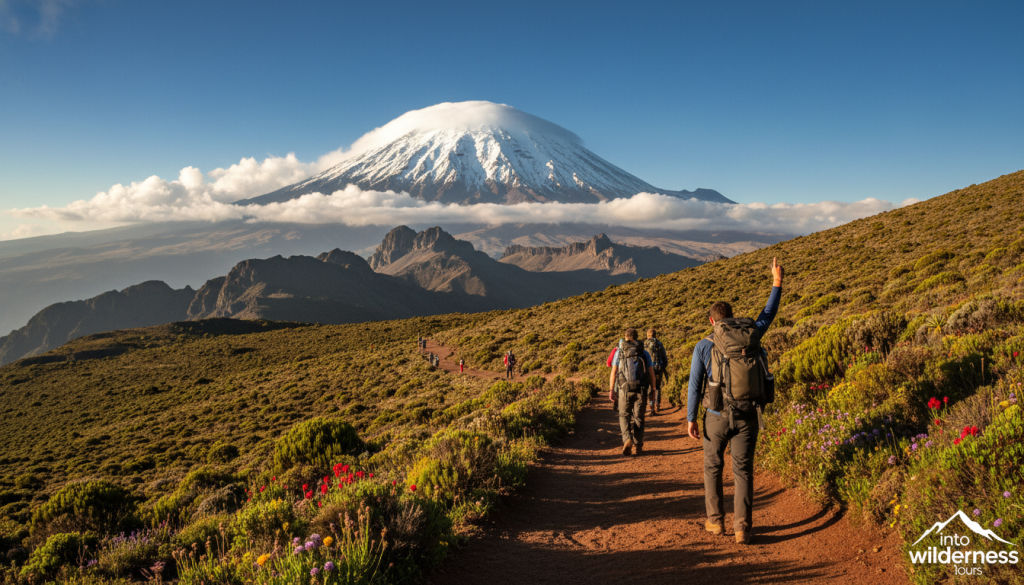
Understanding these weather patterns and being prepared for the challenges they present is key to a successful and enjoyable trek.
Physical Preparation for Your Kilimanjaro Adventure
Embarking on a Kilimanjaro adventure requires meticulous preparation, starting with a robust physical training regimen. As we prepare to ascend the majestic Mount Kilimanjaro, it’s crucial to build our endurance to tackle the challenges that lie ahead.
Cardiovascular and Strength Training Regimen
A well-structured cardiovascular and strength training regimen is vital for a successful Kilimanjaro trek. We recommend engaging in activities such as running, cycling, or swimming for at least 30 minutes, three times a week. Additionally, incorporating strength training exercises like squats, lunges, and leg press will help build the necessary muscle endurance.
| Exercise | Frequency | Benefits |
|---|---|---|
| Running | 3 times a week | Improves cardiovascular endurance |
| Squats | 2 times a week | Strengthens leg muscles |
| Cycling | 3 times a week | Enhances cardiovascular fitness |
Altitude Training and Acclimatization Strategies
Altitude training and acclimatization are critical components of preparing for Kilimanjaro’s high altitude. We should aim to acclimatize by gradually increasing our exposure to higher elevations. Techniques such as “climb high, sleep low” can help our bodies adapt to the thinner air.
Acclimatization Tips: Ascend gradually, stay hydrated, and monitor our body’s response to altitude.
Mental Preparation and Endurance Building
Mental preparation is just as important as physical training when it comes to conquering Kilimanjaro. We must build our mental endurance by setting realistic goals, practicing mindfulness, and visualizing our success. “The mind is everything; the way you think, you become.” This mindset will help us push through the challenging moments during our trek.
Essential Gear and Equipment for Kilimanjaro Climbs
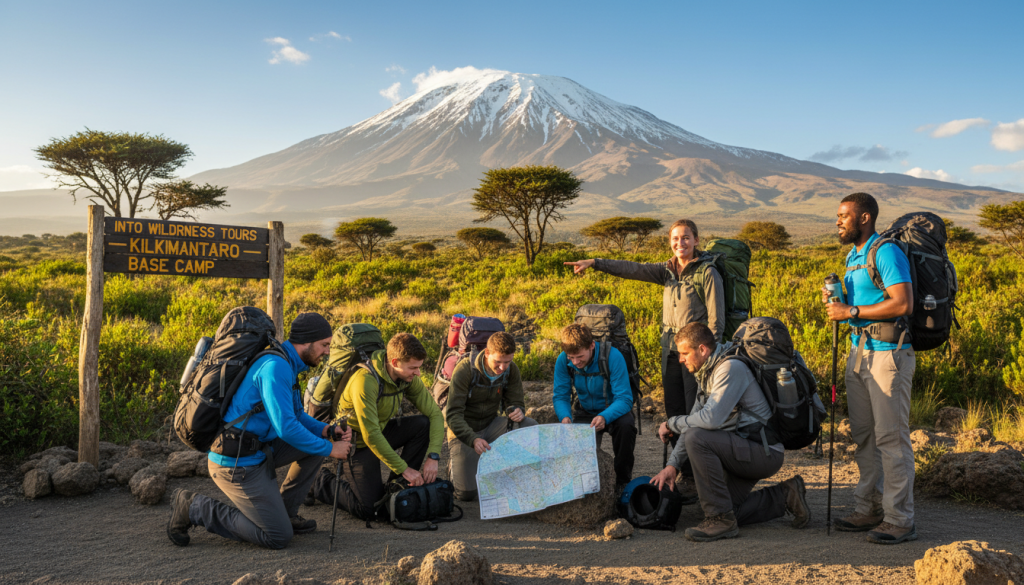
As we prepare to ascend Kilimanjaro, the right gear becomes our trusted companion on this journey to the Roof of Africa. The extreme conditions on the mountain demand careful selection of equipment to ensure both safety and comfort.
Clothing Layers and Weather Protection
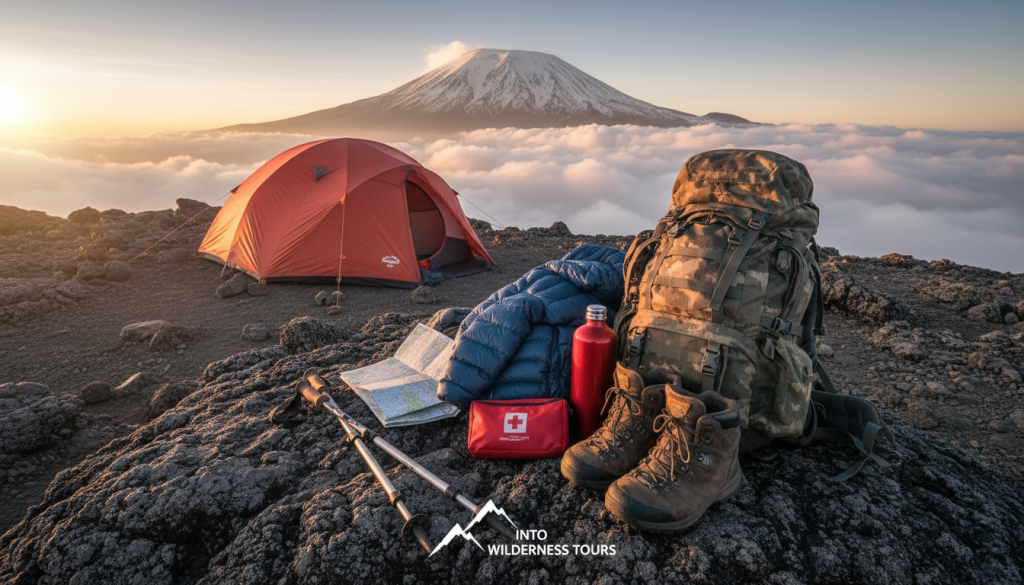
Layered clothing is crucial for adapting to Kilimanjaro’s varying temperatures. We start with moisture-wicking base layers, followed by insulating mid-layers, and finish with waterproof outer layers. This system allows us to adjust our clothing according to the climate, ensuring we remain comfortable throughout the trek.
Footwear and Trekking Accessories
Sturdy, waterproof hiking boots are a must for Kilimanjaro treks. They provide the necessary ankle support and protection from the elements. Additionally, trekking poles can be invaluable for stability, especially on steep or slippery terrain.
Personal Items and Medical Supplies
A well-stocked first-aid kit is essential for addressing minor injuries and preventing more serious conditions. It should include items like bandages, antiseptic wipes, pain relievers, and any personal medications. We also recommend packing personal items such as sunscreen, lip balm, and a water filter or purification tablets to ensure our health and hygiene throughout the trek.
Popular Mount Kilimanjaro Treks Routes and Their Characteristics
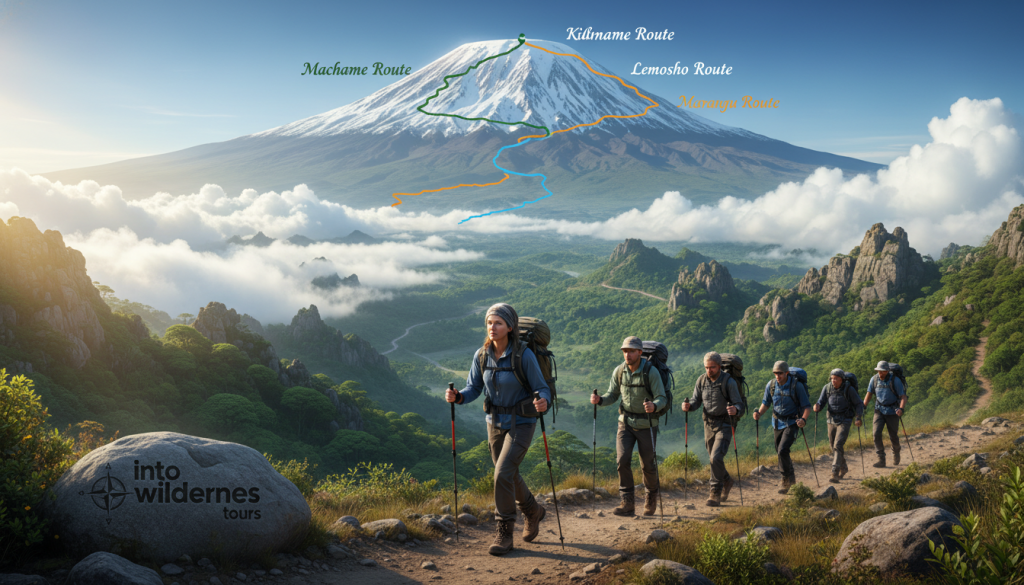
The majestic Mount Kilimanjaro beckons adventurers through multiple trekking routes, each with its unique charm. As we prepare to ascend Africa’s highest peak, understanding the characteristics of these routes becomes essential in choosing the one that suits our preferences and physical abilities.
Marangu Route: The “Coca-Cola” Route
The Marangu Route, affectionately known as the “Coca-Cola” Route, is one of the most popular paths to the summit. It is considered a relatively gentle slope, making it accessible to climbers with moderate physical conditioning. Accommodation in mountain huts adds to its appeal, providing a more comfortable experience.
Machame Route: The “Whiskey” Route
The Machame Route, or “Whiskey” Route, is renowned for its higher success rate and more challenging terrain. This route is ideal for those seeking a more rugged experience and is often considered a better option for acclimatization due to its gradual ascent profile.
Lemosho Route: The Scenic Path
The Lemosho Route is celebrated for its scenic beauty and diverse landscapes. It offers a longer itinerary, which enhances acclimatization and increases the chances of a successful summit. This route is perfect for those who prioritize breathtaking views and a more leisurely pace.
Rongai Route: The Northern Approach
The Rongai Route approaches Kilimanjaro from the north, offering a unique perspective on the mountain’s majesty. It is known for its remote and less crowded trails, making it an attractive option for those seeking solitude and a more authentic experience.
Northern Circuit: The Newest Route
The Northern Circuit is the newest route on Kilimanjaro, providing an extended itinerary that maximizes acclimatization. It circumnavigates the mountain, offering unparalleled views and a truly immersive experience. This route is ideal for adventurers looking for a comprehensive Kilimanjaro experience.
| Route | Duration | Difficulty | Scenic Value |
|---|---|---|---|
| Marangu | 5-6 days | Moderate | Low |
| Machame | 6-7 days | Challenging | High |
| Lemosho | 7-8 days | Moderate | Very High |
| Rongai | 6-7 days | Moderate | High |
| Northern Circuit | 9 days | Challenging | Very High |
Understanding Altitude Sickness and Acclimatization Strategies
As we ascend to the heights of Kilimanjaro, understanding altitude sickness becomes crucial for a successful trek. Altitude sickness, also known as acute mountain sickness (AMS), occurs when the body cannot adapt well to high altitudes, resulting in a lack of oxygen. Recognizing the symptoms early and taking preventive measures can significantly reduce the risk of AMS.
Symptoms and Prevention Methods
The symptoms of altitude sickness can range from mild headaches and nausea to severe conditions like high-altitude pulmonary edema (HAPE). Prevention is key, and this includes ascending gradually, staying hydrated, and being aware of the early signs of AMS. Climbers should watch for symptoms such as headaches, dizziness, and fatigue. Using a gradual ascent profile allows the body to acclimatize, reducing the risk of AMS.
| Symptom | Prevention Method |
|---|---|
| Headaches | Gradual Ascent |
| Nausea | Stay Hydrated |
| Fatigue | Rest Days |
The “Pole Pole” Philosophy and Its Importance
“Pole Pole”, meaning “slowly slowly” in Swahili, is more than just a mantra for climbers on Kilimanjaro; it’s a philosophy that emphasizes the importance of gradual ascent. By climbing slowly, climbers allow their bodies to acclimatize to the increasing altitude, significantly reducing the risk of altitude sickness. This approach not only enhances safety but also improves the overall trekking experience.
“The journey to the summit is not just about reaching the top; it’s about the journey itself, and how we respect our bodies and the mountain.”
By embracing the “Pole Pole” philosophy, climbers can ensure a safer and more enjoyable journey to the summit of Kilimanjaro.
Kilimanjaro Trek Costs and Budgeting Considerations
As you prepare to ascend Africa’s highest peak, understanding the costs involved is crucial. The financial investment for a Kilimanjaro trek encompasses various elements, from park fees to guide services, each playing a vital role in the success and safety of your adventure.
Park Fees and Permit Requirements
Park fees and permits are significant components of the overall cost. These fees vary depending on the route taken and the duration of your trek. For instance, the cost for a Marangu Route trek differs from that of the Lemosho Route. It’s essential to factor in these expenses early in your planning process to ensure you secure the necessary permits.
Guide and Porter Services Pricing
Guide and porter services are indispensable to a successful Kilimanjaro trek. The cost of these services includes the guides’ and porters’ wages, equipment, and accommodations. The pricing can vary based on the tour operator and the level of service provided. It’s crucial to choose a reputable operator that offers fair compensation to their staff.
| Service | Cost Range (USD) | Description |
|---|---|---|
| Guide Services | $1,200 – $1,800 | Experienced guides knowledgeable about the terrain and climate. |
| Porter Services | $800 – $1,200 | Porters assist with carrying gear and equipment. |
Additional Expenses and Tipping Etiquette
Beyond the primary costs, additional expenses such as food, accommodations before and after the trek, and travel insurance should be considered. Tipping guides and porters is also customary, showing appreciation for their hard work and dedication. A general guideline is to tip based on the quality of service received.
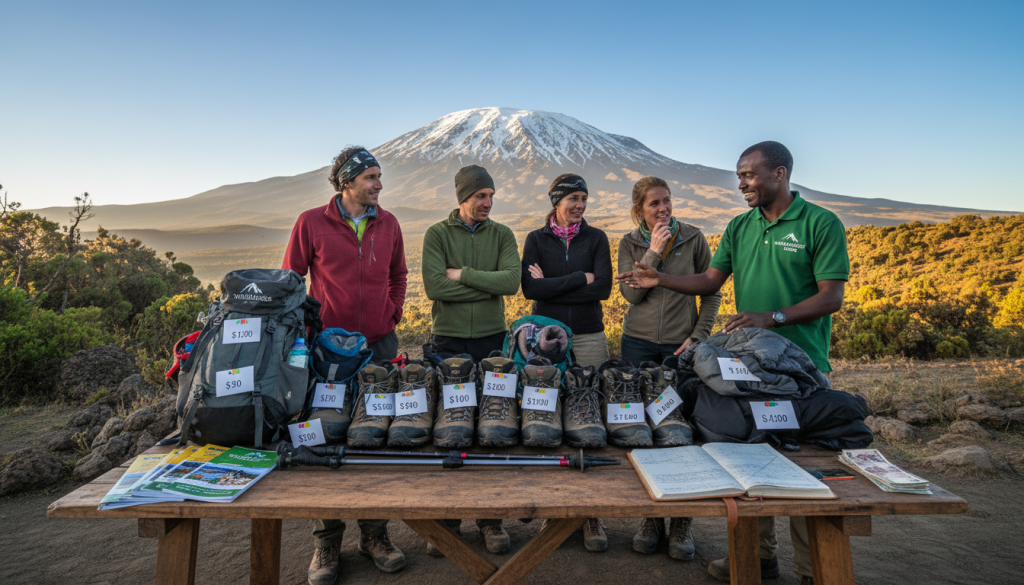
Budgeting for a Kilimanjaro trek requires a comprehensive understanding of the various costs involved. By planning ahead and considering all expenses, you can ensure a successful and stress-free climb.
Choosing the Right Tour Operator for Your Climb
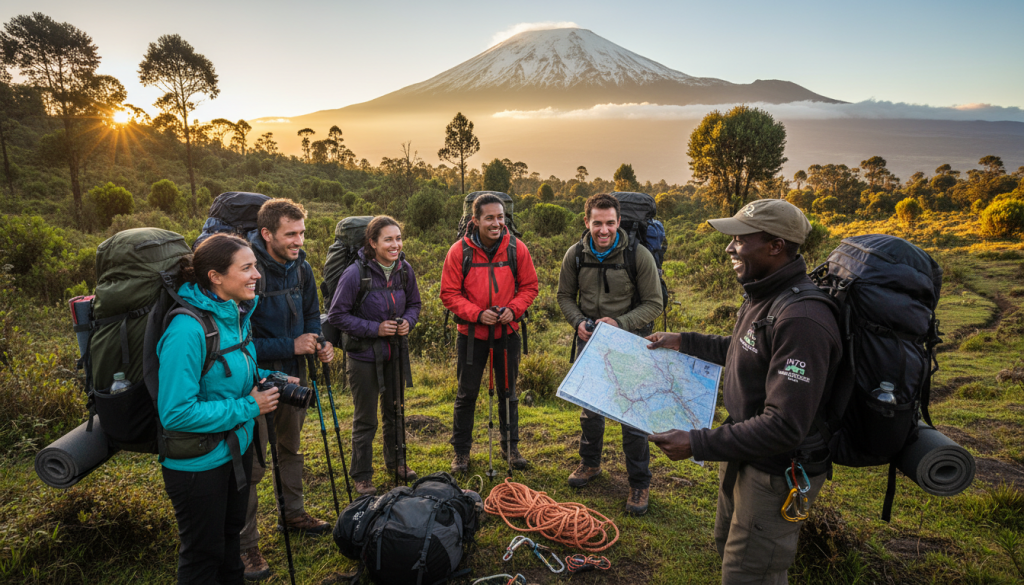
The journey to Kilimanjaro’s summit begins with a vital choice: the tour operator who will accompany us every step of the way. This decision is crucial, as it directly impacts the safety, success, and overall experience of our climb.
Credentials, Safety Records, and Reviews
When selecting a tour operator, we must first examine their credentials and safety records. A reputable operator will have a strong track record of successful climbs and a transparent safety protocol. Client reviews and testimonials provide valuable insights into their operational efficiency and client satisfaction.
| Operator | Safety Record | Client Reviews |
|---|---|---|
| Alpine Adventures | Excellent | 4.8/5 |
| Summit Quest | Good | 4.5/5 |
| Kilimanjaro Experts | Excellent | 4.9/5 |
Ethical Treatment of Porters and Guides
The ethical treatment of porters and guides is a significant factor in our decision. We look for operators who prioritize fair wages, proper equipment, and safe working conditions for their staff. This not only reflects their commitment to responsible tourism but also enhances our overall experience.
Questions to Ask Before Booking
Before making a booking, we should ask pertinent questions about the operator’s policies, guide training, and emergency procedures. Understanding their approach to acclimatization, their contingency plans for adverse weather, and their first-aid protocols can provide peace of mind and ensure we’re in capable hands.
- What is your safety record on Kilimanjaro?
- How do you ensure the well-being of your porters and guides?
- What is your policy on acclimatization and altitude sickness?
By carefully evaluating these aspects, we can confidently choose a tour operator who will guide us safely and responsibly to the summit of Kilimanjaro.
Cultural Immersion: Meeting the Local Communities
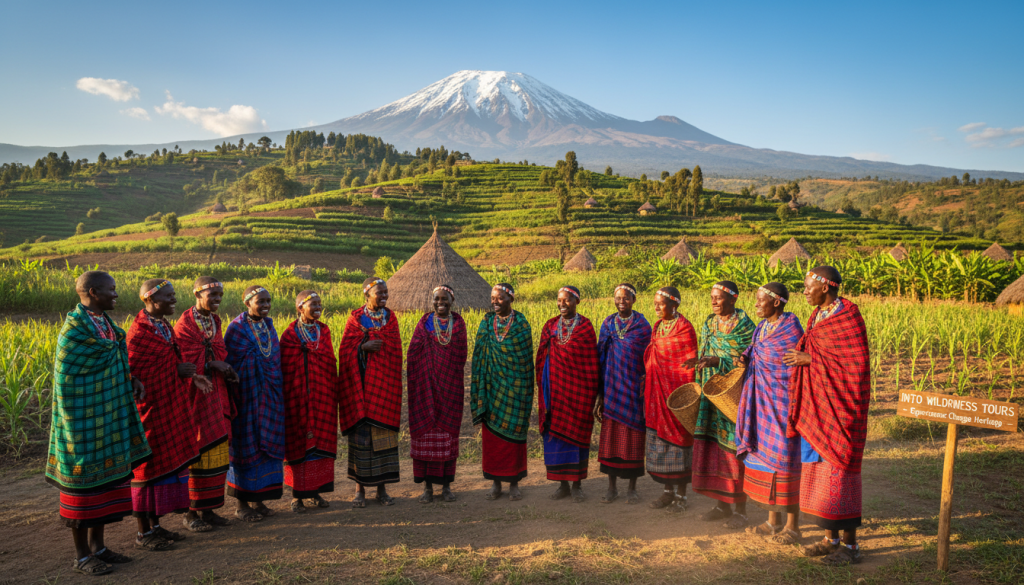
As we ascend Kilimanjaro, we’re not just climbing a mountain; we’re stepping into the rich cultural tapestry of the Chagga people. The journey allows us to engage in meaningful cultural immersion, learning about the traditions and way of life of the communities that call this region home.
The Chagga People and Their Heritage
The Chagga people have a rich and vibrant heritage, deeply connected to the land and the mountain that sustains them. Their history, customs, and daily life are a fascinating aspect of the Kilimanjaro experience. We learn about their agricultural practices, their social structures, and their spiritual beliefs, gaining a deeper appreciation for the intricate relationship between the Chagga and their environment.
Cultural Etiquette and Meaningful Interactions
Practicing cultural etiquette is essential as we interact with the local communities. Simple gestures, such as greeting porters and guides in their native language or showing respect for local customs, can significantly enhance our experience. These interactions not only enrich our understanding of the Chagga culture but also foster mutual respect and friendship, making our journey even more rewarding.
Flora and Fauna Encounters on Kilimanjaro’s Slopes
The journey up Kilimanjaro is not just a climb; it’s a passage through multiple worlds, each with its own characteristic flora and fauna. As we ascend, the landscape transforms, revealing a diverse array of ecosystems that are home to a wide variety of plant and animal life.
Ecological Zones and Their Unique Species
Kilimanjaro’s slopes are divided into several distinct ecological zones, each with its unique species. The rainforest zone is dense with trees, ferns, and vines, creating a cool, damp environment that’s home to a variety of wildlife, including the blue monkey and various bird species. As we climb higher, the moorland zone presents a stark contrast with its giant heather and lobelia plants, adapted to the harsh, rocky conditions.
Conservation Efforts and Environmental Challenges
Despite its natural beauty, Kilimanjaro faces significant environmental challenges, including climate change, deforestation, and pollution. Conservation efforts are underway to protect the mountain’s ecosystems, including reforestation programs and initiatives to reduce human impact on the environment. By supporting responsible tourism, we can help preserve Kilimanjaro’s natural beauty for future generations.
Our climb up Kilimanjaro is not just an adventure; it’s a chance to experience the rich biodiversity of this iconic mountain while supporting efforts to protect it.
Accommodation Options During Your Trek
Kilimanjaro’s slopes offer diverse lodging options, ranging from cozy mountain huts to immersive camping experiences. As we trek through this majestic landscape, our choice of accommodation becomes an integral part of the journey, influencing our connection with nature and the local culture.
Mountain Huts on the Marangu Route
The Marangu Route stands out for its mountain huts, providing a more comfortable and communal trekking experience. These huts offer basic yet cozy accommodations, fostering a sense of camaraderie among trekkers. With mountain huts, we enjoy the simplicity of shared facilities while being surrounded by the serene beauty of Kilimanjaro’s forests.
Camping Experiences on Other Routes
For those seeking a more immersive experience in nature, camping on routes like Machame and Lemosho offers an unparalleled connection with Kilimanjaro’s diverse ecosystems. Under the starlit sky, we find ourselves enveloped in the tranquility of the African wilderness, our spirits lifted by the raw beauty surrounding us. Camping allows us to embrace the adventure fully, with each day’s journey revealing new landscapes and experiences.
Whether we choose the communal warmth of mountain huts or the solitude of camping, our Kilimanjaro trek is enriched by the accommodation options we select, each offering a unique perspective on this majestic mountain.
Safety Considerations and Emergency Protocols
Kilimanjaro’s towering presence is awe-inspiring, yet the journey to its summit demands a keen focus on safety protocols. As we venture into the heart of Africa’s highest peak, understanding and preparing for potential risks is crucial.
Common Health Concerns and Preventative Measures
Climbers on Kilimanjaro often face health concerns such as altitude sickness, dehydration, and physical injuries. To mitigate these risks, it’s essential to:
- Acclimatize gradually to higher altitudes
- Stay hydrated by drinking plenty of water
- Monitor your body’s response to the climb and rest when needed
Pre-climb training and being in good physical condition also play a significant role in preventing health issues during the trek.
Evacuation Procedures and Travel Insurance
In the event of a medical emergency, having a clear evacuation plan is vital. This includes:
- Understanding the evacuation procedures with your tour operator
- Having travel insurance that covers emergency evacuations
- Being aware of the nearest medical facilities along the route
We emphasize the importance of comprehensive travel insurance that includes emergency medical evacuations, ensuring that climbers receive the necessary care without undue financial burden.
Summit Day: The Final Push to Uhuru Peak
As we embark on the most anticipated day of our Kilimanjaro journey, the darkness of midnight beckons us toward the summit. The air is crisp, and the stars twinkle above, casting a celestial glow on our path. This moment marks the culmination of our preparation and determination.
Midnight Departure and the Challenging Ascent
The midnight departure is more than just a start time; it’s a signal to our bodies that the most challenging part of our journey is about to begin. The darkness requires us to be extra cautious, with headlamps lighting our way through the rugged terrain. As we ascend, the cold intensifies, and every step demands focus and resolve. The ascent is a test of our physical and mental strength, pushing us to our limits.
Reaching the Roof of Africa: What to Expect
After hours of relentless climbing, the first light of dawn begins to creep over the horizon, illuminating our path and the breathtaking landscape around us. Finally, we reach Uhuru Peak, the highest point in Africa, and are met with a panoramic view that is nothing short of spectacular. The sense of achievement is overwhelming, and standing on the Roof of Africa fills us with pride and wonder. It’s a moment of profound connection with nature and a testament to our inner strength.
Post-Trek Activities and Recovery Options
The thrill of climbing Kilimanjaro is just the beginning; we can further immerse ourselves in Tanzania’s natural beauty and culture. As we conclude our trek, the opportunity to engage in various post-trek activities beckons, allowing us to extend our Tanzanian adventure.
Safari Extensions and Zanzibar Beach Retreats
For those seeking more adventure, safari extensions offer a chance to witness the incredible wildlife of the African savannah. We can explore the vast plains of the Serengeti or visit the Ngorongoro Conservation Area, teeming with diverse wildlife. Alternatively, a retreat to Zanzibar’s pristine beaches provides a serene environment for relaxation, where crystal-clear waters and white sandy beaches soothe the soul.
Physical Recovery and Reflecting on Your Achievement
After the physical challenge of climbing Kilimanjaro, taking time for physical recovery is essential. Gentle massages, warm baths, and restful accommodations help rejuvenate the body. As we reflect on our achievement, the sense of pride and accomplishment deepens, making the experience even more memorable. As one climber noted,
“The journey to the Roof of Africa is a life-changing experience that stays with you forever.”
Whether we choose to embark on a safari, relax on Zanzibar’s beaches, or simply take time to recover, the post-trek activities allow us to savor the essence of Tanzania, creating a holistic and unforgettable experience.
Conclusion: The Life-Changing Experience of Conquering Kilimanjaro
As we stand at the summit of Kilimanjaro, we realize that the journey is more than just a physical feat; it’s a transformative Kilimanjaro experience that resonates deeply within us. The climb is a life-changing adventure that challenges our limits, fosters resilience, and connects us with the natural world.
The memories and lessons learned on the mountain stay with us long after we’ve descended, inspiring us to continue exploring and pushing beyond our boundaries. As we reflect on our journey, we understand that conquering Kilimanjaro is not just about reaching the top; it’s about the personal growth, self-discovery, and spiritual connection we experience along the way.
As we conclude our journey, we carry with us the spirit of adventure and the wisdom gained on the mountain, reminding us that the true essence of the Kilimanjaro experience lies not just in the destination, but in the journey itself. This life-changing adventure stays with us, shaping our perspectives and inspiring us to continue exploring the world around us.
FAQ
What is the best time to climb Mount Kilimanjaro?
The best time to climb Mount Kilimanjaro is during the dry seasons, from January to March and June to October, when the weather is dry and clear.
How difficult is it to climb Mount Kilimanjaro?
Climbing Mount Kilimanjaro is a challenging task that requires a good level of physical fitness, but it is considered non-technical, meaning no prior climbing experience is necessary.
What are the different routes to the summit of Mount Kilimanjaro?
There are several routes to the summit, including the Marangu, Machame, Lemosho, Rongai, and Northern Circuit routes, each with its unique characteristics and challenges.
What is altitude sickness, and how can it be prevented?
Altitude sickness is a condition that occurs when the body cannot adapt to high altitudes, and it can be prevented by ascending gradually, staying hydrated, and being aware of the symptoms.
What should I pack for a Kilimanjaro trek?
It’s essential to pack layered clothing, sturdy footwear, waterproof gear, and personal items such as medical supplies, as well as to consider hiring a porter or purchasing a gear package from your tour operator.
How much does it cost to climb Mount Kilimanjaro?
The cost of climbing Mount Kilimanjaro varies depending on the route, tour operator, and services included, but it typically includes park fees, guide and porter services, and equipment.
What is the role of guides and porters on a Kilimanjaro trek?
Guides and porters play a crucial role in the success of a Kilimanjaro trek, providing support, guidance, and carrying equipment, and it’s essential to treat them with respect and fairness.
Can I climb Mount Kilimanjaro solo?
Climbing Mount Kilimanjaro solo is not recommended, as it’s safer and more enjoyable with a guided tour, and many tour operators offer customized packages for solo travelers.
What are the accommodation options during a Kilimanjaro trek?
Accommodation options vary depending on the route, with the Marangu Route offering mountain huts, while other routes involve camping, and some tour operators offer luxury tented camps.
How do I prepare for a Kilimanjaro trek physically and mentally?
Preparing for a Kilimanjaro trek requires a comprehensive approach, including cardiovascular and strength training, altitude acclimatization, and mental preparation, as well as understanding the risks and challenges involved.