

As we invite you to explore the wonders of Moshi, Tanzania, we are reminded of the profound beauty and rich cultural heritage that this region embodies. Our mission is to guide you through the must-see attractions and experiences that will make your visit truly unforgettable.
With a poetic and reverent tone, we will navigate the essence of Moshi, from its breathtaking natural landscapes to its vibrant cultural tapestry. We will share with you the wisdom and knowledge gathered from our local hosts and guardians, ensuring that your journey is not just a trip, but a transformative experience.
Key Takeaways
- Discover Moshi’s breathtaking natural landscapes
- Experience the vibrant cultural heritage of the region
- Enjoy a transformative journey with local hosts and guardians
- Explore the must-see attractions and experiences
- Create unforgettable memories in Moshi, Tanzania
Discovering the Charm of Moshi: Tanzania’s Hidden Gem
Nestled at the foot of Africa’s highest peak, Moshi beckons travelers with its serene landscapes and warm hospitality. As we explore this Tanzanian town, we discover a unique blend of natural beauty and cultural richness that makes Moshi a standout destination.
Moshi’s Unique Character and Geographic Setting
Moshi’s geographic setting is nothing short of breathtaking. Surrounded by lush green hills and verdant valleys, the town is a haven for nature lovers and adventure seekers alike. The majestic Mount Kilimanjaro looms large, providing a dramatic backdrop to the town’s laid-back atmosphere. The contrast between the rugged mountain peaks and the tranquil surroundings creates a captivating landscape that inspires exploration and discovery.
Why Moshi Deserves a Spot on Your Tanzania Itinerary
Moshi deserves a spot on your Tanzania itinerary for its diverse range of activities and experiences. From climbing Mount Kilimanjaro to exploring the local culture, there’s something for every kind of traveler in Moshi. Visitors can enjoy coffee plantation tours, visit traditional Chagga villages, or simply relax in the town’s serene atmosphere. With so many things to do in Moshi, it’s an ideal destination for those seeking a mix of adventure and relaxation.
| Activity | Description | Duration |
|---|---|---|
| Coffee Plantation Tour | Explore local coffee farms and learn about the coffee-making process | Half-day |
| Mount Kilimanjaro Climbing | Conquer Africa’s highest peak with guided tours | 5-7 days |
| Traditional Chagga Village Visit | Experience local culture and traditions | Full-day |
Essential Things to Do in Moshi Tanzania: An Overview
Moshi, a gem in northern Tanzania, offers a rich tapestry of activities that blend natural wonders with cultural depth. As we venture into the heart of this charming town, we discover a diverse array of experiences that cater to all interests.
Natural Wonders and Outdoor Adventures
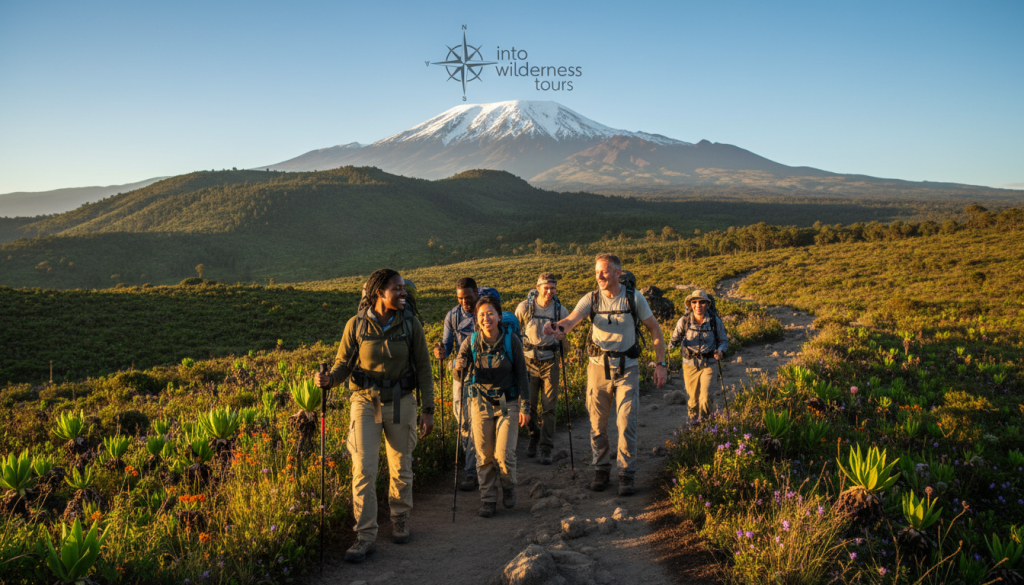
Moshi is a haven for outdoor enthusiasts, with its proximity to Mount Kilimanjaro and other natural wonders. Outdoor adventures abound, from hiking and climbing to wildlife viewing in the surrounding landscapes. One can embark on a thrilling trek to the summit of Kilimanjaro, explore the scenic trails of Kilimanjaro National Park, or simply take in the breathtaking views of the mountain from the town.
For those seeking more leisurely pursuits, a visit to the Materuni Waterfall, a picturesque cascade nestled in a lush forest, offers a refreshing escape. The surrounding countryside is also dotted with coffee plantations, where visitors can learn about the coffee-making process and sample some of the region’s finest brews.
| Activity | Location | Duration |
|---|---|---|
| Hiking | Kilimanjaro National Park | 4-6 hours |
| Coffee Tour | Local Plantations | 2-3 hours |
| Waterfall Visit | Materuni Waterfall | 3-4 hours |
Cultural Experiences and Local Interactions
Beyond its natural beauty, Moshi is also a hub of cultural activity. Visitors can engage in meaningful interactions with the local Chagga community, learning about their traditions, history, and way of life. A visit to a traditional Chagga home, with its unique underground tunnels and banana beer brewing, offers a fascinating glimpse into local customs.
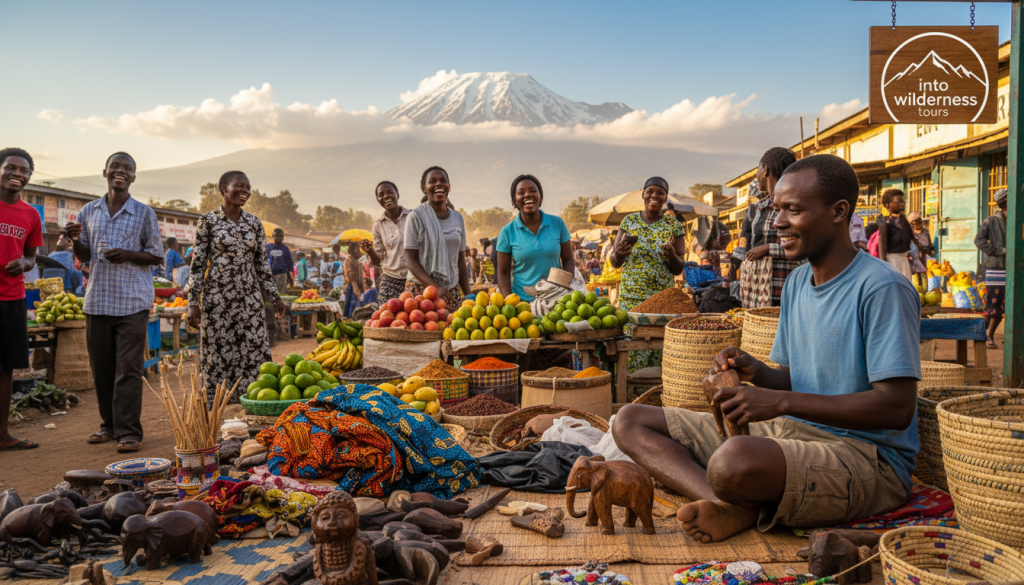
For a deeper understanding of the region’s cultural heritage, the Marangu Museum is a must-visit, showcasing the history and traditions of the Chagga people. Additionally, the local markets, where artisans sell handmade crafts and souvenirs, provide an opportunity to support local artisans and take home a piece of Tanzanian culture.
Conquering Mount Kilimanjaro: Africa’s Highest Peak
As we stand at the foot of Mount Kilimanjaro, Africa’s majestic highest peak, we are filled with a mix of excitement and reverence. Kilimanjaro is more than just a mountain; it’s an adventure, a challenge, and a journey into the heart of Africa. At 19,341 feet, it’s the highest peak on the continent and a dream destination for many adventurers.
Popular Climbing Routes from Moshi
Moshi, the gateway to Kilimanjaro, offers several climbing routes, each with its unique charm and difficulty level. The Marangu Route, also known as the “Coca-Cola Route,” is one of the most popular due to its relatively gentle slope and the availability of hut accommodations. The Lemosho Route, on the other hand, is favored for its scenic views and higher success rate due to its gradual ascent. We recommend exploring these options with a reputable tour operator like Into Wilderness Tours, who can guide you through the best route based on your experience and preferences.
Preparing for Your Kilimanjaro Adventure
Preparing for Kilimanjaro is as much about physical conditioning as it is about mental preparation. Climbers should start training at least 2-3 months in advance, focusing on cardiovascular exercises and stamina building. It’s also crucial to acclimatize to high altitudes to avoid altitude sickness. Packing the right gear, from sturdy hiking boots to warm clothing, is essential. We always advise our clients to be prepared for varying weather conditions and to stay hydrated throughout their journey.
What to Expect During Your Climb
The climb up Kilimanjaro is a journey through different climates and landscapes, from lush rainforests to alpine deserts. As you ascend, the air thins, and the temperature drops. Climbers can expect to see breathtaking sunrises, vast plains, and if they’re lucky, wildlife such as elands and monkeys. The final ascent to the summit is typically done at midnight to reach the peak at sunrise, a truly unforgettable experience. 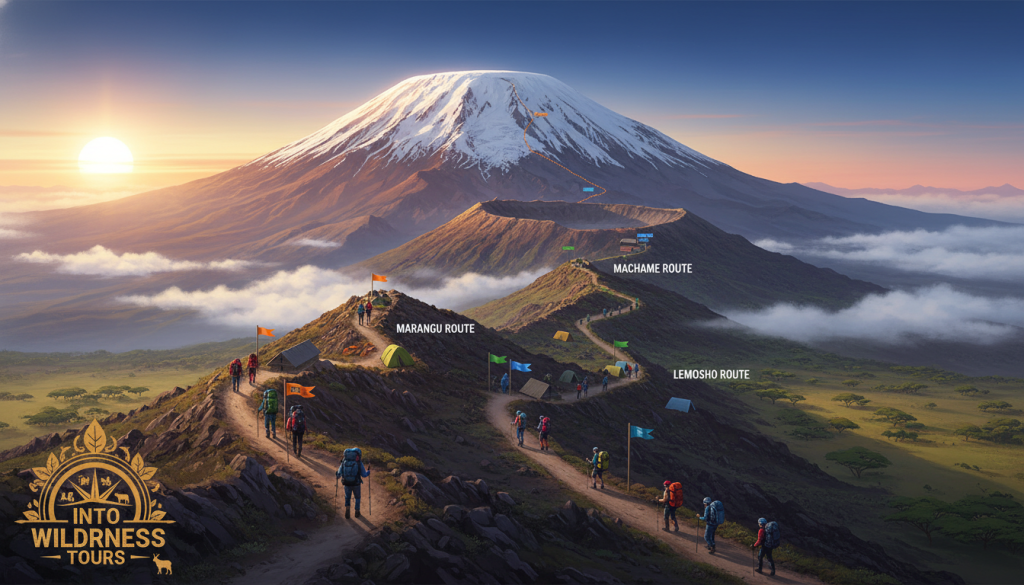
Exploring Kilimanjaro National Park Beyond the Summit
As we venture beyond the summit of Kilimanjaro, we discover a world of wonder within Kilimanjaro National Park. The park is a treasure trove of natural beauty, offering diverse experiences that cater to all kinds of travelers, whether you’re an avid hiker or simply looking to immerse yourself in nature.
Day Trips and Short Hikes for Non-Climbers
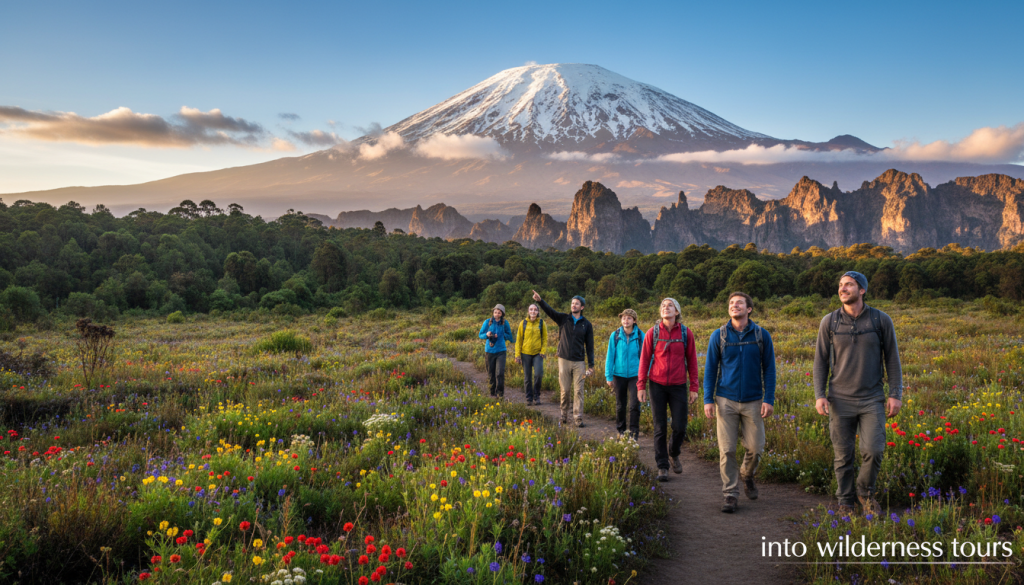
For those who do not wish to undertake the challenging climb to Kilimanjaro’s summit, the national park offers a variety of day trips and short hikes that provide a glimpse into its breathtaking landscapes. These trails range from leisurely strolls through lush forests to more challenging hikes that offer panoramic views of the surrounding countryside.
One of the most popular day trips is to the Mandara Hut, located within a picturesque forest. This trail is ideal for those looking to experience the park’s natural beauty without the commitment of a full climb. Along the way, visitors can enjoy the diverse flora and fauna, including a variety of bird species and lush vegetation.
Wildlife Viewing Opportunities in the Foothills
The foothills of Kilimanjaro National Park are teeming with wildlife, offering numerous opportunities for viewing a wide range of animals in their natural habitats. The park is home to a diverse array of species, including elephants, buffaloes, and various antelopes.
| Animal | Habitat | Best Viewing Time |
|---|---|---|
| Elephants | Foothills and lower slopes | Early morning or late afternoon |
| Buffaloes | Grassy areas and clearings | Morning and late afternoon |
| Antelope | Open plains and grasslands | Early morning |
Visitors to the park can enjoy guided tours that focus on wildlife viewing, providing insights into the animals’ habitats and behaviors. These tours are led by experienced guides who know the park’s terrain and can help spot a variety of species.
Chasing Waterfalls: Materuni and Kinukamori Falls
As we venture into the lush landscapes surrounding Moshi, the majestic Materuni and Kinukamori Falls await, promising an unforgettable experience. These natural wonders are not just breathtaking sights but also gateways to cultural immersion and adventure.
The region around Moshi is dotted with waterfalls, each with its unique charm and story. Among these, Materuni and Kinukamori Falls stand out for their beauty and the experiences they offer.
Materuni Waterfall Experience and Coffee Tour
The Materuni Waterfall is a must-visit attraction near Moshi, known for its picturesque surroundings and the opportunity to engage in a coffee tour. As we trek through the lush coffee plantations, we are treated to the sights and sounds of nature. The coffee tour complements the waterfall visit, allowing us to understand the local coffee-making process from bean to cup.
“The coffee tour at Materuni is an eye-opener,” says a visitor. “Learning about the coffee-making process and seeing the lush plantations was a highlight of our trip.”
Kinukamori Falls and Cultural Village Visit
Kinukamori Falls offers a serene and less crowded alternative to Materuni, with its tranquil atmosphere and stunning natural beauty. A visit to the cultural village nearby provides insight into the traditional ways of the local Chagga community. We learn about their customs, and the village visit is a meaningful way to engage with the local culture.
Our journey to these waterfalls is not just about witnessing natural beauty but also about experiencing the rich cultural heritage of the region.
Coffee Plantation Tours: From Bean to Cup
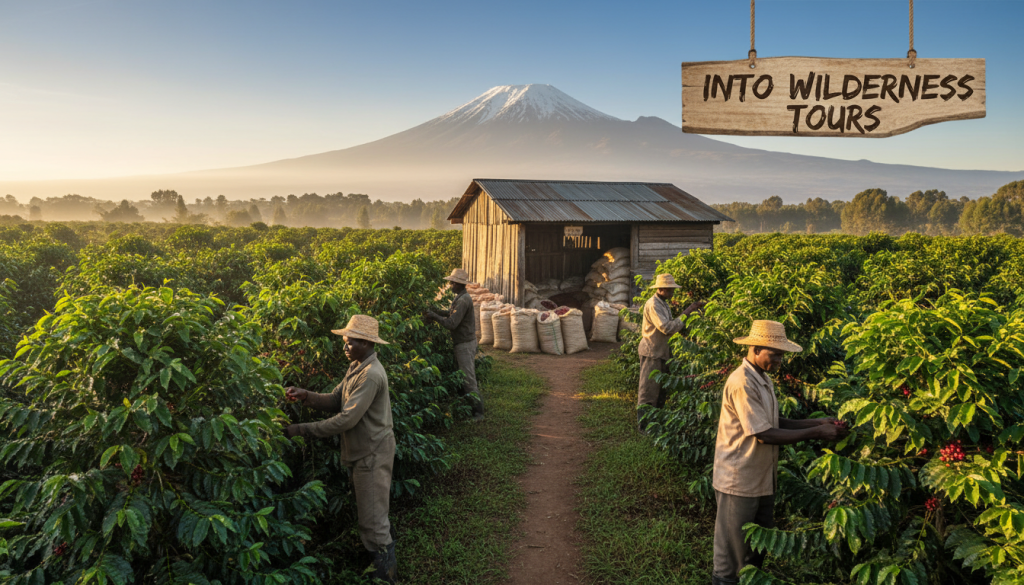
As we delve into the world of Kilimanjaro coffee, we’re not just tasting a beverage, we’re experiencing the passion and dedication of the farmers who cultivate it. The coffee plantations around Moshi offer a unique opportunity to learn about the coffee-making process from the experts themselves.
Learning the Coffee-Making Process Hands-On
During a coffee plantation tour, we get to participate in the various stages of coffee production, from harvesting the ripe coffee cherries to processing and roasting the beans. This hands-on experience gives us a deeper appreciation for the craftsmanship involved in producing Kilimanjaro’s finest coffee. We learn about the different methods of coffee production, including the traditional washed and natural processes, and understand the care and attention that goes into each step.
Tasting Kilimanjaro’s Finest Brews and Supporting Local Farmers
One of the highlights of visiting a coffee plantation is the chance to taste the fruits of our labor. We sample some of the region’s best brews, experiencing the rich flavors and aromas that Kilimanjaro coffee is known for. By participating in these tours, we’re not only enjoying high-quality coffee but also supporting local farmers and contributing to the local economy. It’s a truly enriching experience that connects us with the land, the people, and the culture of Moshi.
Lake Chala: A Tranquil Crater Lake Experience
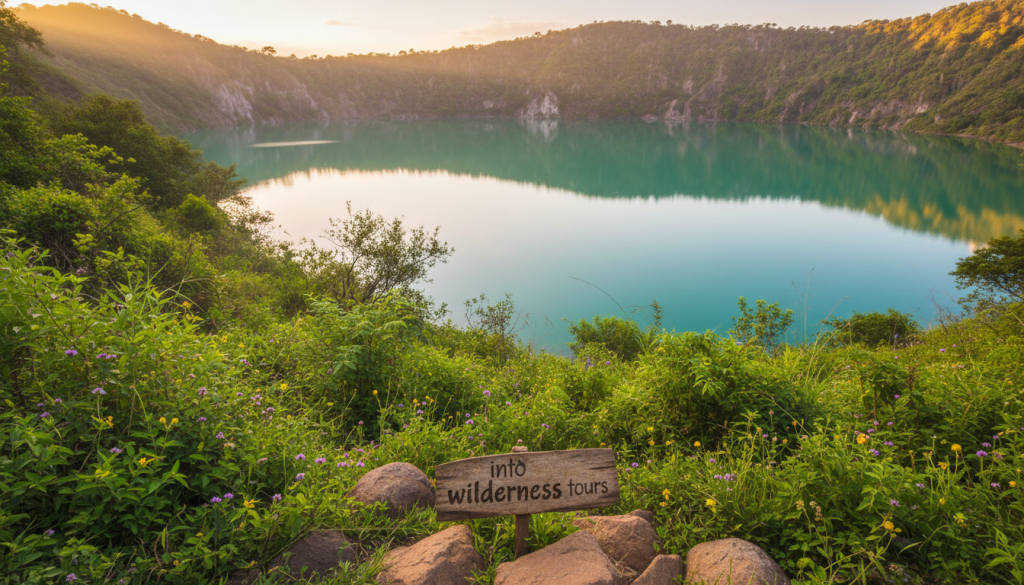
Nestled on the border of Tanzania and Kenya, Lake Chala is a serene crater lake that beckons travelers seeking tranquility and adventure. This natural wonder is characterized by its deep turquoise waters, surrounded by steep crater walls that rise dramatically from the lake’s edge.
As we immerse ourselves in the beauty of Lake Chala, we can indulge in various activities that make our experience even more memorable. The lake’s calm waters invite us to engage in swimming and kayaking adventures, allowing us to explore the lake’s depths and enjoy the surrounding landscape from a different perspective.
Swimming and Kayaking Adventures in Turquoise Waters
Swimming in Lake Chala’s crystal-clear waters is a refreshing experience, offering a unique opportunity to connect with nature. For the more adventurous, kayaking across the lake provides a chance to explore the lake’s shoreline and enjoy the majestic views of the surrounding crater walls. As we paddle, the tranquility of the lake and the vibrant colors of the water create a truly unforgettable experience.
Hiking Around the Crater Rim and Wildlife Spotting
For those who love hiking, the trails around the crater rim of Lake Chala offer breathtaking views and the chance to spot local wildlife. As we hike, we can observe the diverse flora and fauna that call this region home, adding to the richness of our experience. The combination of the lake’s serene waters and the rugged beauty of the crater rim creates a truly unique and captivating environment.
Kikuletwa Hot Springs: Nature’s Perfect Swimming Pool
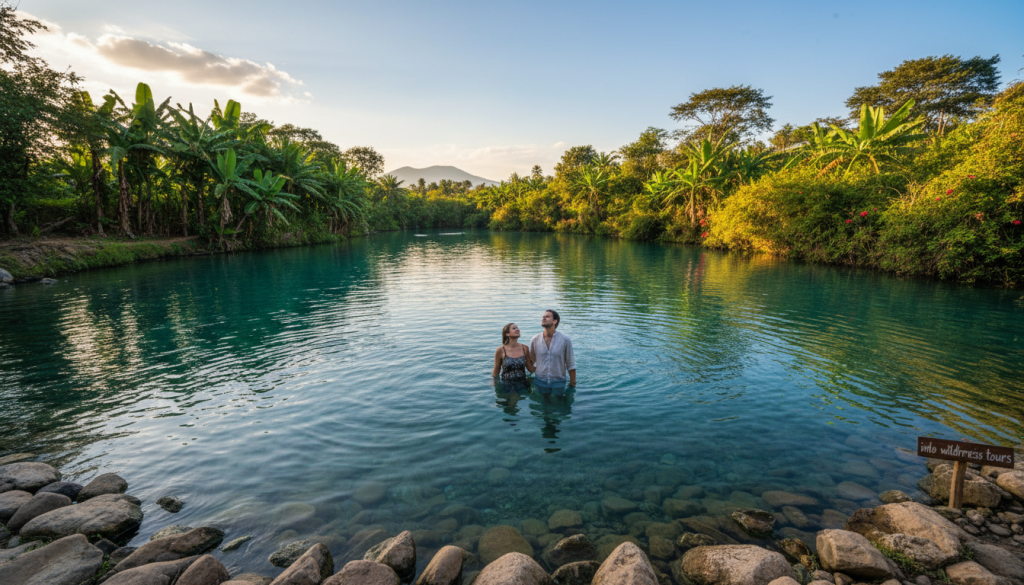
Imagine a serene swimming pool, surrounded by fig trees and crystal clear waters – welcome to Kikuletwa Hot Springs. This natural oasis is a haven for those seeking relaxation and rejuvenation in the heart of Tanzania.
Relaxing in Crystal Clear Waters Among Fig Trees
The Kikuletwa Hot Springs, also known as the “Blue Lagoon,” offers an idyllic setting where the crystal clear waters invite you to unwind. Surrounded by lush fig trees, the atmosphere is tranquil, making it perfect for a day of relaxation.
Experience the serenity: Take a dip in the cool, clear waters, or simply bask in the sun amidst the natural beauty.
Practical Tips for Visiting and Best Times to Go
To make the most of your visit, consider the following tips:
| Time of Visit | Best For |
|---|---|
| Early Morning | Serenity and fewer crowds |
| Late Afternoon | Sunset views and cooler temperatures |
| Weekdays | Avoiding weekend crowds |
By planning your visit according to these tips, you can enhance your experience at the Kikuletwa Hot Springs.
Cultural Immersion: Chagga Villages and Museums
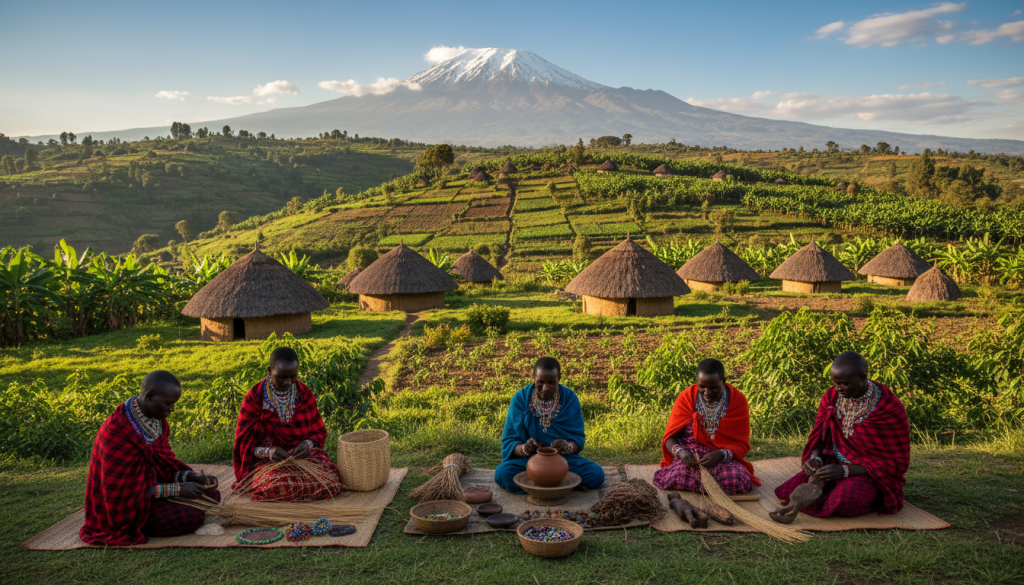
In the Chagga villages, we discover a treasure trove of cultural practices, historical narratives, and traditional ceremonies that have been preserved for generations. As we walk through these villages, we are enveloped in the warmth of the local community and gain a deeper understanding of their way of life.
Visiting Traditional Chagga Homes and Underground Tunnels
One of the most fascinating aspects of visiting Chagga villages is the opportunity to explore traditional homes and underground tunnels. These structures, often built into the hillsides, provide a glimpse into the resourcefulness and architectural ingenuity of the Chagga people. As we navigate the narrow tunnels, we learn about the historical significance of these dwellings and their role in the community.
The Chagga people are known for their skillful construction of homes that blend seamlessly into the natural landscape. By visiting these homes, we gain insight into the daily lives of the Chagga community, including their social structures and family traditions.
Learning About Local History, Traditions and Ceremonies
The Chagga culture is rich in history and tradition, with numerous ceremonies and rituals that mark important life events and seasonal changes. By participating in these cultural practices, we develop a deeper appreciation for the community’s heritage and the significance of these events.
| Cultural Practice | Description | Significance |
|---|---|---|
| Initiation Ceremonies | Rites of passage for young men and women | Marking transition to adulthood |
| Harvest Festivals | Celebrations of the harvest season | Giving thanks for the bounty of the land |
| Traditional Weddings | Ceremonies uniting couples | Celebrating the union of families |
Through our immersion in Chagga culture, we not only learn about the local history and traditions but also form meaningful connections with the community. This cultural exchange enriches our understanding of Tanzania’s diverse heritage and leaves a lasting impression on our hearts.
Moshi Town Exploration: Markets, Monuments, and More
With its unique blend of traditional and colonial influences, Moshi town is a fascinating place to discover. As we explore this vibrant hub, we’re treated to a sensory experience that reflects the town’s rich history and cultural heritage.
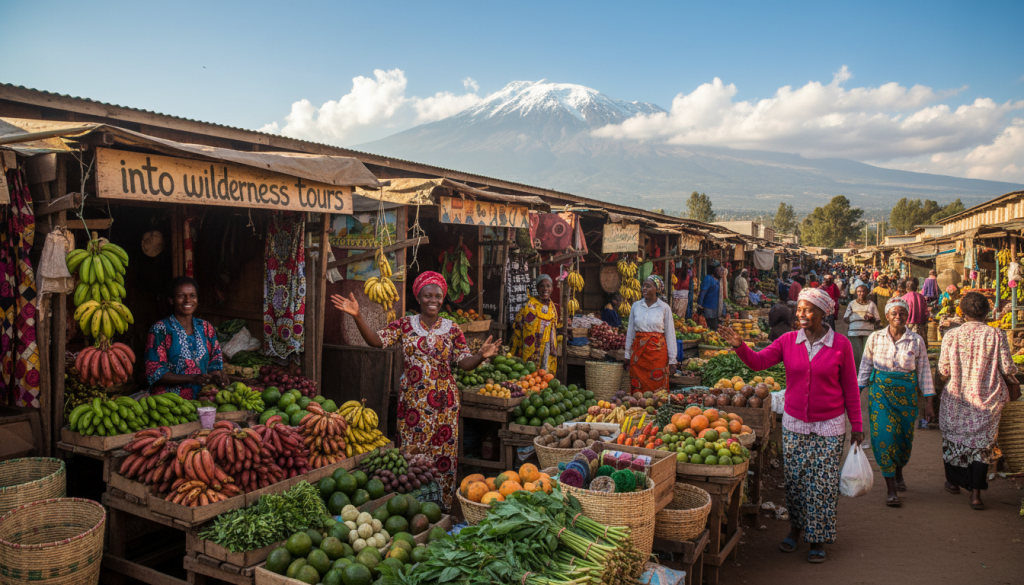
The heart of Moshi town is its bustling Central Market, where locals and visitors alike come to shop for everything from fresh produce to handicrafts. The market is a kaleidoscope of colors, sounds, and aromas, offering a glimpse into the daily lives of the community.
Clock Tower, Central Market, and Colonial Architecture
One of the town’s iconic landmarks is the Clock Tower, a symbol of Moshi’s history and cultural significance. As we stroll through the town, we notice the blend of colonial architecture, with its grand buildings and intricate details, reflecting the town’s past as a colonial outpost.
The colonial architecture is not just aesthetically pleasing; it also tells the story of Moshi’s evolution over time. From the old German Boma to other historical buildings, these structures are a testament to the town’s rich history and cultural heritage.
Local Craft Shops, Souvenirs, and Tanzanite Shopping
As we explore Moshi town, we come across numerous local craft shops and souvenir markets, where we can find unique handicrafts and Tanzanite jewelry. Shopping here not only allows us to take home a piece of Moshi but also supports local artisans and contributes to the community’s well-being.
From traditional crafts to modern souvenirs, the shops and markets in Moshi offer a wide range of products that reflect the town’s cultural identity. Whether we’re looking for a special memento or simply want to experience the local culture, these shops and markets are a great place to start.
Culinary Adventures: Tasting Moshi’s Local Flavors
The flavors of Moshi are a journey in themselves, a sensory exploration that reveals the heart of Tanzanian hospitality. As we immerse ourselves in the local culinary scene, we discover a world of traditional Tanzanian dishes and street food that is both authentic and tantalizing.
Our culinary adventure in Moshi is not just about the food; it’s an experience that connects us with the local culture and community. We savor the flavors, textures, and aromas that define Tanzanian cuisine, from the spicy kick of ugali to the sweetness of fresh tropical fruits.
Must-Try Traditional Tanzanian Dishes and Street Food
Tanzanian cuisine is a rich tapestry of flavors, with dishes that reflect the country’s cultural diversity. Some must-try dishes include nyama choma (roasted meat), mandazi (fried doughnuts), and matooke (steamed green bananas). Street food is also a staple, with vendors offering everything from grilled corn to spicy skewers.
| Dish | Description |
|---|---|
| Nyama Choma | Roasted meat, typically goat or beef, served with a side of vegetables and ugali. |
| Mandazi | Fried doughnuts, often sprinkled with sugar or coconut flakes. |
| Matooke | Steamed green bananas, often served with vegetables or meat. |
Best Restaurants, Cafes and Eateries in Moshi
Moshi is home to a variety of restaurants, cafes, and eateries that cater to different tastes and budgets. From fine dining experiences to casual street food stalls, there’s something for everyone. Some popular spots include Kilimanjaro Coffee Lounge for a taste of local coffee and The Coffee Shop for a relaxed atmosphere and delicious pastries.
Wildlife Encounters: Day Trips to Nearby National Parks
The wilderness surrounding Moshi is teeming with life, and day trips to nearby national parks provide a thrilling chance to experience Tanzania’s rich biodiversity. As we explore these natural havens, the diversity of wildlife and landscapes is sure to captivate and inspire.
Arusha National Park Excursions and Canoeing on Momella Lakes
Arusha National Park, with its varied ecosystems, is a perfect destination for a day trip from Moshi. The park encompasses montane forests, alpine meadows, and the majestic Momella Lakes. Here, you can enjoy canoeing on the serene lakes, surrounded by a kaleidoscope of birdlife and potentially spotting giraffes, buffaloes, and other wildlife.
Key Highlights of Arusha National Park:
- Canoeing on Momella Lakes
- Spotting a variety of wildlife including giraffes and buffaloes
- Exploring the montane forests and alpine meadows
Safari Options from Moshi to Tarangire and Ngorongoro
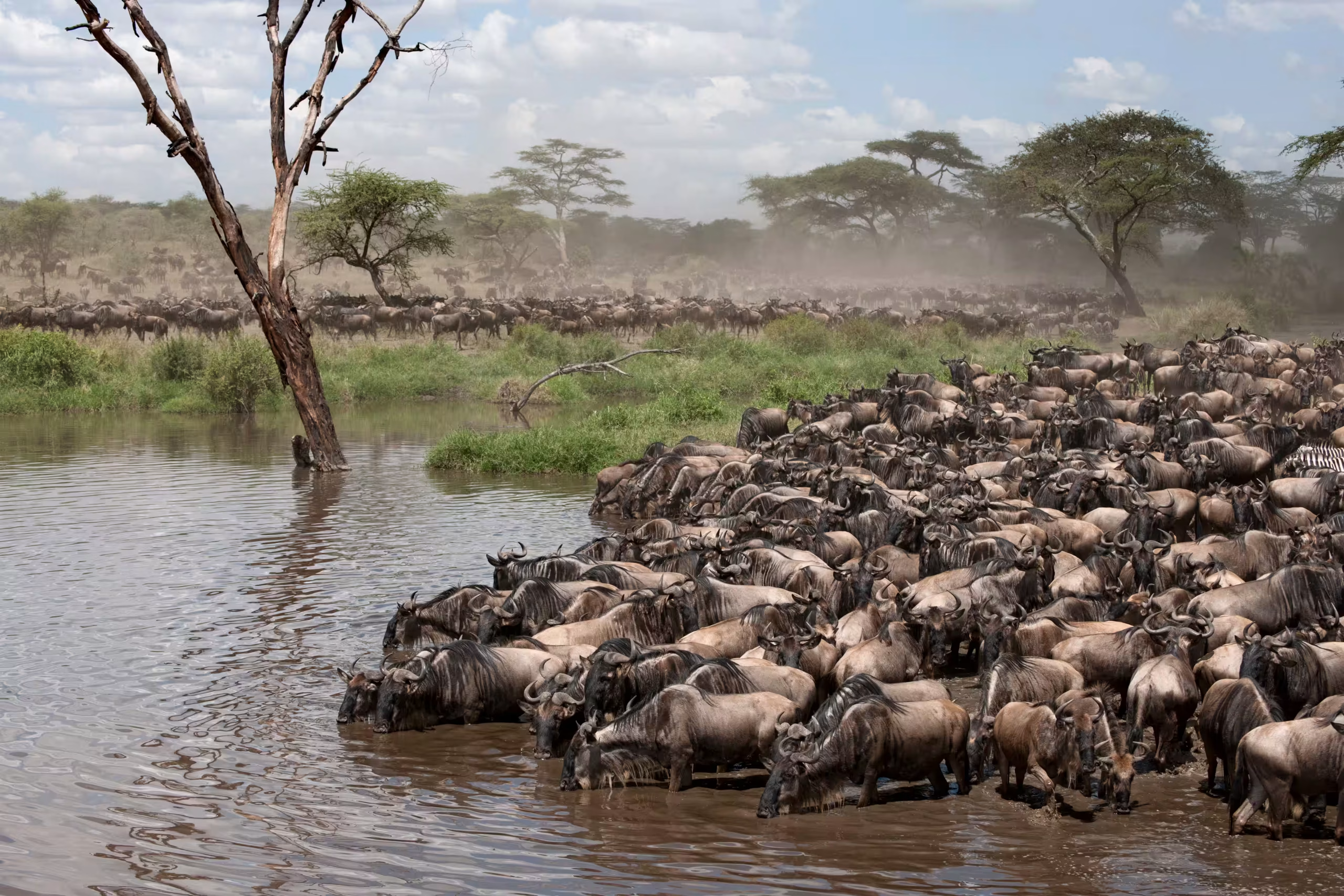
Beyond Arusha, Moshi is also a gateway to Tarangire National Park and the Ngorongoro Conservation Area. Tarangire is renowned for its large elephant herds and baobab trees, while Ngorongoro is home to the world’s largest intact caldera, teeming with wildlife. Day trips to these destinations offer a chance to witness the Great Migration and explore the unique landscapes of each park.
Safari Highlights:
- Tarangire National Park: Known for elephant herds and iconic baobabs
- Ngorongoro Conservation Area: The world’s largest intact caldera with diverse wildlife
These day trips from Moshi not only offer thrilling wildlife encounters but also contribute to the conservation efforts in these protected areas, supporting sustainable tourism practices.
Sustainable Tourism: Eco-Friendly Activities in Moshi
Our journey to Moshi reveals the power of eco-friendly activities in preserving the region’s natural beauty and cultural heritage. As we explore this Tanzanian gem, we find that sustainable tourism is not just a practice, but a way of life that benefits both the local community and the environment.
Community-Based Tourism Initiatives
We engage with community-based tourism initiatives that support local economies and promote cultural exchange. By participating in these programs, we contribute to the well-being of the Chagga people and gain a deeper understanding of their traditions and way of life.
Responsible Travel Practices
Our commitment to responsible travel practices ensures that our presence in Moshi supports local conservation efforts. We adopt environmentally friendly habits, respect local customs, and support eco-friendly tour operators to minimize our footprint.
| Eco-Friendly Activity | Benefits |
|---|---|
| Community-Based Tourism | Supports local economy, promotes cultural exchange |
| Responsible Travel Practices | Minimizes environmental impact, supports conservation |
| Eco-Tours | Promotes environmental awareness, supports eco-friendly businesses |
Practical Information for Visiting Moshi
As we prepare to embark on our journey to Moshi, it’s essential to gather practical information to make the most of our trip. Moshi, with its unique blend of natural beauty and cultural richness, offers a transformative experience for travelers.
Best Time to Visit and Weather Considerations
The best time to visit Moshi is during the dry seasons, from June to October and from December to March. These periods offer ideal conditions for climbing Mount Kilimanjaro and exploring the surrounding landscapes. The weather is generally mild, with temperatures ranging from 20°C to 28°C (68°F to 82°F) during the day.
Accommodation Options for Every Budget
Moshi offers a wide range of accommodation options to suit every budget. From luxury hotels to budget-friendly guesthouses and camping sites, travelers can choose based on their preferences. Some popular options include hotels with stunning views of Mount Kilimanjaro, providing a serene and picturesque environment.
Transportation Around Moshi and Safety Tips
Transportation in Moshi is relatively convenient, with options ranging from taxis to rental cars and shuttle services. For safety, it’s advisable to use reputable taxi services and be cautious when traveling at night. Additionally, respecting local customs and traditions will enhance your experience.
Language, Currency, and Cultural Etiquette
The local language in Moshi is Swahili, but English is widely spoken. The Tanzanian shilling is the local currency, although USD is often accepted. Cultural etiquette includes dressing modestly, especially when visiting local villages or religious sites, and respecting local customs and traditions.
| Aspect | Details |
|---|---|
| Best Time to Visit | June to October, December to March |
| Weather | Mild, 20°C to 28°C (68°F to 82°F) |
| Accommodation | Luxury hotels, guesthouses, camping sites |
| Transportation | Taxis, rental cars, shuttle services |
| Language | Swahili, English widely spoken |
| Currency | Tanzanian shilling, USD accepted |
“The journey of a thousand miles begins with a single step.” – Lao Tzu. As we prepare for our journey to Moshi, let’s take this ancient wisdom to heart and be mindful of the practical aspects that will make our trip truly unforgettable.
Conclusion: Why Moshi Will Capture Your Heart
As we conclude our journey through Moshi’s must-see attractions, it becomes clear why this charming town will forever hold a piece of your heart. With its unique blend of natural beauty, cultural depth, and adventure opportunities, Moshi offers a transformative experience that lingers long after you leave. We invite you to immerse yourself in the wonders of Moshi, to explore its hidden gems, and to let its charm captivate you.
In Moshi, Tanzania, the majestic presence of Mount Kilimanjaro sets the stage for unforgettable adventures, from conquering Africa’s highest peak to exploring the tranquil beauty of Lake Chala and the rejuvenating waters of Kikuletwa Hot Springs. The things to do in Moshi are as diverse as they are captivating, ensuring that every traveler finds their own path to an unforgettable experience.
As you plan your visit to Moshi, we encourage you to embrace the local culture, to savor the flavors of Tanzanian cuisine, and to support the sustainable tourism initiatives that preserve the natural beauty and cultural heritage of this incredible region. In Moshi, you will discover a place that not only showcases the best of Tanzania but also touches your heart in profound ways.
FAQ
What is the best time to visit Moshi, Tanzania?
The best time to visit Moshi is during the dry seasons, from June to October and from December to March, when the weather is dry and cool, making it ideal for outdoor activities and climbing Mount Kilimanjaro.
What are the must-try traditional Tanzanian dishes in Moshi?
Some must-try traditional Tanzanian dishes in Moshi include Ugali, a staple made from cornmeal, often served with vegetables, meat, or beans, and Nyama Choma, which is roasted meat, typically goat or beef, served with a side of vegetables and chapati.
How do I get to Lake Chala from Moshi?
To get to Lake Chala from Moshi, you can hire a private vehicle or take a guided tour that includes transportation. The journey typically takes around 2 hours, depending on the road conditions.
What are the accommodation options available in Moshi?
Moshi offers a range of accommodation options to suit every budget, from luxury hotels and lodges to budget-friendly guesthouses and hostels. Some popular options include hotels with views of Mount Kilimanjaro.
Can I climb Mount Kilimanjaro without prior experience?
While prior climbing experience is not necessary, it’s essential to be physically fit and prepared for the climb. Guided tours with experienced guides and porters are highly recommended to ensure a safe and successful ascent.
What is the significance of the Chagga people and their culture?
The Chagga people are an ethnic group native to the Kilimanjaro region, known for their rich cultural heritage and traditional practices. Visiting Chagga villages and learning about their customs and way of life is a valuable cultural experience.
Are there opportunities for wildlife viewing in Moshi?
Yes, Moshi is a great base for wildlife viewing, with nearby national parks like Arusha National Park, Tarangire National Park, and Ngorongoro Conservation Area offering opportunities to spot a variety of wildlife, including giraffes, elephants, and lions.
What are some eco-friendly activities to do in Moshi?
Moshi offers several eco-friendly activities, including community-based tourism initiatives, visits to local conservation projects, and sustainable coffee plantation tours, which support local communities and conservation efforts.
How can I support local conservation efforts in Moshi?
You can support local conservation efforts in Moshi by participating in eco-friendly activities, choosing responsible tour operators, and supporting local businesses and conservation projects.
What is the local currency used in Moshi, Tanzania?
The local currency used in Moshi, Tanzania, is the Tanzanian Shilling (TZS). While credit cards are accepted in some establishments, cash is still the preferred mode of payment.