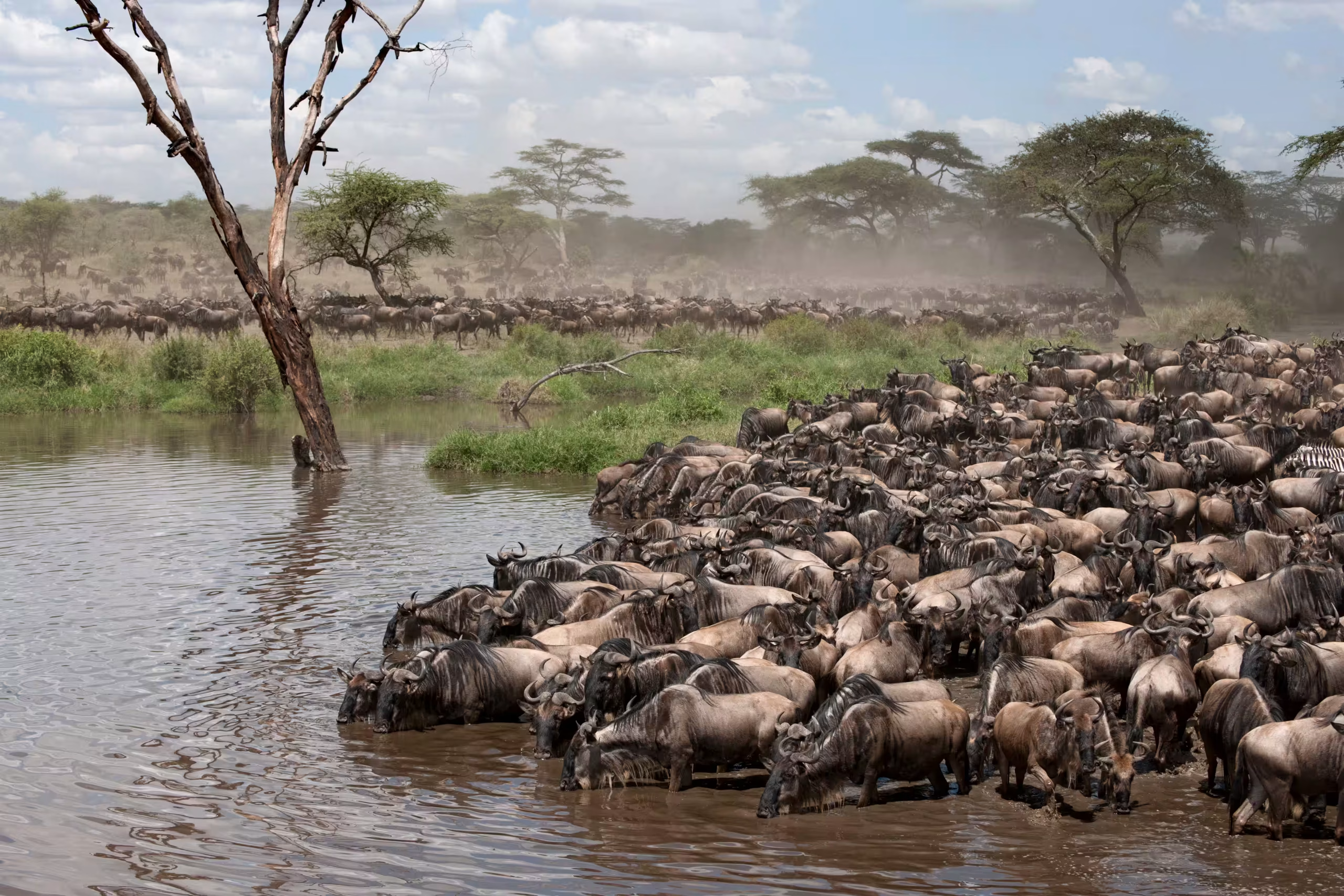
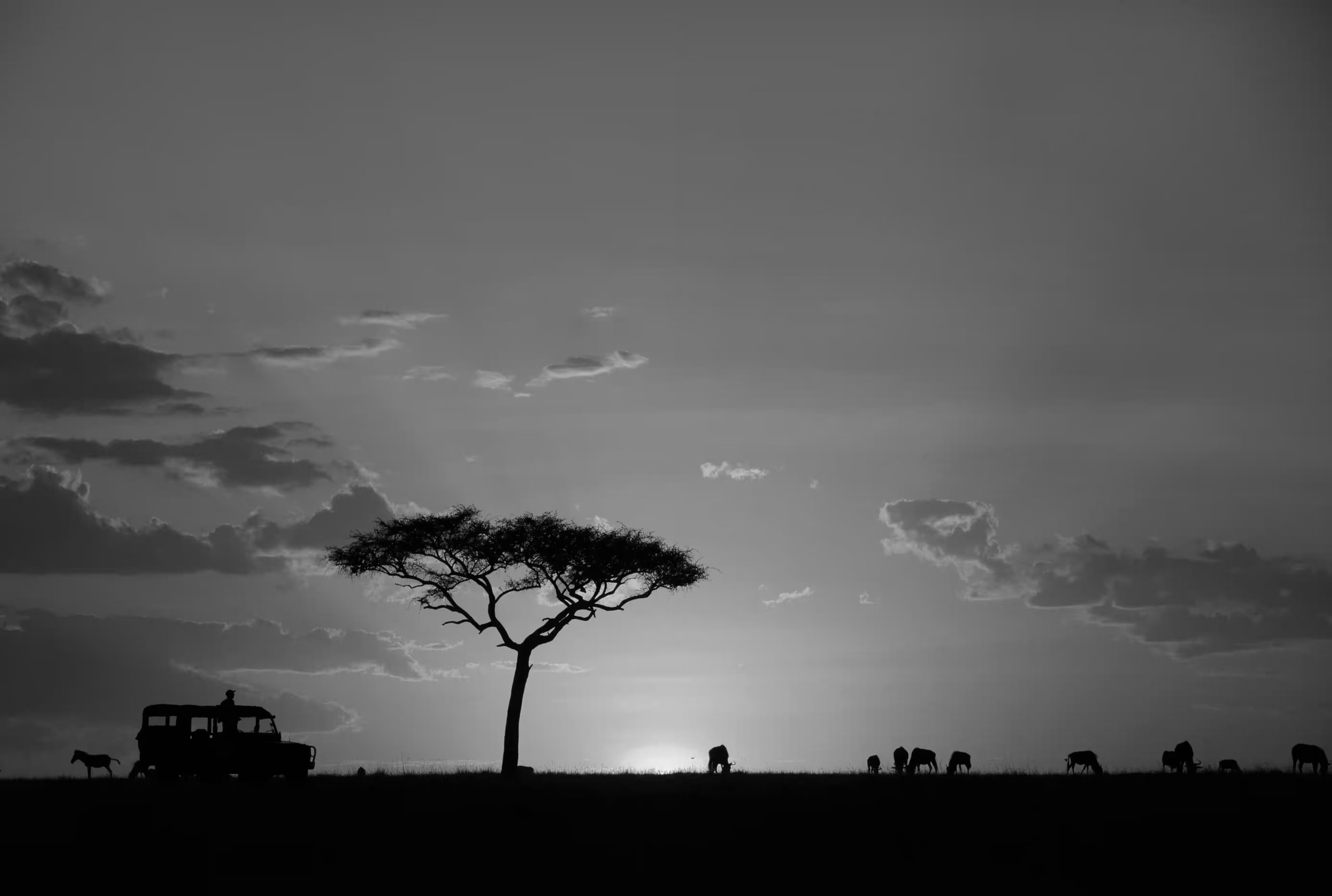

As we embark on this journey through Tanzania’s renowned wildlife reserves, we invite you to immerse yourself in the majesty of Africa’s most breathtaking landscapes. The vast plains of the Serengeti, the lush forests of Lake Manyara, and the majestic mountains of Ngorongoro Conservation Area await your presence.
We will guide you through the heart of African wildlife conservation efforts and the soul-stirring experiences that await you in these incredible ecosystems. With a Tanzania safari, you will witness the raw beauty of nature, where the modern world meets the ancient wilderness.
Key Takeaways
- Explore the diverse landscapes of Tanzania’s wildlife reserves
- Experience the majesty of African wildlife in its natural habitat
- Discover the conservation efforts that protect these incredible ecosystems
- Embark on a transformative journey through Tanzania’s renowned game parks
- Witness the raw beauty of nature on a Tanzania safari
The Wild Heart of Africa: Tanzania’s Safari Legacy
As we venture into the heart of Africa, Tanzania’s safari legacy unfolds like a timeless tale of wilderness and wonder. We are drawn into a world where the rhythms of nature still govern the land, and the majesty of untamed Africa is on full display.
A Land of Unparalleled Biodiversity
Tanzania’s game parks are a testament to the country’s commitment to conservation, boasting some of the most diverse and thriving ecosystems on the continent. From the Serengeti’s endless plains to the Ngorongoro Crater’s unique caldera, each park offers a distinct window into East Africa’s rich wildlife heritage. The conservation efforts in Tanzania have not only preserved these natural wonders but have also created habitats for an astonishing array of flora and fauna.
The Evolution of Conservation in East Africa
The story of conservation in Tanzania is one of dedication and perseverance. Over the years, the country has developed a robust framework for protecting its natural resources, balancing the needs of local communities with the imperative of preserving wildlife. This evolution has been marked by significant milestones, including the establishment of national parks and game reserves that are now cornerstones of East Africa’s conservation landscape.

| Conservation Effort | Year Established | Key Features |
|---|---|---|
| Serengeti National Park | 1959 | Endless plains, Great Migration |
| Ngorongoro Conservation Area | 1959 | Largest intact caldera, diverse wildlife |
| Tarangire National Park | 1970 | Large elephant population, ancient baobab trees |
Through these conservation efforts, Tanzania continues to protect its natural heritage, ensuring that its game parks remain vibrant and full of life for generations to come.
Game Parks in Tanzania: A Complete Overview
As we explore Tanzania’s game parks, we uncover a world of unparalleled biodiversity and conservation efforts. Tanzania is home to a diverse array of game parks, each with its own unique character and attractions.
Northern Circuit vs Southern Circuit
Tanzania’s game parks are broadly categorized into the Northern and Southern Circuits, each offering distinct safari experiences. The Northern Circuit, which includes the Serengeti and Ngorongoro Crater, is renowned for its high concentration of wildlife and the Great Migration. In contrast, the Southern Circuit, comprising parks like Ruaha and Selous, offers a more remote and less crowded safari experience, with diverse landscapes and a rich variety of wildlife.
The choice between the Northern and Southern Circuits depends on what you’re looking for in a safari experience. While the Northern Circuit is more popular and offers world-class wildlife viewing, the Southern Circuit provides an opportunity to explore Tanzania’s lesser-known wilderness areas.
UNESCO World Heritage Sites
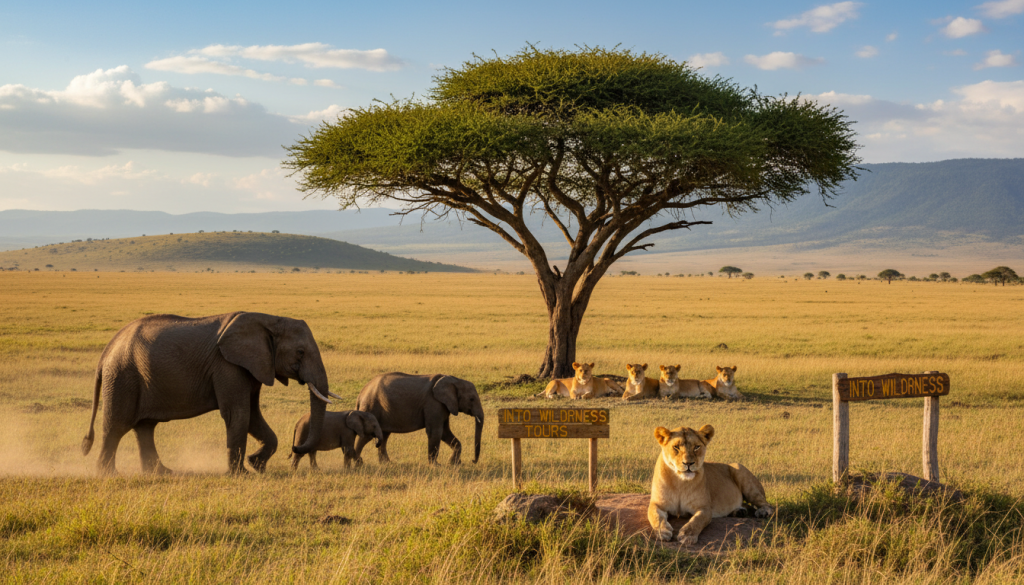
Tanzania is home to several UNESCO World Heritage Sites, including the Serengeti National Park and the Ngorongoro Conservation Area. These sites are recognized for their outstanding natural beauty and biodiversity. The Serengeti, with its vast plains and abundant wildlife, is one of Africa’s most iconic game reserves. The Ngorongoro Conservation Area, featuring the world’s largest intact caldera, is a unique geological and ecological wonder.
Visiting these UNESCO World Heritage Sites offers a chance to experience some of the most remarkable natural landscapes on Earth.
Lesser-Known Gems Worth Exploring
Beyond the famous parks, Tanzania has several lesser-known game reserves that are worth exploring. Katavi National Park, for example, is known for its remote wilderness and abundant wildlife, including large populations of crocodiles and hippos. Lake Manyara National Park is another hidden gem, famous for its tree-climbing lions and diverse birdlife.
Exploring these lesser-known parks can provide a more intimate and authentic safari experience, away from the crowds.
- Katavi National Park: Known for its remote wilderness and abundant wildlife.
- Lake Manyara National Park: Famous for its tree-climbing lions and diverse birdlife.
- Ruaha National Park: Offers a diverse range of wildlife and landscapes.
In conclusion, Tanzania’s game parks offer a diverse range of safari experiences, from the world-renowned Serengeti and Ngorongoro Crater to lesser-known gems like Katavi and Lake Manyara. By exploring both the Northern and Southern Circuits, visitors can experience the full breadth of Tanzania’s natural beauty and biodiversity.
The Serengeti: Witness the Great Migration
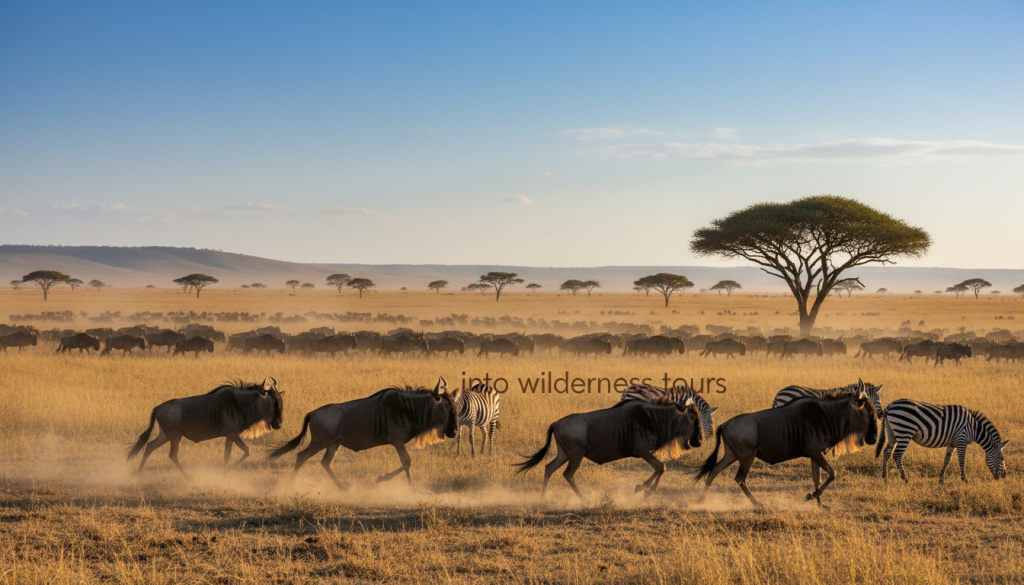
In the vast expanse of the Serengeti, a timeless drama unfolds: the Great Migration, a spectacle that captivates the hearts of all who witness it. This is not just a movement of animals; it’s a complex dance between life and death, survival and extinction, all playing out on a grand stage.
Understanding the Migration Cycle
The Great Migration is a cyclical event, driven by the search for greener pastures. It involves over a million wildebeest, accompanied by zebras and gazelles, making their way across the Serengeti in a never-ending quest for survival. This cycle is influenced by seasonal rainfall patterns, with the herds moving towards areas where rain has recently fallen.
Key stages of the migration cycle include:
- The birth season in the southern Serengeti, typically from January to March.
- The gradual movement northwards as the dry season approaches, usually from April to June.
- The crossing of the Grumeti River, a dramatic event often occurring in July or August.
- The presence in the northern Serengeti, particularly around the Mara River, from July to October.
- The return journey south, starting around November.
Best Viewing Points and Seasons
The best time to witness the Great Migration depends on what you’re hoping to see. For the river crossings, July to August is ideal, while the calving season in January and February offers a different kind of drama. Key viewing areas include the Kogatende area for the Mara River crossings and the Seronera region for general migration viewing.
Beyond the Migration: Year-round Wildlife
While the Great Migration is a highlight, the Serengeti is home to an incredible array of wildlife year-round. From the big cats like lions and leopards, to elephants and hyenas, there’s always something to see. The Serengeti’s diverse landscapes, from grasslands to woodlands, support a rich ecosystem that’s teeming with life.
Some of the year-round residents include:
- Lions, often seen lazing in the shade or hunting in groups.
- Leopards, more elusive but frequently spotted in the trees.
- Elephants, majestic and awe-inspiring as they roam the landscape.
Ngorongoro Crater: Nature’s Perfect Sanctuary
The Ngorongoro Crater, a marvel of geological history, is a sanctuary teeming with life. This vast, intact caldera is one of Africa’s most remarkable natural wonders, providing a unique habitat for a diverse array of wildlife.

The World’s Largest Intact Caldera
The Ngorongoro Crater is the largest intact caldera in the world, a testament to the region’s volcanic past. This enormous crater, formed millions of years ago, spans over 260 square kilometers and is home to a variety of habitats, from grasslands to forests and lakes.
The Big Five in One Location
One of the crater’s most remarkable features is its ability to support the Big Five – lion, leopard, rhinoceros, elephant, and Cape buffalo – within its boundaries. This concentration of iconic African wildlife in a single location is unparalleled, making the Ngorongoro Crater a premier destination for wildlife enthusiasts.
Balancing Tourism and Conservation
As tourism continues to grow in the region, balancing the needs of visitors with the imperative of conservation is crucial. Efforts are being made to ensure that tourism supports the local ecosystem and communities, rather than detracting from them. By adopting sustainable tourism practices, we can preserve the natural beauty and biodiversity of the Ngorongoro Crater for future generations.
Through responsible tourism and conservation efforts, we can continue to protect this incredible ecosystem, ensuring that the Ngorongoro Crater remains a vibrant sanctuary for wildlife and a source of wonder for all who visit.
Tarangire National Park: Land of Giants
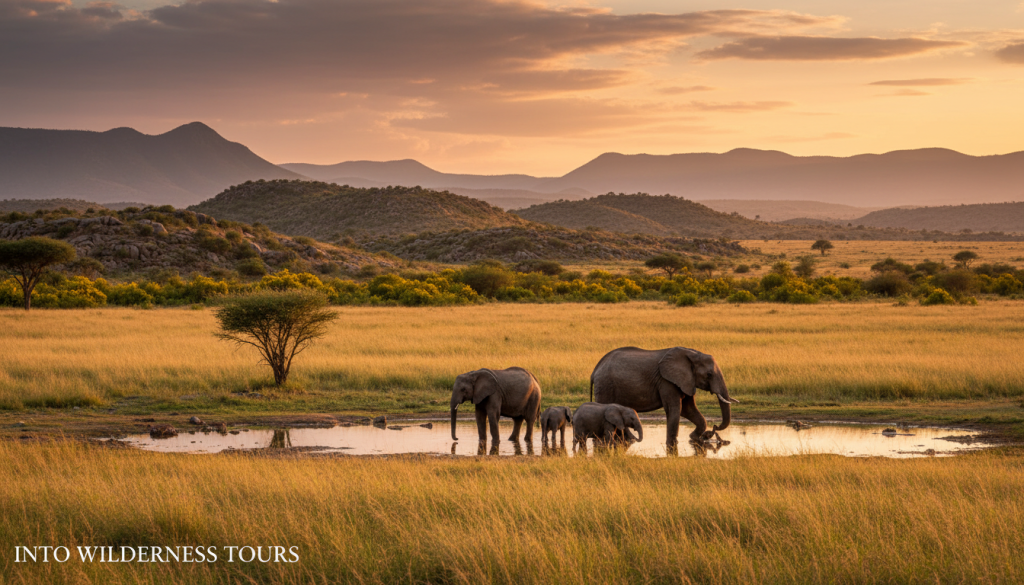
As we venture into Tarangire National Park, we’re met with the awe-inspiring sight of elephants in their natural habitat. This remarkable reserve is home to Tanzania’s largest elephant population, with these gentle giants roaming freely across the landscape.
Tanzania’s Largest Elephant Population
Tarangire is renowned for its significant elephant population. The park’s diverse habitats, from riverine forests to open savannas, provide an ideal environment for these majestic creatures. Conservation efforts have been crucial in maintaining the stability of this population, ensuring that Tarangire remains a safe haven for these animals.
Ancient Baobab Trees and Unique Landscapes
The park’s landscape is dotted with ancient baobab trees, some of which are believed to be over 1,000 years old. These natural giants, along with the park’s diverse topography, create a unique and breathtaking environment. The contrast between the lush riverine areas and the dry savannas adds to the visual splendor of Tarangire.
Seasonal Wildlife Patterns
Tarangire’s wildlife patterns are influenced by the seasonal changes. During the dry season, the park’s water sources become a focal point for a variety of animals, including the elephants. Wildlife viewing is particularly rewarding during this time as animals congregate around the remaining waterholes, creating a dynamic and vibrant ecosystem.
The seasonal patterns also affect the migratory movements within the park. Understanding these patterns can enhance the visitor experience, allowing for better planning and a more immersive safari experience.
Lake Manyara: Tree-Climbing Lions and Flamingo Flocks
Nestled between the Rift Valley escarpment and the sparkling Lake Manyara, lies a realm of wonder and mystery. This compact national park is a treasure trove of diverse ecosystems, hosting an astonishing array of wildlife and vegetation.
The Mysterious Tree-Climbing Lions
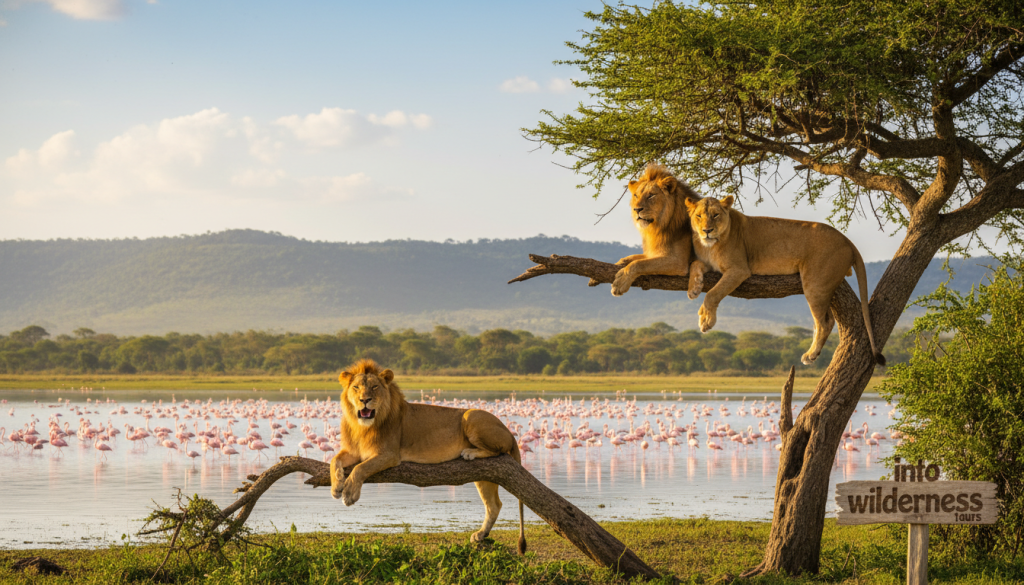
Lake Manyara is renowned for its tree-climbing lions, a rare and fascinating behavior observed in few other places worldwide. These majestic creatures laze in the branches of acacia trees, offering a unique spectacle for visitors.
Birdwatching Paradise
The park is a haven for bird enthusiasts, with over 400 species recorded. From the pink hues of flamingos to the majestic fish eagles, Lake Manyara’s avian diversity is a true marvel. The alkaline lake and surrounding wetlands provide a perfect habitat for both waterbirds and forest dwellers.
Groundwater Forest Ecosystem
A significant portion of Lake Manyara is covered by a groundwater forest, a lush and verdant oasis sustained by underground water sources. This unique ecosystem supports a wide range of flora and fauna, adding to the park’s remarkable biodiversity.
| Ecosystem | Key Features | Notable Wildlife |
|---|---|---|
| Groundwater Forest | Lush vegetation, underground water sources | Tree-climbing lions, bushbucks |
| Alkaline Lake | Shallow waters, high pH levels | Flamingos, pelicans |
| Rift Valley Escarpment | Dramatic cliffs, diverse vegetation | Baboons, klipspringers |
Ruaha and Katavi: Tanzania’s Wild Frontiers
Beyond the well-trodden paths of Tanzania’s famous game parks lie the rugged and remote Ruaha and Katavi reserves, offering a true wilderness experience for the adventurous traveler. As we venture into these uncharted territories, we are met with landscapes that are as unforgiving as they are beautiful.
Remote Wilderness Experiences
Ruaha National Park, with its vast expanses of untouched wilderness, provides a remote and rugged safari experience. The park’s diverse landscapes, from the Great Ruaha River to the rugged inselbergs, create a haven for a wide variety of wildlife. Similarly, Katavi National Park, located in the west, offers an off-the-beaten-path adventure through its marshlands and forests.
Unique Wildlife Viewing Opportunities
Both Ruaha and Katavi are renowned for their unique wildlife viewing opportunities. Ruaha is home to large populations of elephants, lions, and leopards, while Katavi is known for its crocodiles and hippos. The diversity of wildlife in these parks is a testament to Tanzania’s rich biodiversity.
| Park | Key Wildlife | Best Time to Visit |
|---|---|---|
| Ruaha National Park | Elephants, Lions, Leopards | Dry season (June to October) |
| Katavi National Park | Crocodiles, Hippos, Buffaloes | Dry season (May to October) |
Off-the-Beaten-Path Safari Adventures
For those seeking an authentic safari experience, Ruaha and Katavi offer off-the-beaten-path adventures. Walking safaris and night game drives provide a unique perspective on the African wilderness, allowing visitors to immerse themselves in the sights and sounds of the wild.
As we explore these incredible parks, we are reminded of the importance of preserving Tanzania’s natural heritage. Ruaha and Katavi National Parks are not just destinations; they are gateways to understanding and appreciating the wild heart of Africa.
Selous Game Reserve: Africa’s Largest Protected Area
In the realm of African wildlife reserves, the Selous Game Reserve is a behemoth, offering experiences that are as diverse as they are exhilarating. As we explore this vast and diverse ecosystem, we uncover the layers that make it a unique destination for wildlife enthusiasts and conservationists alike.
Boat Safaris on the Rufiji River
The Rufiji River, which winds its way through the Selous Game Reserve, offers a lifeline to the diverse wildlife that calls this reserve home. Boat safaris along this river provide a tranquil yet exhilarating experience, allowing visitors to witness hippos, crocodiles, and a myriad of bird species in their natural habitat. As we glide along the river, the sounds of the African wilderness envelop us, creating an immersive experience that is both calming and thrilling.

Walking Safaris and Tracking Experiences
For those seeking a more intimate connection with nature, walking safaris offer an unparalleled opportunity to explore the bush on foot, guided by experienced rangers. These excursions not only provide a chance to track wildlife but also to learn about the intricate ecosystem of the Selous Game Reserve. The experience of walking through the African bush, surrounded by the sights and sounds of nature, is both humbling and exhilarating.
The Nyerere National Park Transition
In a significant move to enhance conservation efforts, a portion of the Selous Game Reserve was renamed Nyerere National Park. This transition marks a new chapter in the protection and management of this vast ecosystem. The implications of this change are multifaceted, with potential benefits for both wildlife and tourism. As we examine this development, we consider the potential impacts on the reserve’s ecosystem and the visitor experience.
| Activity | Description | Best Time |
|---|---|---|
| Boat Safaris | Explore the Rufiji River and its wildlife | Dry season |
| Walking Safaris | Track wildlife on foot with experienced guides | Early morning or late afternoon |
Planning Your Tanzania Safari: Practical Guide
Tanzania’s vast wilderness and diverse wildlife call for careful planning to ensure a safari experience that’s both exhilarating and enriching. As we guide you through the process, we’ll cover essential aspects to make your journey unforgettable.
Best Times to Visit Different Parks
Tanzania’s game parks are accessible year-round, but the best time to visit depends on what you want to see. The dry season, from June to October, is ideal for spotting wildlife as they congregate around water sources.
The Great Migration, a spectacle like no other, typically occurs between July and August in the Serengeti. For those interested in witnessing the newborn animals, January to March is the best time.
Safari Types and Tour Options
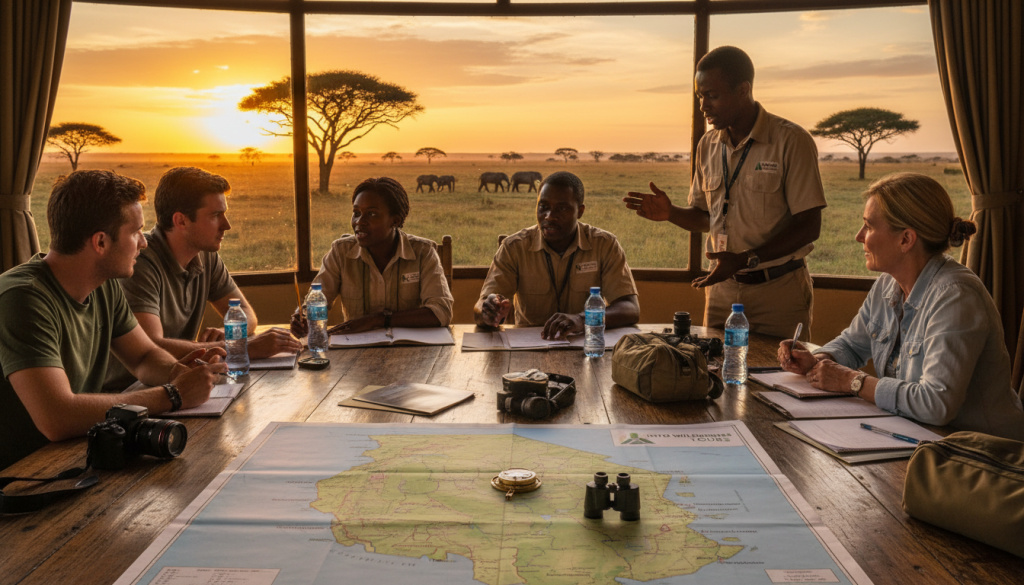
From classic game drives to walking safaris and boat tours, Tanzania offers a variety of safari experiences. The choice depends on your interests, physical abilities, and the kind of wildlife encounters you prefer.
- Game drives are the most common way to explore Tanzania’s parks, offering the chance to spot the Big Five and more.
- Walking safaris provide an intimate experience with nature, guided by experienced rangers.
- Boat safaris on lakes and rivers offer a unique perspective on wildlife viewing.
Travel Logistics for American Visitors
For American travelers, planning a Tanzania safari involves several logistical considerations, including visa requirements, vaccinations, and travel insurance.
Budgeting for Your Tanzania Adventure
Budgeting for a Tanzania safari requires considering various costs, including tour packages, flights, and additional activities.
| Expense | Low-End Estimate | High-End Estimate |
|---|---|---|
| Tour Package | $2,000 | $5,000 |
| Flights | $1,000 | $2,500 |
| Additional Activities | $500 | $1,000 |
| Total | $3,500 | $8,500 |
Wildlife Encounters: What to Expect
Embarking on a safari in Tanzania’s game parks is like stepping into a world where the boundaries between humans and wildlife dissolve. As we journey through these vast wilderness areas, we’re not just observers; we’re participants in an ancient dance between humans, nature, and wildlife.

The Big Five and Beyond
Tanzania’s game parks are renowned for the Big Five: lion, leopard, rhinoceros, elephant, and Cape buffalo. However, the wildlife spectacle extends far beyond these iconic creatures. We have the chance to witness:
- The majestic giraffes roaming the open plains
- The elusive cheetahs, the fastest land animal on Earth
- The vibrant birdlife, with over 1,000 species recorded
- The hippos and crocodiles inhabiting the rivers and lakes
Rare and Endangered Species
Tanzania is home to several rare and endangered species, including the African wild dog, the black rhinoceros, and the chimpanzee. Conservation efforts are in place to protect these species and their habitats, and visitors can play a crucial role by supporting eco-friendly tour operators and respecting wildlife viewing guidelines.
Ethical Wildlife Viewing Practices
As we enjoy the thrill of wildlife encounters, it’s essential to maintain a responsible and respectful distance. This not only ensures our safety but also protects the animals and their habitats. Key practices include:
- Keeping a safe distance from wildlife
- Avoiding direct eye contact or sudden movements
- Not feeding or touching wildlife
- Following guide instructions at all times
By embracing these practices, we contribute to the conservation of Tanzania’s precious wildlife and their habitats, ensuring that future generations can continue to marvel at the beauty of African wildlife.
Cultural Immersion: Connecting with Local Communities
The journey through Tanzania’s game parks is not just about witnessing the majesty of nature, but also about connecting with the local communities that call this land home. As we explore the vast and varied landscapes, we have the opportunity to engage with the rich cultural heritage of Tanzania’s indigenous peoples.
One of the most significant cultural experiences is visiting the Maasai villages, where we can learn about traditional ways of life that have been preserved for generations. Here, we can witness the intricate beadwork, vibrant dances, and unique customs that define the Maasai identity. This cultural exchange not only enriches our understanding of these communities but also supports their economic well-being through community-based tourism initiatives.
Maasai Villages and Cultural Experiences
Visiting Maasai villages offers a glimpse into a world where tradition and modernity coexist. We can participate in:
- Traditional Maasai dances and ceremonies
- Craft workshops, such as beadwork and woodcarvings
- Guided tours of Maasai homesteads
These experiences foster a deeper appreciation for the Maasai culture and their harmonious relationship with the natural environment.
Supporting Community-Based Tourism
By engaging in community-based tourism, we directly contribute to the economic empowerment of local communities. This approach ensures that the benefits of tourism are shared equitably among the stakeholders, promoting sustainable development and conservation.
Some of the ways we can support community-based tourism include:
- Staying in community-owned lodges and campsites
- Participating in guided tours led by local guides
- Purchasing local handicrafts and products
Traditional Knowledge and Conservation
The traditional knowledge of local communities plays a vital role in conservation efforts. Indigenous practices often align with modern conservation principles, offering valuable insights into sustainable land management and wildlife protection.
By embracing cultural immersion, we not only enrich our travel experience but also contribute to the preservation of Tanzania’s cultural and natural heritage. This holistic approach to tourism fosters a deeper connection between visitors and the local communities, promoting mutual understanding and respect.
Conservation and Responsible Tourism in Tanzania
The future of Tanzania’s incredible biodiversity hinges on our ability to balance tourism with conservation. As we explore the majestic game parks of this East African nation, it becomes clear that the path forward involves not just observing wildlife, but actively participating in its preservation.
Current Conservation Challenges
Tanzania’s game parks face numerous conservation challenges, from habitat loss to human-wildlife conflict. The increasing human population and agricultural expansion have led to fragmented habitats, making it difficult for wildlife to migrate freely.
Poaching remains another significant threat, with certain species being targeted for their valuable body parts. Climate change also plays a role, altering ecosystems and affecting the distribution of wildlife.
How Tourists Can Make a Positive Impact
Tourists have a unique opportunity to contribute positively to conservation efforts. By choosing eco-friendly tour operators, visitors can ensure that their safari experience supports local communities and conservation initiatives.
Engaging in responsible tourism practices, such as keeping a safe distance from wildlife and not littering, also helps minimize the negative impact on the environment.
Sustainable Safari Practices
Sustainable safari practices are crucial for the long-term health of Tanzania’s ecosystems. This includes using solar-powered camps, reducing water waste, and supporting local guides who have intimate knowledge of the land and its wildlife.
| Sustainable Practice | Impact |
|---|---|
| Using eco-friendly accommodations | Reduces carbon footprint |
| Supporting local guides | Promotes community-based tourism |
| Minimizing waste | Preserves natural beauty |
By embracing these practices, we not only enhance our safari experience but also contribute to the preservation of Tanzania’s natural heritage for future generations.
Conclusion: The Transformative Power of Tanzania’s Wilderness
As we conclude our journey through Tanzania’s majestic game parks, we reflect on the profound impact of Tanzania’s wilderness on our lives. The transformative power of these incredible ecosystems is undeniable, inspiring a deep reverence for the natural world and a commitment to conservation.
Through our exploration of the Serengeti, Ngorongoro, Tarangire, and other reserves, we’ve witnessed the incredible biodiversity that makes Tanzania a unique destination. We’ve seen how these ecosystems can educate, transform, and inspire us, fostering a deeper connection with nature and local communities.
As guardians of this incredible heritage, we remain dedicated to promoting responsible tourism practices and supporting conservation efforts. By doing so, we ensure that Tanzania’s wilderness continues to thrive, remaining a source of wonder and inspiration for generations to come. The future of conservation in Tanzania’s wilderness is a collective responsibility, one that we embrace with passion and dedication.
FAQ
What is the best time to visit Tanzania’s game parks?
The best time to visit Tanzania’s game parks depends on the specific park and the time of year. Generally, the dry season (June to October) is considered the best time for wildlife viewing, as animals congregate around water sources. However, the green season (November to May) can be a great time to see the Great Migration and newborn animals.
What is the Great Migration, and when can I see it?
The Great Migration is one of the most spectacular wildlife events in the world, where millions of wildebeest, zebras, and gazelles migrate between Tanzania’s Serengeti National Park and Kenya’s Maasai Mara National Reserve. The migration typically takes place between December and July, with the exact timing varying depending on the year and weather conditions.
What is the difference between a safari and a game drive?
A safari is a journey or expedition to observe and experience wildlife in their natural habitat, often involving a range of activities such as game drives, walking safaris, and boat safaris. A game drive, on the other hand, is a specific activity where visitors drive through a game park or reserve to observe wildlife.
Are Tanzania’s game parks safe for tourists?
Tanzania’s game parks are generally considered safe for tourists, with many parks having a strong presence of guides, rangers, and security personnel. However, visitors should always follow park rules and guidelines, stay within designated areas, and be aware of their surroundings to minimize risks.
Can I see the Big Five in Tanzania’s game parks?
Yes, many of Tanzania’s game parks are home to the Big Five: lion, leopard, rhinoceros, elephant, and Cape buffalo. The Serengeti, Ngorongoro Crater, and Tarangire National Park are all known for their high concentrations of these iconic species.
What is the significance of the Ngorongoro Crater?
The Ngorongoro Crater is the world’s largest intact caldera, providing a unique and diverse ecosystem that supports a wide range of wildlife. The crater is also home to a rich cultural heritage, with evidence of human habitation dating back millions of years.
How can I support conservation efforts in Tanzania’s game parks?
Visitors can support conservation efforts by choosing responsible tour operators, respecting park rules and regulations, and supporting local communities through community-based tourism initiatives. Additionally, visitors can contribute to conservation organizations and support anti-poaching efforts.
What is the best way to experience Tanzania’s cultural heritage?
Visitors can experience Tanzania’s cultural heritage by visiting local communities, such as Maasai villages, and participating in cultural activities and tours. This can help promote cross-cultural understanding and support local economies.
Can I combine a safari with other activities, such as trekking or beach relaxation?
Yes, many tour operators offer packages that combine safaris with other activities, such as trekking, climbing, or beach relaxation. Visitors can tailor their itinerary to suit their interests and preferences.
What are the visa requirements for visiting Tanzania?
Visitors to Tanzania should check with the Tanzanian embassy or consulate in their home country to determine the visa requirements and application process. Some nationalities may be eligible for a visa on arrival, while others may need to apply in advance.
What vaccinations are required for travel to Tanzania?
Visitors to Tanzania should consult their healthcare provider or a travel clinic to determine the necessary vaccinations and medications. Typically, vaccinations against yellow fever, hepatitis A, and typhoid are recommended.