

As we invite you to experience the ultimate Tanzania safari, we share with you the wild heart of Africa, where ancient landscapes and majestic wildlife await. Our transformative journeys are designed to awaken your senses and inspire profound personal transformation.
At Into Wilderness Tours, we craft wildlife adventures that reveal the soul of Tanzania. With our local expertise and passion for conservation, we bridge the modern world with the ancient wilderness, creating unforgettable experiences.
Key Takeaways
- Customized safari itineraries tailored to your interests and priorities
- Expert guides with in-depth knowledge of Tanzanian wildlife and landscapes
- Immersive cultural experiences with local communities
- Responsible tourism practices that support conservation efforts
- Unparalleled access to Tanzania’s most breathtaking natural wonders
The Allure of Tanzania’s Wilderness
Tanzania’s wilderness beckons with a primal allure, drawing us into a world where nature’s splendor knows no bounds. As we venture into this vast and varied landscape, we’re met with a tapestry of ecosystems that are as diverse as they are breathtaking.
A Land of Spectacular Diversity
Tanzania’s wilderness is a land of spectacular diversity, where the savannahs, forests, and mountains converge to create a unique mosaic of habitats. From the serene beauty of Lake Manyara to the rugged grandeur of the Rift Valley, each region offers a distinct flavor of African wilderness.
Wildlife Encounters That Change Perspectives
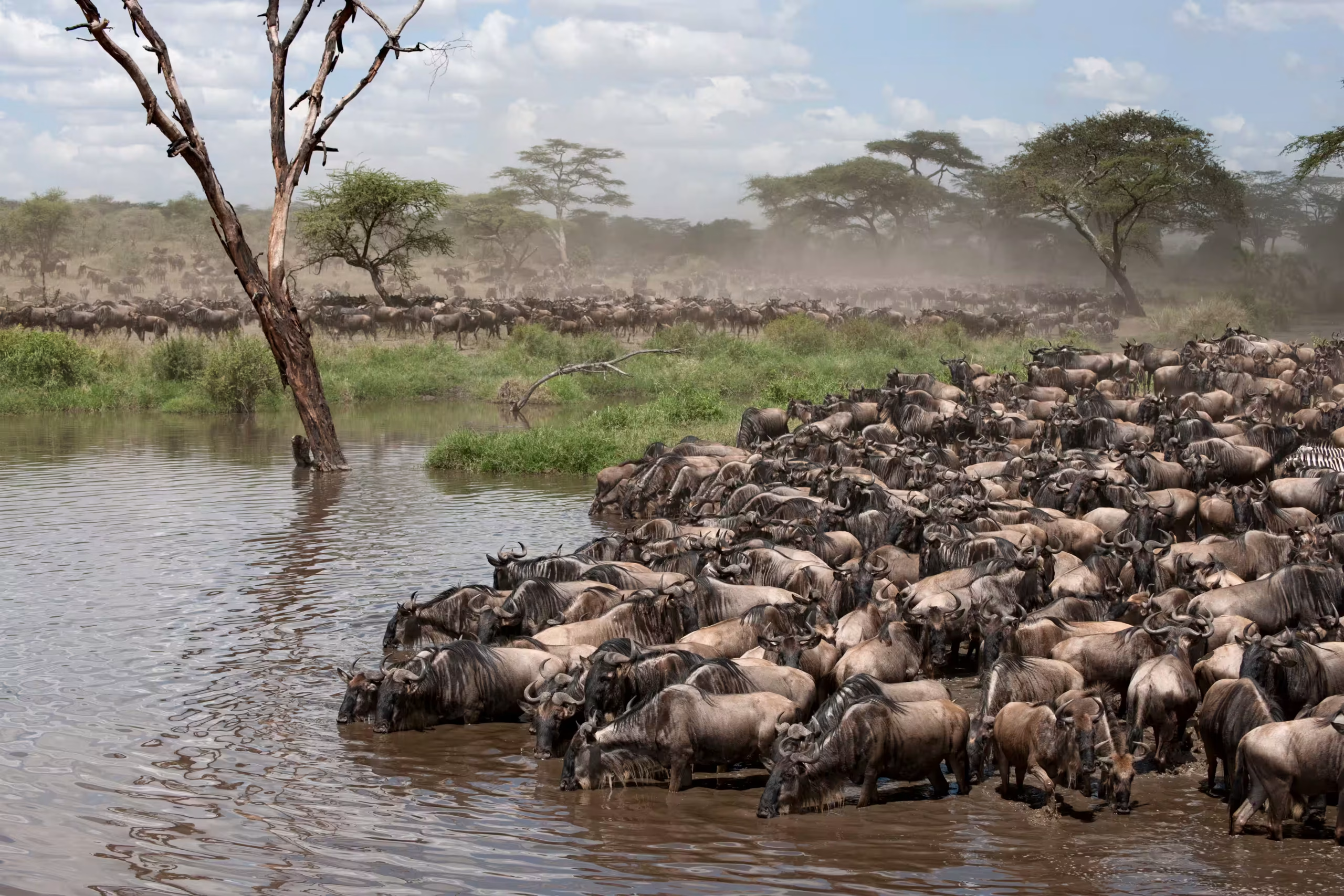
Our encounters with Tanzania’s wildlife are more than just sightings; they’re transformative experiences that challenge our perspectives and deepen our connection with nature. Whether it’s witnessing the Great Migration or observing the majestic lions lazing in the shade, each moment in the wild leaves an indelible mark on our soul.
These experiences not only enrich our understanding of the natural world but also inspire a deeper appreciation for the intricate web of life that sustains our planet.
Why a Vacation in Tanzania Transforms More Than Your Photo Album
A vacation in Tanzania is a journey of transformation, touching hearts and reshaping perspectives in ways that linger long after the trip is over. As we immerse ourselves in the vast wilderness and rich cultural heritage of this incredible country, we begin to experience a deeper connection to the natural world and its inhabitants.
Beyond Tourism: The Spiritual Connection to Nature
Tanzania’s landscapes are not just visually stunning; they hold a spiritual significance that resonates deeply with travelers. The Serengeti’s endless plains, the Ngorongoro Crater’s primordial landscape, and the majestic Mount Kilimanjaro all contribute to a sense of awe and wonder that fosters a spiritual connection to nature. This connection is not just about appreciating beauty; it’s about feeling a profound sense of belonging to the earth and its rhythms.
Cultural Immersion That Reshapes Worldviews
Cultural immersion is a key aspect of a transformative vacation in Tanzania. Engaging with local communities, such as the Maasai, offers insights into traditional ways of life that are both enlightening and challenging to our modern perspectives. Through this immersion, we gain a new appreciation for the resilience, wisdom, and hospitality of Tanzanian cultures, reshaping our worldviews and enriching our understanding of what it means to live in harmony with nature and each other.
| Aspects of Tanzanian Culture | Impact on Travelers |
|---|---|
| Traditional Maasai Dances | Cultural appreciation and understanding |
| Local Cuisine | New culinary experiences |
| Community Engagement | Meaningful connections and memories |
As we reflect on our experiences in Tanzania, it becomes clear that the transformation we undergo is not just about the places we visit, but about the connections we make and the insights we gain along the way.
The Serengeti: Witnessing the Circle of Life
In the heart of Tanzania lies the Serengeti, a land where the rhythms of nature unfold with breathtaking beauty. This vast expanse of savannah is more than just a wildlife reserve; it’s a living, breathing entity that pulses with life. As we step into this incredible ecosystem, we’re immediately immersed in a world where the cycle of life and death plays out before our eyes.
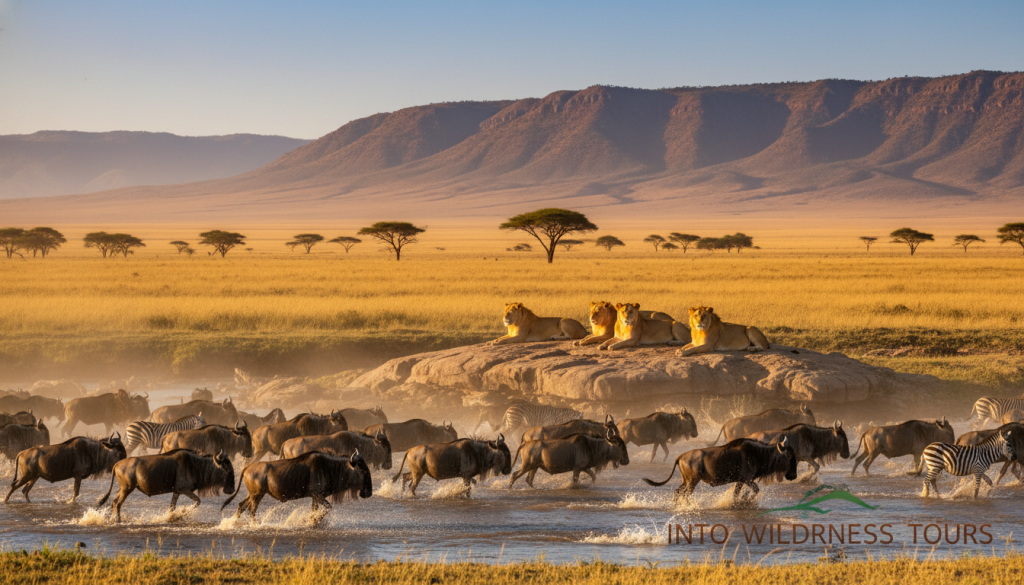
The Great Migration: Nature’s Most Spectacular Show
The Serengeti is renowned for the Great Migration, a spectacle that draws visitors from around the globe. Over a million wildebeest, accompanied by zebras and gazelles, embark on a journey across the plains in search of greener pastures. This migration is a testament to nature’s resilience and adaptability. As we witness this phenomenon, we’re struck by the sheer scale and beauty of this natural event.
Predator and Prey: Lessons in Balance and Survival
The Serengeti is also a realm where the delicate balance between predator and prey is on full display. From the stealthy lioness stalking her unsuspecting prey to the swift cheetah chasing down a unsuspecting antelope, we witness the eternal dance between life and death. This intricate web of relationships teaches us valuable lessons about the interconnectedness of all living beings and the importance of balance in nature.
Dawn and Dusk Game Drives
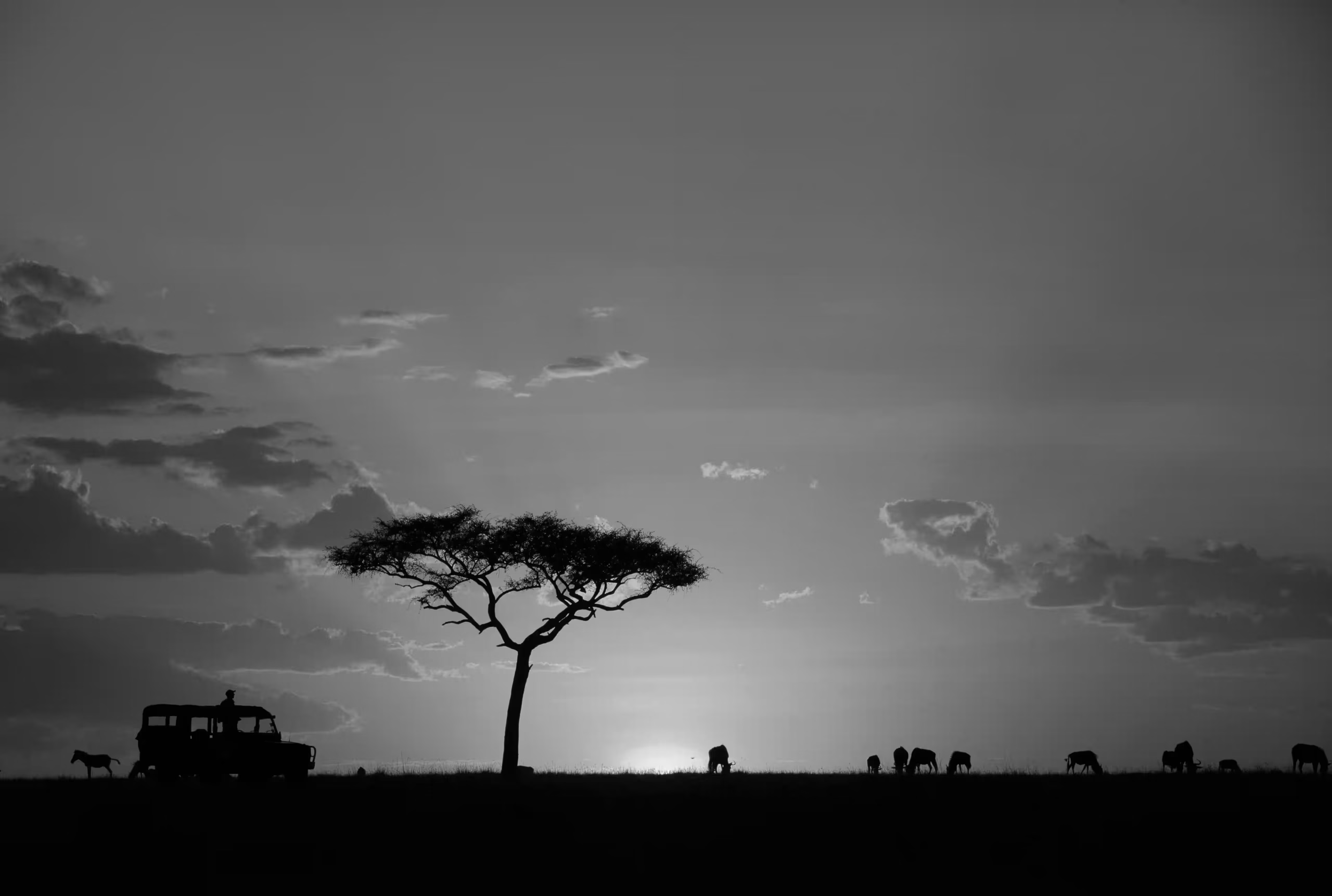
To experience the Serengeti in all its glory, we embark on dawn and dusk game drives. These are the moments when the day awakens or winds down, and the wildlife is most active. As we navigate the plains in our 4×4 vehicle, the golden light of dawn or the warm glow of dusk casts a magical spell, illuminating the landscape and its inhabitants. It’s during these times that we’re treated to intimate encounters with the Serengeti’s majestic creatures, from the mighty elephants to the agile impalas.
As we explore the Serengeti, we’re not just observers; we’re participants in a grand adventure that touches our hearts and broadens our perspectives. The Serengeti is a place where the boundaries between humans and nature blur, and we’re reminded of our place within the larger web of life.
Ngorongoro Crater: A Natural Eden
As we step into the Ngorongoro Crater, we are enveloped by a world untouched by time, where nature’s splendor reigns supreme. This vast, intact caldera is a marvel of geological history, a place where the earth’s ancient past converges with the vibrant present.
The crater’s unique landscape is a testament to its status as the world’s largest intact caldera, a natural amphitheater that shelters an incredible array of wildlife. The crater floor, some 2,000 feet below the rim, is a haven for the Big Five – lion, leopard, rhinoceros, elephant, and Cape buffalo – in a setting that feels like a journey back in time.
The World’s Largest Intact Caldera
The Ngorongoro Crater is not just a natural wonder; it’s a geological phenomenon. Formed millions of years ago, the crater is a massive volcanic caldera that has remained intact, providing a unique habitat for a diverse range of flora and fauna. This natural enclosure creates a microcosm of ecosystems, from grasslands to forests and swamps, supporting an astonishing variety of life.
Spotting the Big Five in a Prehistoric Setting
Within the crater, the Big Five roam free, offering visitors a chance to witness these majestic creatures in their natural habitat. The crater’s prehistoric setting, with its ancient landscapes and primordial forests, adds a layer of mystique to wildlife viewing, making every encounter feel like a journey into the past.
Conservation Efforts in the Crater
Conservation is at the heart of preserving the Ngorongoro Crater’s delicate ecosystem. Efforts are underway to protect the crater’s wildlife and habitats, including anti-poaching initiatives and community-based conservation programs. These efforts not only safeguard the crater’s biodiversity but also support the local communities, promoting a harmonious coexistence between humans and wildlife.
| Conservation Effort | Description | Impact |
|---|---|---|
| Anti-Poaching Initiatives | Protection of endangered species through monitoring and law enforcement. | Significant reduction in poaching activities. |
| Community-Based Conservation | Engagement with local communities in conservation efforts. | Enhanced support for conservation among local populations. |
| Habitat Preservation | Protection and restoration of natural habitats within the crater. | Preservation of biodiversity and ecosystem balance. |
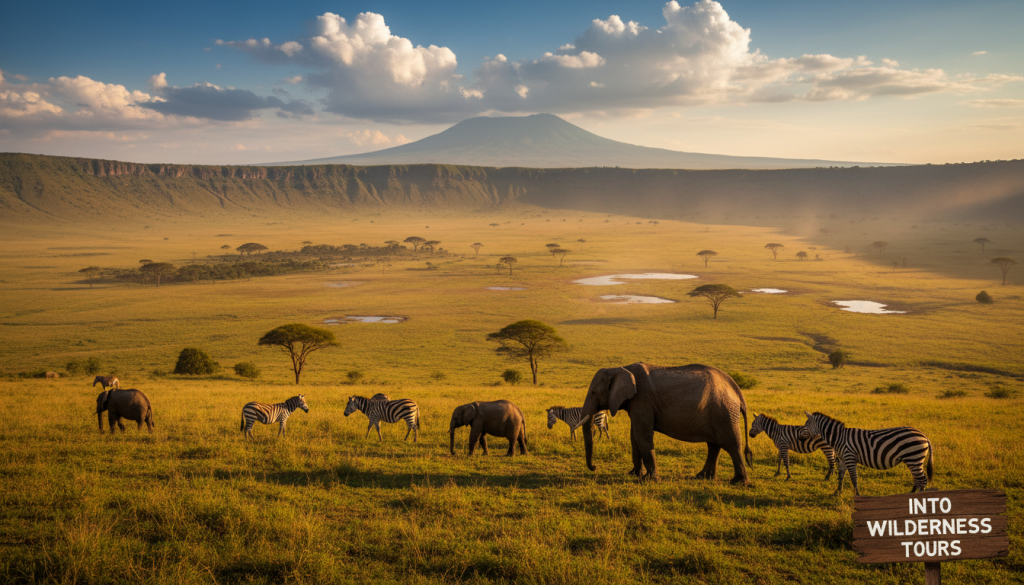
As we explore the Ngorongoro Crater, we are reminded of the importance of conservation and the role we play in preserving such natural wonders for future generations. The crater stands as a testament to the beauty and resilience of nature, a place where we can witness the Big Five in a prehistoric setting, and where conservation efforts are crucial to maintaining the balance of this unique ecosystem.
Mount Kilimanjaro: Conquering Africa’s Highest Peak
As we turn our gaze to Mount Kilimanjaro, Africa’s highest peak beckons adventurers and introspective travelers alike. This majestic mountain is more than just a natural wonder; it’s a journey of self-discovery and a test of human endurance.
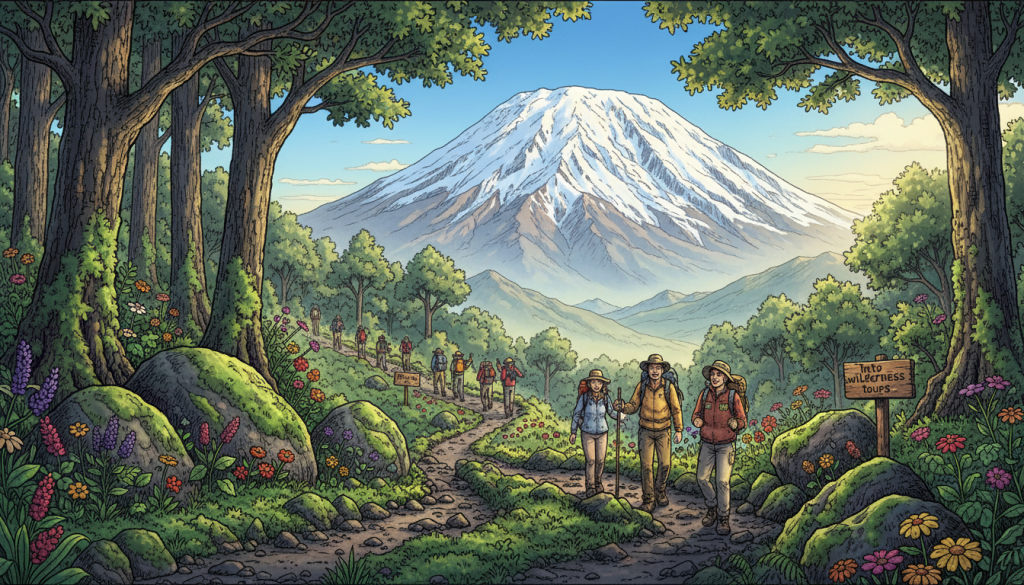
Trekking Routes for Every Adventurer
Mount Kilimanjaro offers several trekking routes, each with its unique characteristics and challenges. The Marangu Route, often referred to as the “Coca-Cola Route,” is considered one of the easier paths to the summit. In contrast, the Lemosho Route provides a more gradual ascent, allowing climbers to acclimate better to the high altitude.
- The Marangu Route: Known for its direct path and comfortable accommodations.
- The Lemosho Route: Offers a longer, more scenic journey with better acclimatization.
- The Machame Route: Dubbed the “Whiskey Route,” it’s known for its challenging terrain and stunning vistas.
The Psychological Journey to the Summit
The climb up Mount Kilimanjaro is as much a psychological challenge as it is a physical one. Climbers must prepare themselves for the mental strain of high-altitude trekking. As one climber noted,
“The mountain doesn’t just test your physical strength; it pushes you to your mental limits.”
The journey to the summit is a transformative experience that requires resilience, determination, and a strong will. It’s a path that reveals the depths of human spirit and the beauty of the natural world.
Preparation Tips for American Climbers
For American climbers, preparation is key to a successful summit. Here are some tips:
- Train physically: Engage in cardiovascular exercises and strength training.
- Acclimate to altitude: Spend time at high elevations before the climb.
- Pack appropriately: Bring layers, waterproof gear, and sturdy hiking boots.
- Mental preparation: Practice mindfulness and visualization techniques.
By following these tips and choosing the right trekking route, American climbers can enhance their chances of reaching the summit of Mount Kilimanjaro.
Zanzibar: Where Safari Meets Paradise
As we transition from the wild savannas to the serene shores of Zanzibar, we discover a paradise that rejuvenates our spirits. This enchanting island, with its rich history and stunning natural beauty, offers a unique blend of cultural exploration and relaxation.
Historical Stone Town and Its Cultural Tapestry
Stone Town, the historic heart of Zanzibar, is a labyrinth of narrow alleys, bustling markets, and ancient architecture. As we wander through its winding streets, we are enveloped in a rich cultural tapestry woven from the threads of history and tradition. The town’s blend of Arab, European, and African influences is evident in its cuisine, music, and art, creating a vibrant cultural mosaic.
The famous Darajani Market, with its array of colorful spices, fresh seafood, and local handicrafts, is a sensory delight. We can explore the town’s many historical sites, including the House of Wonders and the Old Fort, each telling a story of Zanzibar’s complex past.
Beach Relaxation After Wildlife Adventures
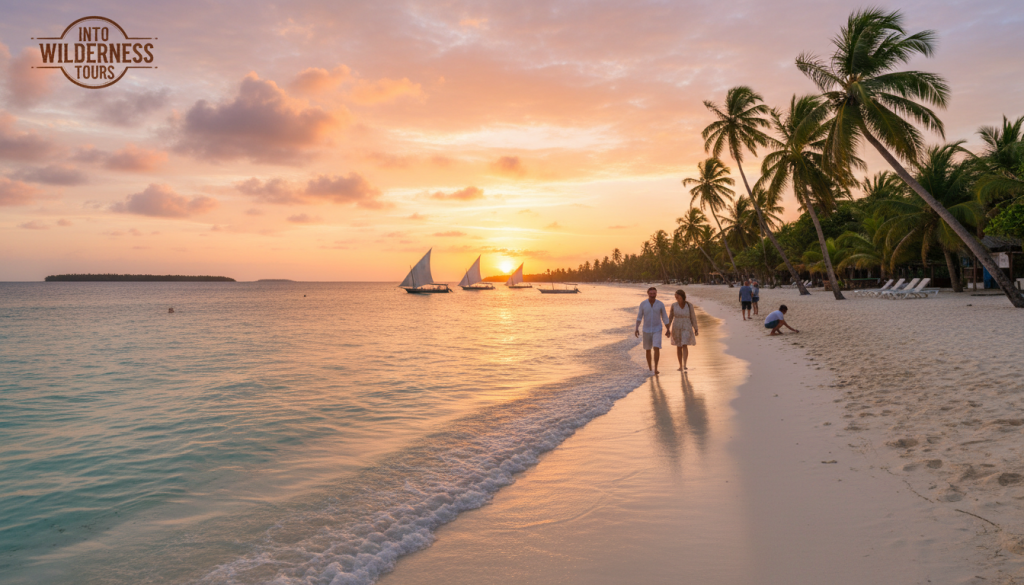
After the excitement of wildlife safaris, Zanzibar’s pristine beaches offer the perfect setting for relaxation. We can unwind on the powdery white sands of Nungwi or Kendwa, enjoying the crystal-clear waters and coral reefs teeming with marine life. The gentle ocean breeze and the soothing sound of the waves create a tranquil atmosphere, allowing us to rejuvenate our bodies and minds.
| Beach | Location | Main Attraction |
|---|---|---|
| Nungwi | North Zanzibar | Sunset views and snorkeling |
| Kendwa | North Zanzibar | Beach parties and water sports |
| Paje | East Zanzibar | Kitesurfing and calm waters |
Zanzibar’s beaches are not just a place to relax; they are also a gateway to various water activities, including snorkeling, diving, and kitesurfing. As we enjoy the island’s natural beauty, we are reminded of the importance of preserving this paradise for future generations.
Tarangire and Lake Manyara: Hidden Gems of Tanzania
In the realm of Tanzania’s lesser-known treasures, Tarangire and Lake Manyara shine brightly, offering experiences that are as enriching as they are unforgettable. As we explore these regions, we are treated to landscapes teeming with life, where the majestic elephant valleys of Tarangire and the serene waters of Lake Manyara create a haven for diverse wildlife.
Elephant Valleys and Tree-Climbing Lions
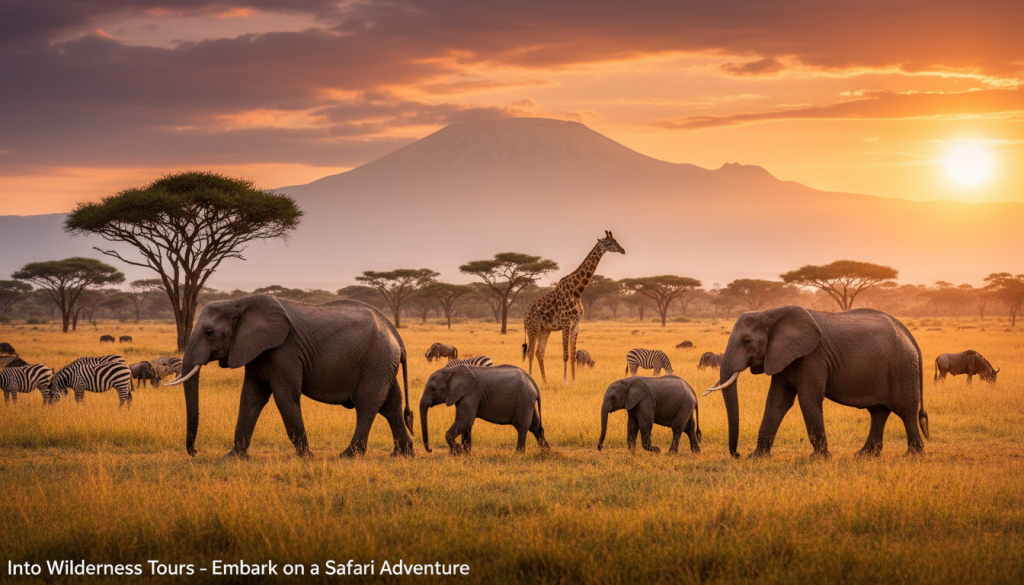
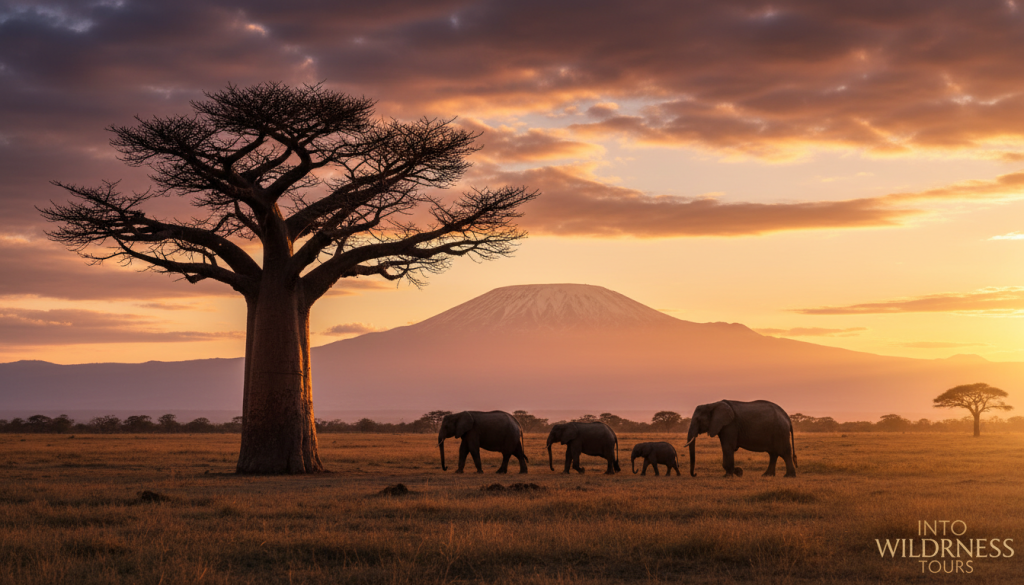
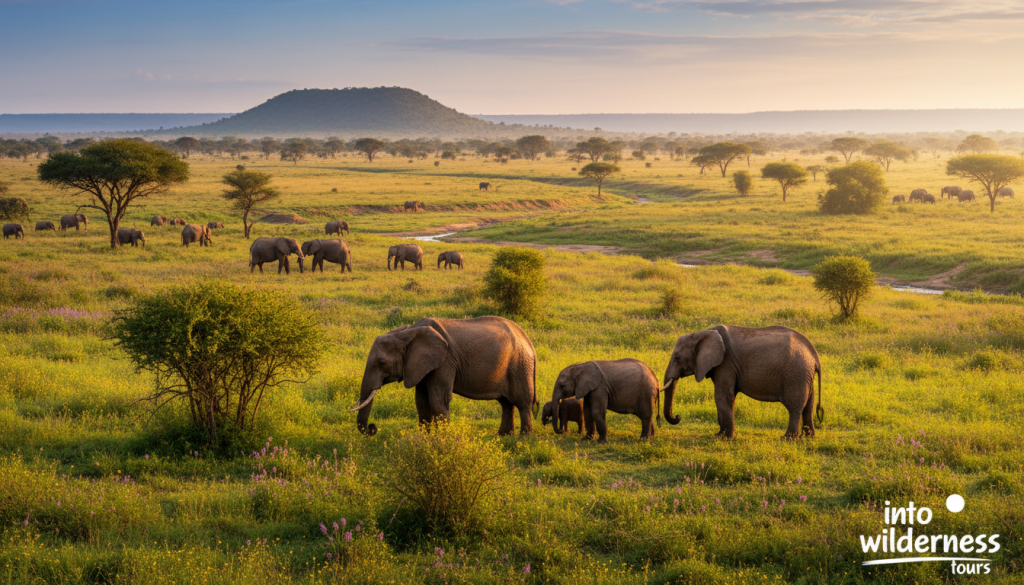
Tarangire National Park is renowned for its large elephant populations, with baobab-dotted landscapes providing a picturesque backdrop to their majestic presence. Meanwhile, Lake Manyara is famous for its tree-climbing lions, a rare spectacle that never fails to captivate. “The stillness of the savannah, punctuated by the roar of a lion, is a memory etched forever,” as one of our guests so eloquently put it.
Birdwatching Paradise for Ornithology Enthusiasts
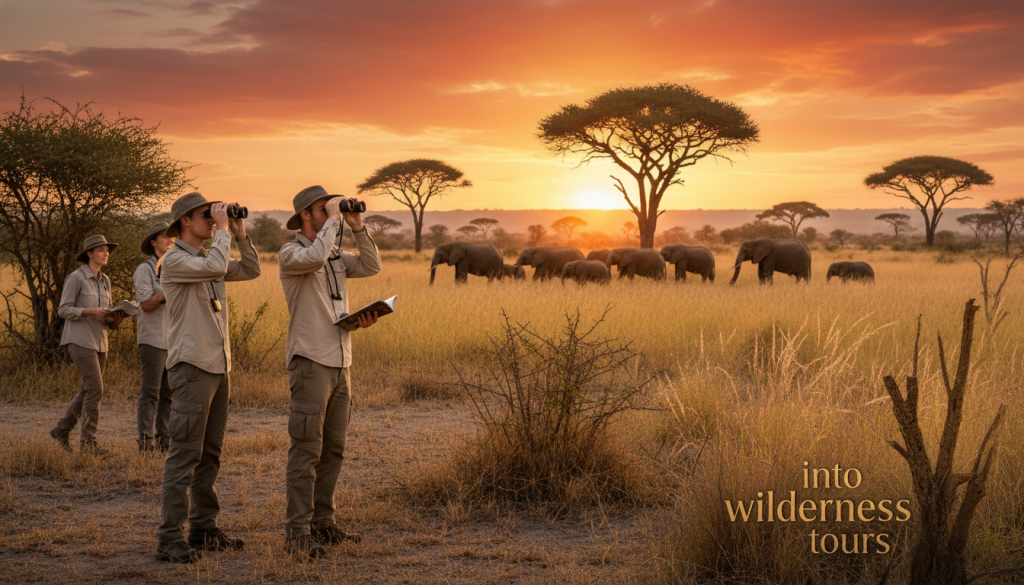
For birdwatching enthusiasts, these areas are nothing short of paradise. Lake Manyara, with its lush forests and wetlands, is a hotspot for spotting a wide variety of bird species, from the majestic African fish eagles to the colorful lilac-breasted rollers. As we glide through the waters in a canoe, the silence is broken by the calls of kingfishers and bee-eaters, creating a symphony of sounds that accompany our journey.
As we immerse ourselves in the natural beauty of Tarangire and Lake Manyara, we are reminded of the importance of preserving these hidden gems for future generations. Our journey through these regions is not just about witnessing breathtaking landscapes and wildlife; it’s about connecting with the essence of Tanzania’s wilderness.
Cultural Encounters: The Maasai and Beyond
As we venture into the heart of Tanzania, we discover the rich tapestry of cultures that make this land so unique. Our journey is not just about witnessing the breathtaking landscapes and wildlife; it’s also about engaging with the people who call this land home.
Living Traditions in a Modern World
The Maasai people, with their distinctive customs and attire, are one of Tanzania’s most recognizable cultural icons. Yet, they are just one of many communities that have managed to preserve their traditional way of life amidst the modern world. We are struck by the resilience and vibrancy of their cultural practices, from their traditional dances to their intricate beadwork.
“The Maasai have a deep connection with nature, a philosophy that resonates with our own approach to conservation and sustainability.”
Respectful Cultural Exchange and Learning
Our interactions with the local communities are guided by the principles of respectful cultural exchange. We believe in learning from one another, sharing stories, and gaining a deeper understanding of the world around us. This exchange is not just about observing customs; it’s about participating in them, albeit temporarily, and leaving with a newfound appreciation for the diversity of human experience.
Ethical Considerations for Village Visits
When visiting local villages, we adhere to ethical considerations that ensure our presence benefits the community. This includes supporting local artisans, respecting local customs, and contributing to community projects. Our aim is to foster a positive and enriching experience for both our guests and the communities we visit.
| Community | Cultural Practice | Our Engagement |
|---|---|---|
| Maasai | Traditional jumping dance | Participation and learning |
| Chagga | Organic farming techniques | Knowledge sharing and support |
Through these cultural encounters, we not only enrich our understanding of Tanzania’s diverse heritage but also contribute to the preservation of its cultural identity. It’s a truly transformative experience that stays with us long after our journey ends.
Safari Styles: Choosing Your Transformative Experience
As we venture into Tanzania’s incredible wilderness, we’re faced with a choice: to indulge in luxury, to immerse ourselves in authentic adventure, or to soar above it all in a hot air balloon. The diverse range of safari styles available allows us to tailor our experience to our deepest desires, whether that’s comfort, authenticity, or adrenaline.
Luxury Lodges vs. Authentic Tented Camps
The debate between luxury lodges and authentic tented camps is a matter of personal preference. Luxury lodges offer opulent amenities and comfort, while authentic tented camps provide a more immersive experience, allowing us to connect with nature on a deeper level. Luxury lodges boast fine dining, spas, and guided tours, whereas tented camps offer a more rustic, adventurous experience.
| Feature | Luxury Lodges | Tented Camps |
|---|---|---|
| Amenities | Fine dining, spas, guided tours | Rustic accommodations, guided tours |
| Atmosphere | Opulent, comfortable | Rustic, adventurous |
Walking Safaris: Connecting with the Earth
For those seeking a more intimate connection with nature, walking safaris offer an unparalleled experience. Guided by expert trackers and naturalists, we explore the wilderness on foot, discovering the intricate details of the ecosystem and developing a deeper appreciation for the land.
Hot Air Balloon Safaris: A Bird’s Eye Perspective
For a truly unique perspective, hot air balloon safaris provide a breathtaking view of Tanzania’s landscapes. As we soar above the Serengeti, we witness the majesty of the wild from a new angle, taking in the vast expanses of wilderness and the incredible diversity of wildlife.
In conclusion, the choice of safari style depends on our individual preferences and what we hope to gain from our experience. Whether we choose luxury, authenticity, or adventure, Tanzania’s wilderness has the power to transform us.
Responsible Tourism: Being Part of Tanzania’s Sustainable Future
In the spirit of responsible tourism, we embark on a Tanzanian safari, not just as observers, but as guardians of the land and its inhabitants. Our journey through Tanzania’s diverse landscapes is a testament to the delicate balance between exploration and conservation.
Eco-friendly Safari Operators
Choosing the right safari operator is crucial in supporting eco-friendly practices. Operators like Asili Africa and &Beyond are pioneers in sustainable tourism, ensuring that our safari experience contributes positively to the environment and local communities.
“The goal is to leave nothing behind but bubbles and take nothing but memories.” This mantra resonates with many eco-conscious travelers and safari operators alike, emphasizing the importance of minimizing our environmental footprint.
Community Conservation Initiatives
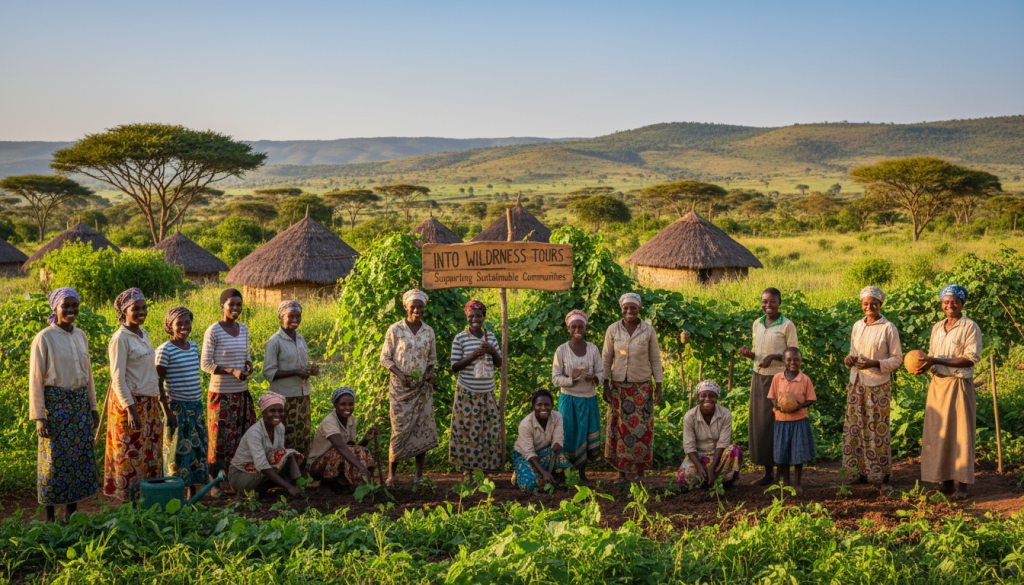
Tanzania’s community conservation initiatives are a beacon of hope for sustainable wildlife management. Programs that empower local communities to manage and protect their natural resources are not only effective but also essential for the long-term conservation of Tanzania’s rich biodiversity.
Minimizing Your Environmental Footprint
As travelers, we have the power to make a difference. Simple actions, such as reducing plastic use, respecting wildlife habitats, and supporting local economies, can significantly minimize our environmental footprint.
| Action | Impact |
|---|---|
| Reduce plastic use | Less pollution in waterways and wildlife habitats |
| Respect wildlife habitats | Preservation of natural behaviors and habitats |
| Support local economies | Economic empowerment of local communities |
By embracing these practices, we not only contribute to Tanzania’s sustainable future but also enrich our own travel experience, creating a deeper connection with the land and its people.
Practical Planning for Your Vacation in Tanzania
As we prepare to embark on our Tanzanian adventure, practical planning becomes the key to unlocking a truly transformative experience. With its diverse landscapes and rich cultural heritage, Tanzania offers a myriad of experiences that require thoughtful preparation.
Best Seasons for Different Experiences
Tanzania’s climate varies significantly across its regions, influencing the best times for different safari experiences. Generally, the dry season from June to October is considered ideal for wildlife viewing as animals congregate around water sources. For those interested in witnessing the Great Migration, the period between July and August is particularly spectacular.
The green season, from November to May, offers lush landscapes and is a great time for birdwatching. However, some areas may become inaccessible due to rain. Understanding these seasonal variations is crucial for planning a successful safari.
| Season | Best For | Highlights |
|---|---|---|
| Dry Season (June to October) | Wildlife Viewing | Animals congregate around water sources, making them easier to spot. |
| Great Migration (July to August) | Witnessing the Great Migration | Spectacular river crossings and large herds on the move. |
| Green Season (November to May) | Birdwatching and lush landscapes | The landscape is lush and green, and birdlife is abundant. |
Visa Requirements and Travel Logistics for Americans
For American travelers, obtaining a visa upon arrival in Tanzania is relatively straightforward. However, it’s essential to check the latest visa requirements and ensure your passport is valid for at least six months beyond your planned departure date.
Travel logistics, such as booking flights and arranging for internal transfers, should be planned well in advance, especially during peak travel seasons. Many tour operators offer comprehensive packages that include these arrangements, making the process smoother for travelers.
Health Preparations and Safety Considerations
Health preparations are a critical aspect of planning your Tanzanian adventure. Consult your healthcare provider about recommended vaccinations and malaria prophylaxis. Taking precautions against insect bites and staying hydrated are also essential for a healthy journey.
Safety considerations include being aware of your surroundings, following the guidance of your tour guides, and staying informed about local conditions. Tanzania is generally a safe country for tourists, but taking standard precautions will enhance your safety.
Packing Essentials for Comfort and Adventure
Packing wisely is crucial for a comfortable and enjoyable safari experience. Essentials include lightweight, neutral-colored clothing, a good quality camera, binoculars, sunscreen, and a hat. Don’t forget to pack any personal medications and a water bottle to stay hydrated.
Layering is key as temperatures can fluctuate significantly between day and night. Comfortable walking shoes or boots are a must for walking safaris, while a light jacket or sweater will be necessary for cooler mornings and evenings.
Photography Tips: Capturing Transformation
As we journey through Tanzania’s breathtaking landscapes, our cameras become extensions of our eyes, capturing the essence of this transformative adventure. The art of photography allows us to preserve the memories of our encounters with the natural world, turning fleeting moments into lasting impressions.
Equipment Recommendations for Safari Conditions
When venturing into Tanzania’s wilderness, it’s essential to be equipped with the right photography gear. A telephoto lens (at least 200mm) is crucial for capturing wildlife without disturbing them. We also recommend a camera body with good low-light performance, as many of our safari excursions take place during the golden hours of dawn and dusk.
A tripod or a monopod can be invaluable for stabilizing your camera, especially when using heavy telephoto lenses. Don’t forget to pack spare batteries and memory cards, as the cold can quickly drain battery life, and you’ll want to have enough storage for all those incredible moments.
Ethical Wildlife Photography Practices
As we capture the beauty of Tanzania’s wildlife, it’s vital to do so ethically. This means keeping a safe distance from the animals to avoid stressing them out. We should never approach or feed wildlife for the sake of a photograph. Instead, let’s focus on patience and anticipation, waiting for the perfect shot that doesn’t compromise the well-being of our subjects.
Documenting Your Personal Journey
Photography is not just about capturing the external beauty of Tanzania; it’s also about documenting our internal journey. As we traverse this incredible landscape, we are transformed by the experiences we have and the people we meet. Let’s not forget to capture the small moments that reveal the essence of our adventure: the laughter around the campfire, the serene moments of reflection, and the joy of connection with fellow travelers.
By being mindful of our photography practices and the stories we tell through our images, we can create a lasting legacy of our Tanzanian safari, one that inspires others to embark on their own transformative journeys.
Personal Stories: Travelers Forever Changed by Tanzania
For many, a journey to Tanzania becomes a journey of self-discovery, revealing new perspectives and purposes. As we share the personal stories of travelers who have been forever changed by Tanzania, we are inspired by the transformative power of this land.
From Corporate Burnout to Life Purpose
One traveler, after experiencing burnout in their corporate career, found solace in Tanzania’s wilderness. The serene landscapes and the majestic wildlife inspired a newfound sense of purpose, leading them to change their career path towards conservation.
“Tanzania’s vast savannas and the Great Migration taught me the value of resilience and adaptation. It was a turning point in my life, shifting my focus from profit to passion.” – Sarah, former corporate executive turned conservationist.
Finding Connection in the Wilderness
Tanzania’s untouched natural beauty has a way of reconnecting people with nature and themselves. Travelers often report feeling a deep sense of peace and connection during their safaris.
- Immersing in the natural world
- Disconnecting from the digital world
- Reconnecting with personal values and passions
How Tanzania Reshapes Perspectives on Conservation
The experiences in Tanzania not only transform individuals but also reshape their perspectives on conservation. Witnessing the majesty of African wildlife firsthand instills a deep appreciation for conservation efforts.
| Conservation Impact | Traveler Impact |
|---|---|
| Protecting wildlife habitats | Inspiring personal conservation efforts |
| Supporting local communities | Fostering cultural understanding and respect |
| Promoting sustainable tourism | Encouraging eco-friendly practices |
As we reflect on these personal stories, it becomes clear that Tanzania’s transformative power extends far beyond the boundaries of a typical vacation, leaving a lasting impact on those who venture into its wilderness.
Conclusion: Bringing Tanzania’s Wisdom Home
As we conclude our transformative journey through Tanzania, we reflect on the wisdom gained and the lessons learned. The vast savannas, majestic mountains, and serene beaches have not only captivated our senses but have also touched our hearts. Tanzania’s wisdom is a reminder of the beauty and simplicity of life, unencumbered by the complexities of the modern world.
Our journey has been more than just a safari; it has been a path of self-discovery and connection with nature and culture. We have witnessed the circle of life in the Serengeti, explored the historical depths of Stone Town in Zanzibar, and climbed the heights of Mount Kilimanjaro. Each experience has contributed to our transformative journey, reshaping our perspectives and enriching our lives.
As we bring Tanzania’s wisdom home, we carry with us the memories of breathtaking landscapes, the warmth of the Tanzanian people, and the lessons of living in harmony with nature. We are inspired to live more sustainably, to cherish our cultural heritage, and to seek balance in our lives. The spirit of Tanzania stays with us, a constant reminder of the beauty and wonder that awaits when we venture into the wild and the wisdom it imparts.
FAQ
What is the best time to visit Tanzania for a safari adventure?
The best time to visit Tanzania for a safari adventure is during the dry season, from June to October, when wildlife is concentrated around water sources, making it easier to spot.
What vaccinations are required for travel to Tanzania?
Vaccinations required for travel to Tanzania include yellow fever, hepatitis A, and typhoid. Consult your doctor or a travel clinic for the most up-to-date information.
What is the difference between a luxury lodge and an authentic tented camp?
Luxury lodges offer high-end amenities, while authentic tented camps provide a more immersive wilderness experience, often with shared facilities and a closer connection to nature.
How can I minimize my environmental footprint during my safari?
To minimize your environmental footprint, choose eco-friendly safari operators, reduce plastic use, and respect local wildlife and habitats.
What are the visa requirements for Americans traveling to Tanzania?
Americans can obtain a visa on arrival in Tanzania, which is valid for up to 90 days. Ensure your passport is valid for at least six months beyond your planned departure date.
What health preparations are necessary for travel to Tanzania?
Health preparations include vaccinations, malaria prophylaxis, and medications for altitude sickness. Consult your doctor or a travel clinic for personalized advice.
What are the most essential items to pack for a Tanzanian safari?
Packing essentials include comfortable clothing, sturdy shoes, a hat, sunscreen, insect repellent, and a camera with a good zoom lens.
Can I participate in cultural activities and village visits during my safari?
Yes, cultural activities and village visits are available, allowing you to engage with local communities and learn about their traditions. Ensure that your participation is respectful and guided by local experts.
What are the benefits of a hot air balloon safari?
A hot air balloon safari offers a unique bird’s-eye perspective on the wilderness, allowing you to witness the majesty of Tanzania’s landscapes from a new and thrilling vantage point.
How can I ensure that my safari is sustainable and responsible?
To ensure a sustainable and responsible safari, choose operators that adhere to eco-friendly practices, support local communities, and promote conservation efforts.
What is the Great Migration, and when can I witness it?
The Great Migration is a spectacular wildlife event where millions of wildebeest, zebras, and gazelles migrate in search of greener pastures. Witness it between July and September in the Serengeti.
Can I climb Mount Kilimanjaro, and what preparations are necessary?
Yes, you can climb Mount Kilimanjaro. Preparations include physical training, acclimatization, and guidance from experienced tour operators to ensure a safe and successful ascent.