
We embark on a journey to explore the captivating world of the Maasai, guardians of an ancient land. With a rich cultural heritage and a deep connection to the land, they have been preserving their traditions for centuries.
As we delve into their world, we discover the essence of their identity and the significance of their role in Tanzanian society. Their stories, woven with the threads of tradition and resilience, reveal a profound connection to the land and its rhythms.
Their legacy is a testament to the enduring power of cultural heritage.
Key Takeaways
- The Maasai have a rich cultural heritage and deep connection to the land.
- Their traditions have been preserved for centuries.
- The Maasai play a significant role in Tanzanian society.
- Their stories reveal a profound connection to the land and its rhythms.
- Their legacy is a testament to the enduring power of cultural heritage.
The Maasai People of Tanzania: An Overview
The Maasai people of Tanzania embody a rich cultural heritage, standing as guardians of their ancestral lands. We find their presence in the northern regions of Tanzania, where they have maintained their semi-nomadic lifestyle.
Geographic Distribution and Population
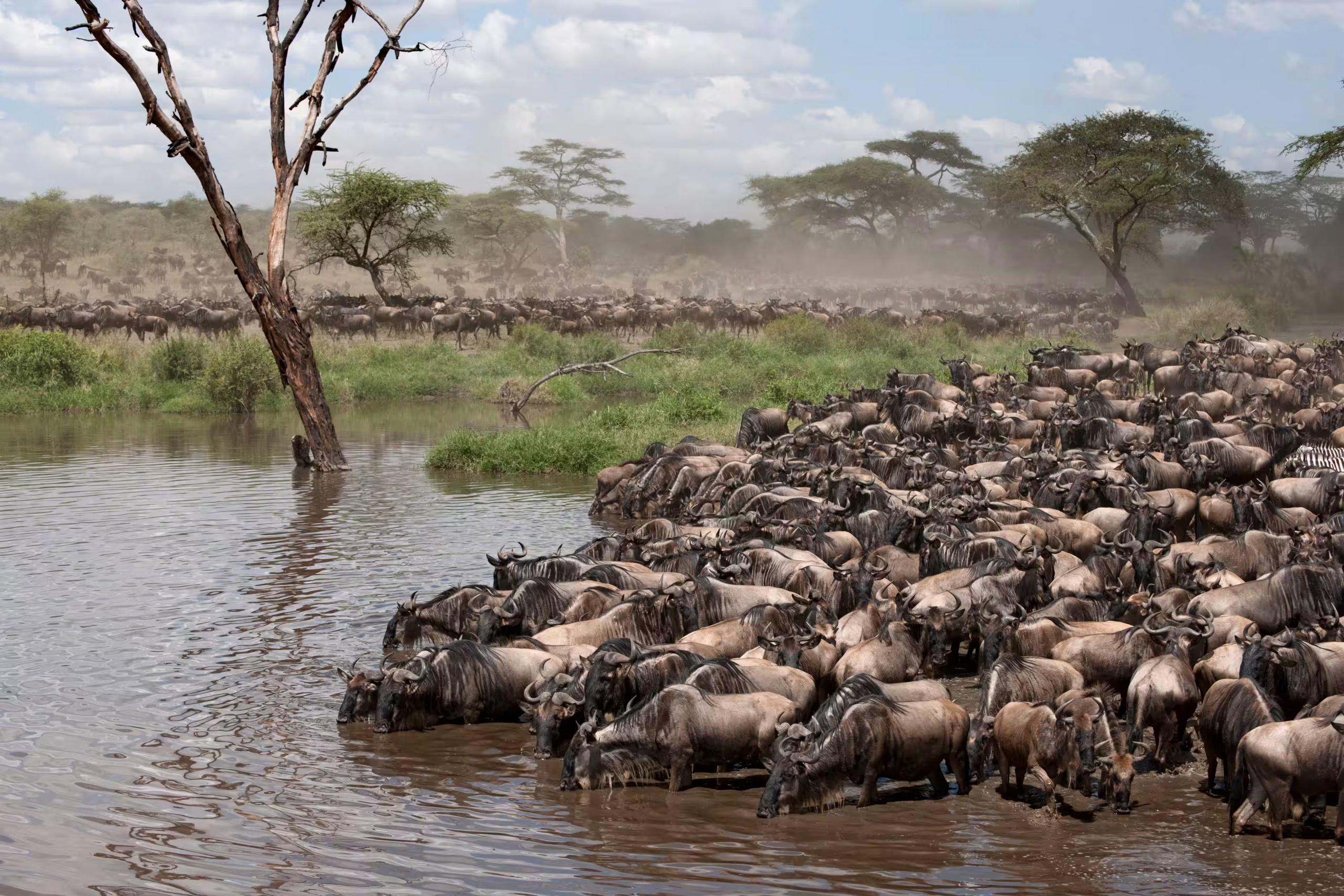
The Maasai are spread across northern Tanzania and southern Kenya, with a significant population residing in Tanzania’s Ngorongoro Conservation Area and Serengeti National Park. Their geographic distribution is characterized by a preference for areas with abundant grazing land for their cattle, a crucial aspect of their pastoral economy. The Maasai population in Tanzania is estimated to be around 800,000 to 900,000 people, although exact numbers can vary due to the semi-nomadic nature of their lifestyle.
Some key areas where Maasai villages are found include:
- The Serengeti ecosystem
- Ngorongoro highlands
- Manyara region
Historical Significance in East Africa
Historically, the Maasai have been significant in East Africa, known for their warrior culture and pastoral lifestyle. They have played a crucial role in the region’s history, often interacting with other ethnic groups through trade and occasional conflict. The Maasai are also known for their resistance to external influences, maintaining their cultural identity despite colonial and modernizing pressures.
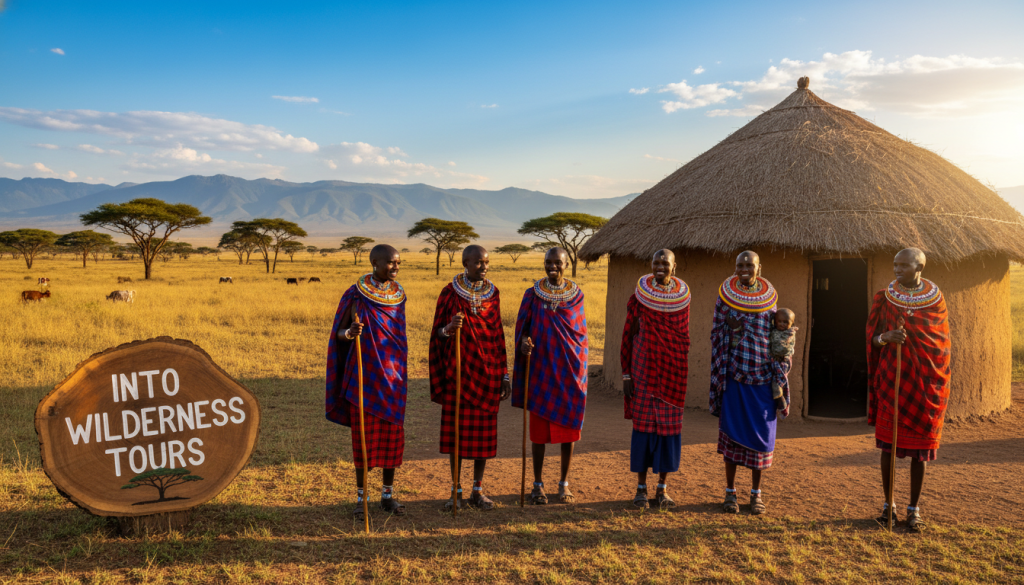
Their historical significance is also reflected in their traditional practices and rituals, which continue to be an integral part of their identity.
Origins and Historical Migration
With roots in the distant Nile Valley, the Maasai people undertook an epic migration that would shape their identity. This journey, spanning centuries, was driven by the search for grazing land and the need to escape conflicts. As we trace their path, we uncover a complex narrative of resilience and adaptation.
Nilotic Roots and Migration Patterns
The Maasai’s Nilotic origins are evident in their linguistic and cultural ties to the Nile Valley. Their southward migration was characterized by a series of movements, influenced by factors such as climate change and the quest for fertile grazing lands. This migration pattern not only shaped their social structure but also honed their pastoral skills.
As they moved, the Maasai interacted with various cultures, absorbing and integrating new practices. This cultural exchange enriched their traditions, from their distinctive clothing to their spiritual beliefs.
Settlement in the Great Rift Valley
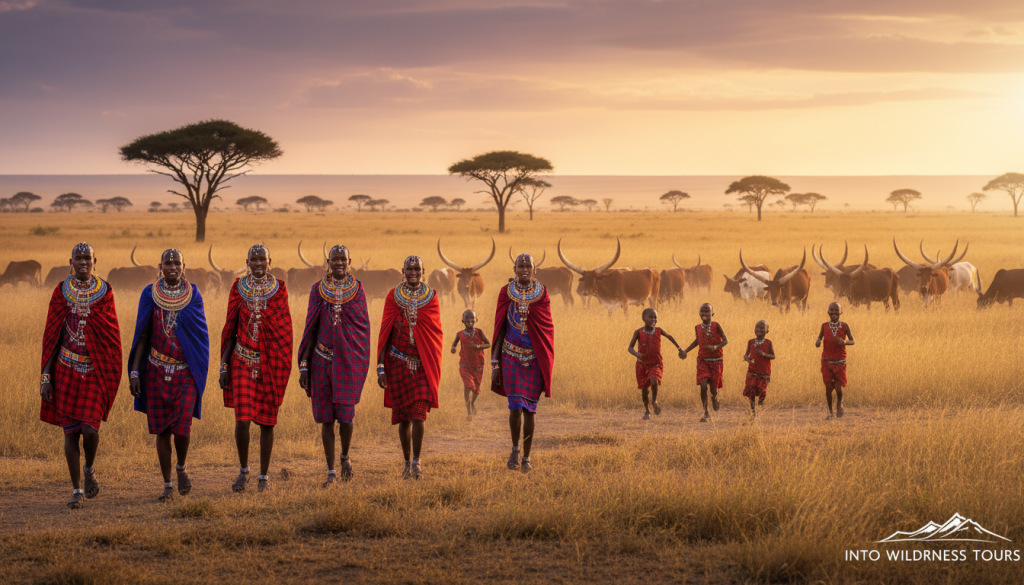
The Great Rift Valley, with its vast savannas and abundant wildlife, became the Maasai’s new home. Here, they established a thriving pastoral society, leveraging the region’s natural resources. The valley’s landscape, dotted with acacia trees and traversed by rivers, supported their cattle-based economy.
Their settlement in this region was not without challenges. The Maasai had to adapt to new environmental conditions and negotiate with neighboring communities. This dynamic process of adaptation and negotiation continues to influence their cultural identity.
| Aspect | Description | Significance |
|---|---|---|
| Nilotic Roots | Linguistic and cultural ties to the Nile Valley | Shapes their identity and cultural practices |
| Migration Patterns | Influenced by climate, conflict, and grazing needs | Influenced their social structure and pastoral skills |
| Settlement in Great Rift Valley | Established a thriving pastoral society | Supported their cattle-based economy and cultural identity |
Traditional Social Structure
At the heart of Maasai society lies a complex traditional social structure that has been preserved through generations. This intricate framework is fundamental to understanding the Maasai way of life, where community and cooperation are paramount.
Age-Set System and Warrior Culture
The Maasai traditional social structure is notably characterized by its age-set system and a robust warrior culture. This system organizes individuals into different age groups, each with specific roles and responsibilities.
The Role of Morans (Warriors)
The morans, or warriors, are a pivotal part of Maasai society, responsible for the protection of the community and its livestock. Their role is not only functional but also carries significant cultural weight.
Leadership Hierarchy
Leadership among the Maasai is typically determined through a council of elders, who make decisions based on collective wisdom and experience. This hierarchical structure ensures that the community is guided by those who have demonstrated wisdom and leadership qualities.
Family Organization and Gender Roles
Family organization in Maasai society is patriarchal, with distinct gender roles that contribute to the overall functioning of the community. Men are generally responsible for herding and protection, while women manage household chores and childcare.
| Aspect | Description | Significance |
|---|---|---|
| Age-Set System | Organizes individuals into age groups with specific roles. | Maintains social order and defines responsibilities. |
| Warrior Culture | Emphasizes the role of morans in protection and community. | Cultural significance and community protection. |
| Leadership Hierarchy | Council of elders guides the community. | Ensures wise and experienced leadership. |
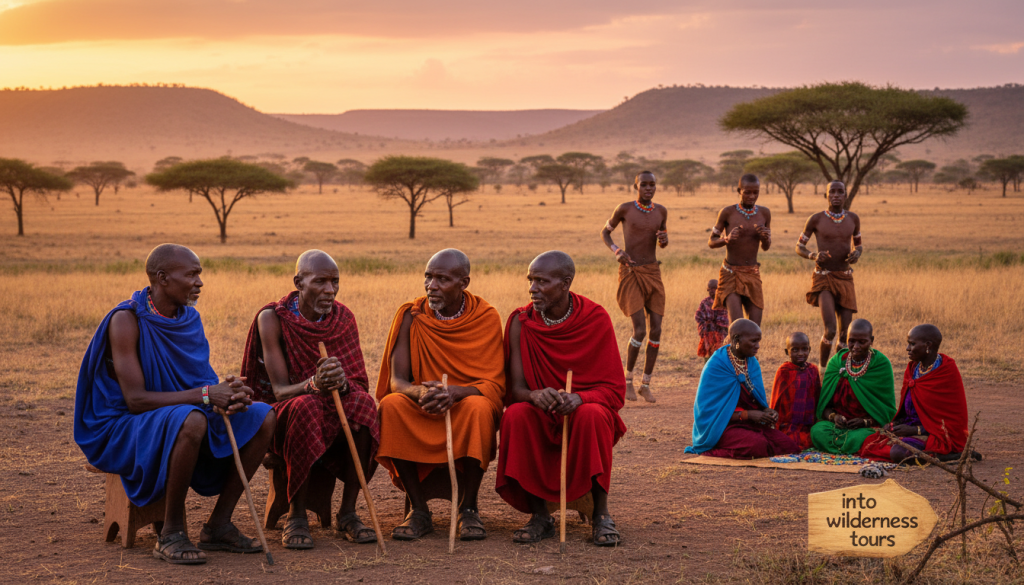
The traditional social structure of the Maasai people in Tanzania is a testament to their rich cultural heritage and communal values. Understanding this structure provides valuable insights into their way of life and the importance they place on community and cooperation.
Distinctive Cultural Identity
The cultural identity of the Maasai people in Tanzania is a tapestry of traditional practices, colorful attire, and intricate jewelry, reflecting their deep connection to their ancestral lands. This distinctive identity is not just a reflection of their heritage but a living, breathing expression of their history and values.
Iconic Red Clothing and Beaded Jewelry
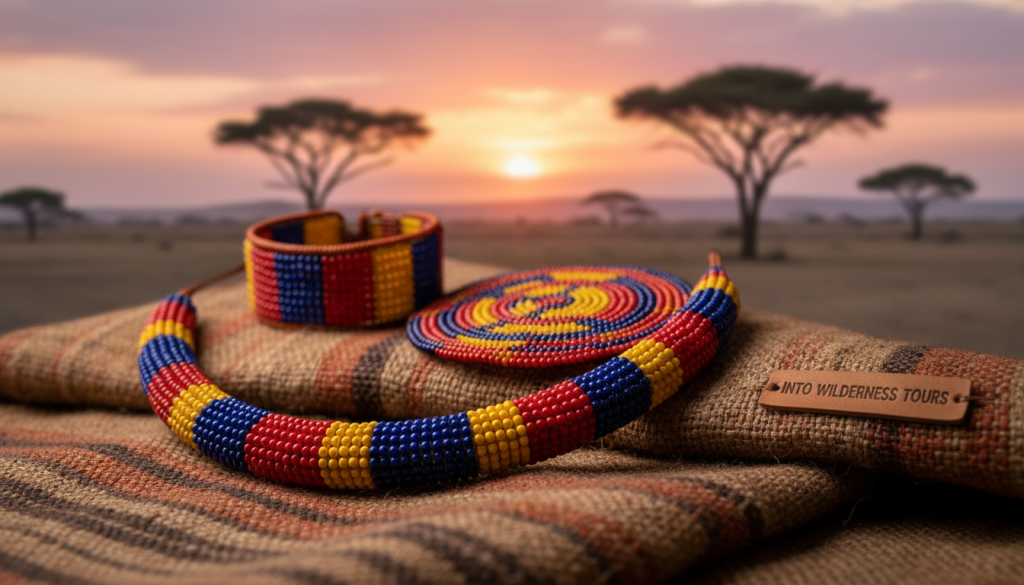
The Maasai are instantly recognizable due to their iconic red clothing, often worn in the form of a shuka, a traditional garment that symbolizes unity and cultural pride. Complementing their attire are intricate beaded jewelry pieces, which are not only aesthetically pleasing but also carry significant symbolic meanings.
Symbolism in Maasai Adornments
Maasai adornments, including beaded jewelry, are imbued with symbolism related to status, spirituality, and cultural heritage. Each color and pattern has a specific meaning, with certain colors representing aspects such as courage, beauty, or spirituality.
Craftsmanship and Artistry
The craftsmanship that goes into creating Maasai adornments is a testament to the community’s artistry. Beaded jewelry, in particular, requires great skill and patience, with each piece being a reflection of the artisan’s creativity and cultural knowledge.
Body Modifications and Their Significance
Body modifications are another significant aspect of Maasai cultural identity. Practices such as earlobe stretching and scarification are not only aesthetic choices but carry deep cultural and spiritual meanings. These modifications are often associated with rites of passage and signify an individual’s status within the community.
Through their distinctive cultural practices, including their iconic clothing, jewelry, and body modifications, the Maasai people of Tanzania continue to preserve their rich heritage while adapting to the changing world around them.
Maasai Villages in Tanzania: Structure and Daily Life
Deep in the Tanzanian landscape, Maasai villages stand as vibrant communities, echoing with the rhythms of daily life. These villages, known as enkang, are the cornerstone of Maasai society, where tradition and community are paramount.
We find that the structure of Maasai villages is intricately linked to their social organization and cultural practices. The villages are typically circular, with a central cattle enclosure surrounded by homes made from natural materials.
Enkang: The Traditional Maasai Homestead
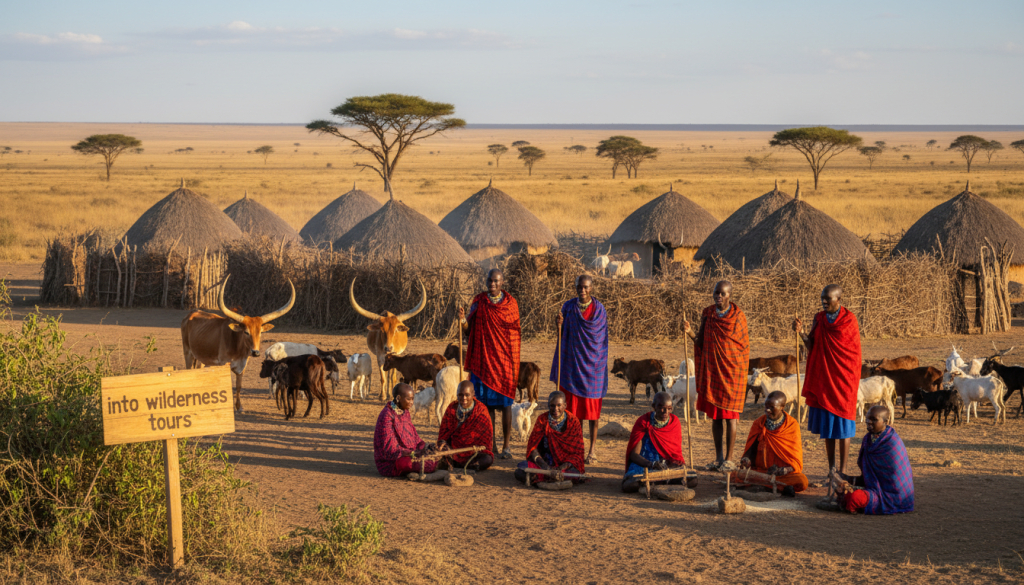
An enkang is more than just a physical structure; it’s the heart of Maasai community life. The traditional homestead is organized around the central cattle enclosure, which is surrounded by homes for family members. The enkang is typically surrounded by a thorn fence to protect the inhabitants and their livestock from predators.
The layout of the enkang reflects the social hierarchy and family structure of the community. Elders and senior family members often reside in the most prominent positions, while younger family members live in surrounding homes.
Construction Techniques and Materials
The construction of Maasai homes, known as bomas, is a testament to the community’s resourcefulness and connection to the land. The frames are typically made from sturdy branches, with walls constructed from a mixture of mud, grass, and cow dung. The thatched roofs are designed to withstand the local climate, providing insulation against the heat and protection from the elements.
The use of local materials not only reflects the Maasai’s environmental stewardship but also their practical adaptation to the Tanzanian landscape. The construction process is often a communal effort, with family and neighbors coming together to build and maintain the homes.
Pastoral Lifestyle and Cattle Economy
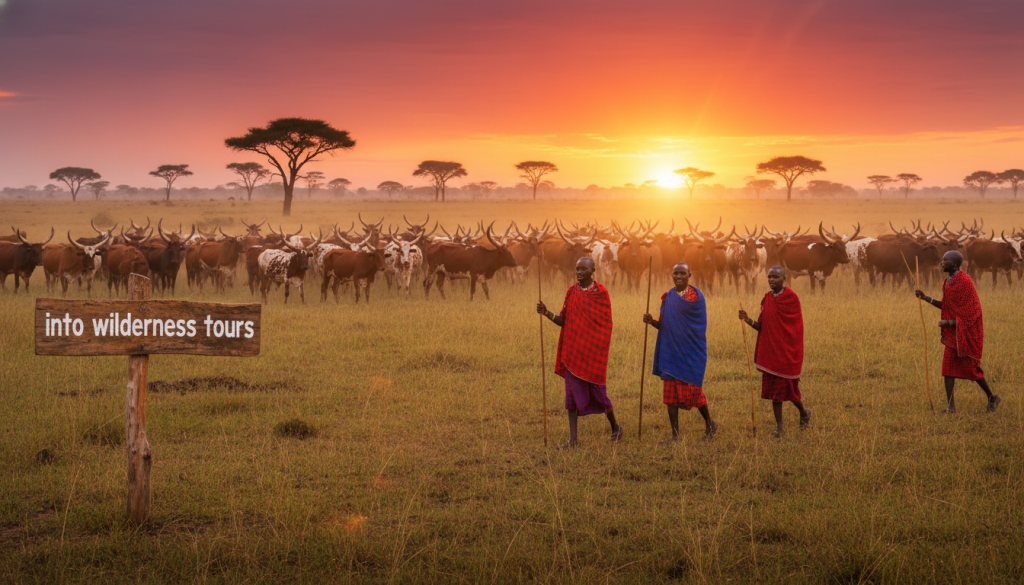
The Maasai people’s existence is deeply intertwined with their cattle, a relationship that transcends mere sustenance. For generations, they have roamed the savannas and grasslands of Tanzania, their lives intricately linked with the well-being of their livestock.
The Sacred Relationship with Cattle
Cattle are at the heart of Maasai culture, representing wealth, status, and spiritual well-being. The Maasai believe that their cattle are a gift from Enkai, their god, and that they are entrusted with their care. This sacred relationship is reflected in their daily lives, from the way they tend to their animals to the rituals they perform to ensure their health and prosperity.
The Maasai have developed a sophisticated understanding of their cattle’s needs, honed through centuries of pastoralism. They know the best grazing lands, the importance of rotational grazing, and the delicate balance between their livestock and the environment.
Grazing Patterns and Land Management
The Maasai have traditionally managed their grazing lands with a deep understanding of the local ecosystem. They practice rotational grazing, moving their cattle to different areas to allow the land to recover and maintain its fertility. This approach not only ensures the health of their livestock but also helps to preserve the biodiversity of the region.
By working with the natural rhythms of the land, the Maasai have developed a sustainable pastoral system that has allowed them to thrive in harmony with their environment for generations. As we explore the intricacies of their land management practices, we gain insight into the resilience and adaptability of the Maasai people.
Spiritual Beliefs and Practices
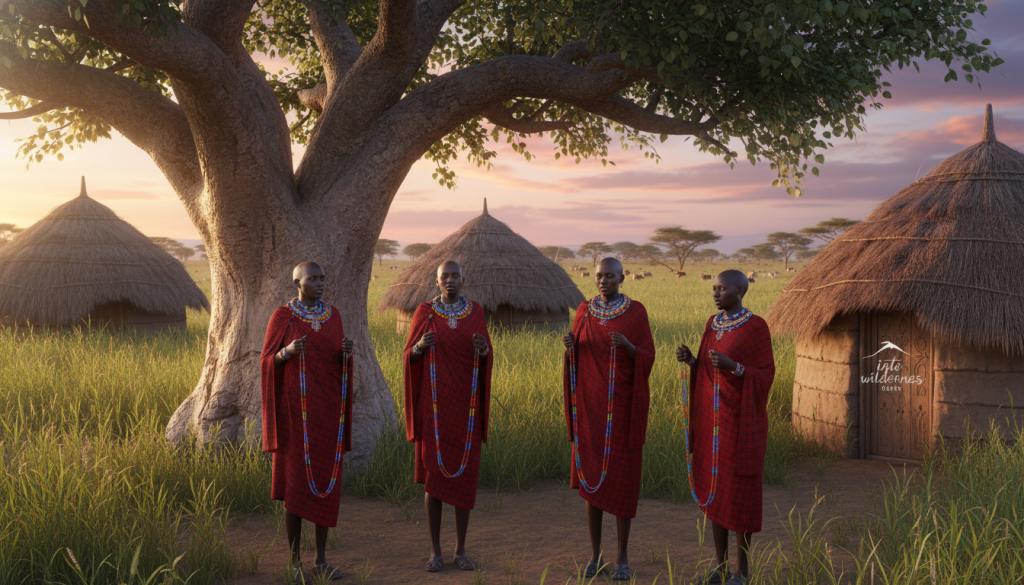
The Maasai people’s spiritual landscape is characterized by a deep reverence for Enkai, the supreme deity who is believed to have created and sustained life. This profound spiritual connection is not just a matter of faith; it’s an integral part of their daily existence, influencing their interactions with nature and their community.
Enkai: The Maasai Concept of God
Enkai is considered a singular, all-encompassing god, embodying both masculine and feminine qualities. The Maasai believe that Enkai communicates through natural phenomena, such as rain, thunder, and the movements of celestial bodies. This belief system underscores the Maasai’s harmonious relationship with nature, where every event is seen as a potential message from Enkai. As one Maasai elder once said,
‘Enkai is in every rock, every blade of grass, and every heartbeat.’
Spiritual Leaders and Ritual Specialists
Spiritual leaders, known as Laibon, play a crucial role in Maasai spiritual practices. They are responsible for interpreting Enkai’s will, performing rituals, and guiding the community in times of need. These spiritual specialists are chosen based on their spiritual insight, wisdom, and ability to communicate with Enkai. Their leadership is not just about religious duties; it encompasses social and moral guidance, ensuring the well-being of the community.
Rites of Passage and Ceremonies
The Maasai people of Tanzania mark significant life transitions with elaborate rites of passage and ceremonies that have been passed down through generations. These rituals are not merely celebrations; they are profound expressions of the community’s values, beliefs, and cultural identity.
Male Circumcision and Warrior Initiation
Male circumcision is a pivotal rite of passage for Maasai boys, marking their transition to manhood. This courageous act is seen as a test of bravery and endurance, essential qualities for a Maasai warrior.
The Eunoto Ceremony
The Eunoto ceremony is a significant ritual that celebrates the transition of warriors from one age-set to the next. It is a time of great celebration, symbolizing the warriors’ readiness to take on new responsibilities within the community.
Training and Preparation
Preparation for these rites involves rigorous training, both physically and spiritually. Young men are taught the ways of warriorhood, including combat skills, cultural knowledge, and spiritual practices.
Marriage Customs and Celebrations
Maasai marriage customs are rich in tradition and symbolism. The negotiation of bridewealth, typically in the form of cattle, is a significant aspect of the marriage process, symbolizing the union between families.
| Rite of Passage | Significance | Key Elements |
|---|---|---|
| Male Circumcision | Transition to manhood | Bravery, endurance |
| Eunoto Ceremony | Transition to elder status | Celebration, new responsibilities |
| Marriage | Union between families | Bridewealth, family unity |
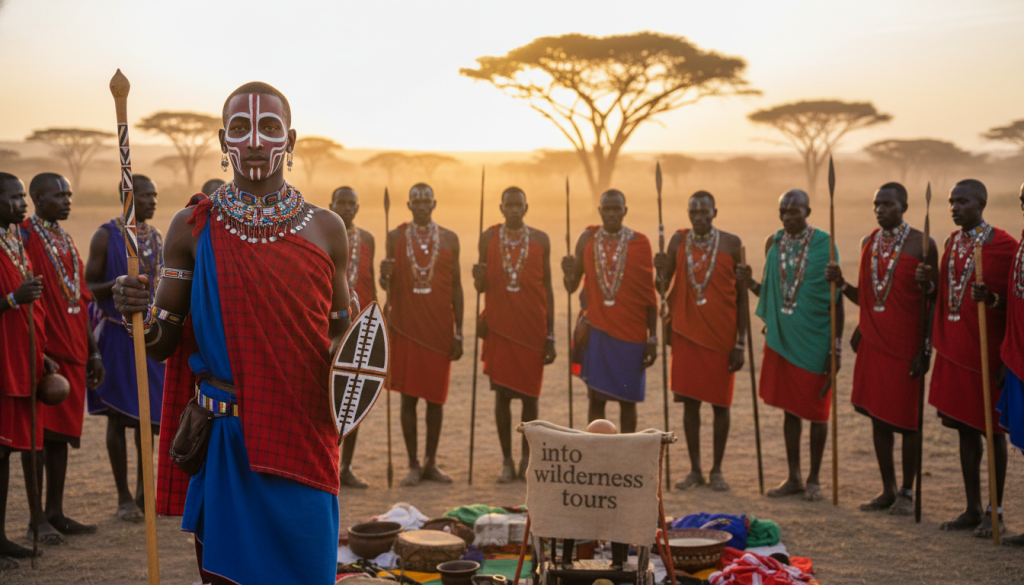
These ceremonies are a testament to the rich cultural heritage of the Maasai people, showcasing their deep connection to tradition and community. As we explore these rites, we gain insight into the values that define the Maasai identity.
Traditional Knowledge Systems
For the Maasai, traditional knowledge is not just about survival; it’s a way of life deeply connected to their land. This profound understanding of their environment has been passed down through generations, shaping their daily lives and cultural practices.
Herbal Medicine and Healing Practices
The Maasai have developed an extensive knowledge of herbal medicine, using plants and natural remedies to heal ailments. This traditional pharmacopoeia is rooted in their deep understanding of the local flora and its medicinal properties. Some of the common practices include:
- Using Acacia trees for their antibacterial properties
- Preparing infusions from local herbs to treat various health issues
- Applying traditional rituals to enhance the healing process

Ecological Knowledge and Weather Prediction
The Maasai possess a keen understanding of ecological patterns, enabling them to predict weather changes and manage their livestock effectively. Their ecological knowledge includes:
- Observing changes in animal behavior to predict weather patterns
- Understanding the relationship between vegetation and rainfall
- Using astronomical observations to forecast seasonal changes
This traditional ecological knowledge is crucial for their pastoral lifestyle, allowing them to make informed decisions about grazing patterns and land management.
Maasai Cuisine and Food Practices
Maasai cuisine is a testament to their enduring connection with nature and their livestock. The traditional diet of the Maasai people Tanzania is deeply rooted in their pastoral lifestyle, reflecting a rich cultural heritage that has been preserved for centuries.
Traditional Diet: Blood, Milk, and Meat
The traditional Maasai diet consists primarily of blood, milk, and meat, products directly obtained from their cattle. This diet is not only a source of nutrition but also holds significant cultural and spiritual value. The Maasai believe that cattle are a gift from Enkai, their concept of God, providing for their physical and spiritual well-being. The consumption of raw blood, for instance, is believed to have medicinal properties and is consumed during certain rituals.
Modern Adaptations in Maasai Diet
In recent years, the Maasai diet has undergone changes due to external influences and modernization. With increased exposure to other cultures, the Maasai have begun to incorporate new foods and cooking methods into their traditional diet. While some Maasai communities continue to adhere strictly to their ancestral dietary practices, others have adopted agricultural practices and consume crops such as maize and vegetables. This shift reflects the adaptability of the Maasai people in the face of changing environmental and socio-economic conditions.
Oral Traditions and Cultural Expression
In the heart of Tanzanian culture lies the Maasai people’s vibrant oral traditions, a testament to their enduring heritage. These traditions are not just a means of entertainment but a vital way of preserving history, myths, and cultural values.
Storytelling and Mythological Narratives
Storytelling is a revered art among the Maasai, with elders sharing tales of ancestral heroes, mythological creatures, and the creation of the world. These stories are rich in metaphor and symbolism, offering insights into the Maasai worldview. For instance, the myth of the origin of cattle is a central narrative that underscores the sacred relationship between the Maasai and their livestock.
“The stories we tell are not just for entertainment; they carry the wisdom of our ancestors and guide us on our path.”
Music, Dance, and Jumping Competitions
Music and dance are integral to Maasai cultural expression, with various forms of performance that mark important life events and celebrations. One of the most iconic aspects of Maasai dance is the Adumu, or jumping dance.
The Famous Adumu (Jumping Dance)
The Adumu is a spectacle of strength and agility, where young Maasai men gather in a circle and take turns jumping high while maintaining a steady rhythm. This dance is not only a display of physical prowess but also a form of competition and courtship.
Ceremonial songs are another crucial element of Maasai oral traditions. These songs are sung during various rituals and ceremonies, such as initiation rites and weddings. They convey messages of joy, gratitude, and spiritual invocation, often accompanied by the rhythmic beating of drums and the clanging of metal jewelry.
| Occasion | Song Type | Significance |
|---|---|---|
| Initiation Rites | Warrior Songs | Marking transition to warrior status |
| Weddings | Blessing Songs | Invoking blessings for the couple |
Through their oral traditions and cultural expressions, the Maasai people of Tanzania continue to preserve their unique identity and cultural heritage, passing it down to future generations.
Modern Challenges Facing the Maasai People Tanzania
The winds of change are sweeping across the Tanzanian landscape, bringing with them challenges that test the resilience of the Maasai community. As we explore the complexities of modern life, it becomes clear that the Maasai people are facing unprecedented threats to their traditional way of life.
Land Rights and Government Policies
The Maasai people have long been custodians of their ancestral lands, but modern government policies and land rights issues have created tension. Land encroachment and fragmentation are significant concerns, as they threaten the Maasai’s traditional pastoral lifestyle. Efforts to secure land rights and protect their heritage are underway, but the path forward is fraught with challenges.
As the Tanzanian government implements new policies and conservation initiatives, it is crucial that the rights of the Maasai people are respected and preserved. “The Maasai have a deep connection to their land,” notes a local leader. “It’s not just a matter of livelihood; it’s about our identity and cultural heritage.”
Climate Change and Environmental Pressures
Climate change is another significant challenge facing the Maasai people. Rising temperatures and changing precipitation patterns are altering the delicate balance of their ecosystem. Droughts and famines are becoming more frequent, impacting the Maasai’s livestock and threatening their food security.
In response to these environmental pressures, the Maasai are adapting their traditional practices to ensure resilience. By embracing sustainable land management techniques and collaborating with conservation organizations, they are working to protect their environment and preserve their way of life.
Education and Changing Lifestyles
As the winds of change sweep across Tanzania, the Maasai people are facing a crucial juncture in their educational journey. The traditional knowledge passed down through generations is now being complemented by formal education, leading to a significant shift in their lifestyle.
Traditional vs. Formal Education
The Maasai have long relied on traditional education, where elders impart knowledge on survival skills, cultural practices, and spiritual beliefs. However, with the introduction of formal education, many Maasai children are now attending schools that offer a modern curriculum. This blend of traditional and formal education is creating a new generation of Maasai who are well-versed in both their cultural heritage and modern ways of life.
Urban Migration and Cultural Preservation
As urban opportunities beckon, many young Maasai are migrating to cities like Dar es Salaam and Arusha. While this migration offers better access to education and employment, it also poses a challenge to the preservation of Maasai cultural identity. Efforts are being made to balance modernization with cultural heritage, ensuring that the essence of Maasai traditions is not lost in the process.
The key to successful cultural preservation lies in embracing change while staying rooted in traditional values. By doing so, the Maasai people can navigate the complexities of modern life without compromising their unique cultural identity.
Tourism and Cultural Commodification
The allure of Tanzania’s vast wilderness and rich cultural heritage has drawn tourists to Maasai villages, sparking a complex dialogue about cultural commodification. As we explore this intricate relationship, we must consider the multifaceted impact of tourism on the Maasai people.
Cultural Tourism in Maasai Communities
Cultural tourism has emerged as a significant factor in the lives of the Maasai, offering a unique opportunity for cultural exchange and economic development. Tourists visiting Maasai villages in Tanzania are often drawn to their traditional dances, clothing, and jewelry, as well as their pastoral way of life. This interaction can foster greater understanding and appreciation between cultures.
Benefits and Drawbacks of Tourism Engagement
While tourism can bring much-needed income to Maasai communities, it also poses risks. The commercialization of cultural practices can lead to cultural commodification, where sacred traditions are altered or performed solely for financial gain. It is crucial to strike a balance between economic benefits and the preservation of cultural integrity. Responsible tourism practices can help ensure that the Maasai people Tanzania benefit from tourism without losing their cultural identity.
Ultimately, the future of tourism in Maasai communities depends on our ability to navigate these challenges thoughtfully, preserving the essence of Maasai culture while promoting sustainable economic development.
Conservation Partnerships and Indigenous Knowledge
As we explore the role of the Maasai in environmental stewardship, we uncover a rich tapestry of traditional practices and modern conservation partnerships. The Maasai people of Tanzania have a deep connection to the land, with a history of living in harmony with nature. This connection is rooted in their cultural and spiritual beliefs, which emphasize living in balance with the natural world.
Maasai as Environmental Stewards
The Maasai have traditionally been pastoralists, with a lifestyle centered around cattle herding. This way of life has allowed them to develop a profound understanding of the ecosystem, including knowledge of grazing patterns, weather prediction, and the medicinal properties of local plants. Their indigenous knowledge is invaluable in conservation efforts, providing insights into sustainable land management and the preservation of biodiversity. By working with the Maasai, conservationists can tap into this wealth of knowledge to develop more effective conservation strategies.
Collaborative Conservation Initiatives
Recognizing the importance of indigenous knowledge, conservation organizations are increasingly partnering with Maasai communities to develop collaborative conservation initiatives. These partnerships aim to protect Tanzania’s natural heritage while respecting the rights and traditions of the Maasai people. By combining traditional knowledge with modern conservation techniques, these initiatives are achieving significant successes, from the protection of wildlife habitats to the promotion of sustainable land use practices. For more information on our conservation efforts and how we work with local communities, please visit our about us page.
Conclusion: The Enduring Legacy of Tanzania’s Maasai
As we conclude our journey into the world of the Maasai people of Tanzania, we are left with a profound appreciation for their rich cultural heritage and deep connection to the land. The Maasai continue to inspire and captivate us with their resilience and traditional way of life. We recognize the importance of preserving their cultural identity and supporting their conservation efforts, ensuring the long-term sustainability of their unique lifestyle.
The Maasai people of Tanzania have demonstrated remarkable adaptability in the face of modern challenges, from land rights issues to climate change. Their traditional knowledge systems and ecological practices offer valuable insights into sustainable living and environmental stewardship. By embracing and supporting these initiatives, we can help safeguard the future of this remarkable culture.
As we reflect on the Maasai legacy, we are reminded of the importance of responsible tourism and cultural preservation. By engaging with Maasai communities in a respectful and meaningful way, we can contribute to the conservation of their cultural heritage and the protection of their ancestral lands. In doing so, we foster a deeper understanding and appreciation for the Maasai people and their enduring legacy in Tanzania.
FAQ
What is the traditional social structure of the Maasai people?
The traditional social structure of the Maasai is characterized by an age-set system and a strong warrior culture, with a complex leadership hierarchy and defined family organization and gender roles.
What is the significance of cattle in Maasai culture?
Cattle are central to the Maasai pastoral lifestyle and economy, holding sacred significance and playing a crucial role in their grazing patterns and land management practices.
What are Maasai villages in Tanzania like?
Maasai villages in Tanzania are typically organized around the enkang, a traditional homestead that serves as the center of community life, with construction techniques and materials adapted to the local environment.
What are the main challenges facing the Maasai people today?
The Maasai people face numerous modern challenges, including land rights issues, government policies, climate change, and environmental pressures, which impact their traditional way of life and cultural heritage.
How do the Maasai people preserve their cultural identity?
The Maasai people preserve their cultural identity through their traditional practices, including their distinctive red clothing and beaded jewelry, body modifications, and rich oral traditions, as well as their spiritual beliefs and practices.
What is the role of tourism in Maasai communities?
Cultural tourism is becoming increasingly important in Maasai communities, offering opportunities for economic development and cultural exchange, but also posing potential risks, including cultural commodification and the impact on traditional ways of life.
How can conservation efforts support the Maasai people?
Conservation efforts can support the Maasai people by recognizing their role as environmental stewards and integrating their indigenous knowledge into conservation initiatives, promoting community-led conservation and sustainable practices.
What is the significance of the Maasai concept of Enkai?
Enkai is the Maasai concept of God, a single deity revered as the creator and sustainer of life, playing a central role in Maasai spiritual practices and guiding their interactions with the divine.
How are Maasai rites of passage and ceremonies significant?
Maasai rites of passage and ceremonies, such as male circumcision and warrior initiation, and marriage customs and celebrations, are significant cultural practices that mark important transitions in the lives of community members.
What is the traditional Maasai diet?
The traditional Maasai diet consists of blood, milk, and meat, reflecting their pastoral lifestyle, although modern adaptations have led to changes in their dietary practices.