Mara River crossings peak August – September · limited northern camps remain
Tanzania · Choose Your Star
Enter to open first result · Esc to close

A collapsed volcano twenty kilometres across, holding one of the densest concentrations of wildlife anywhere on Earth.
Around two and a half million years ago a volcano the size of Kilimanjaro collapsed in on itself. What remained is the Ngorongoro Crater — a caldera twenty kilometres wide, its walls rising 600 metres from a flat floor of grassland, swamp and soda lake.
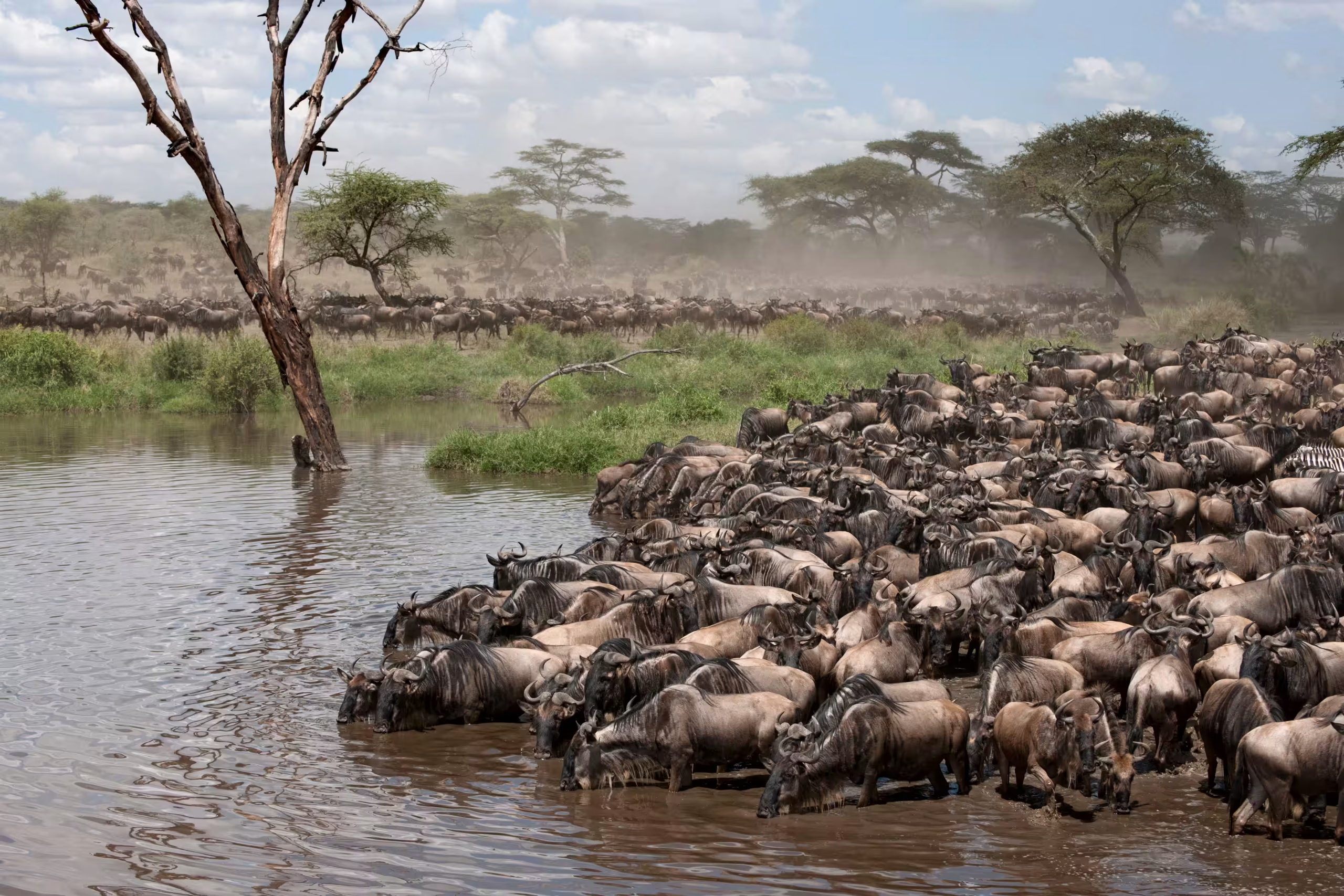
The walls are the reason the crater works the way it does. They aren't a fence — animals come and go — but they concentrate everything. Roughly 25,000 large animals live on 260 square kilometres of floor, alongside permanent water and year-round grazing. The result is that you can see, in a single morning, what elsewhere takes a week of driving.
It is the most reliable place in Tanzania to see black rhino, and one of the few where the whole Big Five is genuinely achievable in one day. The lion prides here are among the most-studied in Africa, and the crater's old bull elephants carry some of the heaviest tusks left on the continent.
The honest caveat is that everyone knows this. The crater floor gets busy, especially between nine and eleven in the morning. We descend at opening, which buys two hours of near-solitude before the day-trip vehicles arrive from Arusha.
The crater floor is not uniform. Knowing which habitat holds what is the difference between a good day and an extraordinary one.
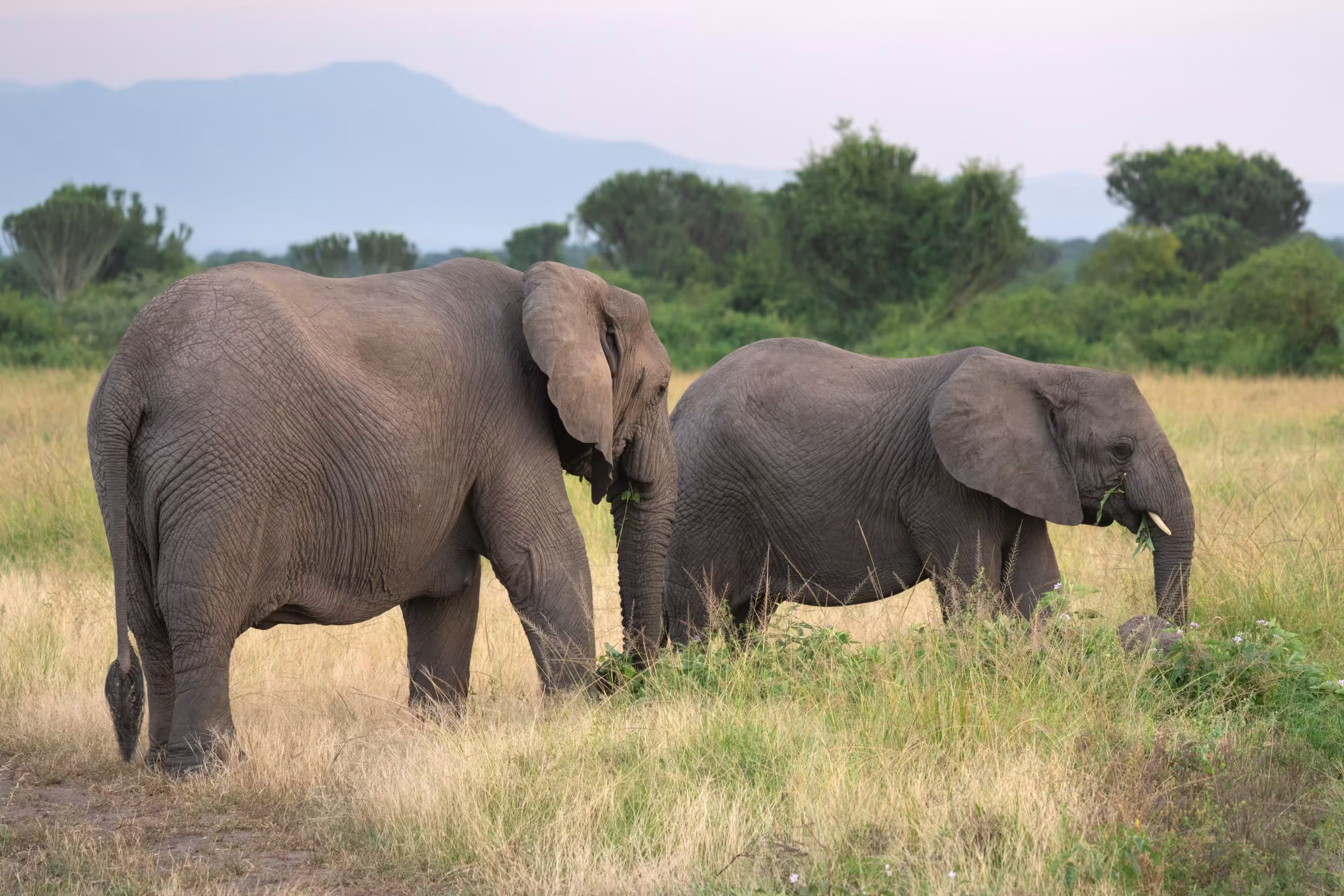
A grove of yellow-barked fever trees in the south-west. Big elephant bulls shelter here through the middle of the day, and it is prime leopard territory at the edges.
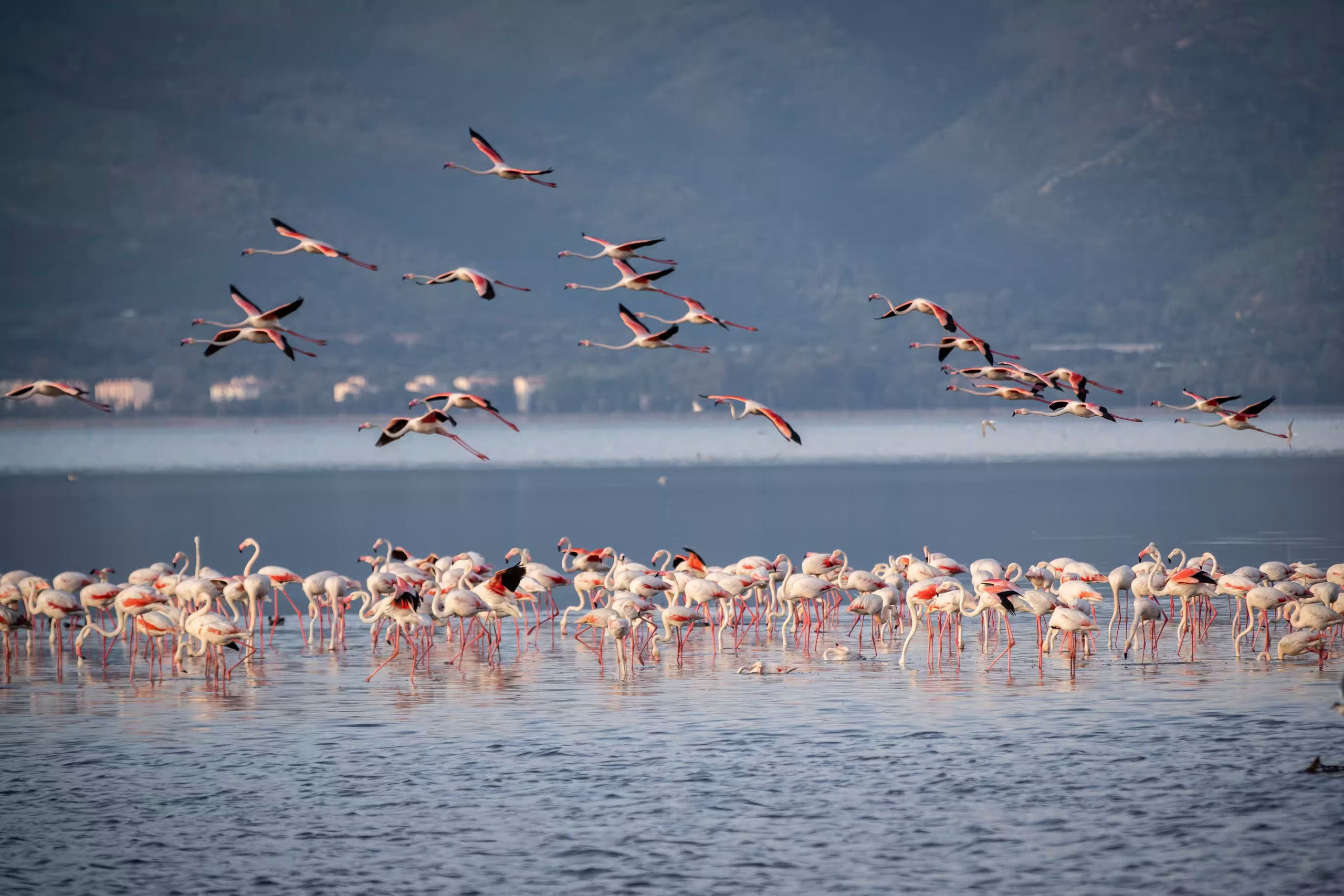
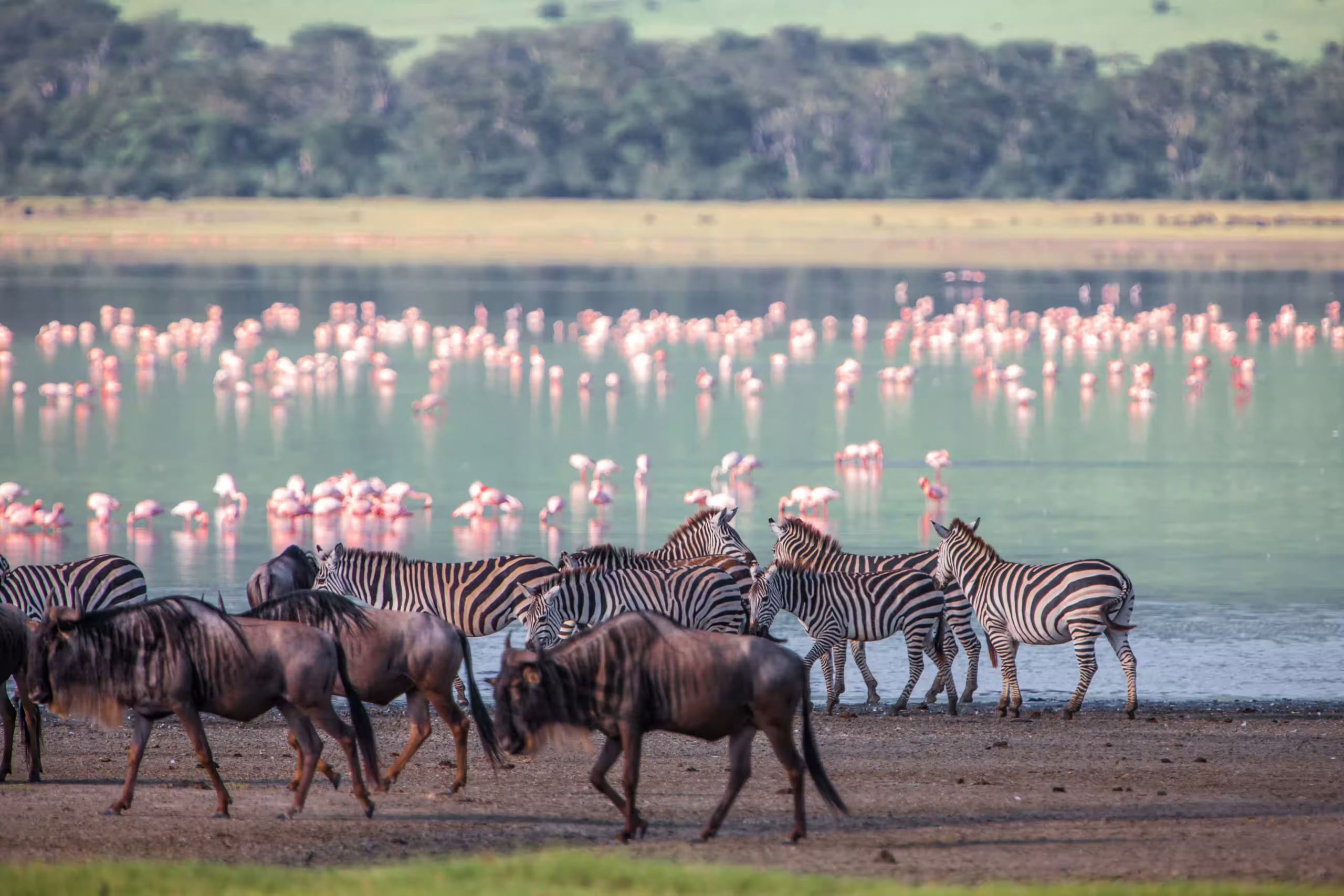
A shallow alkaline lake at the crater's centre. Numbers of lesser flamingo rise and fall with the water level — after rain it can turn genuinely pink.

Permanent water fed by the rim's rainfall. Hippo pods, buffalo herds and the crater's most reliable afternoon elephant activity.
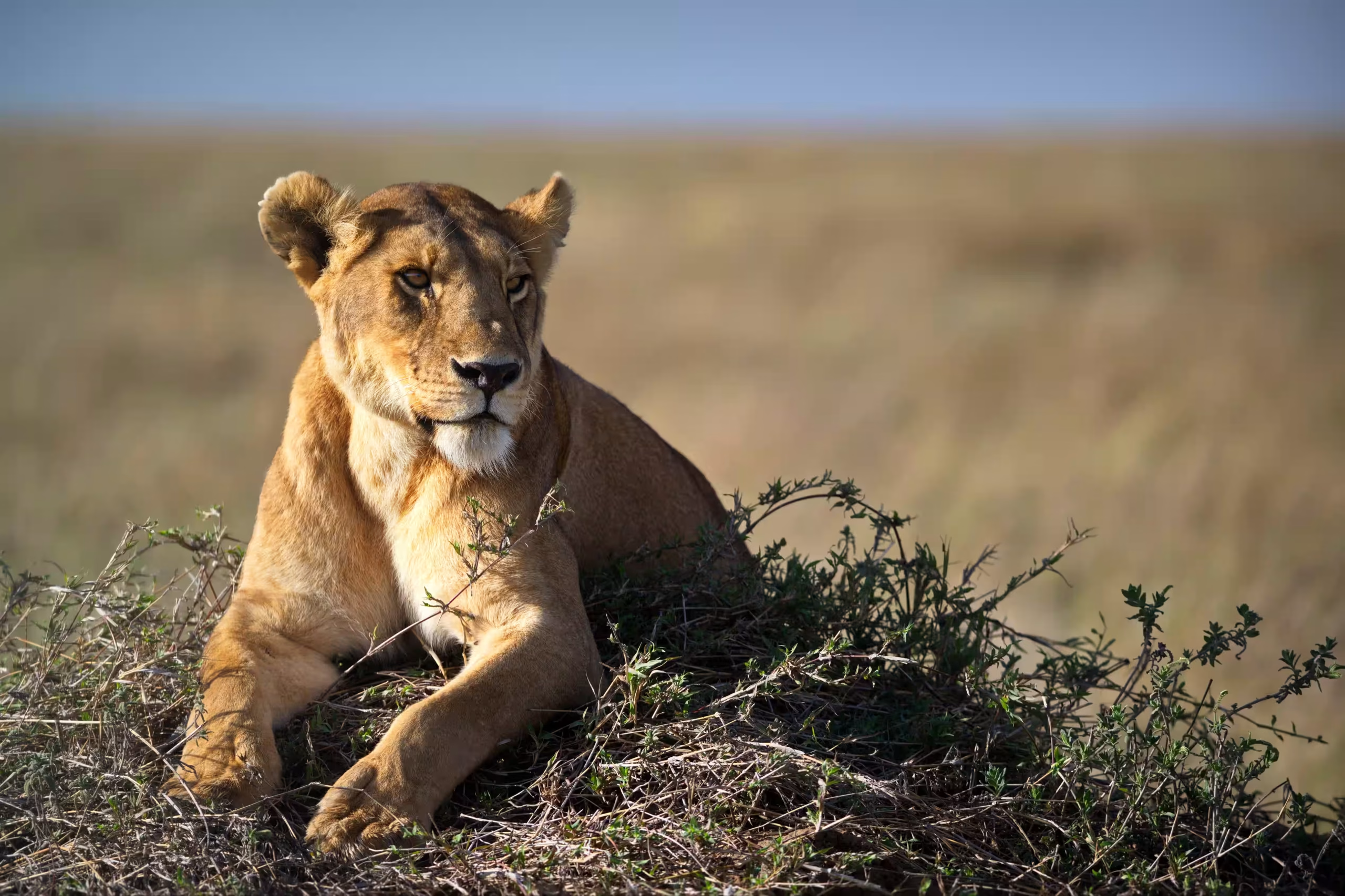
Open short-grass plain on the eastern floor. This is where the resident lion prides hunt, hyena clans den, and black rhino are most often spotted at distance.
Nowhere else in the country gives you a realistic chance of all five in a single day — because nowhere else keeps them in a bowl.
The crater's lion population is small and closely monitored — inbreeding has been a genuine concern, and the prides are among the most-studied in Africa. Rhino sightings are usually at distance across the Lemala grassland, so bring binoculars rather than expecting a close encounter.
The descent is the headline, but the conservation area around it holds some of the best walking and cultural access in Tanzania.
The main event. We descend at opening to get two clear hours before the crowds, with a packed breakfast eaten on the floor rather than losing time to a lodge.
A neighbouring caldera with a deep soda lake, reached on foot through highland forest with an armed ranger. Flamingo on the water and views to Ol Doinyo Lengai.
A gentler highland walk to a shallow grassy crater and the waterfall that drains it. Maasai cattle graze the rim, and you'll likely have it entirely to yourself.
The Leakey excavation site where some of the oldest hominin remains were found. A small museum and a short walk into the gorge itself, on the road toward the Serengeti.
The Ngorongoro is unusual in that Maasai still legally live and graze inside the conservation area. Visits are arranged directly with the community, paid at the source.
Montane forest on the crater rim holds turaco, forest hornbill and Hartlaub's turaco. A quiet, cool contrast to the dust of the floor.
The crater holds its wildlife year-round — unlike the Serengeti, nothing migrates away. What changes is the weather, the crowds and the price.
Staying on the rim buys you the earliest possible descent. Staying in Karatu buys you a better room for less money and costs you an hour.

Perched on the rim itself with the crater floor 600 m below your window. Expensive, and worth it for the view and the head start on the descent road.

Tented camps in the forest just back from the rim. You keep the early-descent advantage at a fraction of the rim-lodge rate, with far more atmosphere.

Coffee-farm country 25 km below the gate. Warmer nights, better value and good food — at the cost of a 45-minute drive to the rim each morning.
Every one of these can be reshaped around your dates, pace and budget.

The classic Northern Circuit loop — Tarangire's elephants, the Serengeti plains and a full day on the crater floor.
View Itinerary →
Crater floor, Empakai hike and a Maasai boma visit. The best short safari in Tanzania if time is genuinely tight.
Enquire →
Manyara, Tarangire, the crater and four nights in the Serengeti, paced so no day is spent entirely in the vehicle.
Enquire →
Crater and Serengeti followed by four nights on the Indian Ocean. Our most requested combination.
Enquire →Most journeys combine two or three. Tell us which pull at you and we will build the route.
We'll build the timing around an opening-hour descent — the difference between sharing the floor and having it to yourself. No cost, no commitment.
 ✓Live specialist
✓Replies within 1 hr
✓Live specialist
✓Replies within 1 hr
Tell us a little about the trip you have in mind. A planner in Arusha will write back within one working day.
Speak with us directly on WhatsAppinto wilderness toursPlanner