into wilderness tours

Mara River crossings peak August – September · limited northern camps remain
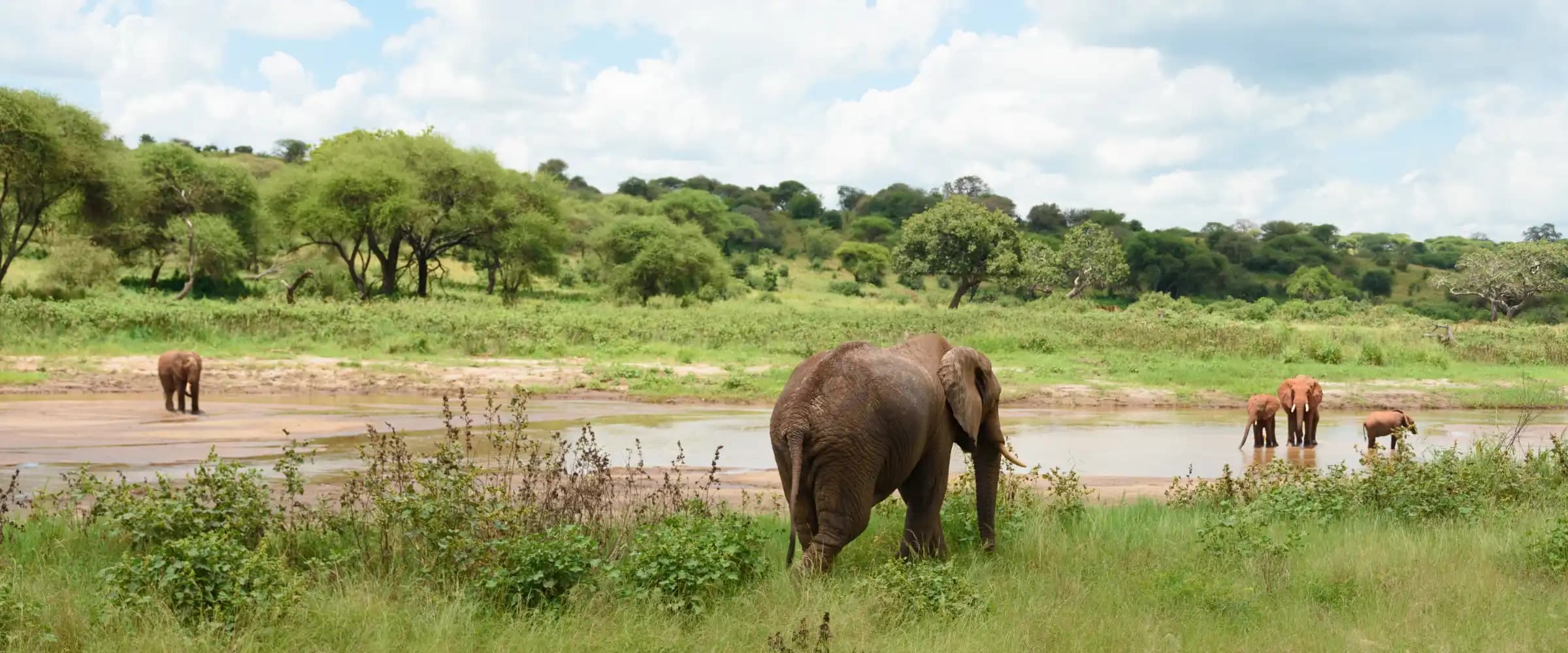
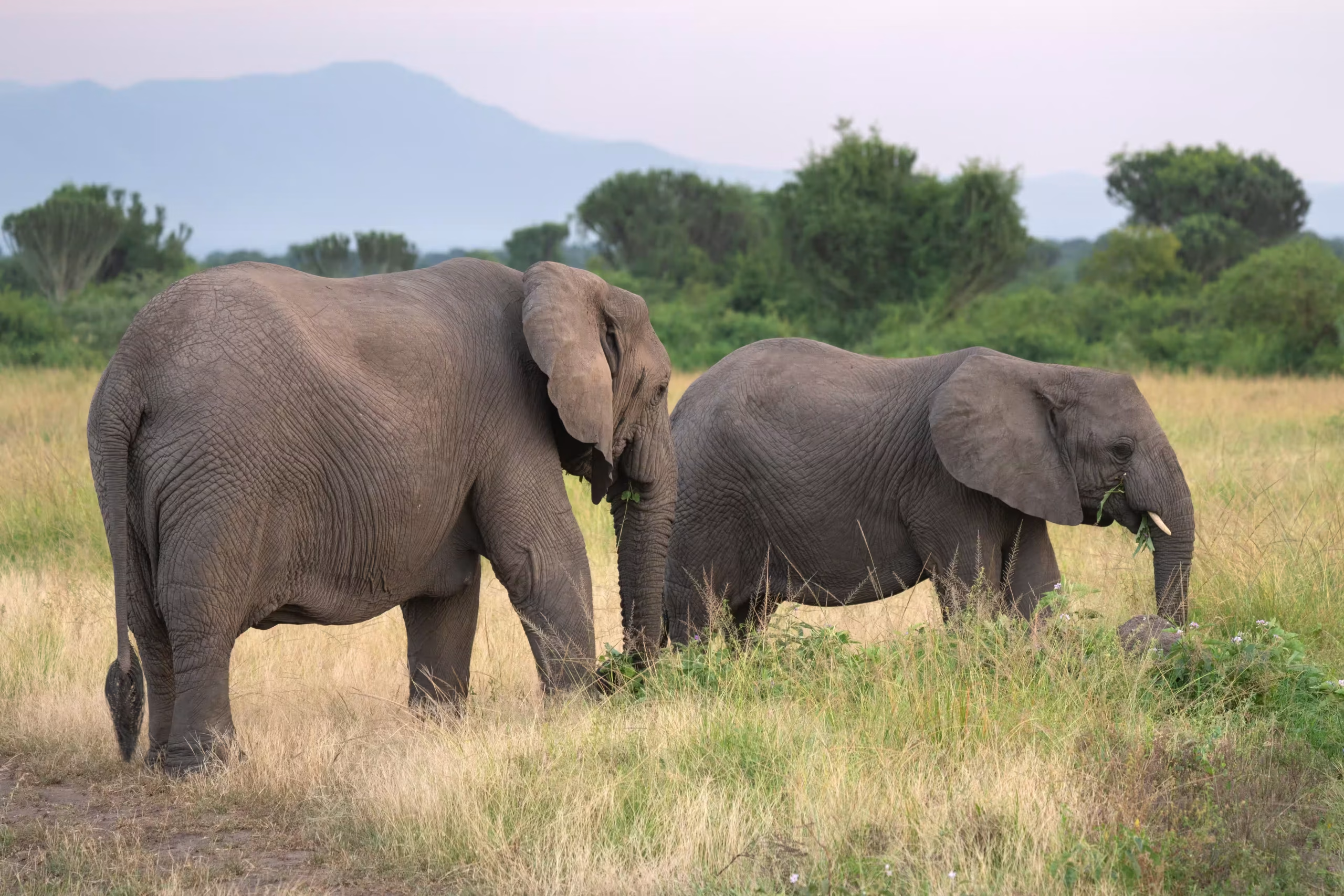
Elephant herd beneath baobabs in Tarangire
Home  /  Destinations  /  Northern Circuit

TARANGIRE NATIONAL PARK

The River Decides Everything
The Tarangire River — Lifeline
Dry season · June to October
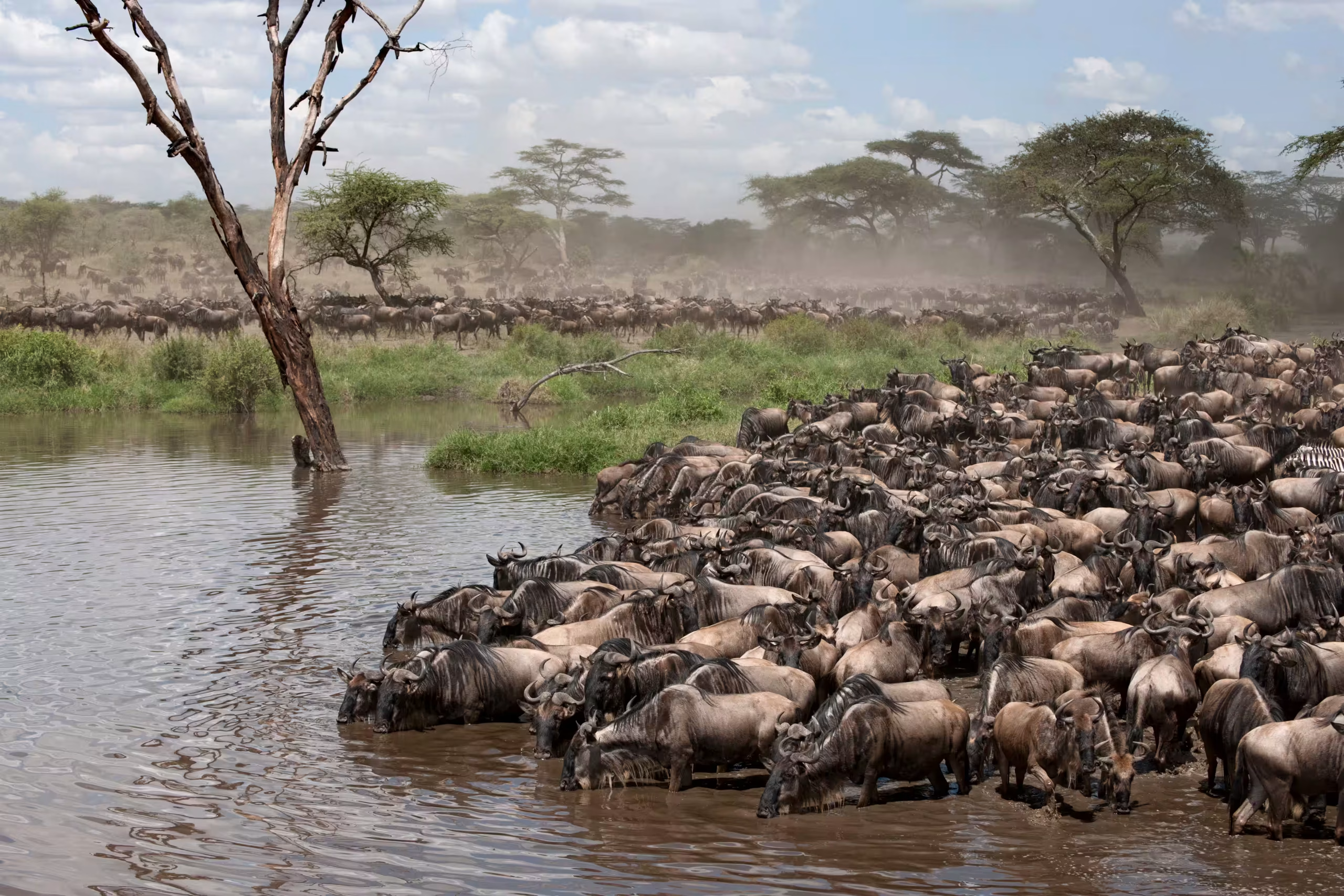
Everything Comes to the Water
The river is the only permanent water for miles. Herds collapse onto it — elephant densities here become the highest in northern Tanzania.
Elephant Zebra & wildebeest Buffalo Tarangire River
Region
Northern Circuit
Area
2,850 km²
Elevation
1,100 m
Best Time
Jun – Oct
From Arusha
2 hrs
Land of Giants

Baobabs, Elephants, and a River That Never Dries

Two hours from Arusha, and the most underrated park on the Northern Circuit.

Most people give Tarangire a single night on the way to the crater. That is a mistake, and it is one of the easiest to fix in Tanzanian safari planning.

The park is built around the Tarangire River, which holds water through the dry season when almost everything else in the region has gone to dust. From June onward the animals of a much larger ecosystem — reaching south toward Lake Manyara and east into Maasai rangeland — converge on it. The result is the highest elephant concentration in northern Tanzania, with herds of three and four hundred not unusual.

In the dry season Tarangire does something no other northern park does: it fills up while everywhere else empties out.

The landscape is the other reason to come. Ancient baobabs stand across the hills like something misplaced from another planet — some over a thousand years old, many bearing the scars where elephants have stripped the bark for moisture. Combined with the granite ridges and the river valley below, it is the most photogenic country on the circuit.

Tarangire also holds species you will not easily find further north: fringe-eared oryx, gerenuk standing on hind legs to browse, and the largest population of breeding birds of any habitat on Earth by some counts, with over 550 species recorded.

Established
1970
Area
2,850 km²
Elevation
1,100 m
Elephant population
Over 3,000 in the ecosystem
Bird species
Over 550
Signature tree
Baobab (Adansonia digitata)
Getting there
2 hrs by road from Arusha
Park fees
From $53 per adult per day
Night drives
Permitted in some concessions
Walking safaris
Permitted with licensed guide
Malaria
Present — prophylaxis advised
Ideal stay
2 nights
Reading the Park

Four Zones Along the River

Tarangire is long and narrow, following the river south. Where you stay determines what your mornings look like.
Northern River Circuit
Jun – Oct
Northern River Circuit

The busiest and most productive section. Permanent water, huge elephant aggregations and the classic baobab-studded views. Most lodges sit within reach of it.

ElephantAccessibleBaobabs
Silale Swamps
Jul – Nov
Silale Swamps

Black-cotton swamp in the park's centre that holds moisture longest. Buffalo herds in the hundreds, and the best lion action in Tarangire late in the dry season.

LionBuffaloSwamp
Southern Wilderness
Remote
Southern Wilderness

Rarely visited country reached only by the few southern camps. Wild dog are occasionally recorded here, and you can drive for hours without meeting another vehicle.

SolitudeWild dogFly-camping
Lemiyon & Baobab Hills
Photography
Lemiyon & Baobab Hills

Rolling granite country in the north-east dense with ancient baobabs. The signature Tarangire landscape, and at its best in the first hour after sunrise.

BaobabsLandscapeGolden hour
The Wildlife

Elephants in Numbers You Won't See Elsewhere

Herds of three hundred are routine here in the dry season. Add dry-country species that never make it further north.

3,000+
Elephants
550+
Bird species
2,850
km² of park
1,000+
Year-old baobabs

Tarangire has no rhino, so the full Big Five isn't achievable here — pair it with Ngorongoro if that's your goal. What it offers instead is dry-country specials: fringe-eared oryx, gerenuk, lesser kudu and the localised ashy starling, none of which are easy to find in the Serengeti.

Realistic Sighting Odds — Dry Season
Elephant
Near certain
Buffalo
Very likely
Lion
Likely
Leopard
Uncommon
Cheetah
Rare
Tarangire Specials
Fringe-eared oryxGerenukLesser kuduAshy starlingGiraffeWaterbuckPythonYellow-collared lovebird
Experiences

Ways to Meet Tarangire

One of the few northern parks where you can legally get out of the vehicle — and where night drives are possible.

River Circuit Game Drive

Follow the river north to south with a picnic lunch under a baobab. In peak dry season the elephant traffic at the water is continuous from mid-morning onward.

Full day·Jun – Oct

Walking Safari

On foot with an armed ranger through baobab country. Tracks, dung, birdsong and the particular alertness that comes from having no metal around you.

2 – 3 hrs·Age 12+

Night Game Drive

Permitted in private concessions bordering the park. Genet, civet, bushbaby, porcupine and — with luck — leopard on the move. Almost impossible elsewhere in the north.

2 hrs·Concessions only

Hot Air Balloon

Drifting over the baobab hills at first light with the river below. Quieter and considerably cheaper than the Serengeti equivalent, with better tree structure beneath you.

Dawn, ~4 hrs·From $549

Maasai Village Visit

The rangeland east of the park is Maasai country. Visits are arranged directly with the community rather than through an intermediary, and paid at the source.

2 hrs·Community-run

Birding Safari

Over 550 species recorded. November to April brings the migrants, and a dedicated guide will comfortably put you past a hundred species in a single morning.

Half day·Specialist guide
Timing

The Most Seasonal Park in the North

Tarangire swings harder between seasons than anywhere else on the circuit. Getting this right matters more here than usual.

Season
What's Happening
Consider
Verdict
Jun – OctDry season
The river becomes the only water for miles and the whole ecosystem converges on it. Enormous elephant herds, buffalo at the swamps, strong predator activity.
This is genuinely the point of Tarangire. Book ahead for July to September.
Peak — go now
Nov – DecShort rains
Brief showers green the park and migrant birds arrive in force. Herds begin dispersing but plenty remain through November.
Game viewing weakens as animals scatter beyond the boundaries.
Good, quieting
Jan – FebShort dry spell
A dry window between the rains. Landscapes are green, birding is at its best, and vehicle numbers are low.
Elephant numbers well down on dry-season levels.
Pleasant
Mar – MayLong rains
The park is at its greenest and emptiest. Excellent for birds and photography of landscape rather than density.
Some roads become difficult and several camps close entirely. Rates are lowest of the year.
Lowest season
Where to Stay

In the Park, or on the Escarpment

Staying inside means you're on the river at dawn. Staying outside is cheaper and often more comfortable.

In-Park Lodges
Luxury
In-Park Lodges

Permanent lodges overlooking the river valley, with pools and full service. Being inside the gate at first light is the real advantage.

From $520 per person / night
Tented Camps
Our Recommendation
Tented Camps

Classic canvas under the acacias, some seasonal and some year-round. En-suite, proper beds, and elephants regularly walking through camp after dark.

From $340 per person / night
Escarpment & Gate Lodges
Value
Escarpment & Gate Lodges

Just outside the main gate with views over the valley. Considerably cheaper and perfectly comfortable, at the cost of 30 minutes each morning.

From $140 per person / night
Journeys

Safaris Featuring Tarangire

Every one of these can be reshaped around your dates, pace and budget.

5-Day: Tarangire, Ngorongoro & Serengeti
Most Booked
5-Day: Tarangire, Ngorongoro & Serengeti
5 Days·From $3,000

The classic Northern Circuit loop, opening with two nights in Tarangire rather than the usual rushed single night.

View Itinerary →
4-Day Tarangire & Manyara Focus
Underrated
4-Day Tarangire & Manyara Focus
4 Days·From $1,850

Two parks, no long drives, and a walking safari. The best short safari from Arusha for people who dislike being rushed.

Enquire →
7-Day Northern Circuit Complete
Comprehensive
7-Day Northern Circuit Complete
7 Days·From $4,200

Manyara, Tarangire, the crater and four nights in the Serengeti, paced so no day is spent entirely in the vehicle.

Enquire →
6-Day Family Safari
Family
6-Day Family Safari
6 Days·From $3,600

Shorter drives, a private vehicle and lodges with pools. Tarangire's elephants are the reliable highlight for children.

Enquire →
Before You Go

Tarangire Questions, Answered Plainly

Yes, and this is the single most common planning mistake we correct. Most itineraries allocate one night on the way to the crater, which gives you an afternoon drive and a rushed morning. Two nights gives you a full day on the river circuit plus time for a walking safari or the Silale swamps, and it's where the park stops feeling like a stopover.
August through October, with September usually the peak. By then surface water elsewhere has gone and the ecosystem's elephants have concentrated on the river. Herds of three hundred or more are common, and the traffic at the water is continuous through the middle of the day rather than only at dawn and dusk.
No — there are no rhino in the park. You have excellent odds on elephant and buffalo, good odds on lion, and a reasonable chance of leopard. If completing the Big Five matters to you, add a day in the Ngorongoro Crater, which is where nearly everyone sees their rhino.
Yes, and it's unusual for the northern circuit. Walking safaris operate inside the park with an armed ranger and a licensed walking guide, generally with a minimum age of twelve. Night drives are permitted in private concessions bordering the park rather than the park itself, which is where you'll find genet, civet and bushbaby.
Larger than photographs suggest. Many are over a thousand years old and several metres across, and you'll see deep vertical gouges in the bark where elephants have stripped it for moisture during the dry months. The Lemiyon area in the north-east has the densest concentration and the best light for them just after sunrise.
Very. Drives are shorter than in the Serengeti, the elephants deliver reliably so there's less waiting, and the park is only two hours from Arusha so the arrival day isn't exhausting. A private vehicle is worth the extra cost with younger children — it means you set the pace and can turn back when attention runs out.
Plan Your Tarangire Safari

Give Tarangire the Time It Deserves

Tell us your dates and we'll build an itinerary that treats Tarangire as a destination rather than a stopover. No cost, no commitment.

Loading itinerary…
Saved Trips