Mara River crossings peak August – September · limited northern camps remain
Tanzania · Choose Your Star
Enter to open first result · Esc to close

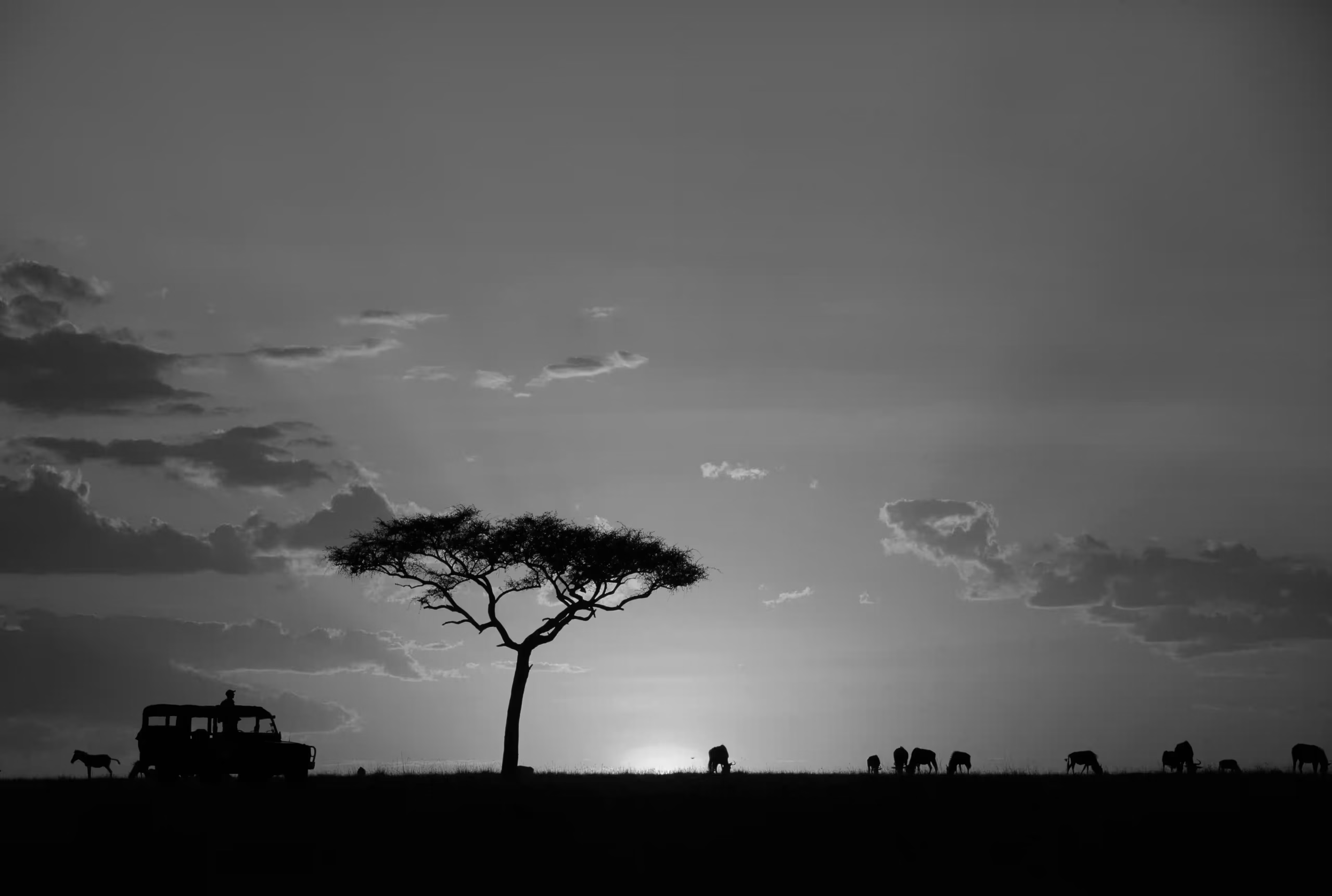
Bean bags instead of extra seats, guides briefed to hold position for the light, and days built around the two hours that actually matter.
A photographic safari is not a normal safari with a better camera. It is a different use of the day.
On a standard game drive the objective is to see as much as possible. On a photographic drive the objective is to be in the right place when the light is right, which frequently means sitting still for an hour at a sighting other vehicles have already left.
That difference runs through everything. We use four seats in a six-seat vehicle so everyone can shoot from both sides, fit bean bags rather than window mounts, and remove the middle row so long lenses have somewhere to live.
The guiding matters more than the equipment. Our photographic guides position the vehicle for the light rather than for the closest view — often reversing away from a sighting to get the sun behind them, which feels wrong until you see the frames.
Days are built around golden hour at both ends. That means dawn departures with breakfast in the vehicle, a long middle-of-the-day break when the light is unusable, and staying out until the gates close. Camps we use for this are briefed to hold dinner.
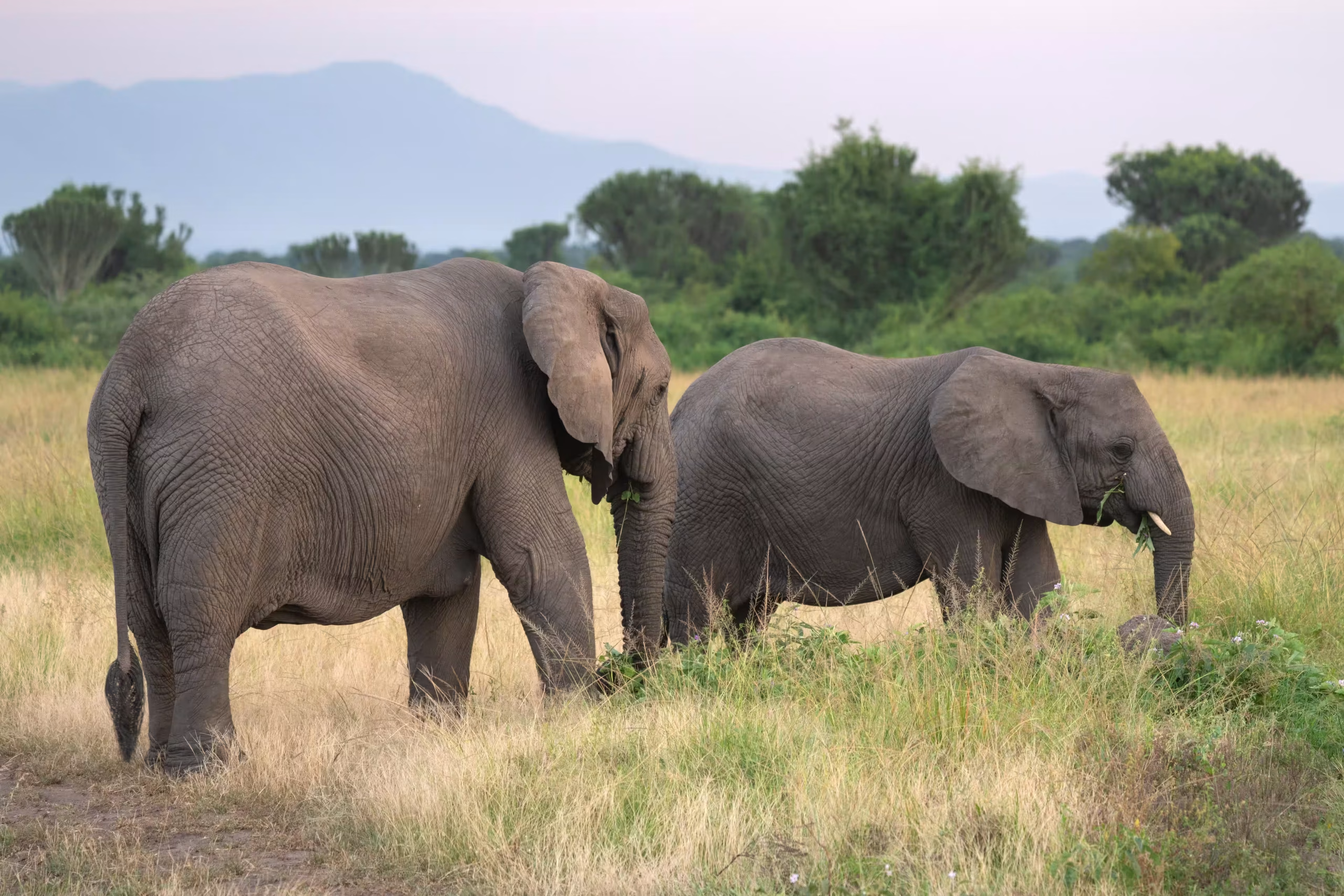
Two seats removed, bean bags on every window, charging points at each position and dust covers for gear. Everyone shoots from both sides without anyone climbing over anyone.
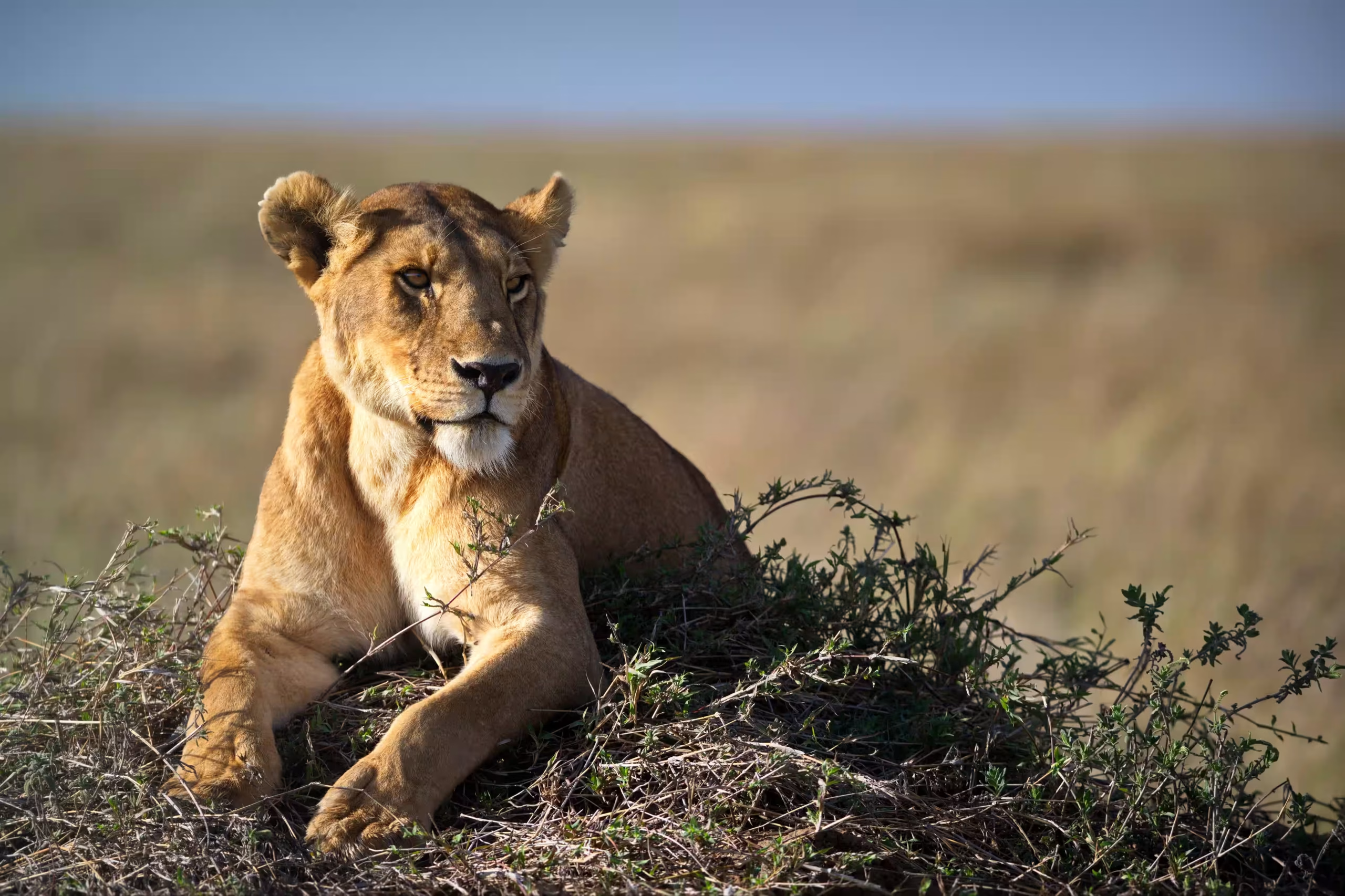
Guides trained to think about the sun before the subject. That often means approaching from further away or reversing to a worse view — and it is the single biggest improvement to your keeper rate.

Out before dawn with breakfast in the vehicle, back for a long midday break while the light is flat, then out again until the gates close. Camps briefed to serve dinner late.
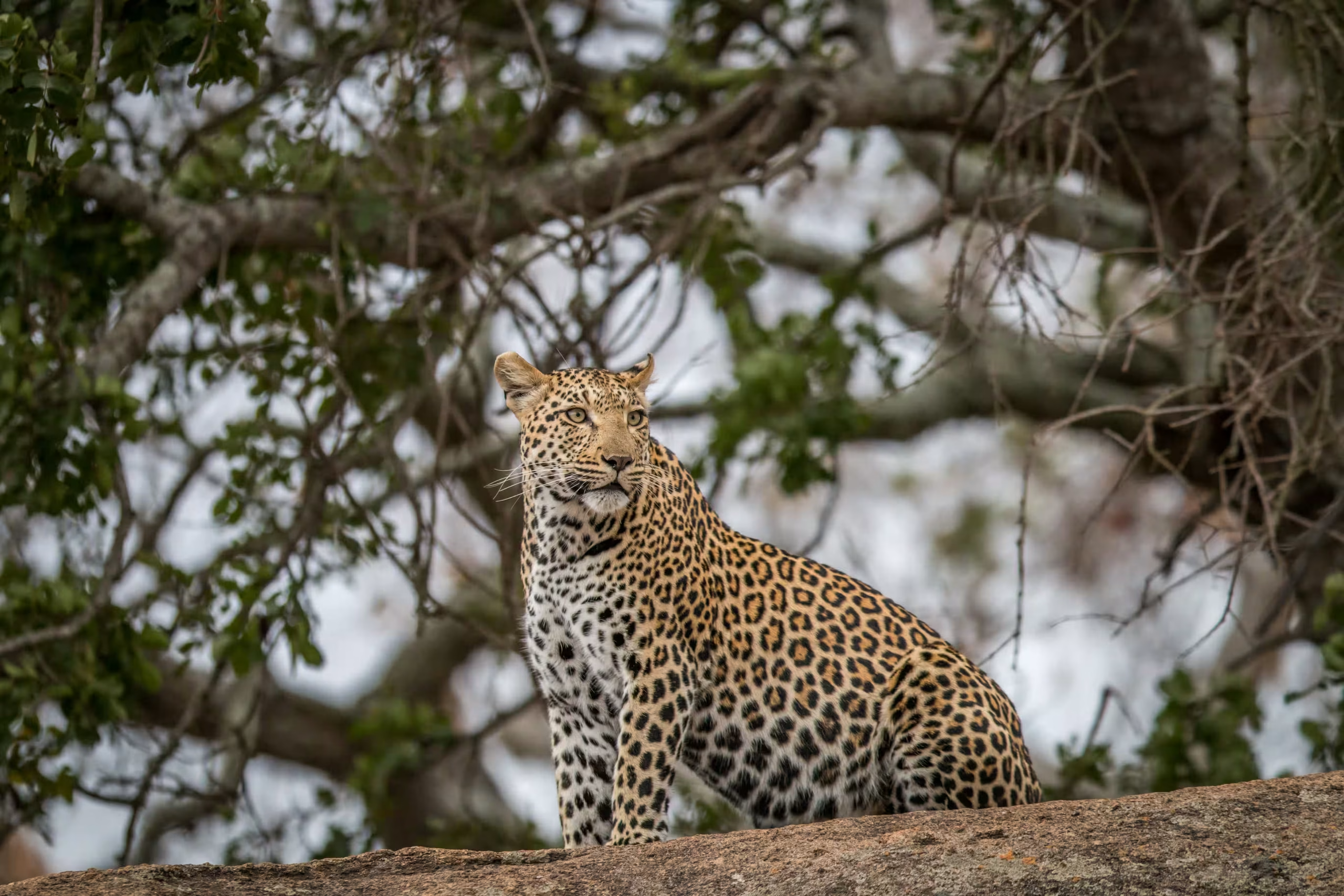
Camp positions selected for what surrounds them — open plains for clean backgrounds, river crossings for action, kopjes for elevated light. A great sighting against a cluttered background is a wasted morning.
Same parks, same animals, entirely different structure to the day.
He reversed a hundred metres away from a cheetah and I thought he'd lost his mind. Then the sun came round behind her.Photographic safari, Serengeti
Longer stays in fewer places, timed for light and for the events worth waiting for.
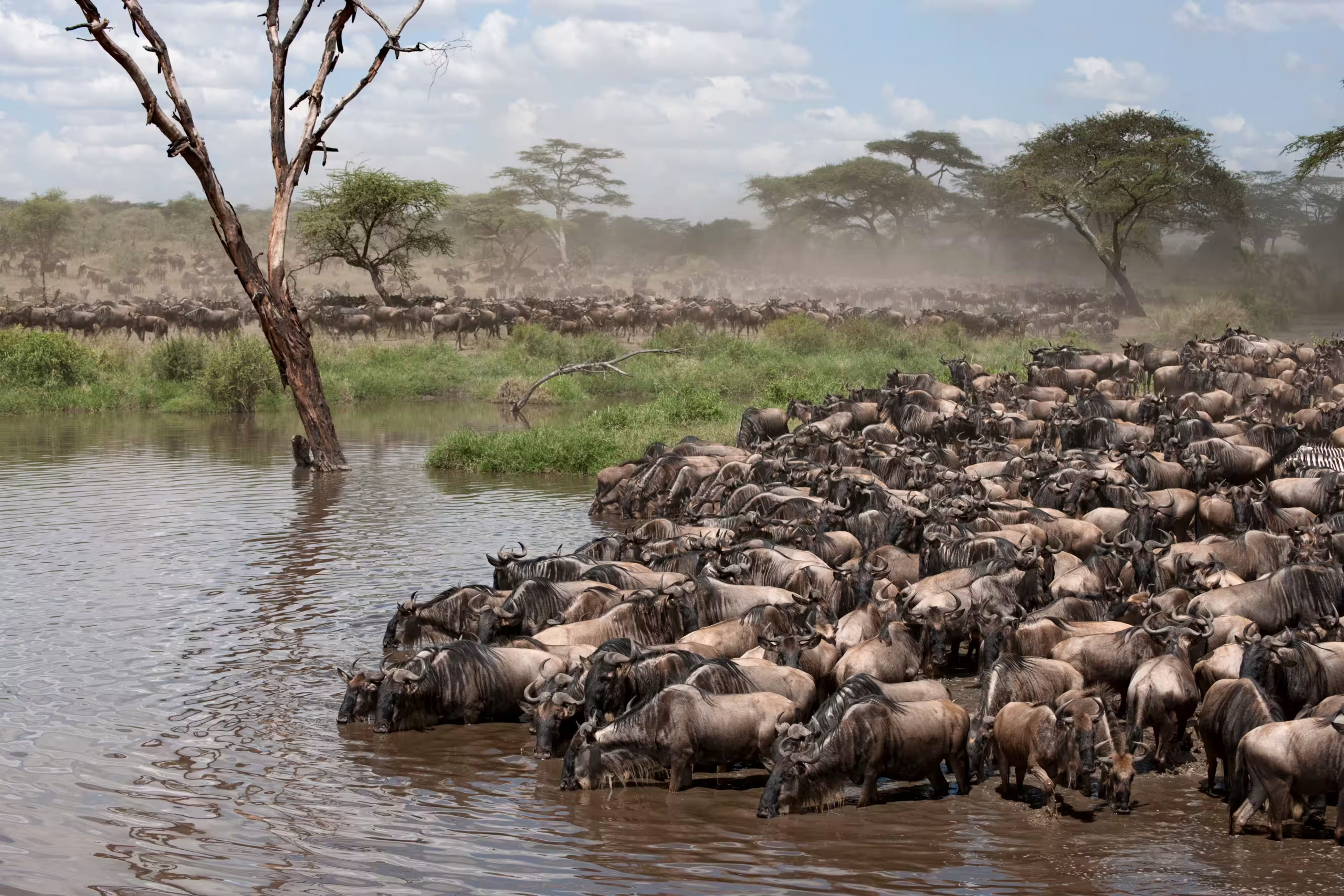
Northern Serengeti in crossing season, four nights at Kogatende so you can wait for the herds to commit.
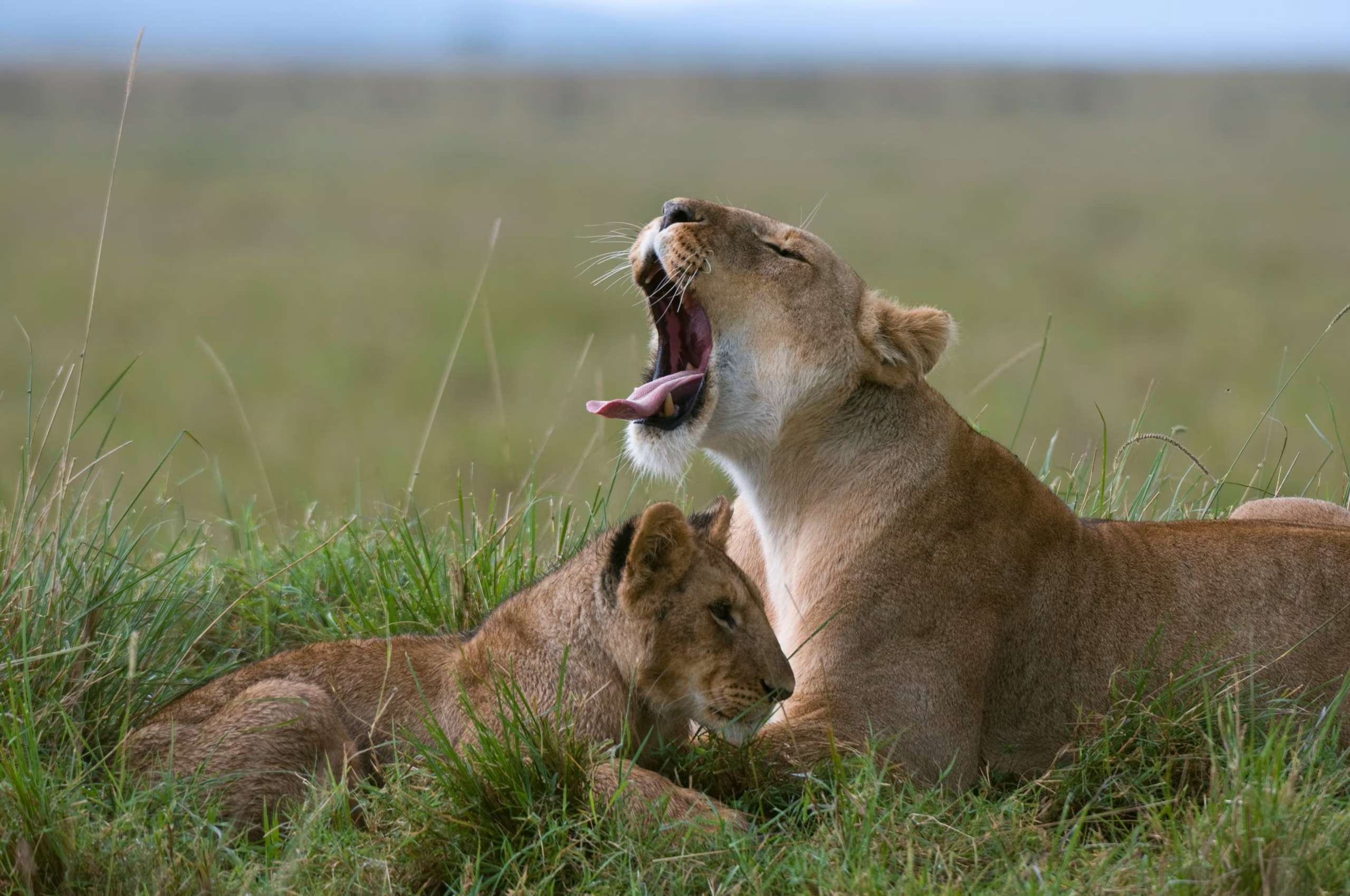
Seronera and the Moru kopjes, built around lion prides, leopard in the sausage trees and cheetah on open ground.
February on the southern short-grass plains — newborn wildebeest, predator action, and clean open backgrounds.
Species, style, and whether you want crossings, cats or calving. The itinerary is built around light and timing rather than around a standard route.
 ✓Live specialist
✓Replies within 1 hr
Tell us a little about the trip you have in mind. A planner in Arusha will write back within one working day.
Speak with us directly on WhatsAppinto wilderness toursPlanner